Reimagining Columbus
Columbus, Ohio
WHY
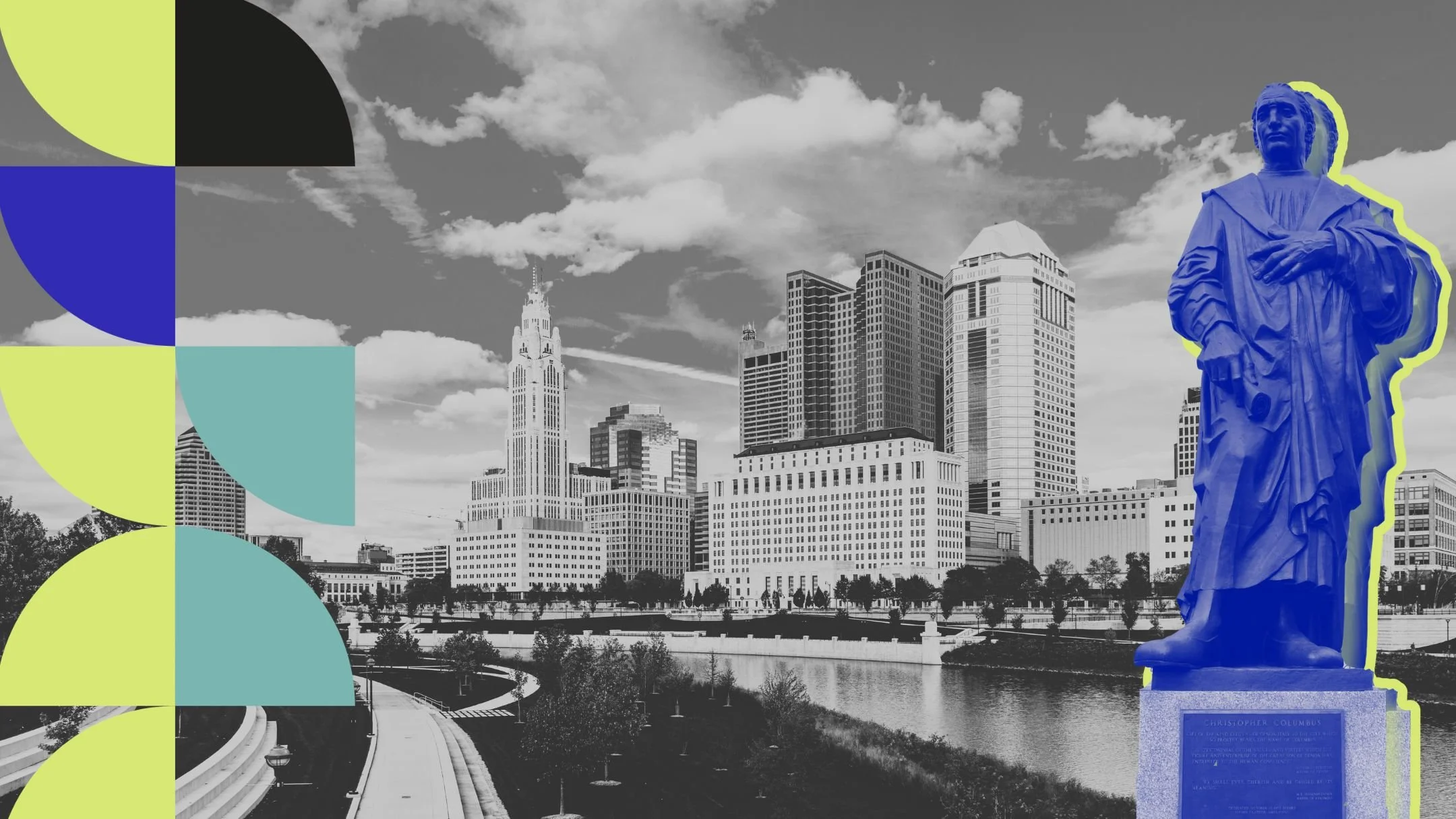
In the turbulent summer of 2020, when protests erupted over police brutality against people of color and controversial statues were being toppled and defaced nationwide, the City of Columbus preemptively removed its Christopher Columbus statue from the steps of City Hall. With the statue in storage, the City of Columbus partnered with Designing Local in 2023 to seek funding from the Mellon Foundation for “Reimagining Columbus,” a 2-year research, community engagement, and design process to reckon with the statue and imagine a future in which truths about its subject are more accurately conveyed. The proposal was awarded $2 million and Designing Local was tasked with managing the project.
HOW
Designing Local managed a multi-disciplinary team to undertake the following:
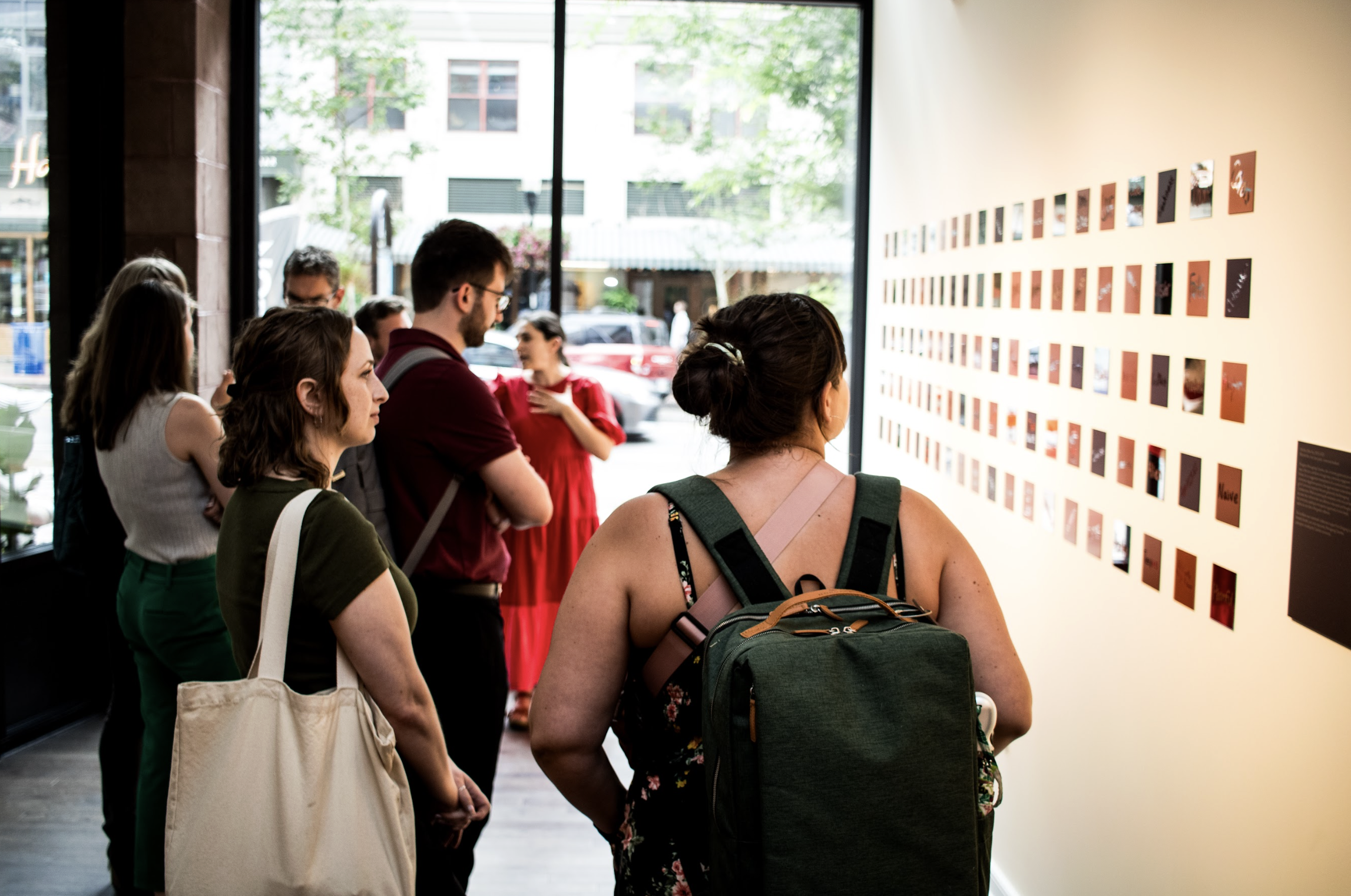
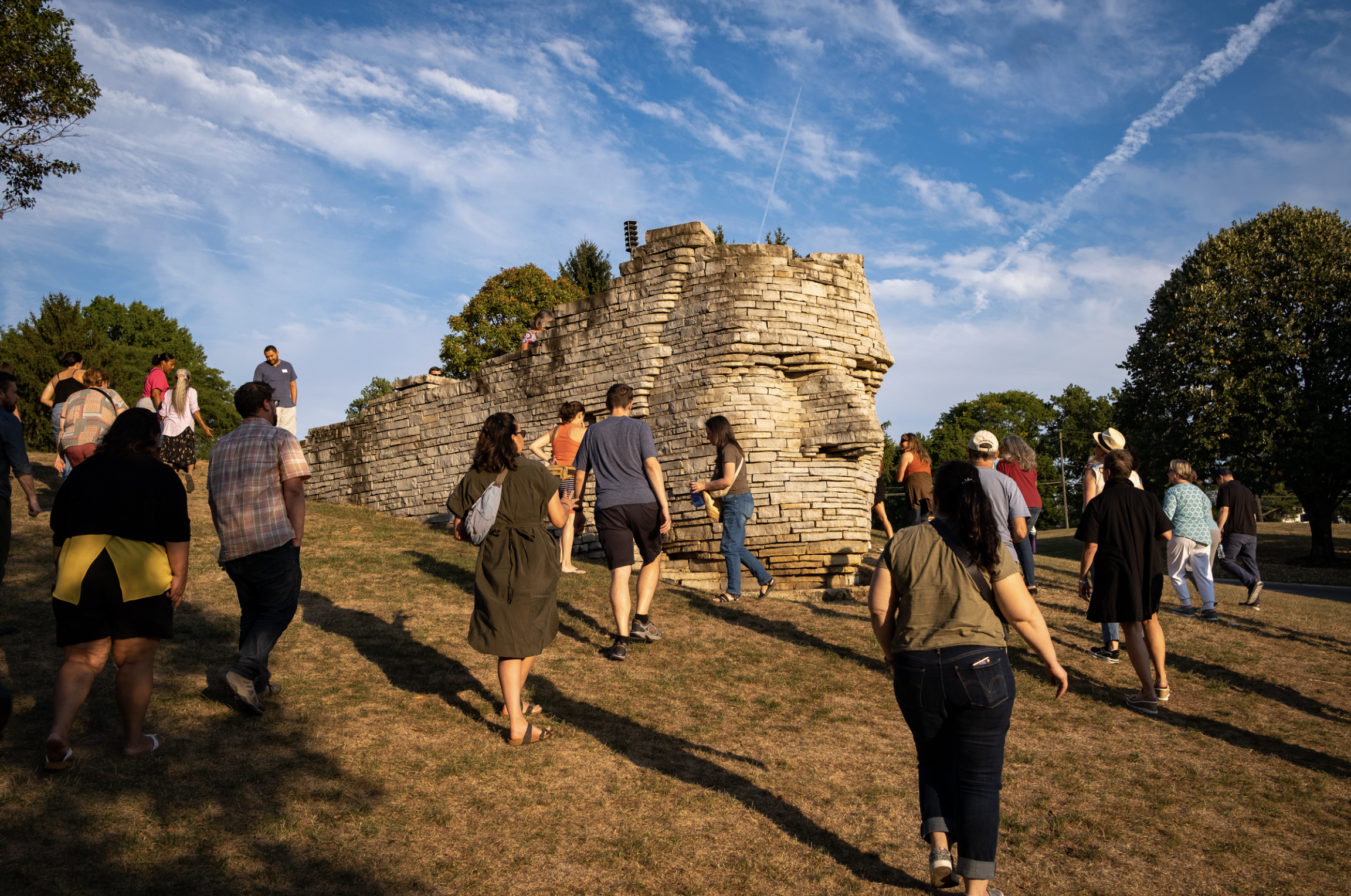
RESEARCH & LEARNING. In order to confidently recommend a course of action regarding the City of Columbus’ Christopher Columbus statue, the Reimagining Columbus project team felt it was important to be grounded in truths about the explorer and his legacies, particularly those within Columbus, Ohio. Learnings from subject matter experts, museums and site tours, original research, community conversations, and arts and culture colleagues nationwide were used to educate the public and inform project deliverables.
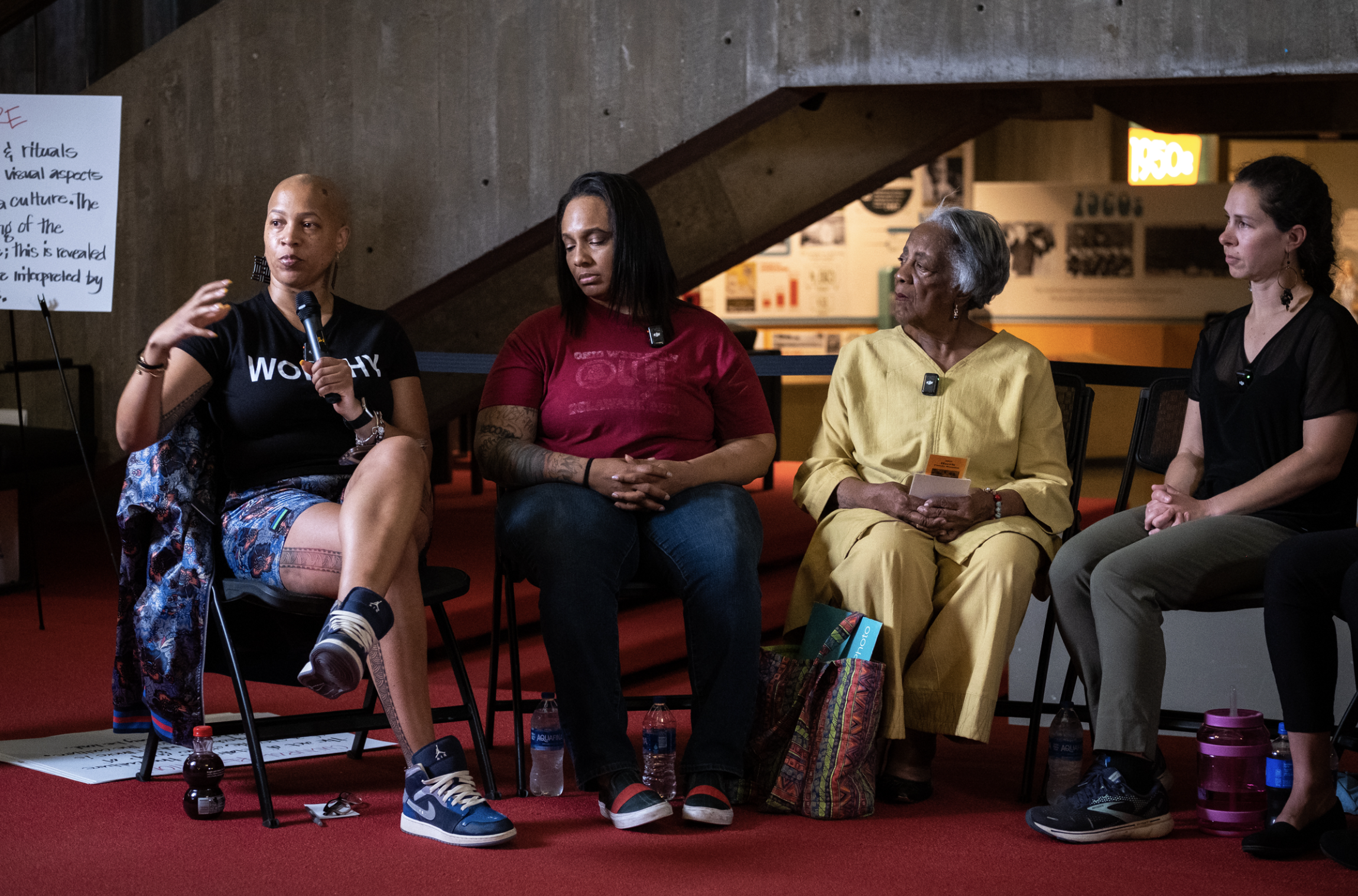
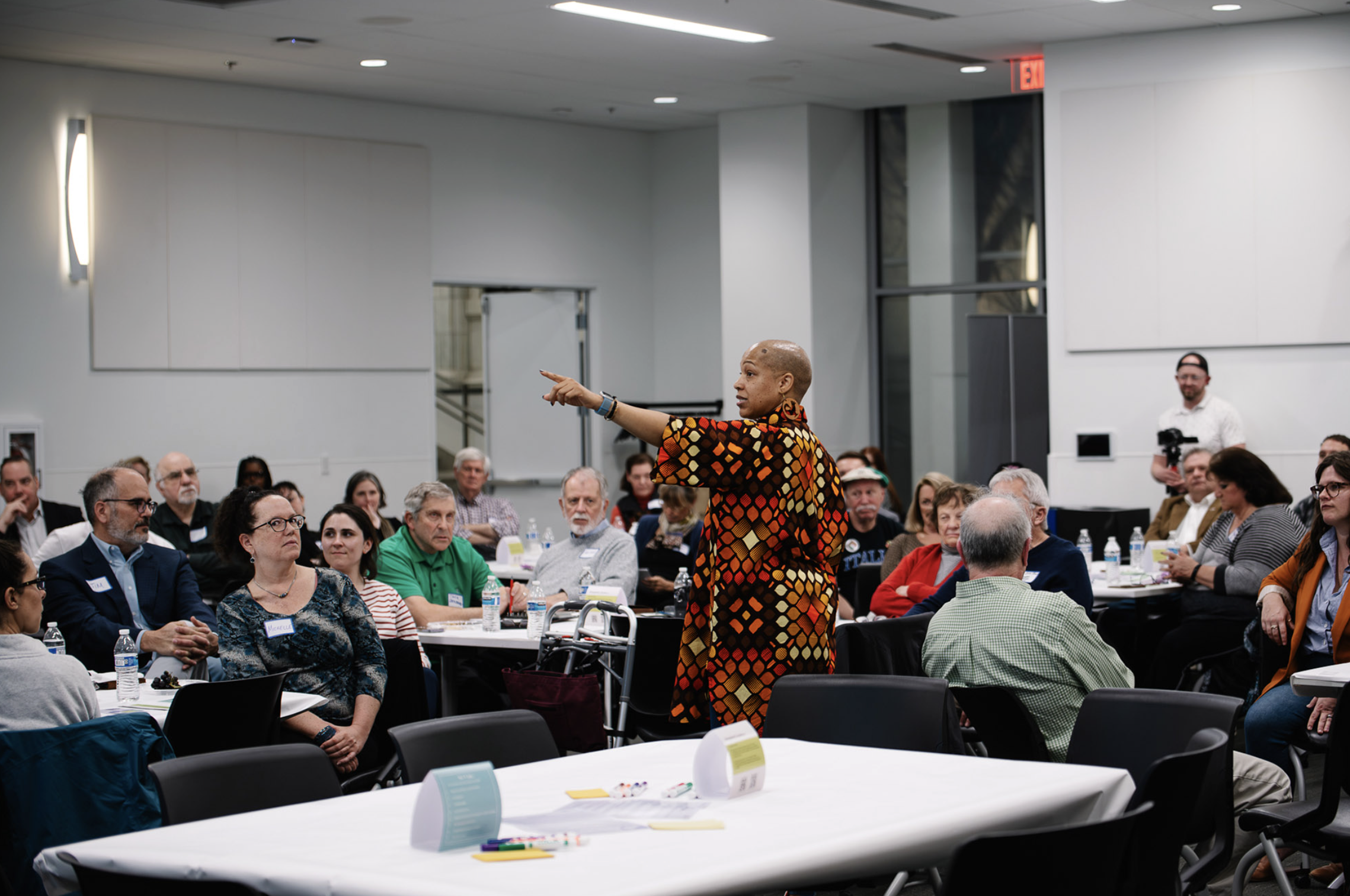
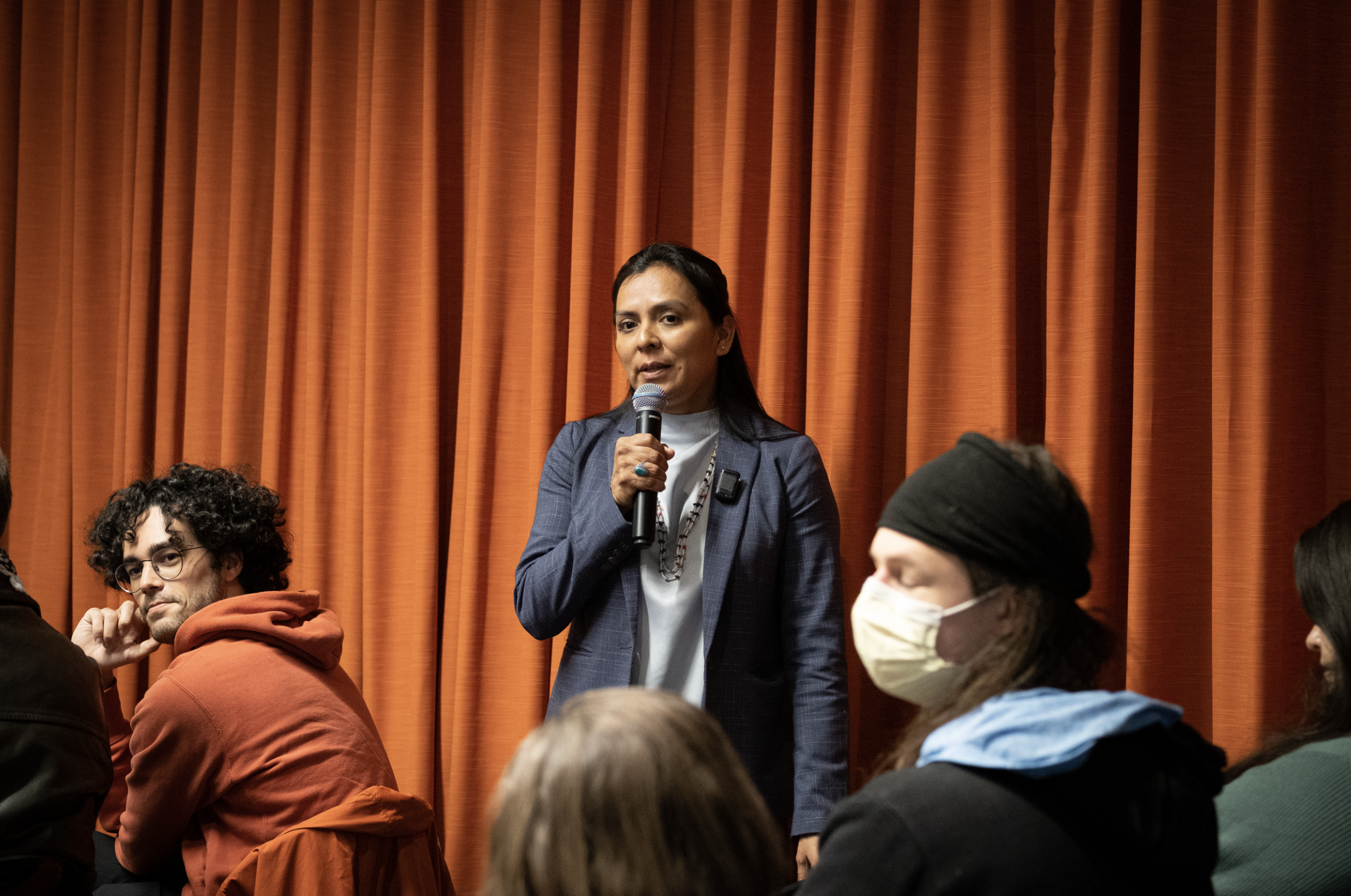
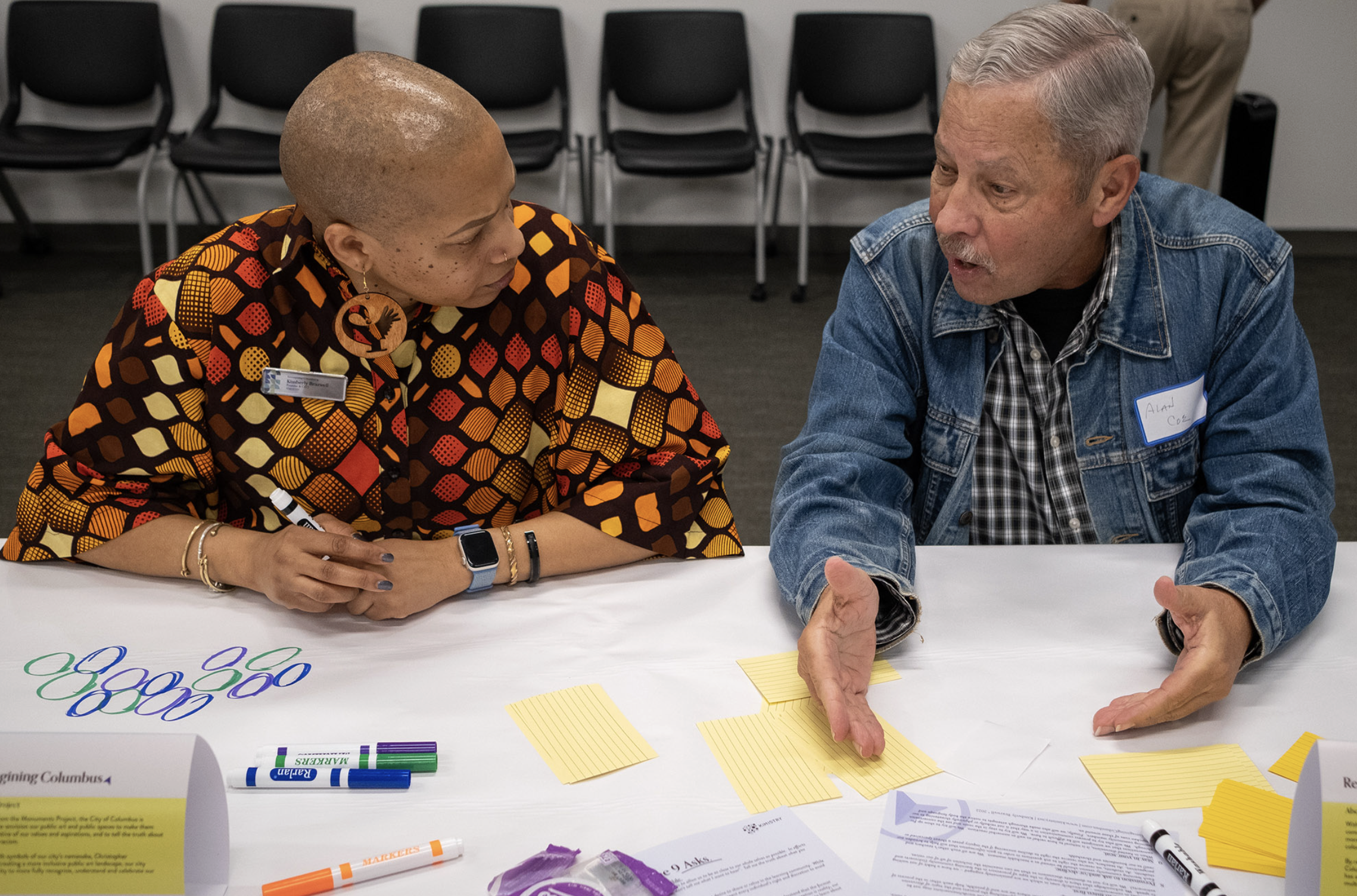
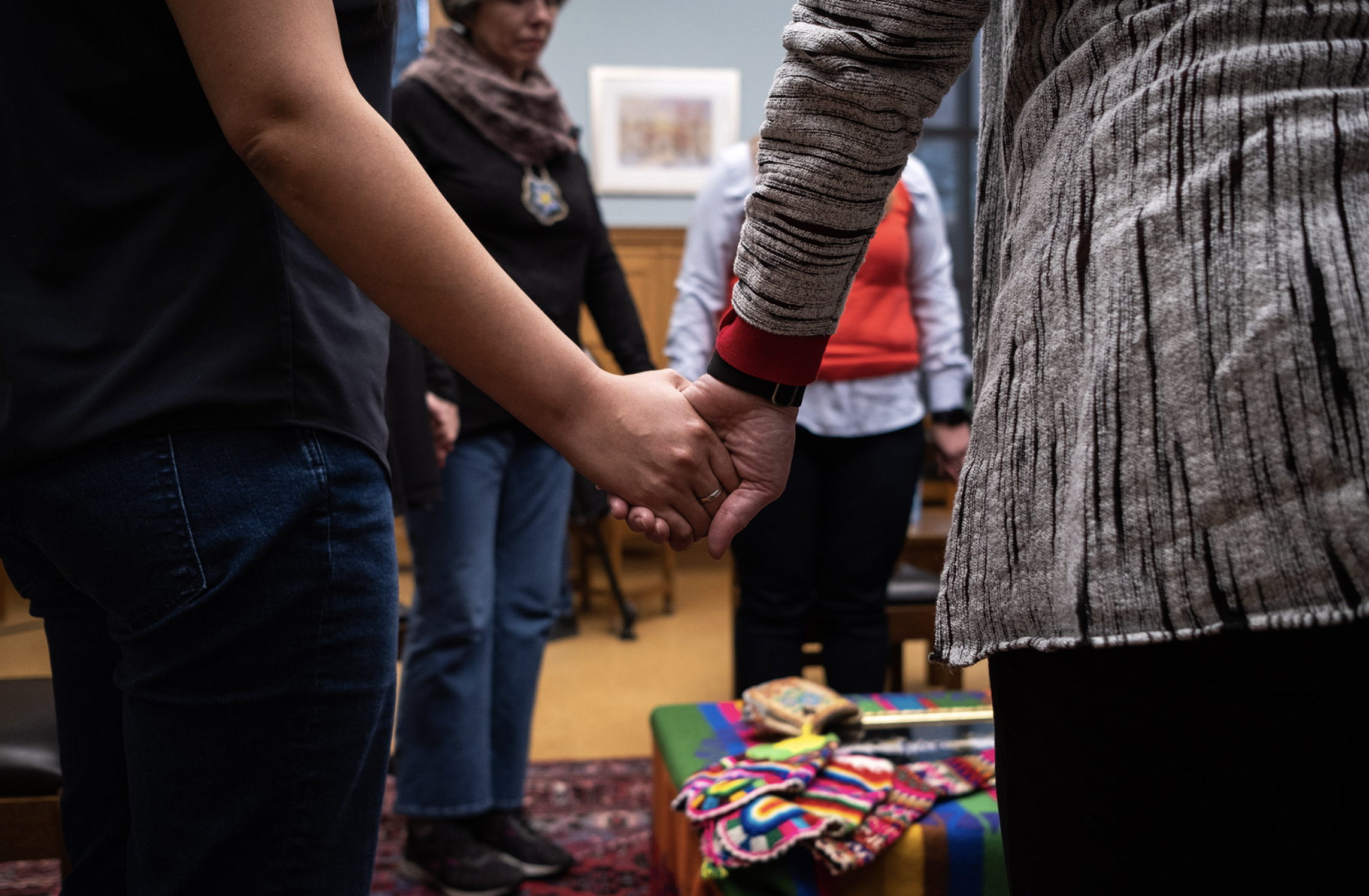
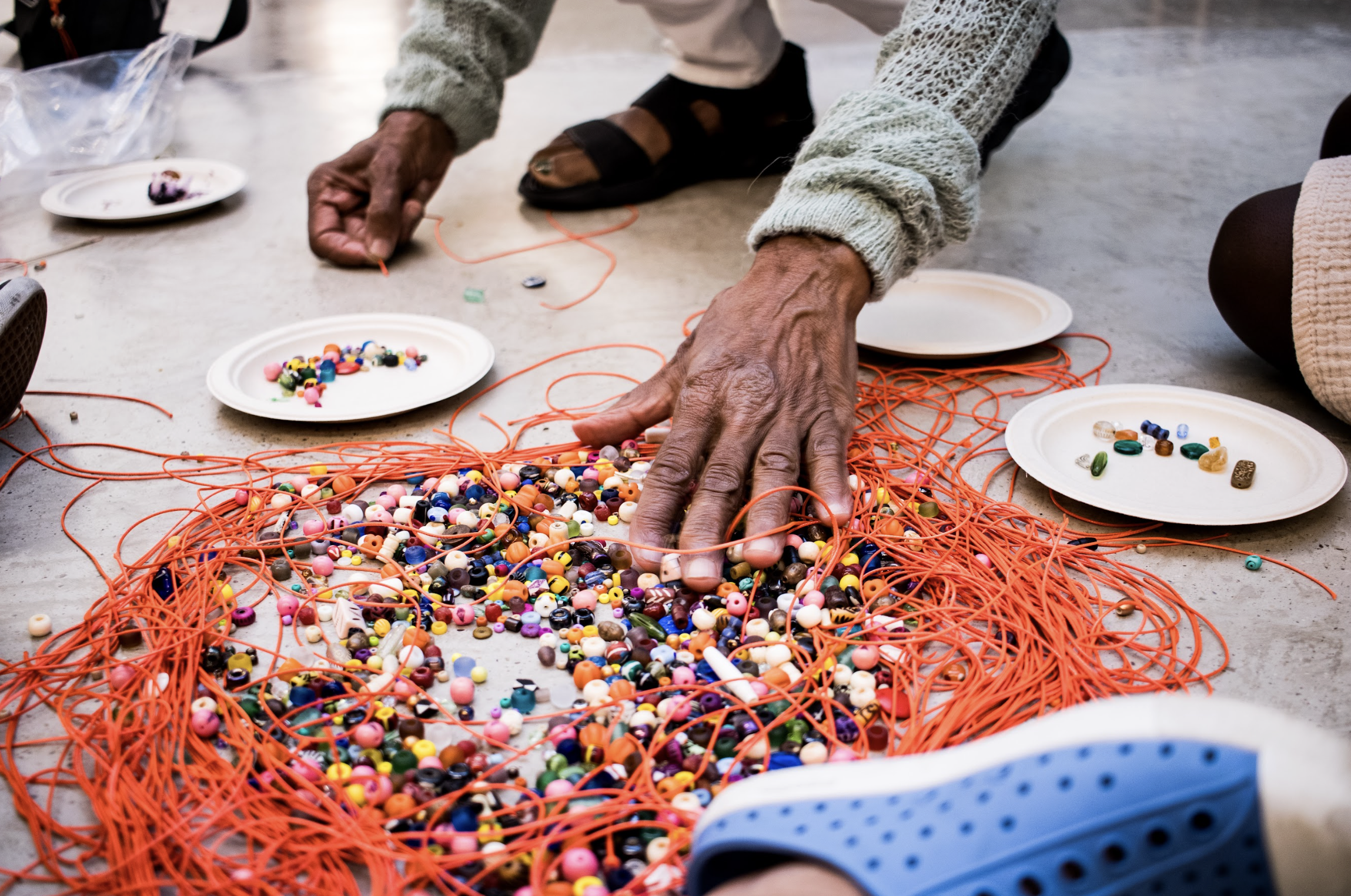
COMMUNITY ENGAGEMENT. In recognition that conversations about the Columbus statue would challenge participants — particularly those from the city’s Indigenous, Italian-American, and Black communities — the Reimagining Columbus engagement team planned a process that would accommodate their emotions about it but also forge a collective path forward. The team’s approach to this conversation utilized a customized, emotional safety–oriented methodology centered on Sankofa, the Ghanan idea that progress requires applying lessons from the past, to encourage more courageous sharing and evoke personal histories that could be influencing present-day perceptions. Large group and affinity group conversations, community events, and written feedback were employed in various ways throughout the process.
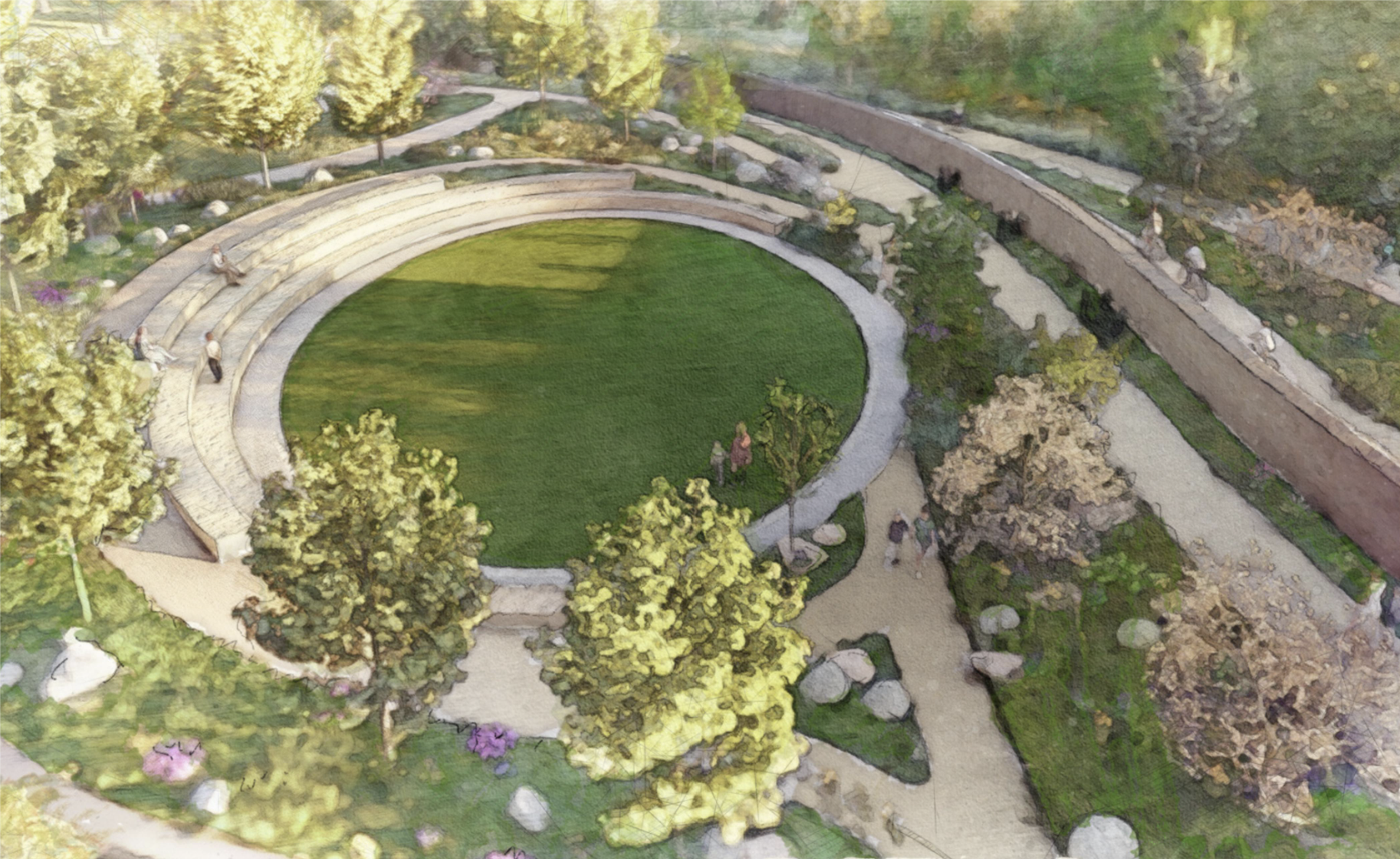
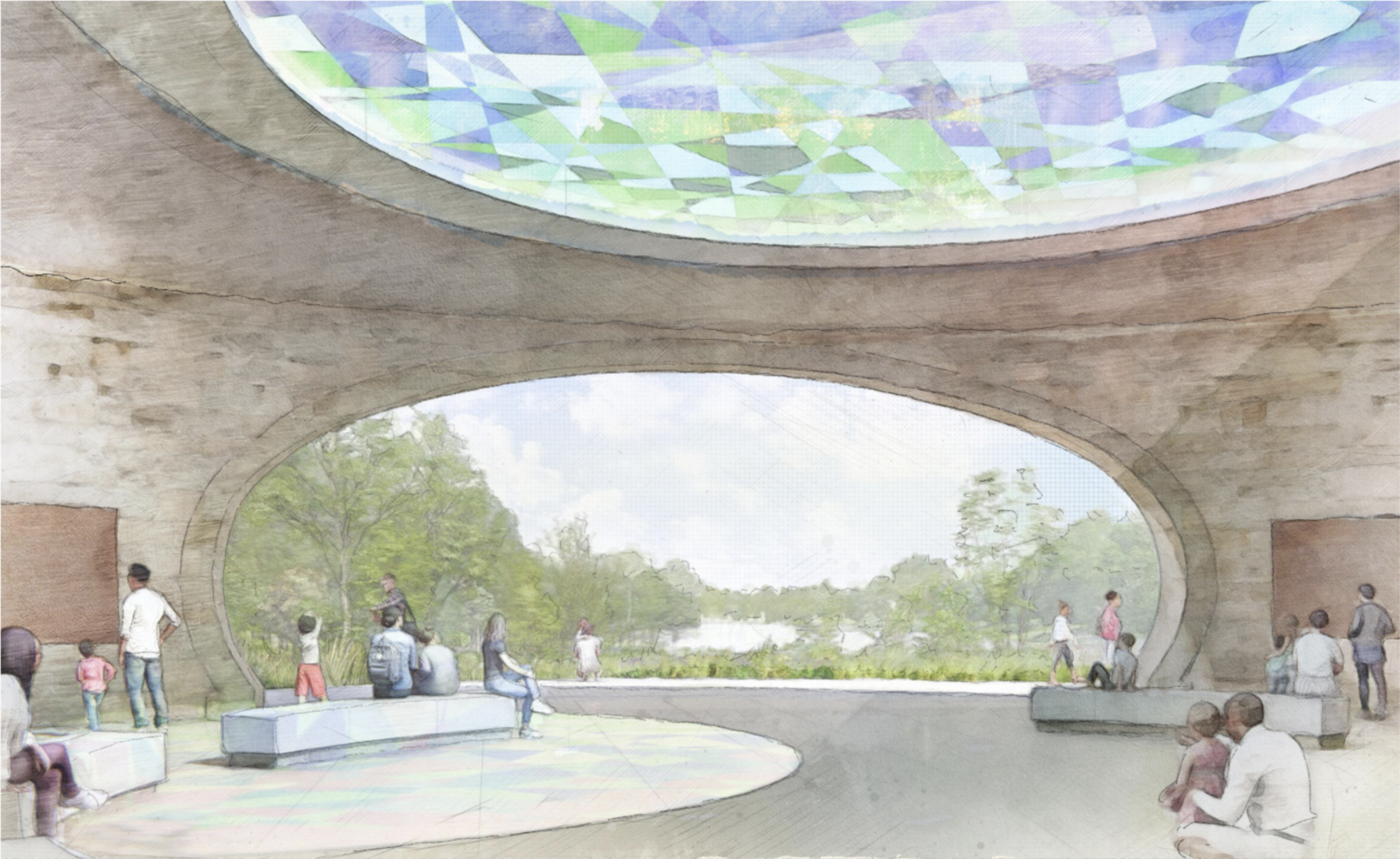
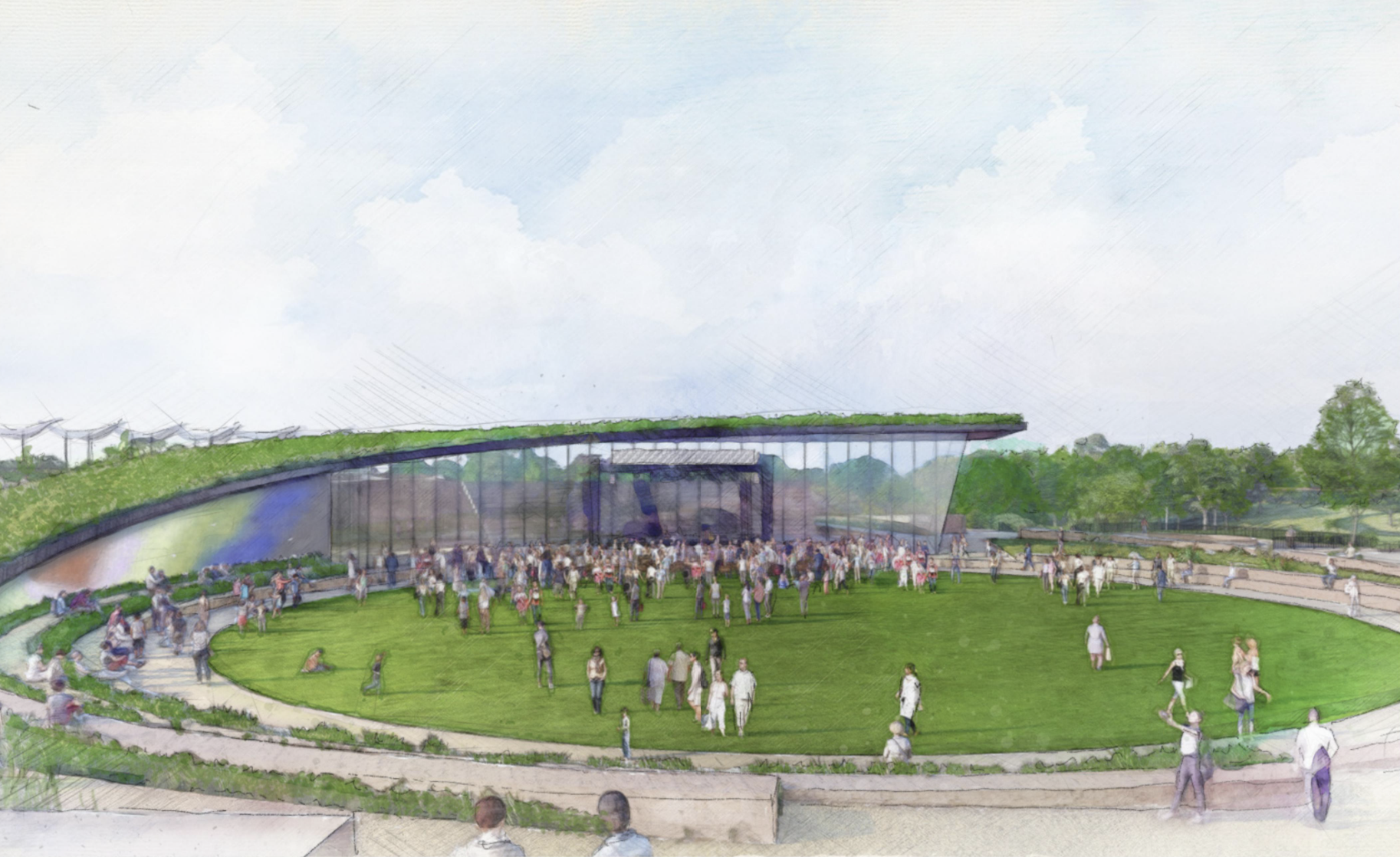
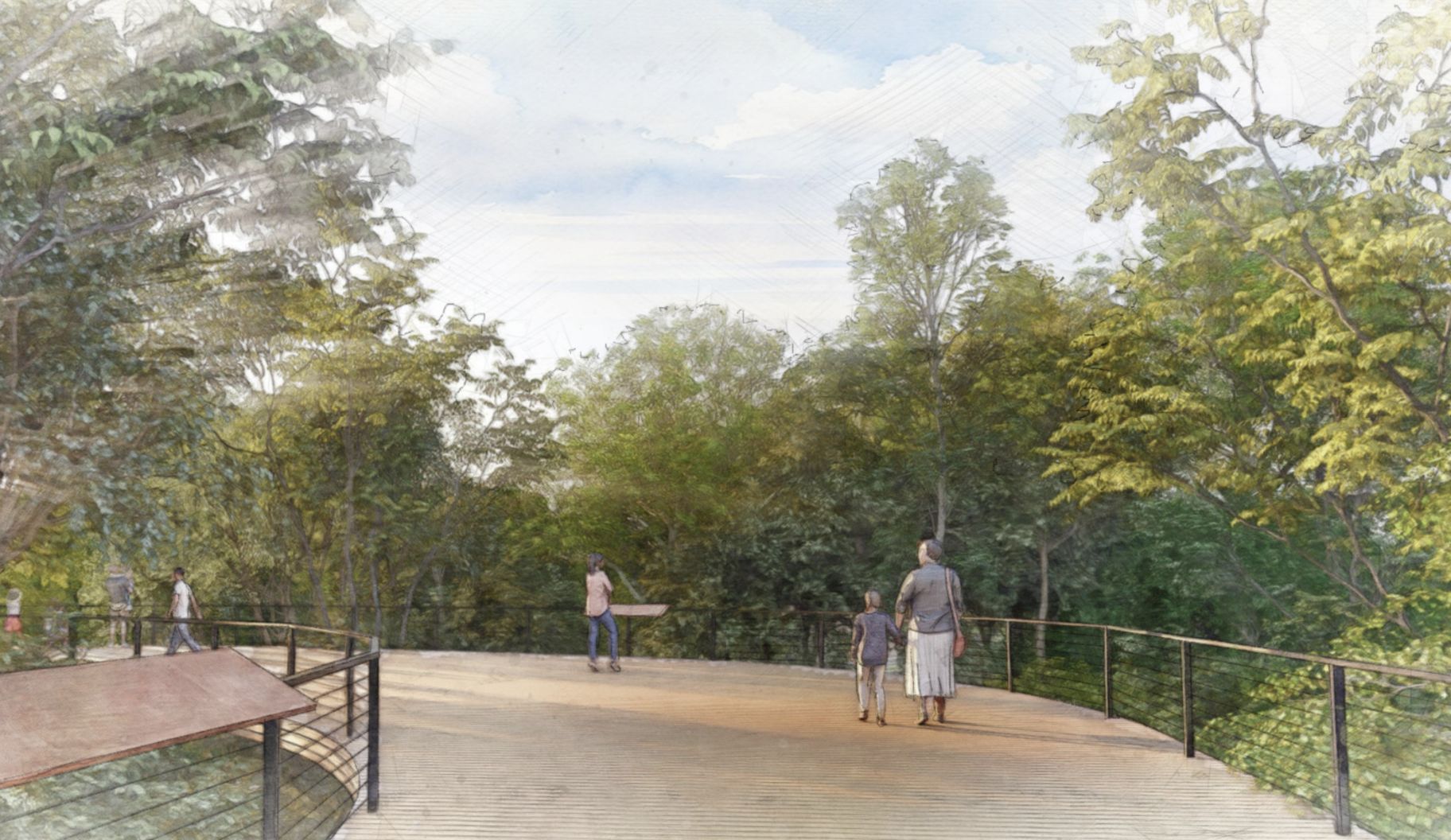
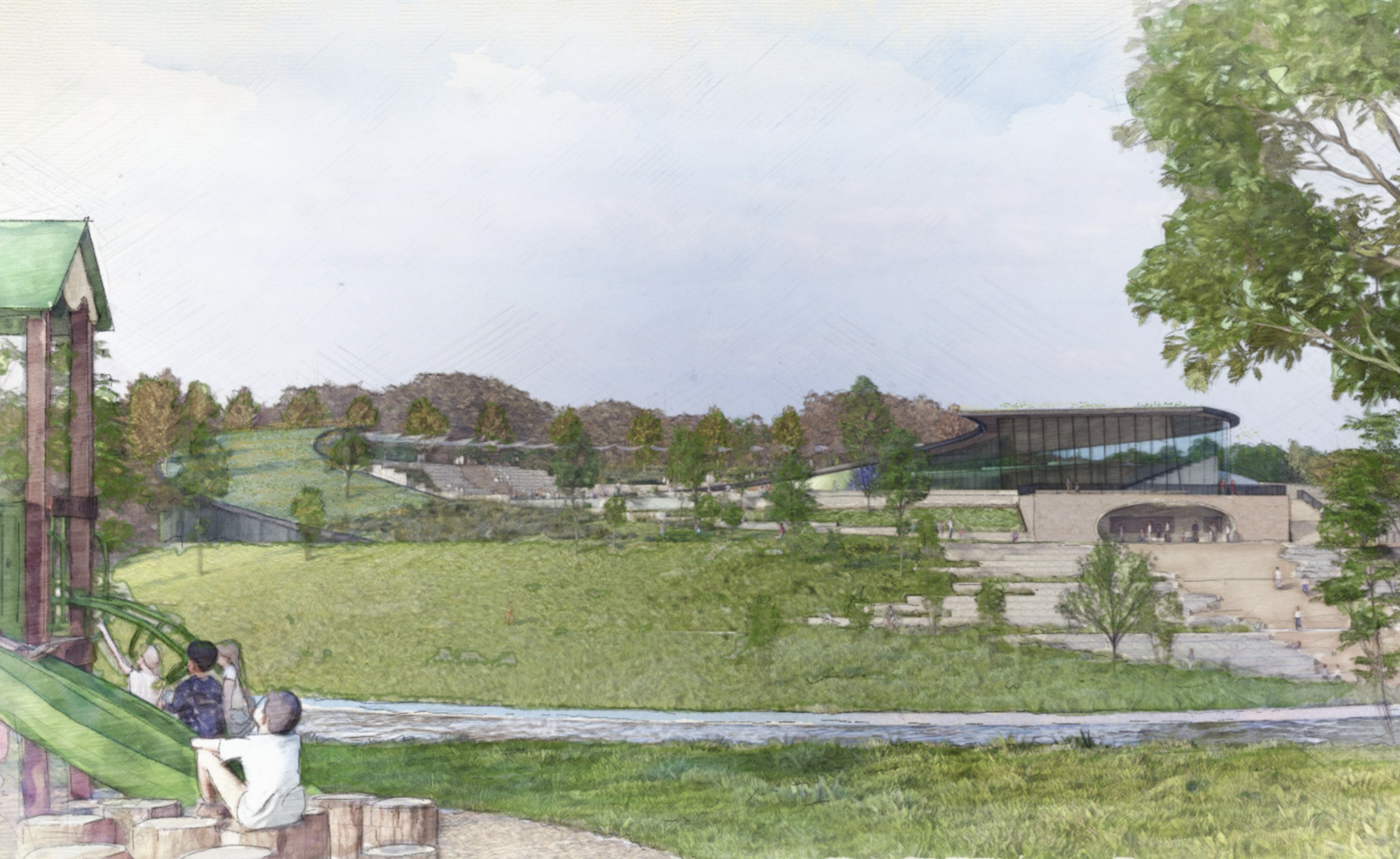
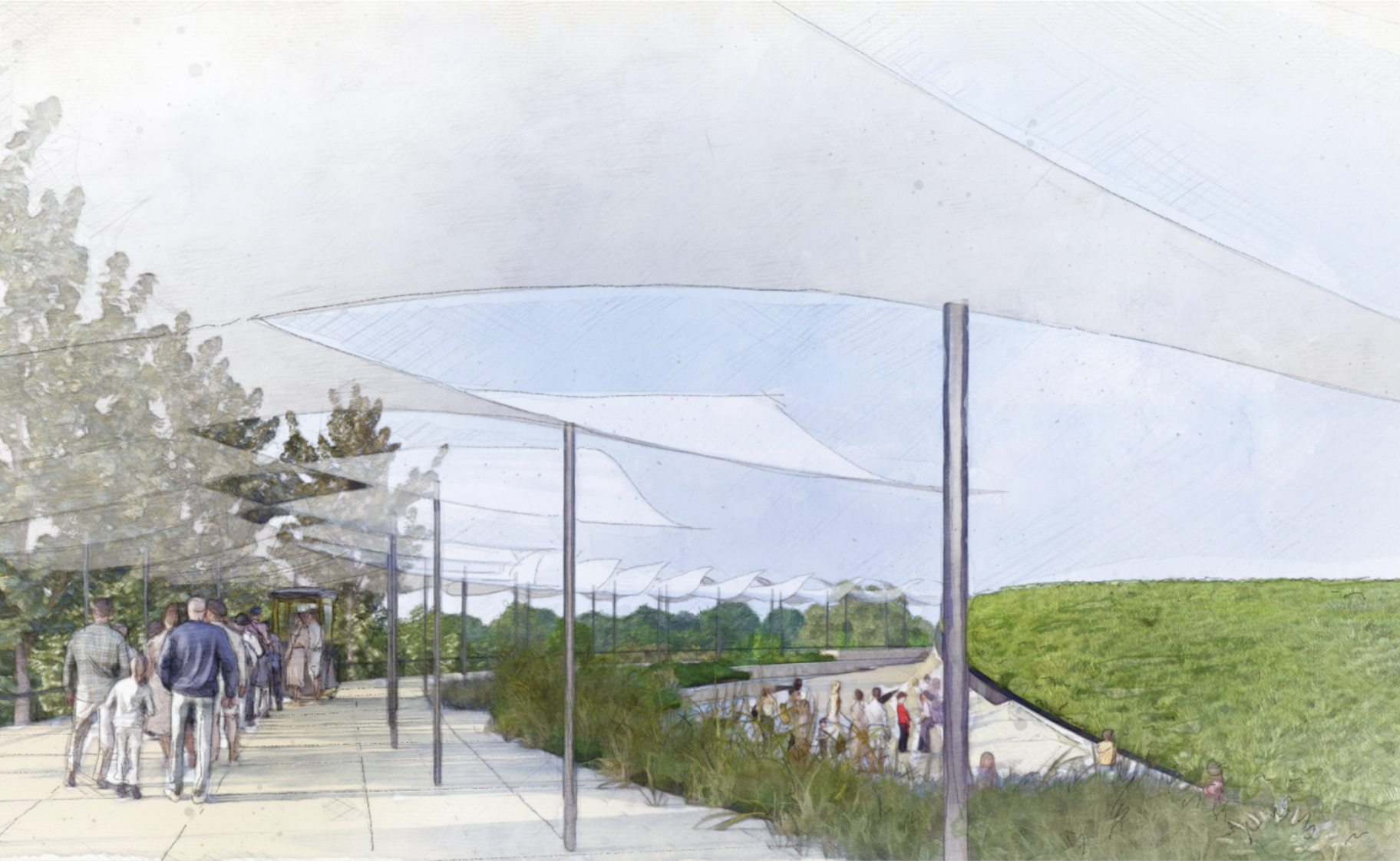
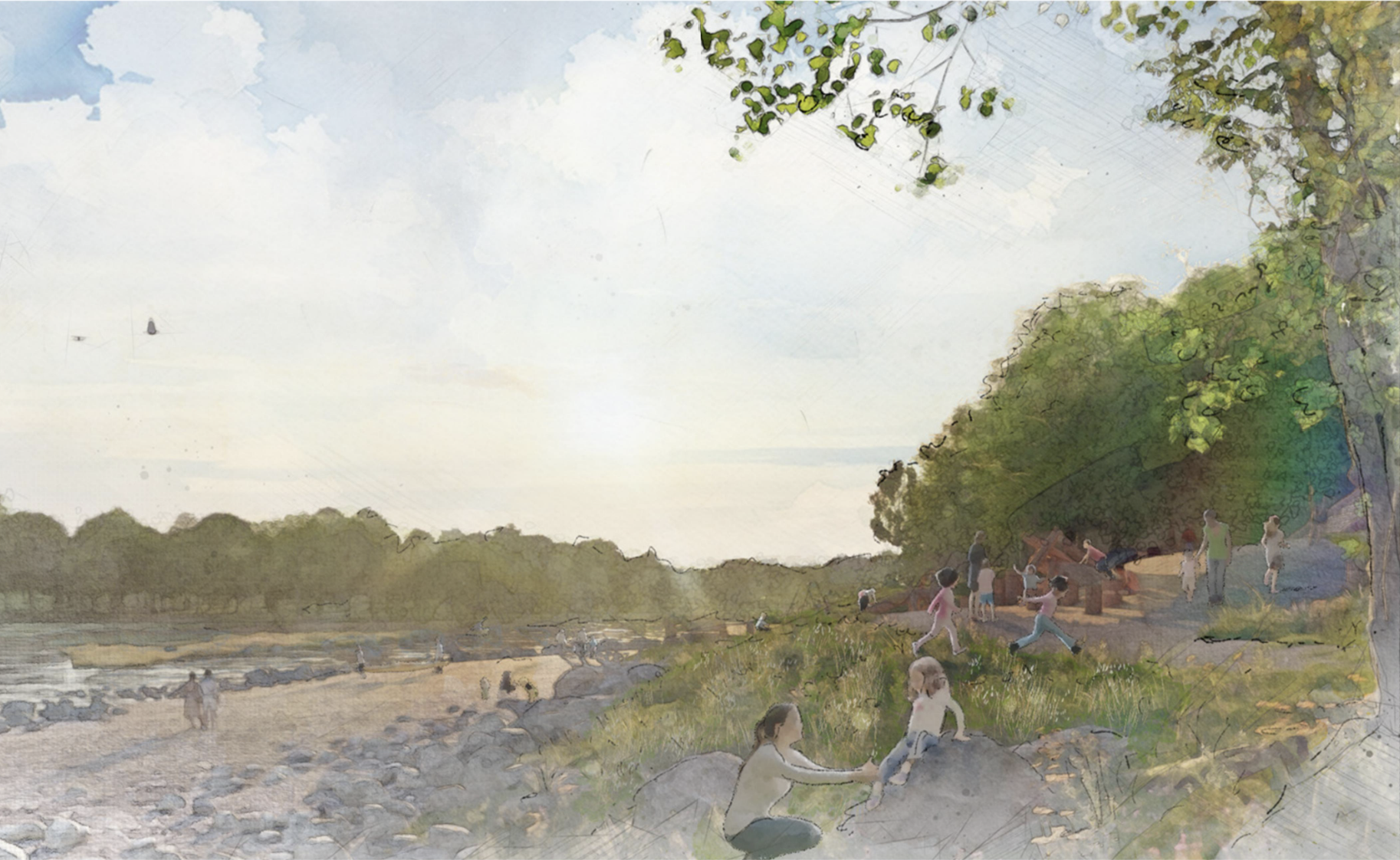
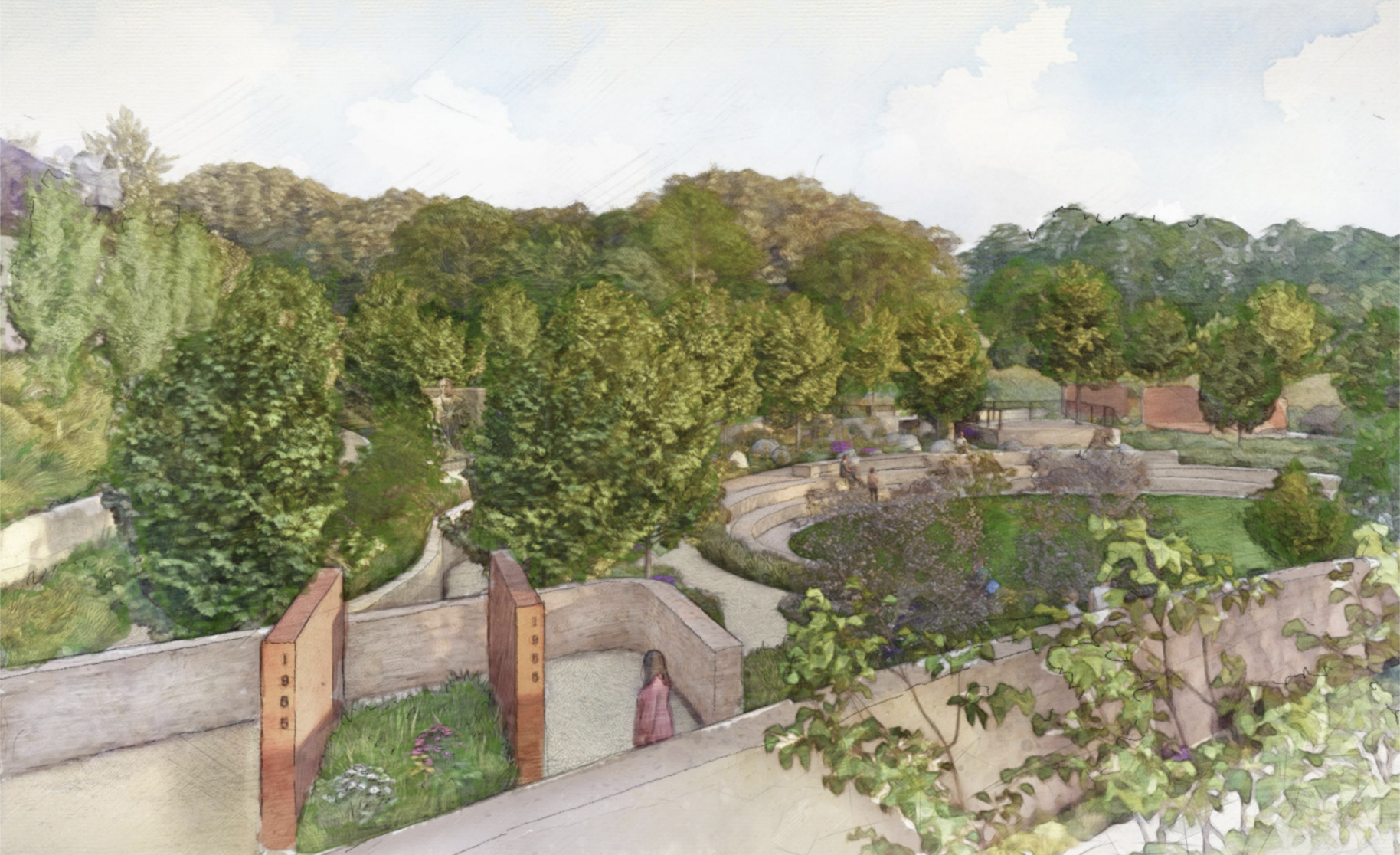
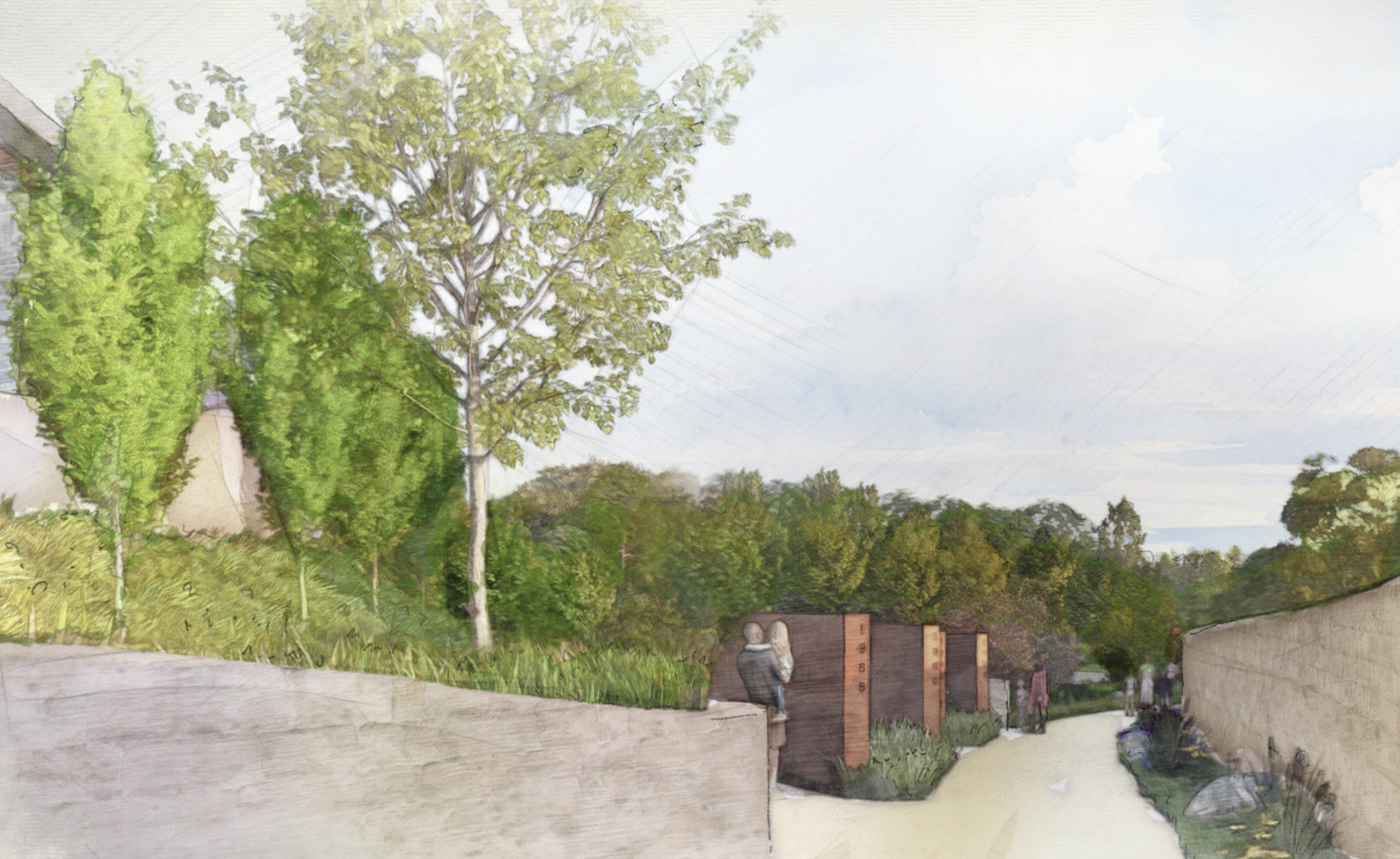
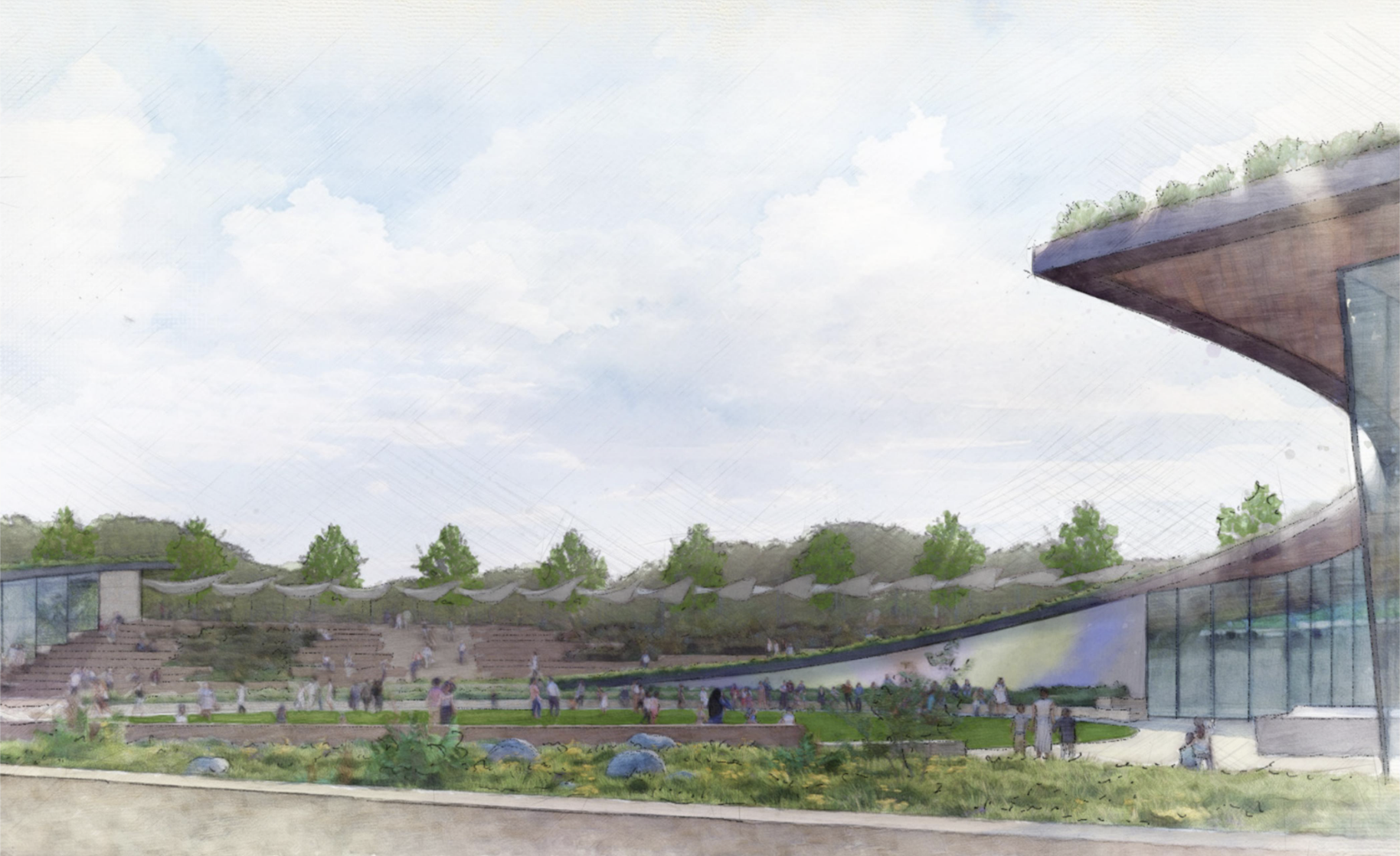
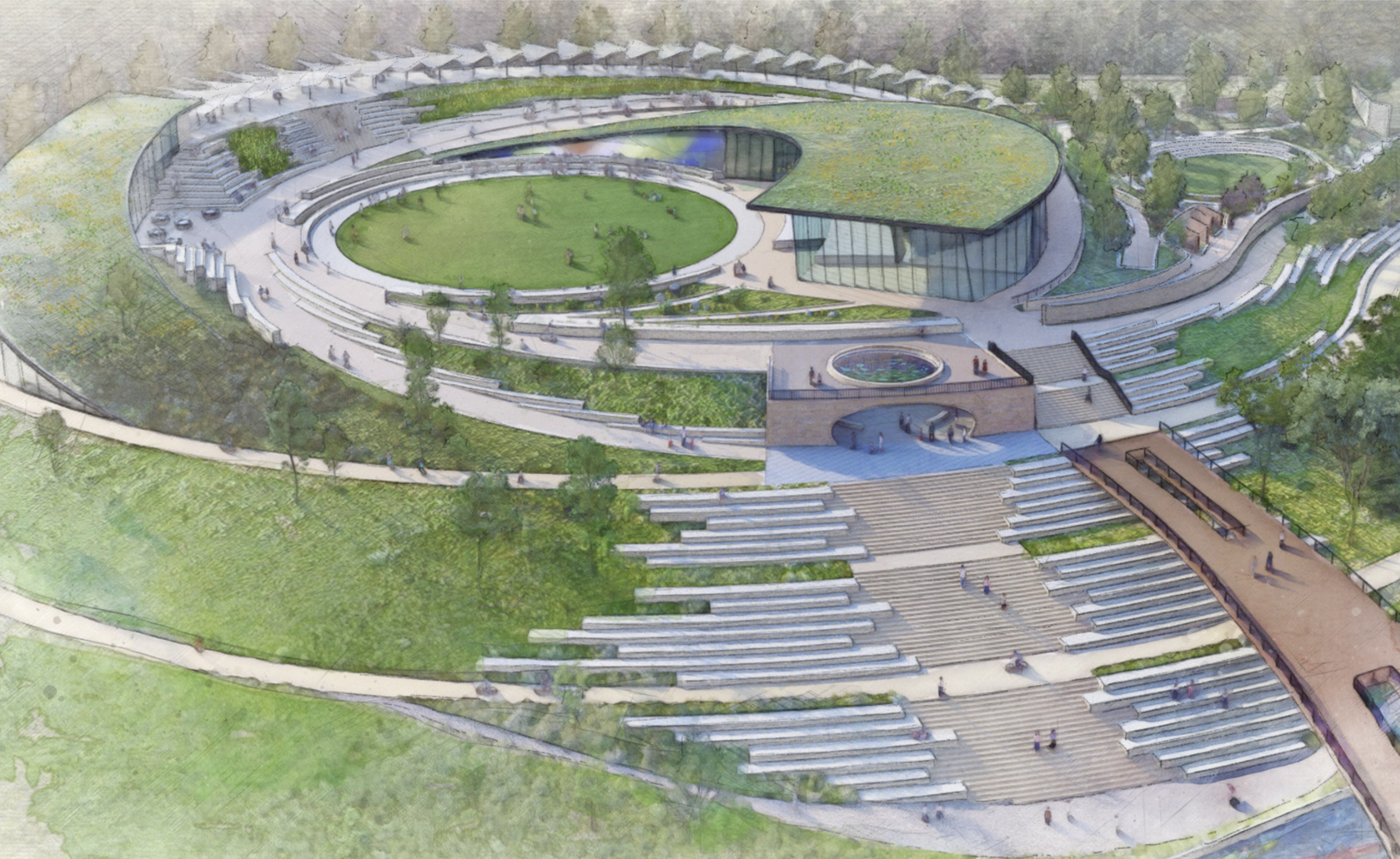
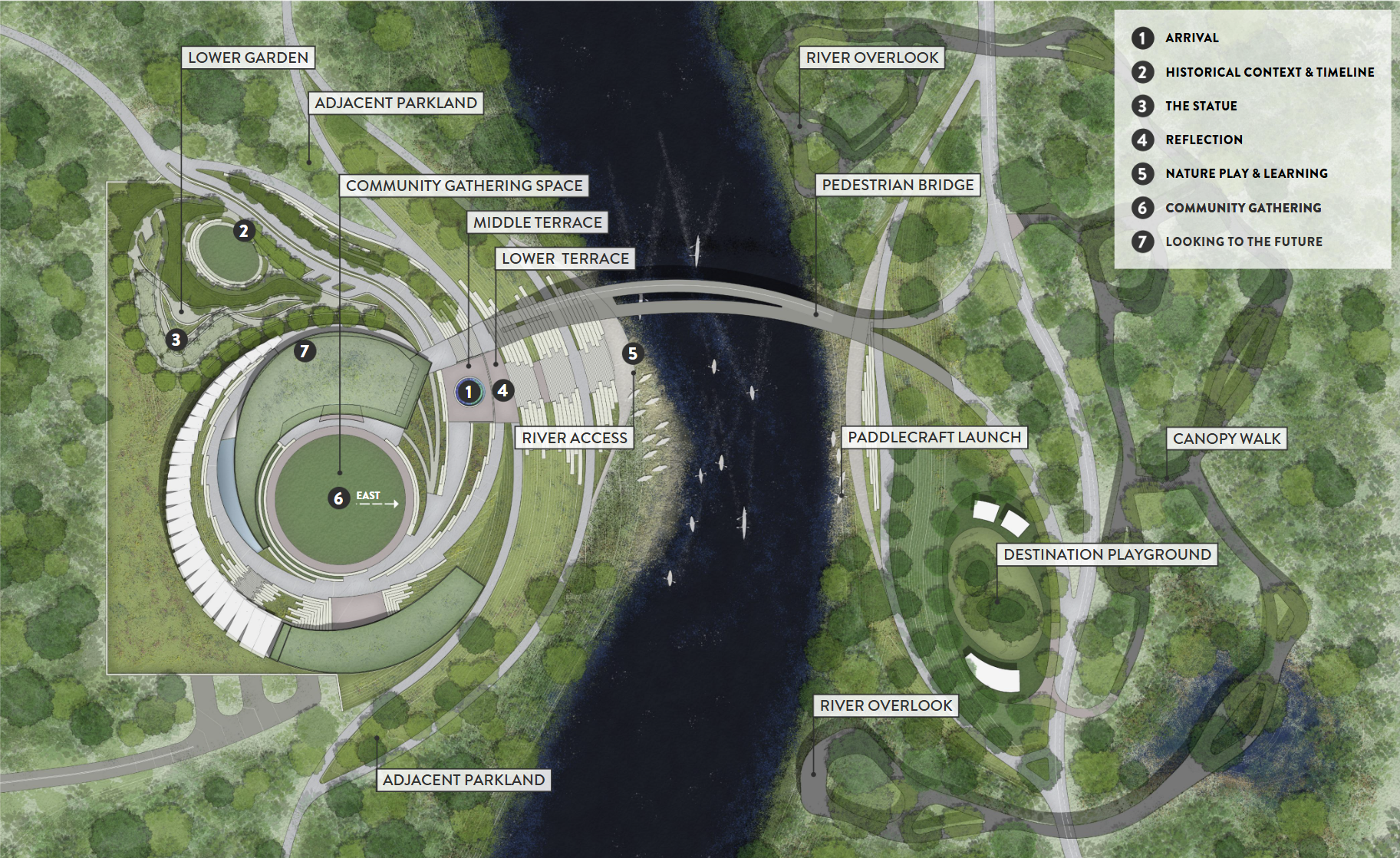
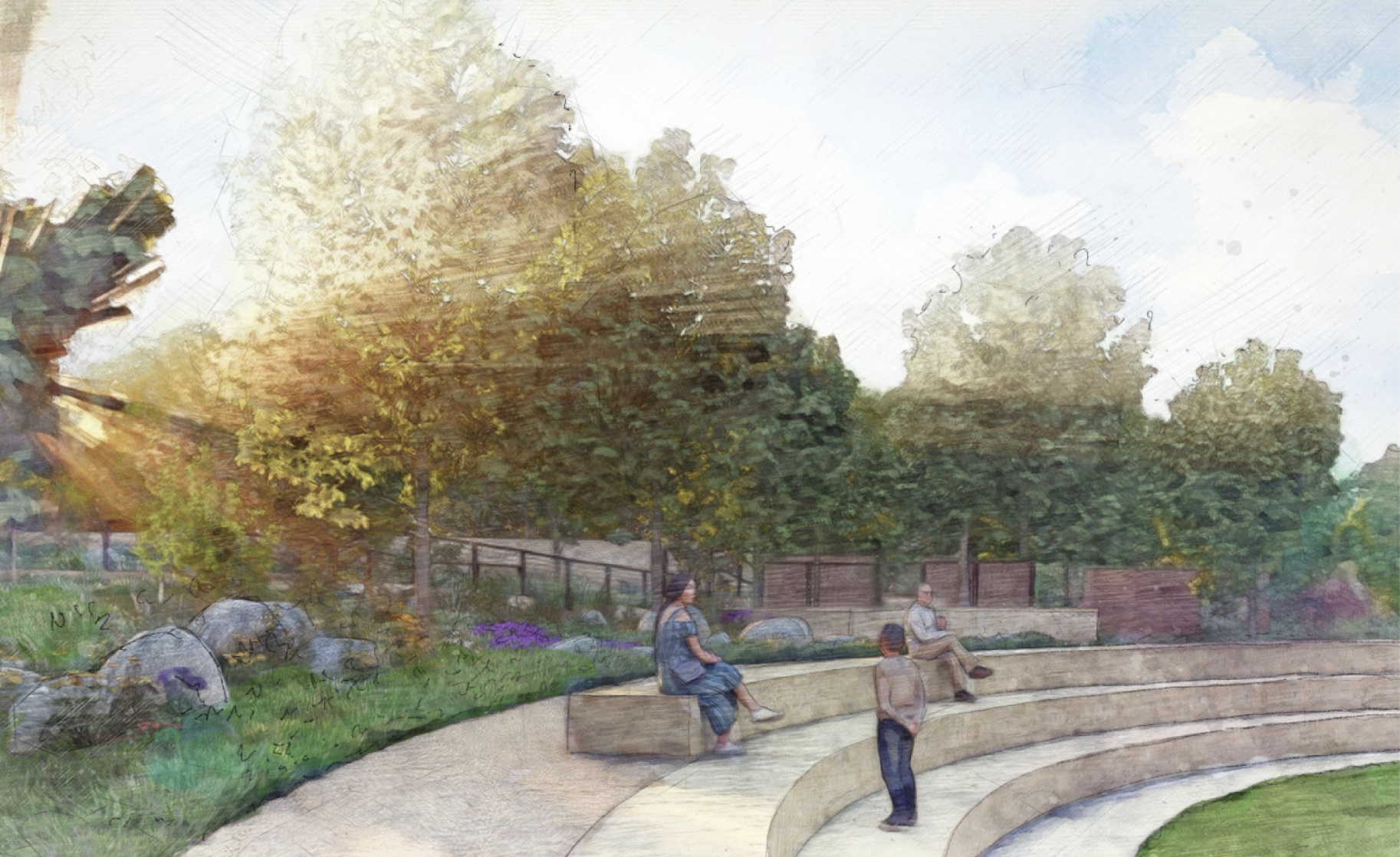
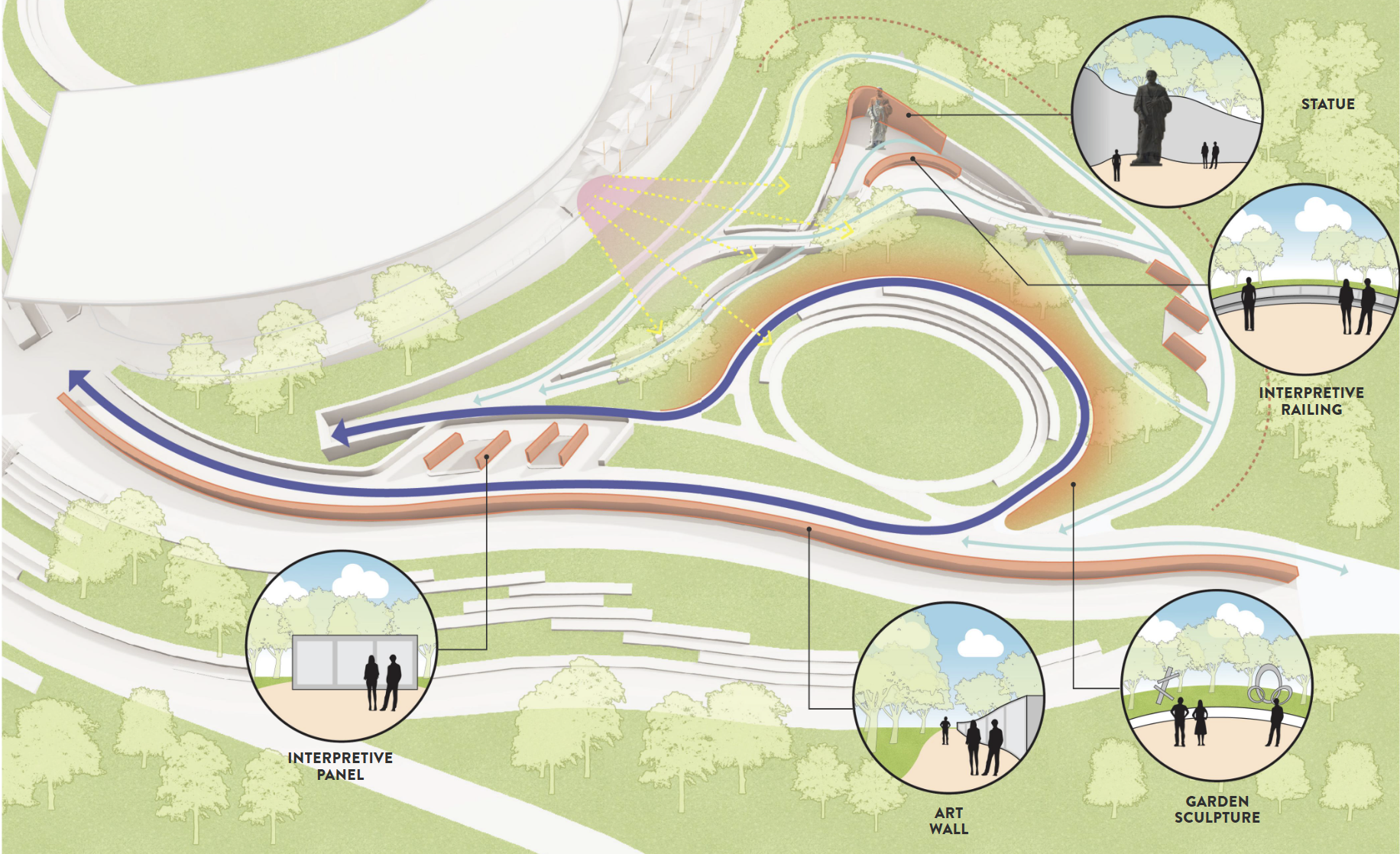
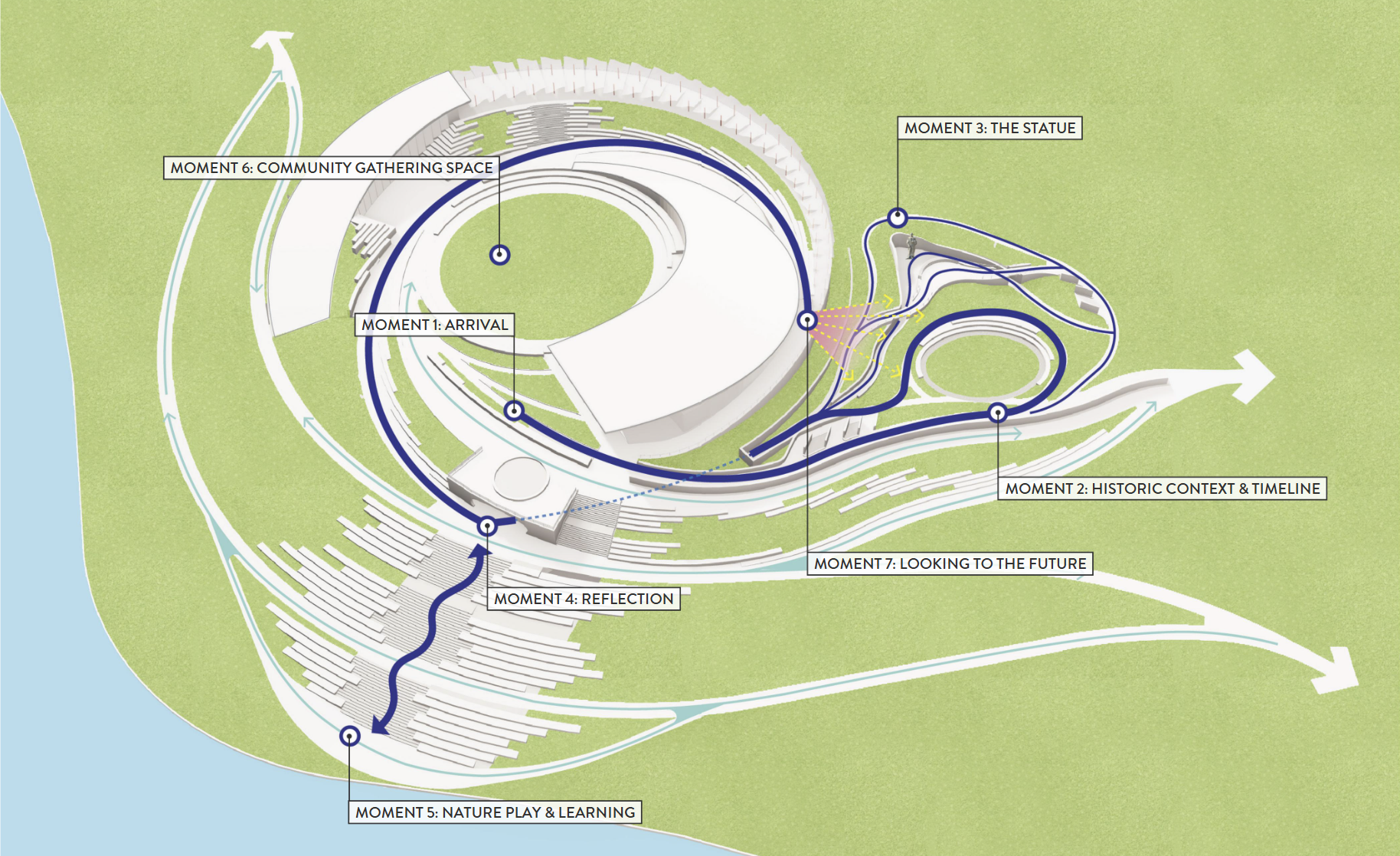
DESIGN. The project’s design team worked to translate the learnings from research and community engagement into a design concept for a possible new Christopher Columbus statue placement. The team relied on Indigenous design principles to guide their vision for an immersive experience of nature and community togetherness at which visitors could experience the statue (or not), but also learn, play, restore themselves, and heal.
WHAT
Designing Local delivered the following Reimagining Columbus project outcomes:
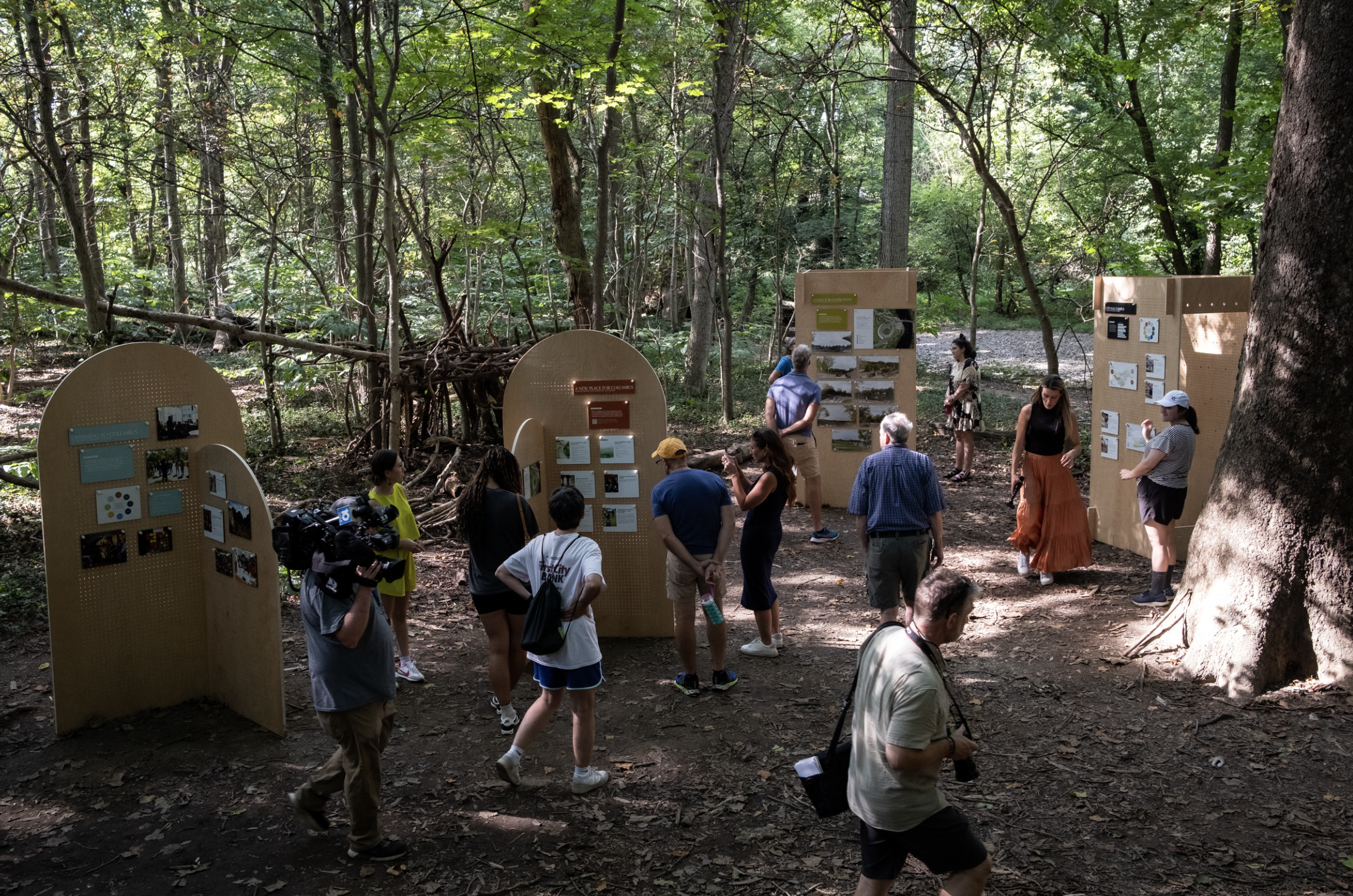
A website and StoryMap timeline, 2 research papers, 35 videos with more than 20 hours of educational content, and several in-person community learning exchanges provided context regarding Christopher Columbus, the statue of his likeness and public perceptions of it, and the city’s relationship with its namesake.
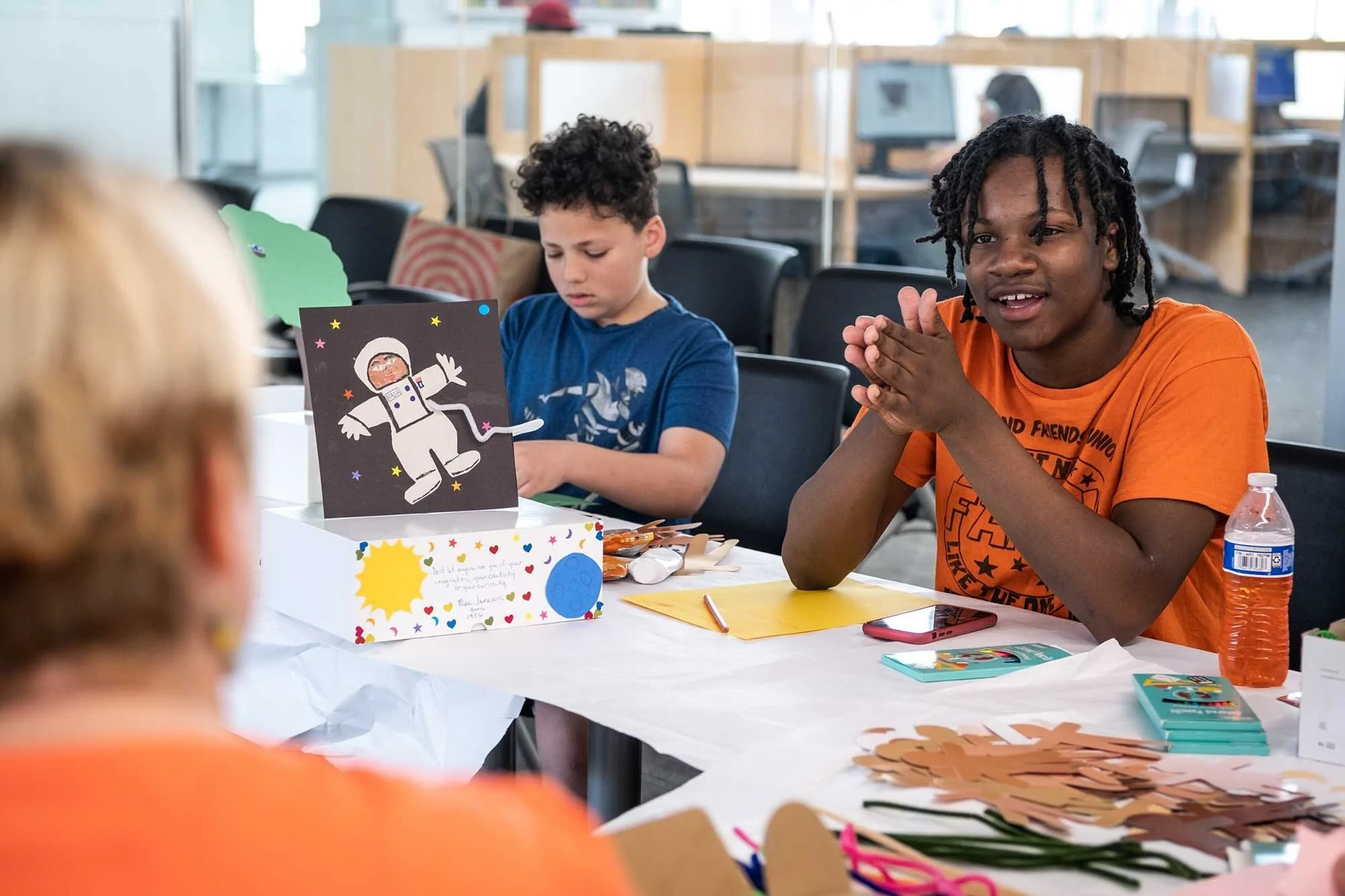
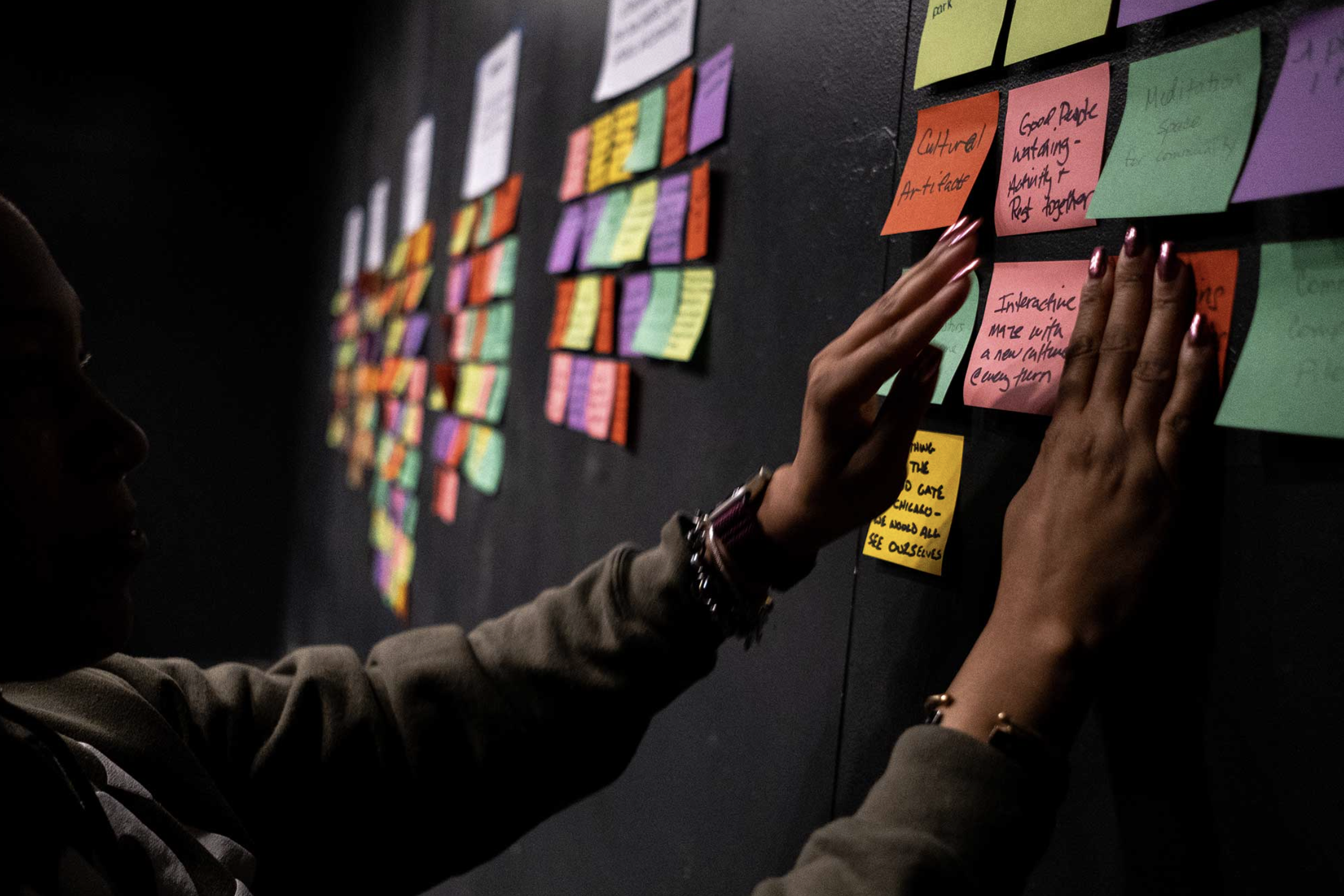
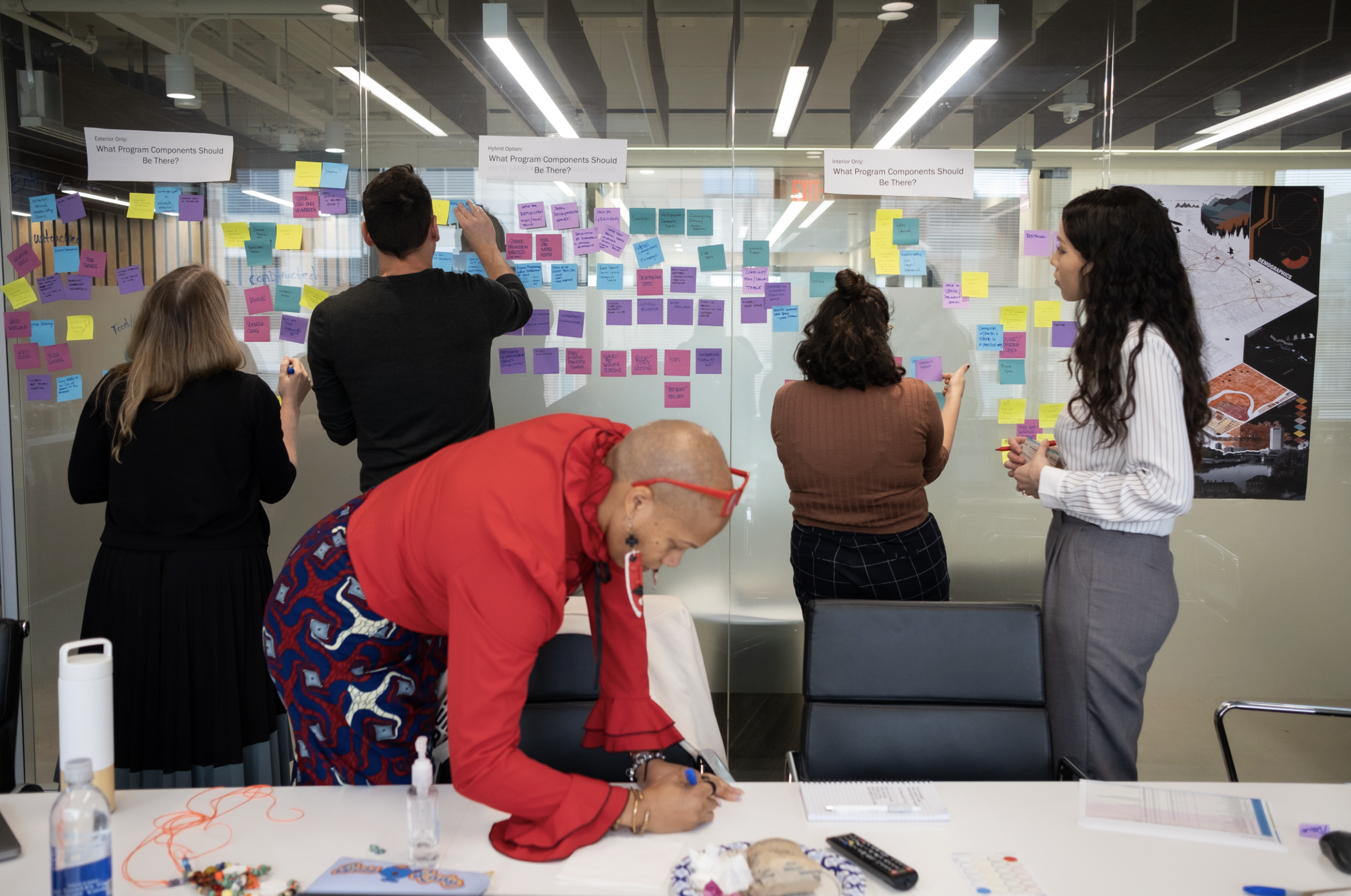
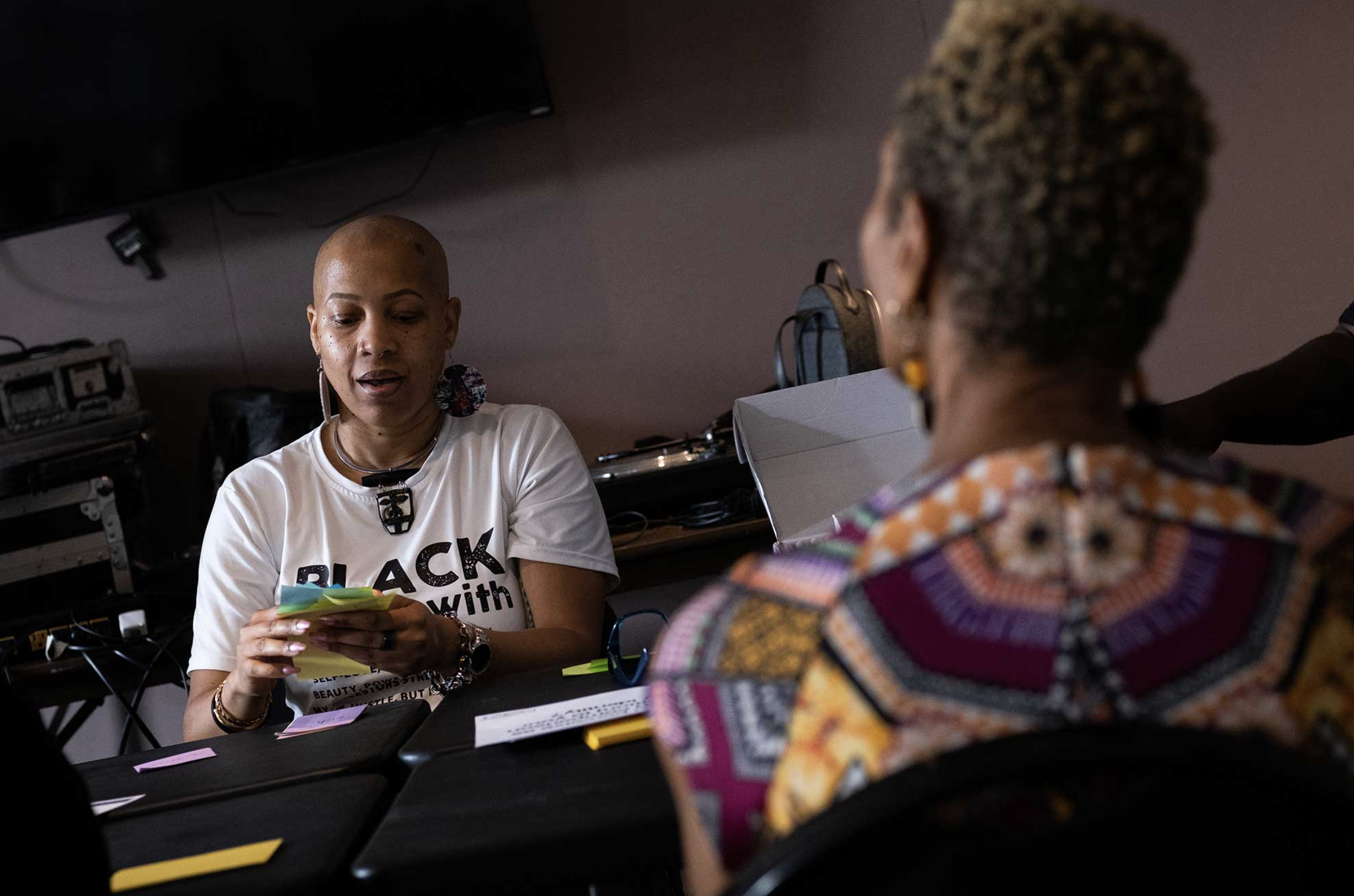
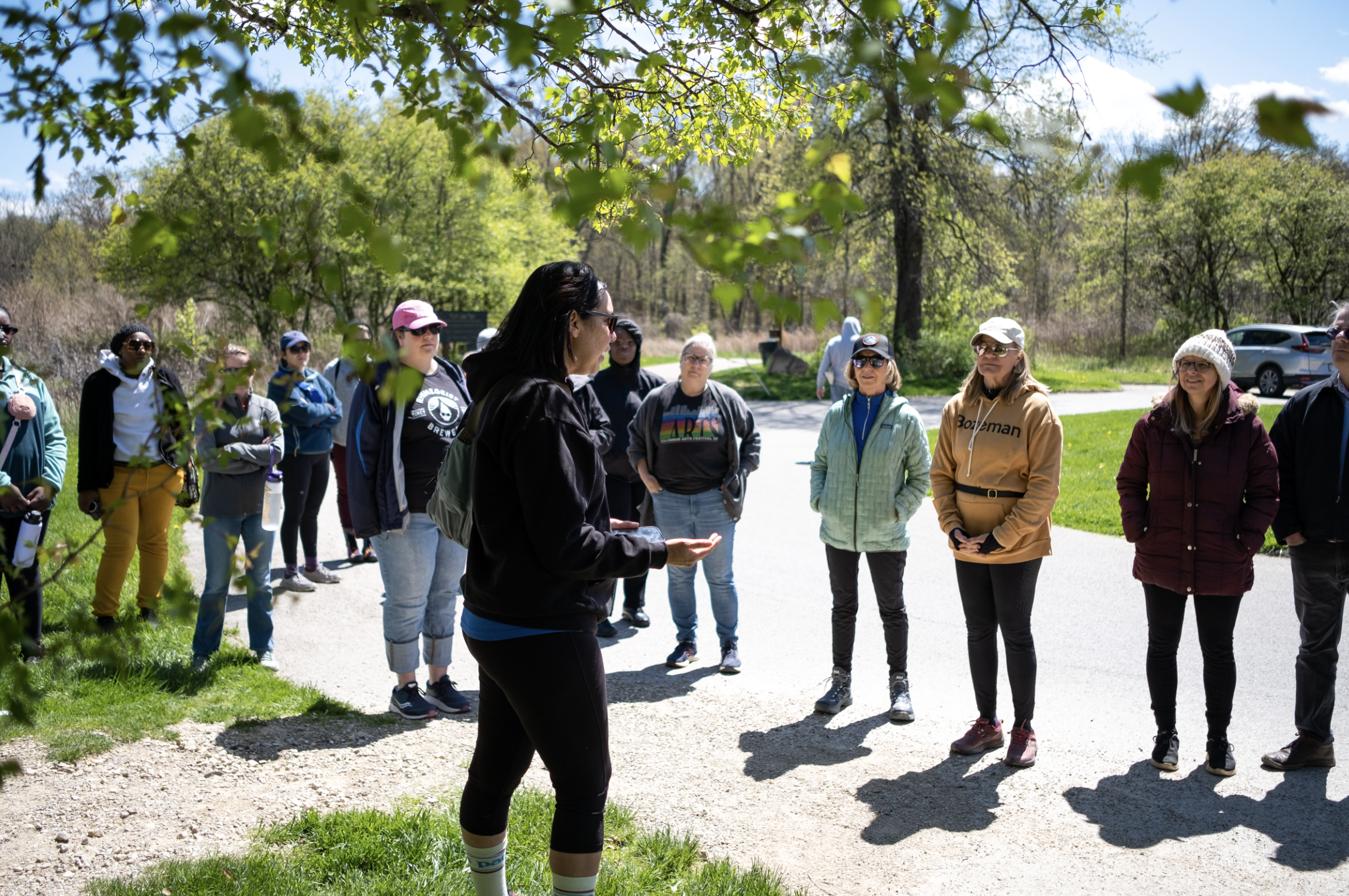
More than 20 community events and affinity group conversations elicited rich, layered feedback to help inform the design process.
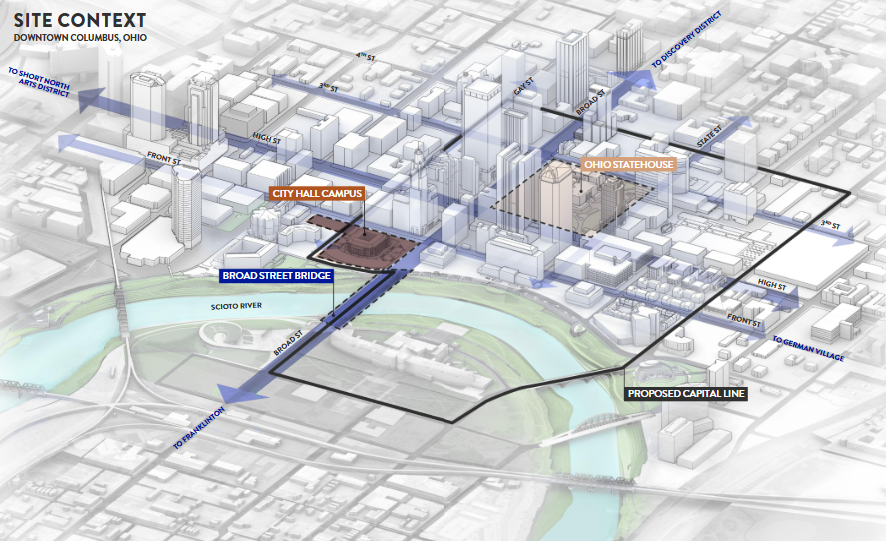
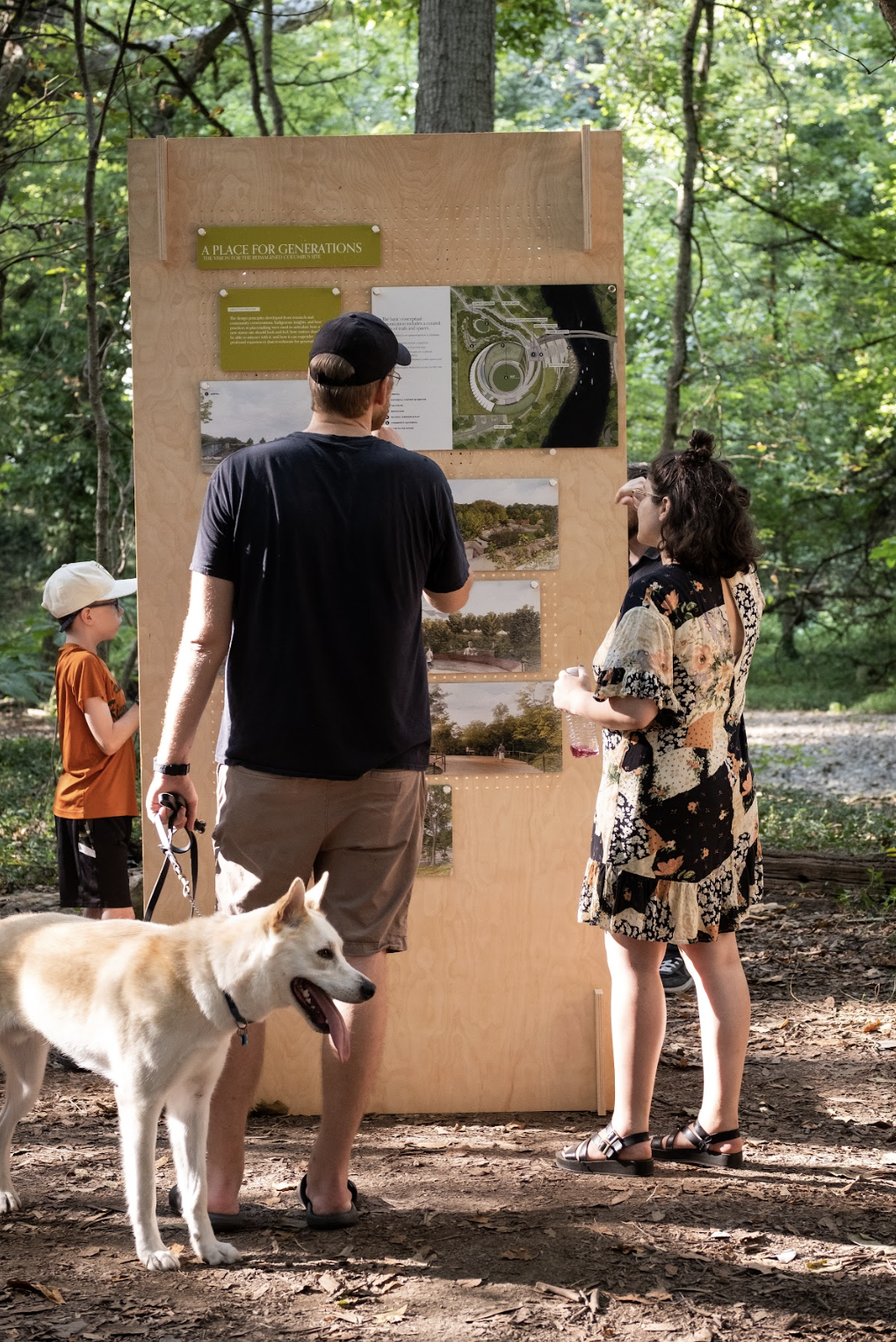
Conceptual designs of a new space in which to display and contextualize the statue, based on Indigenous design principles, translated research and community feedback into physical elements that could tell the story of Columbus — the city and the man — and help all visitors experience emotional safety in the space. So expansive did this vision become that the city, the Reimagining Columbus project team, and community members were inspired to embrace it as a generational vision for an altogether new type of public space in the city.
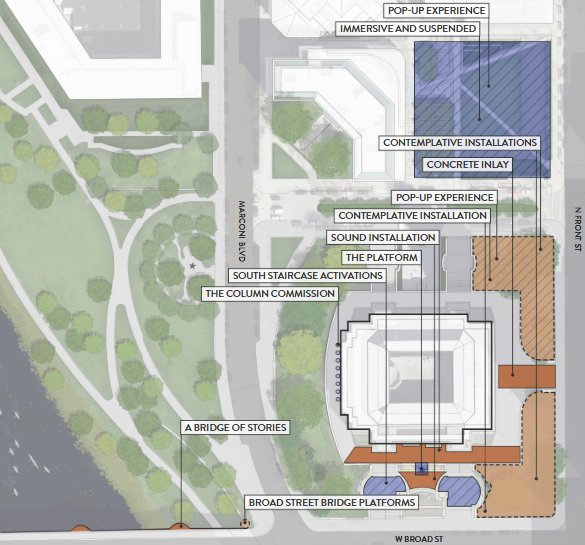
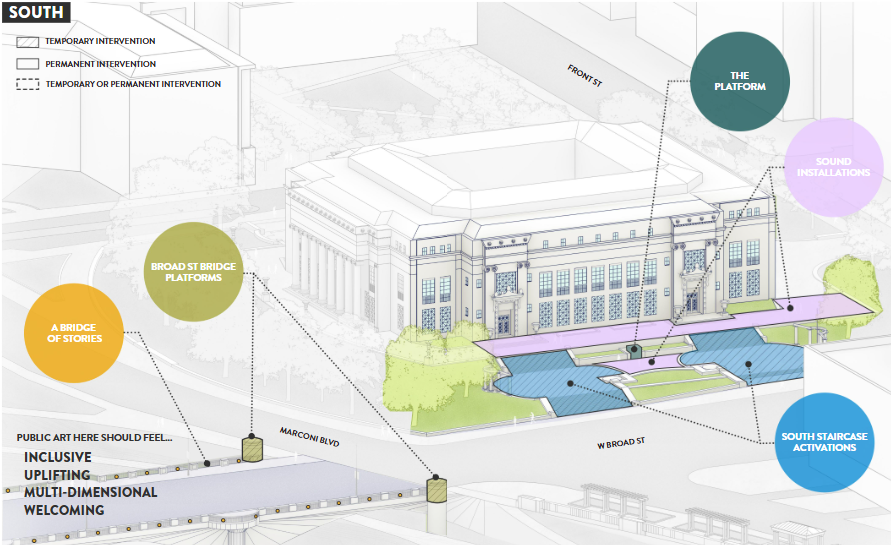
An art plan for City Hall campus suggested how new art could refresh and enliven this uninspiring civic space and ensure that it celebrates all city residents.
View the Project Outcomes Here