
Anderson Township Public Art Master Plan
Anderson Township, Ohio

WHY
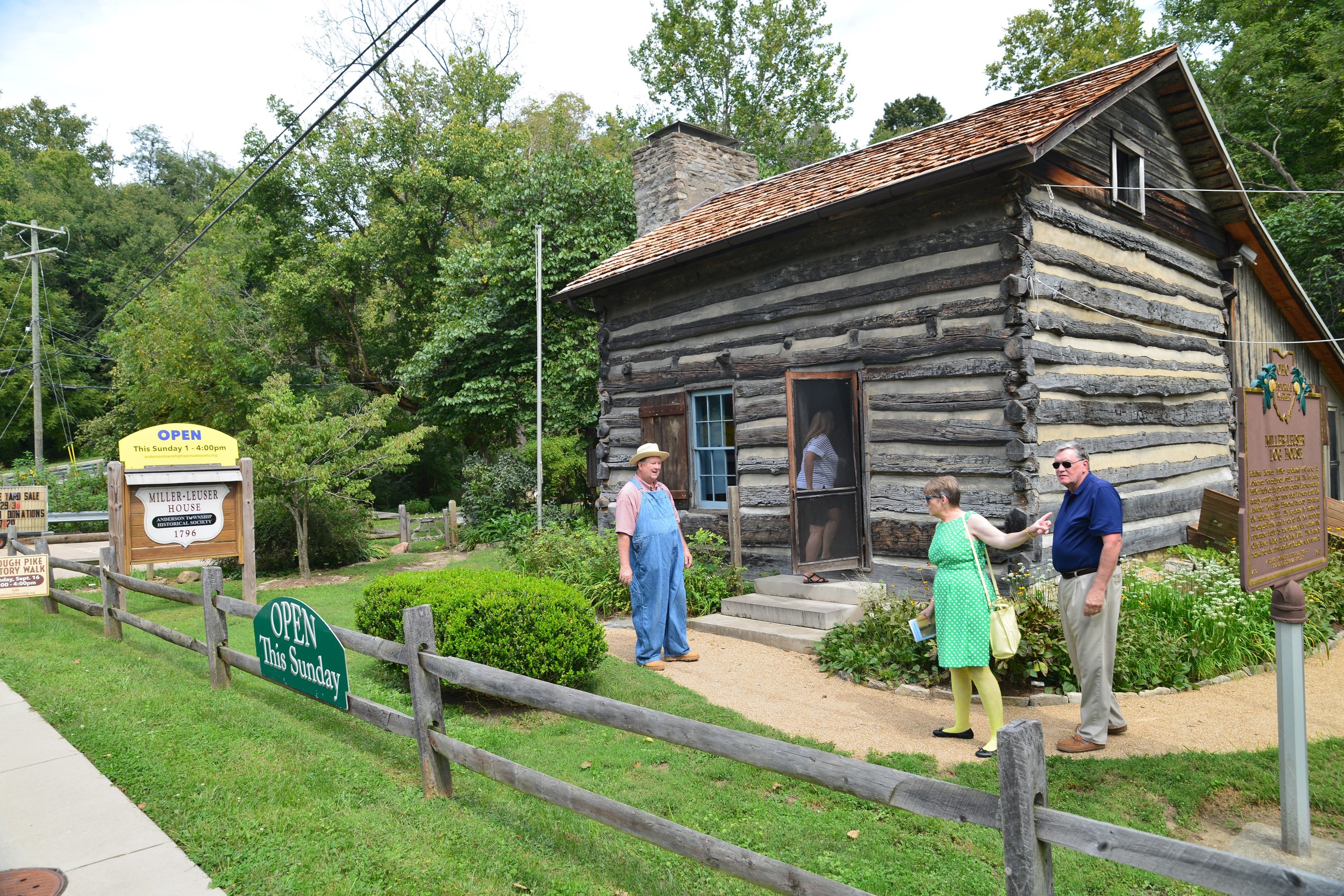
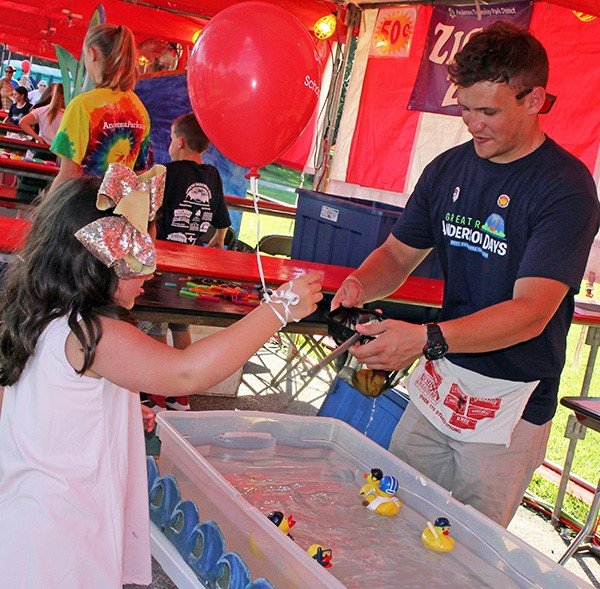
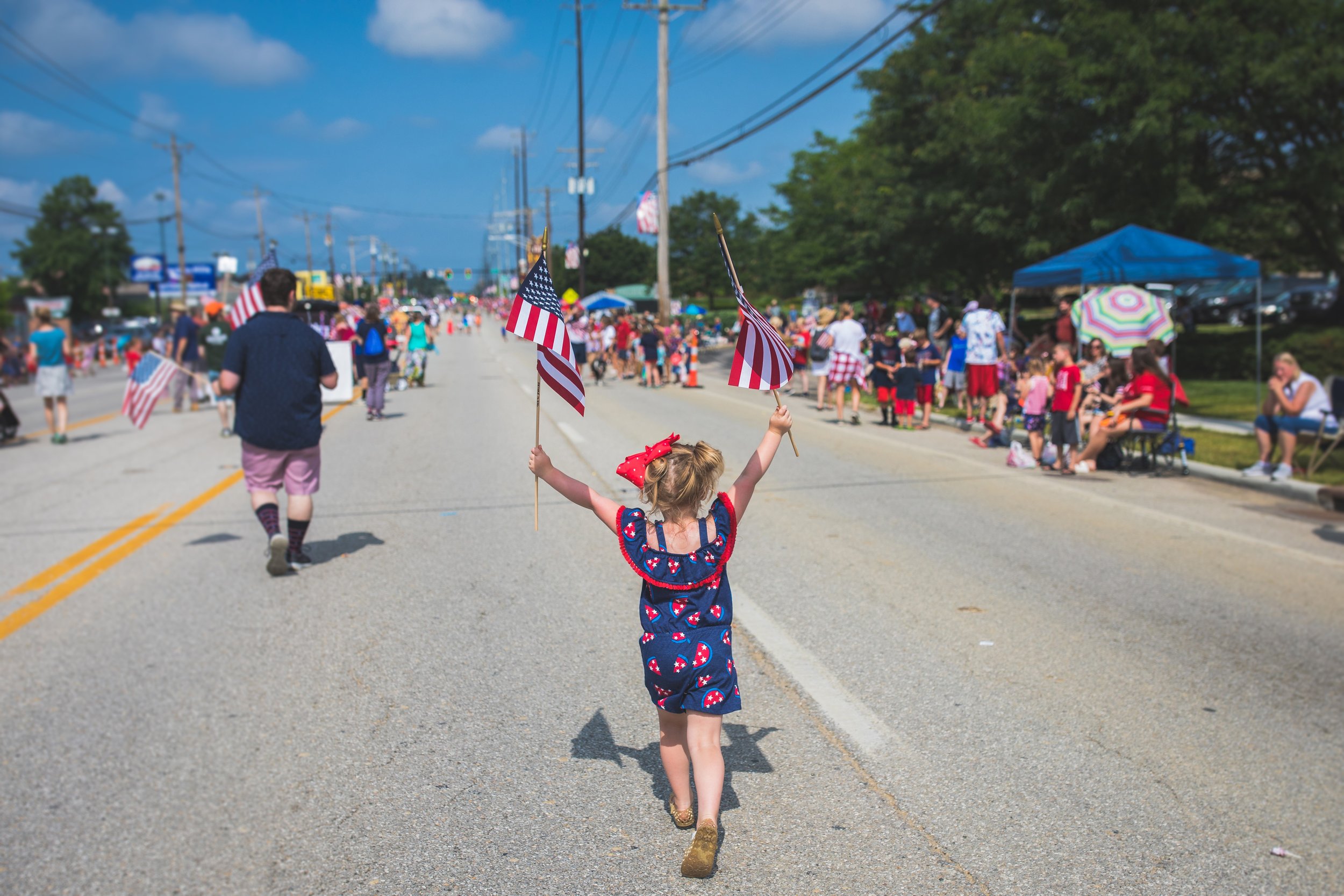
Anderson Township leaders decided that public art should play a major role in the future of their community, and worked over the course of nine months to develop a well-funded Public Art Program.
HOW
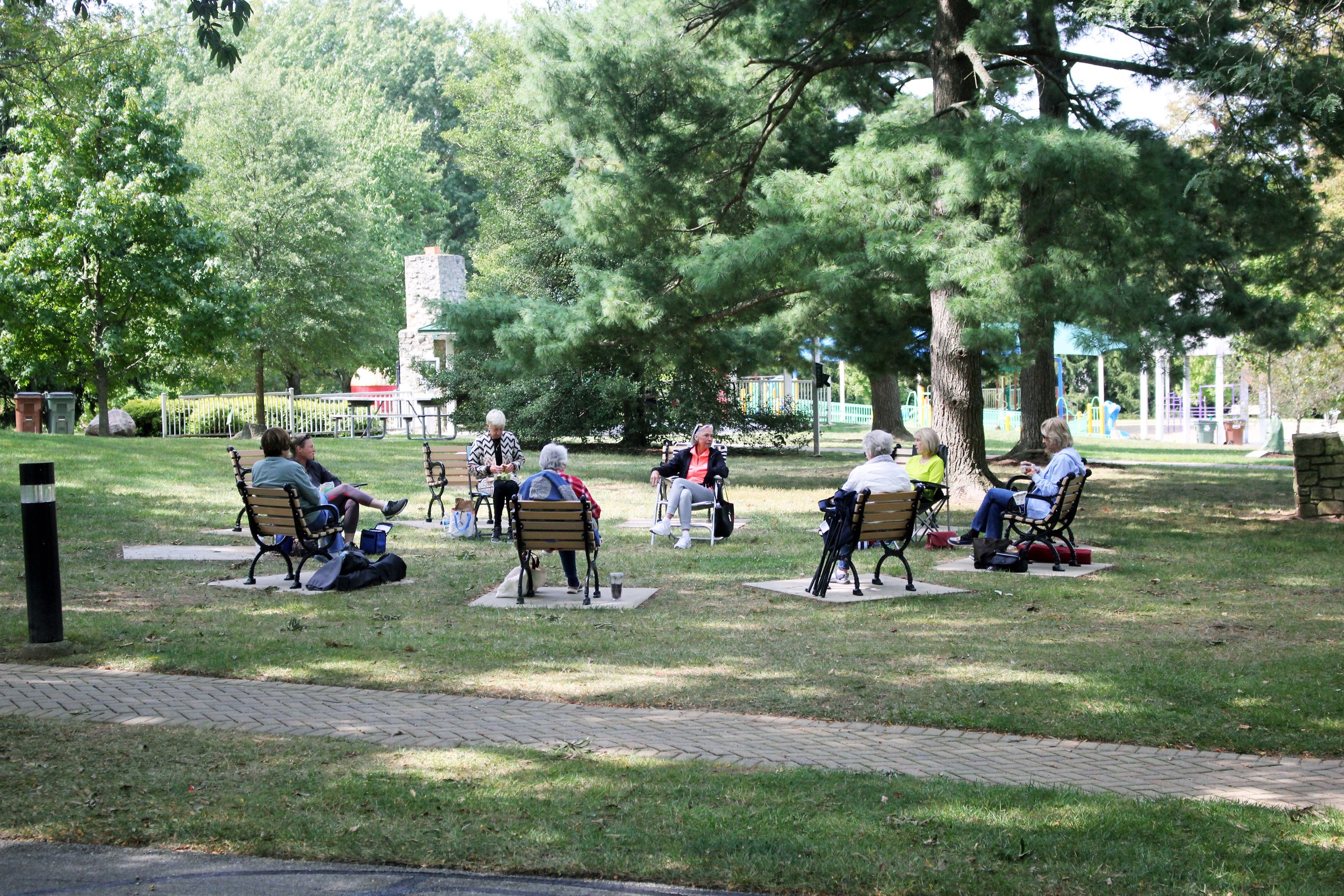
Designing Local conducted robust public engagement, with a series of stakeholder meetings and focus groups with various community leaders — despite the global pandemic. Focus groups were held in Julifs Park, and an open house was held to gather input and feedback on the Public Art Program’s structure and priorities.
WHAT
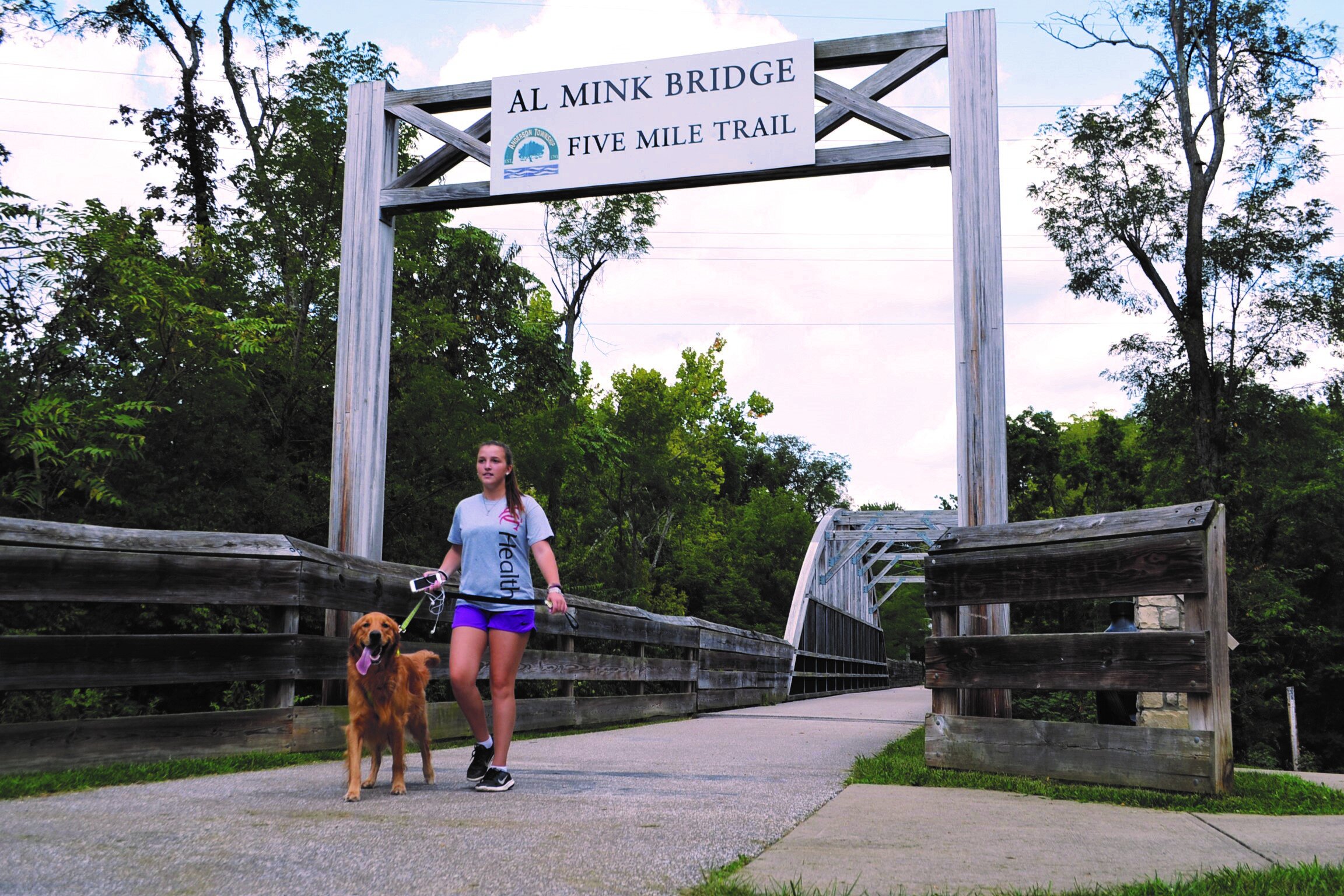
The Anderson Township Public Art Master Plan included an implementation strategy detailing funding streams, optimal locations for public art, and a variety of projects and programs to secure early success for the Public Art Program.
Glenwood Springs Public Art Master Plan
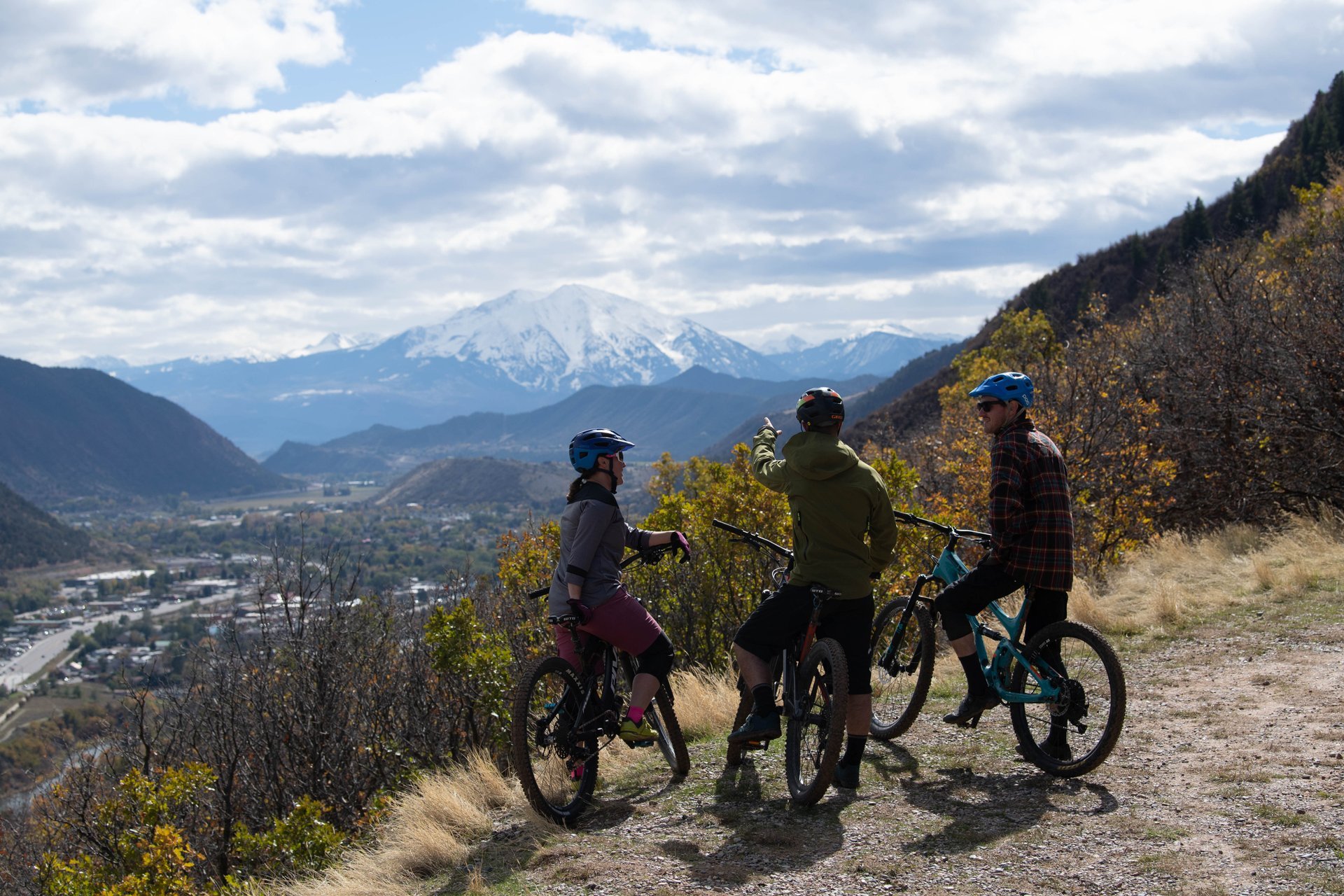
Glenwood Springs, Colorado
WHY
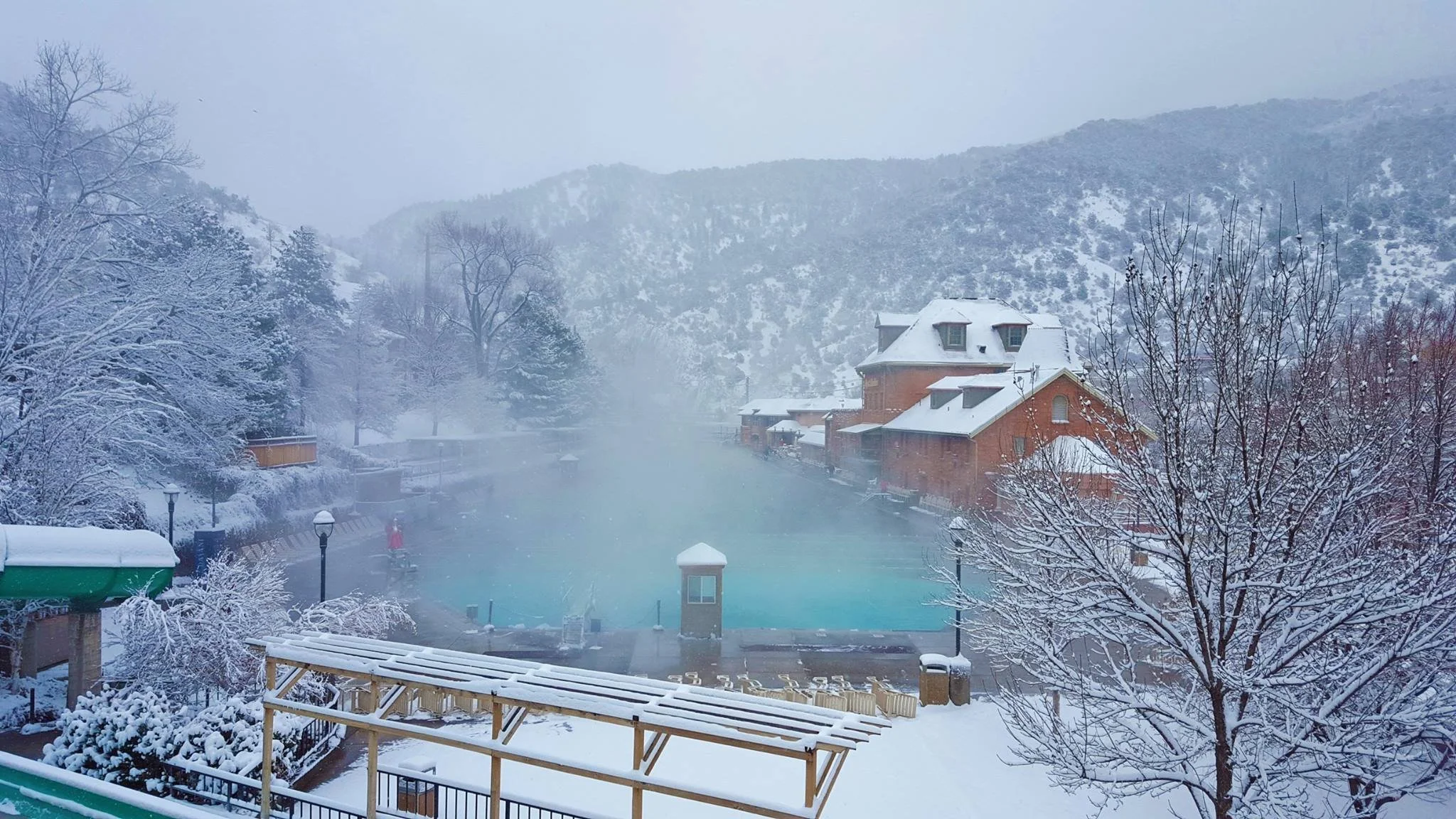
The Glenwood Springs City Council and Mayor tasked the Arts and Culture Board with the responsibility to promote awareness, access, and appreciation of the fine, performing, and practical arts among city residents and visitors. The City and the Arts and Culture Board felt that their needs would be best served by the development of a Public Art Master Plan
HOW
Like all of us, Glenwood Springs dealt with the pandemic in 2020; in addition, the city received a devastating blow from the Grizzly Creek Fire. These difficulties forced public engagement online throughout the fall and winter of 2020, but thankfully did not derail the collection of feedback.
WHAT
Though the City of Glenwood Springs had long featured public art, it had never established a formal, city-led program. Using the plan, the City of Glenwood Springs formally established a Public Art Program, governed by sound and transparent policies and procedures that will ensure its continued success.
Clearwater Cultural Arts Strategic Plan
Clearwater, Florida
WHY
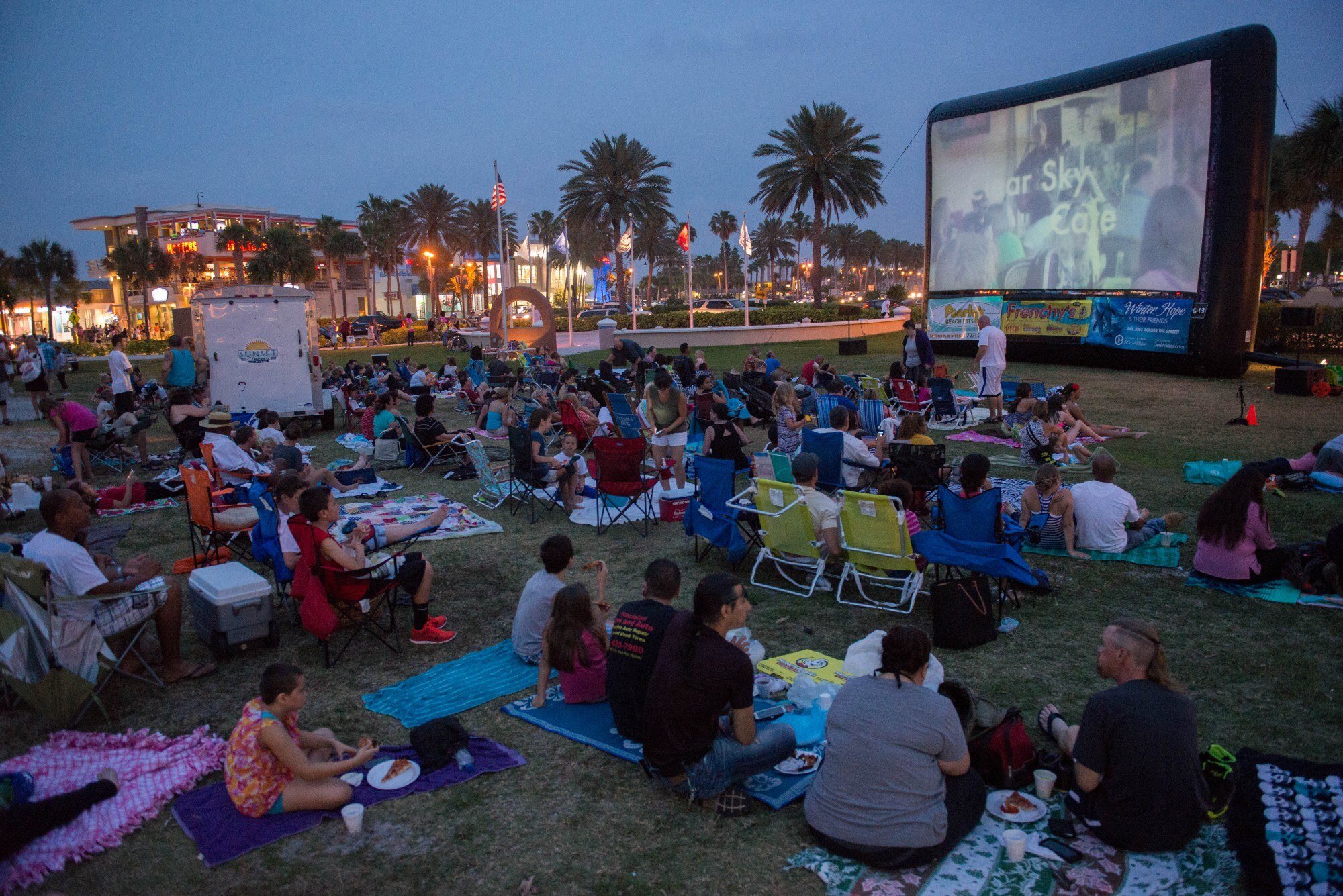
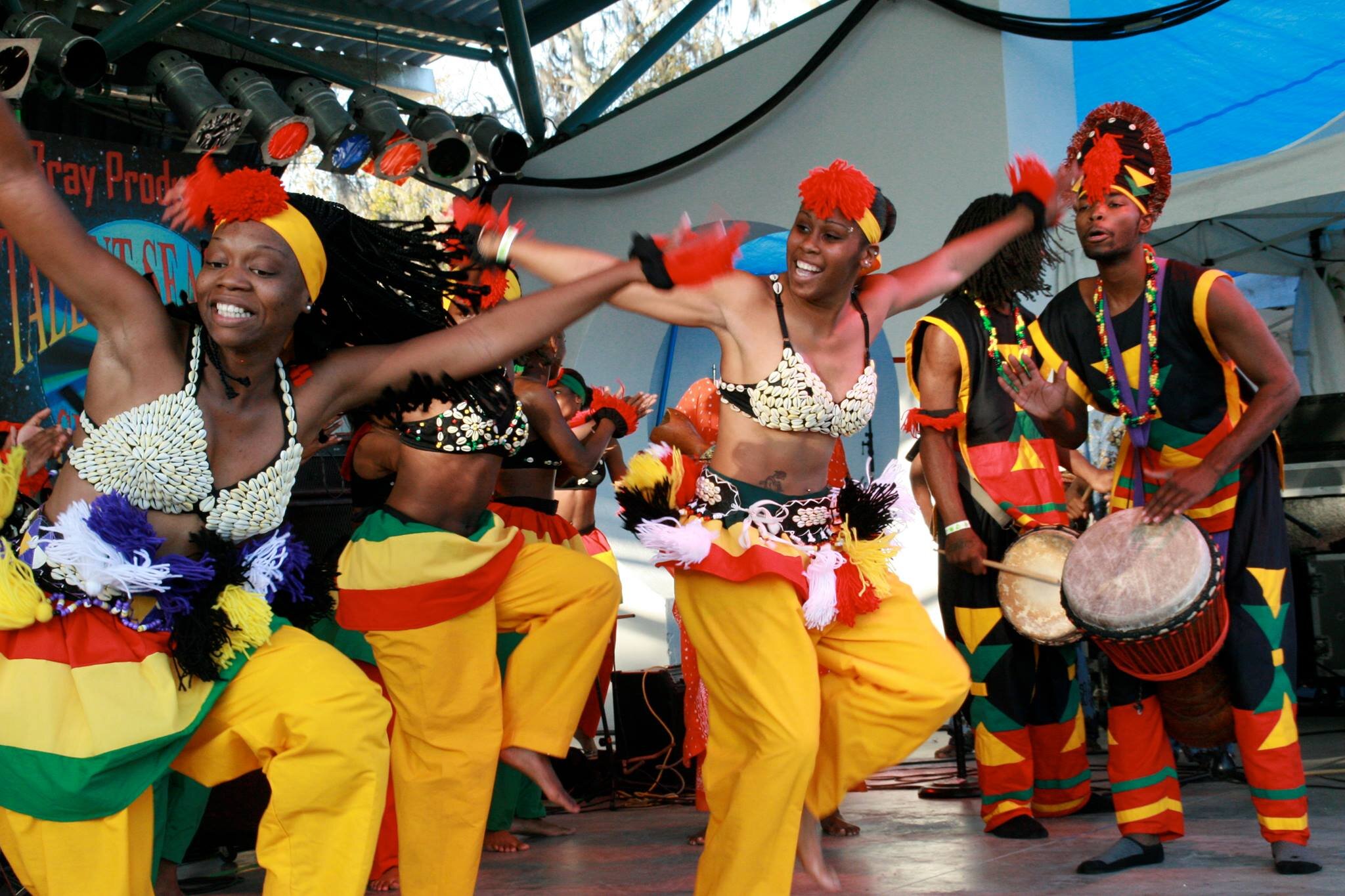
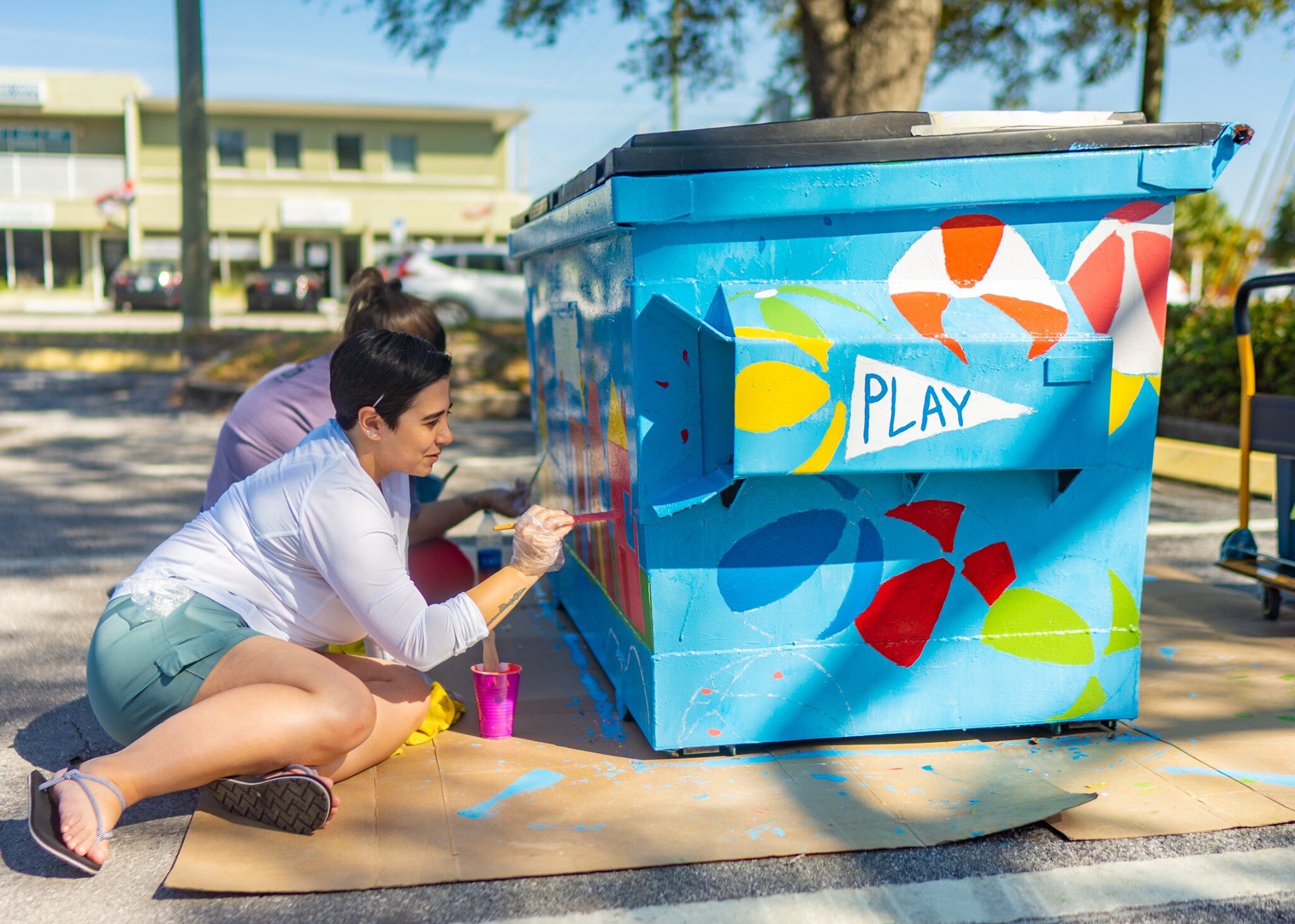
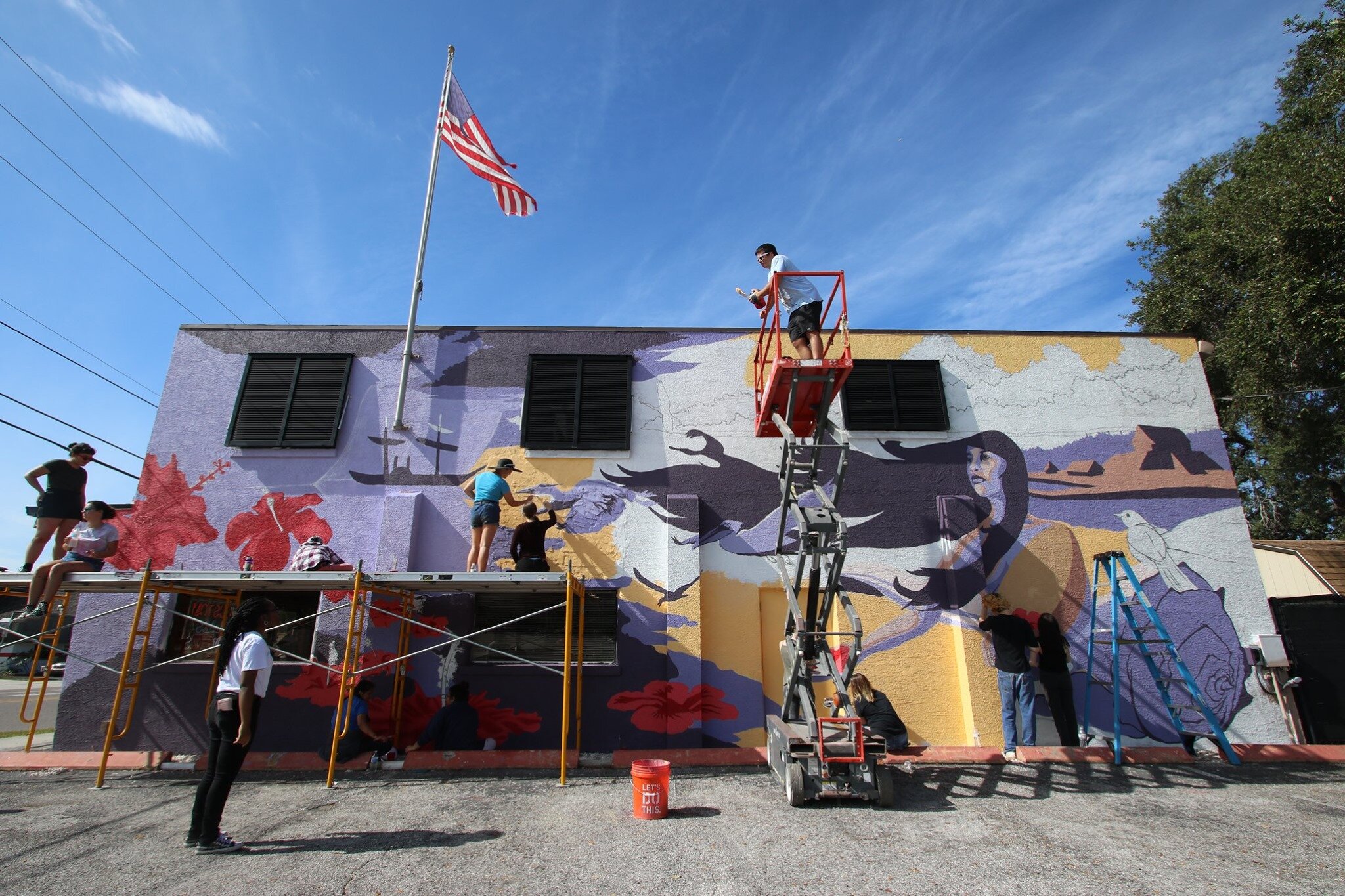
The City of Clearwater has a long legacy of investing in arts and culture. In 2020, the city revisited its 2002 Clearwater Cultural Plan to identify new arts and culture opportunities for the community and create a guide to help the Cultural Arts Department implement them.
HOW
Designing Local employed community conversations, policy and program research, analysis of current cultural programming, and an understanding of the local and regional cultural ecosystems to create recommendations for the future success of Clearwater’s Cultural Arts Department.
WHAT
The updated Clearwater Cultural Plan is an implementation handbook to guide the next 5–7 years of the City of Clearwater’s Cultural Arts Department and ensure the long-term sustainability and vitality of the city’s cultural offerings.


Frankfort Arts Master Plan
Frankfort, Kentucky

WHY
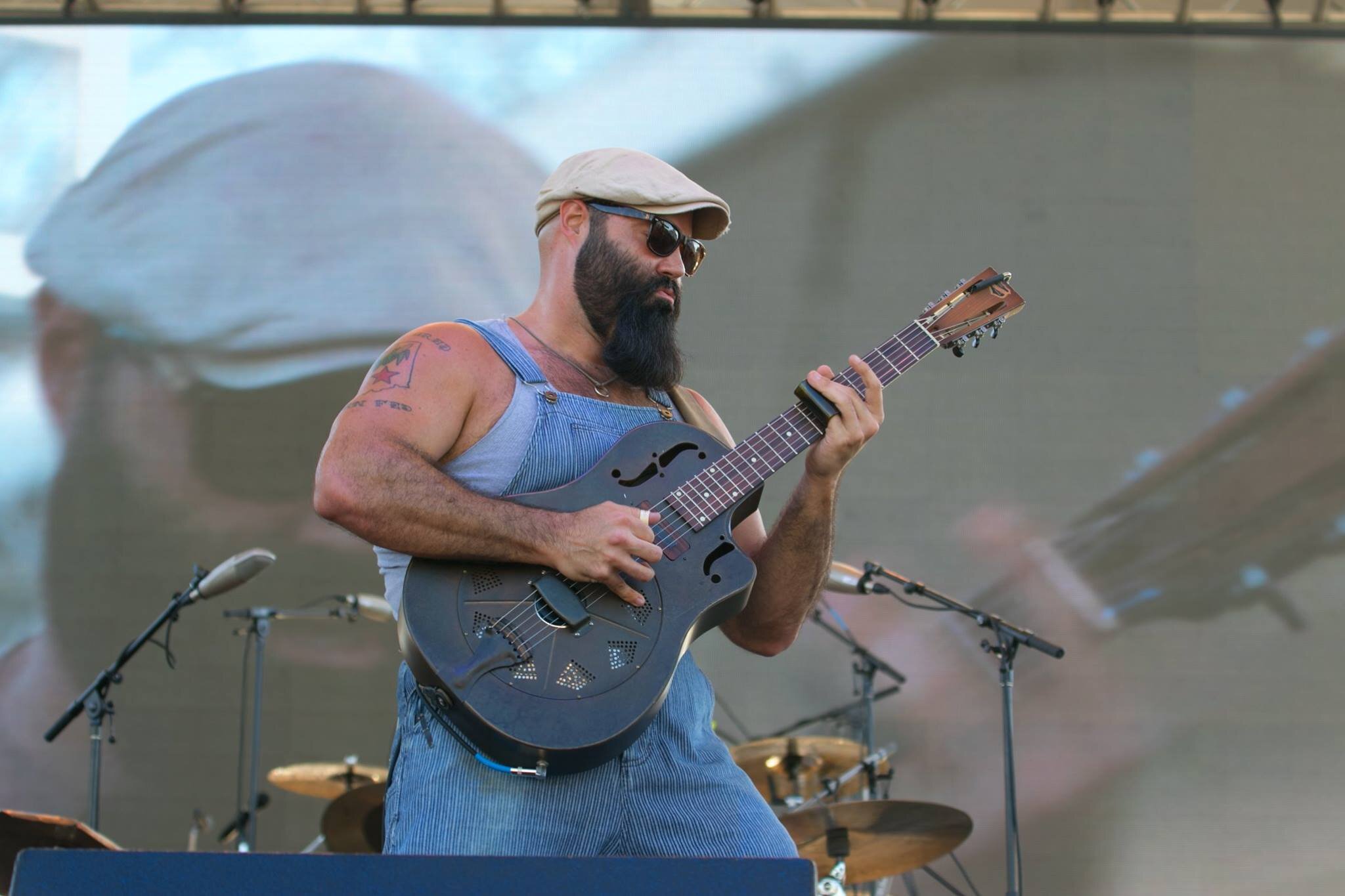
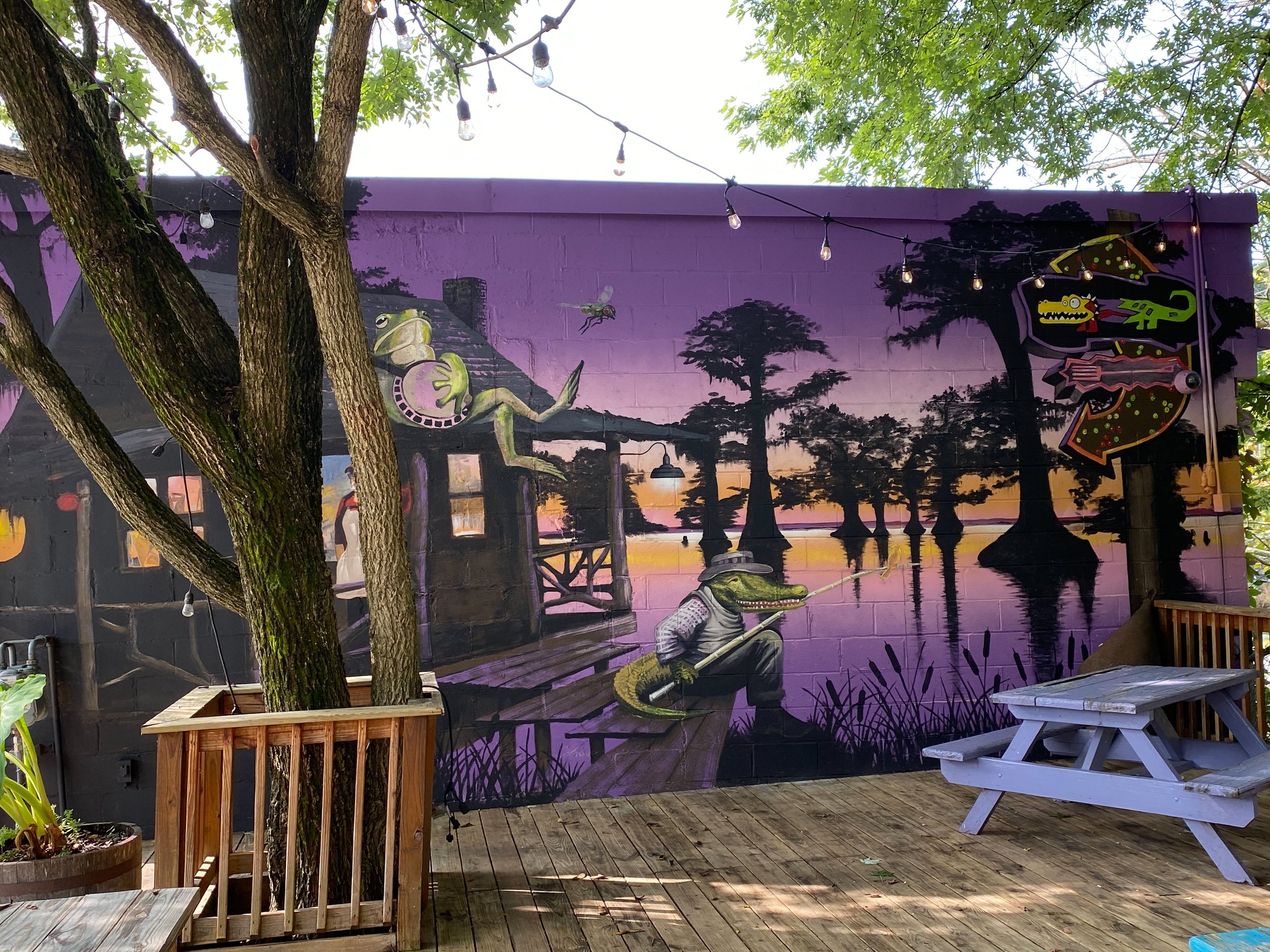
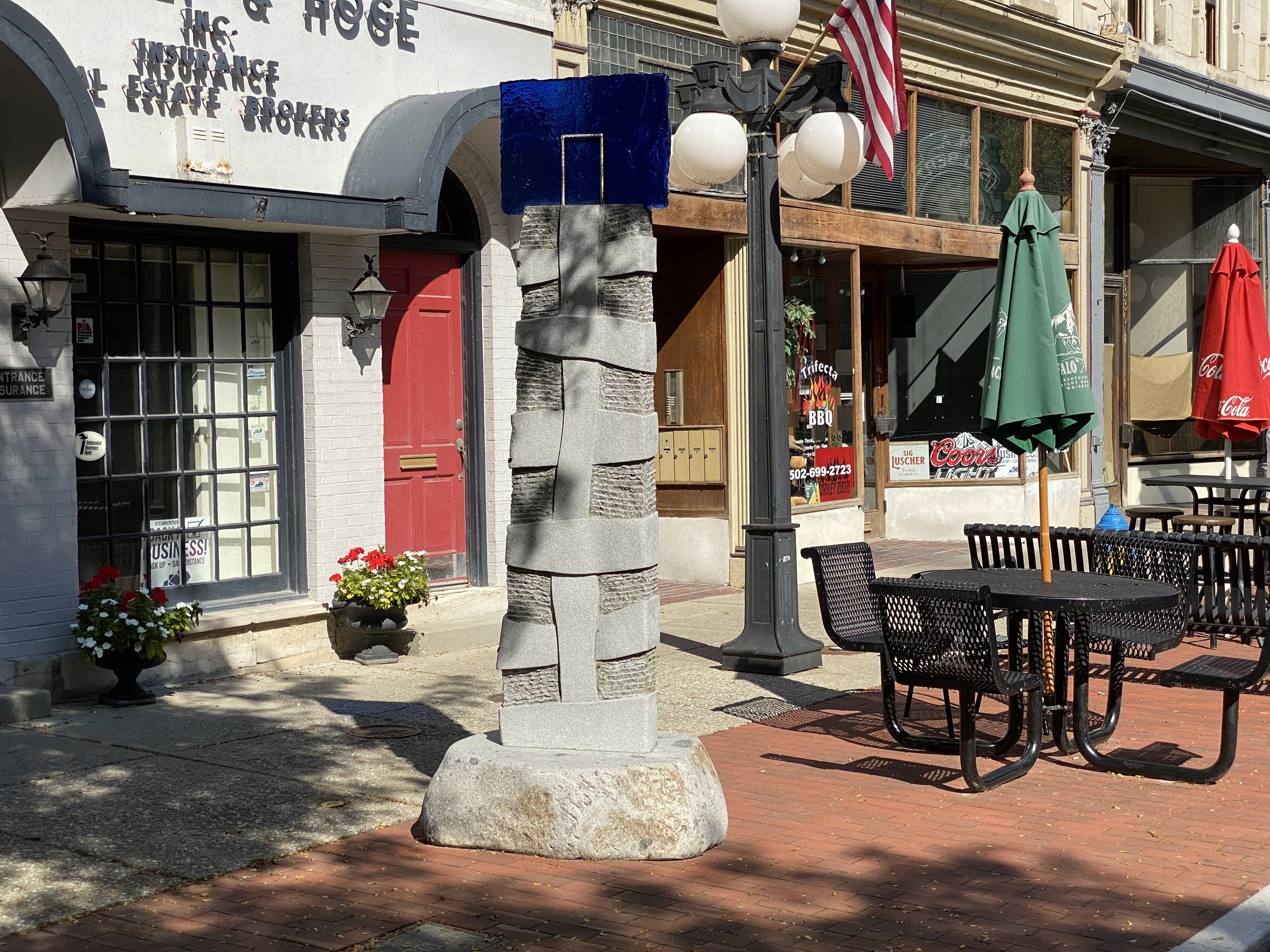
Frankfort has been a destination for Kentuckians since its establishment as the state’s capital in 1792. Now the city and its partners have endeavored to improve arts and culture in the city, particularly in the downtown area, to increase economic activity and capitalize on the area’s popular bourbon industry. The city received an Our Town grant from the National Endowment for the Arts to express its community values and vision through public art, and to enhance cultural amenities throughout the city.
HOW
Like everything else in 2020, our planning process in Frankfort was upended by the COVID-19 pandemic. What was initially envisioned as a series of large public meetings became online focus groups and an enhanced survey effort. A socially distanced ‘choose your own adventure’ engagement opportunity was set up at an outdoor sculpture park to allow for safe in-person engagement. These efforts yielded extensive input and greatly influenced plan outcomes.
WHAT
The plan recognizes short-, medium-, and long-term strategies to achieve some broad and bold visions. By following the strategies outlined in this document, Frankfort will be able to phase in its proposed projects and programs as the economy recovers.

Port St. Lucie Art in Public Places Master Plan
Port St. Lucie, Florida

WHY
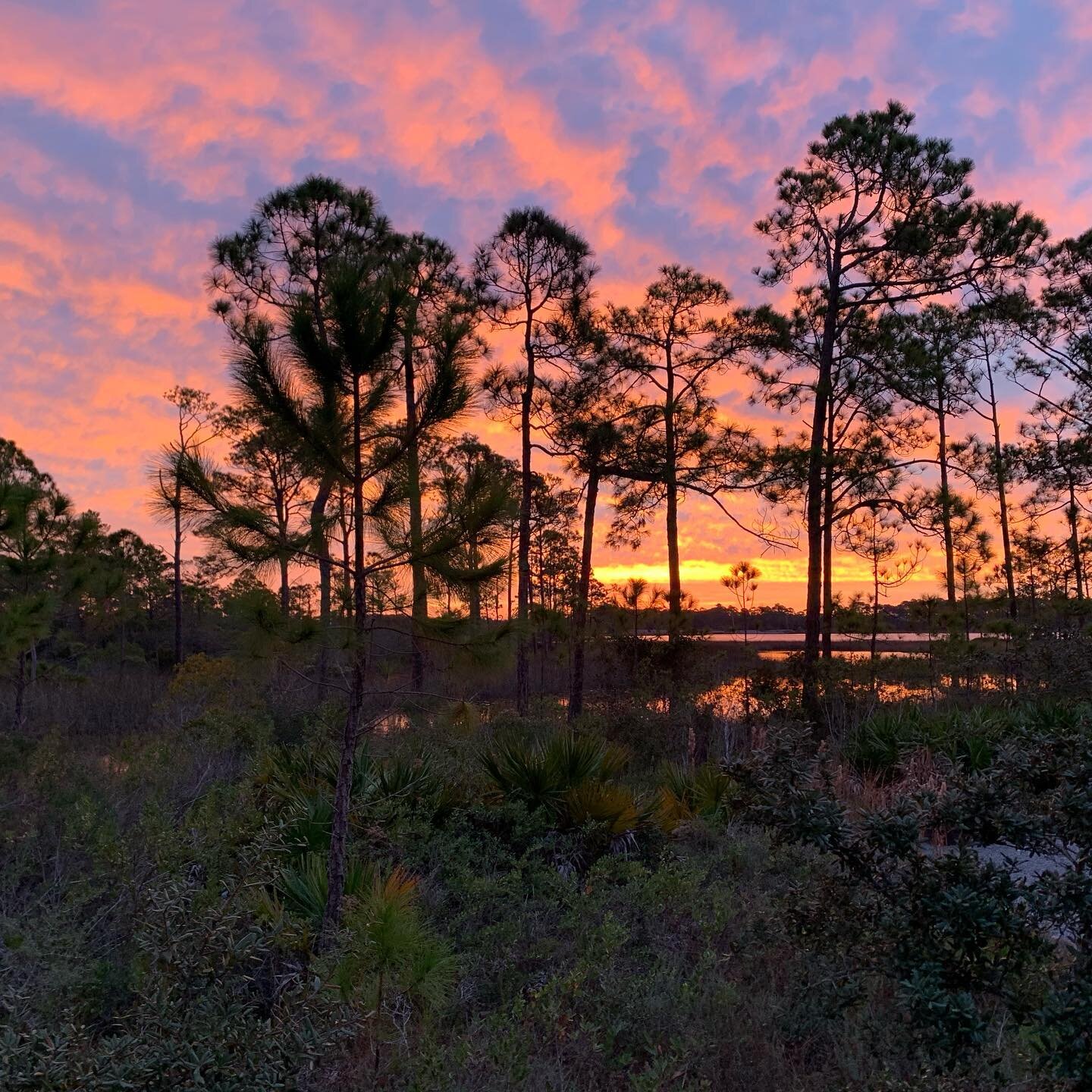
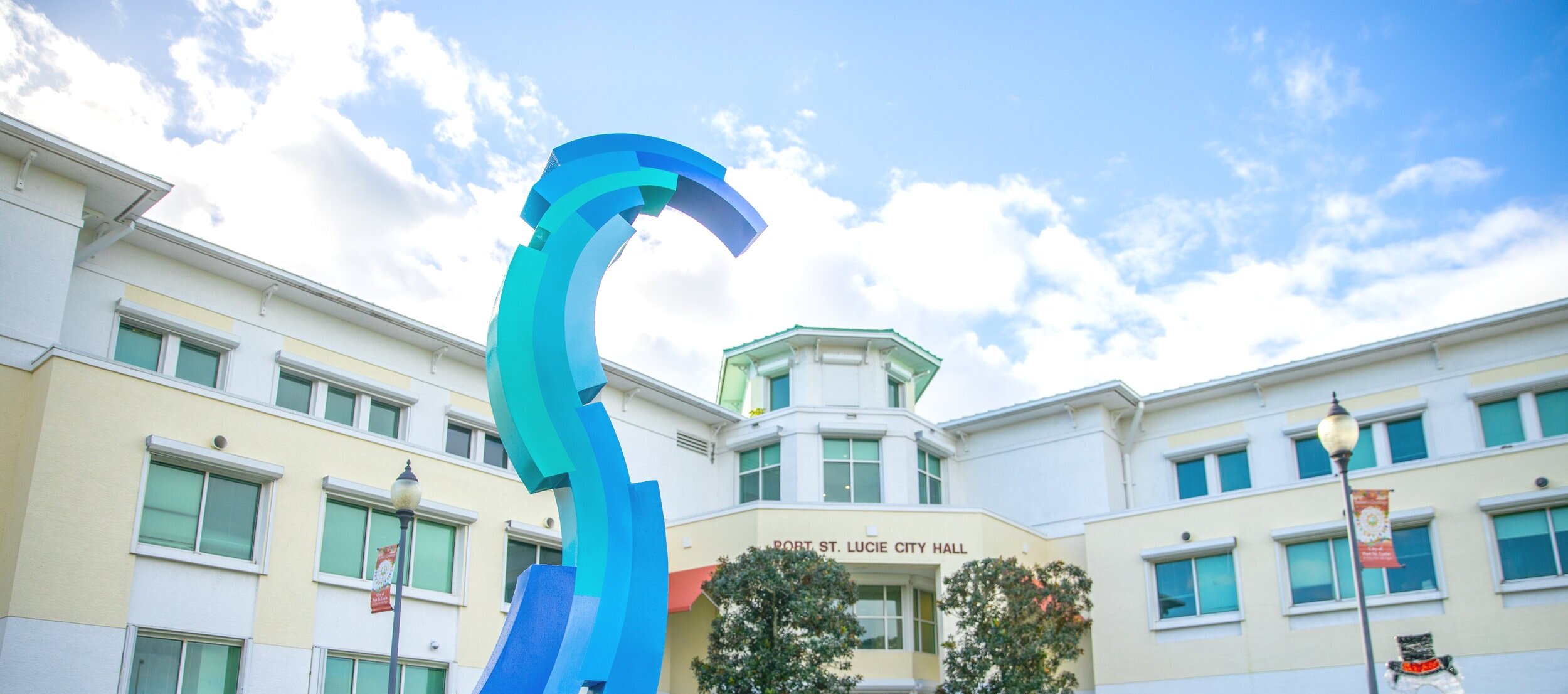
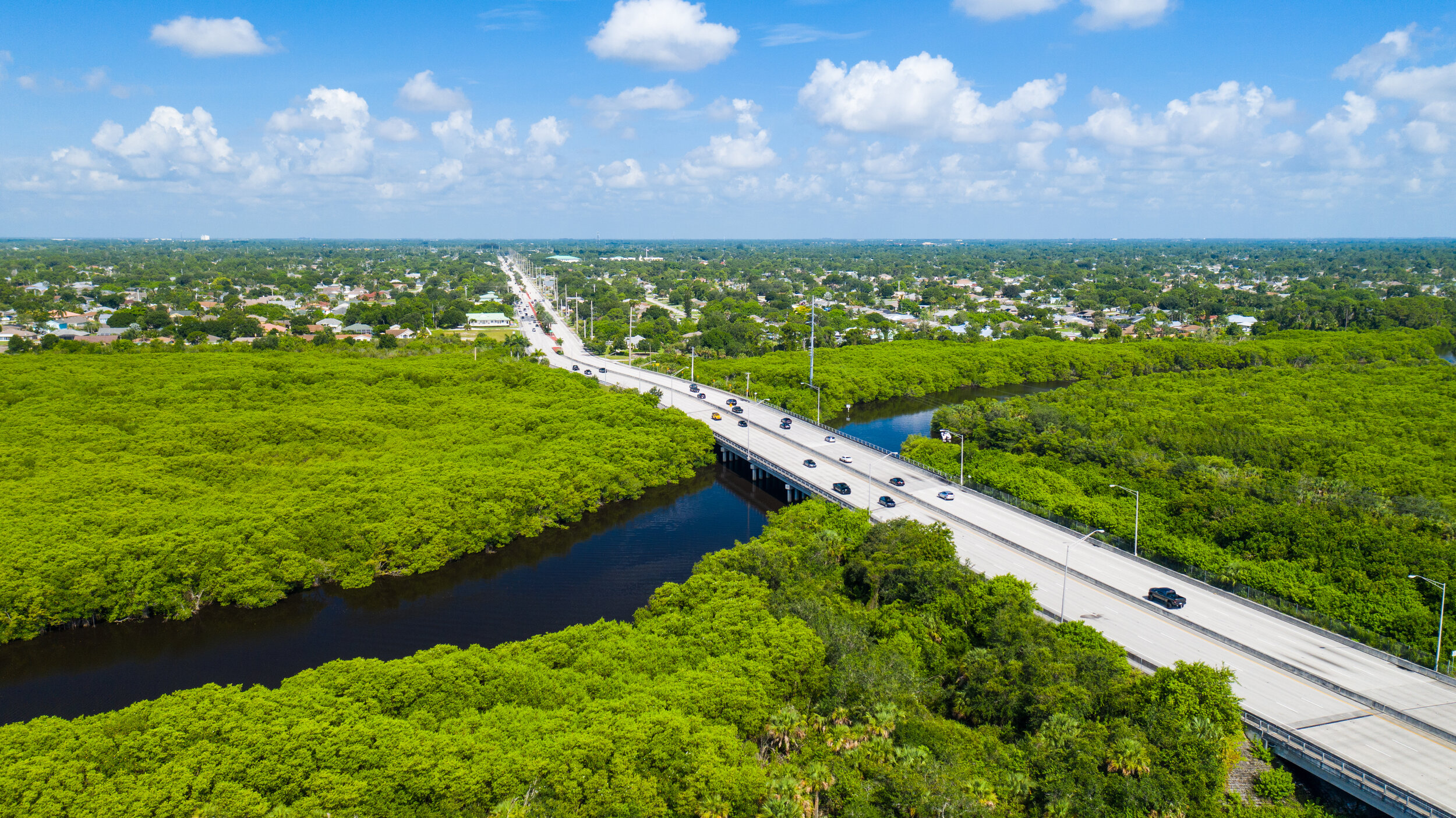
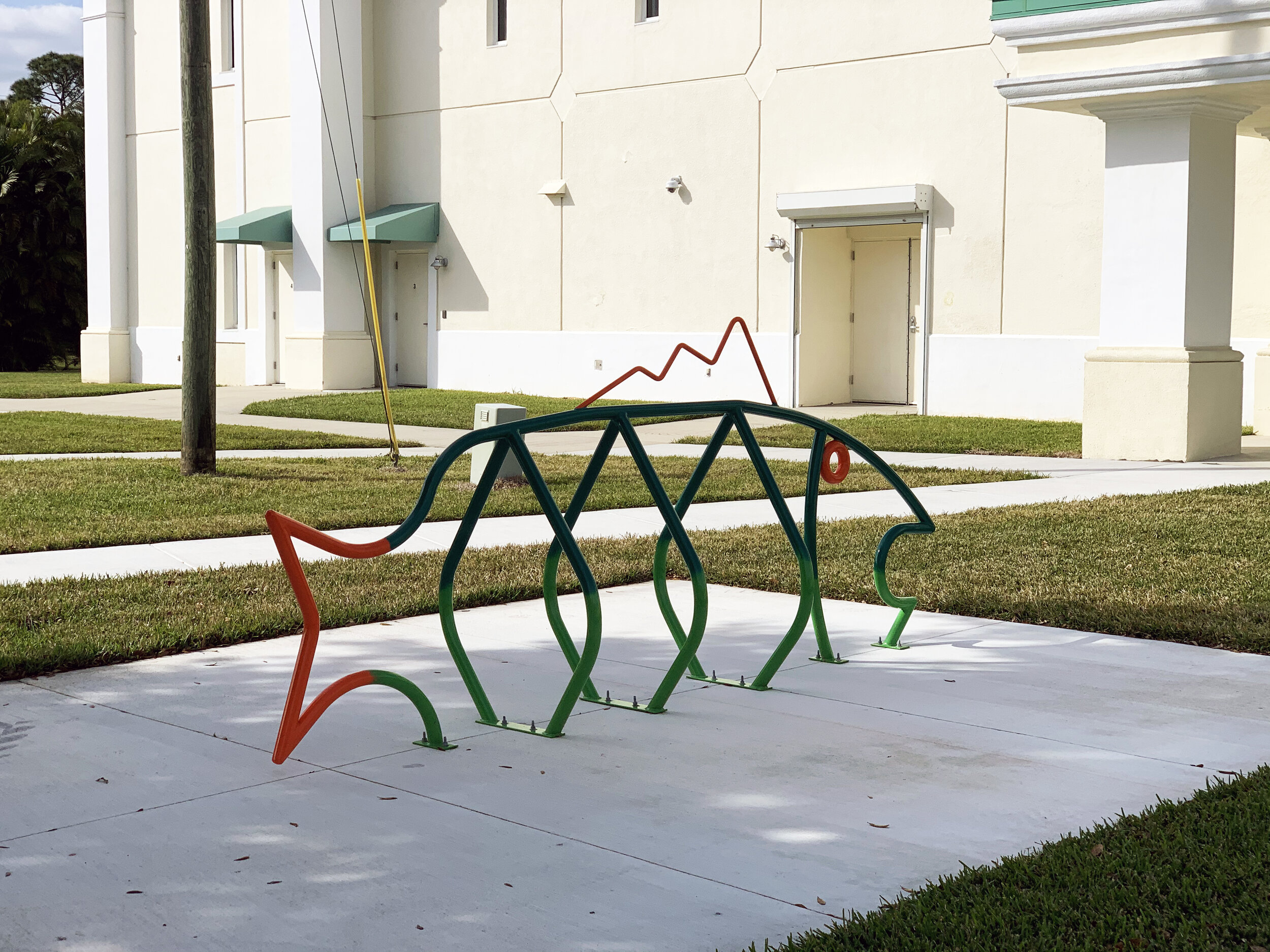
The City of Port St. Lucie is dedicated to creating a more livable, beautiful community and looked to public art as a means to accomplishing this. The city created an Art in Public Places program through A Percent for Art in Private Development funding, and created a Public Art Board to review projects. The next step for the city was to create an Art in Public Places Master Plan to guide program implementation.
HOW
It is hard to believe that our first large-scale public engagement event for the plan was the first city event canceled due to COVID-19 back in March 2020! Designing Local was able to transition to digital engagement and, thanks to the public’s enthusiasm for more public art in Port St. Lucie, got feedback from nearly 1,000 residents.
WHAT
The Art in Public Places Master Plan lays out a vision for the future of public art in Port St. Lucie, which is now on track to develop a world-class public art program. Designing Local has continued to provide art implementation for the last 2 years.

Germantown Public Art Master Plan
Germantown, Tennessee
WHY
The City of Germantown has a strong history of commitment to the arts, with a 28-year investment in the renowned Germantown Performing Arts Center. The city was committed to developing a strong public art program to accompany its performing arts program, housed within the Performing Arts Center under the advisement of the Public Arts Commission. The City was awarded an Our Town Grant from the National Endowment for the Arts to develop a Public Art Master Plan in 2019.
HOW
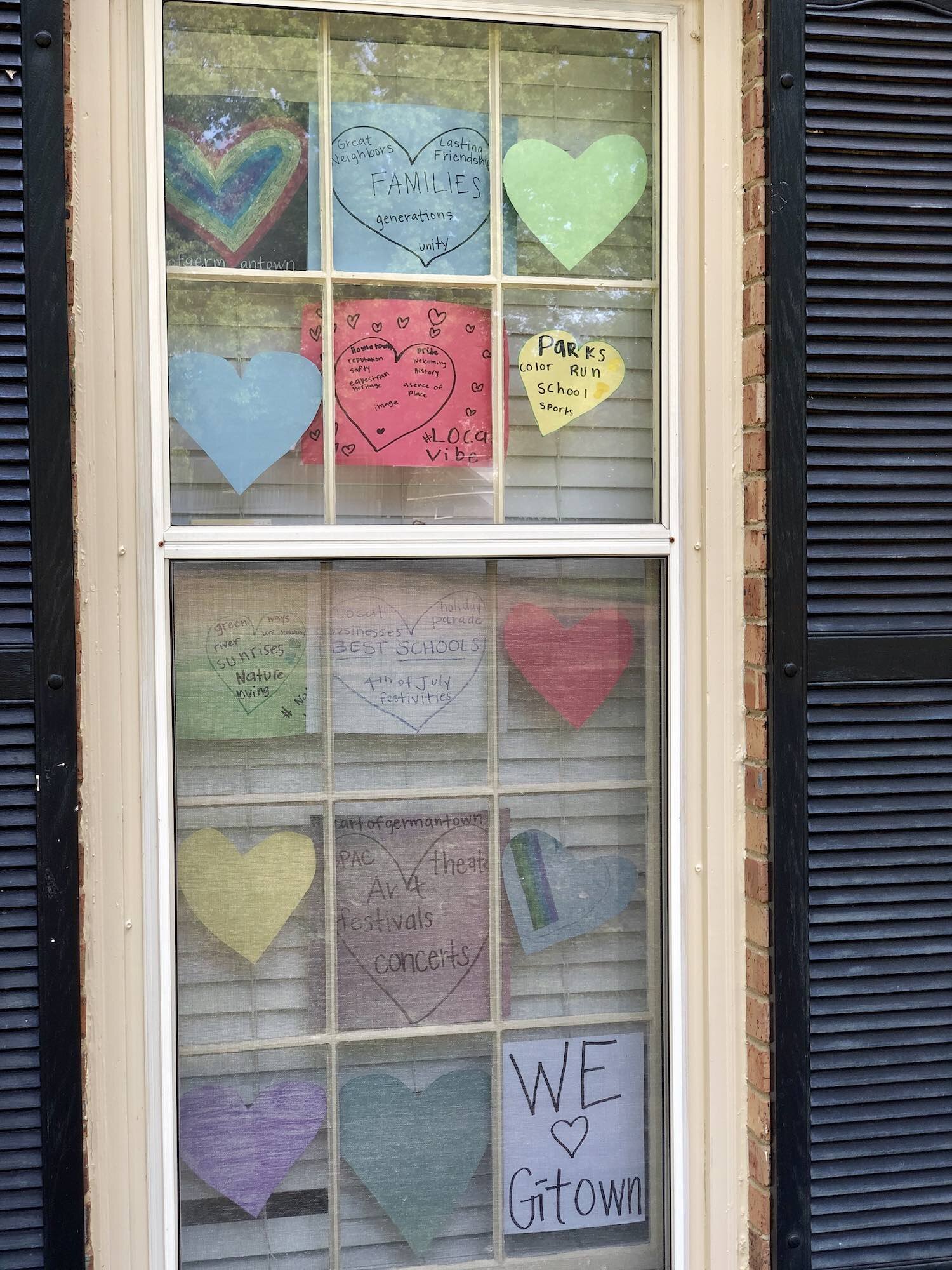
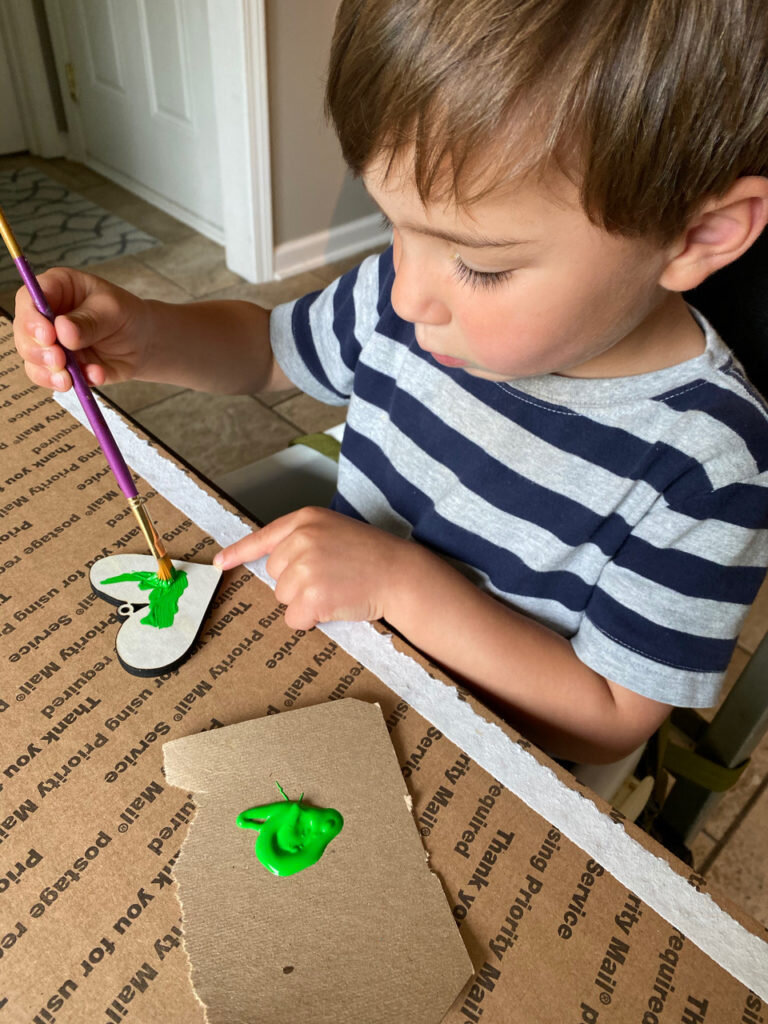
Work began on the plan in December of 2019. In March of 2020, the team was poised to launch a public engagement cart that would appear at all of the festivals and events throughout the spring and summer season. Within one week of launch, however, the COVID-19 pandemic forced the cancellation of in-person events. The team shifted immediately into engaging the community in a socially distant, creative, and safe way, by mailing a postcard to every household in the city. The postcard asked each family member to consider what makes Germantown special. They were asked to select a quality and decorate a heart to display in their window so pedestrians could see it and feel joy and connection. The community participated in full force and used the hearts as a way to celebrate their strength as a community.
WHAT
The Plan was completed in December of 2020. Its development has helped the community identify several specific program goals, such as enhancing community character, pursuing excellence in public art, contributing to community vitality, valuing artists and their process, and using resources wisely.
COLLABORATORS
Cat Pena
AWARDS
APA Tennessee 2020 Outstanding Project/Program/Tool for a Small Jurisdiction

Merriam Community Center Public Art Curation
City of Merriam, Kansas
WHY
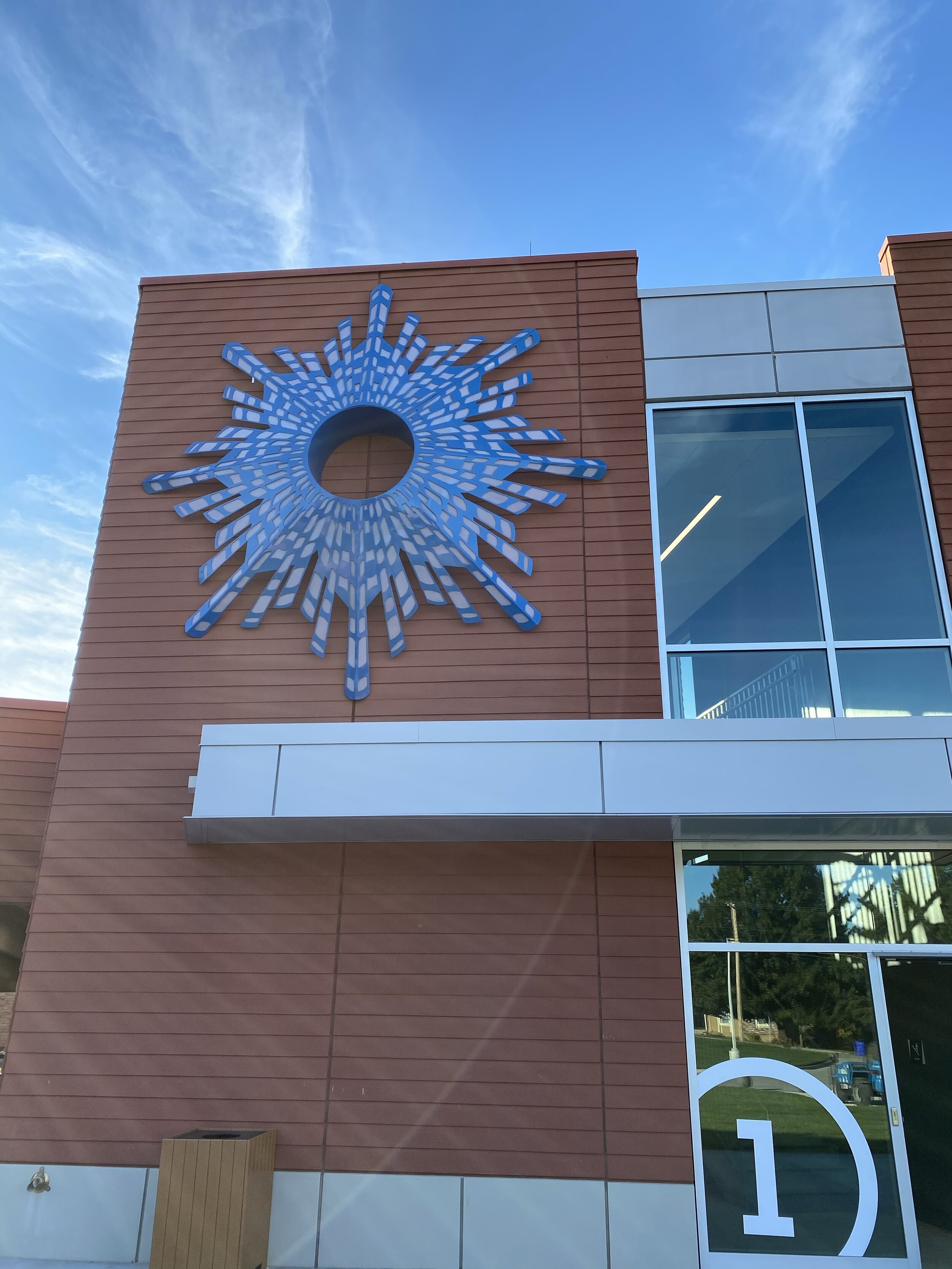
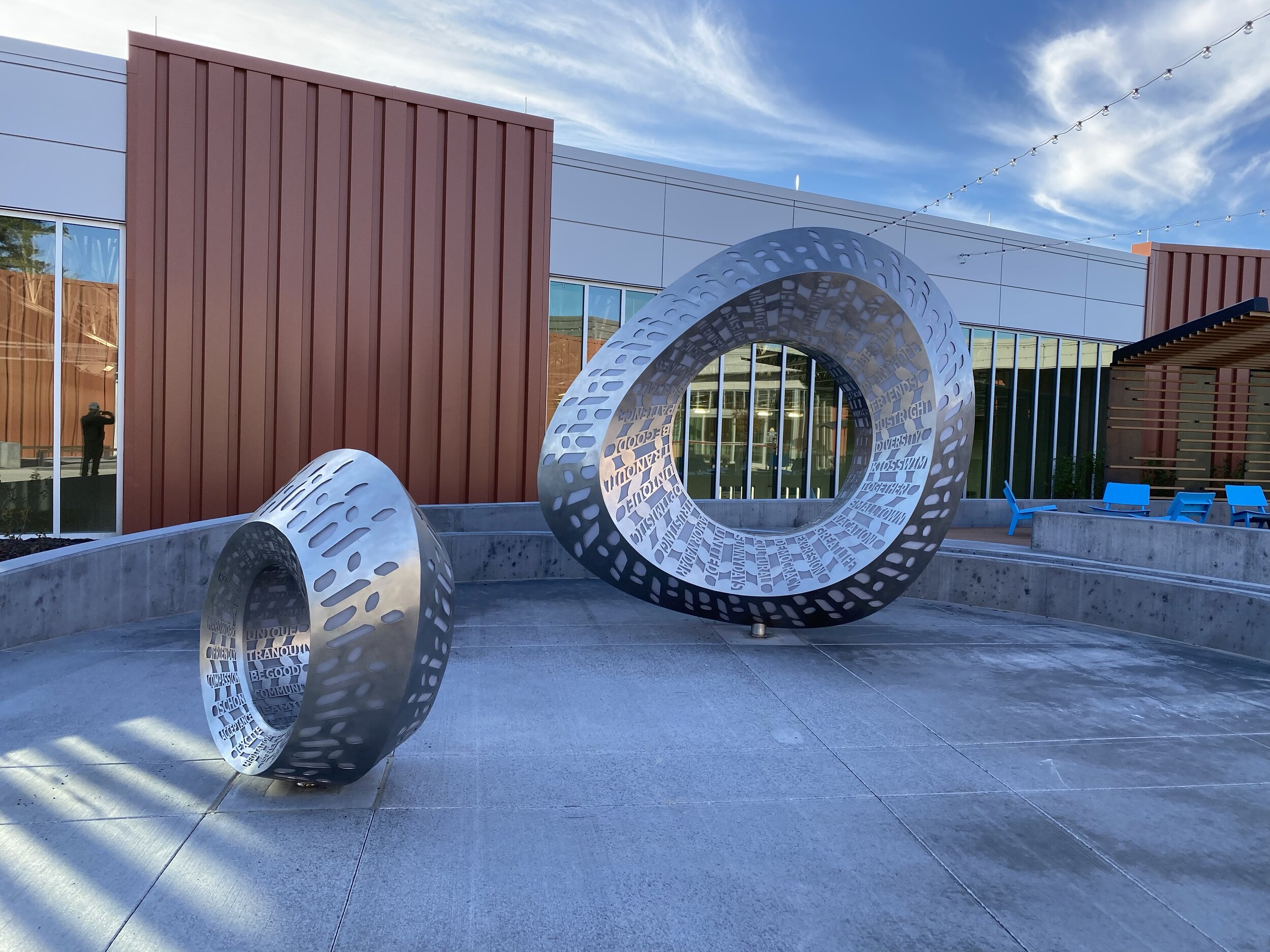
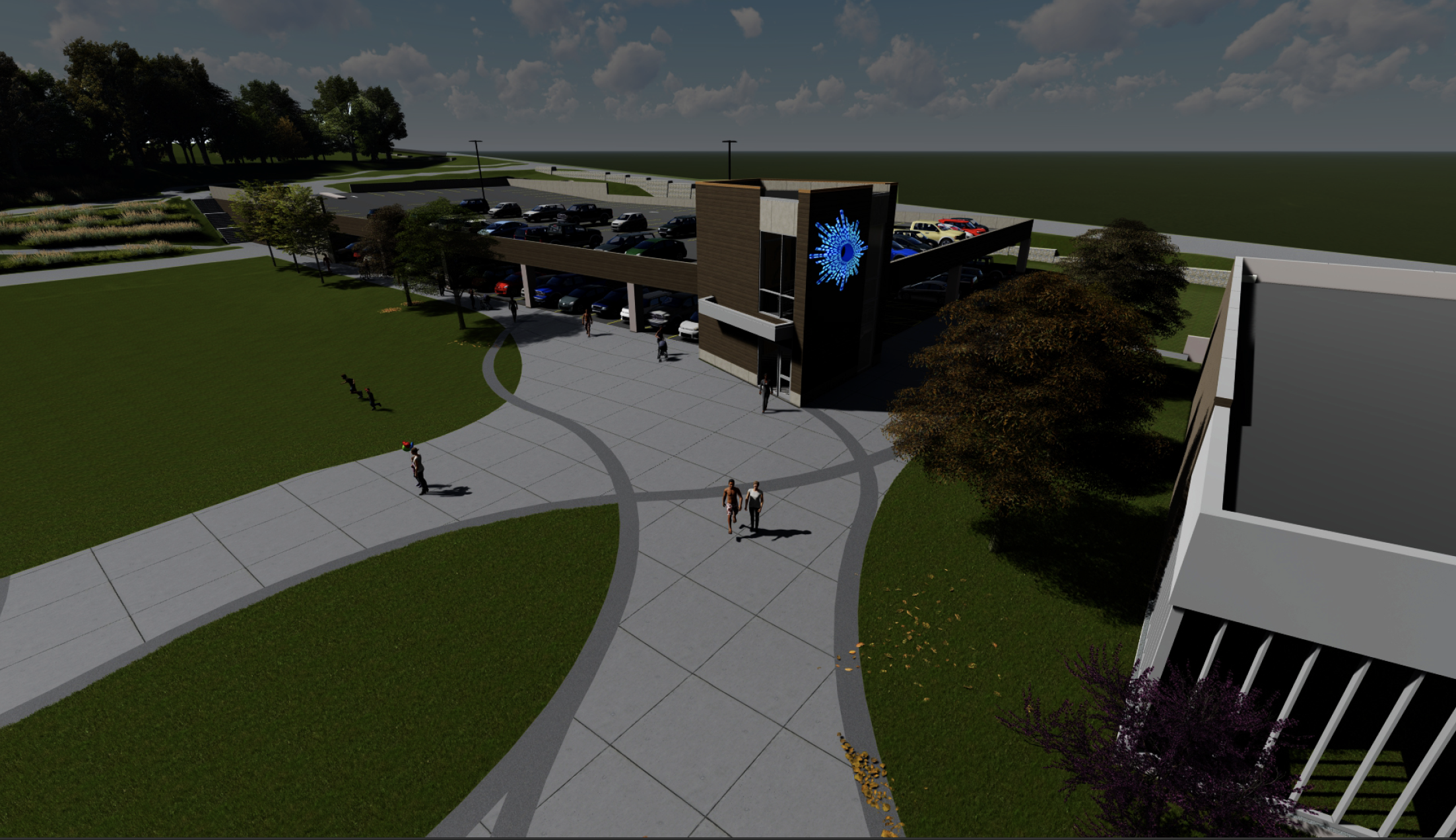
City of Merriam voters approved a bond initiative to build a new community center. This new facility was to replace an aging aquatic and community center and feature a variety of amenities, including indoor and outdoor aquatics, fitness and recreation areas, and community gathering space. A key feature of the building design was an outdoor plaza that connected the community center, a parking structure, and a future library. The city formed an advisory panel to select an artist to create public art for the plaza.
HOW
Designing Local developed a process for selecting an artist; the RFQ was received more than 120 responses. The artist advisory panel selected 6 finalists, then unanimously chose Blessing Hancock to design and fabricate the community center’s artwork. Designing Local liaised between the city and Blessing during the fabrication stage.
WHAT
Blessing’s artwork was installed in December 2020.

The Merchant State Historic Tax Credit
Columbus, Ohio
WHY
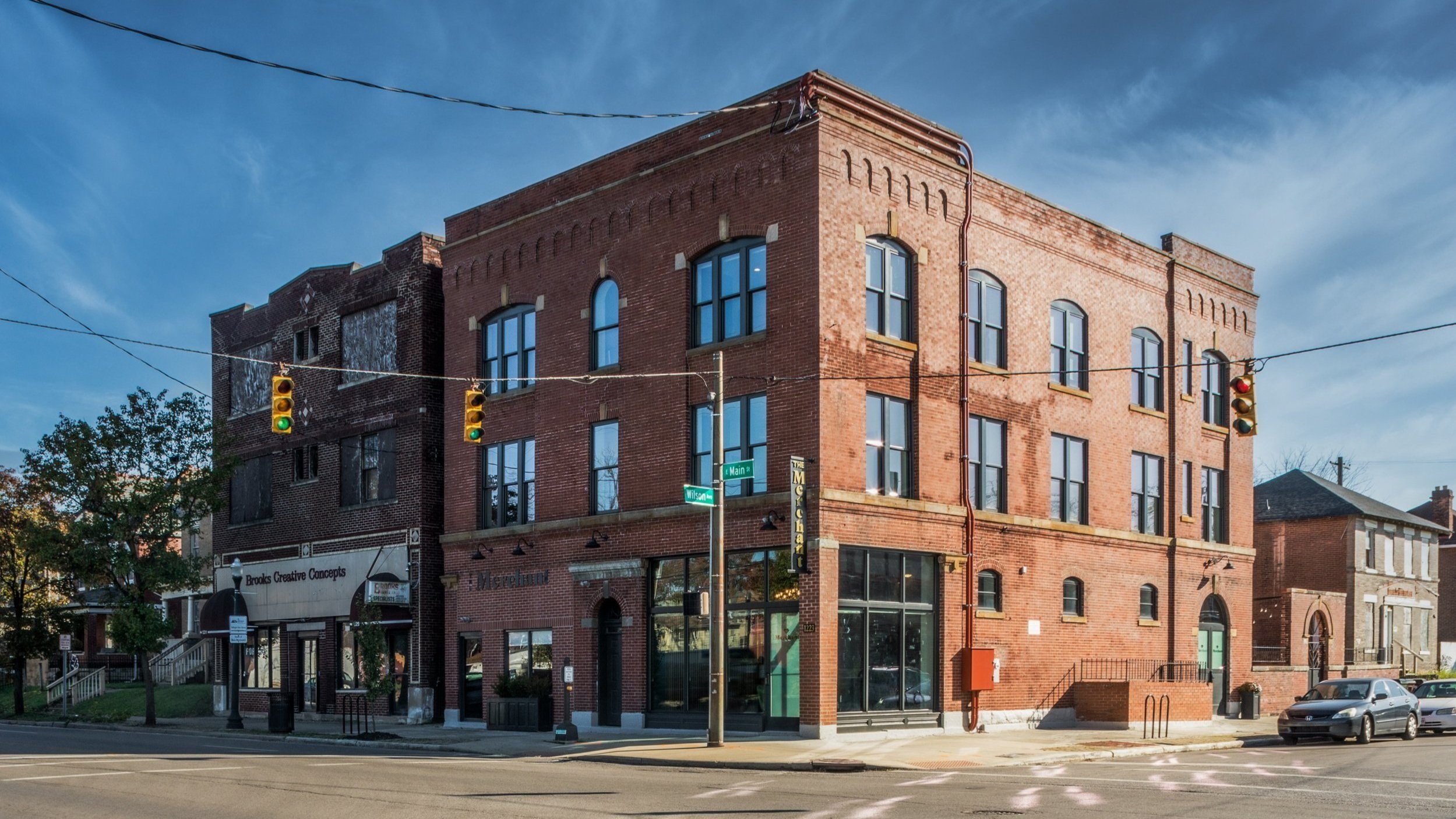
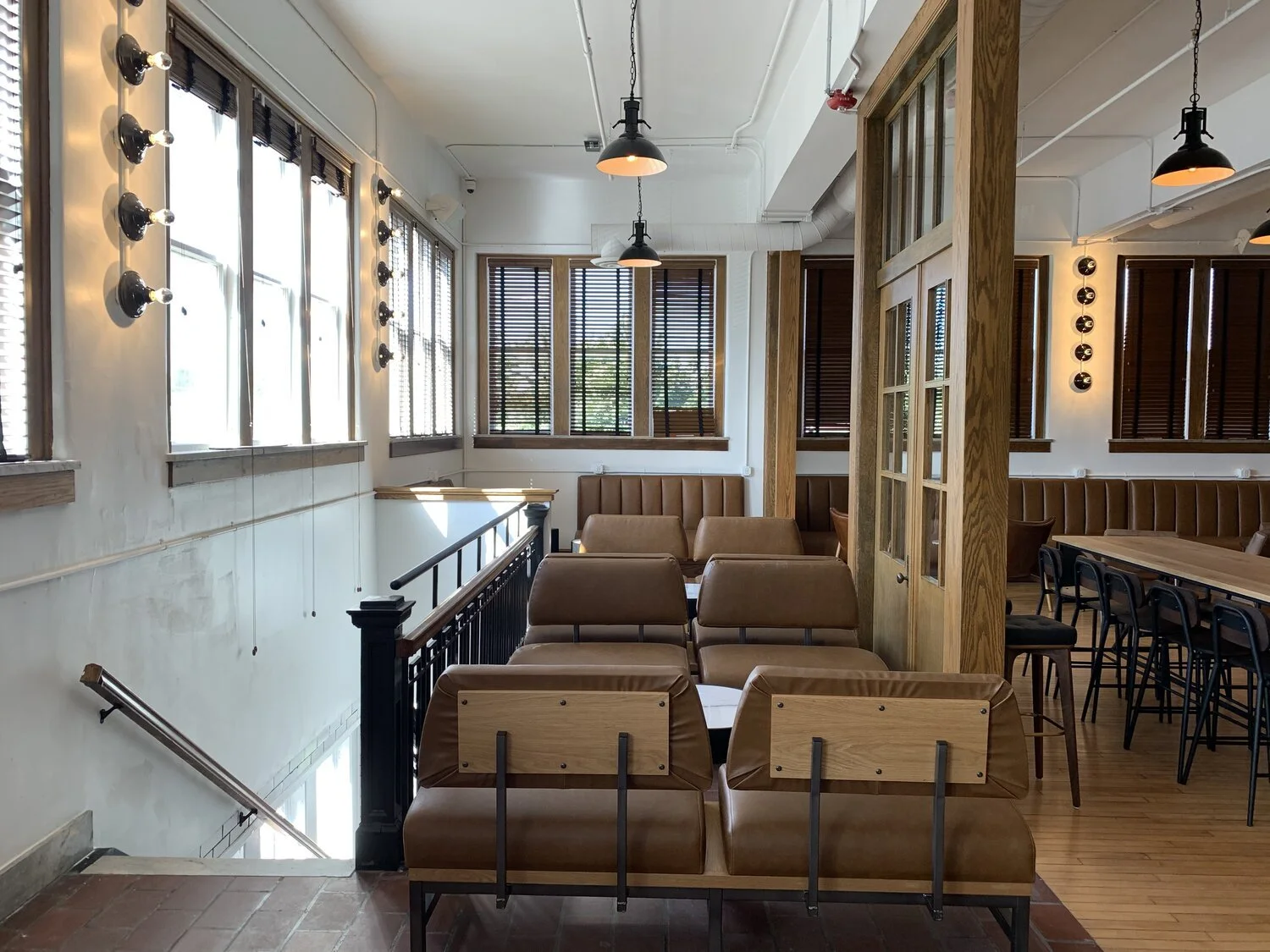
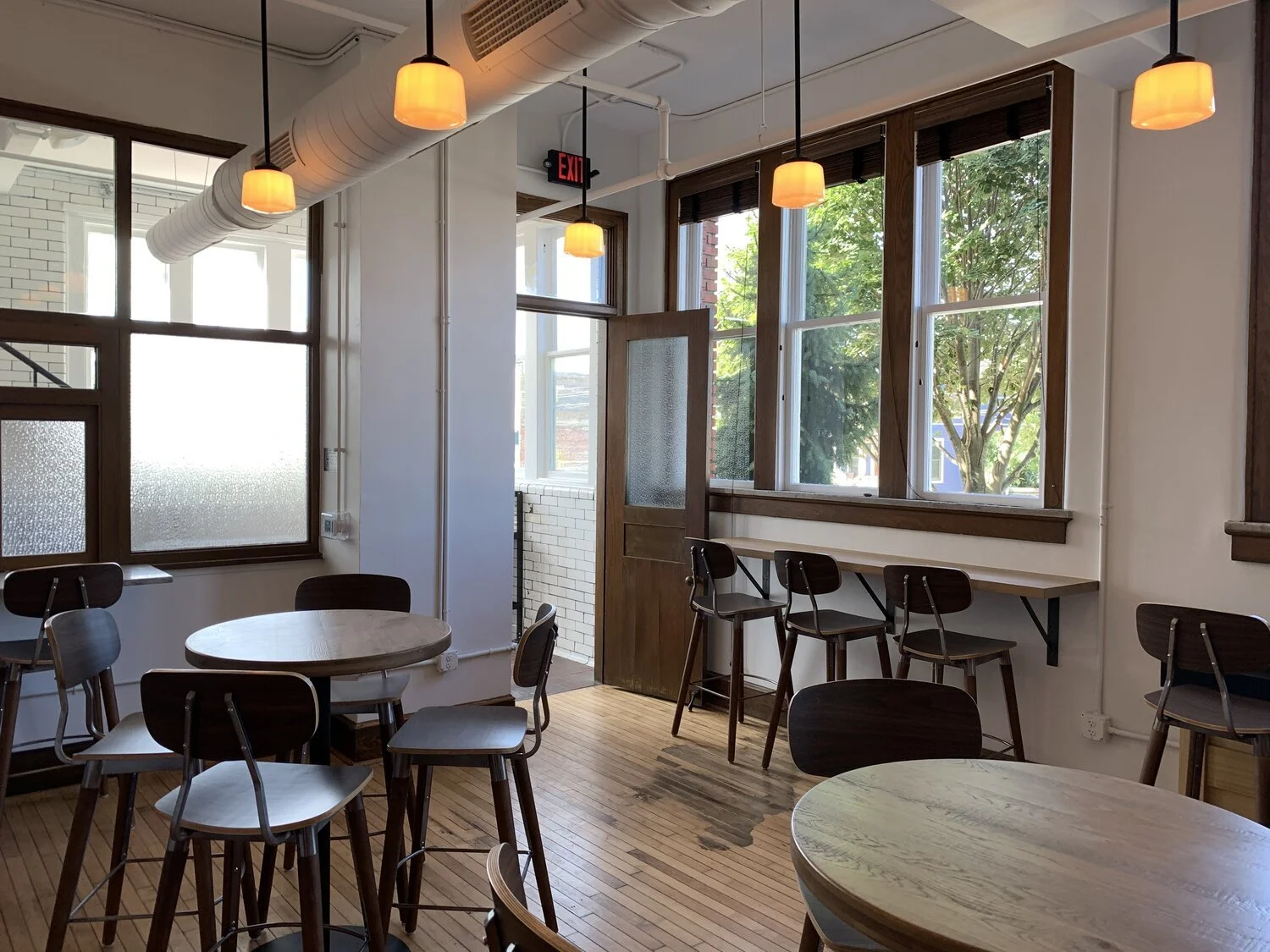
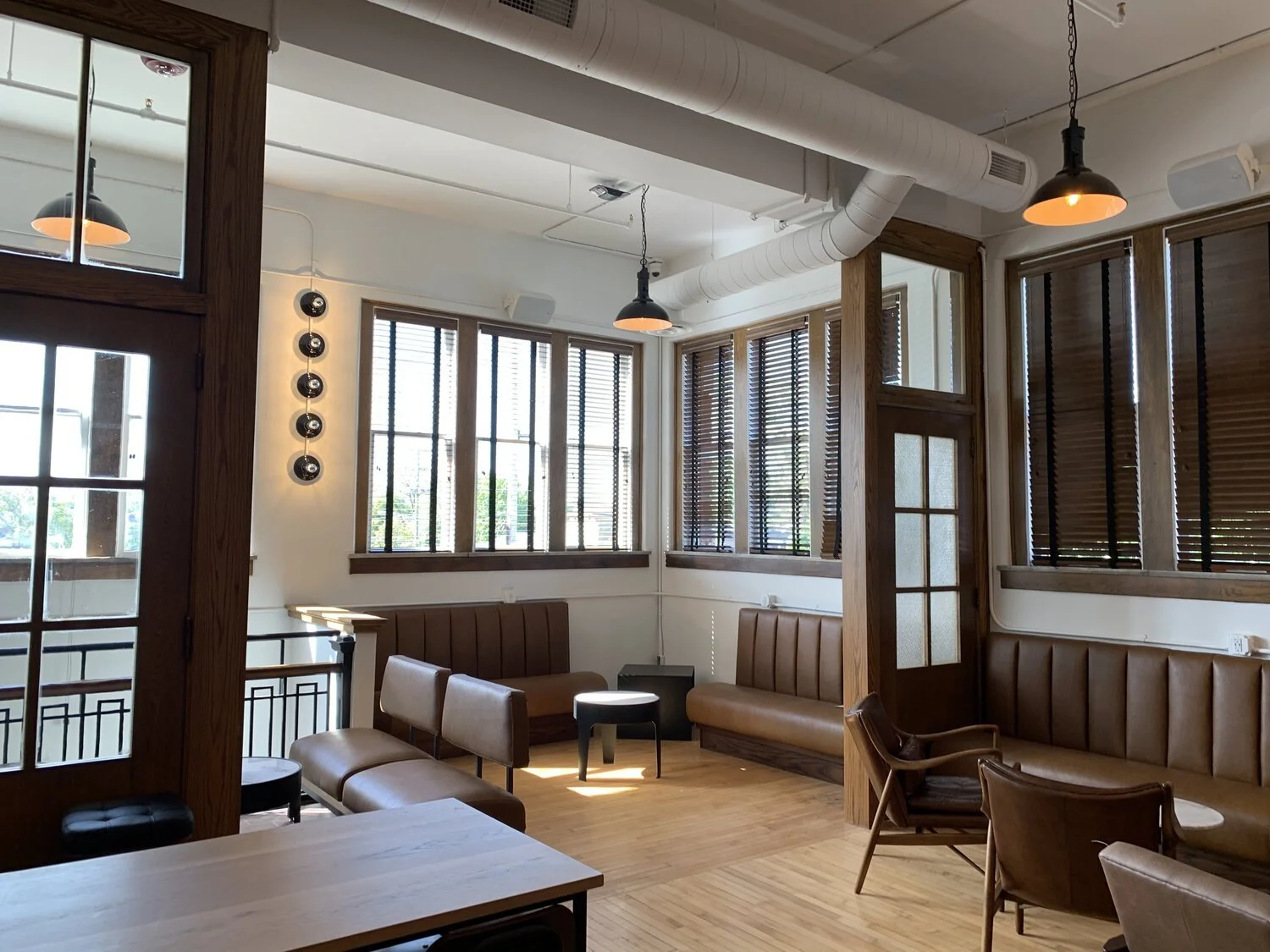
The Merchant started life in the 1920s as a mixed-use building housing a grocery store, druggist, and upper-floor residential units. At one point, the building even housed an early Kroger Company store. The property was in a state of disrepair when it was purchased by its current owner for renovation. The owner planned to renovate the building for use as a co-working space with first-floor open seating and upper-floor offices.
HOW
Designing Local assisted the property owner with listing the property on the Columbus Register of Historic Places and helped secure $191,000 in Ohio Historic Tax Credits for the roughly $1.5 million redevelopment project.
WHAT
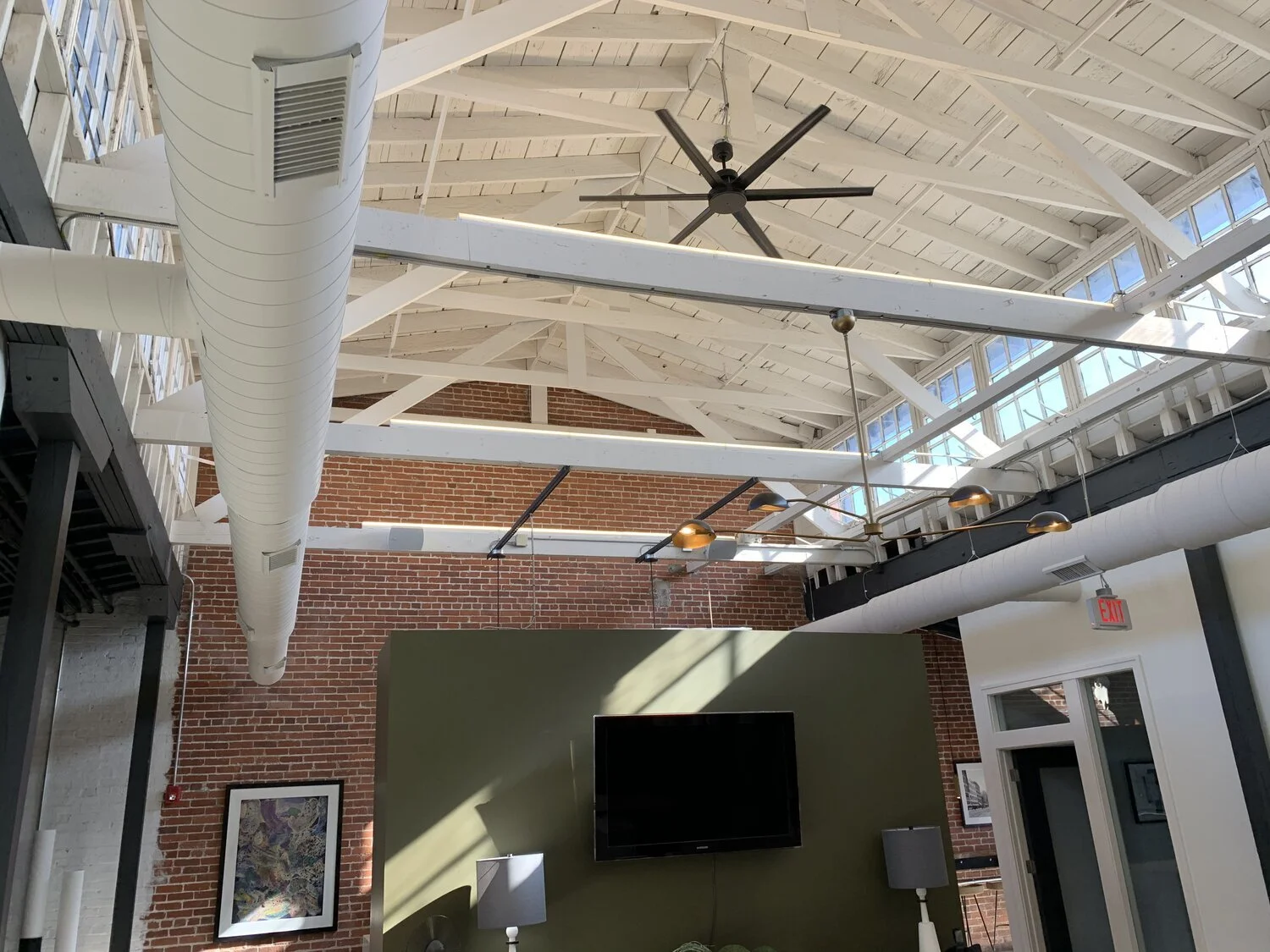
Designing Local is now lucky to call the Merchant home, as our team moved into a 3rd floor office suite in late 2020.
BEFORE


AFTER


Sandy Springs Art in Public Places Plan
Sandy Springs, Georgia
WHY
Sandy Springs is known as a corporate hub near Metro Atlanta with a saturation of small, medium, and Fortune 500 corporations and a popular residential community. After impressive investments in the social and physical fabric of their city, leaders and partners dedicated themselves to advancing the arts in Sandy Springs through an Art in Public Places Plan and the establishment of an Art in Public Places Program.
HOW
Designing Local coordinated a public engagement process and developed a public art master plan with key recommendations for the city’s new Art in Public Places Program.
WHAT
The Sandy Springs Art in Public Places Plan outlines many opportunities for public art in Sandy Springs and creates a framework to ensure that art is integrated into future public and private sector development projects.

Budd Dairy Food Hall State Historic Tax Credit
Columbus, Ohio
WHY
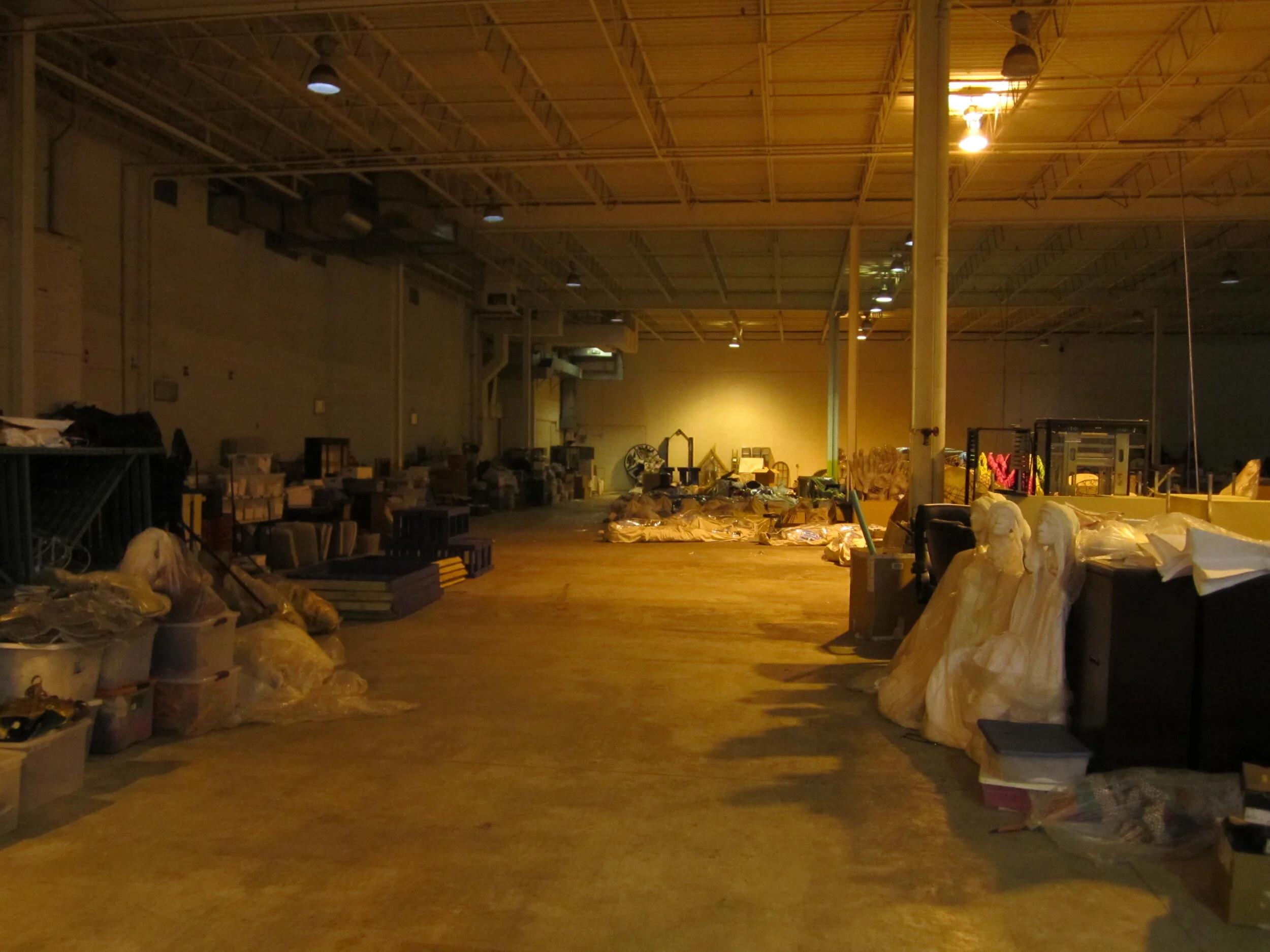
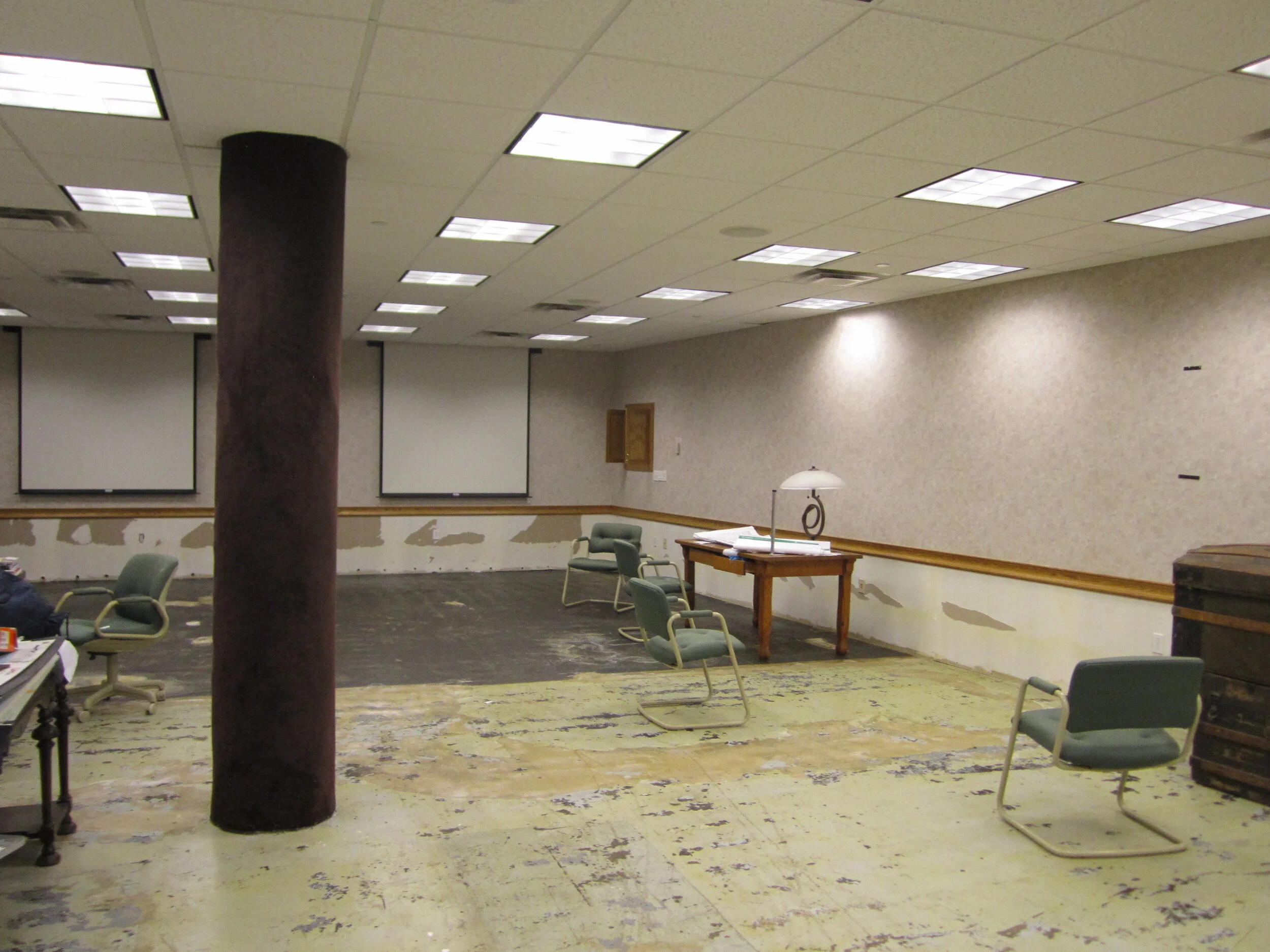
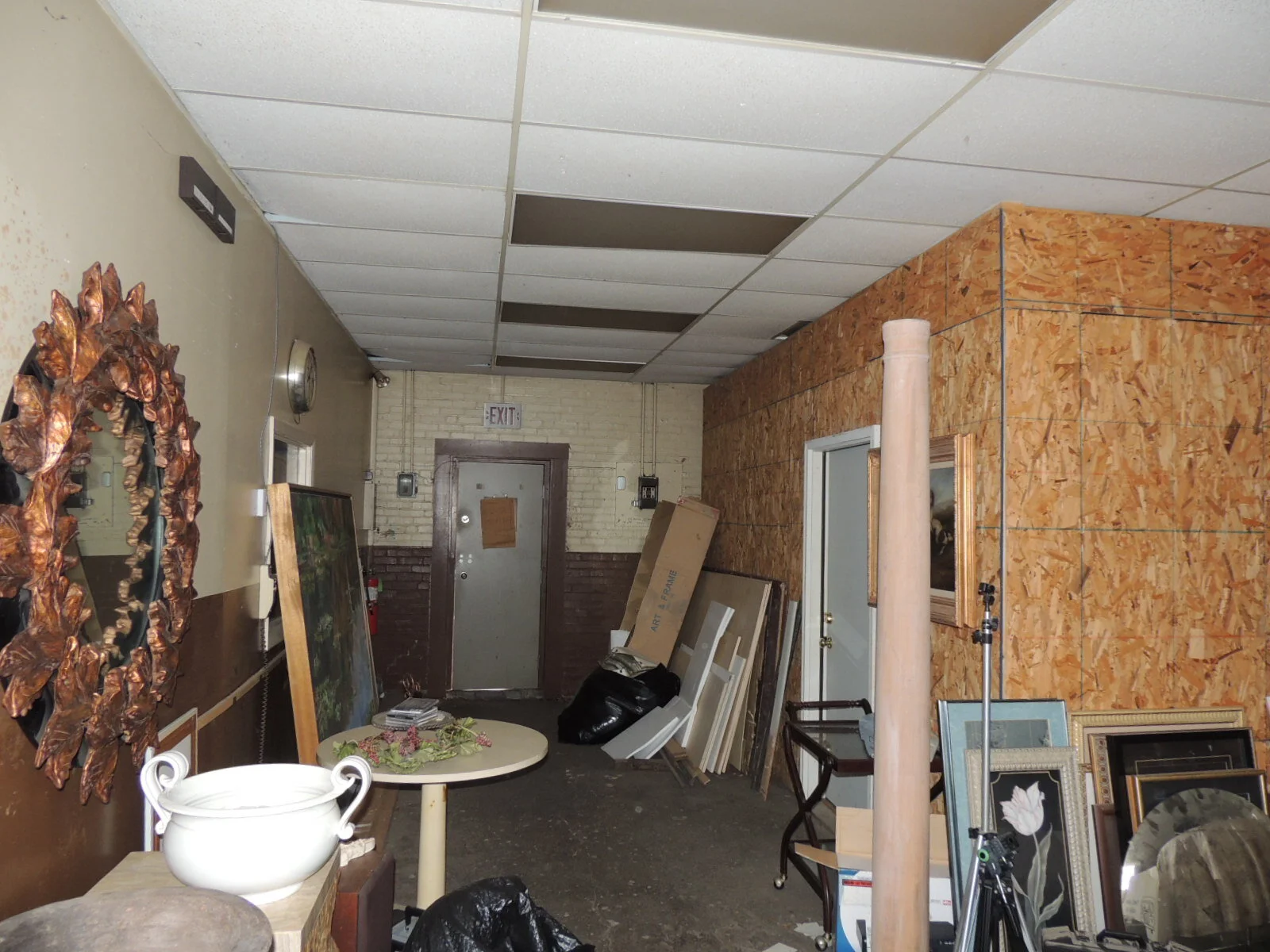
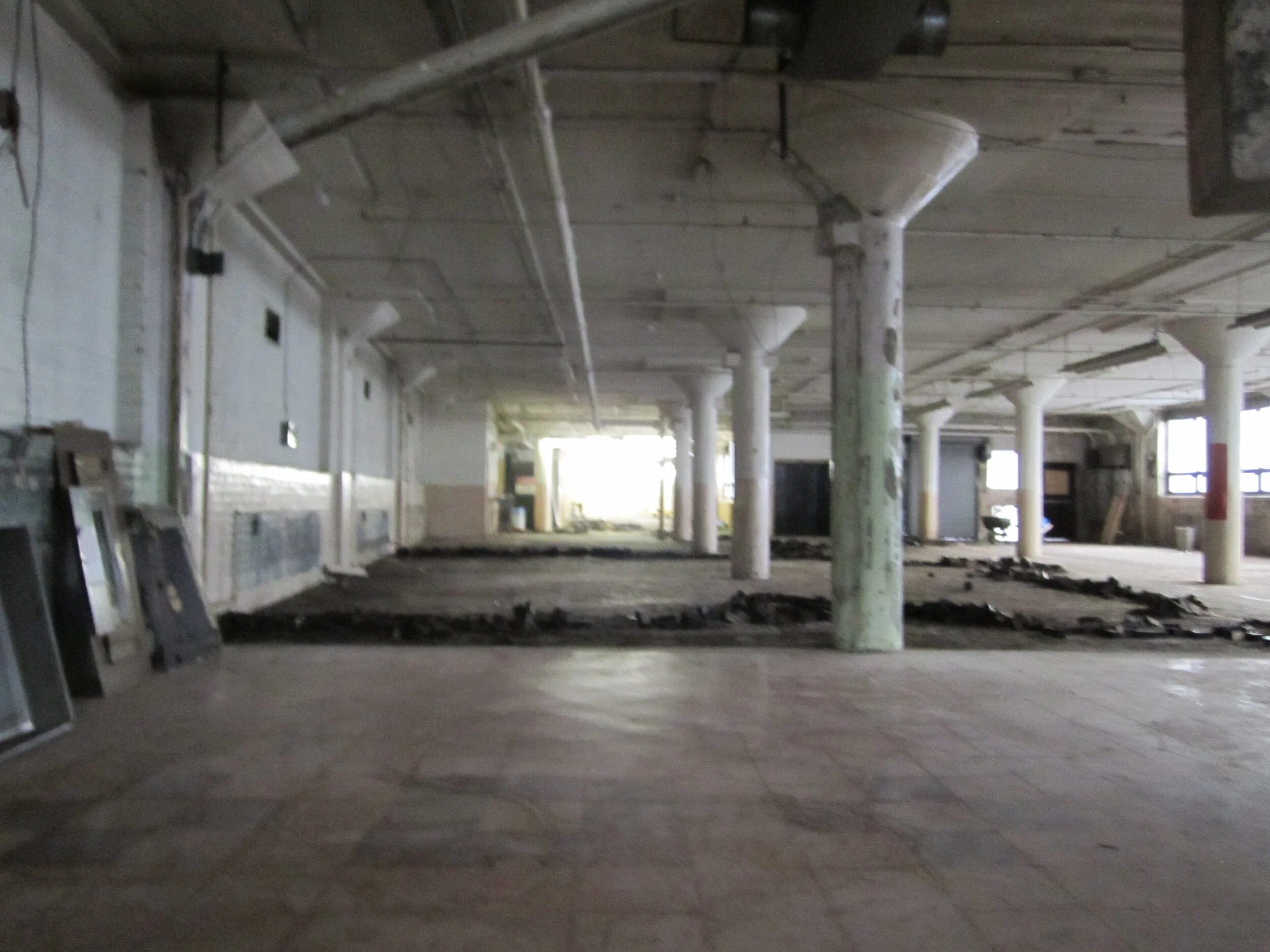
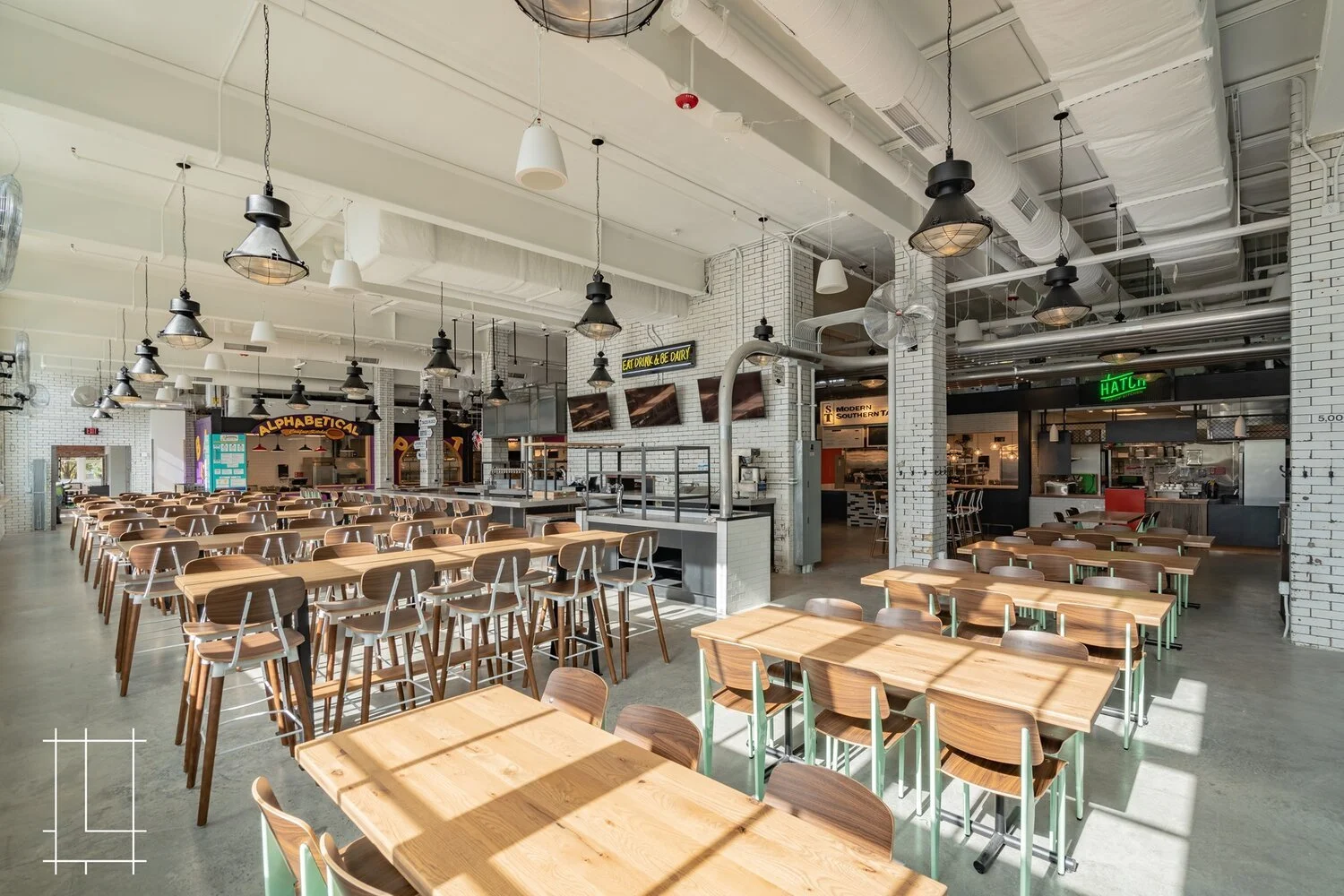
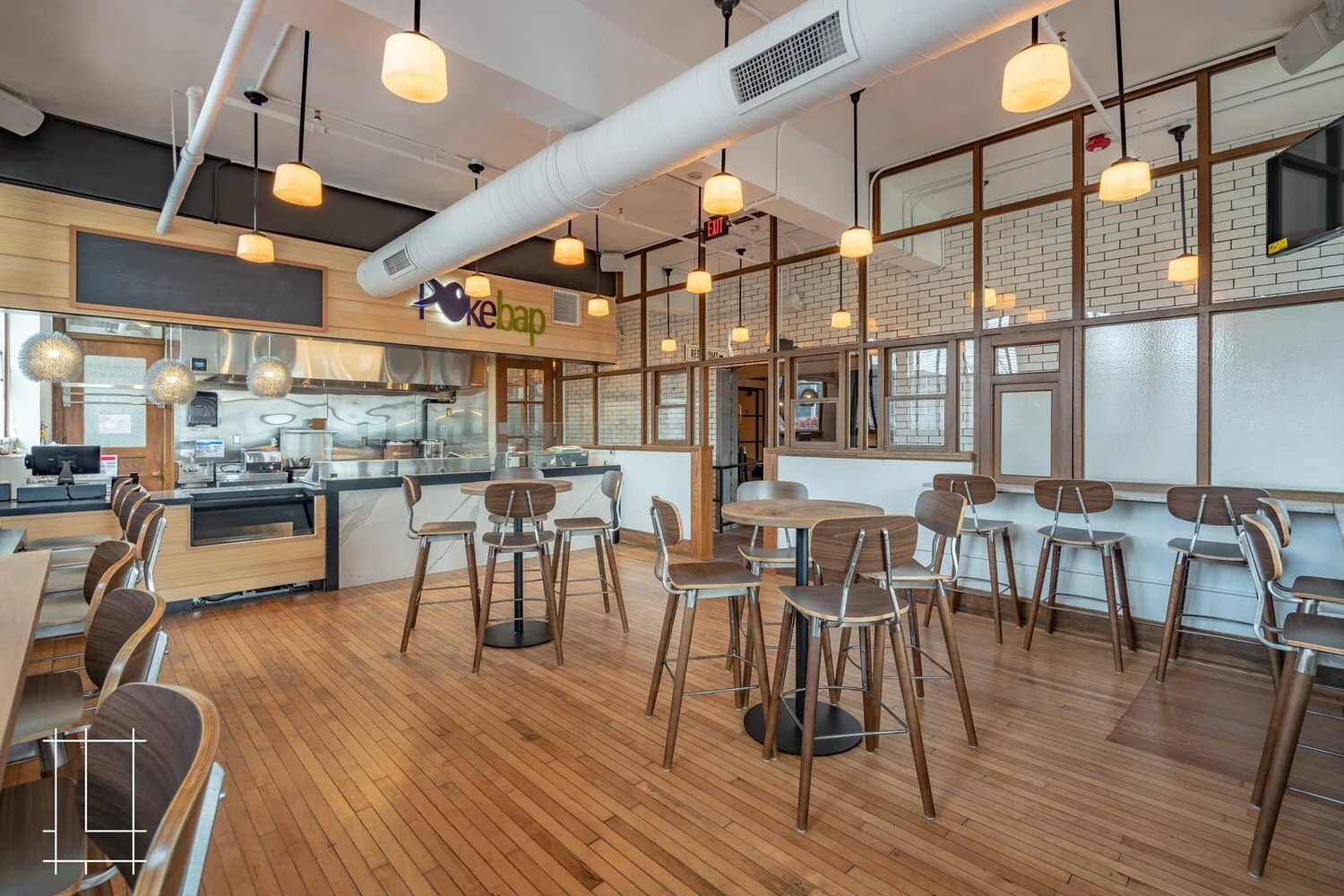
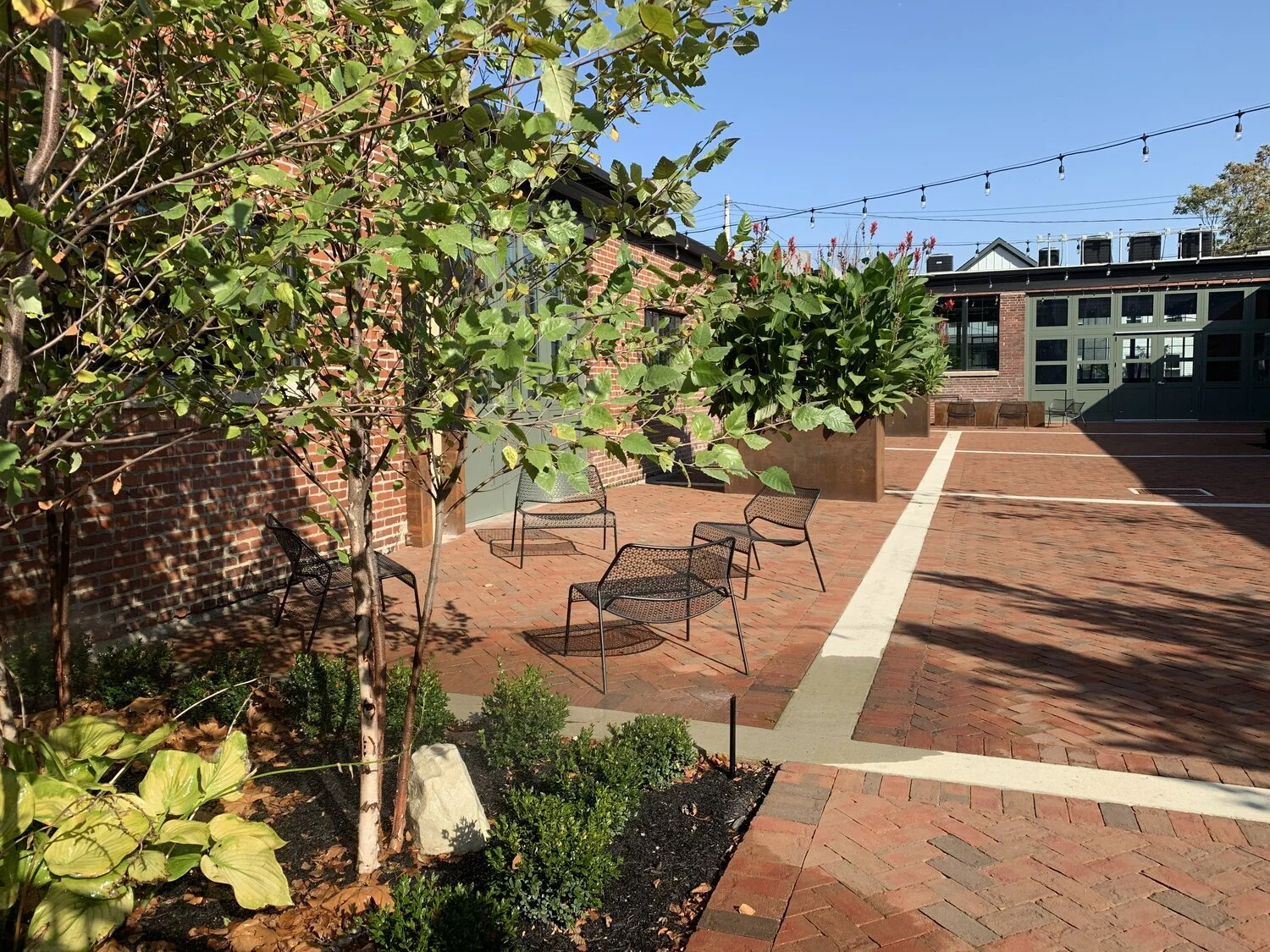
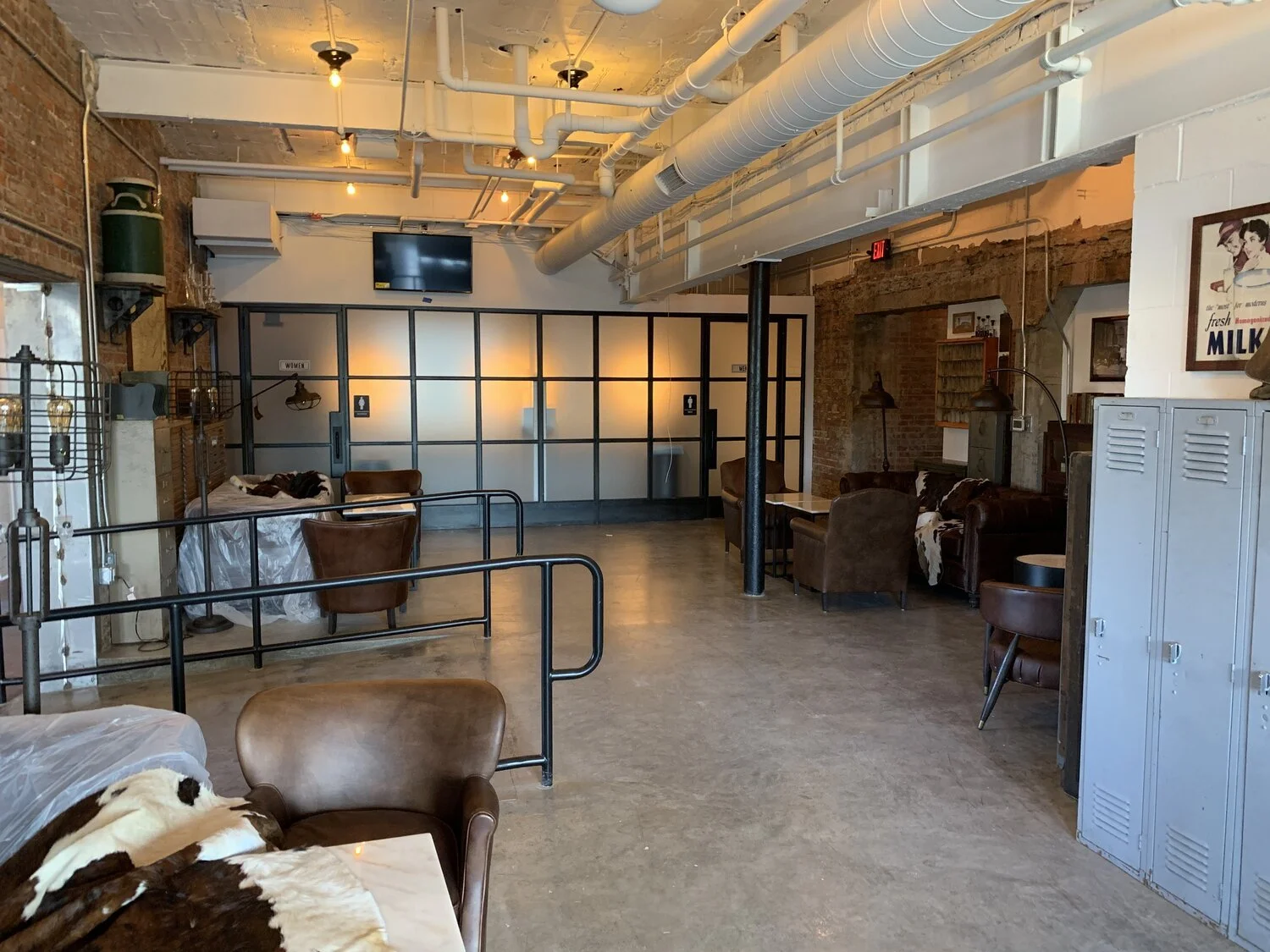
The Budd Dairy was a mostly-vacant historic dairy processing building in the Italian Village neighborhood of Columbus. A large-scale building full of interesting historic detail that had sat vacant for years, the site was well placed for redevelopment. The large dairy processing area and variety of spaces within the building fit well with the ‘food hall’ concept. But that use would not be economically feasible without a historic tax credit.
HOW
Our client partnered with Cameron Mitchell Restaurants to execute the food hall concept, while our team worked to gain the approvals necessary to allow the concept to be executed within the historic space. In partnership with Benjamin D. Rickey Co., we also successfully nominated the building to the National Register of Historic Places and assisted the property owner to secure an Ohio Historic Tax Credit and a Federal Historic Tax Credit.
WHAT
Budd Dairy Food Hall is now fully operational, and very popular.
BEFORE


AFTER


OWU Slocum Hall Front Entrance Improvements
Delaware, Ohio
WHY
Slocum Hall was built in 1898 as the primary library on the Ohio Wesleyan University campus and is listed on the National Register of Historic Places. The building is located in the center of the campus and contains the iconic ‘Reading Room’ which is punctuated by a 70’ x 20’ leaded glass ceiling. The building has changed uses over time and is now used primarily as administrative offices and a visitor center.
The building was not ADA Accessible at the front entrance, and this project created ADA accessibility while maintaining the architectural integrity of the principal facade of the building.
HOW
Designing Local worked with the project architect to examine the existing features of the front portico. The preferred design solution included raising the existing landing up to the height of the existing door threshold and constructing new stone stairs around the west and north sides of the portico. The south side included a ADA accessible ramp to access the new landing. A kneewall will help to minimize the visual impact of the ramp, and the materials of the wall itself match the stone type and detailing of the historic building facade. There are numerous additional minor site improvements included in the project including new planting beds, small areas of pavement replacement, and screening of utility areas.
WHAT
The project was initially scheduled to bid in Spring 2020, but the Covid-19 pandemic paused the project for over a year. The project was bid in Spring 2021 and construction was completed in Autumn 2022.


Akron Cultural Plan
ArtsNow | Akron, Ohio

WHY
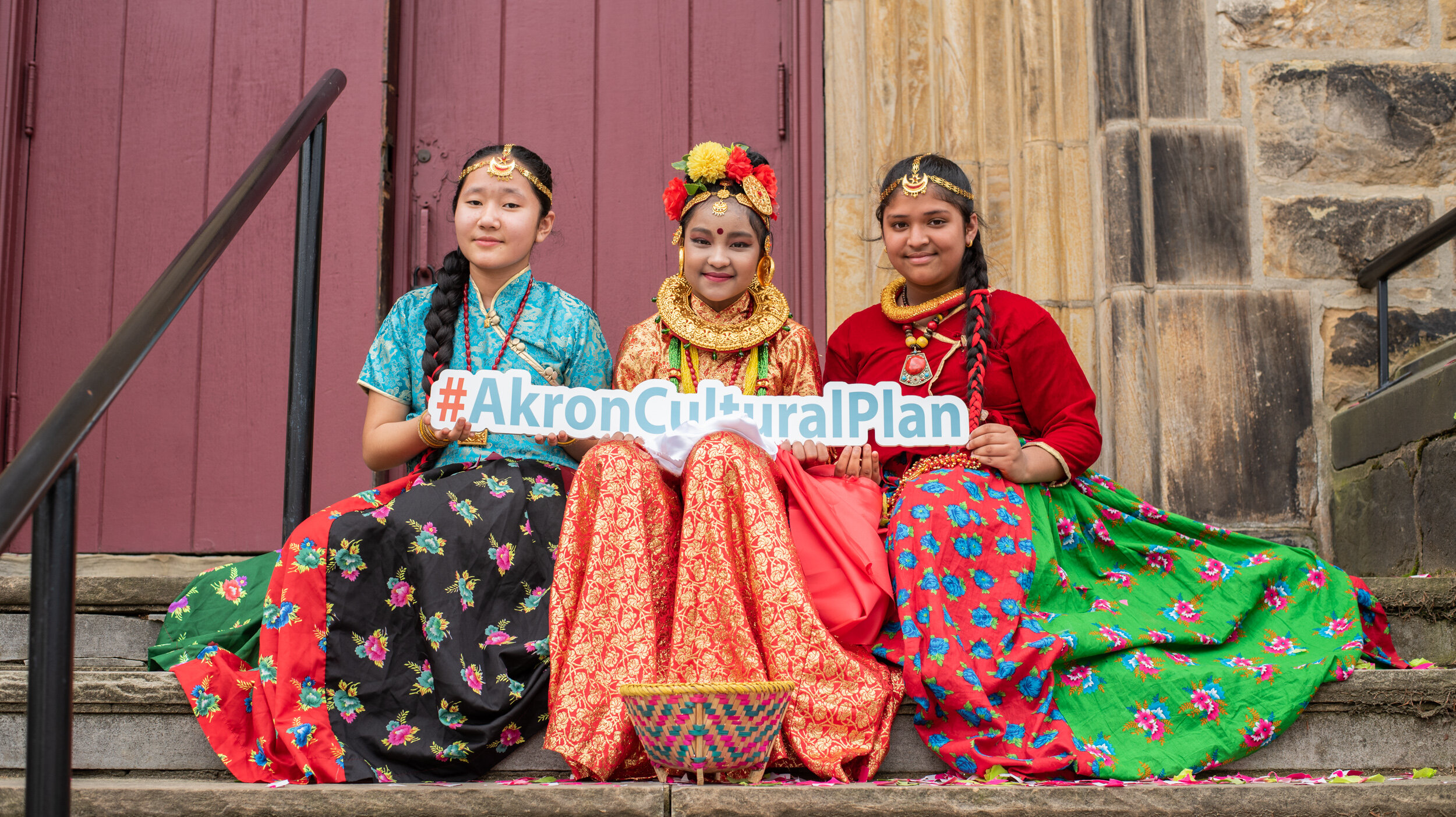
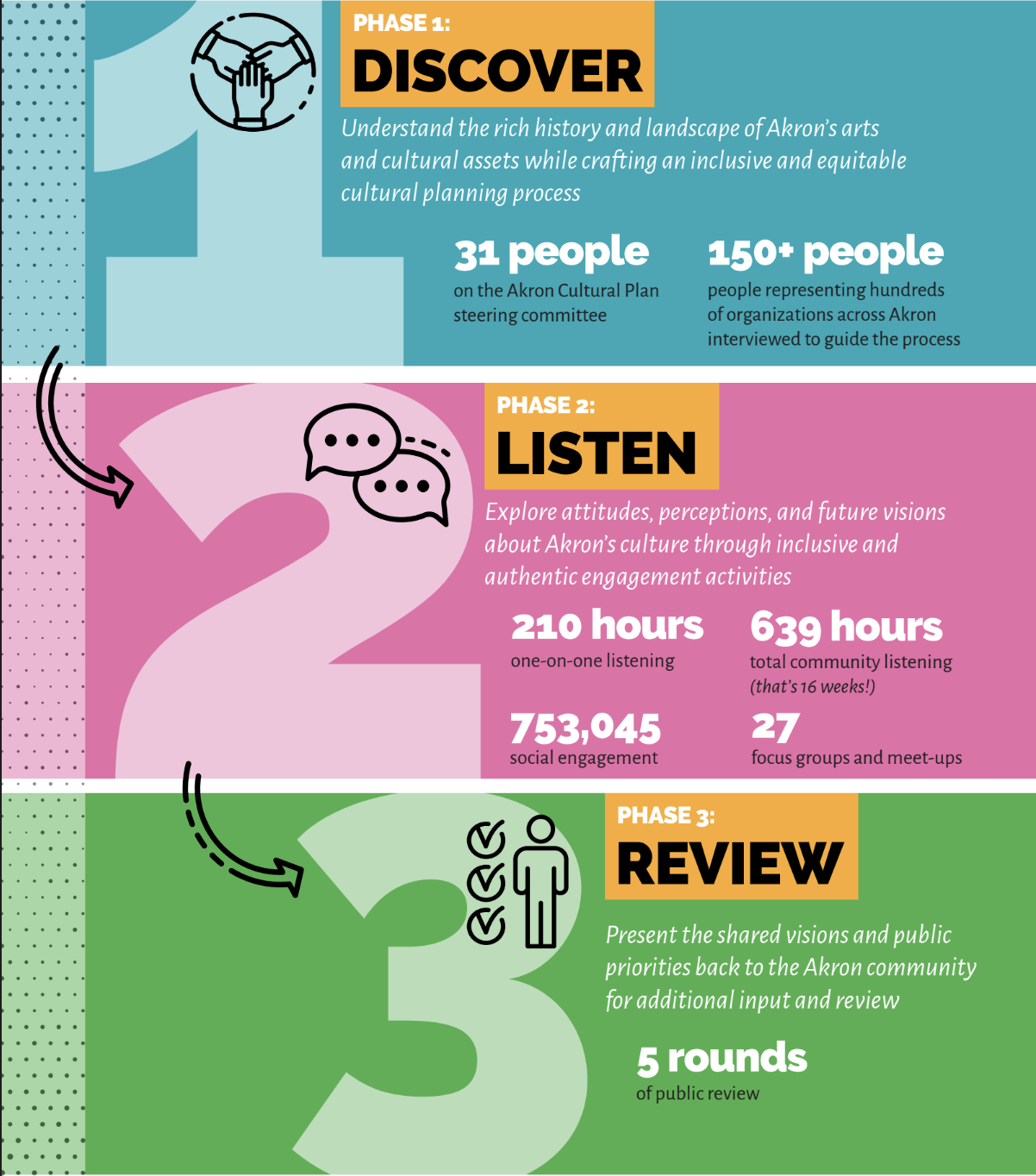
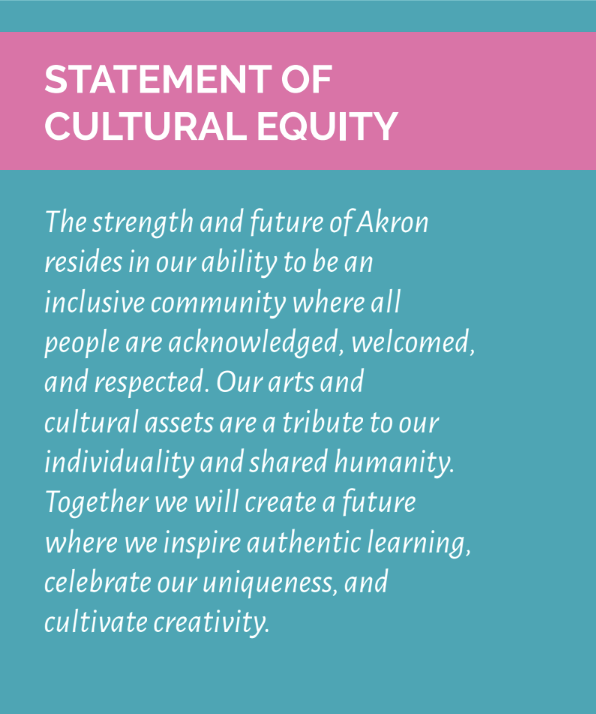
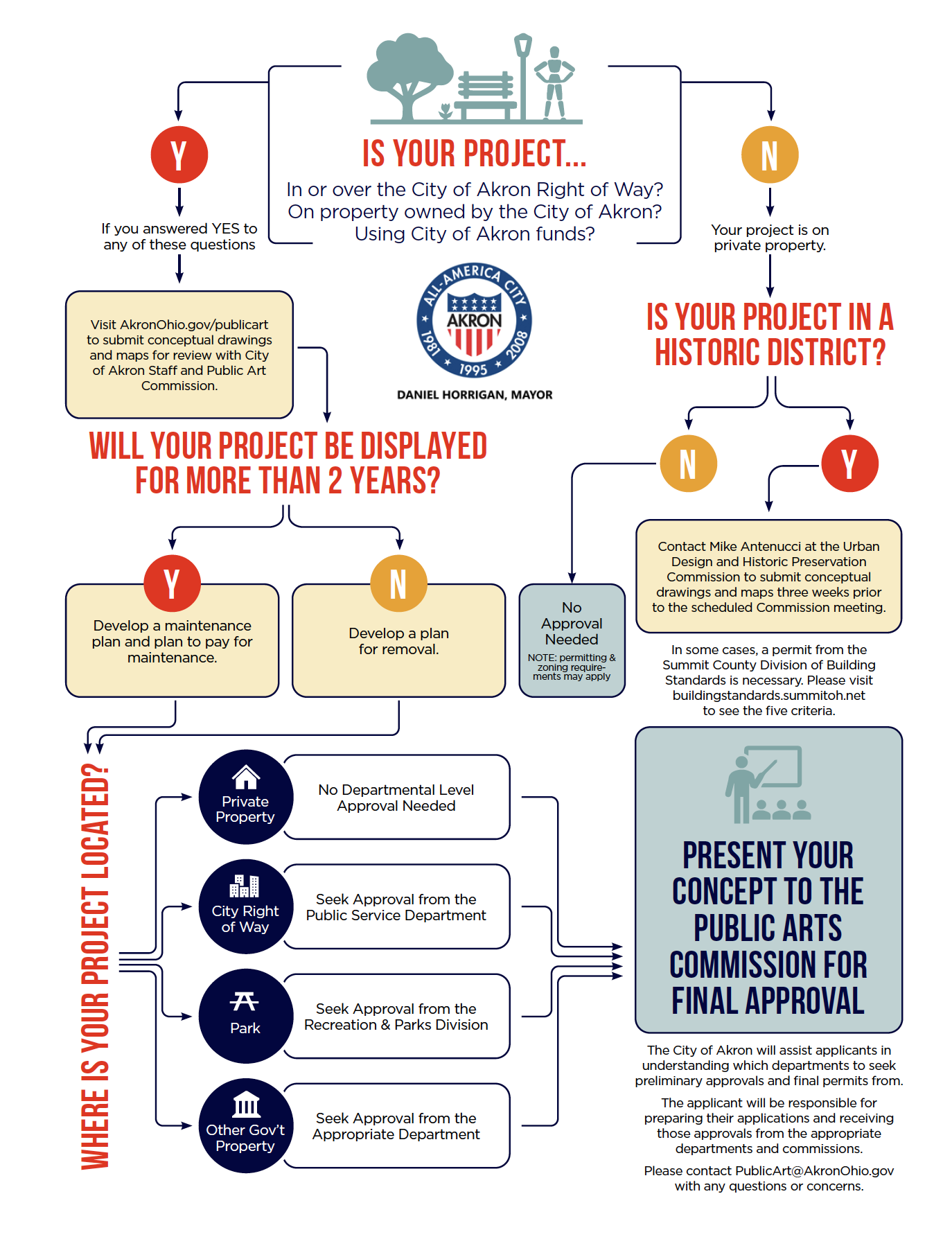
The Akron Cultural Plan is a culmination of more than five years of work by the City of Akron, along with its partners ArtsNow, the GAR Foundation, and the John S. and James L. Knight Foundation. The plan seeks to build upon past studies of Akron’s cultural landscape to help the community grow and prosper, with arts and culture at the center of the city’s renaissance.
HOW
Extensive public and stakeholder engagement revealed themes of access, equity, parity, and more. Initial recommendations focused on creating more inclusive creative leadership in Akron and creating access for all.
WHAT
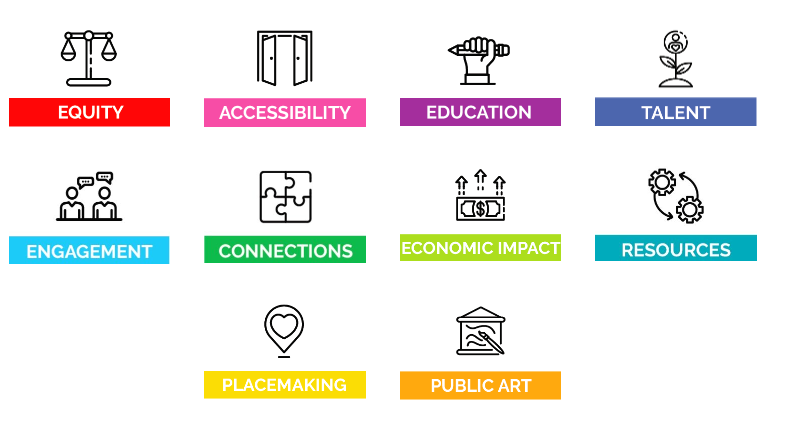
Work on the plan began in early 2019 and was completed in March 2020. Recommendations fell into 10 priority areas: Equity, Accessibility, Education, Talent, Engagement, Connections, Economic Impact, Resources, Placemaking, and Public Art. The planning team continues to assist with ongoing implementation of the Akron Cultural Plan and the Akron Public Art Program.
Why a Cultural Plan?
As part of the Cultural Plan, the team created a
series of videos from community members to
encourage participation throughout Akron. Here
are a few of our favorites. Check out more videos
on our YouTube page!
Art for All Public Art Master Plan
Fort Wayne, Indiana

WHY
The City of Fort Wayne, Indiana recently adopted an ordinance requiring any private development receiving TIF incentives to contribute 1% of the project fee to the City of Fort Wayne’s Public Art Fund. In an effort to invest these dollars responsibly, the city set out to create a Public Art Master Plan. The plan would direct spending to high-priority projects in downtown and neighborhoods, and outline the infrastructure necessary to create a robust public art program.
HOW
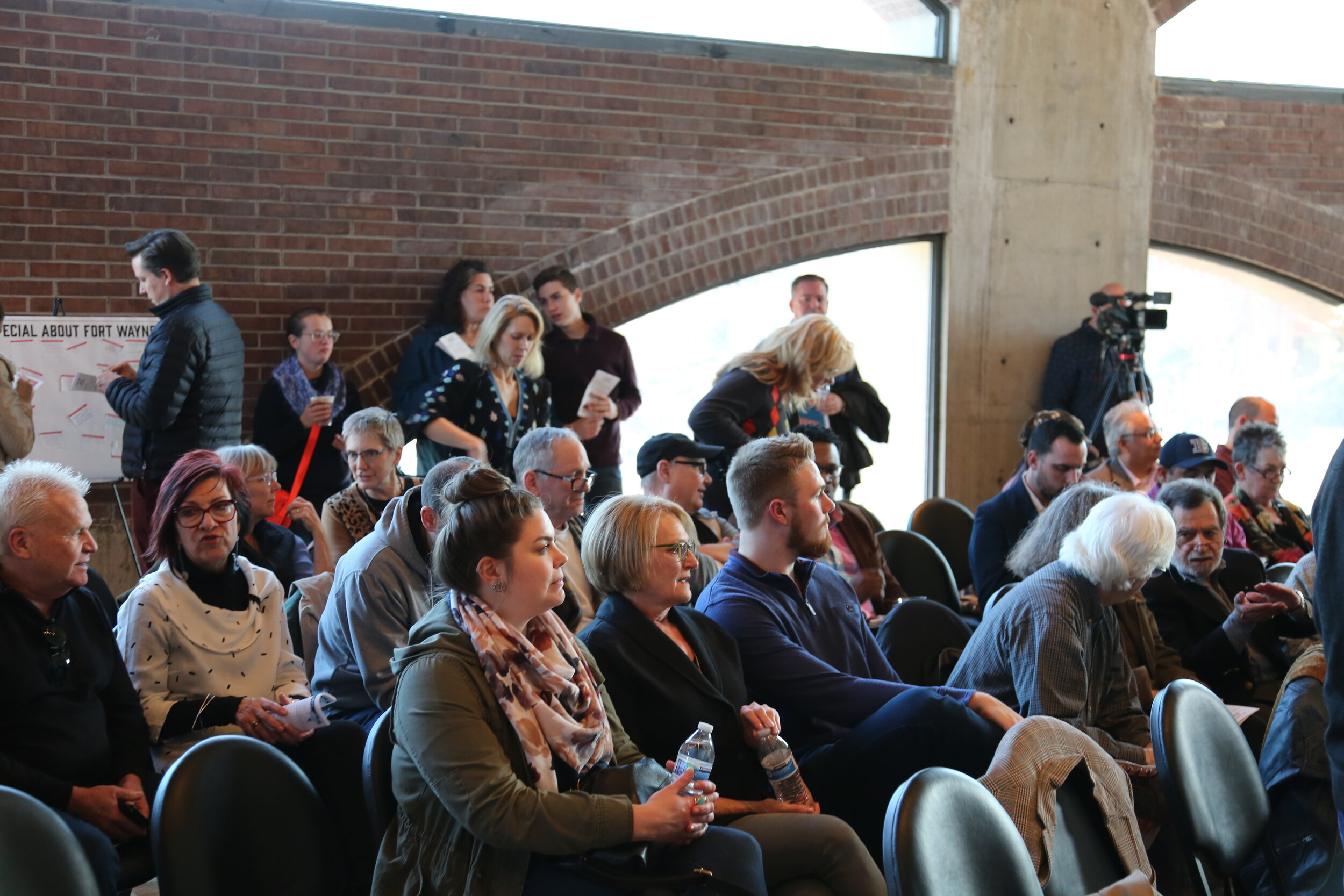
Designing Local held more than 100 stakeholder interviews to kick off the plan’s discovery phase, and hosted a Public Art Pecha Kucha event to initiate the planning process. Six local artists and a nationally recognized curator spoke about the power of public art to a standing-room audience of 250 people. The team hosted a series of meetings titled ‘Public Art Popsicle Pop-Up on a Parklet’ to co-create big ideas for public art in the community. We also developed a custom map program through which participants could select where public art should go, where special stories happen, and where public art currently exists.
WHAT
Through the development of sound policy and an implementation framework, the Fort Wayne Public Art Master Plan offers the city an opportunity to create public art that is uniquely Fort Wayne.

Downtown Douglasville Public Art Master Plan
Douglasville, Georgia

WHY
The City of Douglasville has determined that its future will be one with public art at its center — both physically, in the core area of downtown, and also at the core of its community identity. The Downtown Douglasville Public Art Master Plan laid out a vision for public art in the city’s center, along with strategies to expand that vision throughout the entire Douglasville community.
HOW
Designing Local created a strategy for the growth of public art in Douglasville, in ways that are transformational, adventurous, and embody the spirit of the city and its residents.
WHAT
The Downtown Douglasville Public Art Master Plan is just the first step. Its execution ensures that Douglasville remains a leader in the region and signals to residents, visitors, and artists that Douglasville is a hub of arts and culture in West Georgia. With a storied past and a strong vision for the future, great things are in store for Douglasville.
Upper Arlington Arts & Culture Master Plan
Upper Arlington, Ohio

WHY
The City of Upper Arlington has one of the oldest arts and culture programs in Central Ohio. Housed within the Parks & Recreation Department, its Cultural Division is advised and supported by the Cultural Arts Commission, a seven-member group appointed by City Council for the purpose of fostering and encouraging the development and preservation of arts in the community. As part of this charge, the Commission recognized the need for a clear and thoughtful master plan to guide the future of cultural arts in the City of Upper Arlington.
HOW
The yearlong process of developing the master plan kicked off in the fall of 2018, beginning with a general study of the history and current state of the arts in Upper Arlington. This research was followed by an extensive 6-month community input process that included more than 1,000 one-on-one touch points in the form of surveys, focus group meetings, and pop-up events held throughout the city. The feedback received from this public engagement demonstrated the community’s support for the Division’s programs, as well as support for continued investment in the arts.
WHAT
The Arts and Culture Master Plan established a series of short-, mid-, and long-term implementation strategies that focused on enhancing existing programming, strengthening operations, and raising awareness of the arts and culture opportunities available to residents. It provided clarity on the purpose, roles, and responsibilities of the Cultural Arts Commission, and set forth an inspirational guiding framework for exploring expanded public art opportunities in the community. The plan was accepted by Council in December 2019.

Cape May County Creative Placemaking Plan
Cape May, New Jersey

WHY
In 1989, Cape May County initiated a taxpayer-funded program to purchase or protect open space and farmland throughout the County. The program proved successful and was eventually expanded to include funding of parks, recreational amenities, and historic preservation projects. While the program has been extremely successful in meeting its mission, it has relatively low public recognition.
HOW
To build awareness of the program and to increase the quality of funded projects, the County initiated a Creative Placemaking Plan which created a brand identity, standards for park design elements and amenities, and a demonstration site design. Designing Local was selected through a competitive process to lead the creative placemaking plan. The team facilitated four total workshops to garner input from key stakeholders and to develop and test ideas.
WHAT
A key part of the process was the creation of a community character framework which defines the unique sense of place present in Cape May County. This was utilized to drive the creation of the brand identity guidelines. The community character framework was also utilized in the design of various signage, site amenity, and architectural concepts throughout the County.


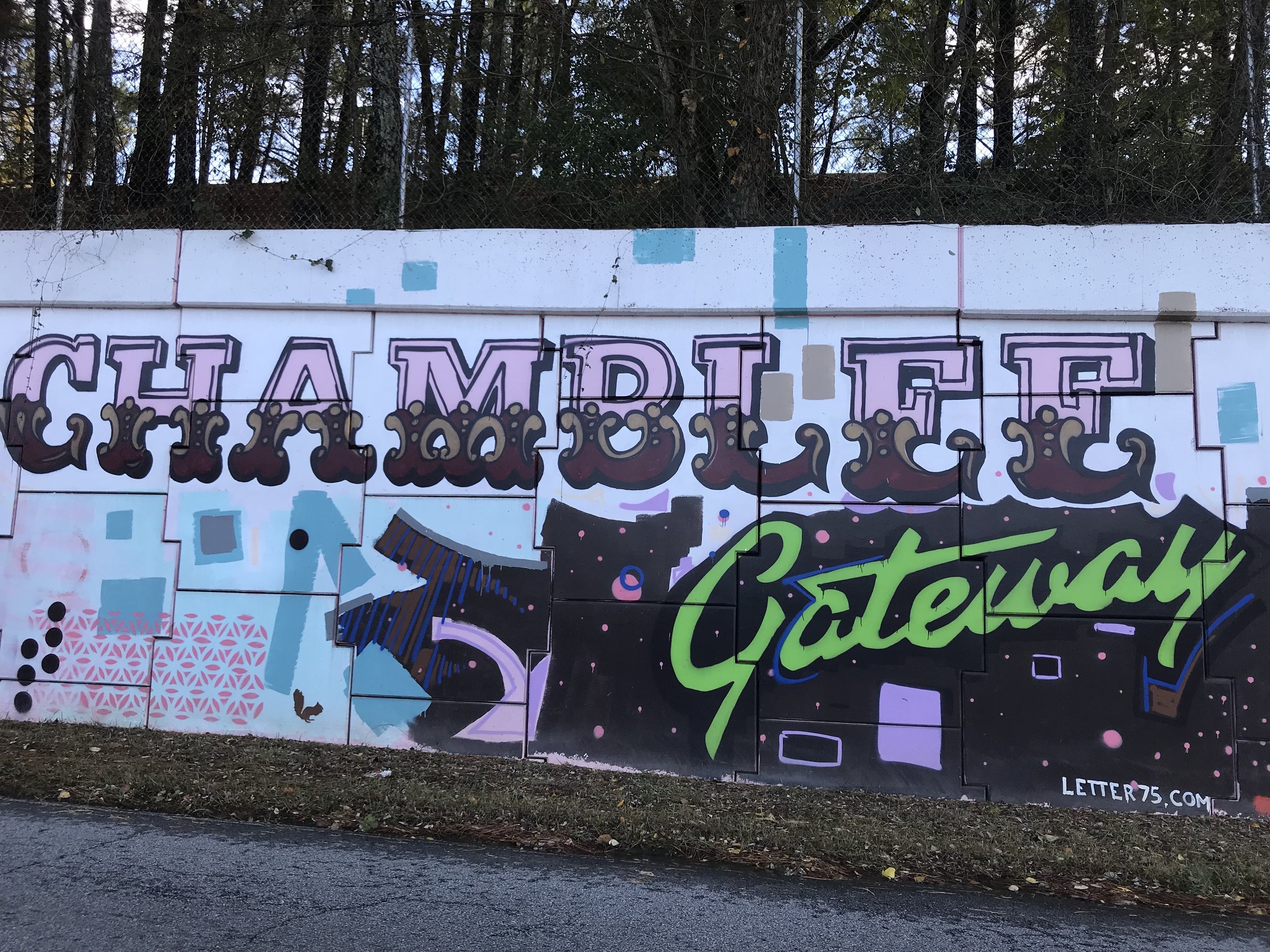
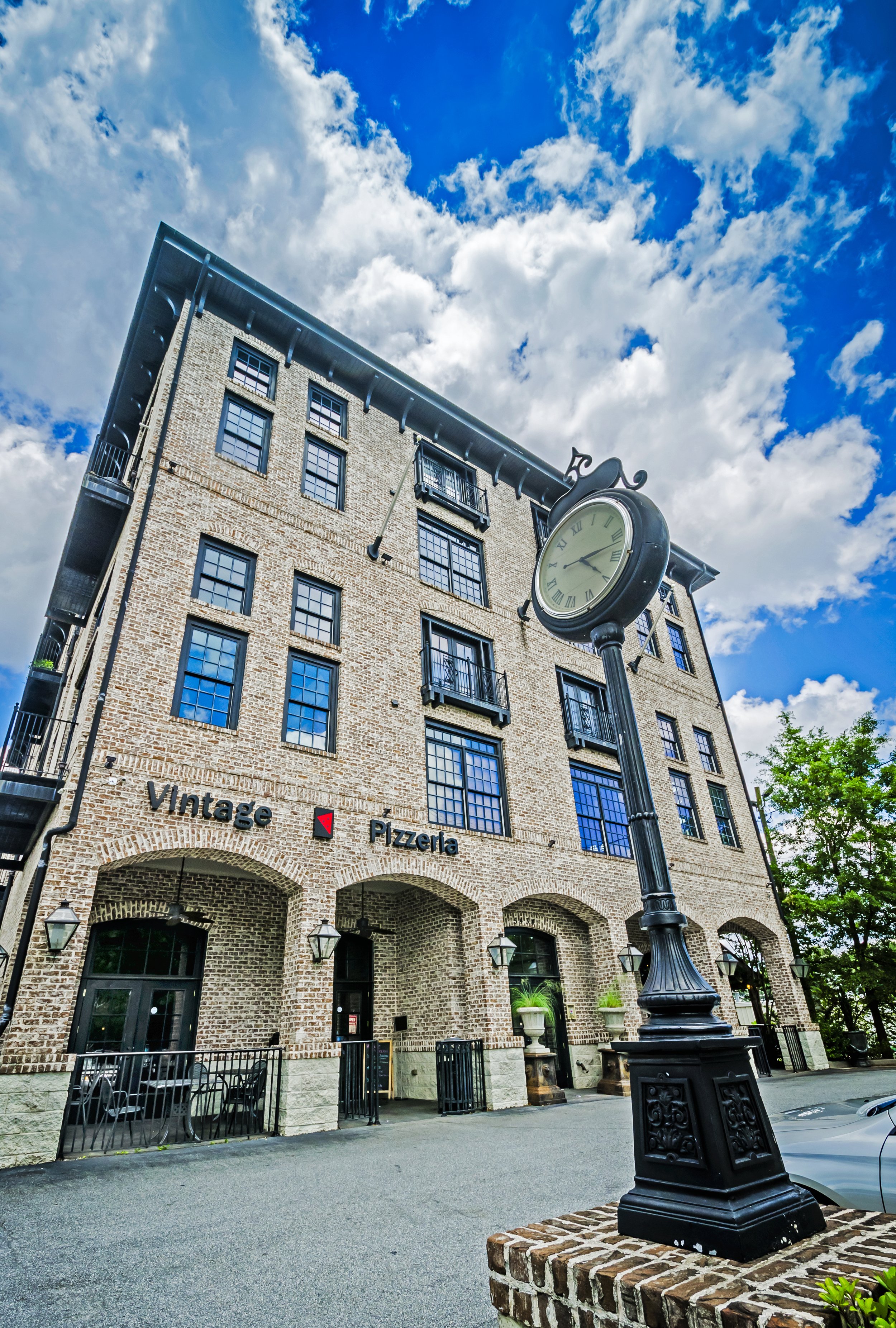
Chamblee Arts Master Plan
Chamblee, Georgia

WHY
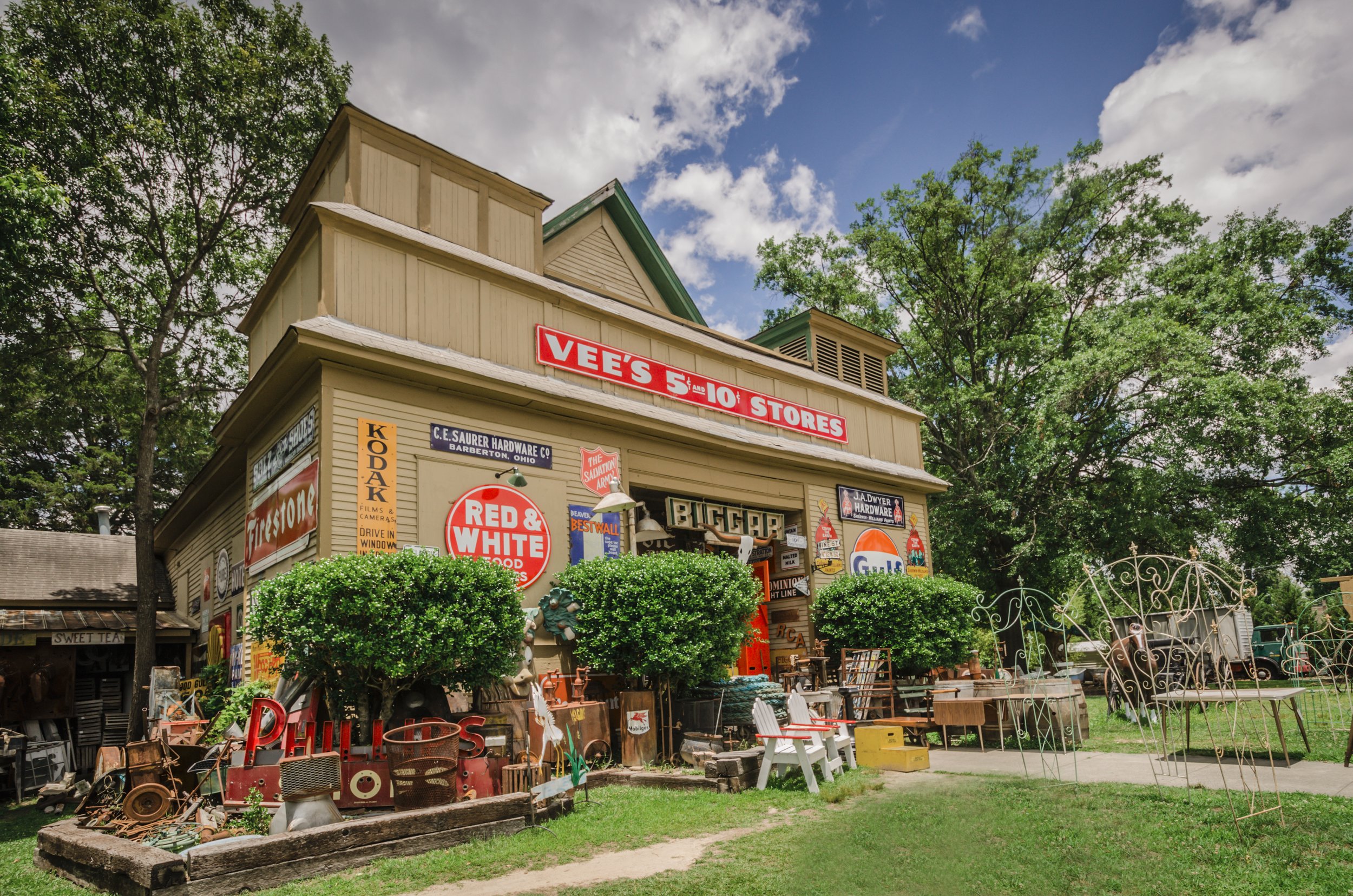
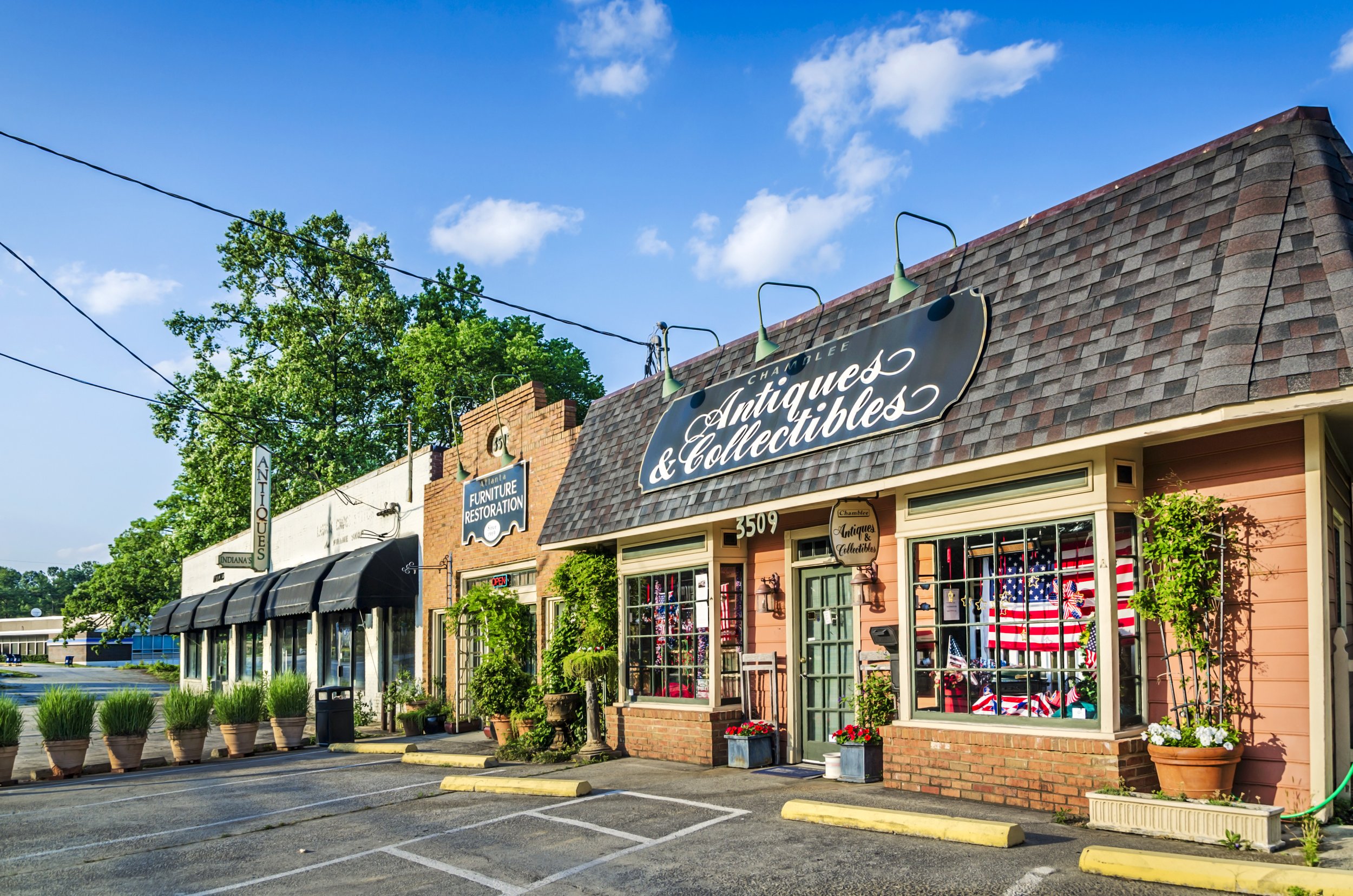
Chamblee, a small Dekalb City wedged between Doraville and Brookhaven in metro Atlanta, is home to innovators, business owners, entrepreneurs, artists, and community members who envisioned more creativity in the public realm. Public Art provides a unique opportunity to elevate Chamblee’s identity as a unique community that cares about investment in arts and culture.
HOW
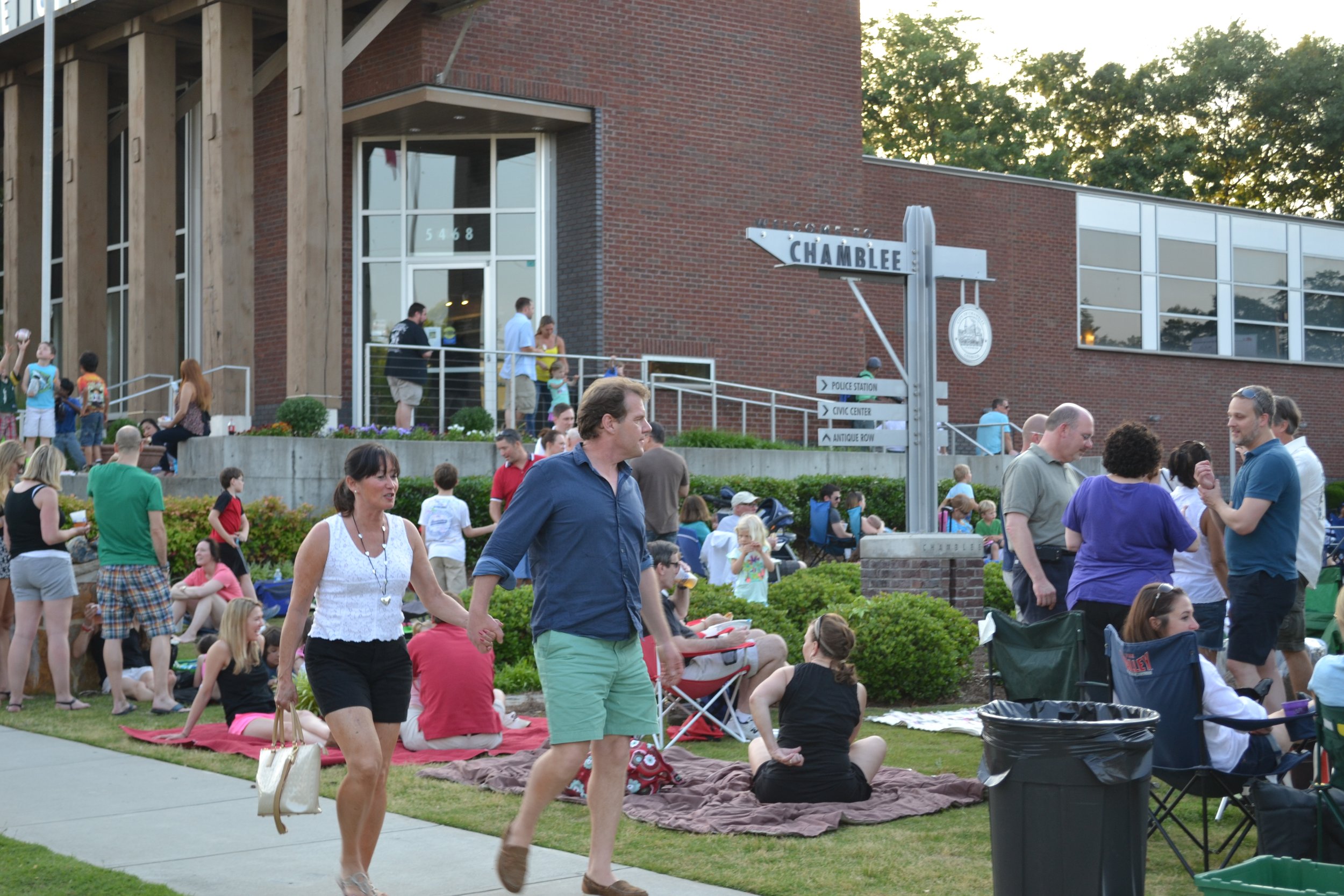
Informed by the initial stakeholder interviews, a series of focus groups were held with local artists and arts leaders, as well as with residents and business owners, A series of community events were held to gather information about the public’s vision for the arts in Chamblee. The Arts Master Plan outlines future investment in the arts, as the arts will play a major role in maintaining Chamblee’s authenticity while celebrating its future as an inclusive and culturally vibrant place in which everyone can find a place to belong.
WHAT
This plan was designed to be organic - it will evolve as the City grows and changes. The investments made as a result of this plan will vary in size and scale, but a throughline of intentionality will run throughout. In the City of Chamblee investments in the arts will follow the guidelines outlined in Arts Plan document, ensuring a future where arts and culture reflect the people and their future focused, clear-eyed vision of livability, prosperity, and access.

Dublin Arts Center Event Terrace & Cabin Reconstruction
Dublin, Ohio

WHY
This project will significantly enhance the aesthetics and functionality of the Dublin Arts Center. The building was constructed as a private residence and includes a 6 acre site along the east bank of the Scioto River. Designed in a French-Eclectic architectural style and built in 1941, the site is listed in the National Register of Historic Places. The City of Dublin purchased the property in 1999.
This project will improve the rear grounds of the building with the addition of an event terrace, various site features, landscape lighting, electrical service for events, a historic log cabin reconstruction, and a connecting path to the Scioto River.
HOW
The site has over 70’ of grade change from the rear entrance of the building to the Scioto River. This presents a challenging design and engineering problem in which cost-effective ADA-compliant site circulation and stormwater management are key drivers of the design process. It also generates opportunities for incredible vistas and dramatic event spaces. Designing Local developed three site plan alternatives which demonstrated how the vertical and horizontal location of the event terrace will influence the overall feel and functionality of events. The construction materials reflect historic character of the existing building.
WHAT
The project is currently in construction.


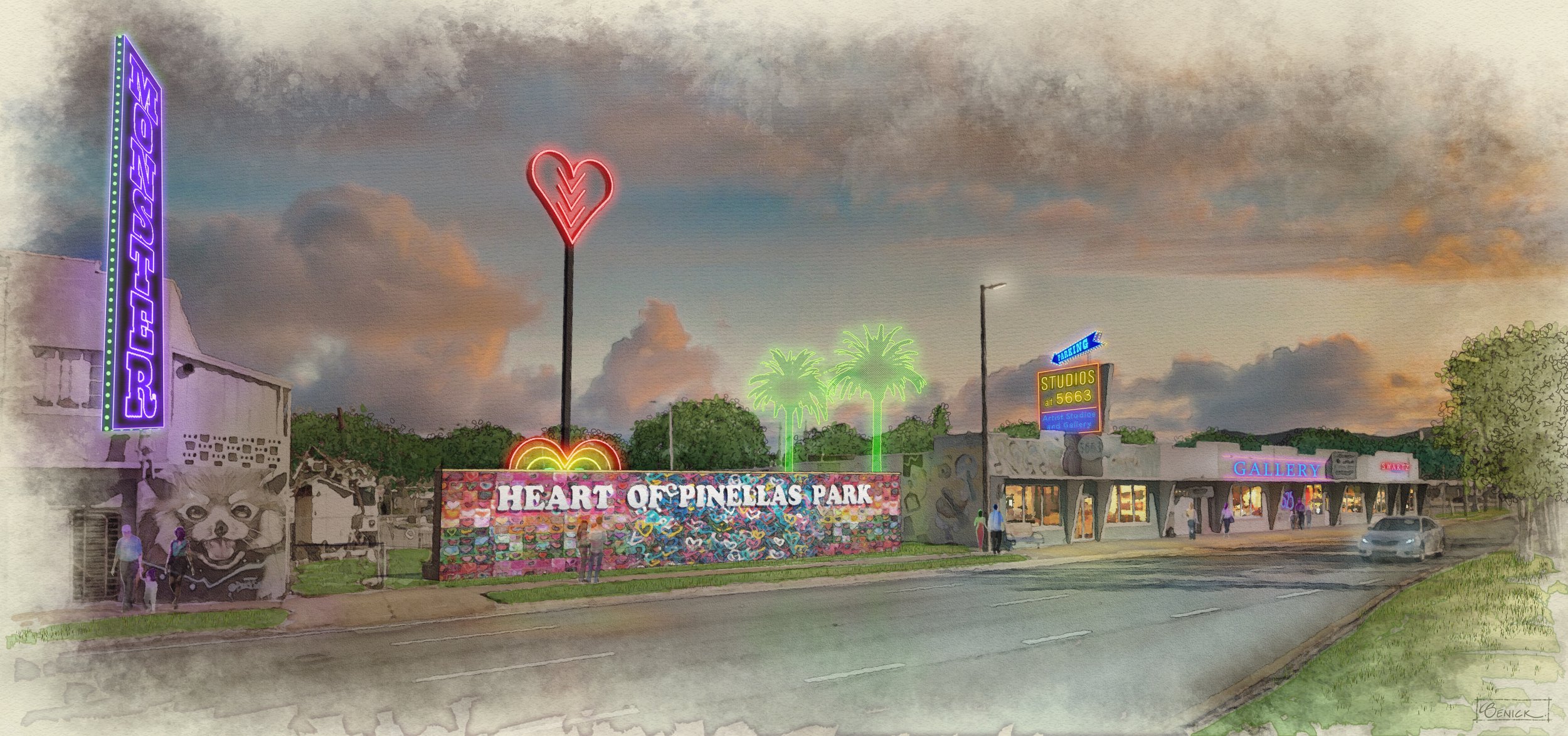
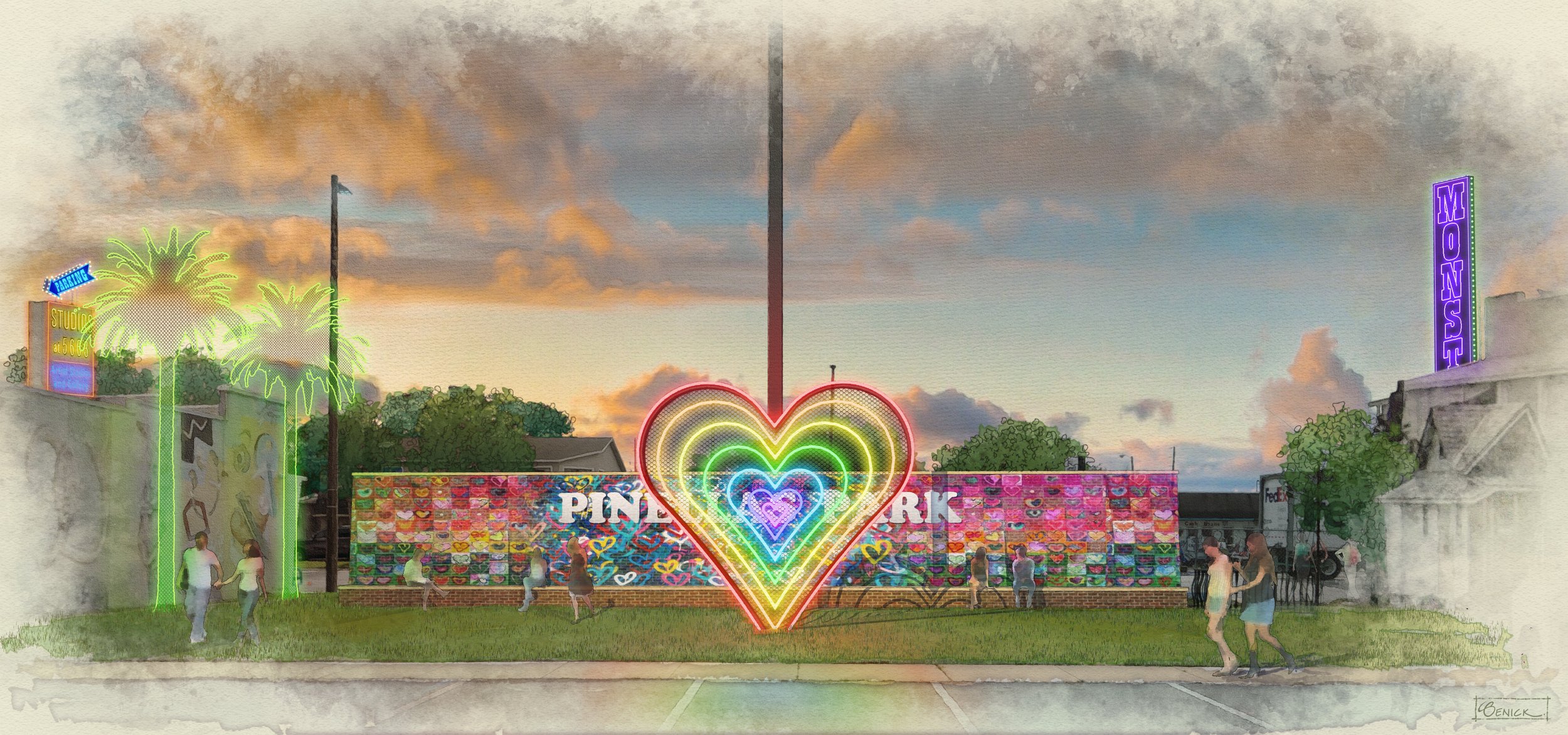
Pinellas Park Public Art Plan
Pinellas Park, Florida
WHY
As the physical heart of Pinellas County, the City of Pinellas Park has grown into a uniquely open, accessible community. There were great opportunities to enhance the community’s identity with residents and neighbors in the region. A key priority of the public art programming in Pinellas Park was to help create an ecosystem of artists, creatives, performers, and consumers. Past efforts have encouraged artists to locate within the Arts Village, creating opportunities for artists to showcase their art and patrons to enjoy and purchase it. The public art program was needed to help expand the art ecosystem in the city by creating new opportunities for artists and visitors to experience art.
HOW
Focusing on the future was a key perspective of the planning team. The plan was not created just for today but also creates an impactful, sustainable public art program for the future. This program was developed to outlast those involved in this process in order to create solid deliverables for years to come. The community engagement efforts that were undertaken as part of the planning process were key to developing not only the vision and priorities for public art, but also the ideas that will help ensure public art becomes a beacon for residents and visitors in Pinellas Park. Engagement efforts included a large-scale survey, as well as in-person engagement at a number of events.
WHAT
The foundation of the Pinellas Park Public Art Plan rests on four pillars: community engagement, stakeholder feedback, best practices, and a forward focus. Step by step, the City of Pinellas Park will be able to formalize, initiate, and fund a public art program that will have a lasting impact on the city. The program is governed by transparent procedures that ensure it is efficient and effective. A variety of funding mechanisms to ensure program sustainability were also presented.
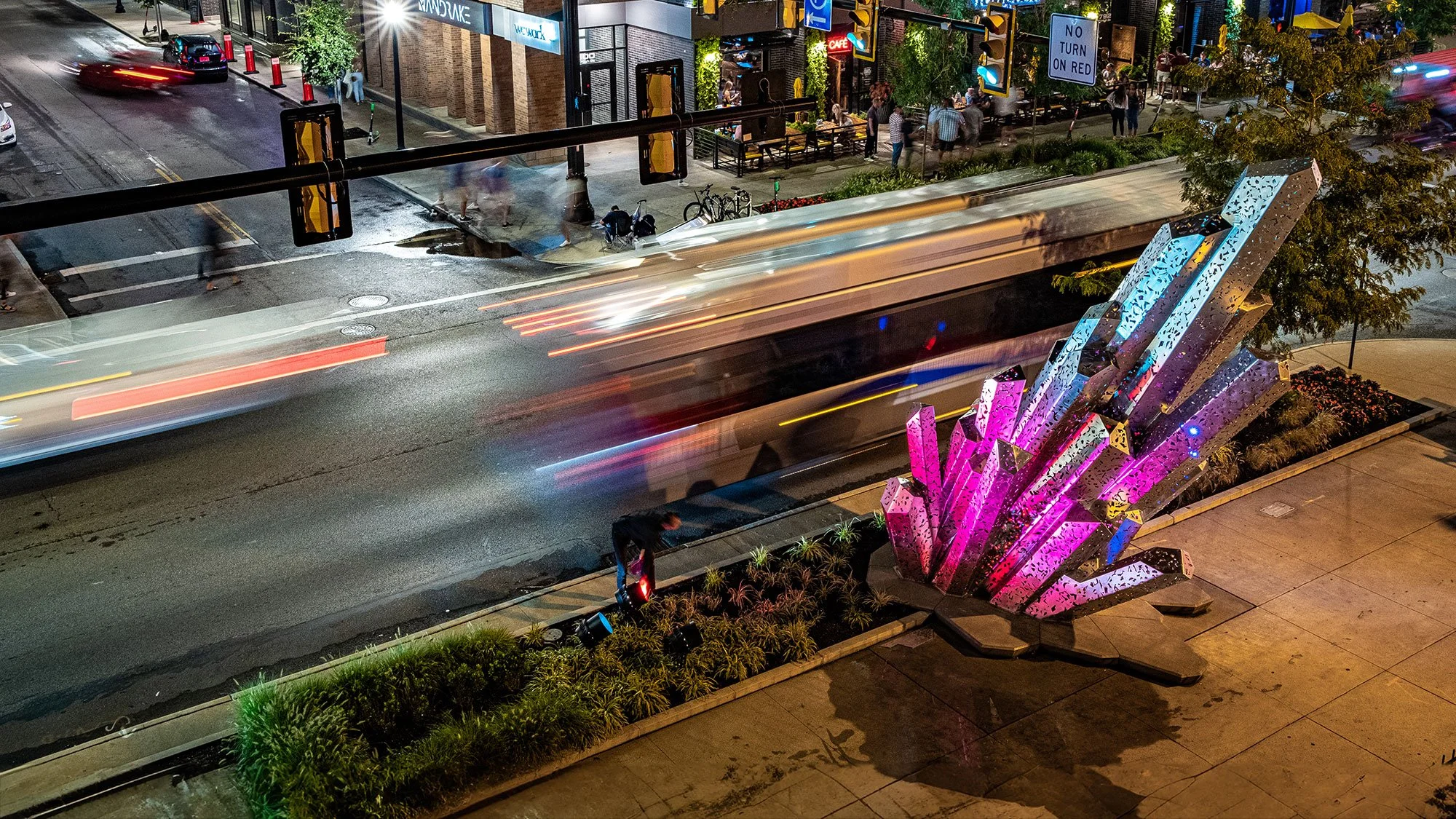
The Makers Monument
Mark Reigelman
2021 | Short North, Columbus, Ohio
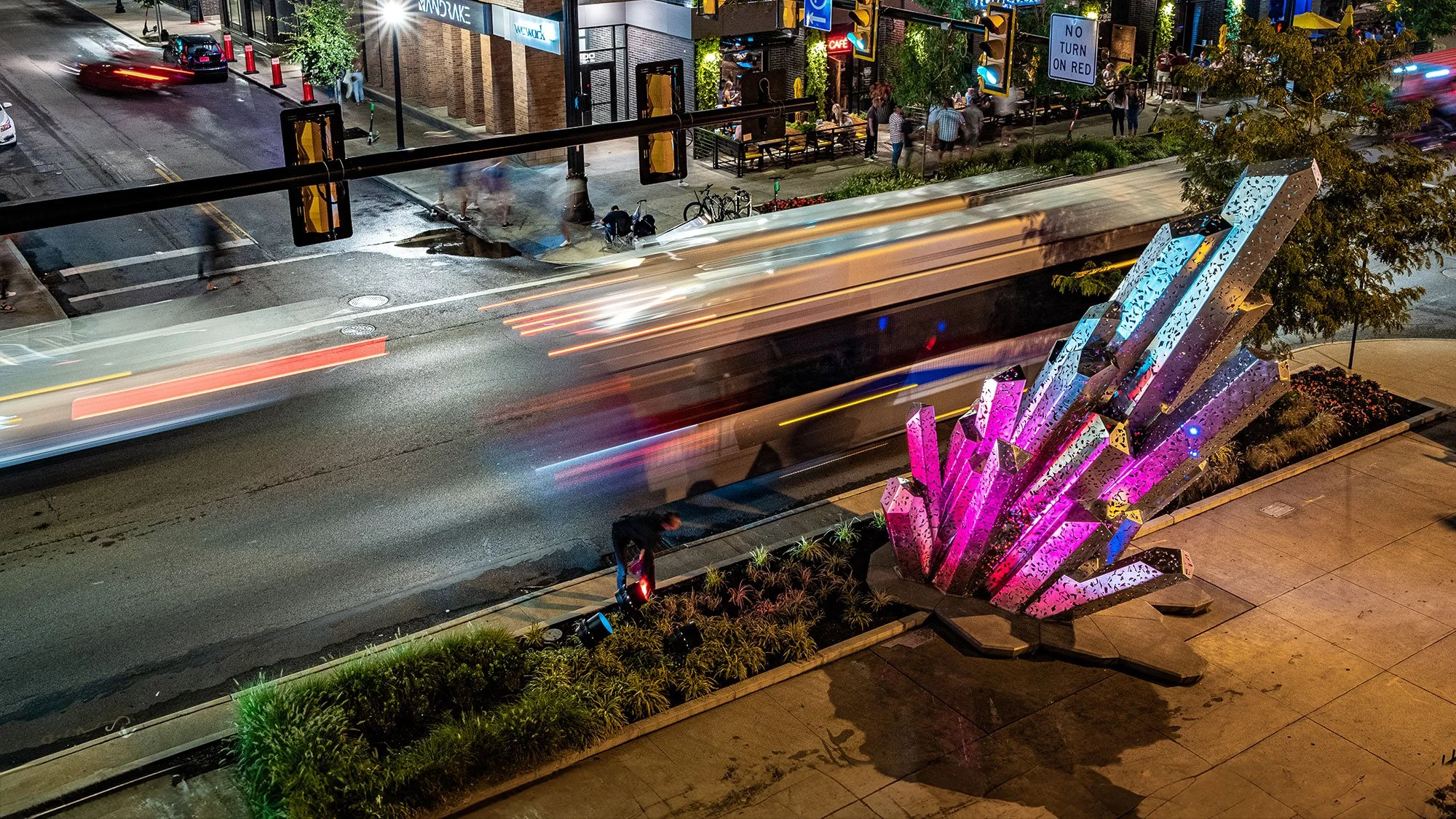
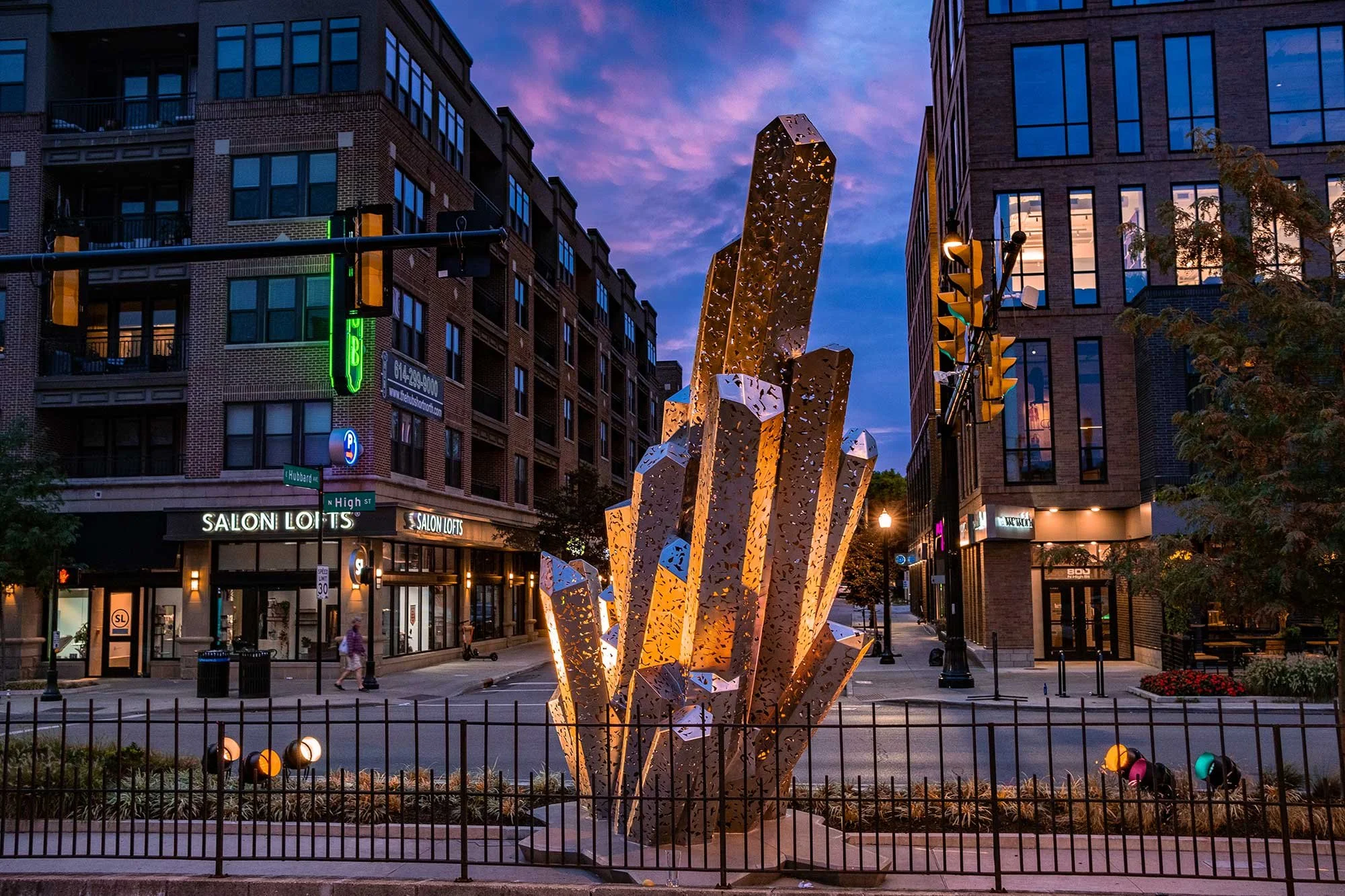
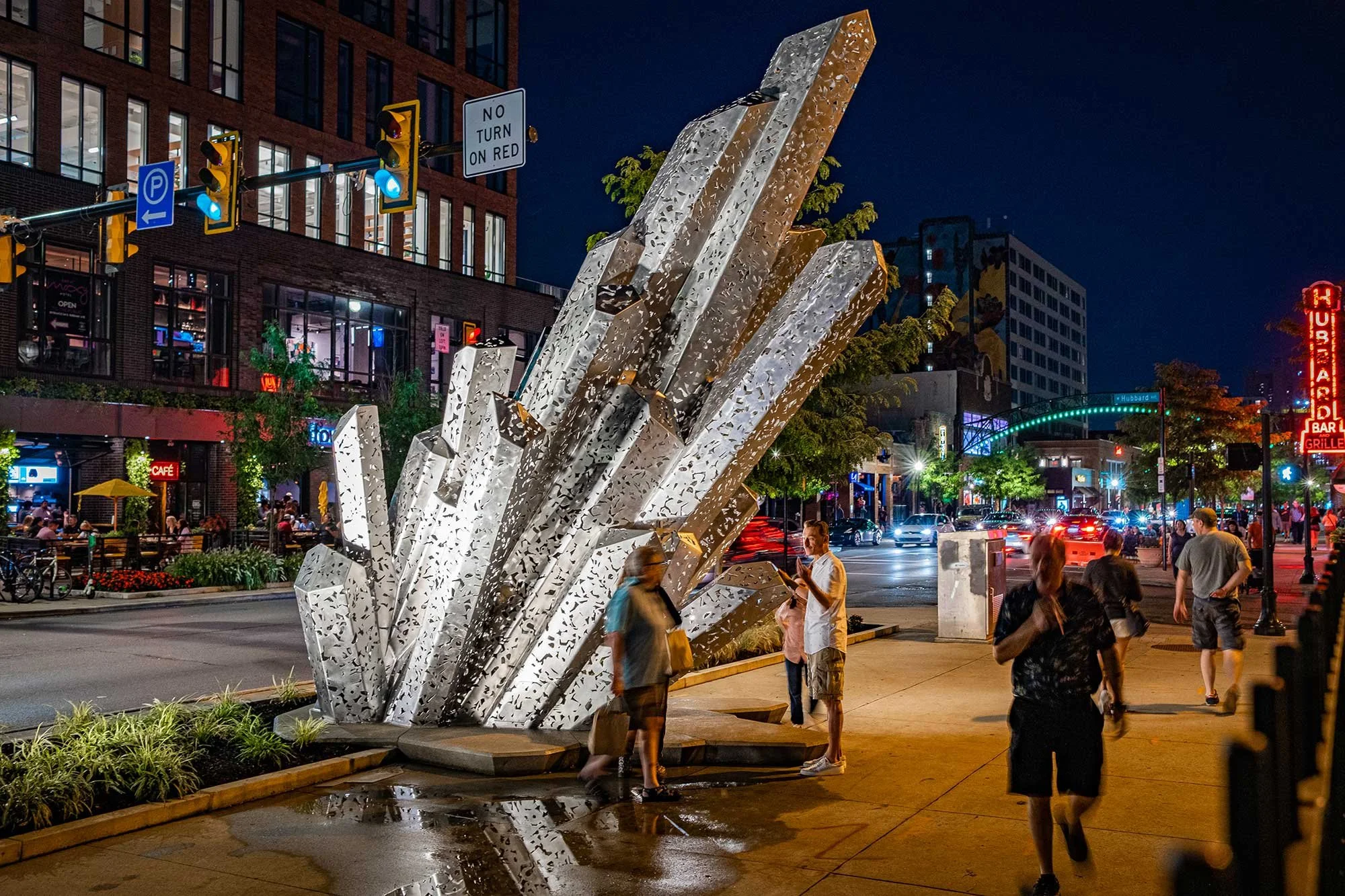
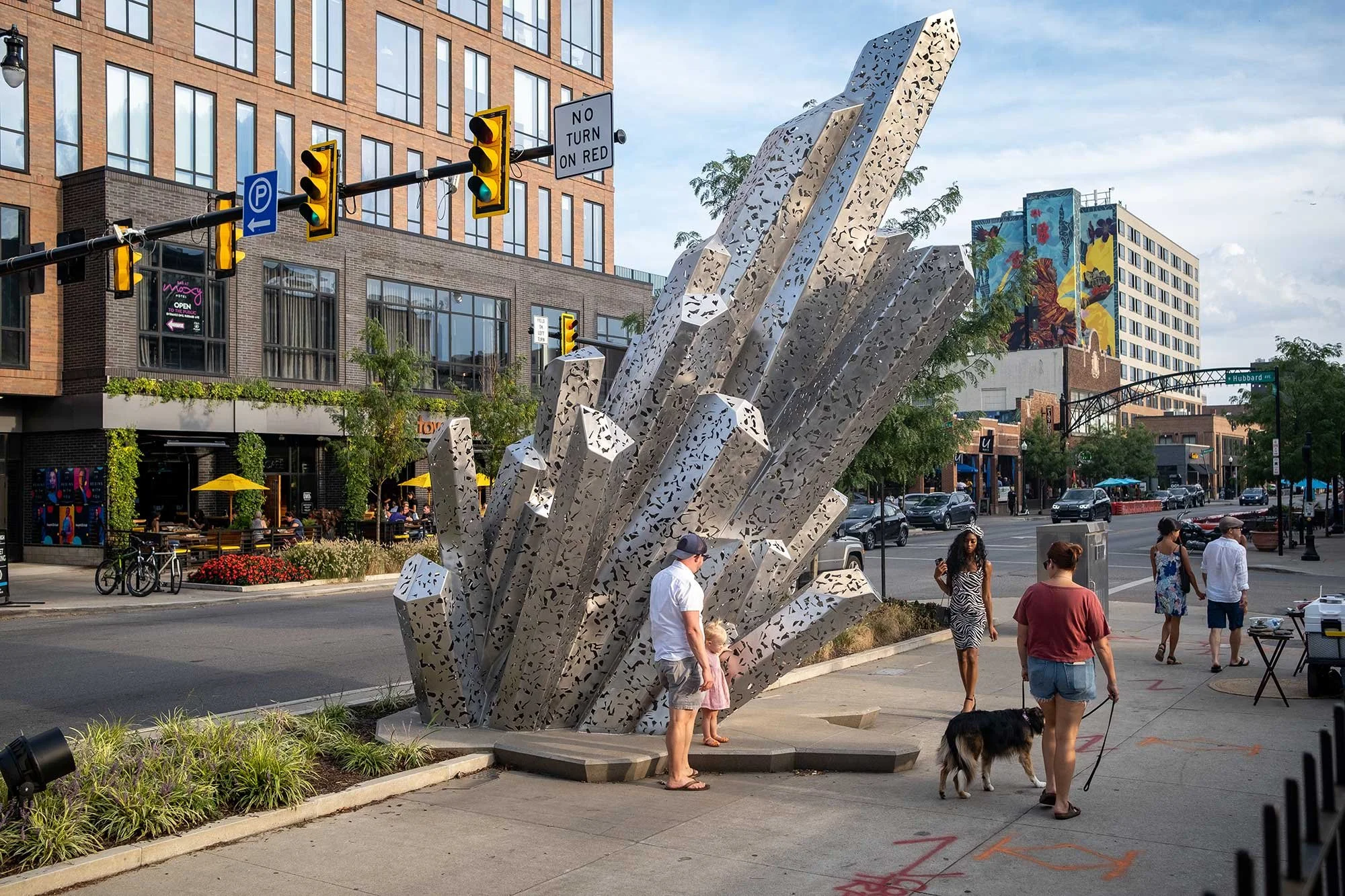
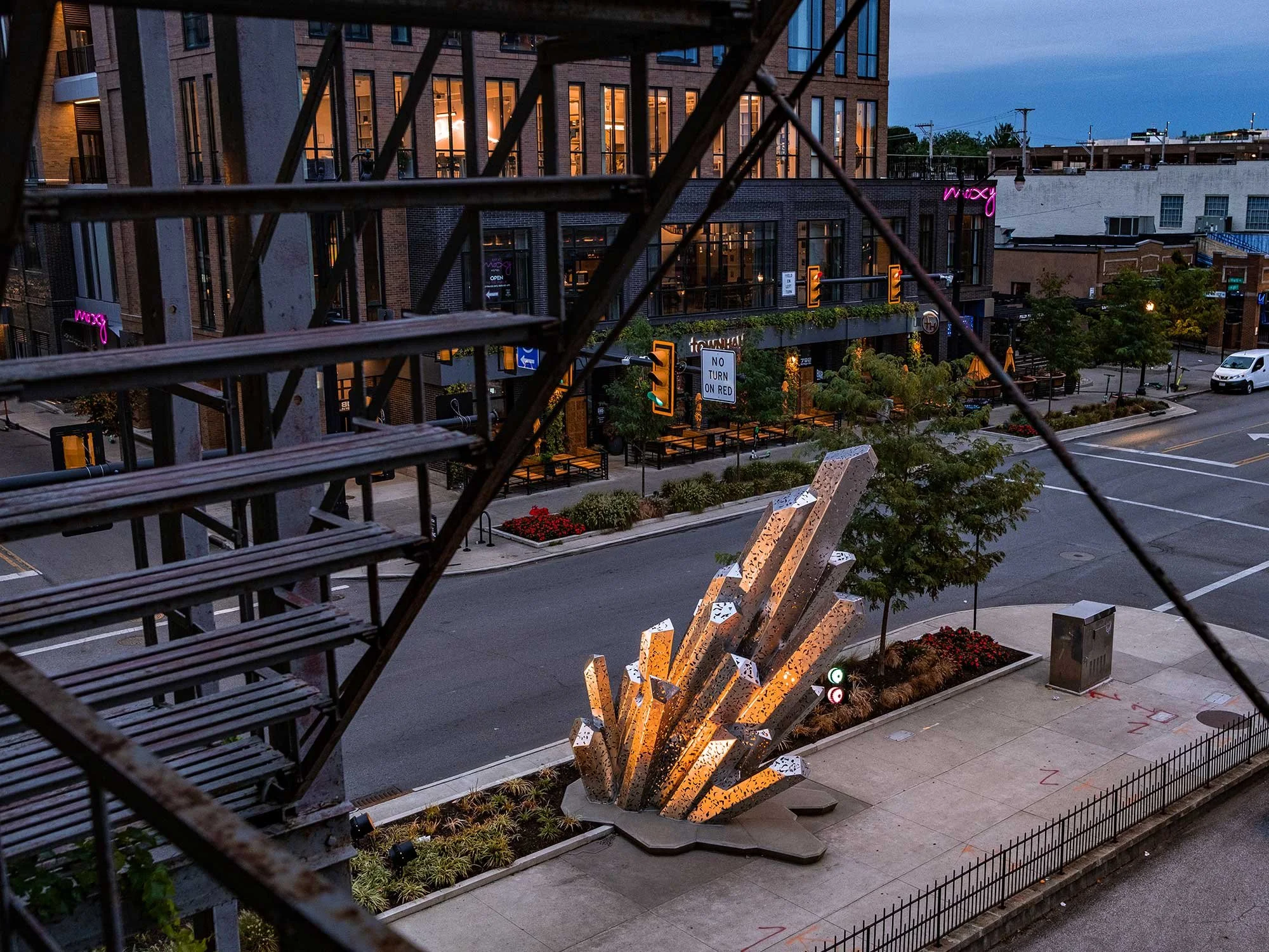
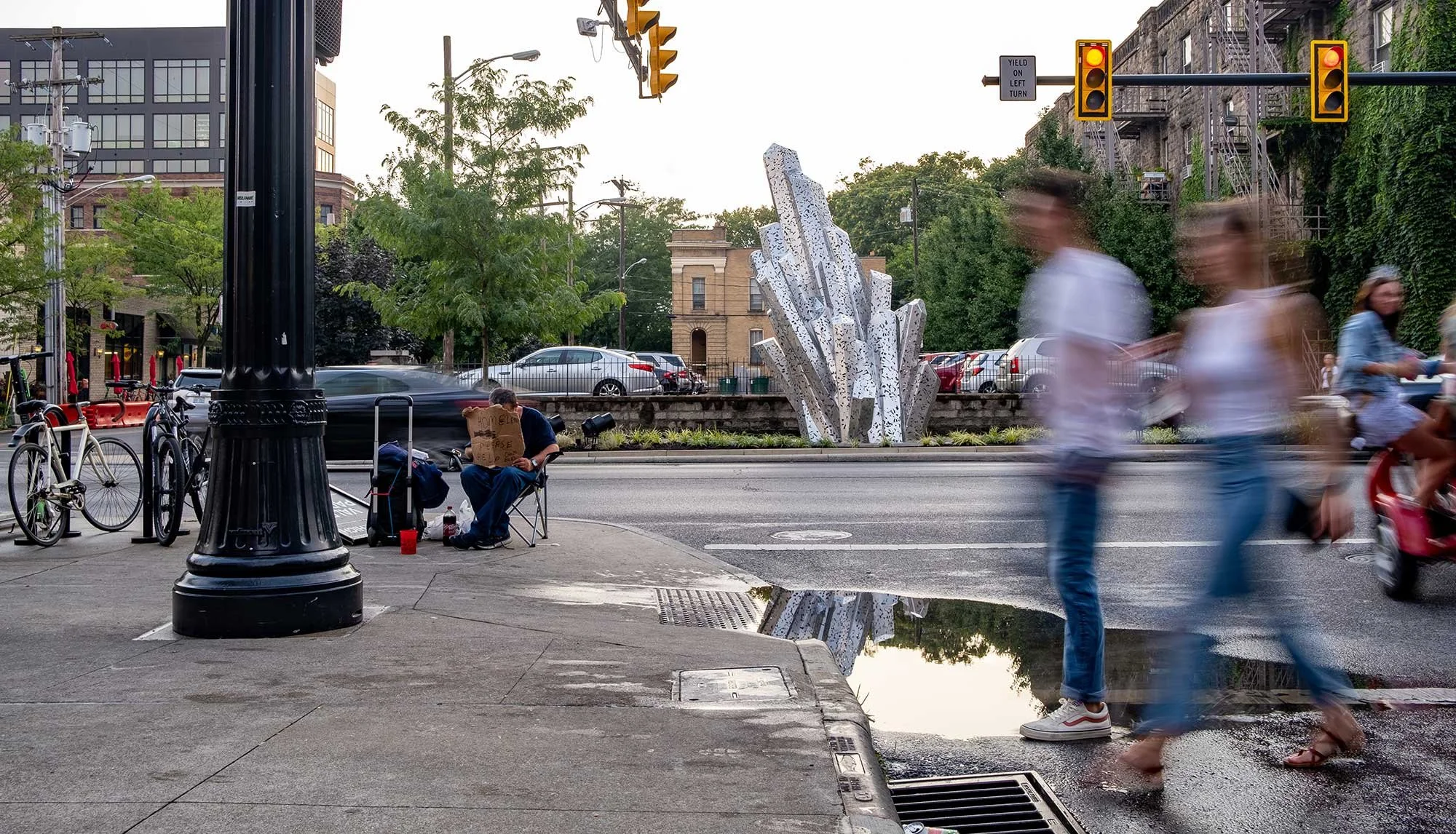
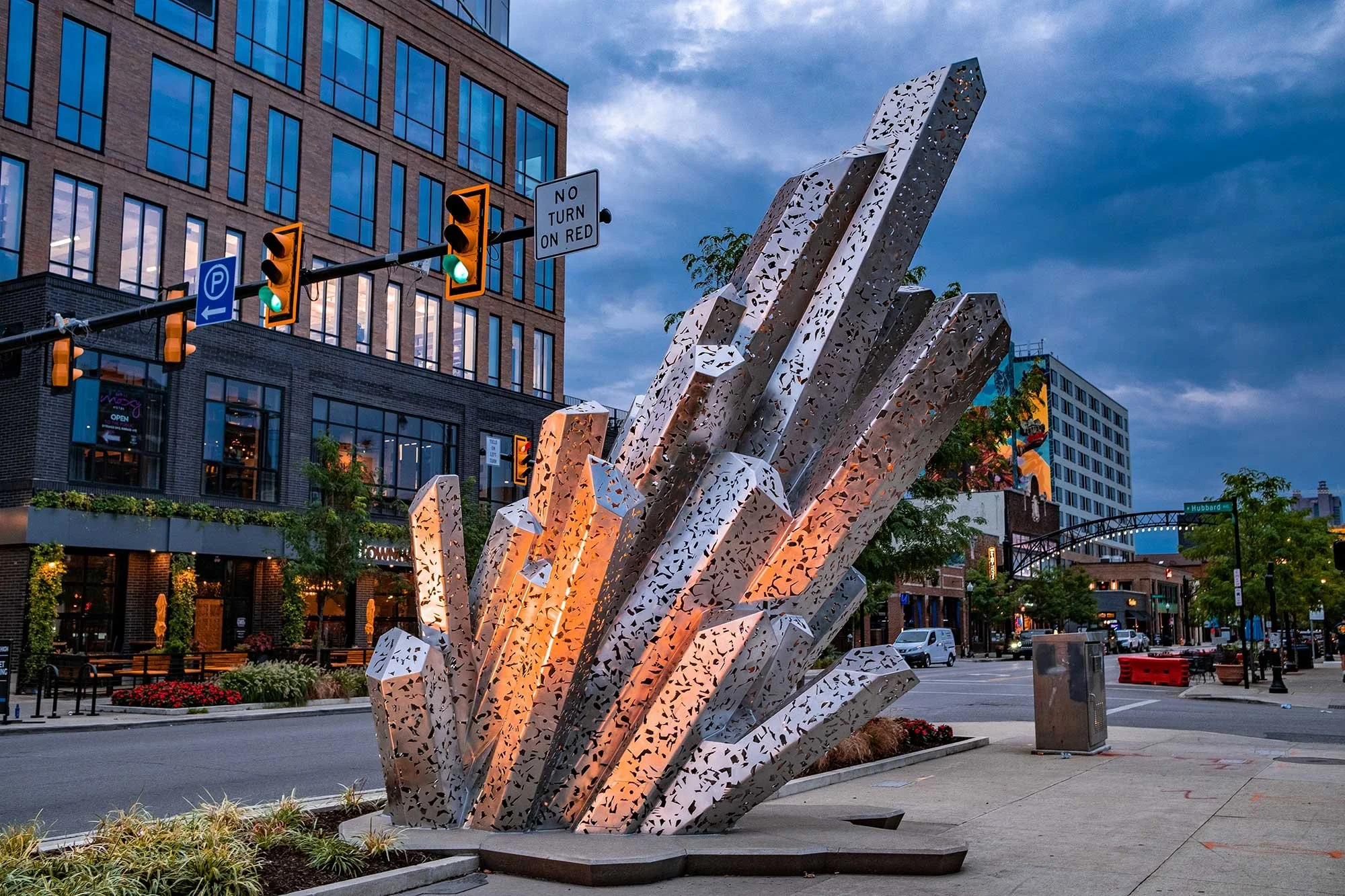
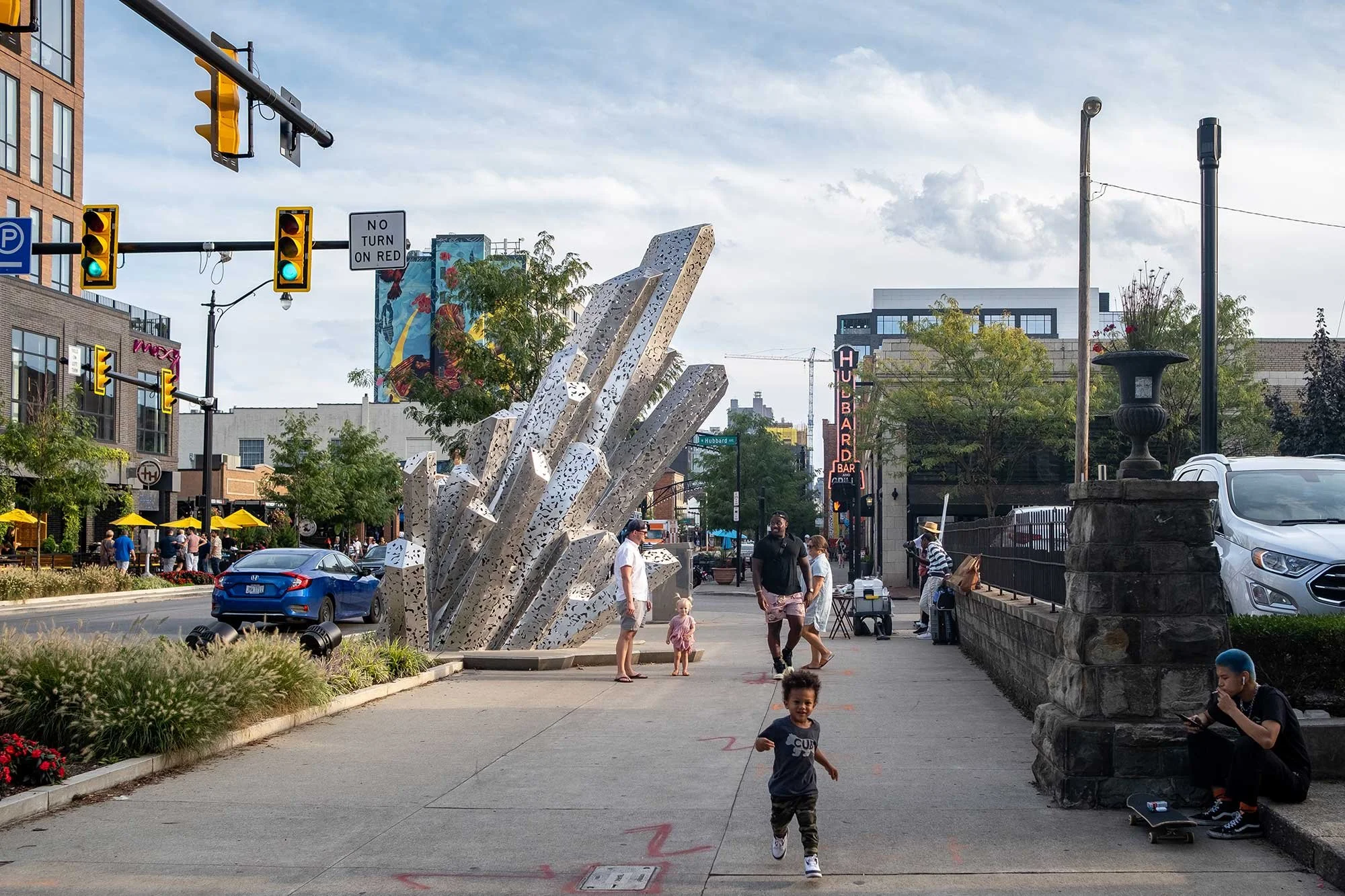
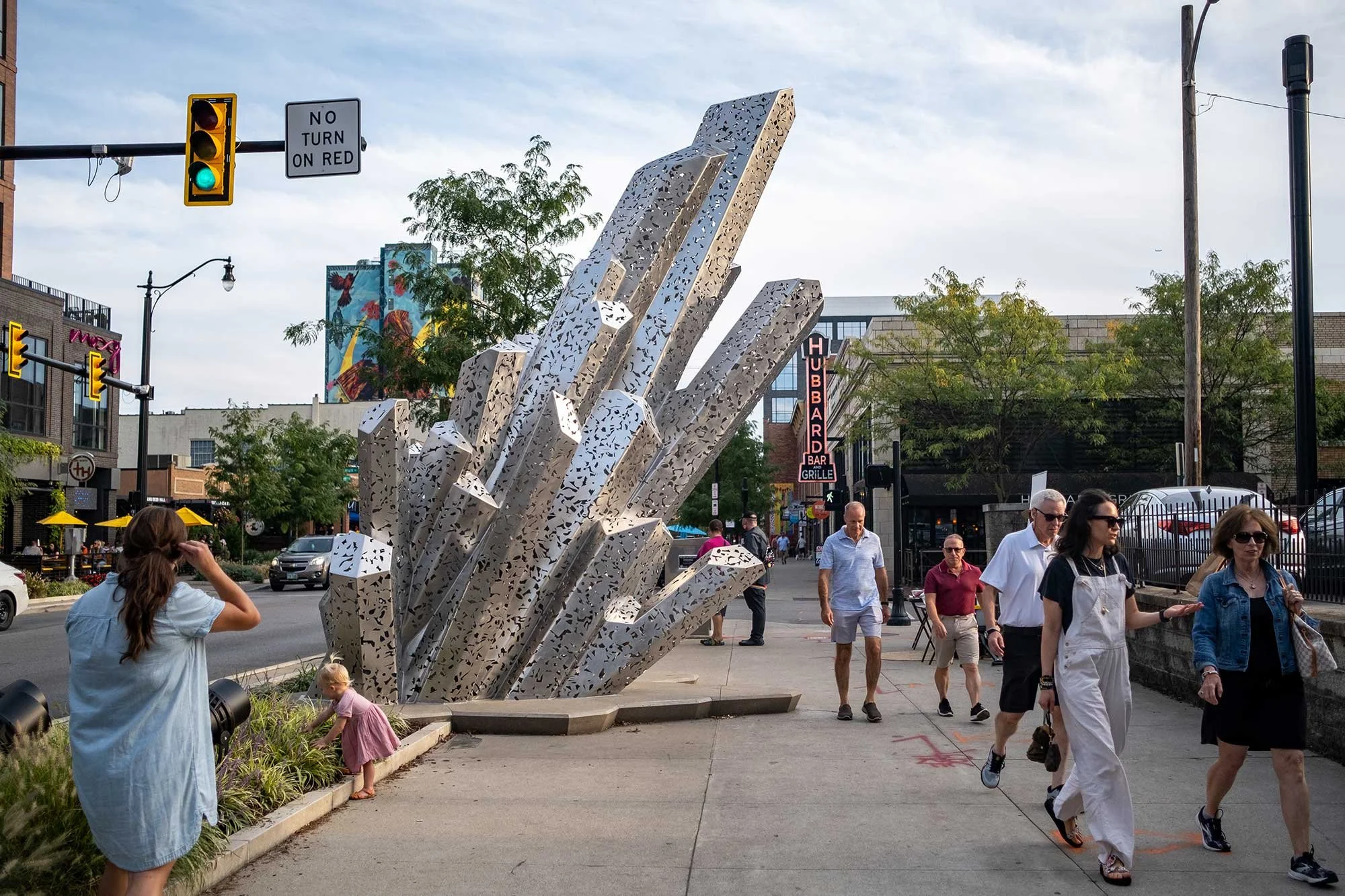
From the region’s indigenous earthworks dating back thousands of years to the sprawling network of navigable canals and railroads developed throughout the 19th century, Columbus’ tradition of making and manufacturing is embedded within the city’s historical and topographical memory. At the height of the Industrial Revolution, Columbus was flecked with hundreds of shops and facilities producing everything from toothpicks to locomotives. The towns surrounding Columbus, particularly those referred to as black diamond communities, provided the raw materials and fuel that powered the city to greatness. Situated within this manufacturing epicenter, THE MAKERS MONUMENT memorializes High Street’s position as a maker hub and celebrates the region’s ever-evolving landscape.
Extending from the earth in a tectonic fragment, the outstretched crystals nod to the region’s many accumulated deposits. Its lace-like surface, an assembly of interlocking cutouts ranging from rocking horses to axes to whistles, diagrams the vast collection of items made within the city limits. Light seeps through its perforated silhouette in varying patterns that shift throughout the day, recalling the city’s production history while reflecting the vibrant activity along High Street. THE MAKERS MONUMENT invites viewers to investigate its steel latticework, considering the puzzle of objects that influenced the region's handcrafted lineage and its current practices of making.