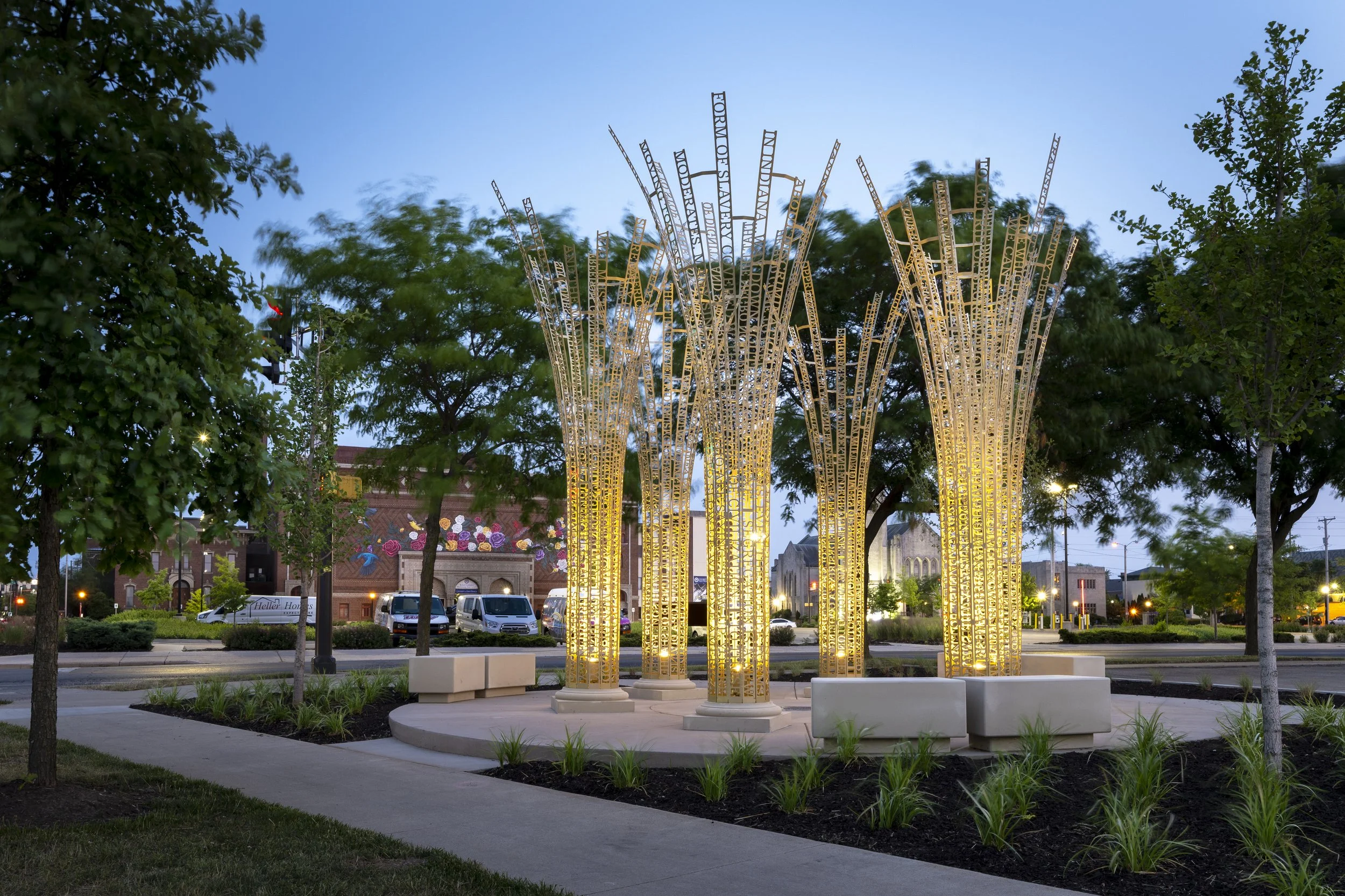
Pillars of Hope and Justice
RE:site (Shane Allbritton and Norman Lee)
2023 | Fort Wayne, Indiana
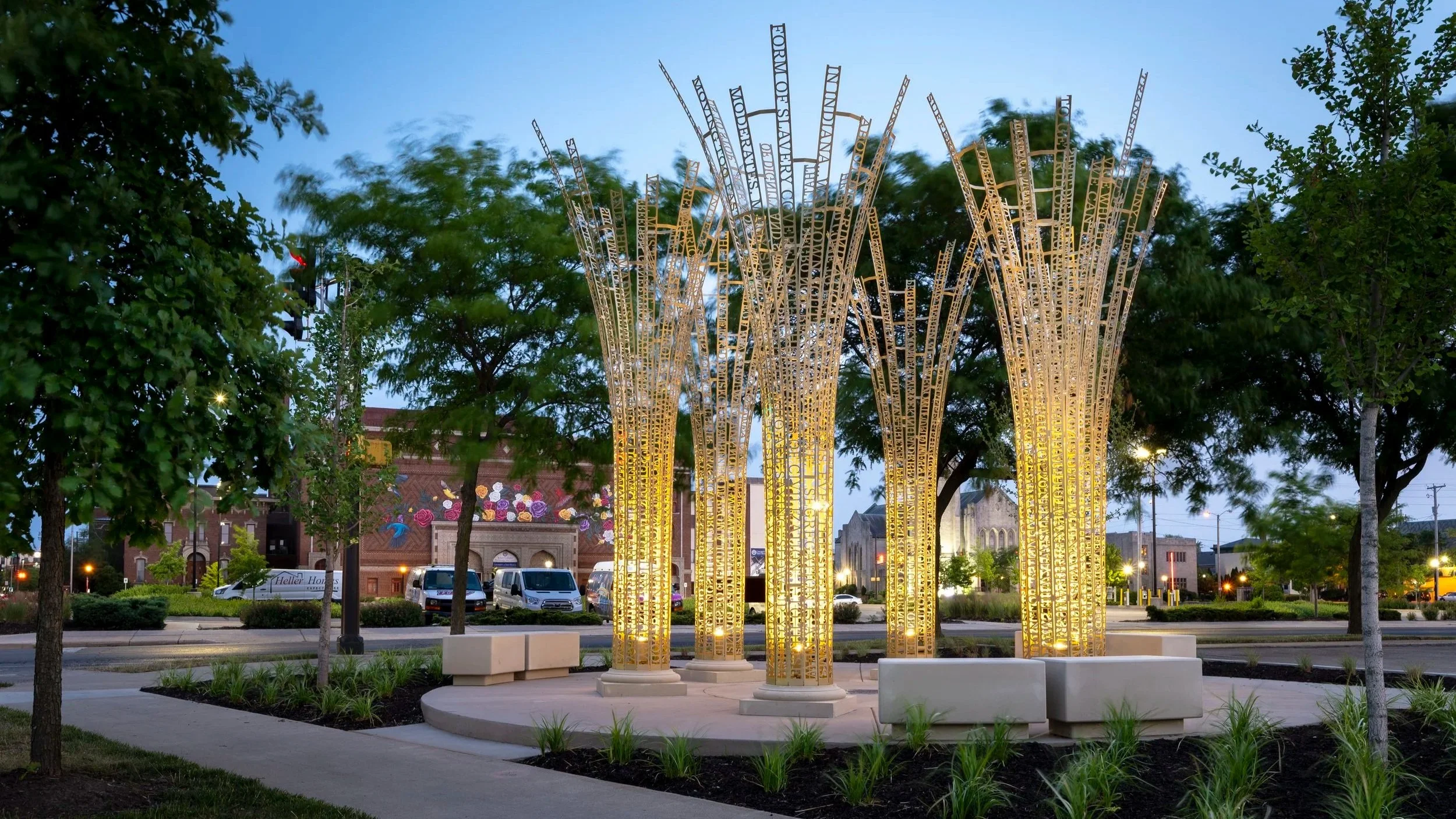
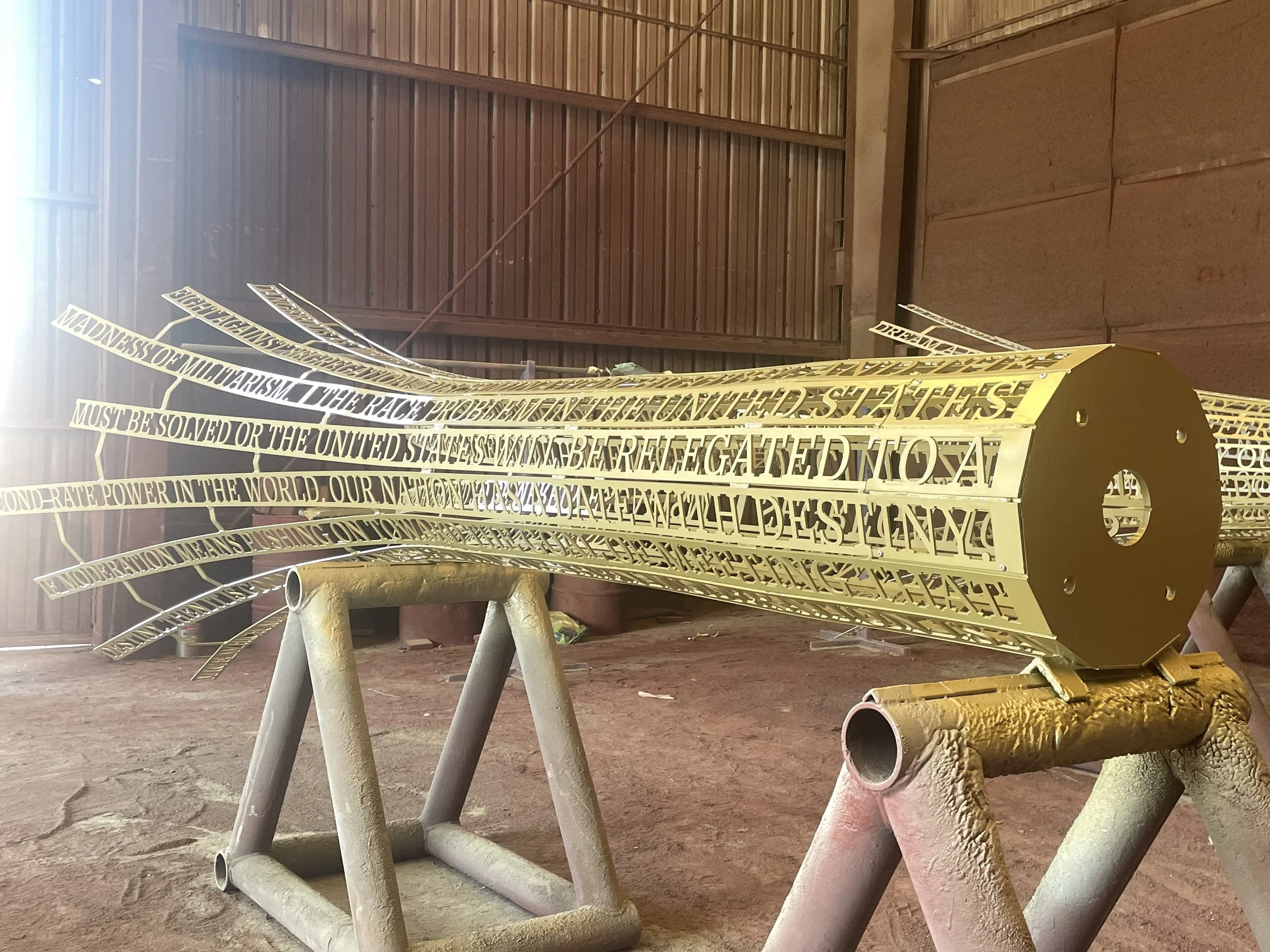
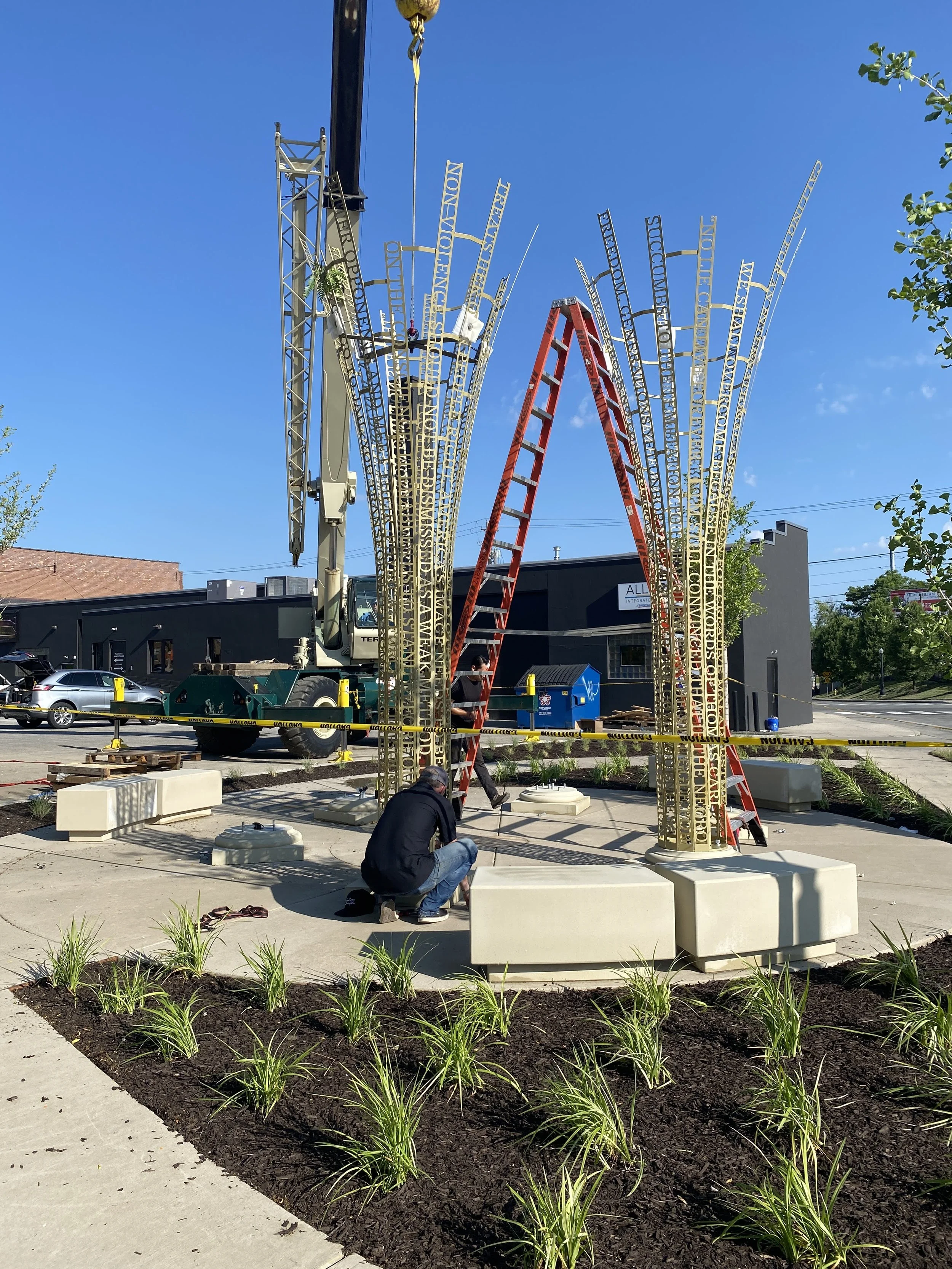
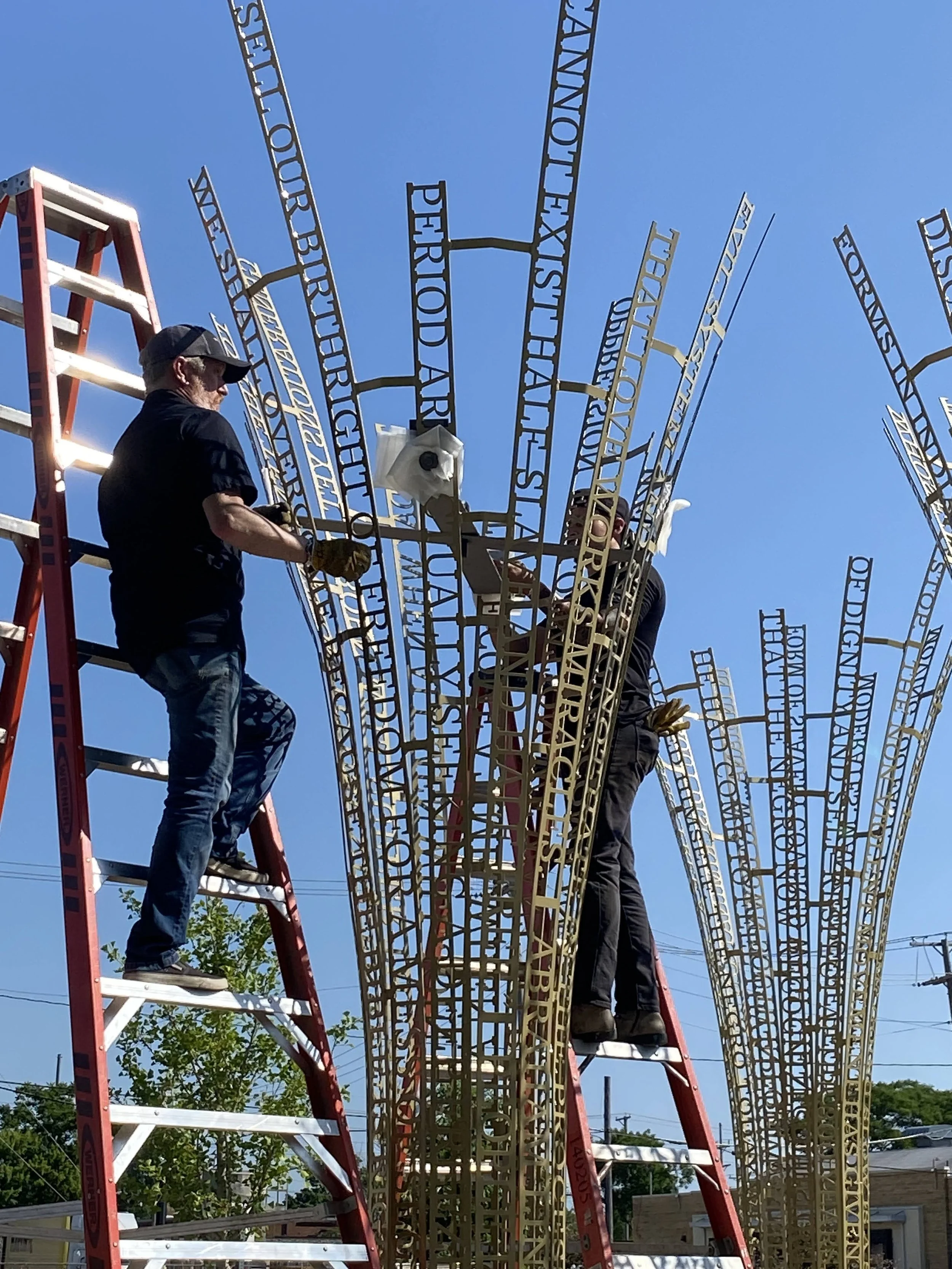
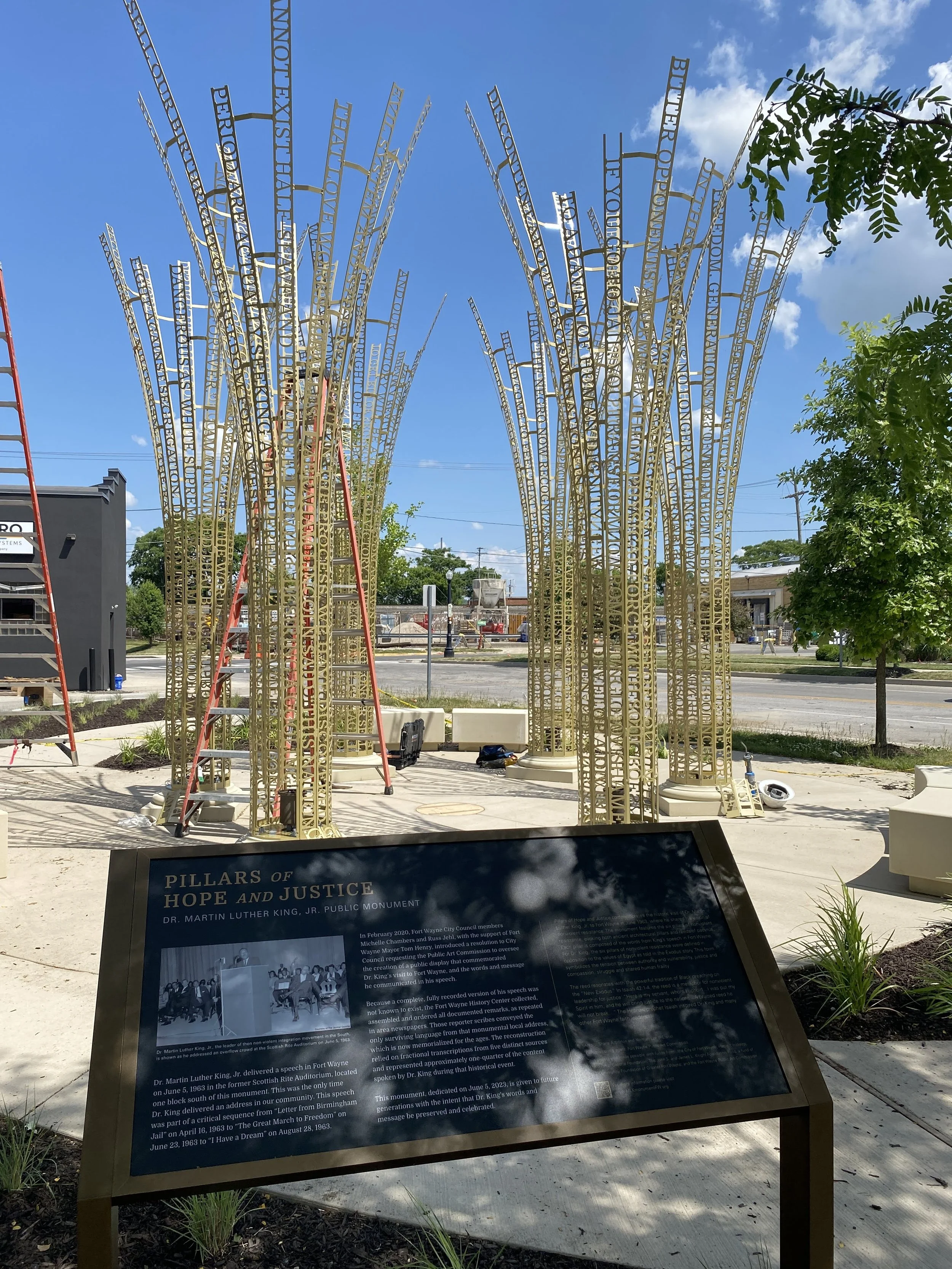
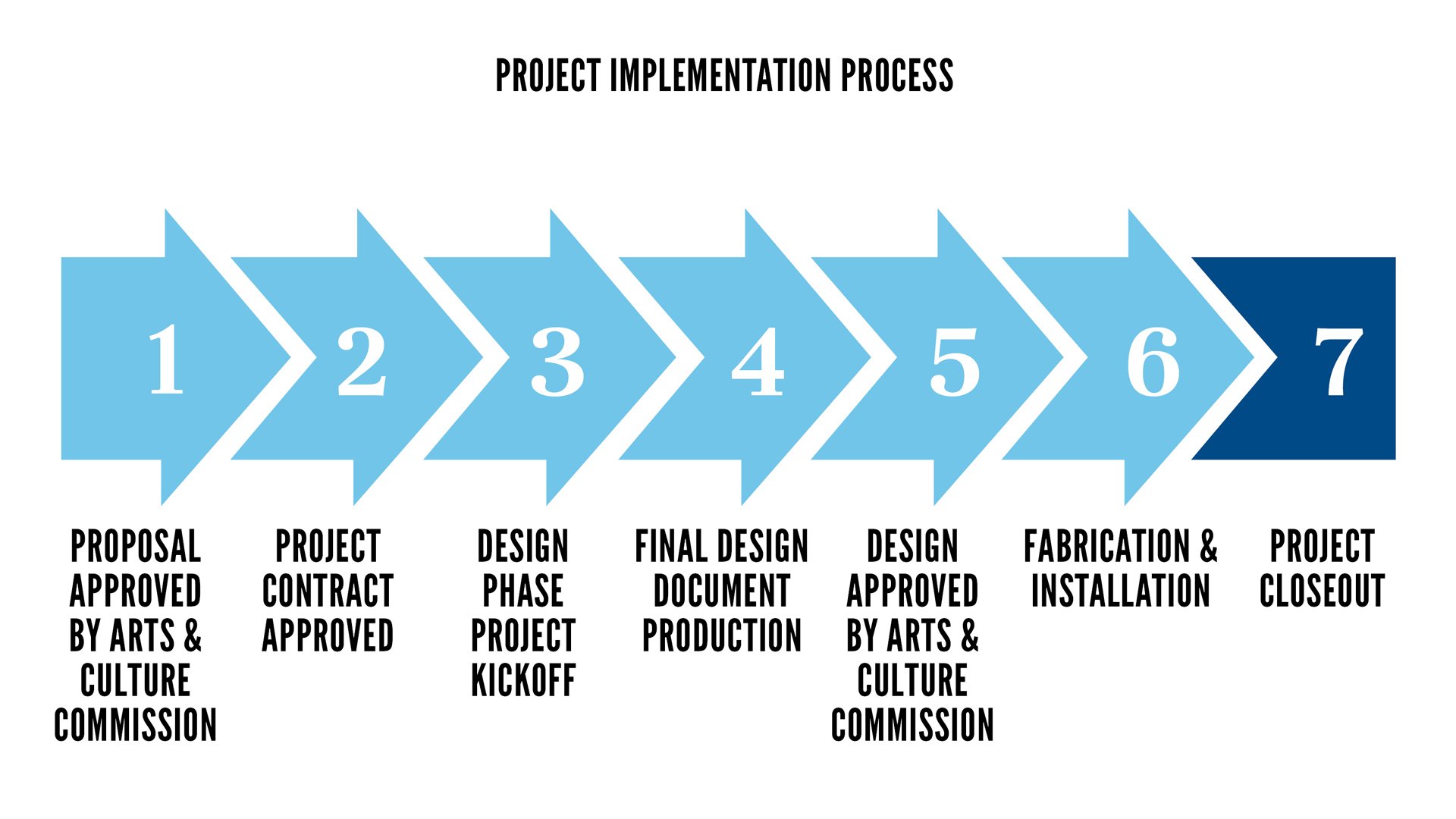
In 2020, Fort Wayne City Council passed a resolution spearheaded to create a public display honoring King’s speech in Fort Wayne on June 5, 1963 on the corner of Ewing Street and West Main Street. The monument was dedicated on the 60th anniversary of Dr. King's speech. Designing Local was engaged to manage the procurement and selected artist through installation. As part of this process, Designing Local facilitated a call for artists, worked with a committee to select finalists, and coordinated the presentation on concepts to the selection committee. The Selection committee selected ReSITE as the final artist. Designing Local worked with the City as well as ReSITE to coordinate the final design documentation, fabrication, installation, and management of the installation.
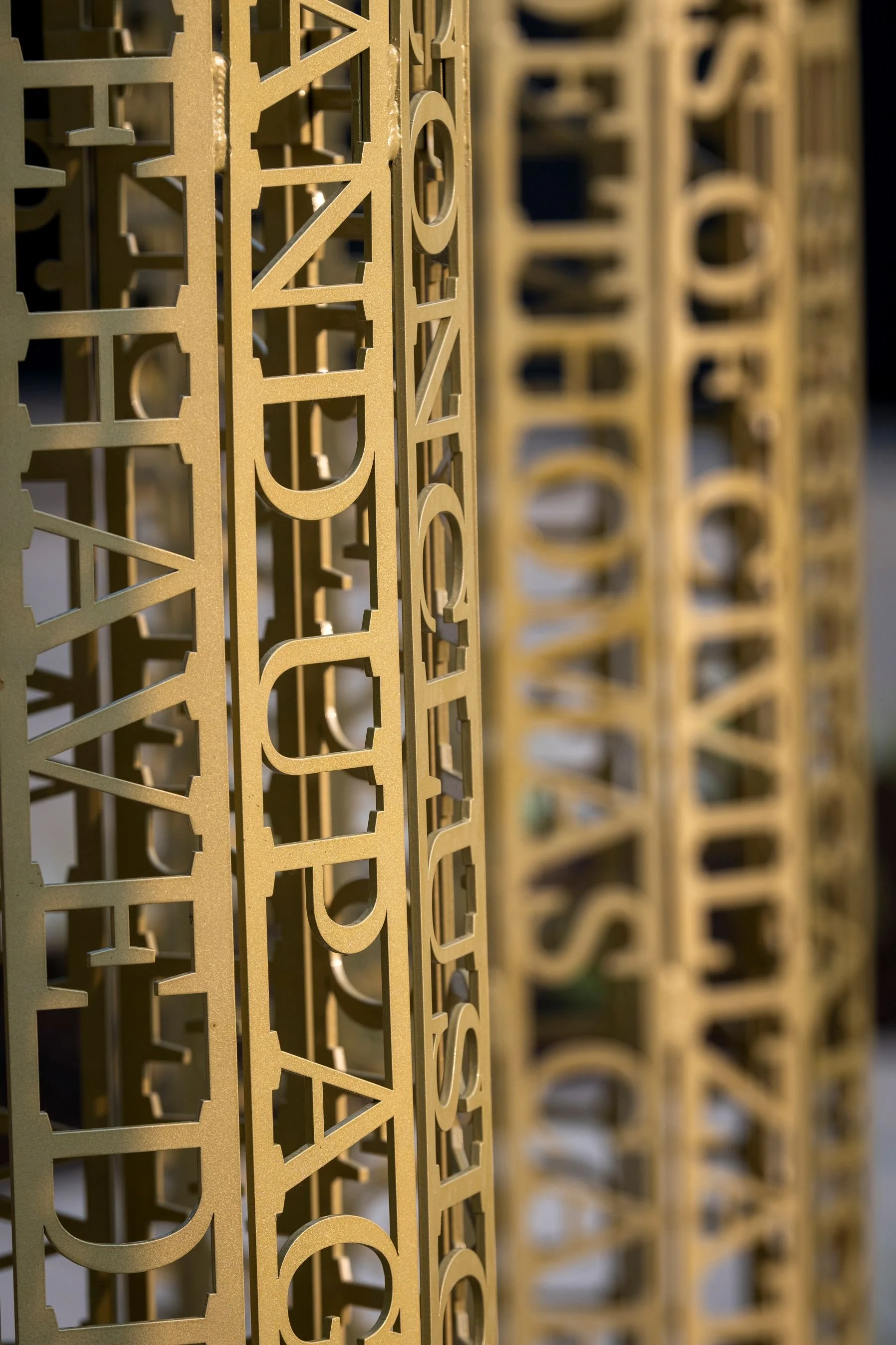
Designed by Shane Albritton and Norman Lee, “Pillars of Hope and Justice” stands on the corner of Ewing and Main Streets celebrating Dr. King;s visit to Fort Wayne and the words he spoke there on his way to Washington DC for the infamous "I Have a Dream Speech". The monument features the six pillars of nonviolent resistance, evoking both ancient architectural pillars and reeds of papyrus, bringing together ancient and contemporary.


Sandusky Public Art & Placemaking Plan
Sandusky, Ohio

WHY
The City of Sandusky is a hidden gem that is seeing significant new investment and cutting-edge planning. Sensing an opportunity to increase attachment to place and draw new tourists, city leaders passed a public art ordinance in January 2018 that guarantees funding for public art through a 1% allocation of their general fund. To ensure they invested the newly earmarked public art dollars responsibly, the city set out to develop a Public Art and Placemaking Plan. The plan directs spending to high-priority projects and creates the infrastructure necessary to administer a robust public art program.
HOW
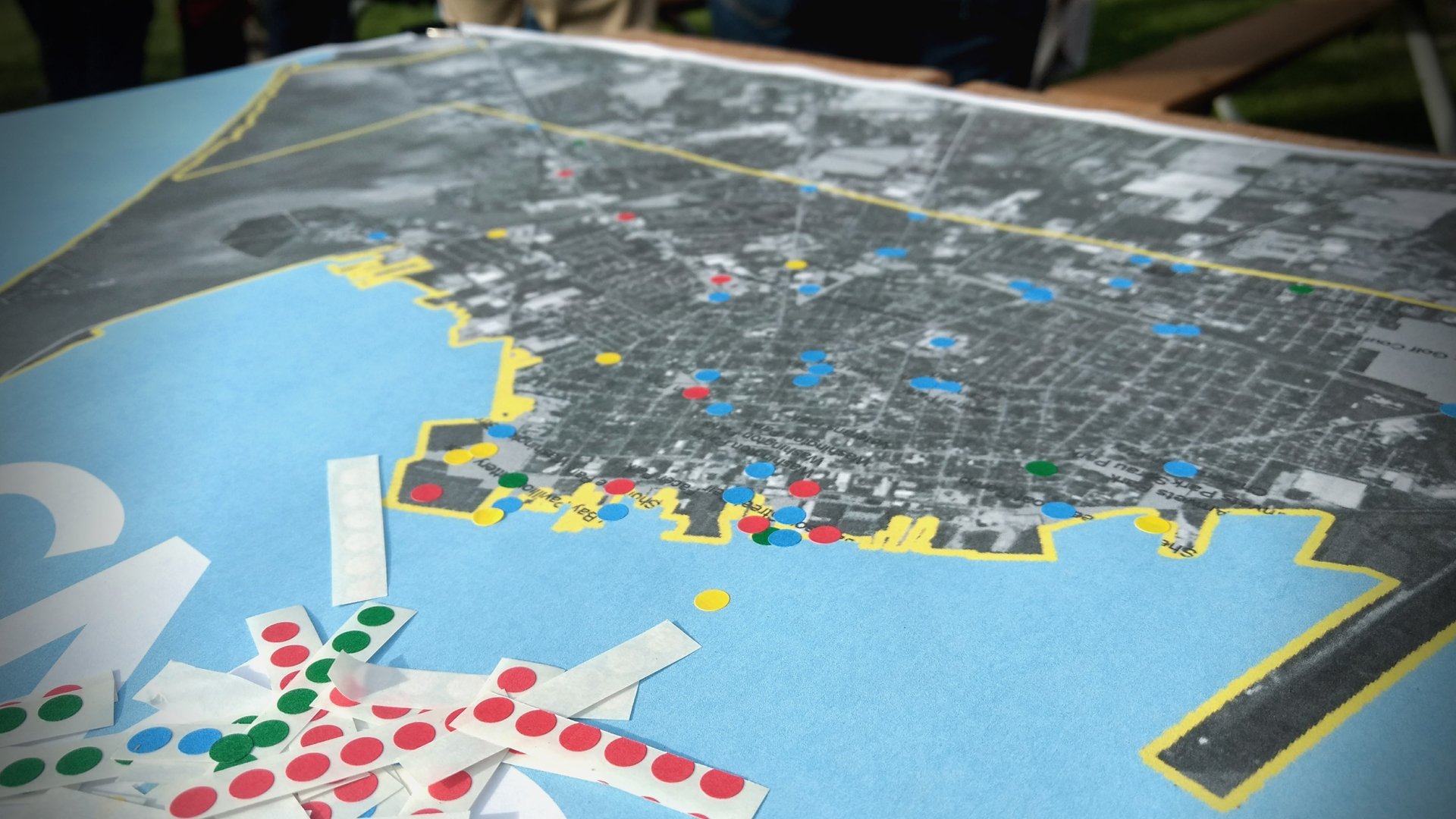
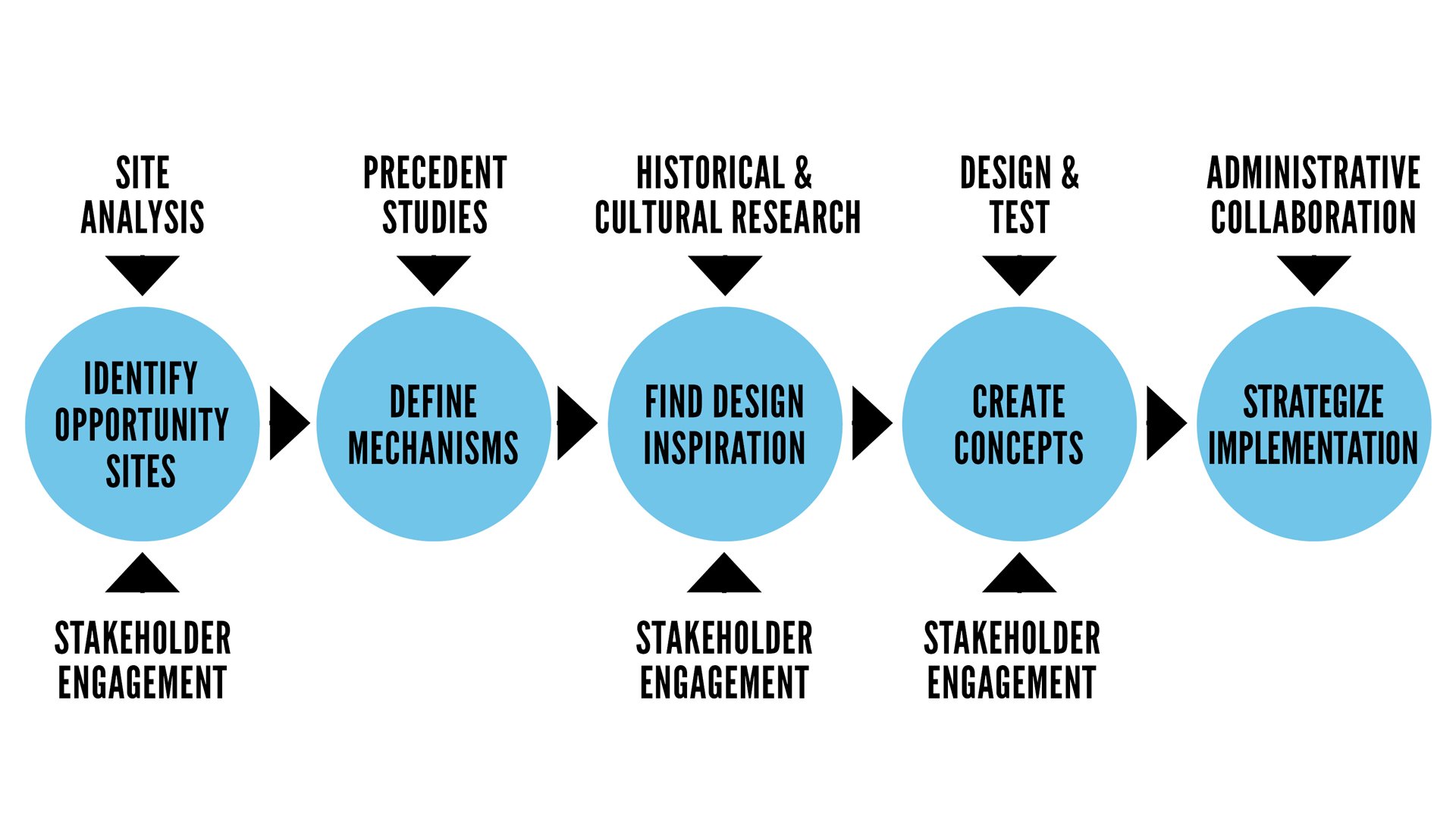
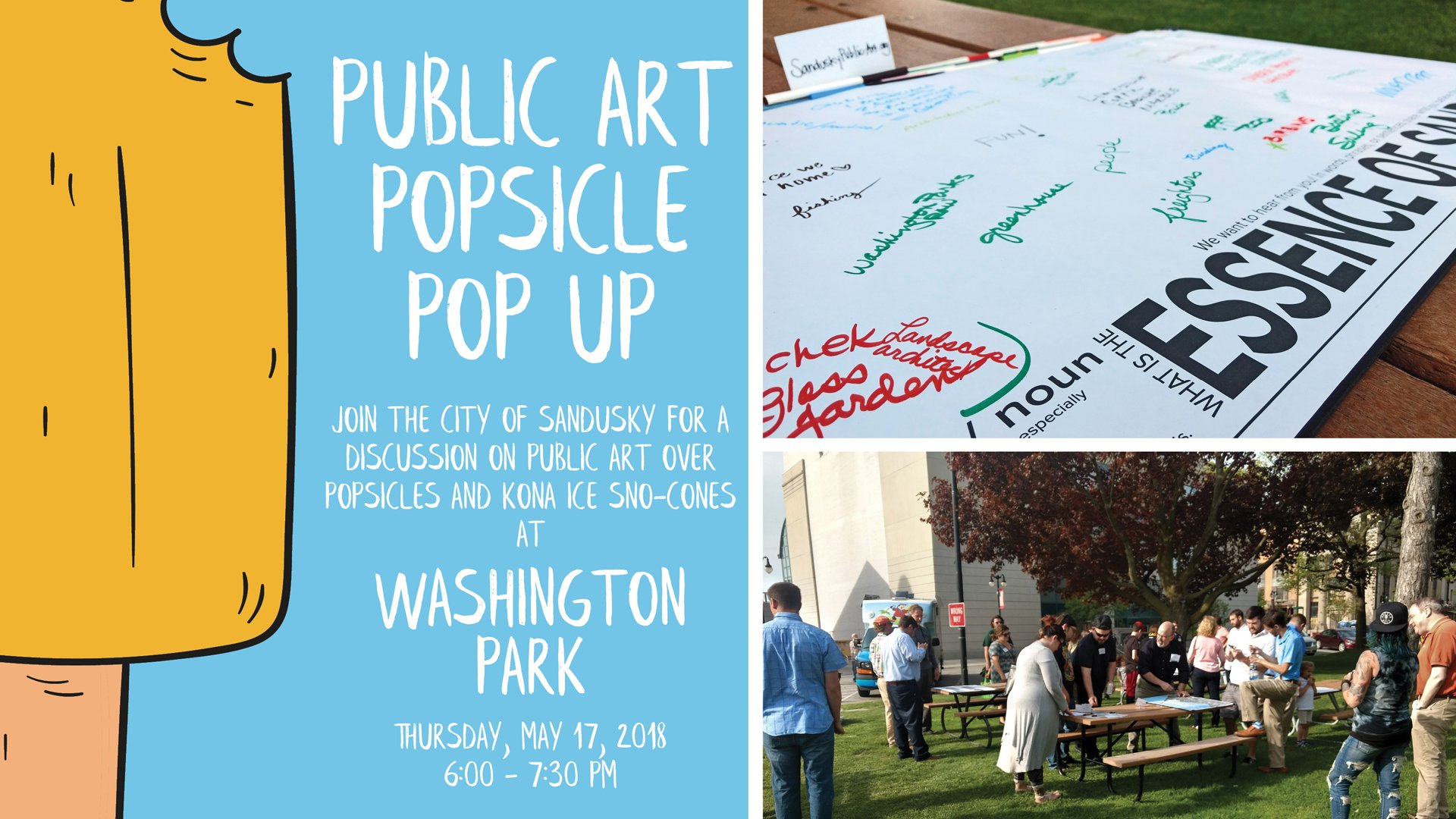
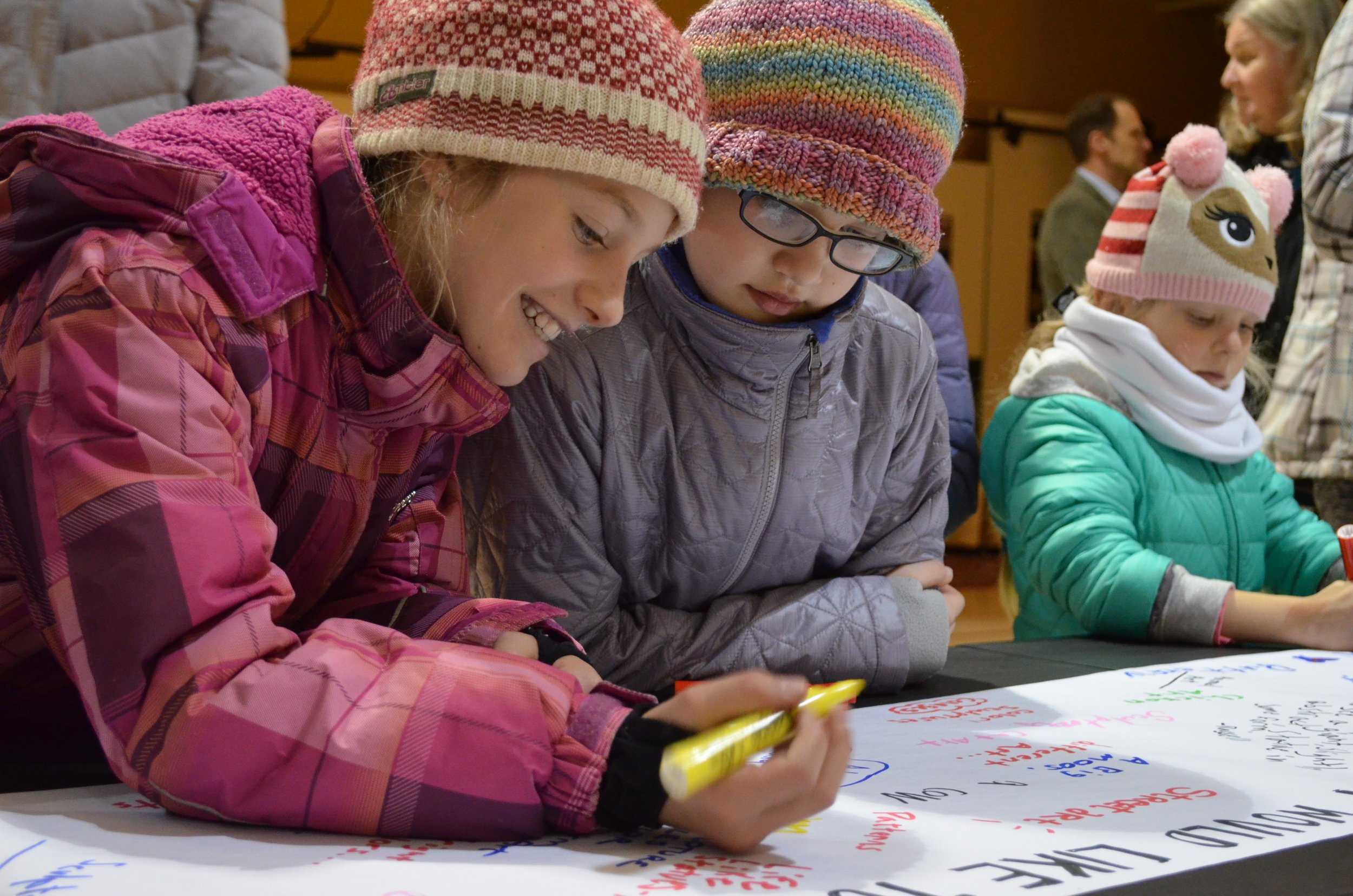
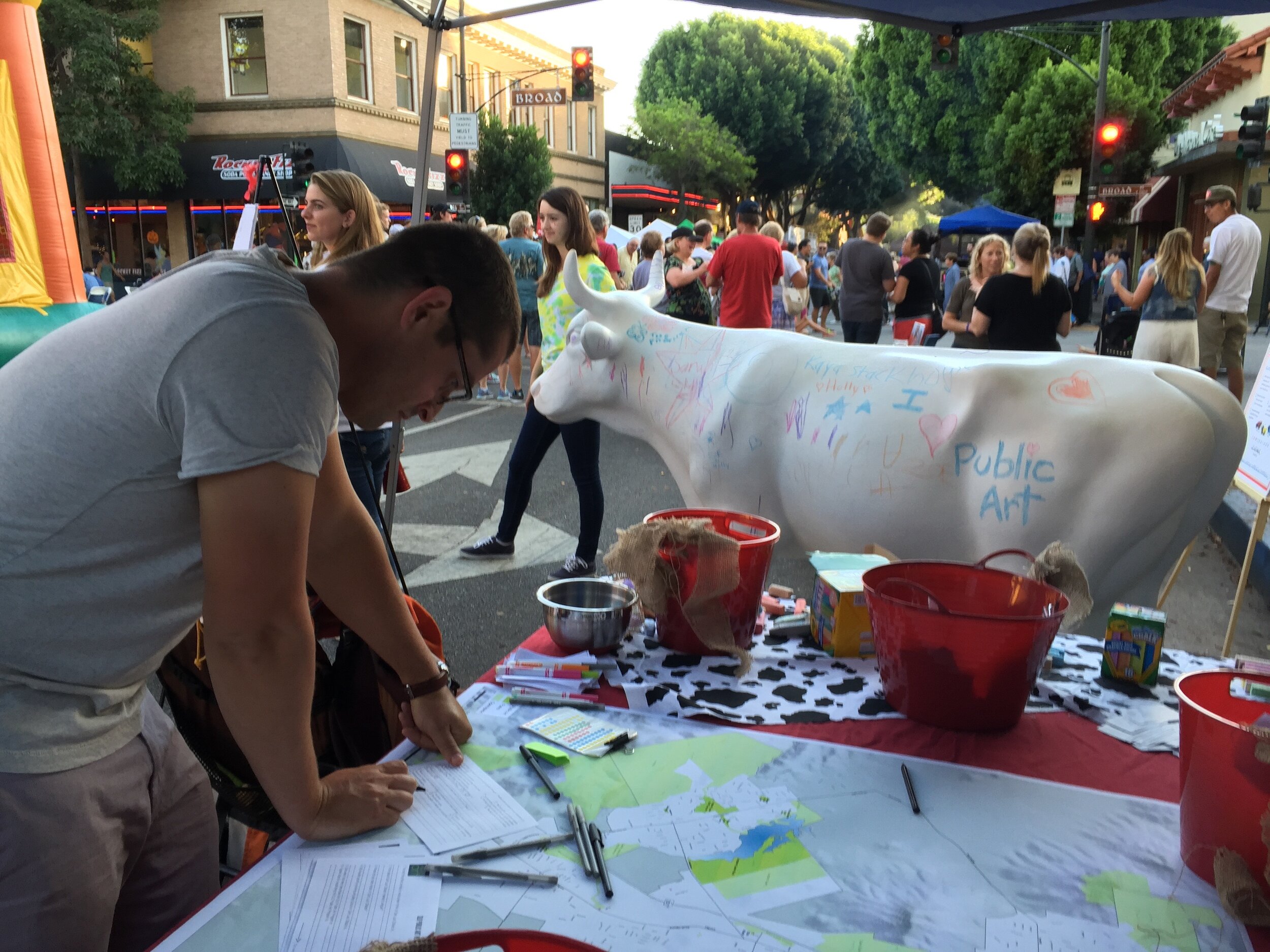
Designing Local organized a public art popsicle pop-up to kick off the planning process, at which participants were asked their vision for public art in the city and to think about potential transformative projects. The team hosted several additional meetings to co-create ideas for the City’s first projects. In addition to developing placemaking strategies, the team trained Sandusky’s newly formed Public Art and Cultural Commission on procurement processes for public art, collection management and maintenance, and donations.
WHAT
The Sandusky Public Art and Placemaking Plan inspires elected officials to create public art strategies that are uniquely Sandusky. With an efficient and effective process for public art, the city now has the tools to ensure a successful program well into the future.

Frisco Public Art Master Plan Update
City of Frisco, Texas
WHY
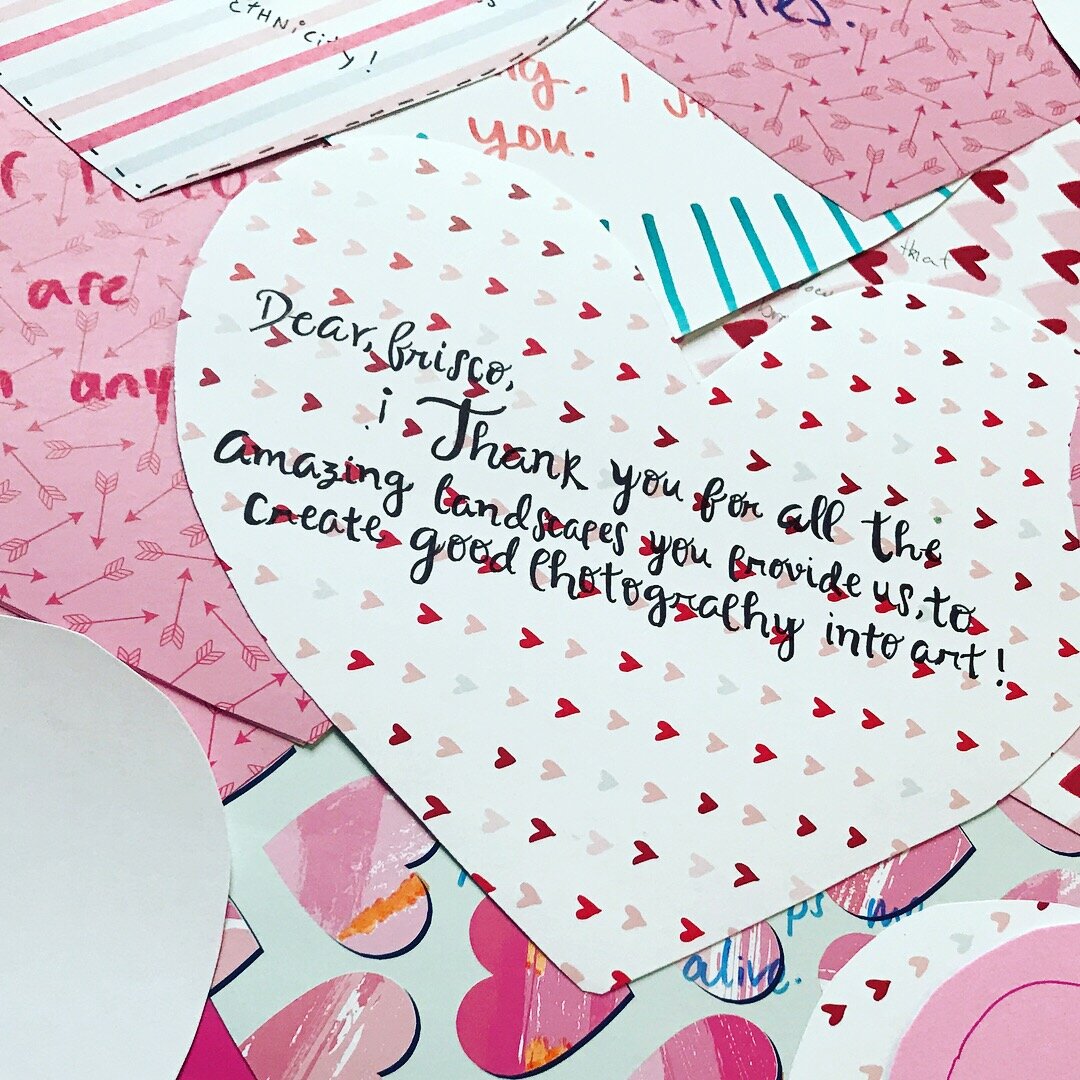
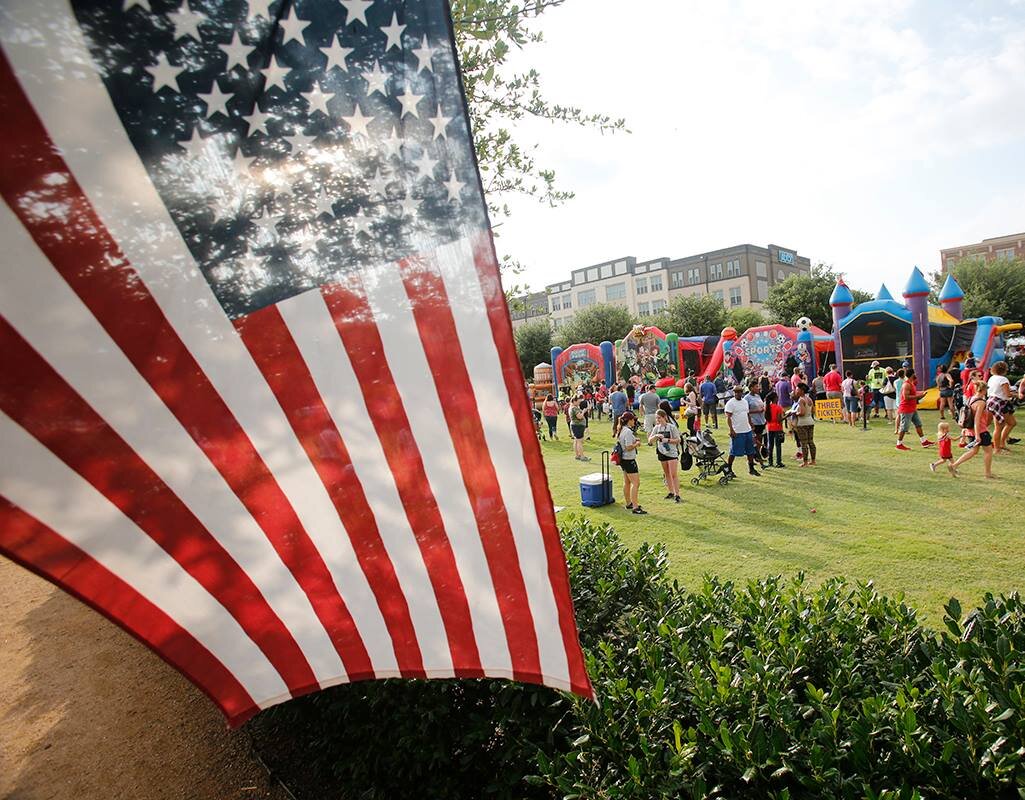
In 2002, the City of Frisco developed a public art program at a pivotal moment in its history. With a population of just over 50,000 residents and a unique position in the North Texas Region, the city was poised for explosive growth, culminating with an anticipated population of just over 350,000 by 2035. In 2004, the city adopted a Public Art Master Plan and, since then, commissioned more than 75 pieces totaling $4+ million. In 2018, Frisco sought to update its Public Art Master Plan to include strategies for managing its burgeoning collection.
HOW
Designing Local evaluated the city’s collection and conducted public engagement sessions to formulate recommendations for an updated plan.
WHAT
The Frisco Public Art Master Plan Update was adopted in August 2018, providing the city a roadmap to integrating thoughtfully curated public artworks into their capital projects through 2023. With a Collection Management Policy in place, the city can better care for its current collection as it adds new pieces.


Montpelier Public Art Master Plan
Montpelier, Vermont
WHY
When the City of Montpelier, Vermont began collaborating with a private developer for a redevelopment project, they wanted to pursue an innovative approach. The project, supported by local, state, and federal funds, was Montpelier’s largest private-to-public development in 30 years. One Taylor Street, which is being called the new gateway to Montpelier, has catalyzed other design and community development projects. The city was awarded an Our Town grant from the National Endowment for the Arts to express community values and vision through public art at One Taylor Street.
HOW
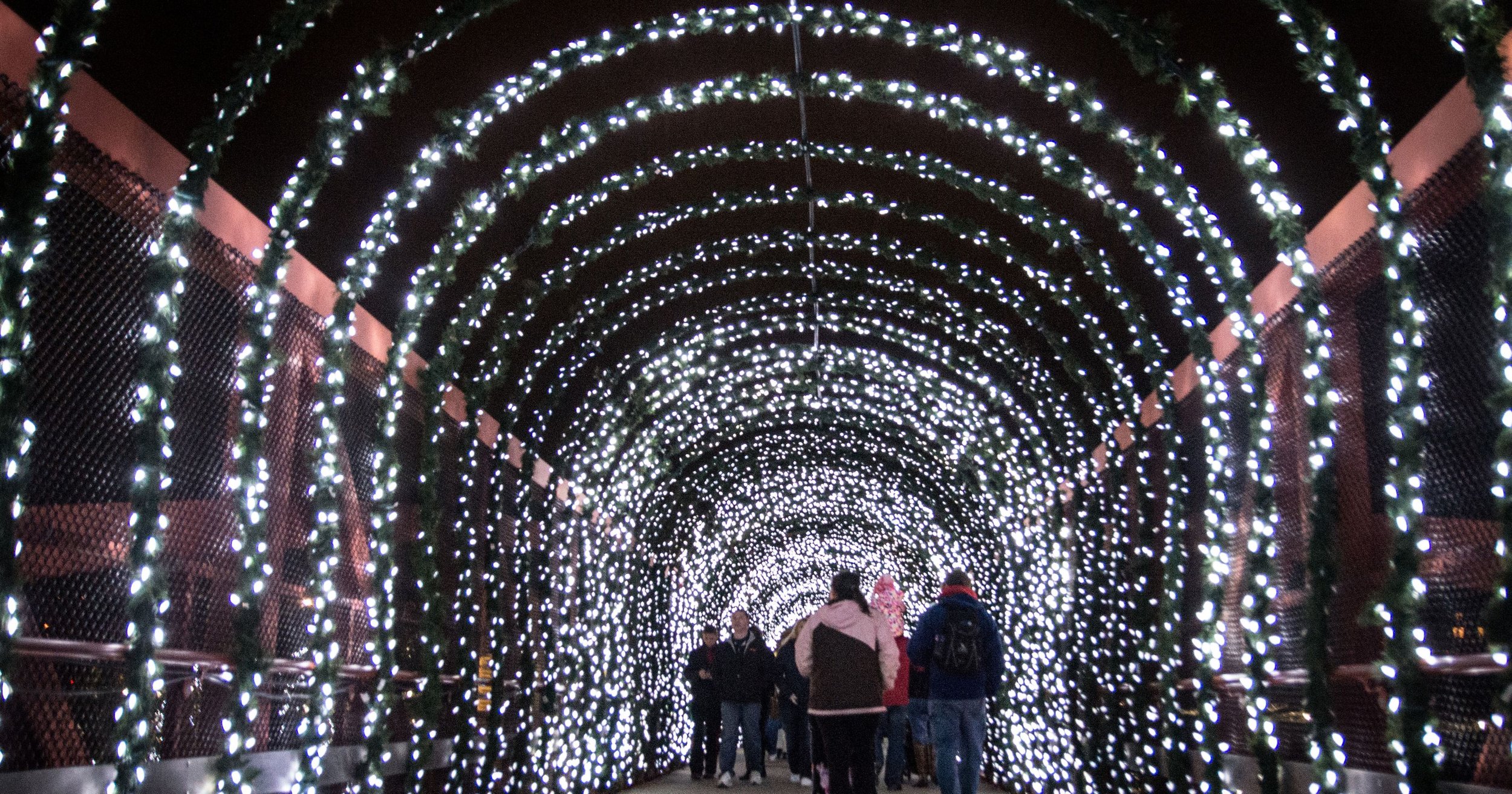
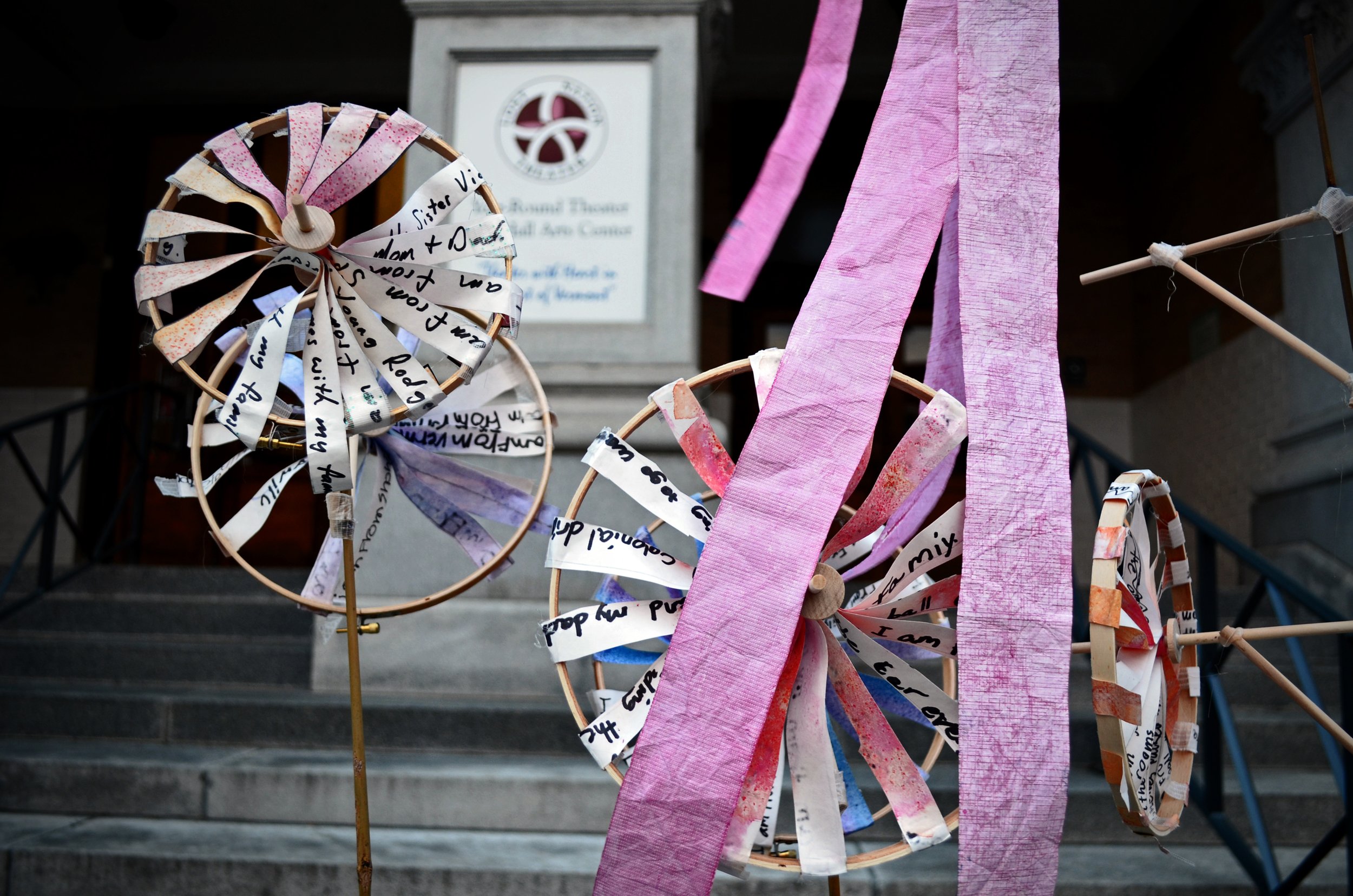
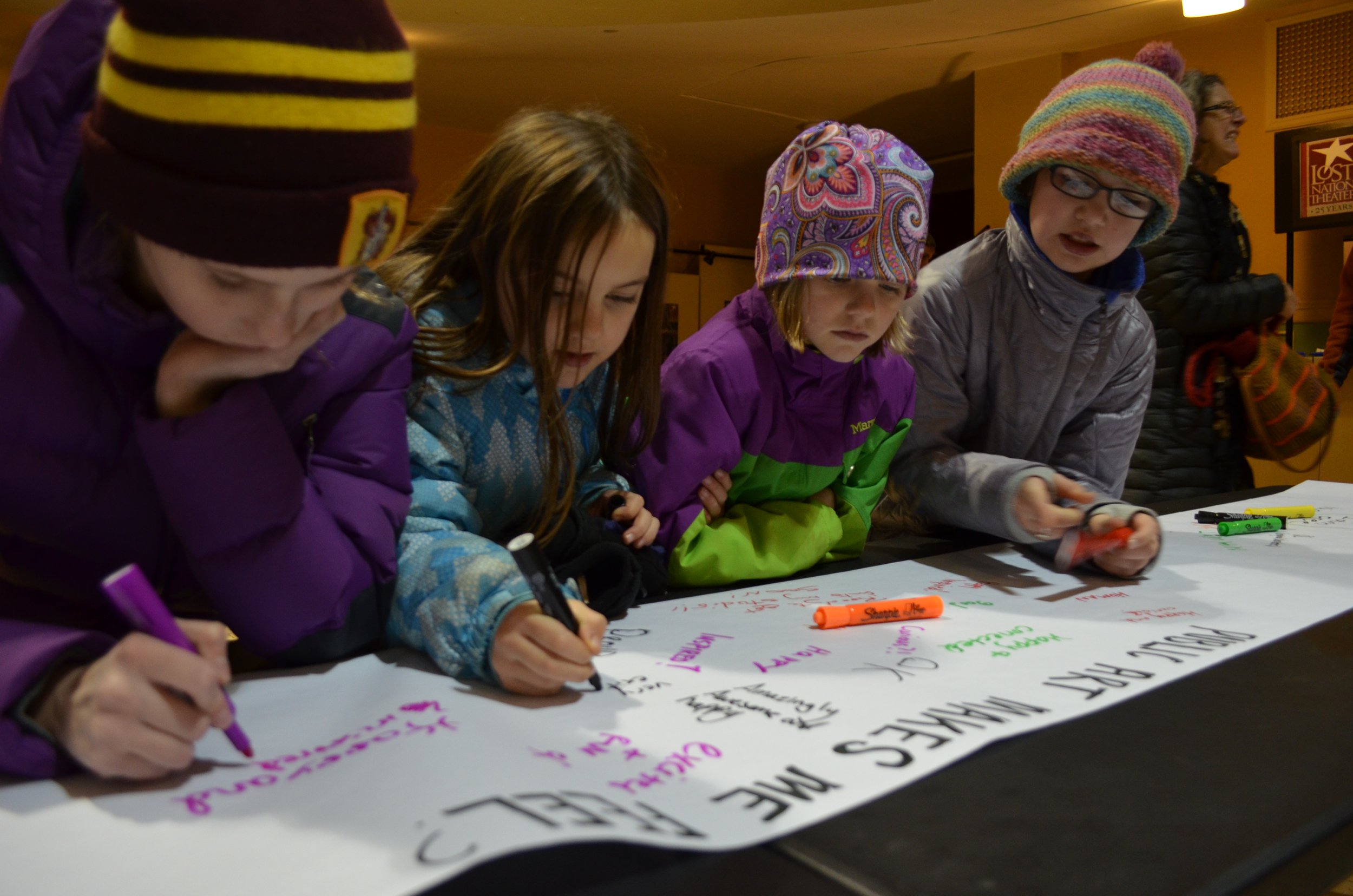
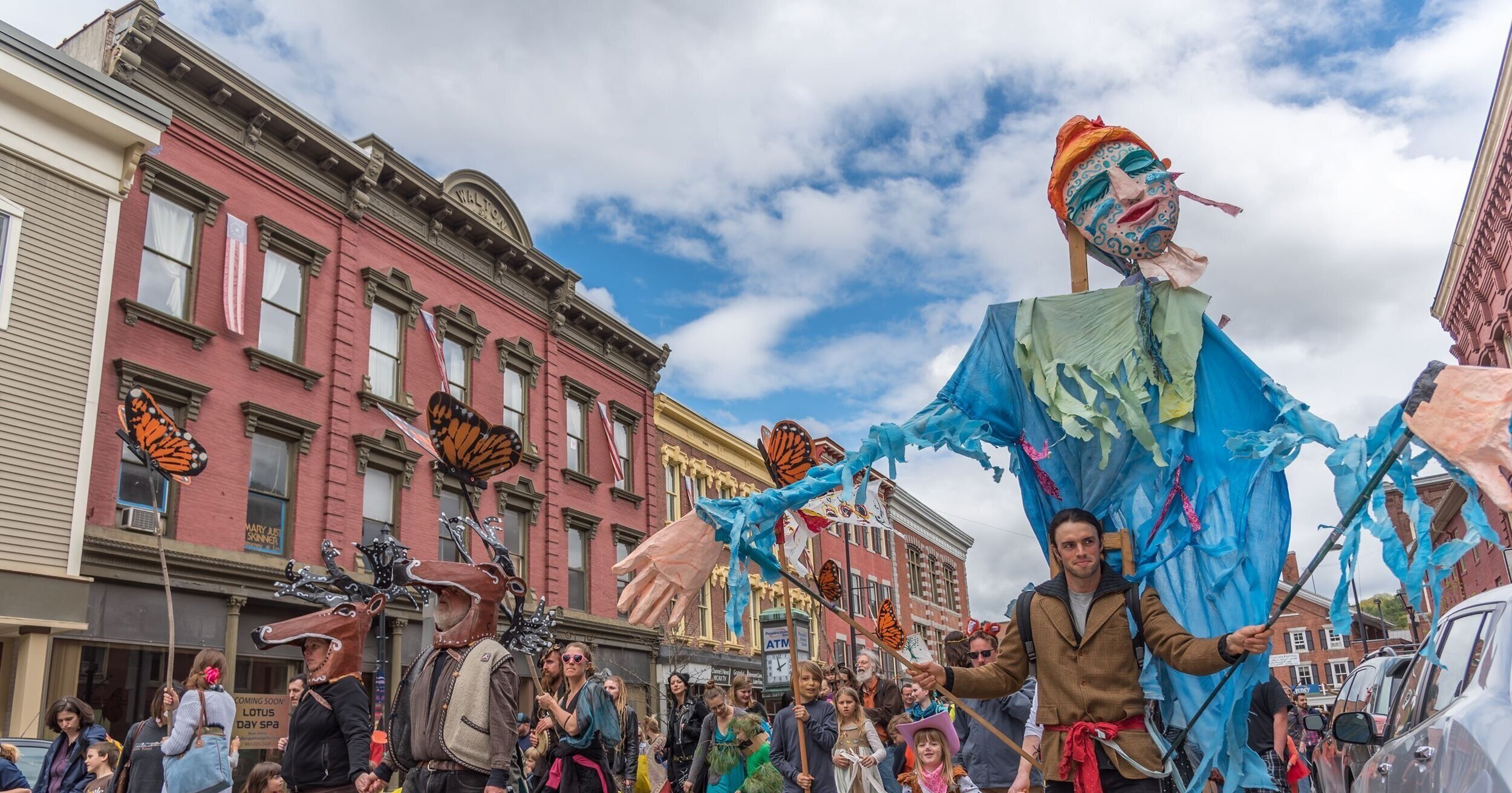
The centerpiece of the planning process was a series of five creative visioning workshops led by teaching artists from different disciplines. These hands-on workshops were led by community members to express their vision for how art can enhance community and sense of place. Each workshop was capped off by a public event to exhibit the creative visioning works, with audience reflection time to gather input for the master plan.
WHAT
The creative visioning workshops culminated in a Master Plan and the installation of Montpelier’s first major city-funded public art work. The artwork — done by a Vermont artist and selected by a jury — was installed at the One Taylor Street Redevelopment Project in 2019.

Art on High Strategic Plan & Artist Selection
Columbus, Ohio

WHY
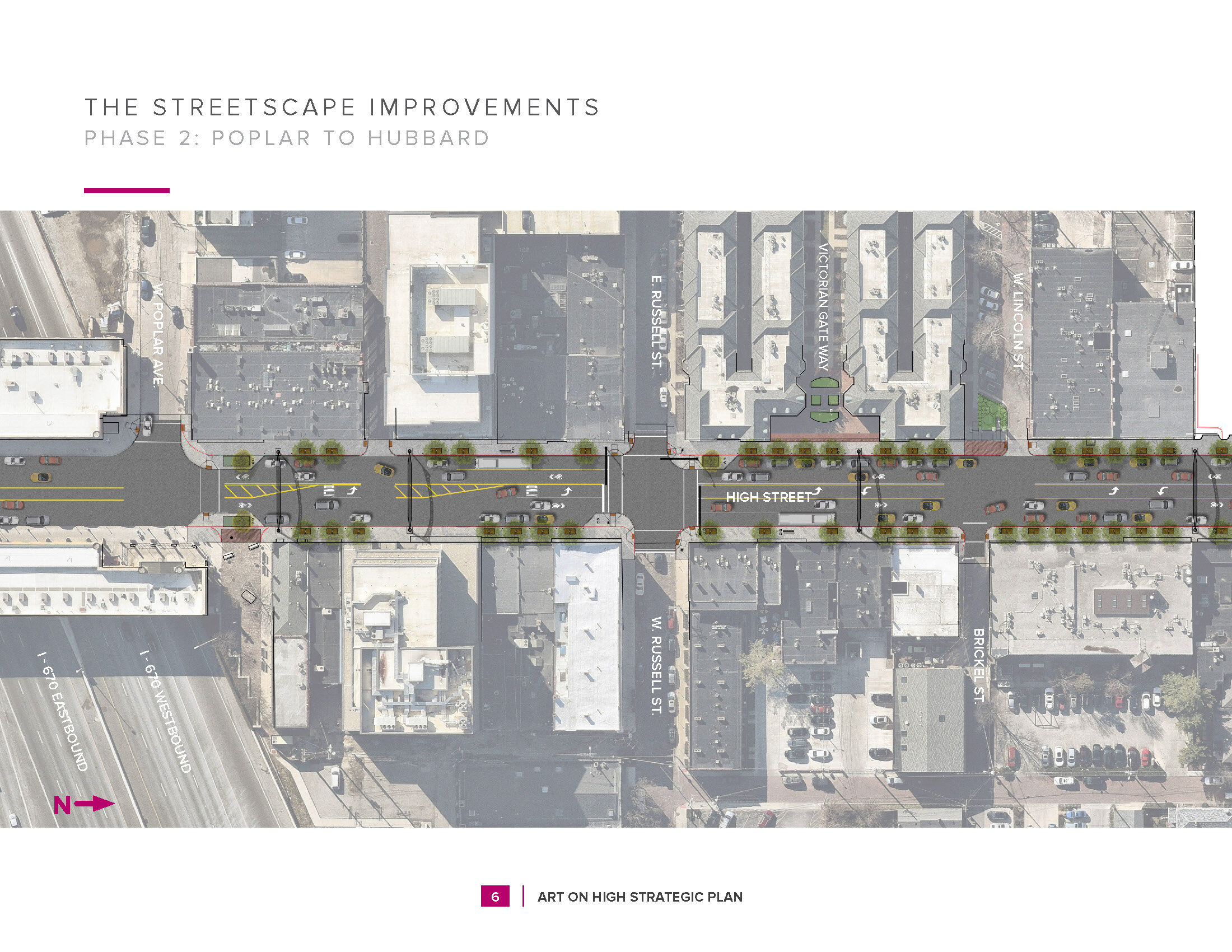
In 2010, the City of Columbus, Ohio dedicated $25 million to the High Street Streetscape Project, which will transform North High Street through the Short North Arts District and the southern University District — one of the busiest corridors in Columbus. The streetscape improvements will create a safer, more walkable, and more inclusive neighborhood by burying overhead utilities, increasing sidewalk widths, standardizing streetscape elements, upgrading lighting, adding marked crosswalks, improving stormwater management, and adding new street trees. Two percent of the total streetscape budget has been dedicated to an investment in public art.
HOW
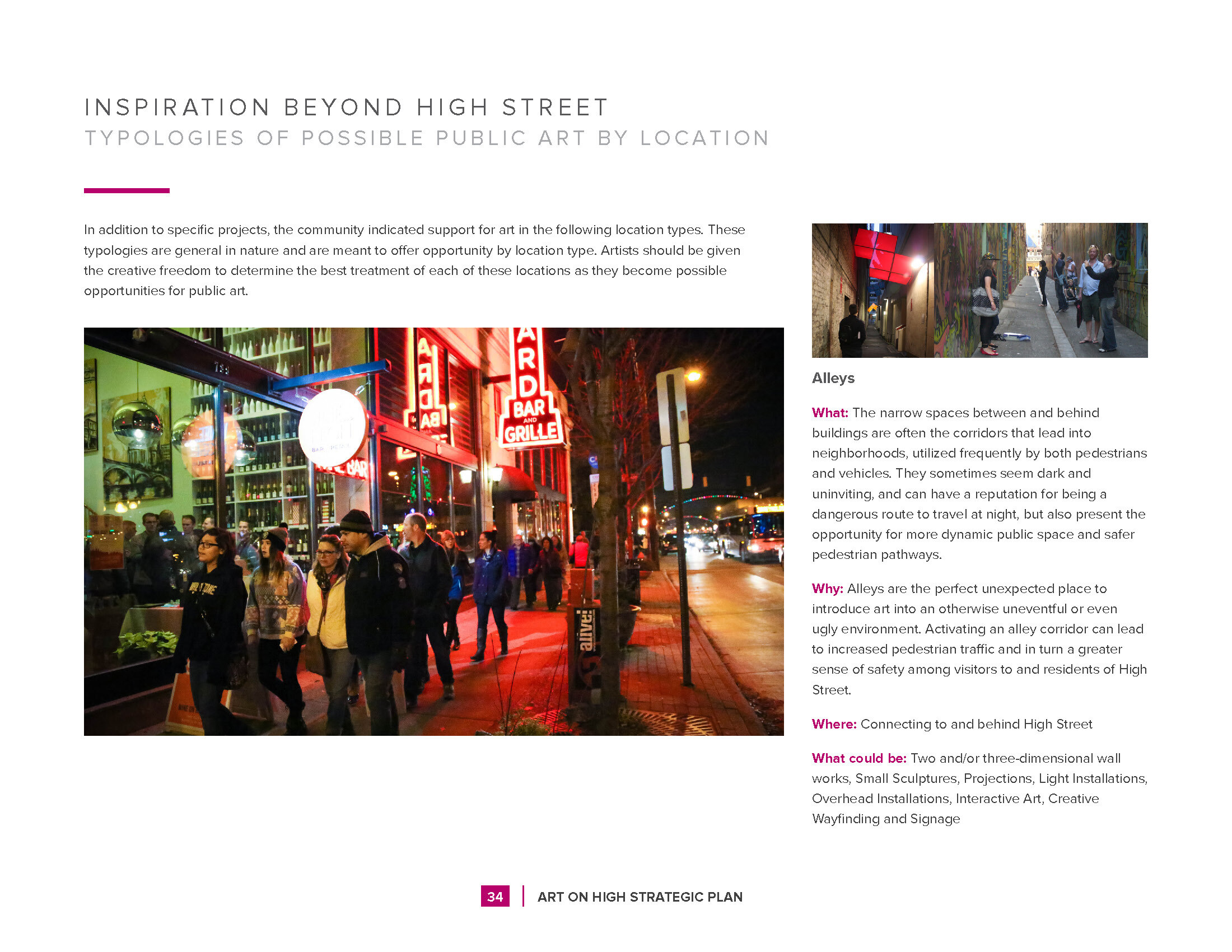
Designing Local advised the City of Columbus as it planned for its public art investment, and managed a team of three consultants. Through extensive public engagement and a thorough understanding of the current and future built environment, Designing Local selected eight locations at which to site public art along a two-mile stretch of North High Street. Each location was vetted by the Columbus Department of Public Service and the design team to ensure it would be suitable for public art.
WHAT
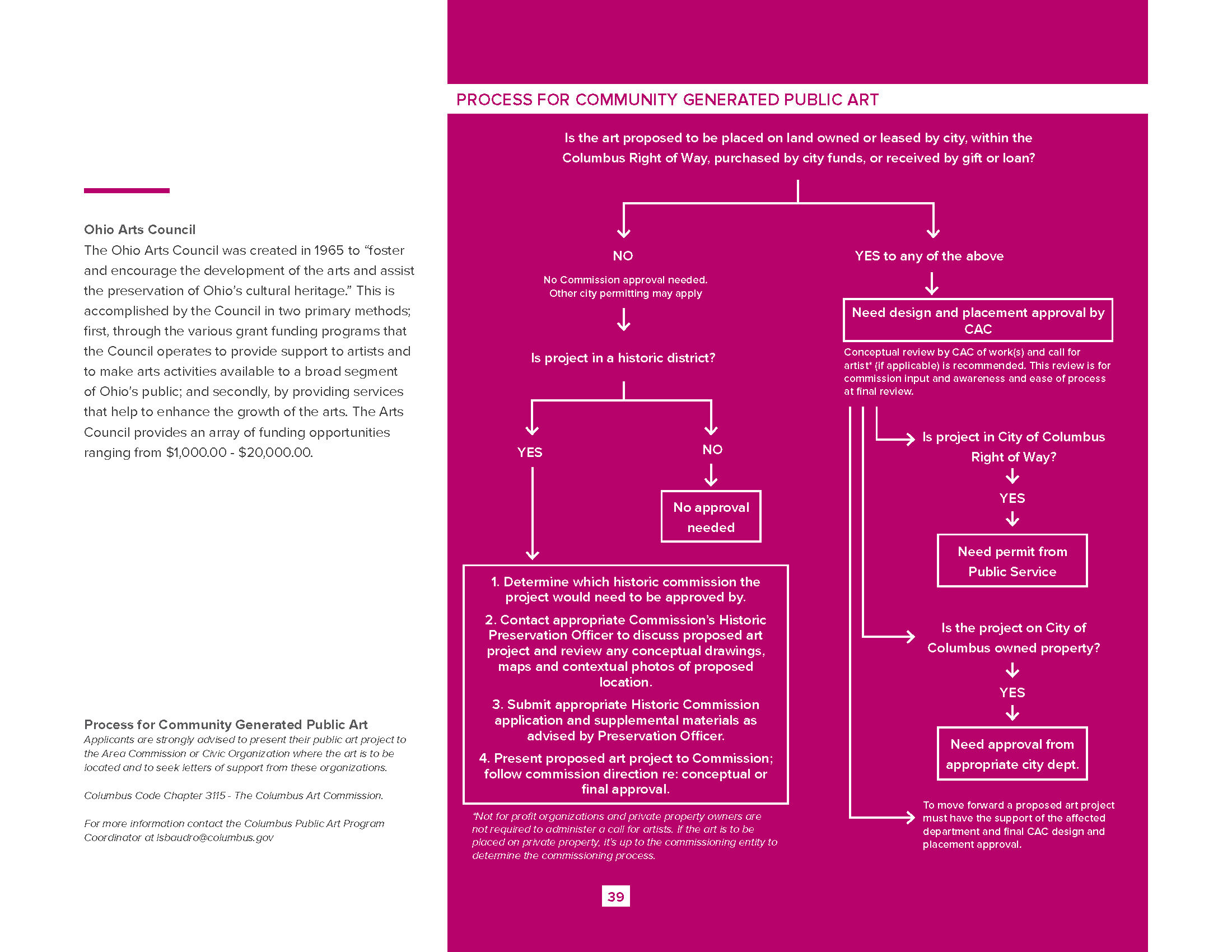
The Art on High Strategic Plan provided a vision for how public art should be featured along the corridor, and how this initial investment could be used to catalyze future such investment. In addition, the team conducted three public meetings, monthly walkabouts, and extensive stakeholder interviews to determine what the community would like to see on the site. Designing Local then managed a call for artists and jury process, from which artist Mark Reigelman was selected. His ‘Makers Monument’ was installed in July 2021.
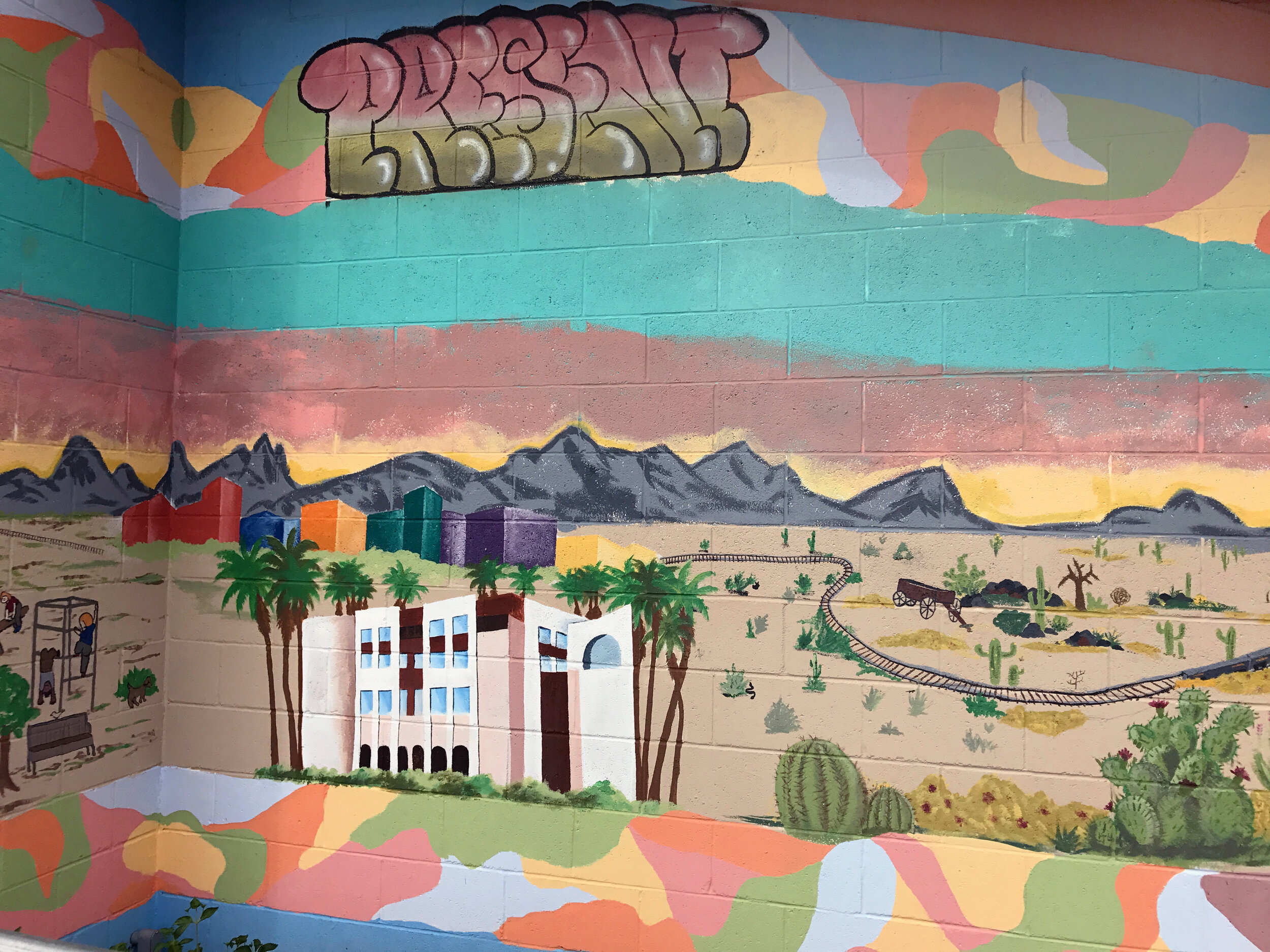
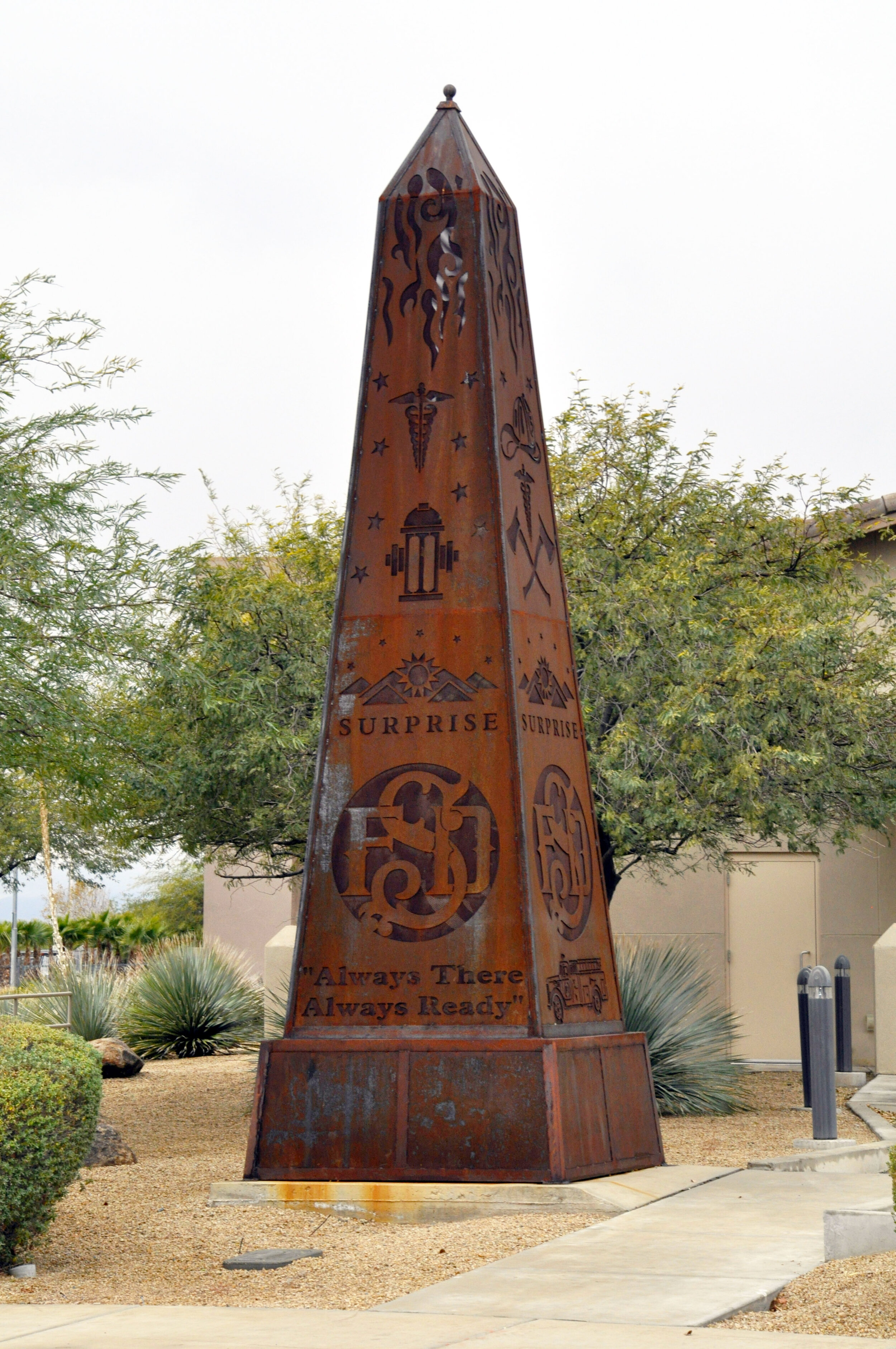
Surprise Arts & Culture Master Plan
Surprise, Arizona

WHY
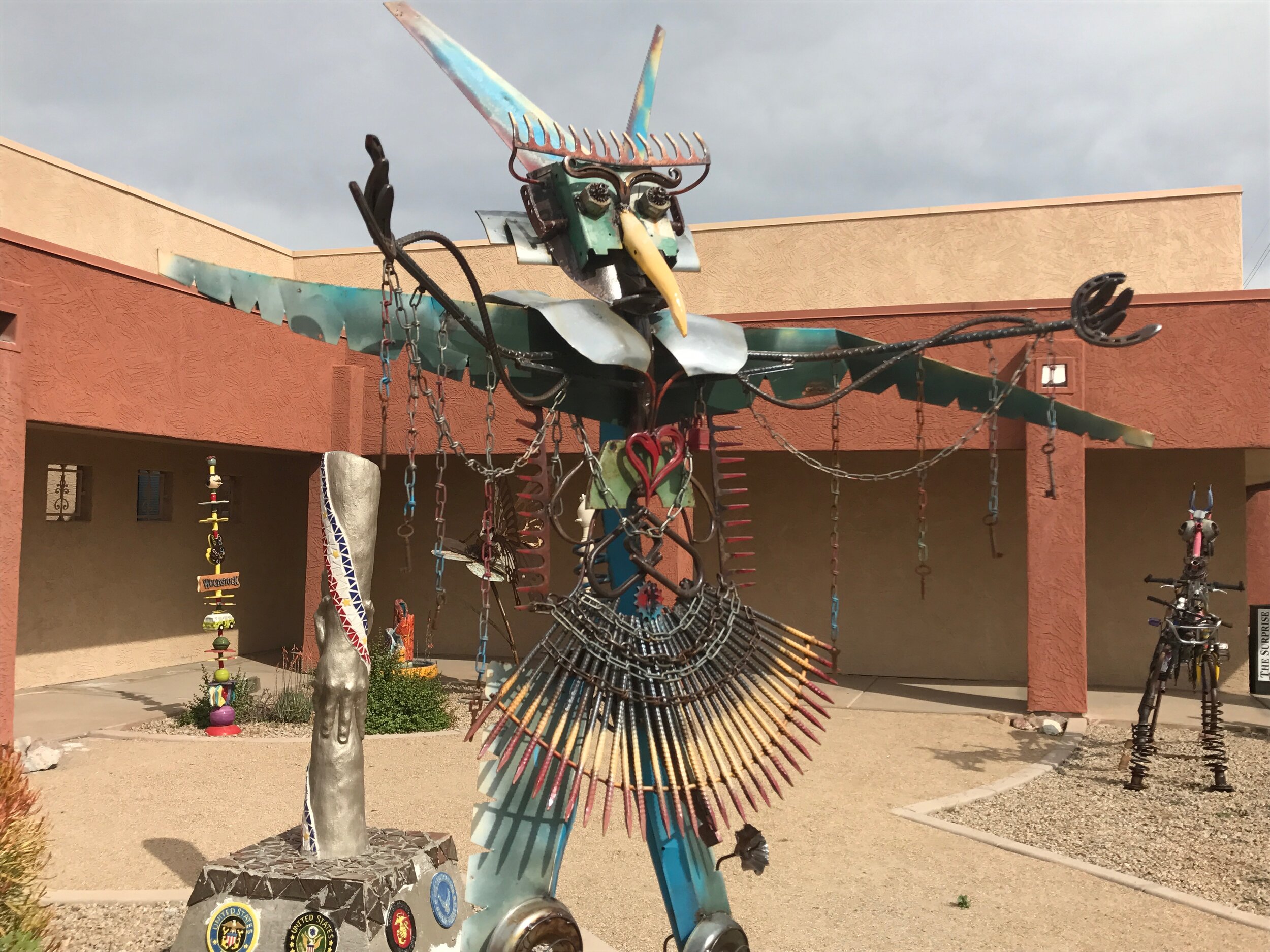
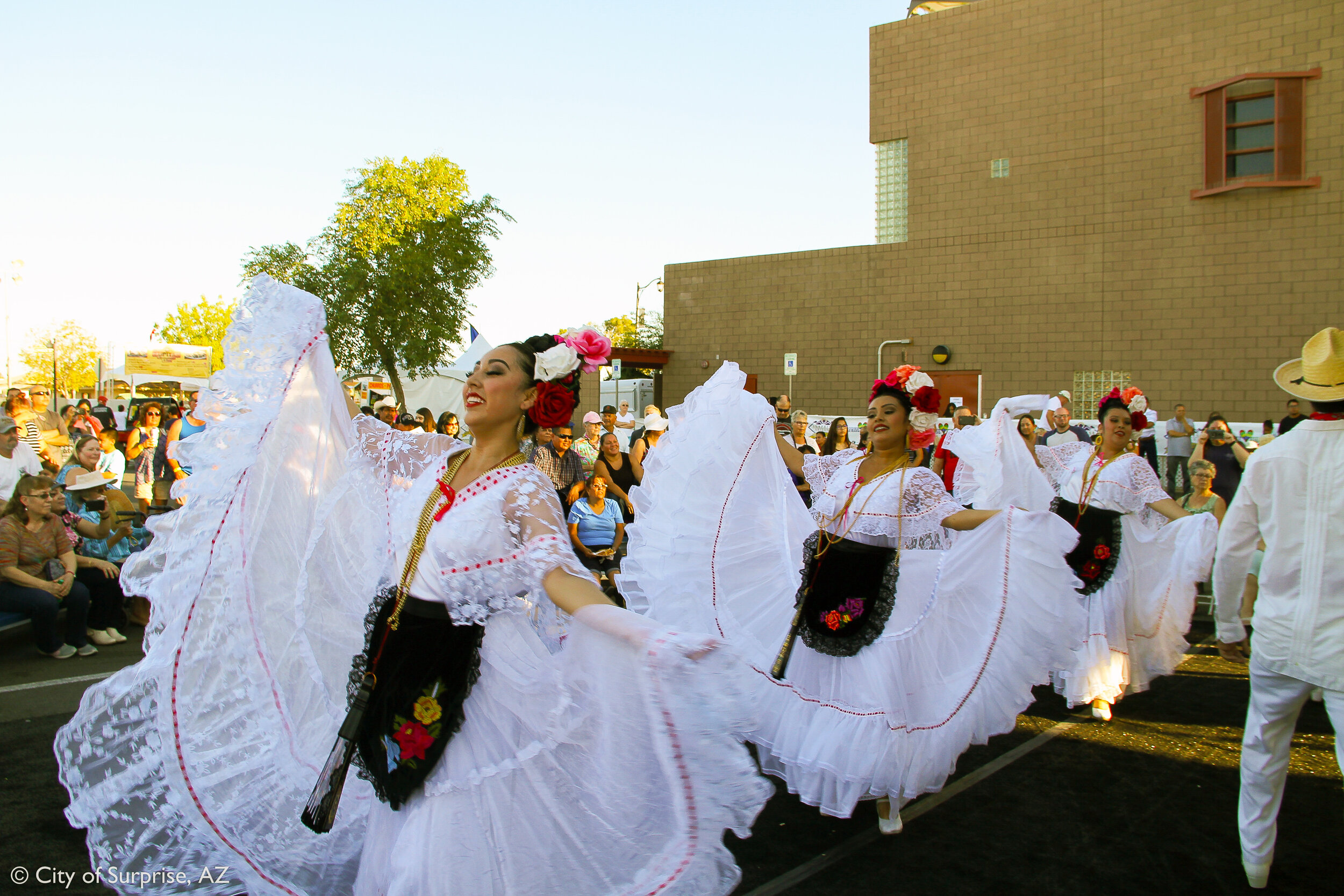
Surprise, Arizona is a city in the West Valley of the Phoenix Metro Region whose leaders are looking to arts and culture to help define their vast and growing metro area. Current plans forecast that by 2050, today’s 125 square miles will expand to 400+, and today’s 125,000 residents will increase to 500,000. This projected growth provides an opportunity for the city to proactively ensure new development is interspersed with arts and culture reflecting the city and its people.
HOW
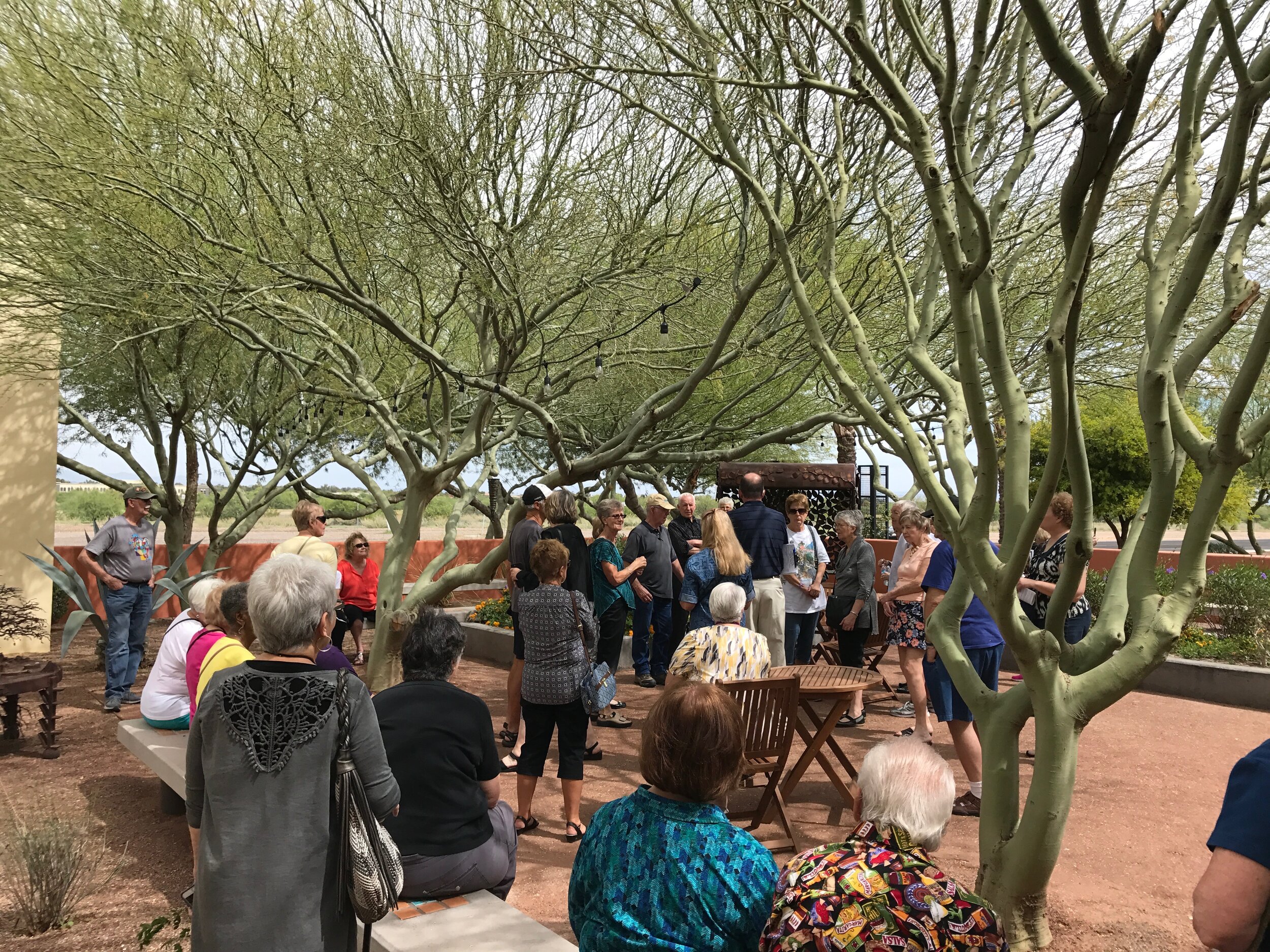
Great care was paid to integrating the Public Art Master Plan with other planning efforts, such as the Park and Recreation Master Plan, to ensure that it could be easily implemented alongside others as the city grows and develops. Due to the large scale of the population and land area, the team focused on making public engagement accessible and diverse. From baseball spring training to public art bus tours, the team provided interesting engagement opportunities that met the needs of a community whose population includes large numbers of young families and retirees.
WHAT
The Surprise Public Art Master Plan covers topics ranging from recommendations on how to bring more publicly- and privately-supported public art to the city to encouraging the development of large-scale cultural venues. The plan helps solidify the role of art and culture in the future of Surprise.

University District Arts & Character Plan
University District Organization | Columbus, Ohio

WHY
“Time” and “change” aren’t just words in The Ohio State University’s alma-mater, they are words that perfectly capture the University District neighborhood. As the ever-evolving place transitions into another new era, long-term residents and businesses want to ensure the spirit of the community lives on for the next generation. The University District Organization took action to ensure that new buildings had ample public art offerings and new residents had myriad opportunities to engage with the arts.
HOW
A diverse community necessitates diverse engagement. In the University District, this meant targeted outreach to artists and performers through Music, Visual Arts, Culture, and History workshops hosted at various music, art, and poetry venues. Additionally, residents, students, and others who cared about the neighborhood were provided online and in-person opportunities to share ideas about how its spirit could be better reflected in the built environment.
WHAT
The University District Arts and Character Plan generated targeted recommendations to add public art to the neighborhood and bolster existing performing arts and music venues. A ‘Music Trail’ concept modeled on other successful marketing efforts — but with an artistic twist — will help drive attendance to existing music venues. Additional recommendations include specific locations for art pieces to be added, as well as possible future art trails and installations.

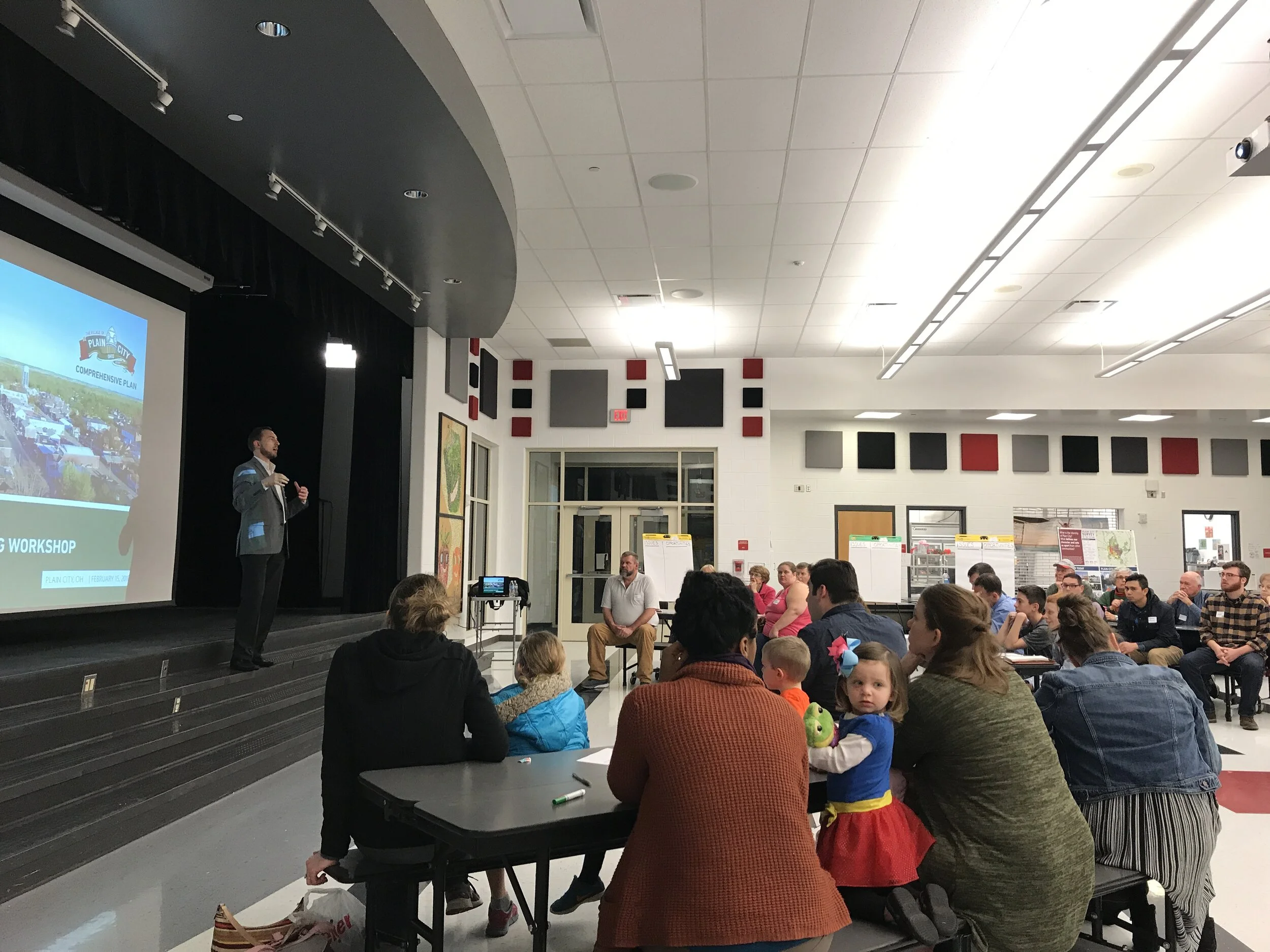
Plain City Survey on the Future
Plain City, Ohio

WHY
Plain City’s Comprehensive Plan Committee wanted to survey residents and other community stakeholders to uncover their vision for the village’s future and establish a baseline of their opinions to help shape the Plain City Comprehensive Plan.
HOW
Designing Local worked to gain widespread community participation in the ‘Survey on the Future’ by distributing business cards about it at the 4th of July and Steam Threshers parades and posting door tags on homes throughout the village. More than 600 village residents and 400 other stakeholders ultimately took the survey — a far greater response than had previously been achieved.
WHAT
The results were compiled into a ‘Survey on the Future’ final report, which was presented to Council and also released to the public.
Plain City Community Plan
Plain City, Ohio
WHY
Plain City was a community at a crossroads. The village celebrated its Bicentennial in 2018 and achieved ‘city’ status in 2020; it is anticipated that the next 30 years will bring it significant residential and commercial growth. Plain City is a community that cherishes its history and small town feel so, in order to guide the growth that is sure to come, the village undertook a comprehensive planning process.
HOW
The yearlong project began with a community engagement process that built on Designing Local’s previous surveying efforts. Through community engagement, we identified historic preservation and the revitalization of Uptown Plain City as vitally important to residents and other stakeholders.
Designing Local led the historic preservation portion of the planning process, and subsequent recommendations. As part of the process, we inventoried historic buildings in the Uptown area to assist in future National Register nominations and identify significant buildings and collections of buildings for the plan.
WHAT
The 2018 Bicentennial Community Plan is a Comprehensive Plan for Plain City will guide development and decision-making there for the next 10 to 20 years.
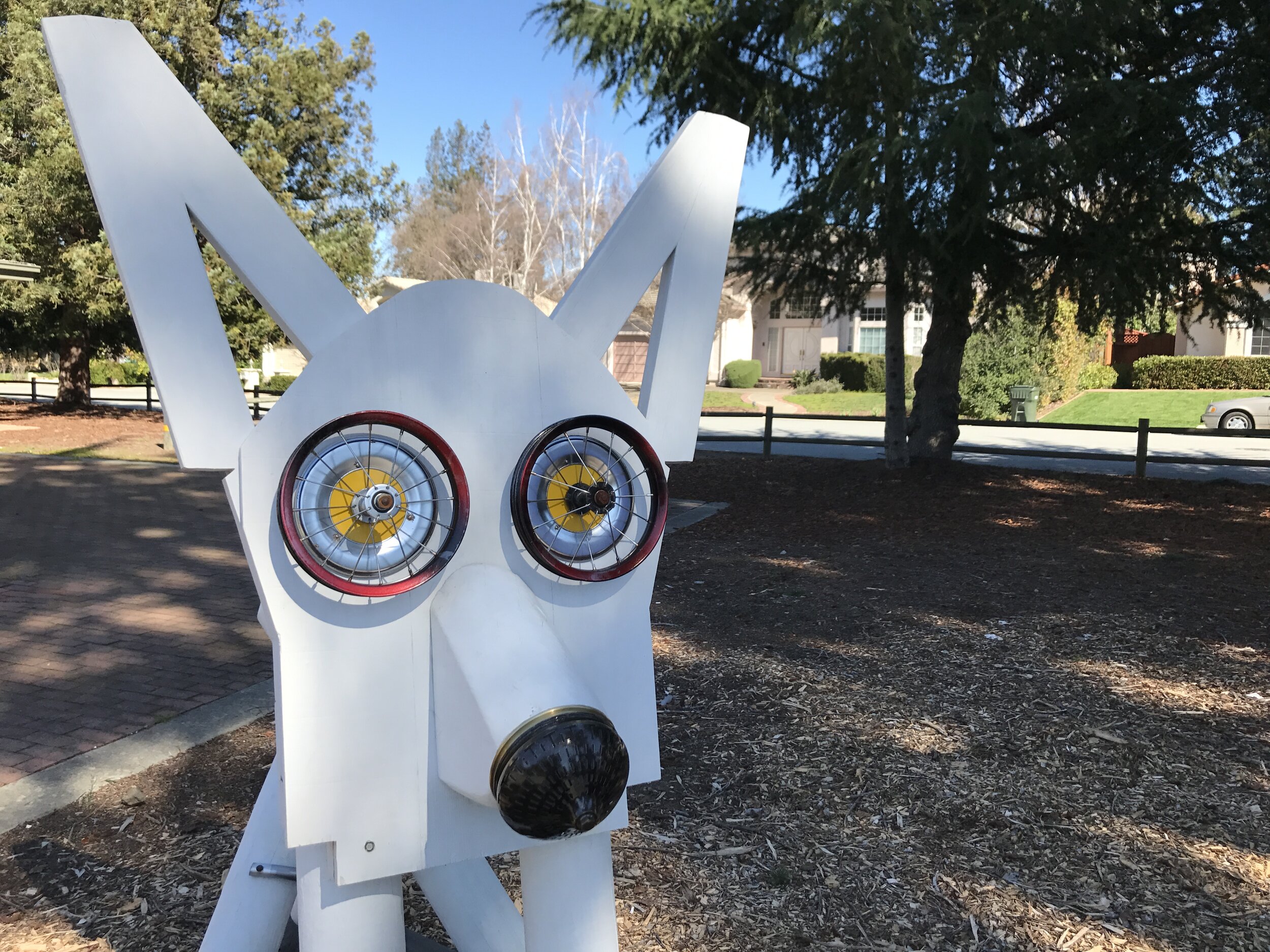
Los Altos Public Art Master Plan
Los Altos, California

WHY
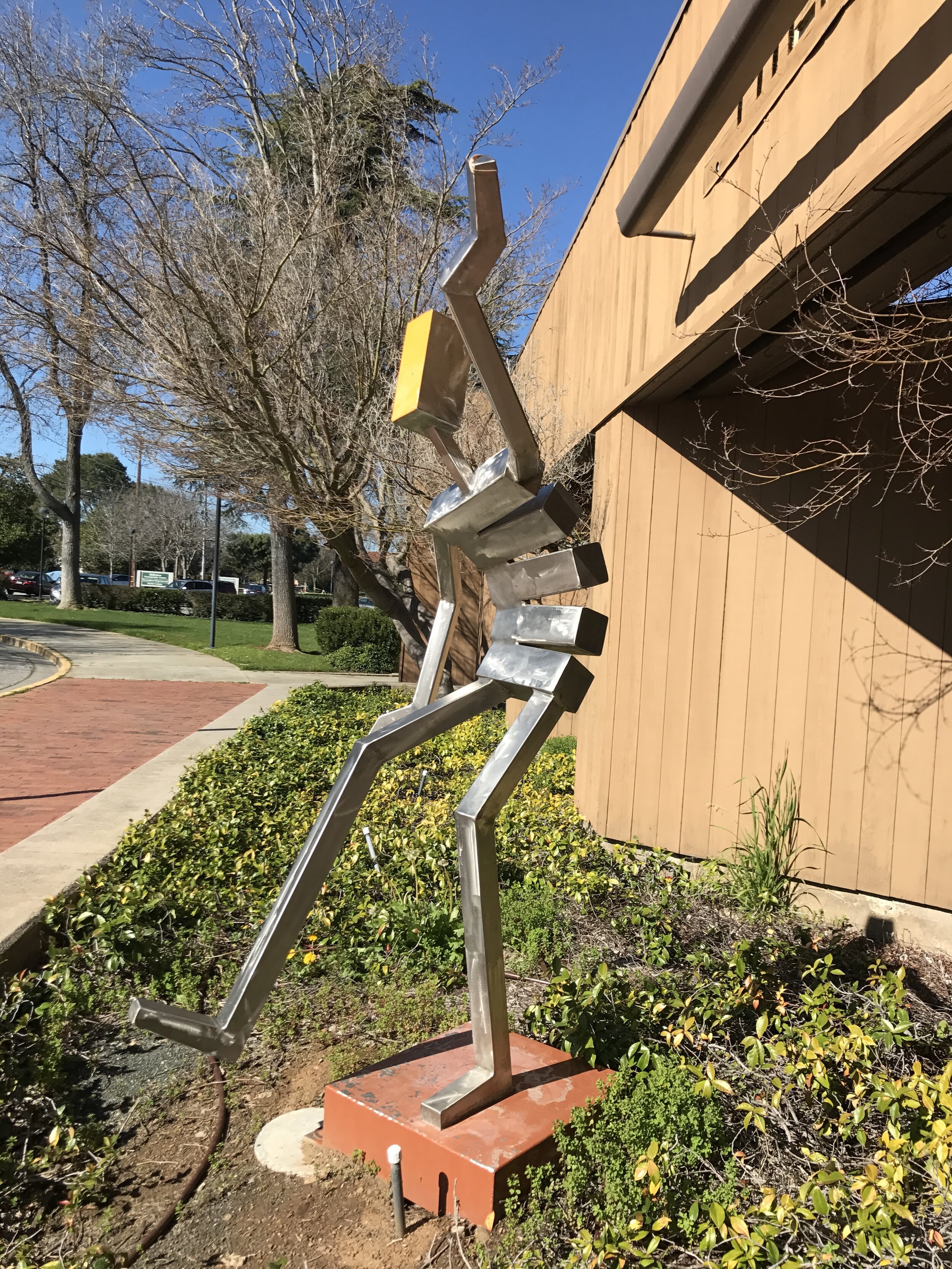
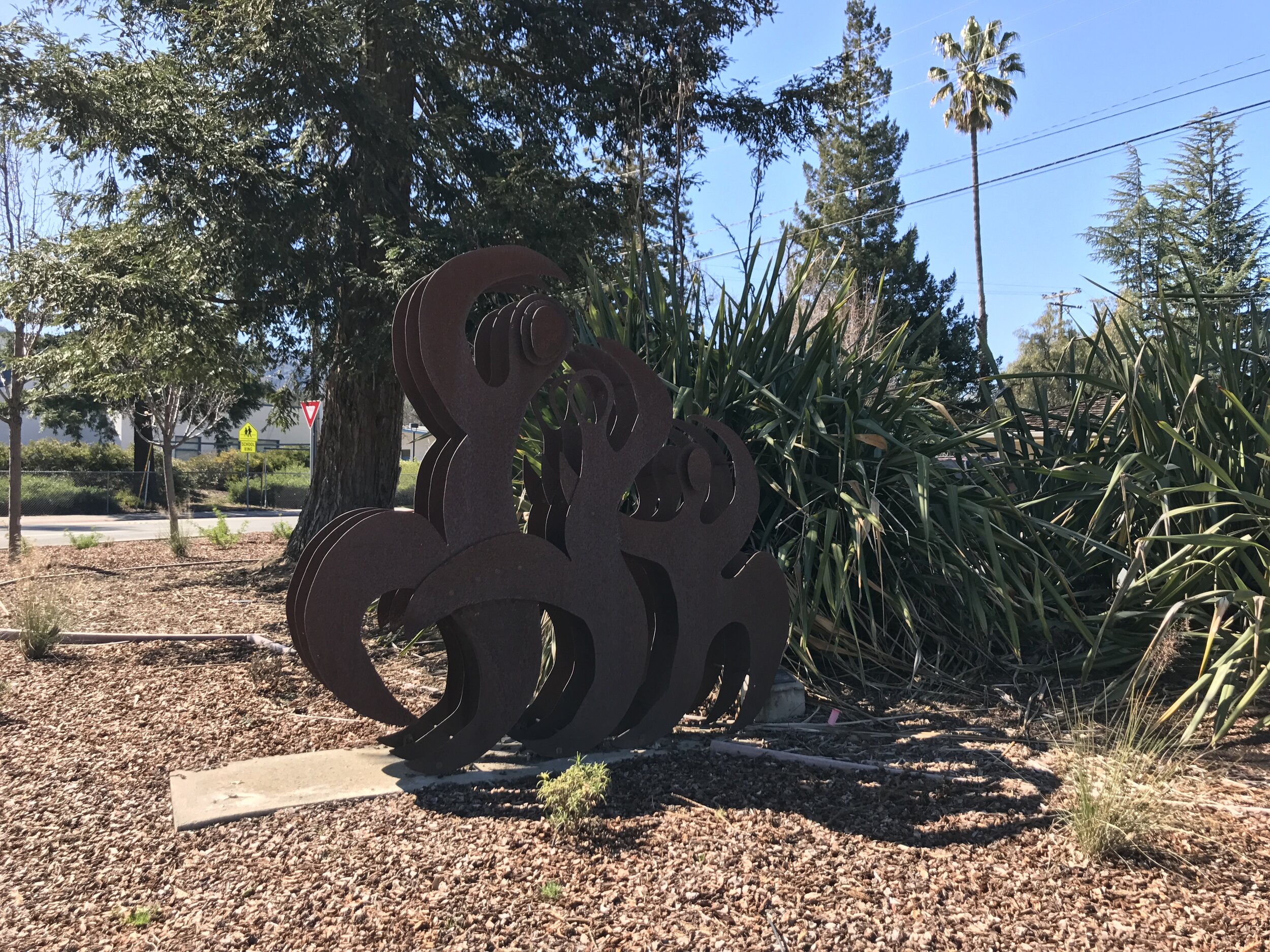
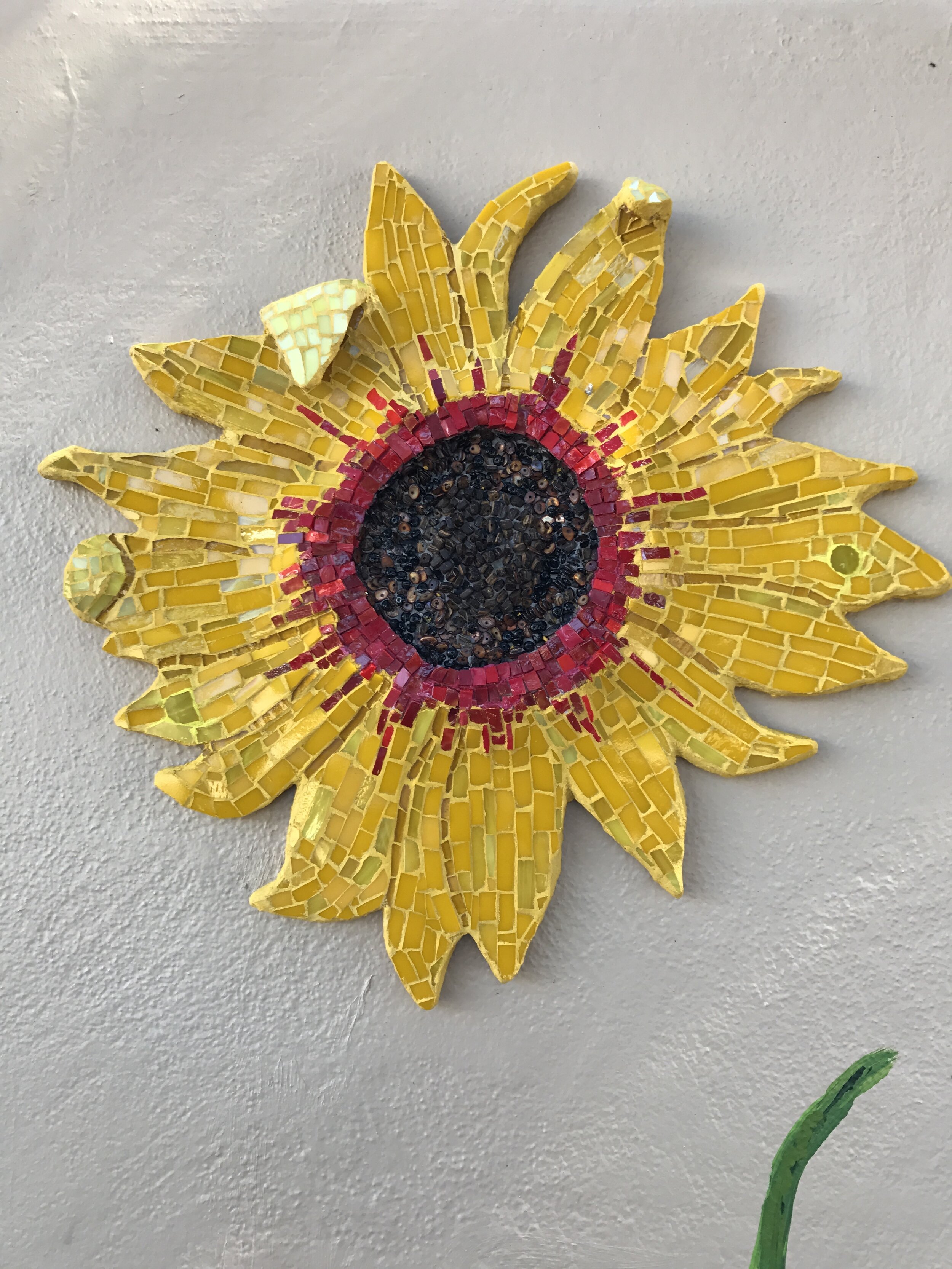
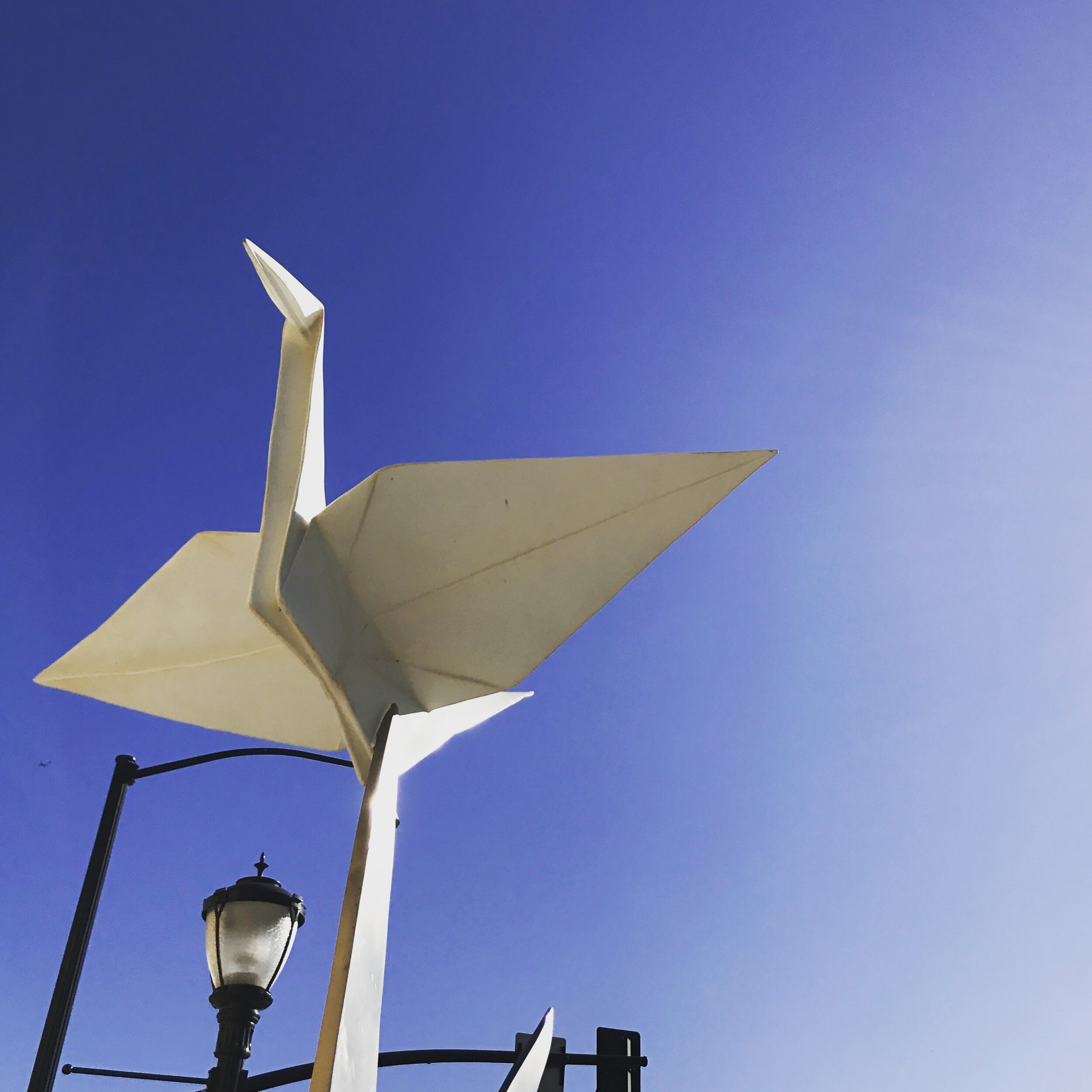
For more than 25 years, the City of Los Altos, in the heart of Silicon Valley, has boasted a thriving public art program. As of 2017, their collection featured more than 35 pieces that had either been purchased by the city or were part of the Sculpture on Loan program. The Arts Commission and Council at the time decided a Public Art Master Plan was necessary to further enhance their city’s identity and sense of place.
HOW
Because Los Altos is populated by highly tech-oriented residents, public engagement activities included a project website and an online survey, coupled with an open house and community discussion with a public artist who presented her method for creating site-specific work.
WHAT
The Los Altos Public Art Master Plan focused on developing funding strategies and conceptual projects and programs, as well as public art maintenance and gifting policies.

Roswell Public Art Master Plan
City of Roswell, Georgia
WHY
Roswell, Georgia was at a crossroads. As a historic community in the fast-growing Atlanta region, Roswell was determined to embrace its historic past while showcasing its emerging identity through new development. City leaders here desired a unique process for engaging with residents and businesses that would help build support for public art in the future.
HOW
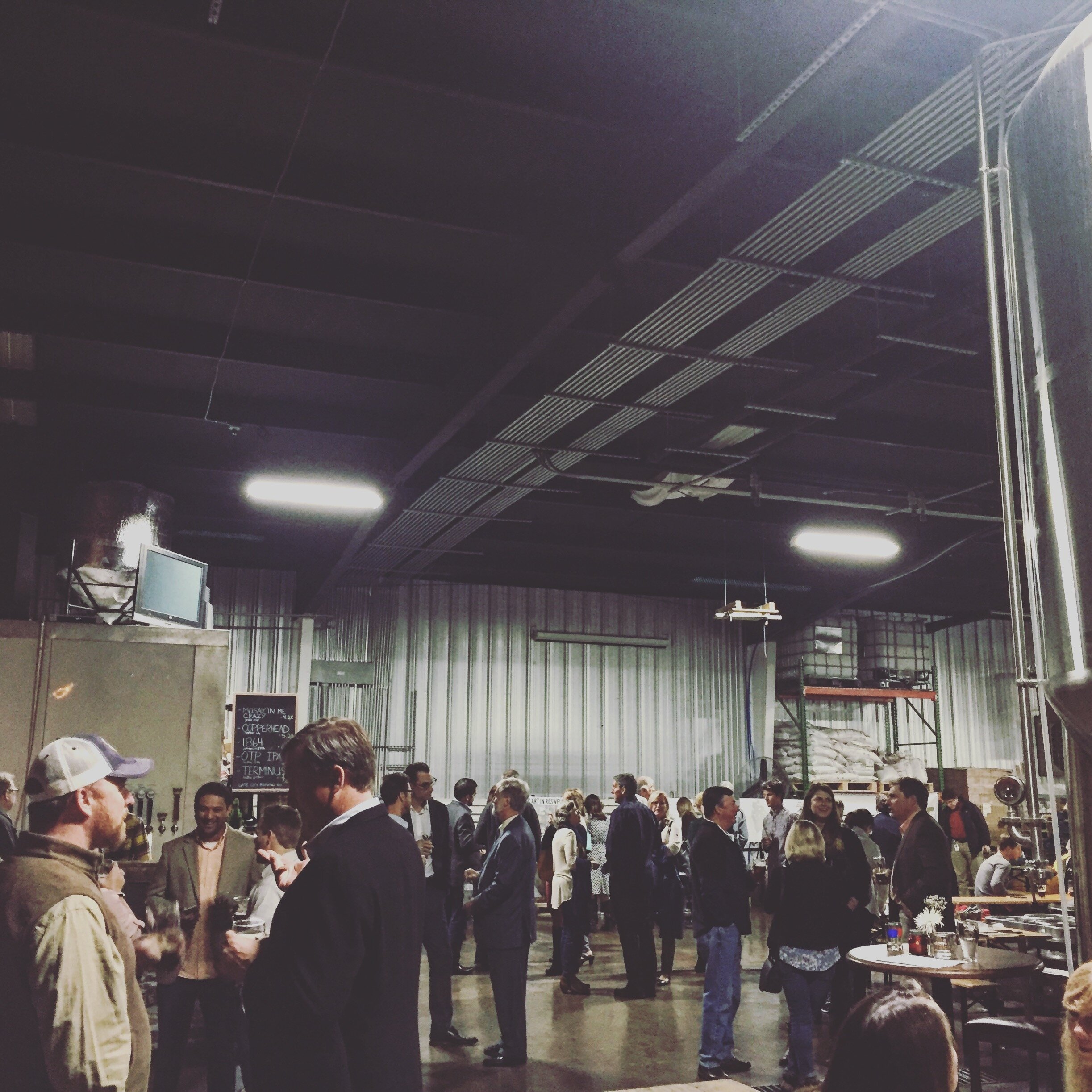
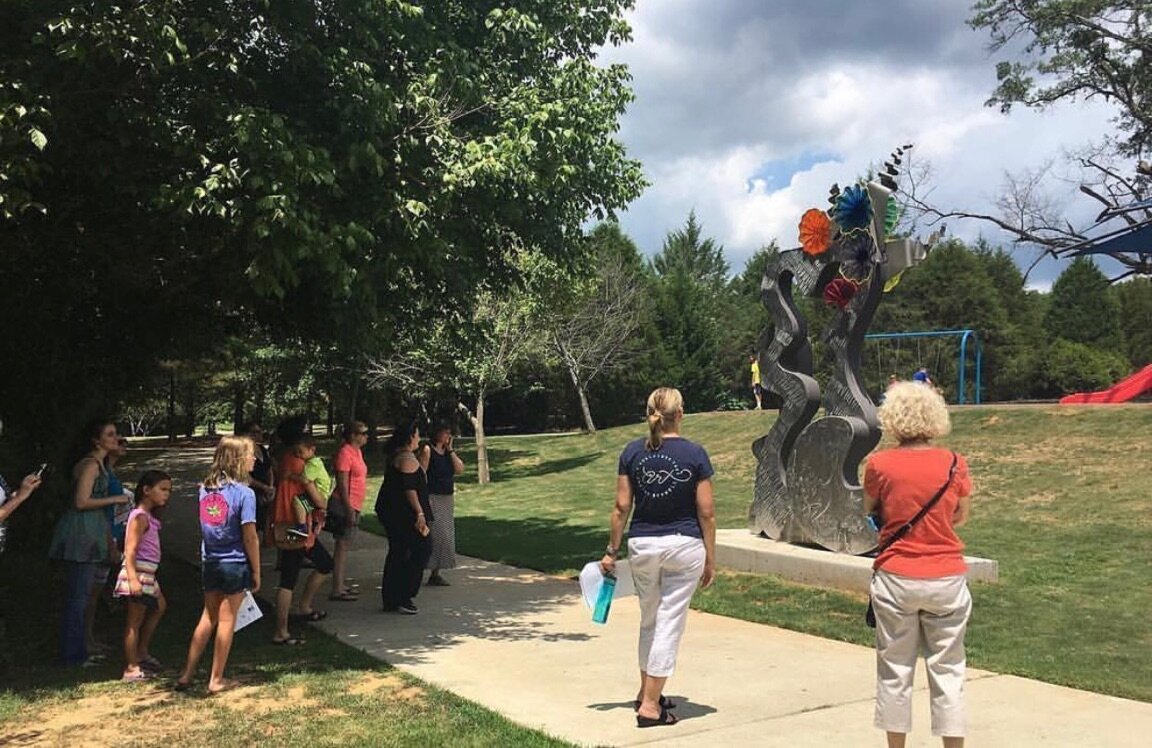
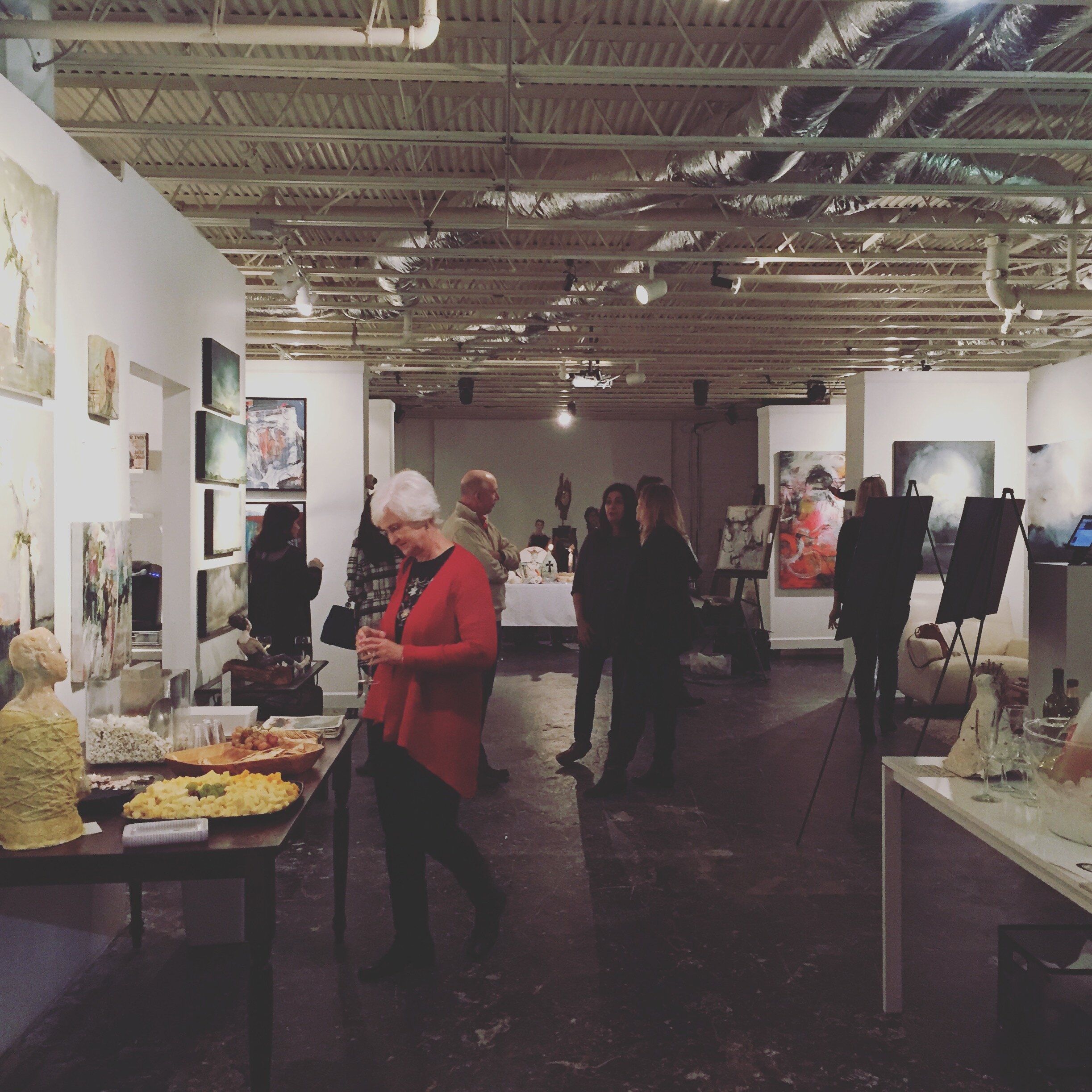
In Roswell, public engagement took many interesting and unusual forms. It was especially important, given its fractured political environment, to engage and education a representative array of stakeholders. From local breweries — which even concocted a small batch ‘Roswell Arts Fund’ beer — to high school classrooms, the team focused on meeting people where they were. Through this targeted outreach, we were able to ensure that all factions of the community were engaged in and supportive of the final plan.
WHAT
The Roswell Public Art Master Plan was adopted in July of 2017. It focused on two key strategic goals: prioritization of art types and sites, and public education for future policy changes (i.e., a 'percent for the arts’ ordinance).

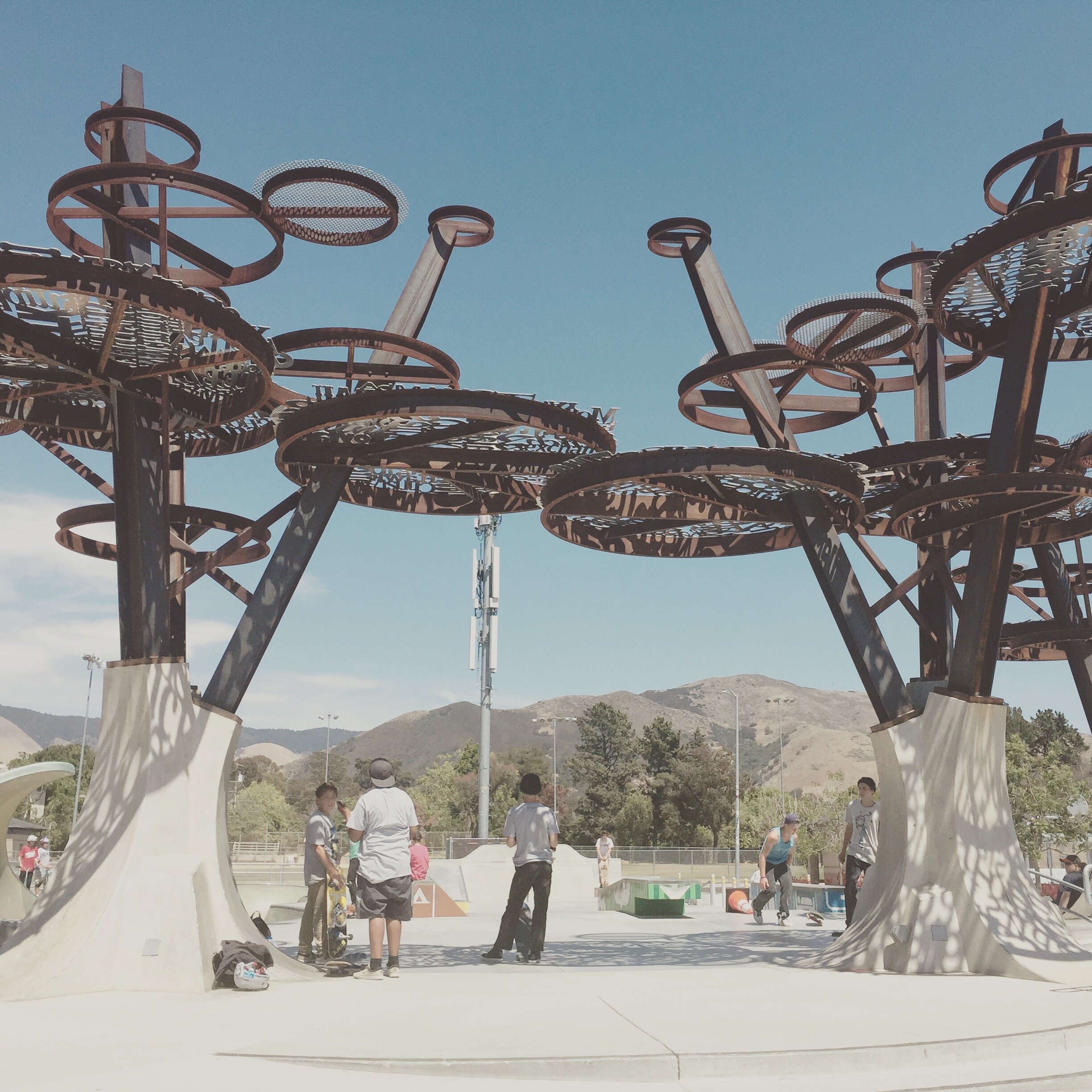
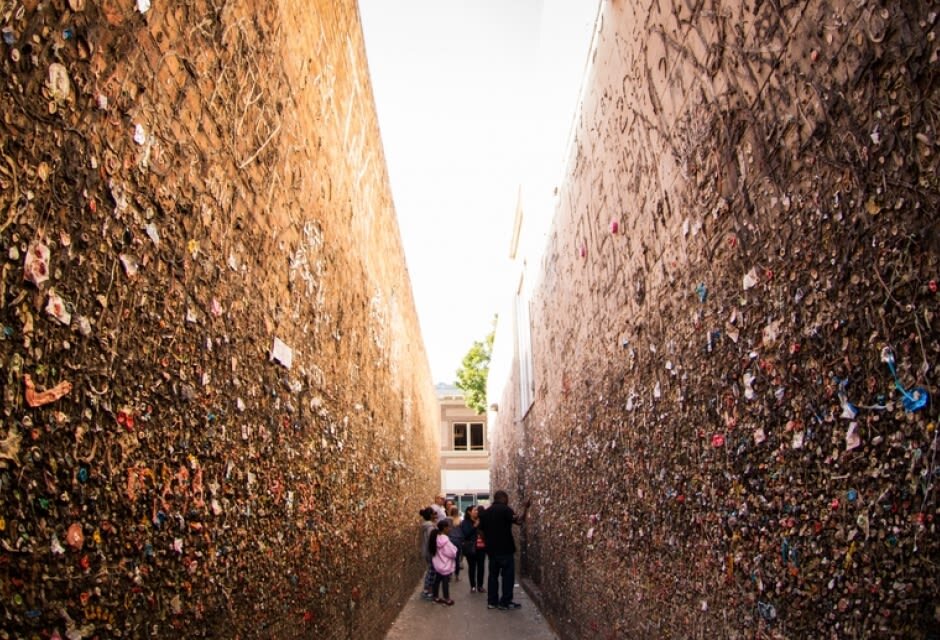
San Luis Obispo Public Art Master Plan
San Luis Obispo, California
WHY
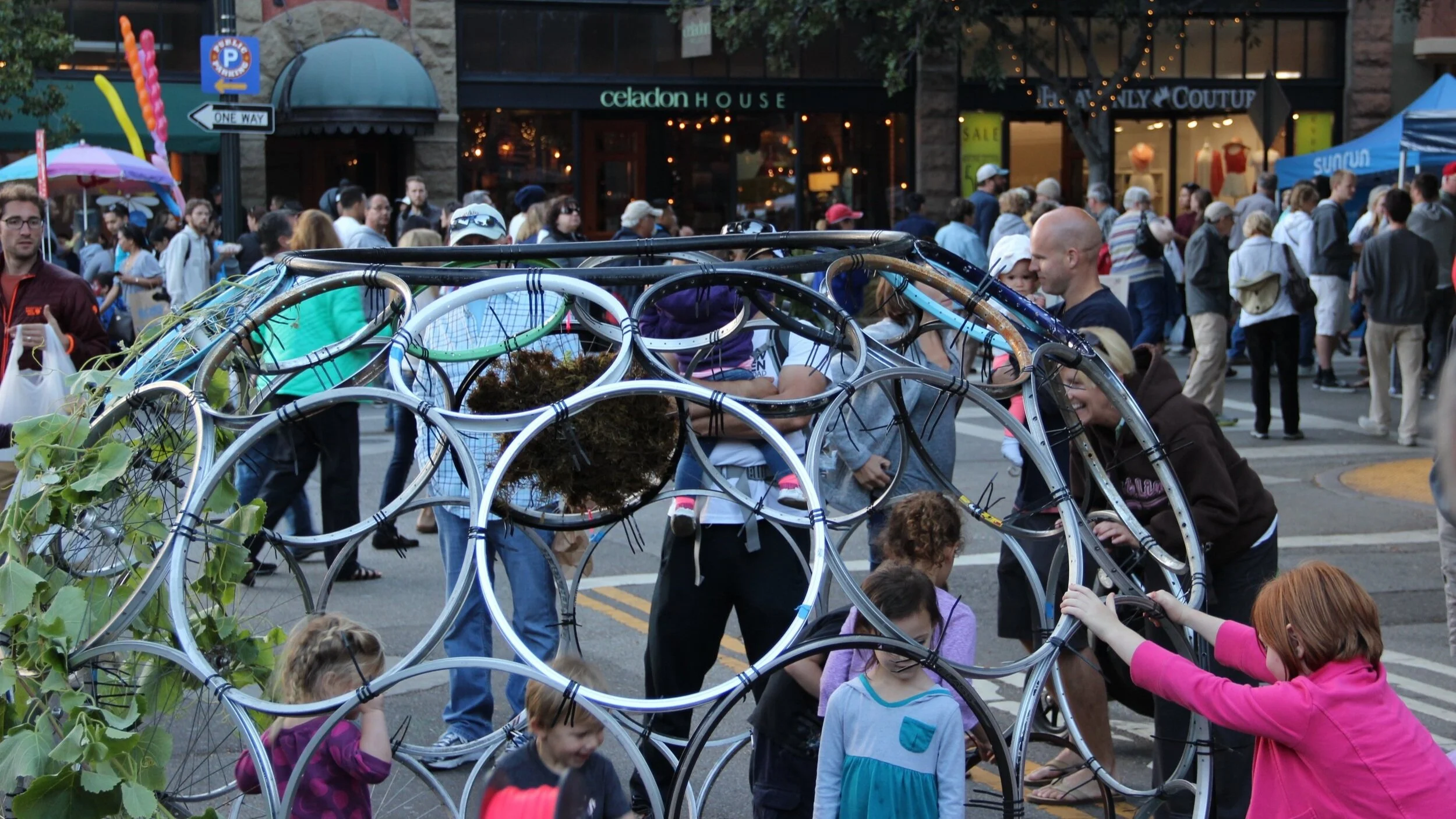
San Luis Obispo’s vision for public art stems from a long legacy of public art champions and more than 25 years of investment in the arts at a citywide level. In 1990, the city established and funded a public art program by requiring that 1% of the estimated construction cost of eligible projects in the Capital Improvement Plan be set aside for public art. To build upon their strong legacy of public art and cast a vision for the next 25 years, the city decided to seek community input in 2016.
HOW
To kick off the planning process, stakeholders were asked a series of questions about how public art relates to their sense of place, to the overall identity of San Luis Obispo, and to economic growth, business development, education, downtown development, and community engagement. They were then asked to consider where new pieces of public art should go and what types of art they would like to see in their community. They also discussed attributes that make San Luis Obispo stand out among other Central Coast communities, California communities, and the rest of the United States. In addition to the three public meetings, engagement opportunities also took place at an elementary after-school program, during a middle school lunch break, and during regularly scheduled San Luis Obispo High School art classes. An online survey was conducted to capture the ideas of those who were unable to attend the workshops in person.
WHAT
The Public Art Master Plan was adopted by City Council in December 2016. Recommendations from the plan include increasing Art in Public Places funding, developing a full time Public Art Manager position within the Parks and Recreation Department, and developing a maintenance and conservation plan.

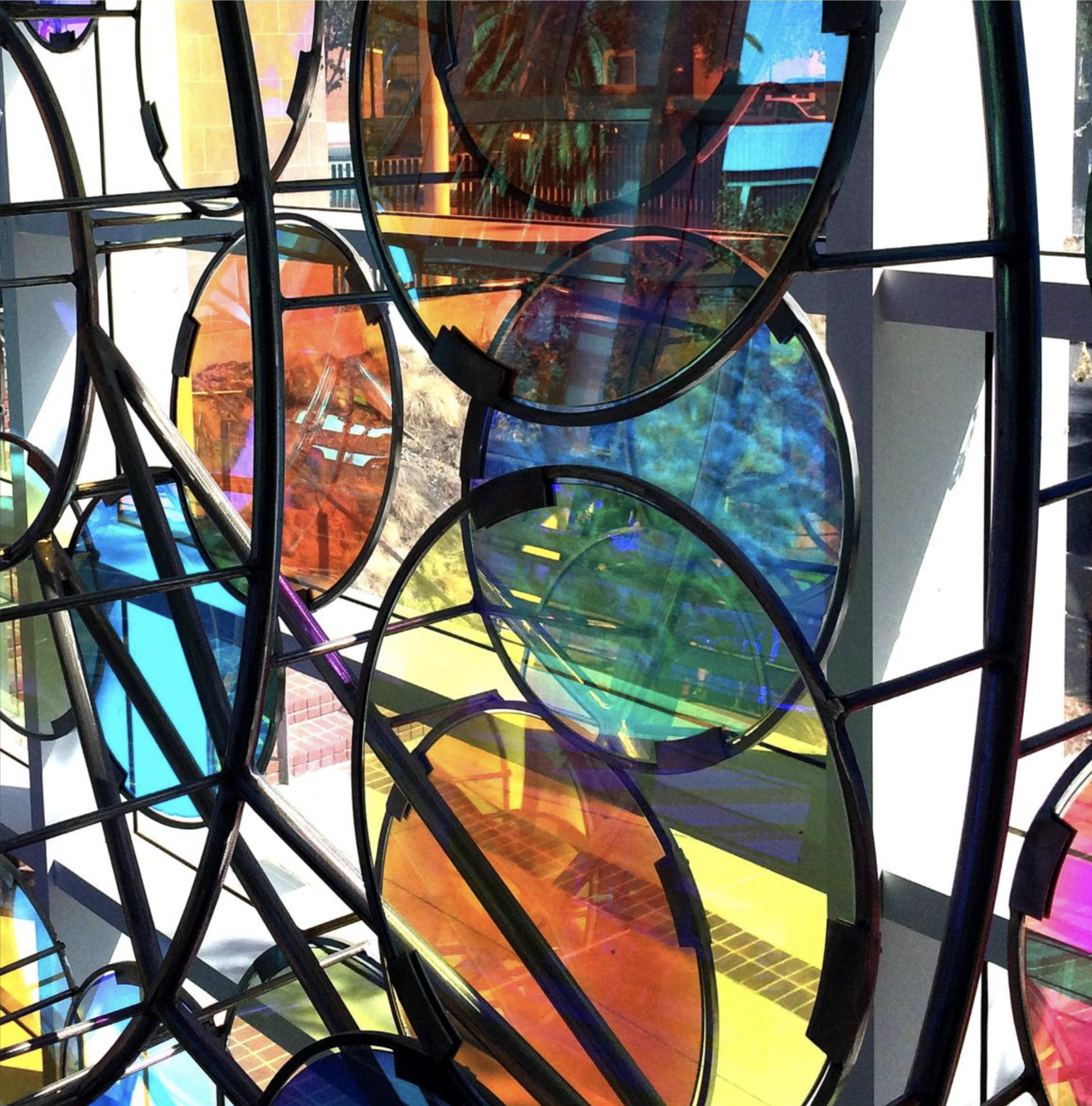
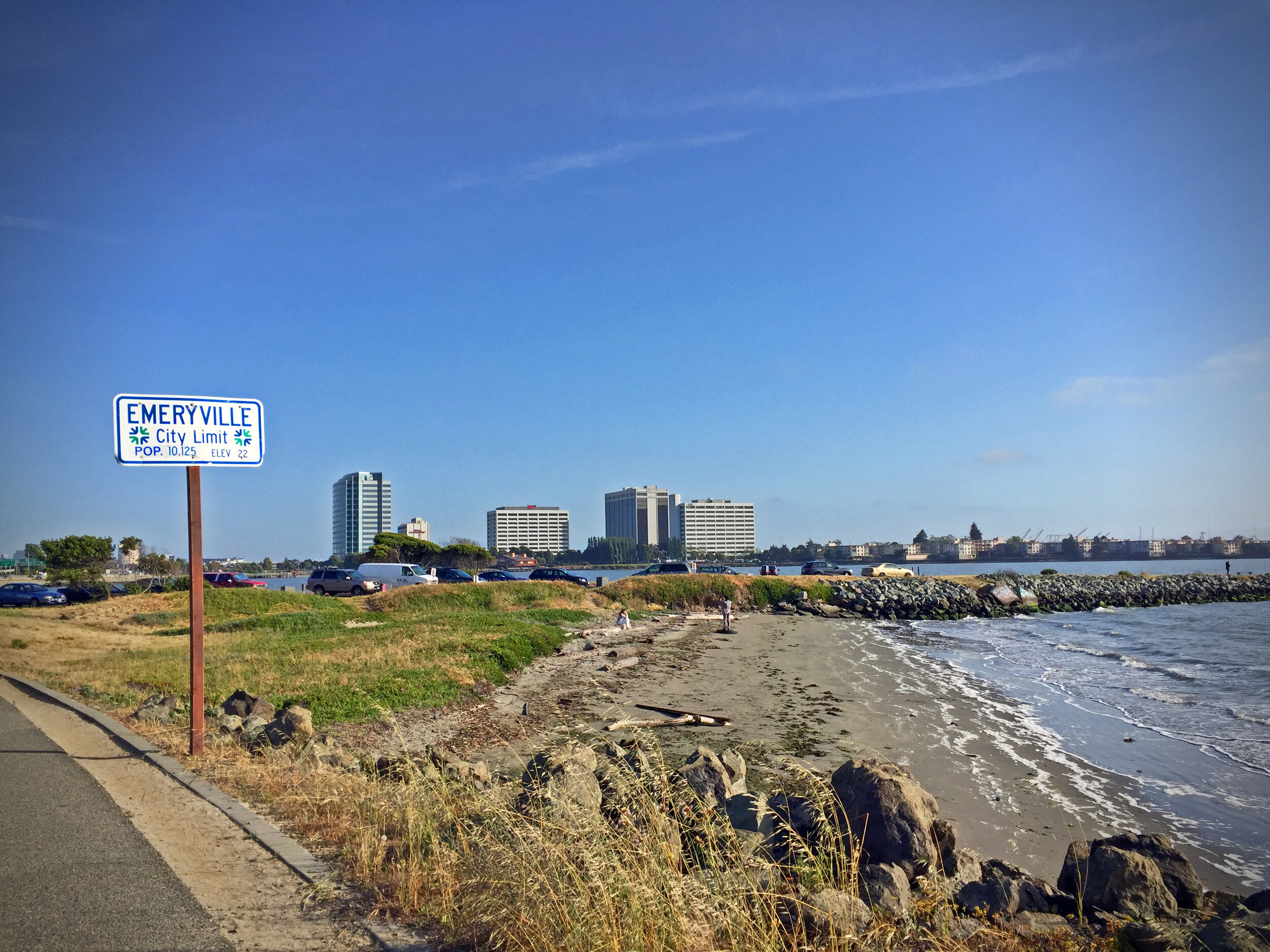
Emeryville Public Art Master Plan
Emeryville, California
WHY
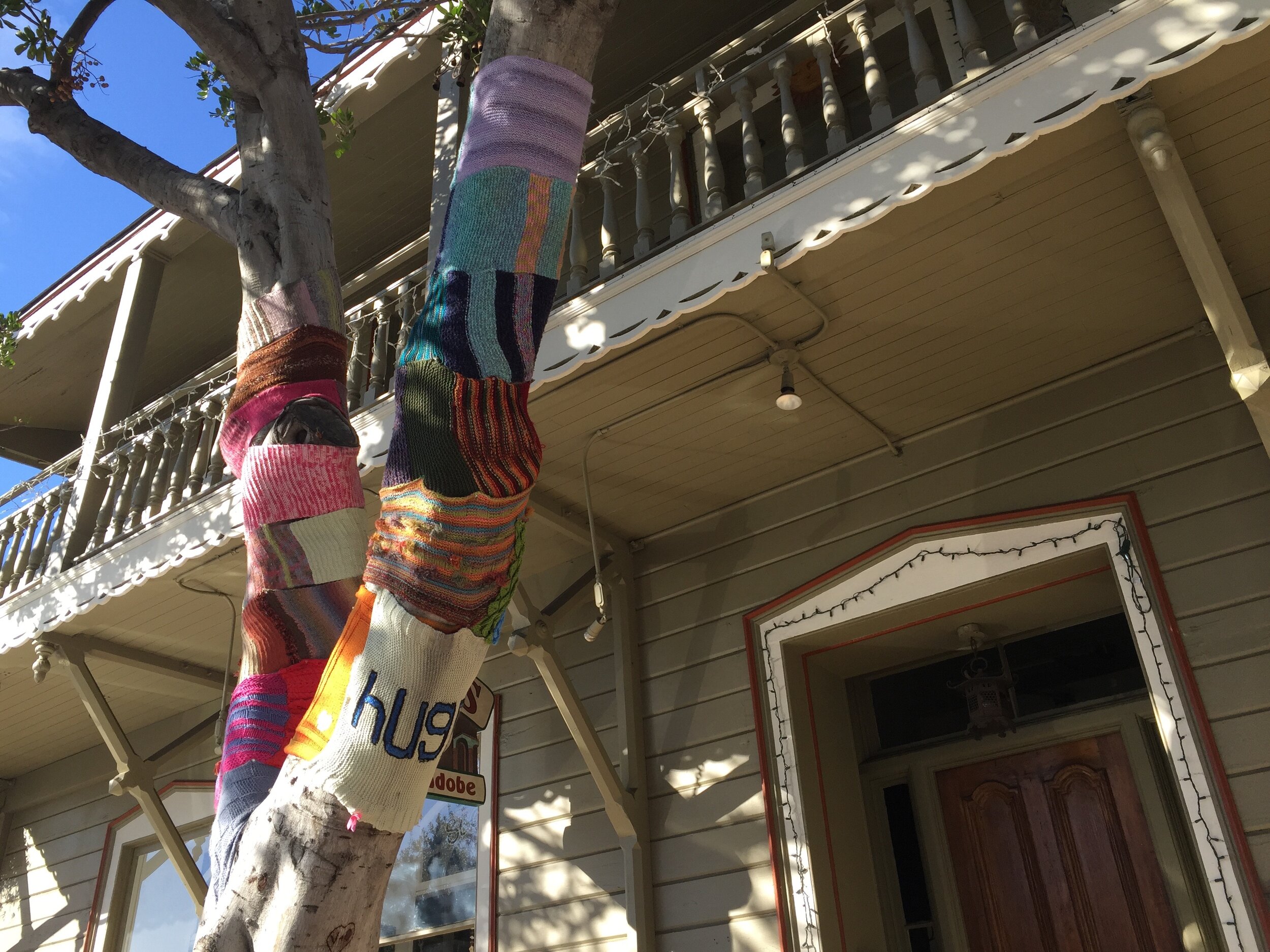
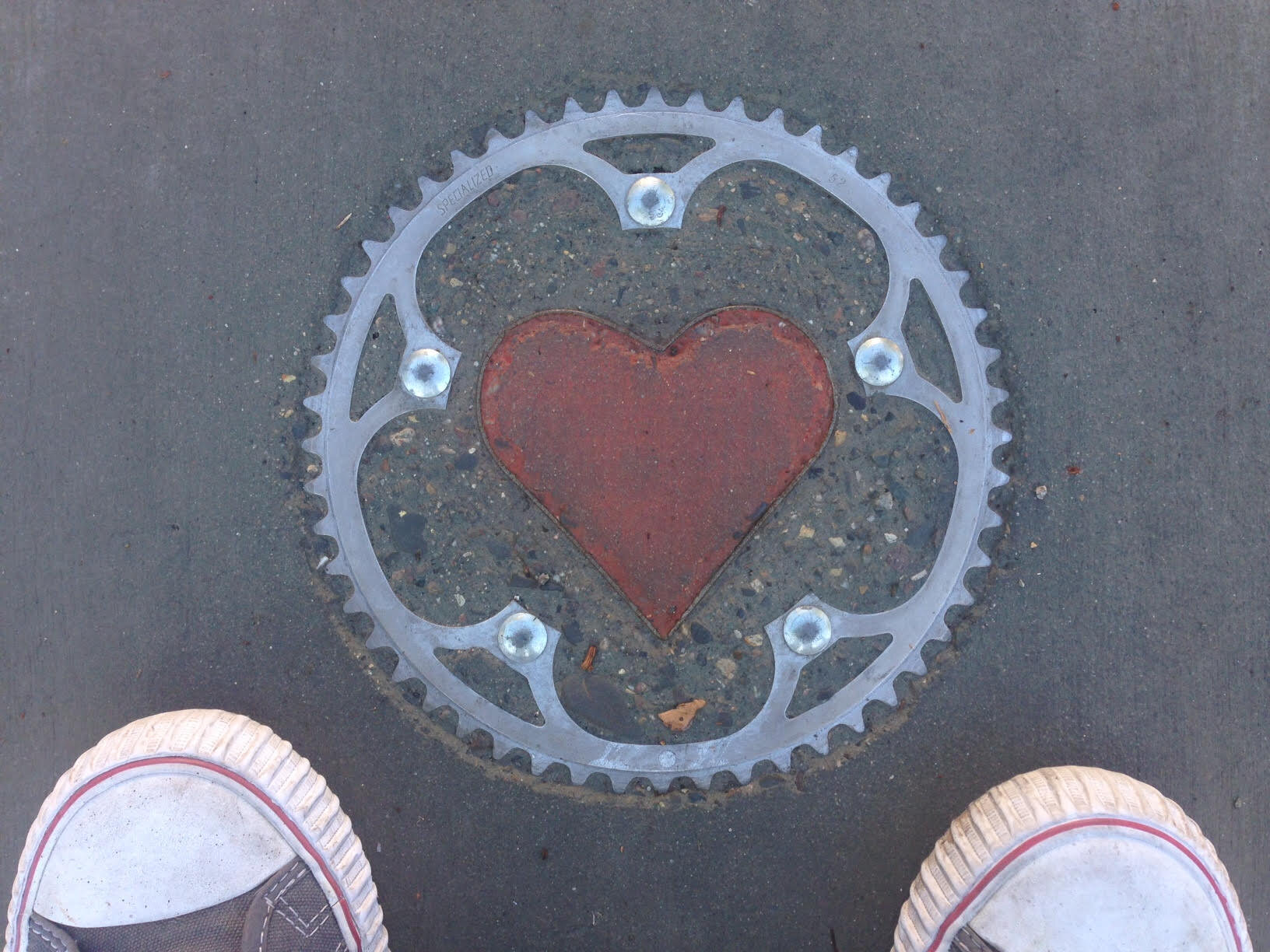
Emeryville’s vision to be a city that values art comes from a long legacy of public art champions and a 25-year commitment to investing in the arts at a citywide level. Today the city’s Art in Public Places Program (AiPP) has nearly 70 publicly-owned art works and 230 art installations available to the public in private locations. Both collections are growing as the city continues to commission work and private development extends AiPP’s reach. The Public Art Master Plan of 2016 was intended to define AiPP’s current focus and ensure it resonated with all community stakeholders.
HOW
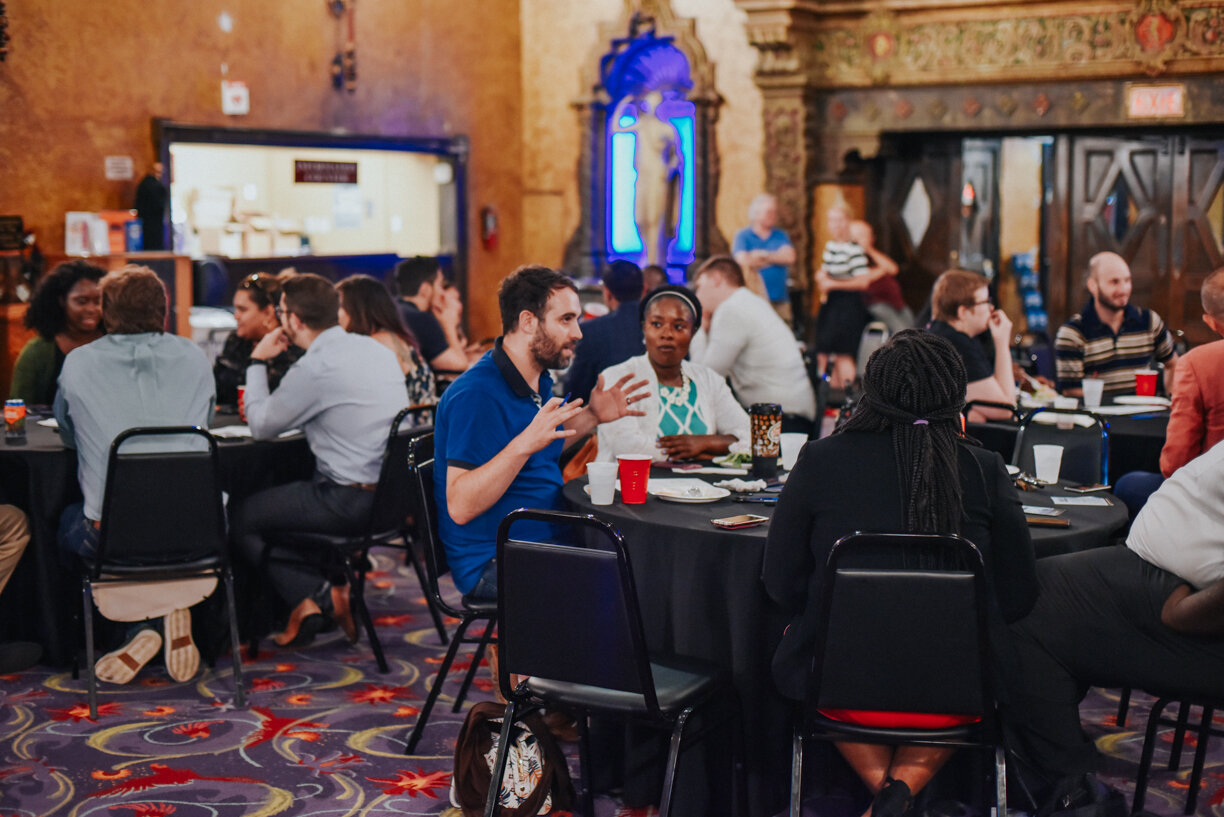
The planning process included meeting with numerous key stakeholders — council members, local business owners, artists, city staff, architects, and educators — who were asked a series of questions about the importance of public art in Emeryville. Emeryville residents were also invited to participate in a series of workshops where they were asked to consider geographic priorities, what new types of art they would like to see, and how they would like to see the Art in Public Places Program grow. All were asked to consider what values and attributes make Emeryville stand out in a region known for artistic excellence and innovation.
WHAT
The Emeryville Public Art Master Plan was adopted in November 2016. It featured six major goals and strategies, nine conceptual projects, and six conceptual programs.

46 Park Ave West Historic Tax Credit
Mansfield, Ohio
WHY
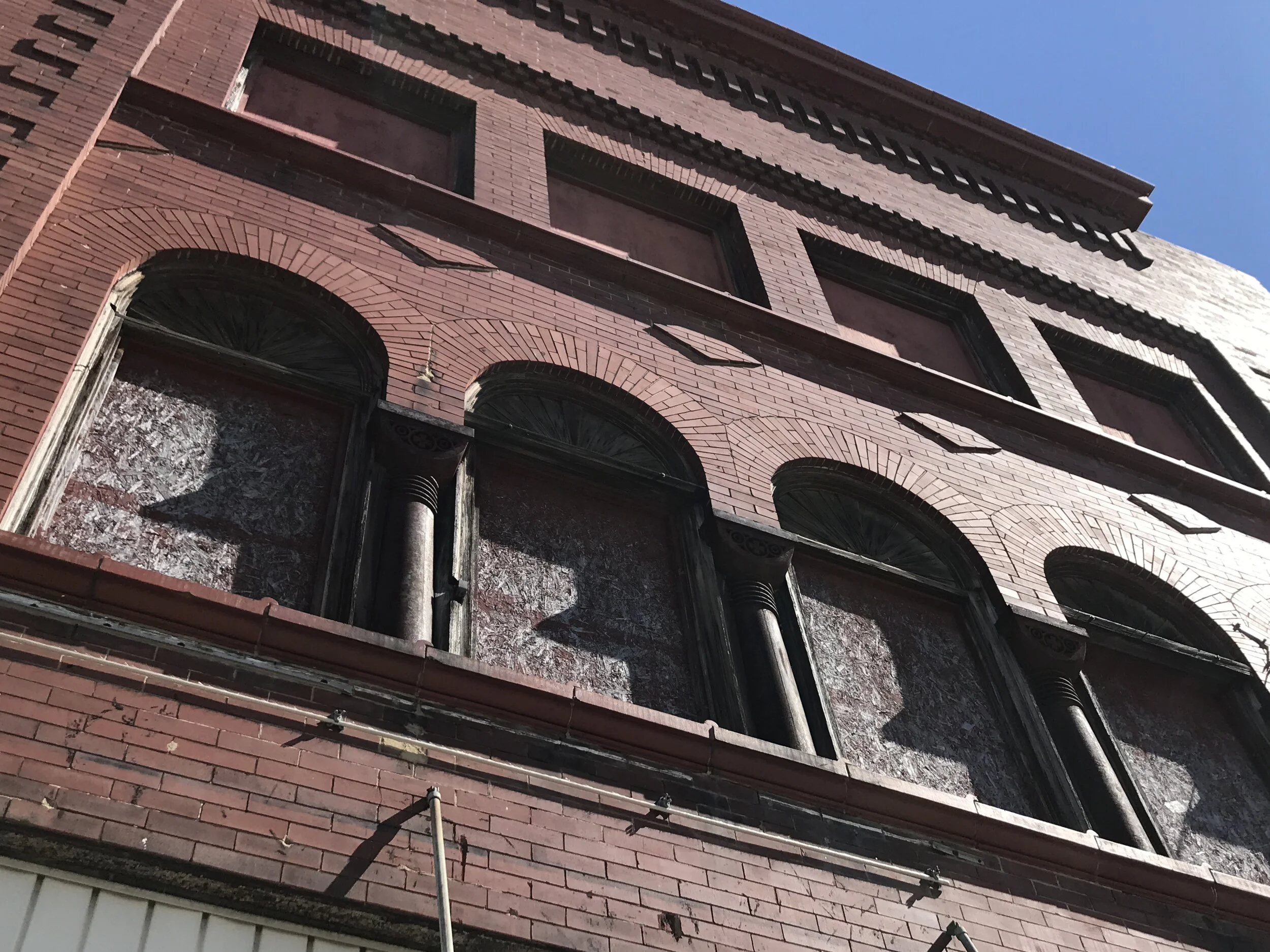
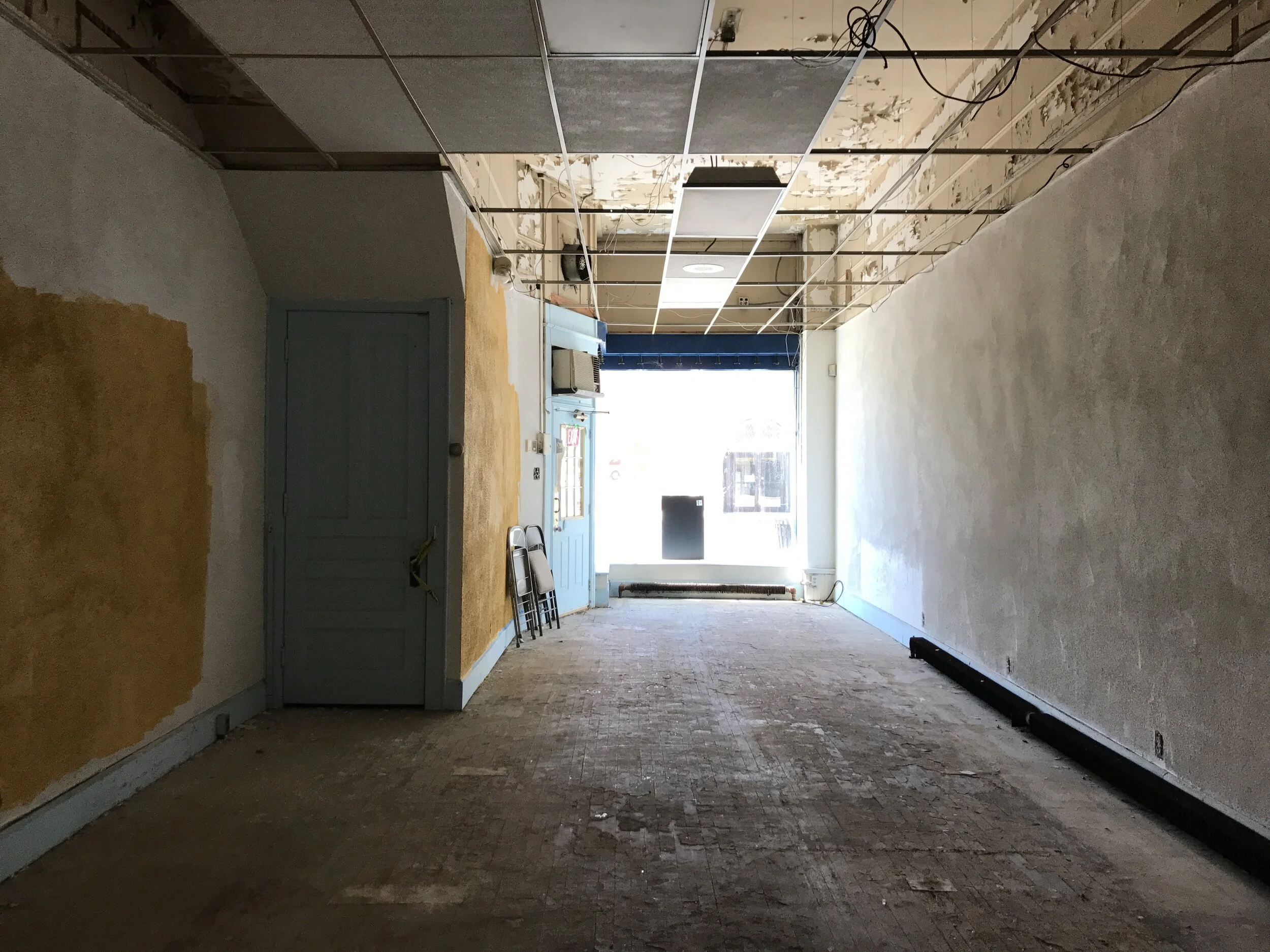
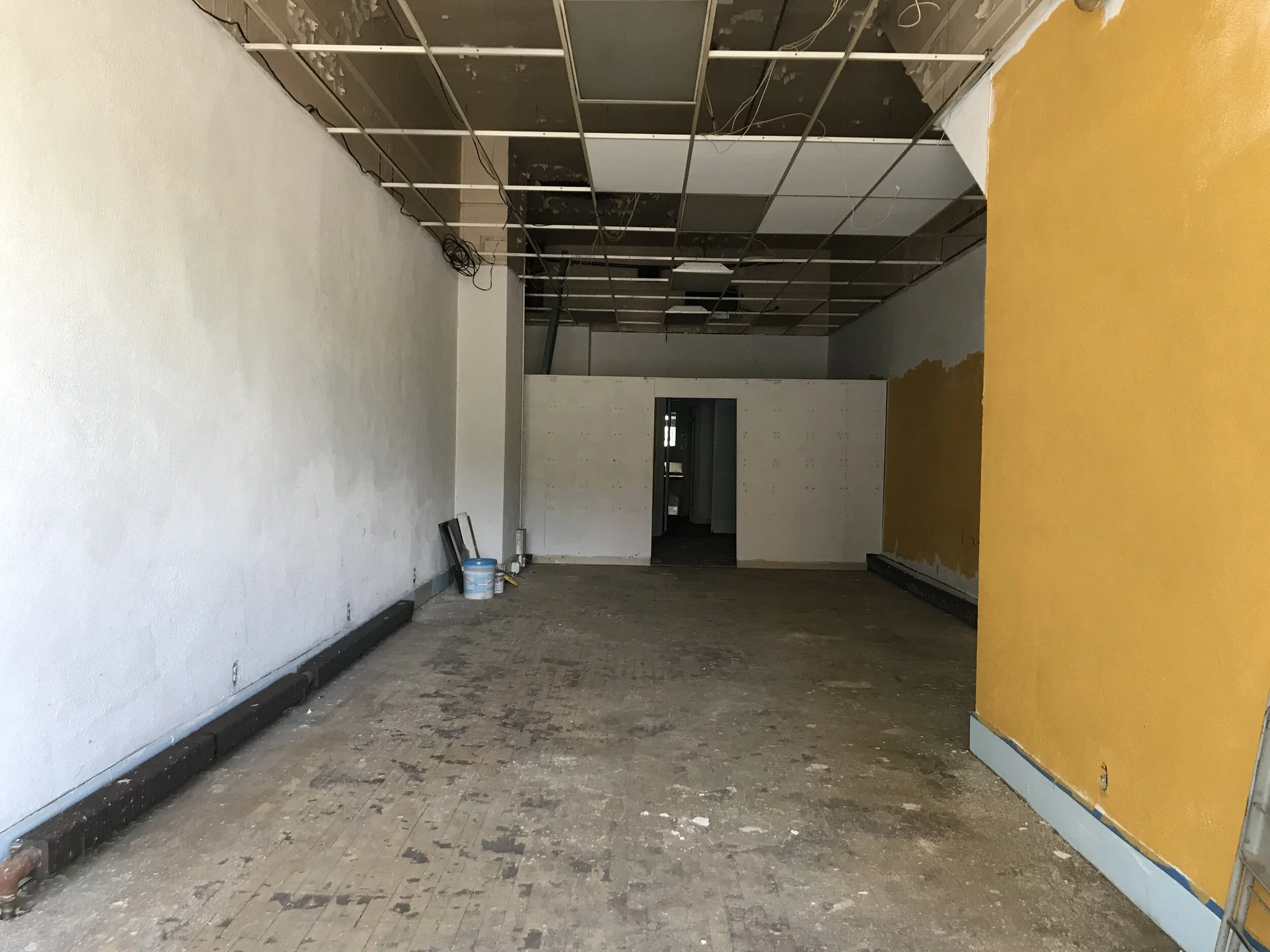
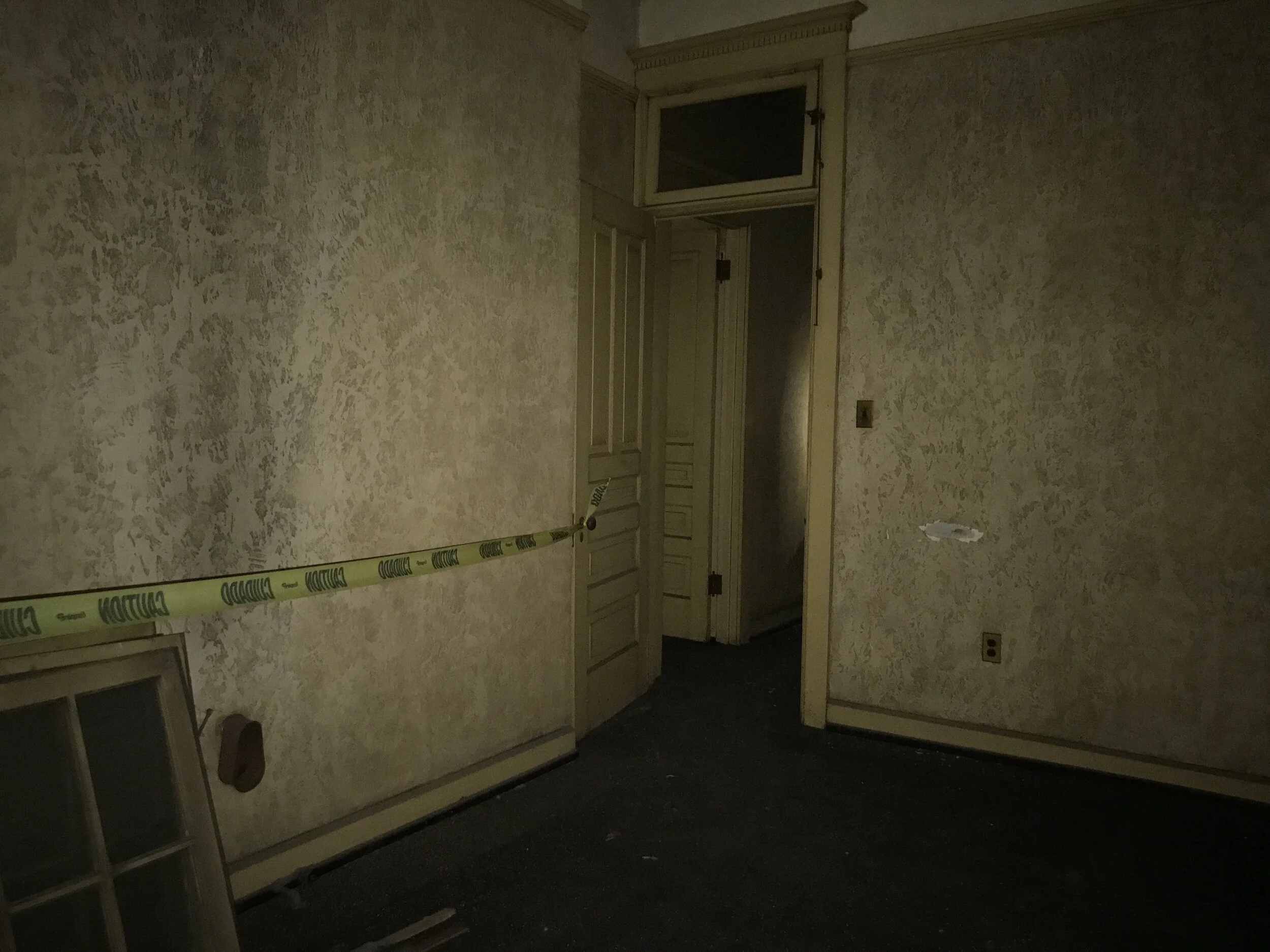
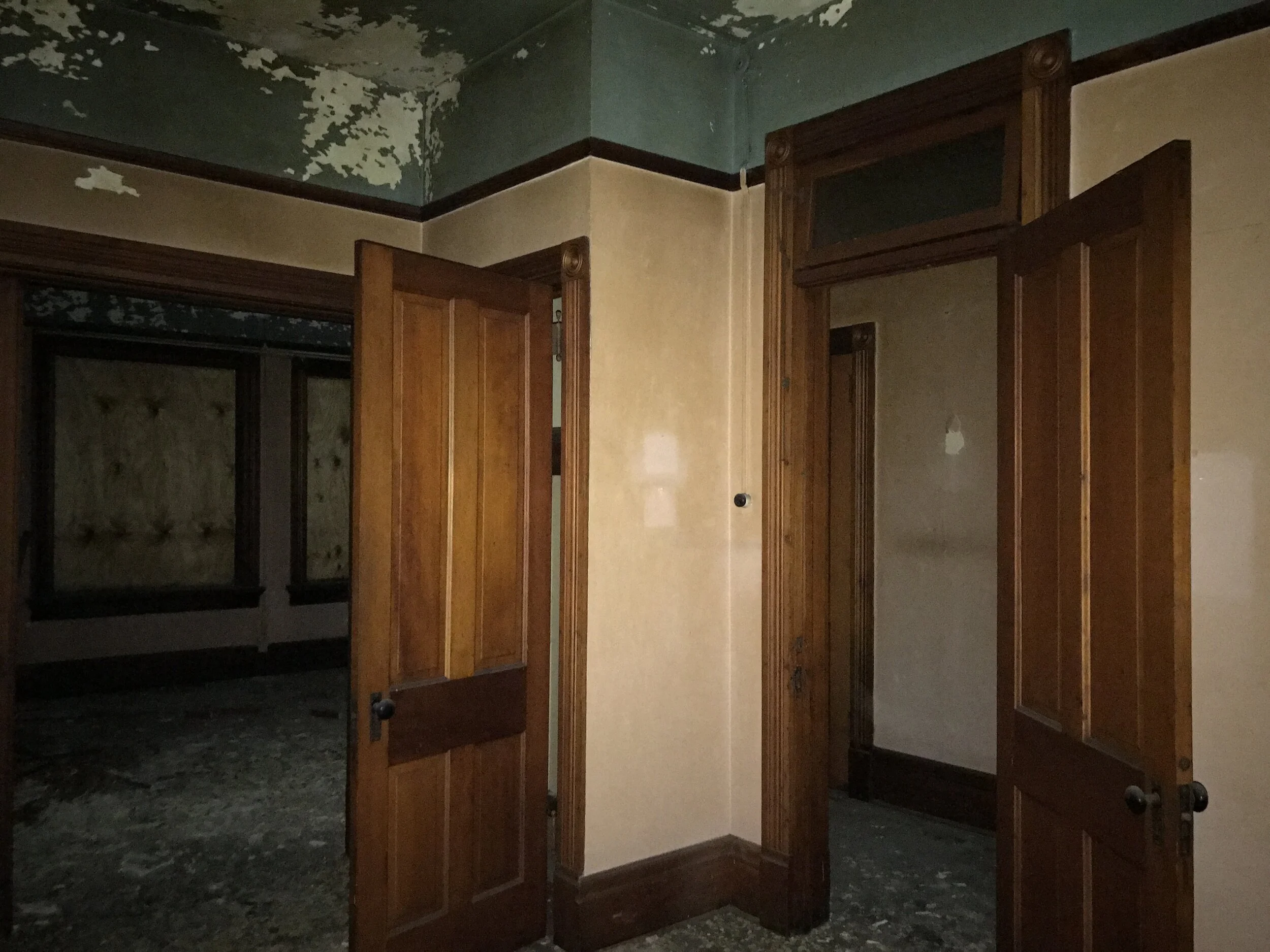
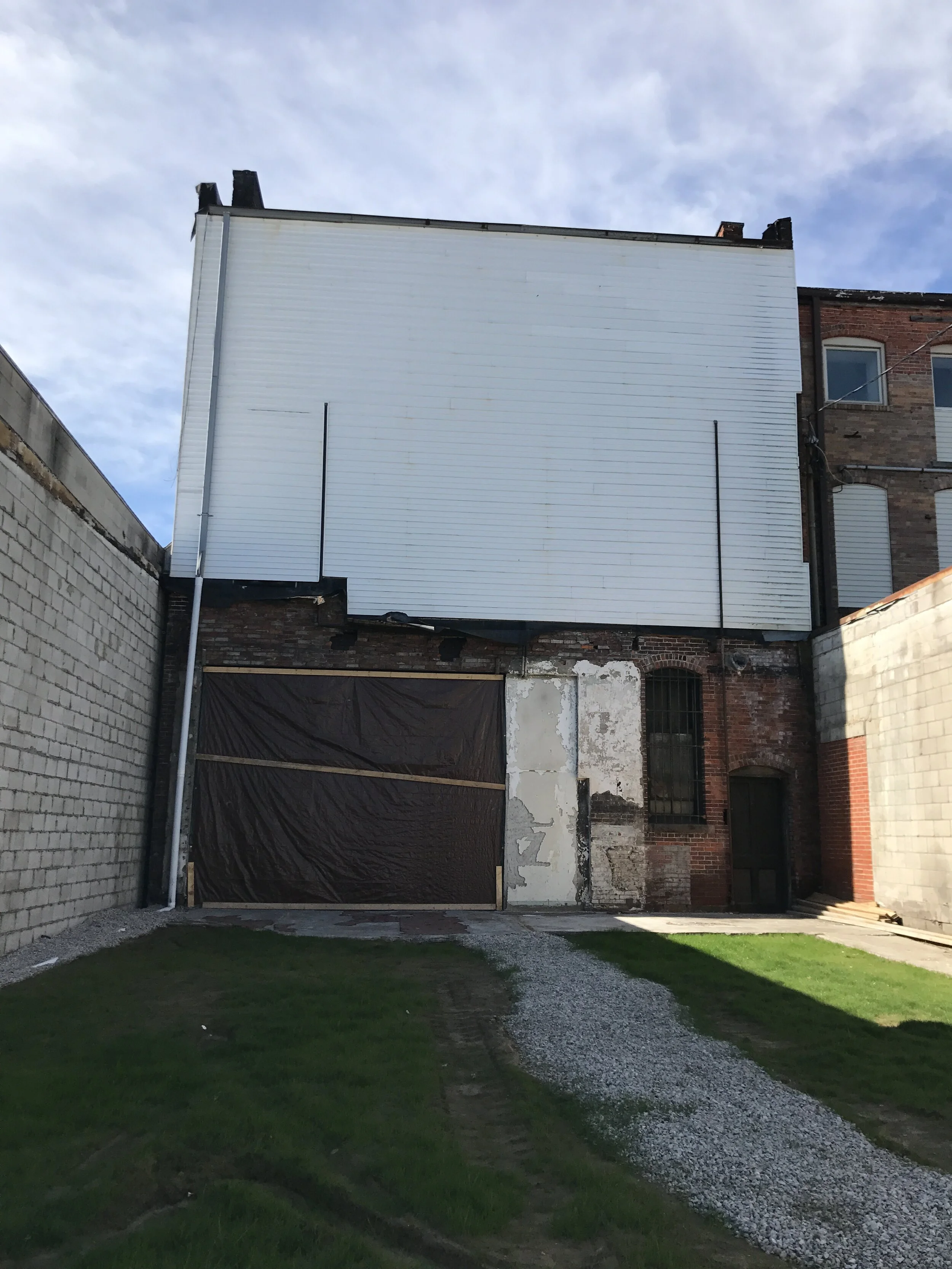
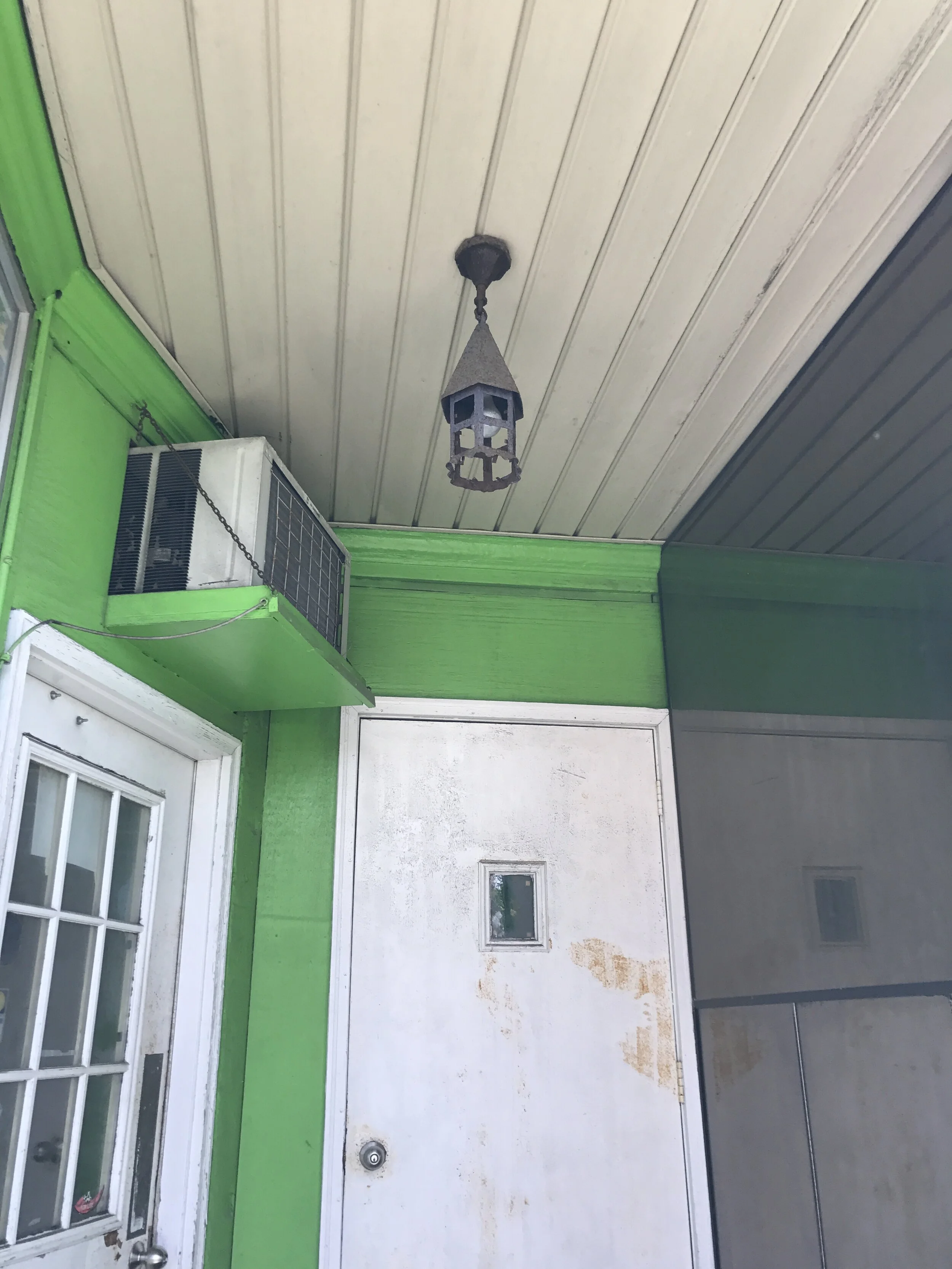
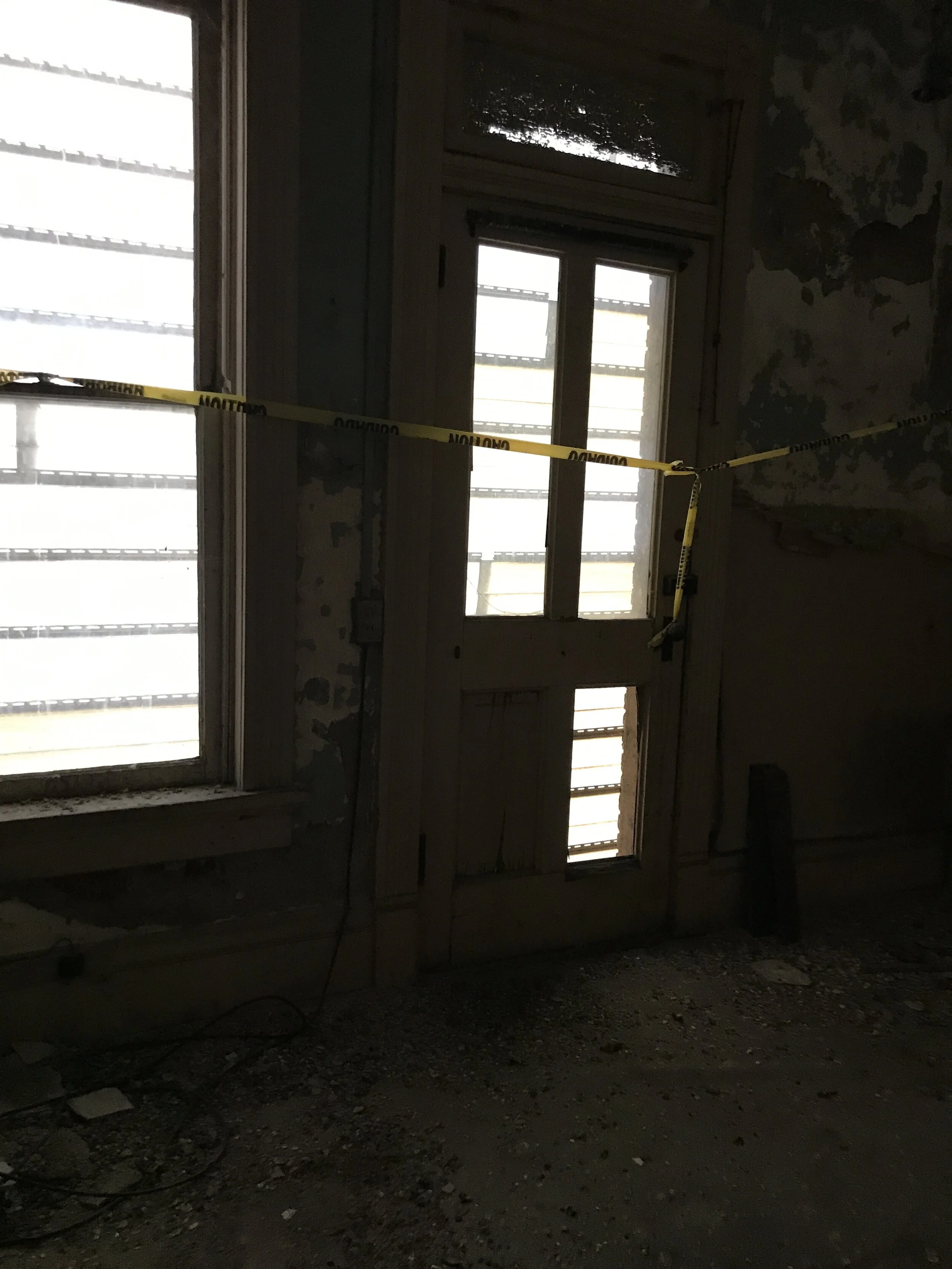
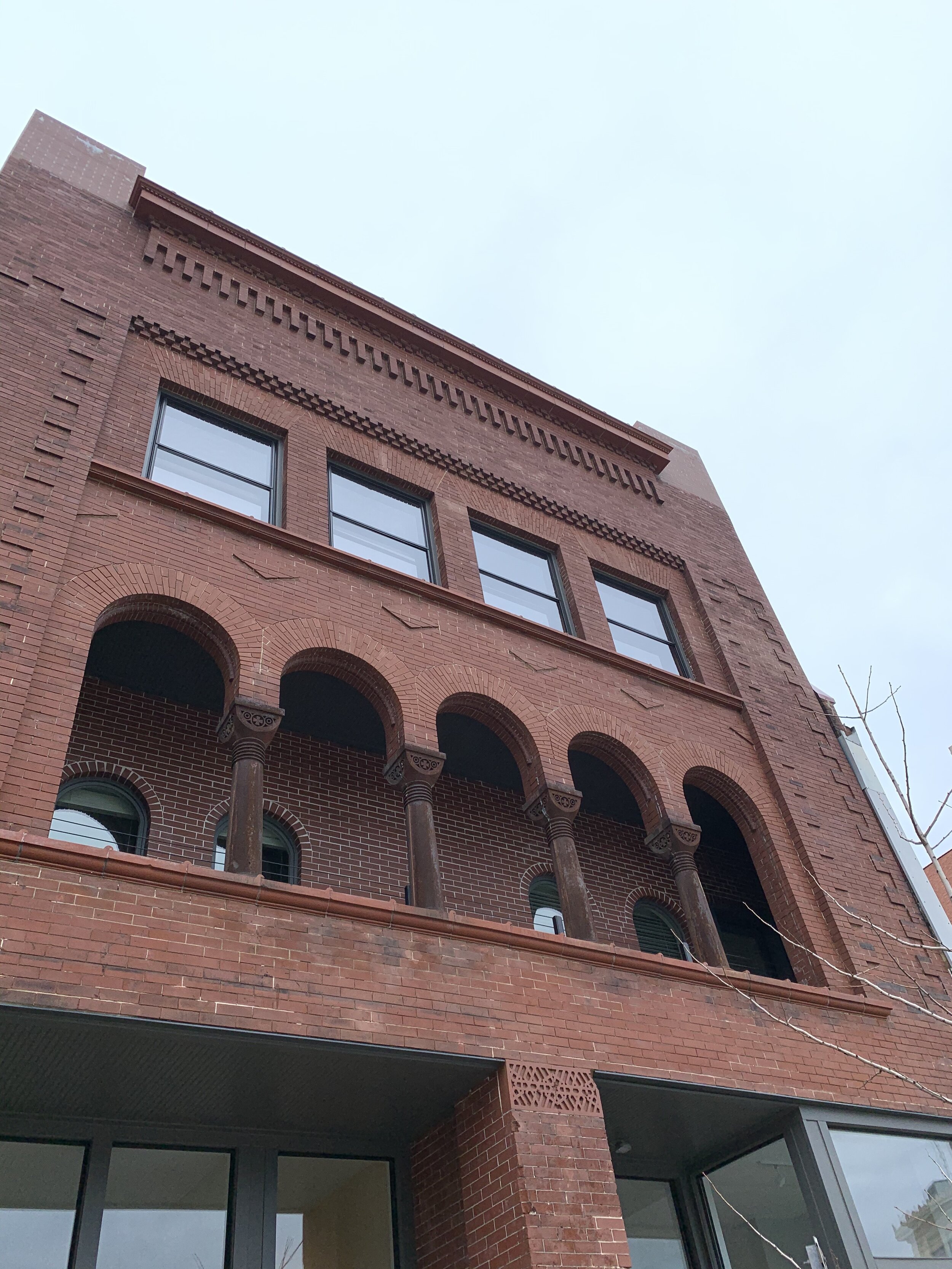
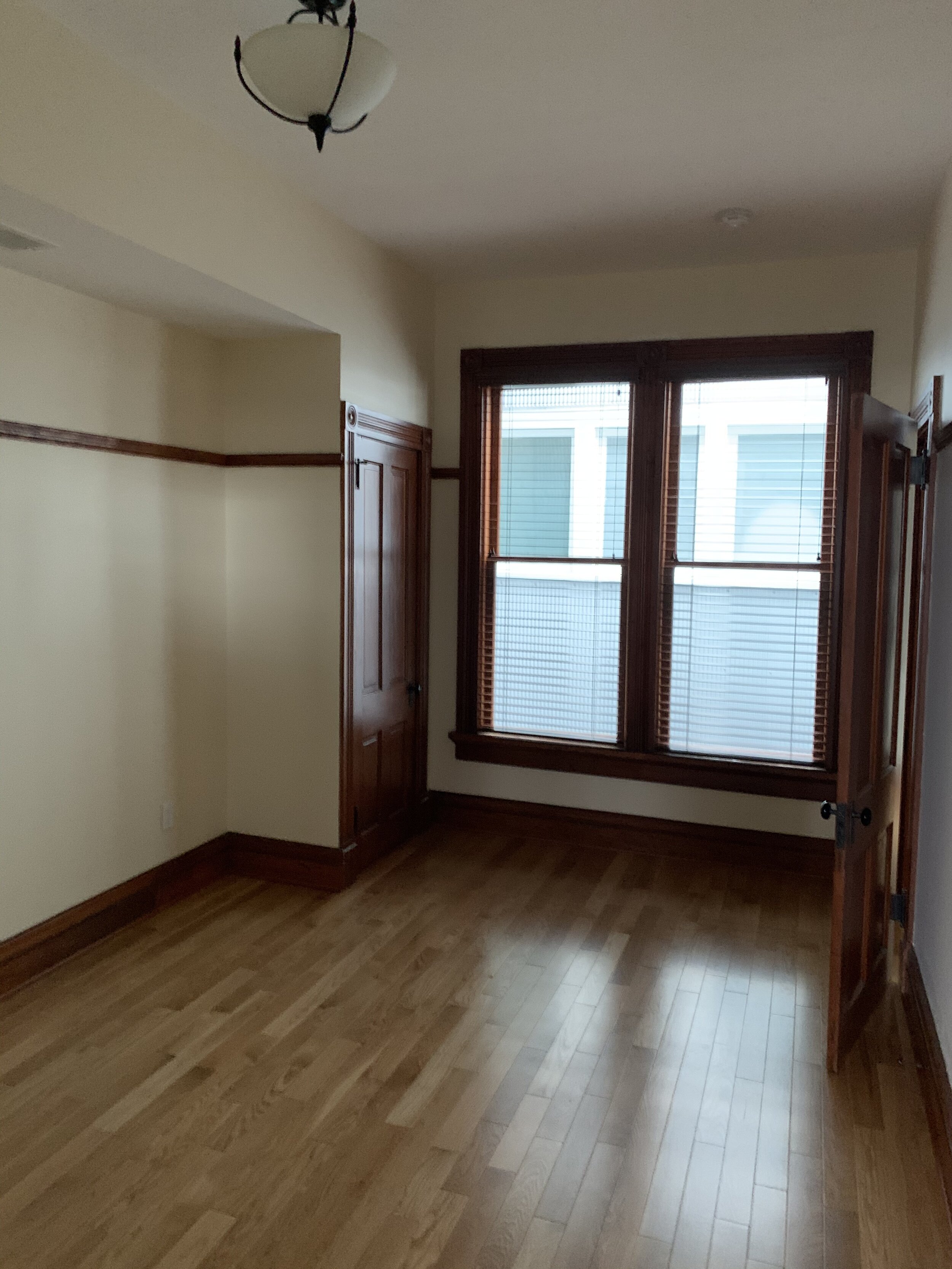
Sitting on Park Ave West in the Downtown Mansfield National Register District, this building originally housed a doctor’s office alongside residential and retail space. When the building was acquired by its current owner, it was vacant and in a state of disrepair. The owner planned to convert the property into space for neighborhood businesses and residential units.
HOW
Designing Local, in partnership with Benjamin D. Rickey Co., successfully nominated the building as part of the Downtown Mansfield National Register of Historic Places District. We also helped the property owner secure the Ohio Historic Tax Credit and the Federal Historic Tax Credit.
WHAT
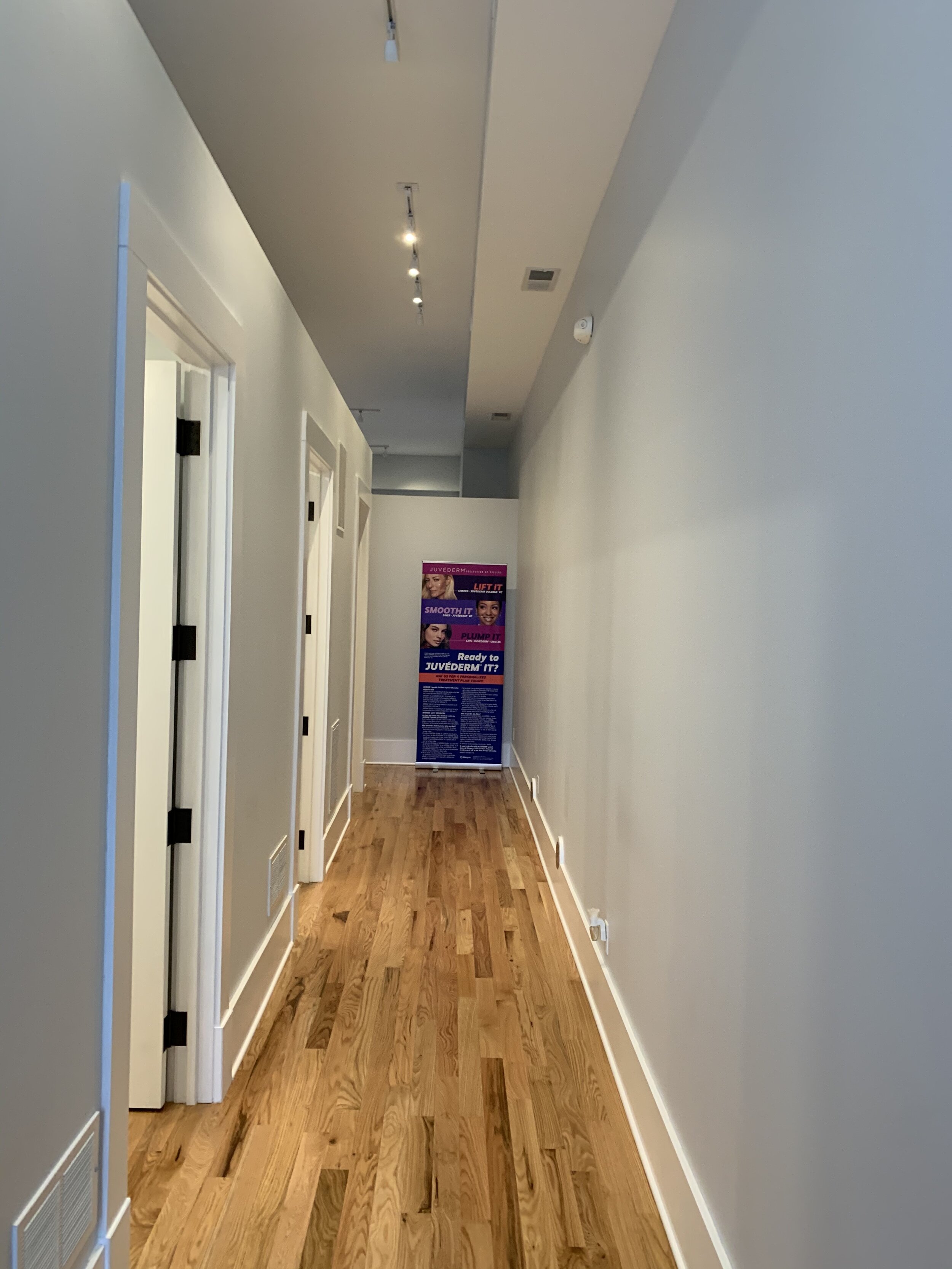
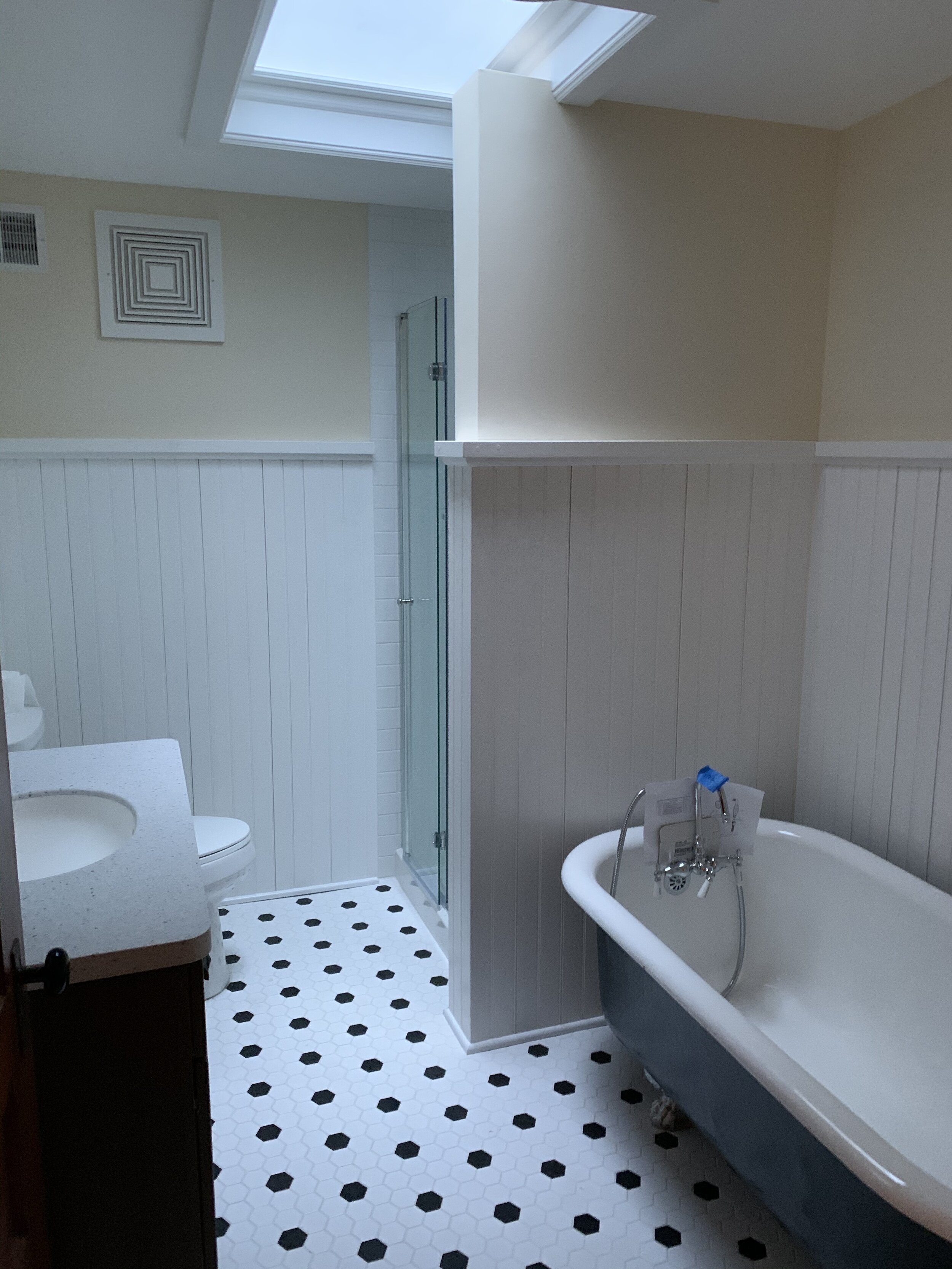
The building is how home to a number of residential tenants and a medical spa.
BEFORE
AFTER



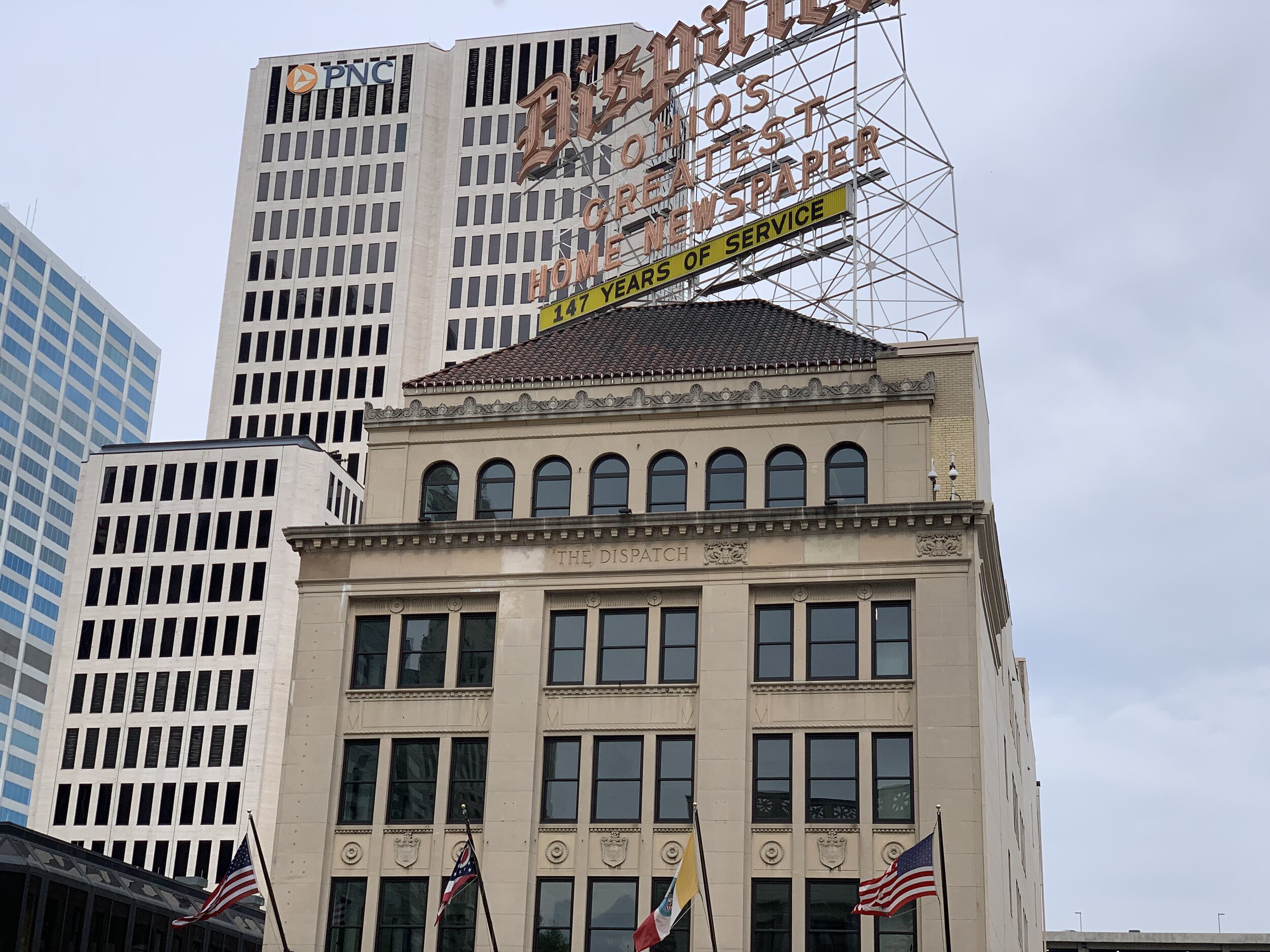
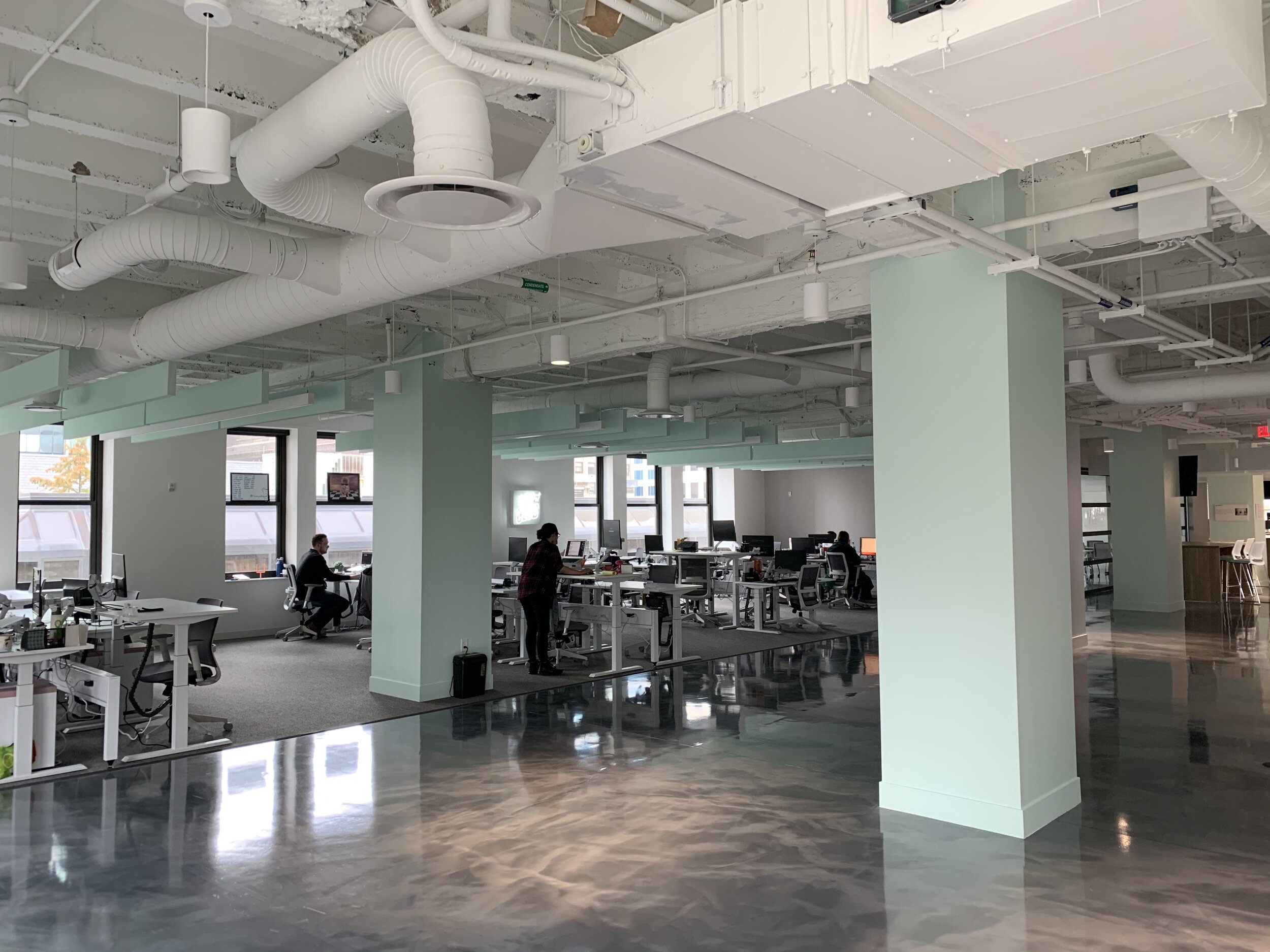
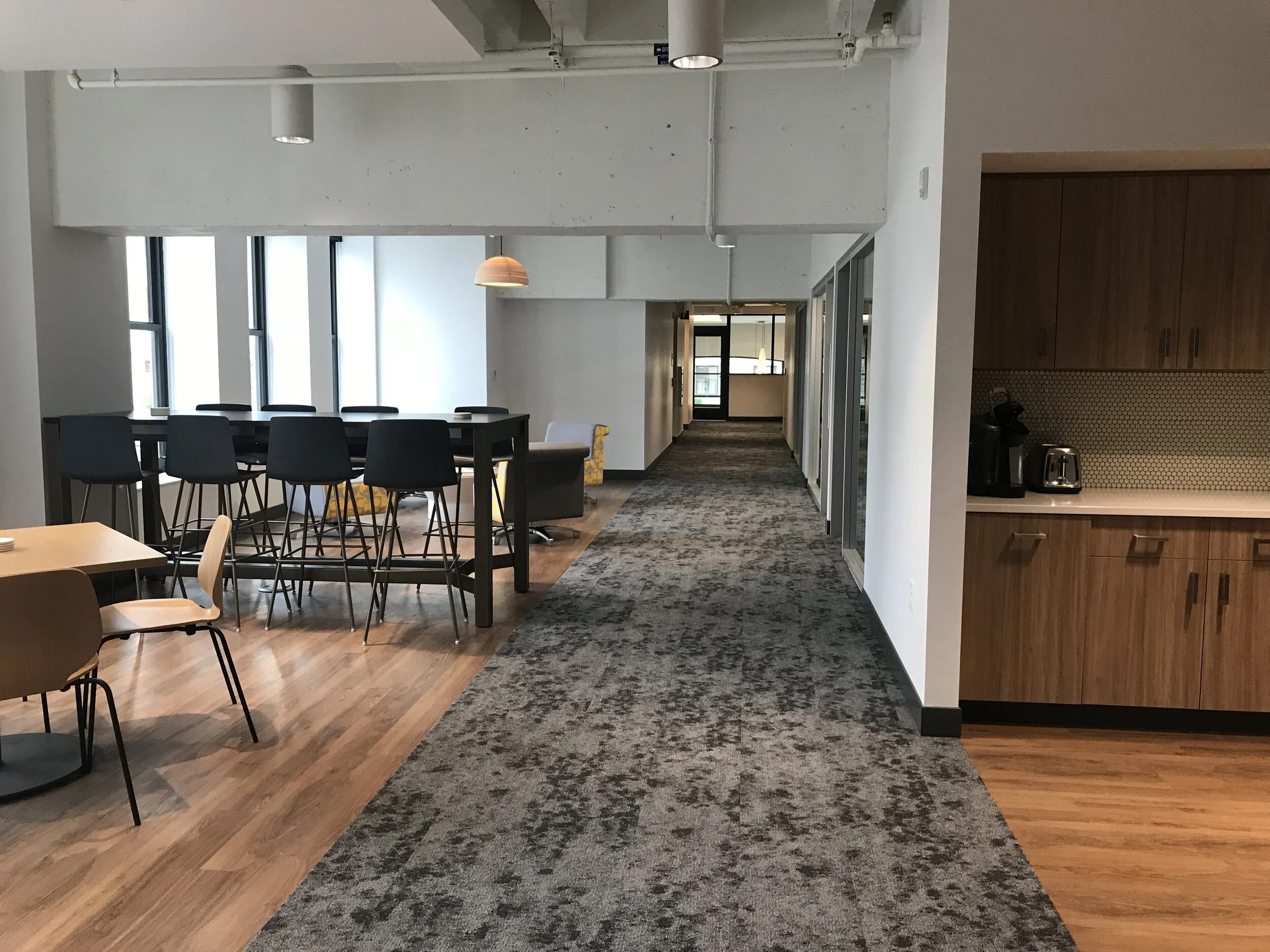
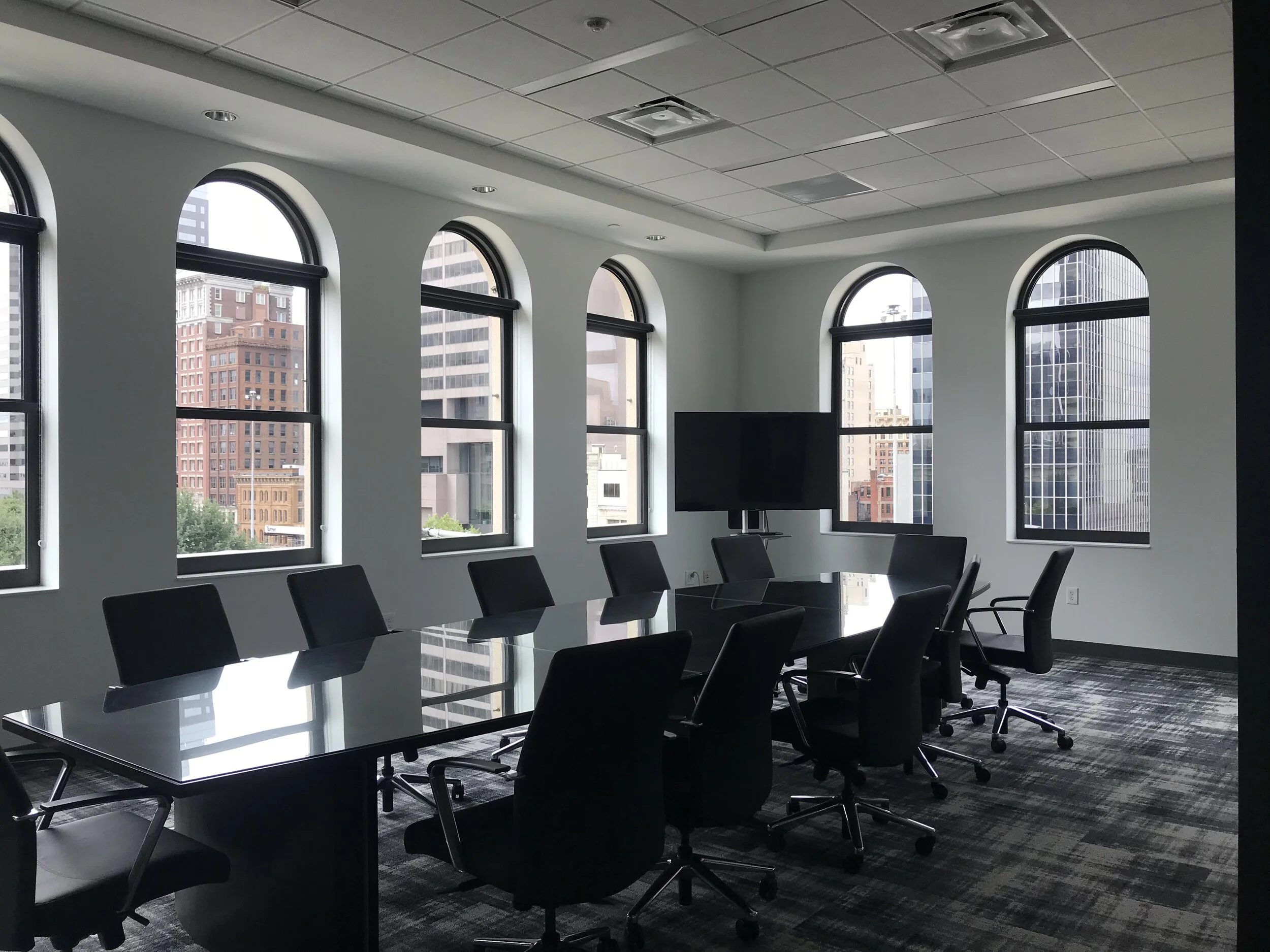
Columbus Dispatch Building Historic Tax Credit
Columbus, Ohio
WHY
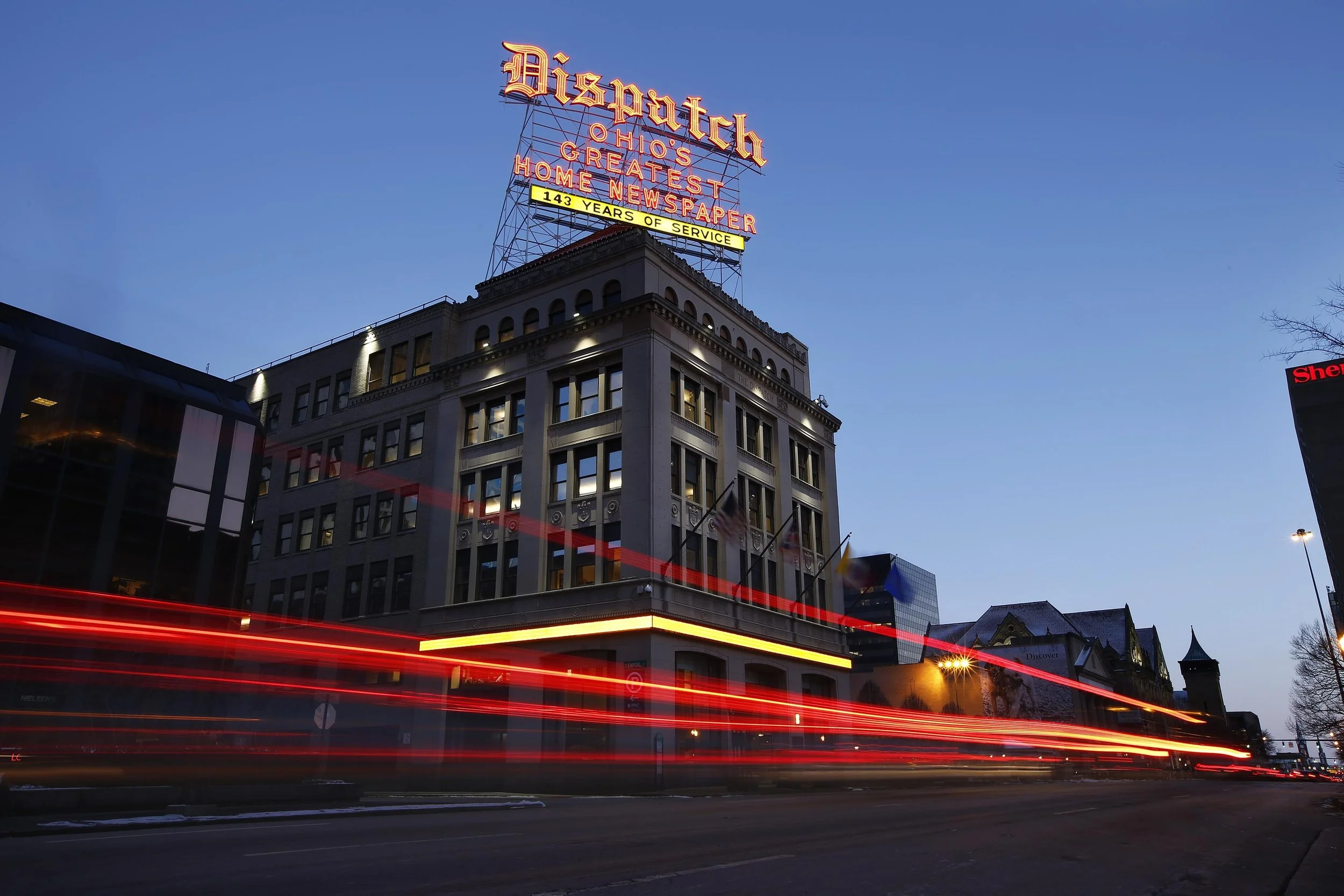
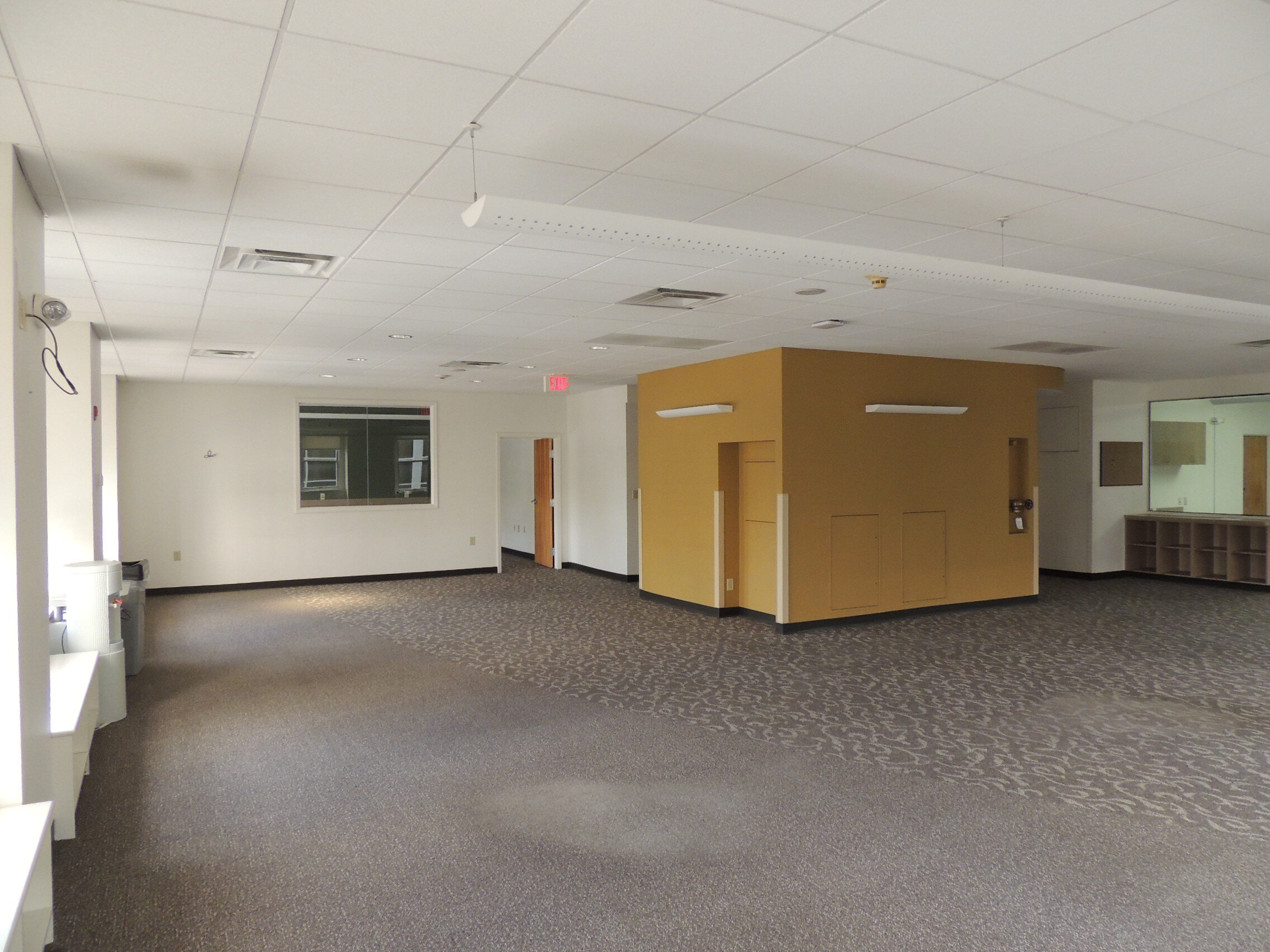
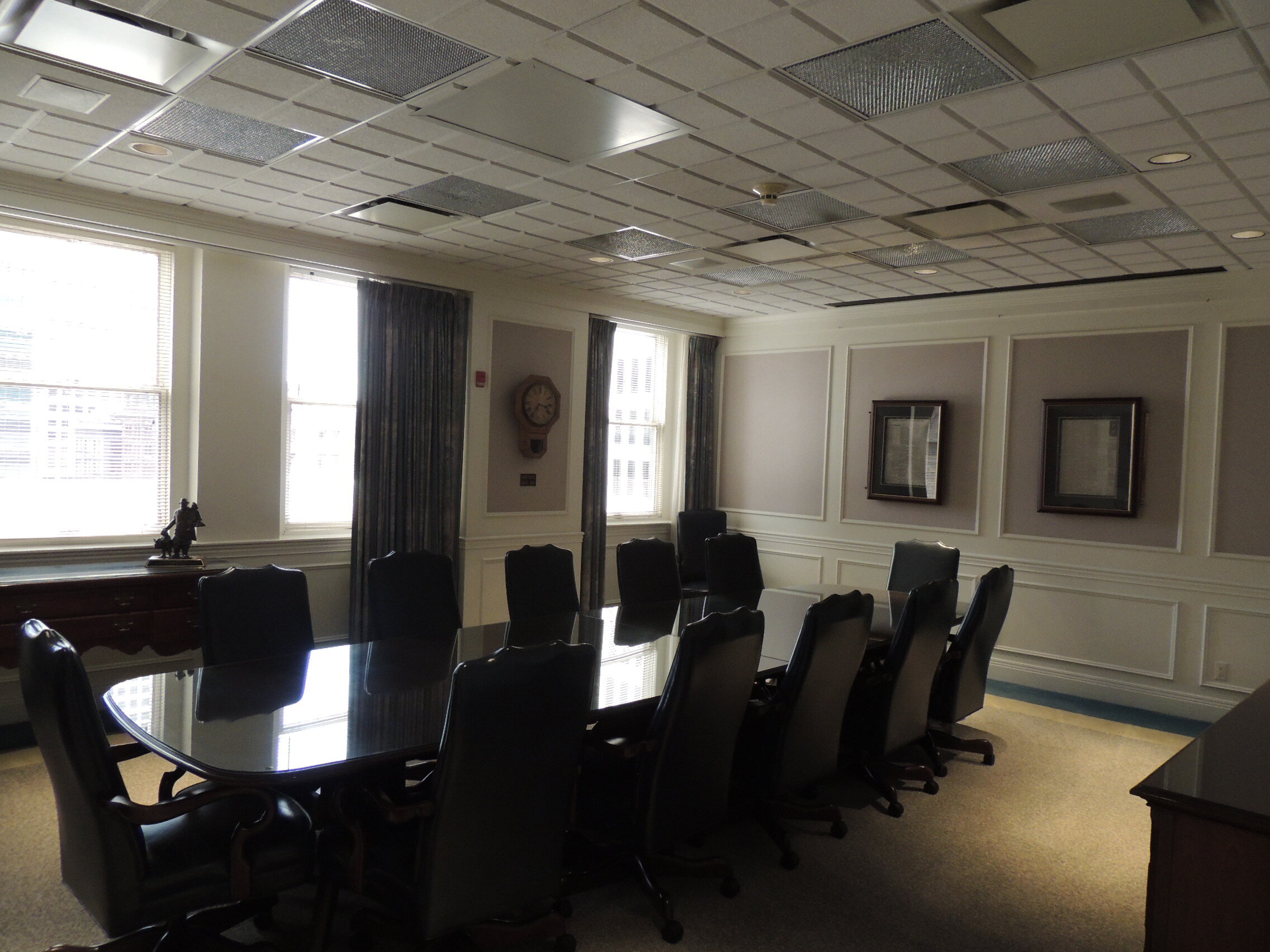
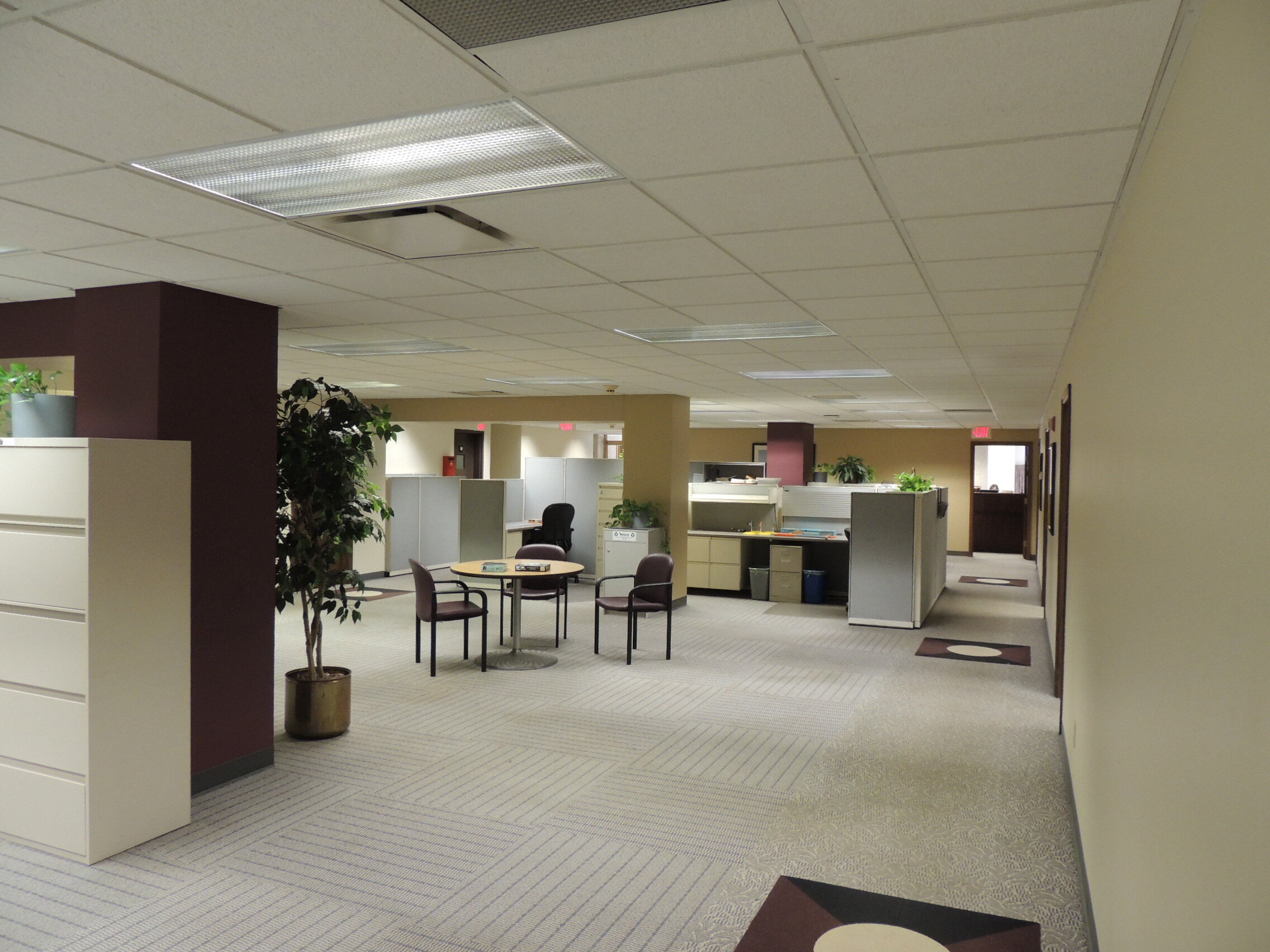
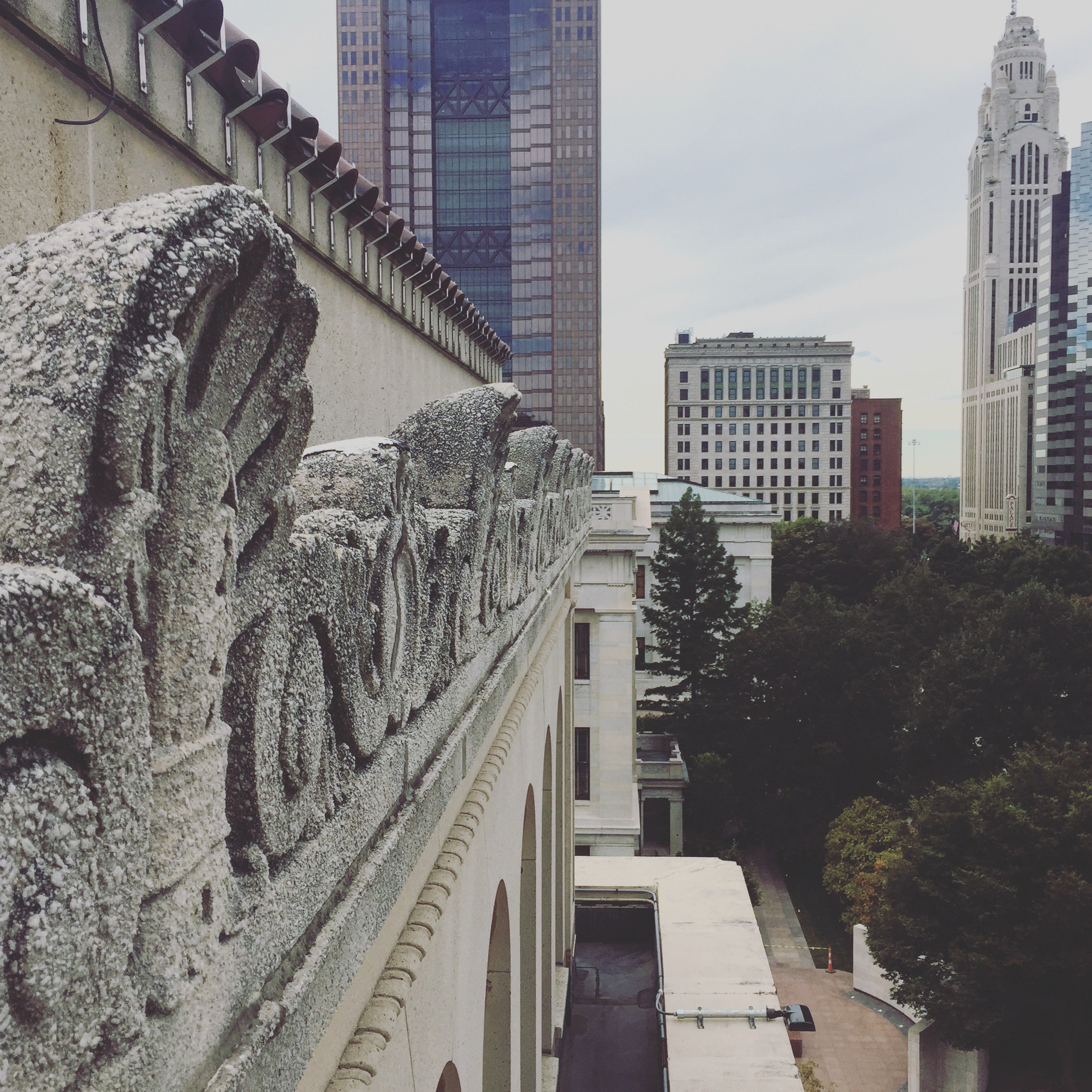
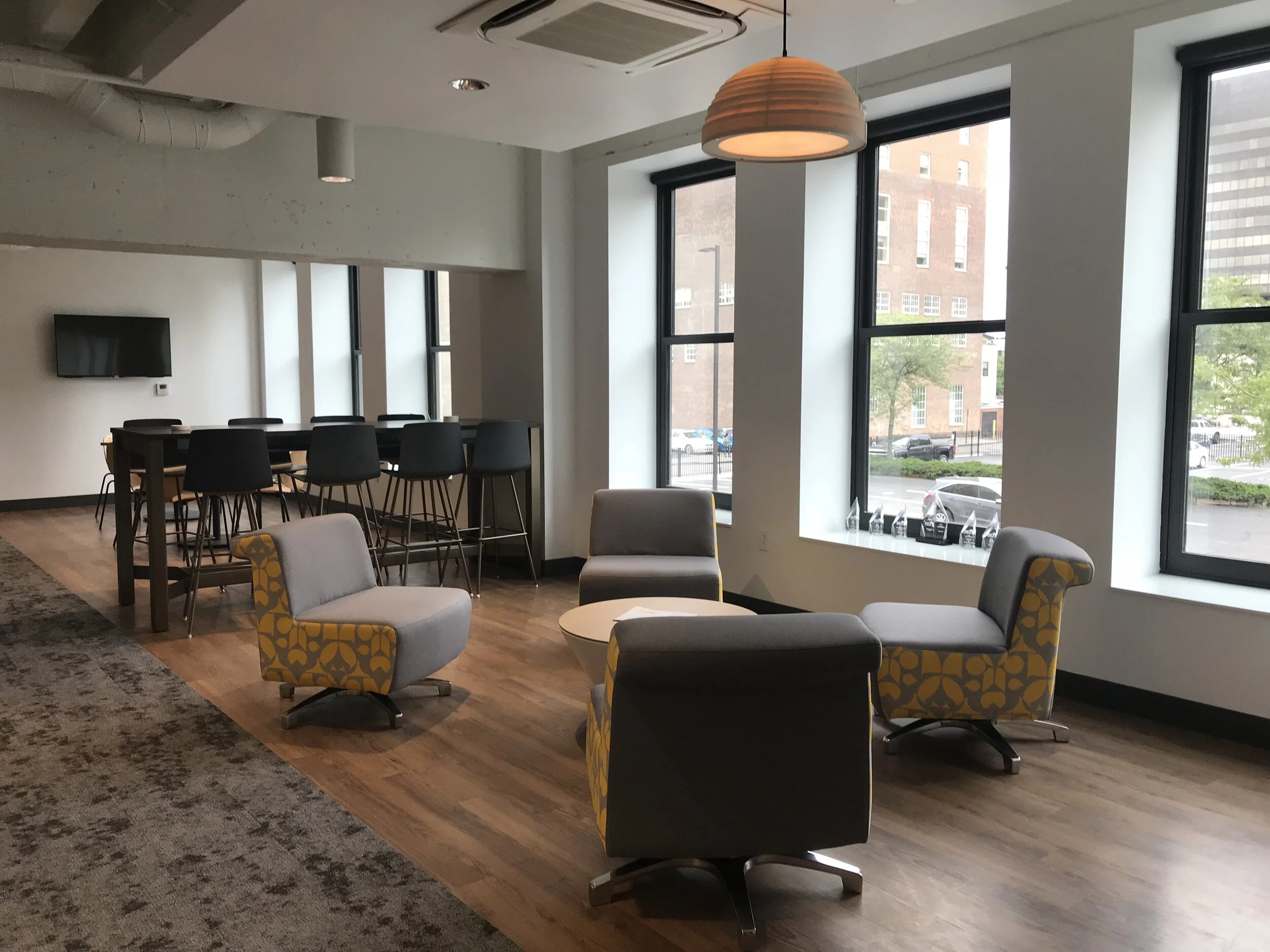
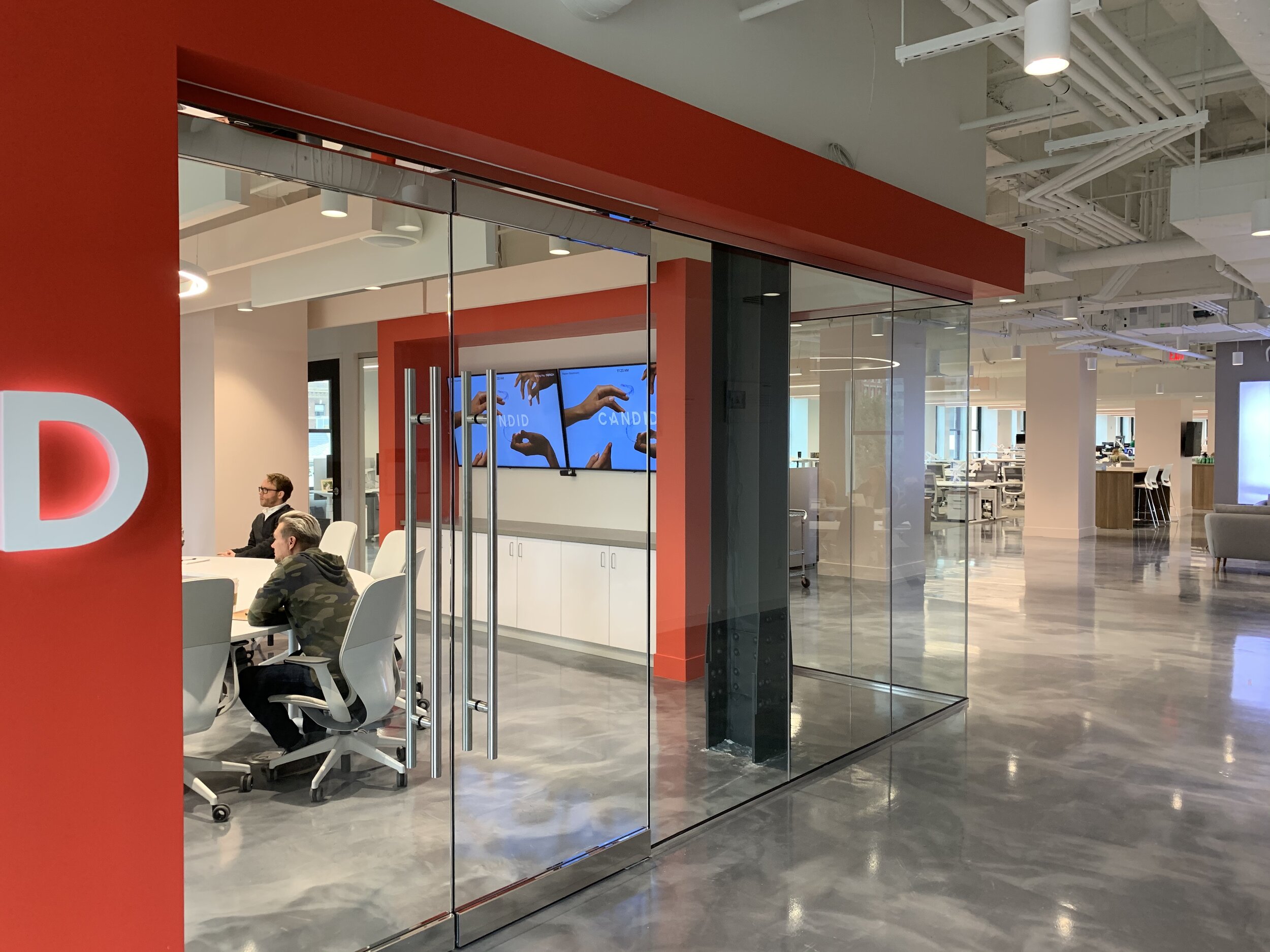
The Columbus Dispatch Building served as the headquarters of Columbus’ premiere daily newspaper until it was sold to GateHouse Media in 2015. The building is not only architecturally significant but also prominently positioned on Capital Square, across the street from the Ohio Statehouse. After the newspaper was sold and its headquarters moved to another building, the Columbus Dispatch Building was in need of rehabilitation for future commercial tenants.
HOW
Designing Local assisted the property owner with listing the property on the Columbus Register of Historic Places and helped to secure $2.2 million in Ohio Historic Tax Credits for the roughly $29 million redevelopment project.
WHAT
Among the building’s new tenants are Candid Care, Co. and the Ohio Chamber of Commerce.
BEFORE



AFTER
New Albany Design Guidelines Technical Training
New Albany, Ohio
WHY
The best community design guidelines are often the most accessible and usable. Municipalities work hard to shape their built environments by writing and implementing thoughtful design standards. Unfortunately, printed guideline documents tend to end up on shelves, collecting dust. The City of New Albany realized this, and invested in video design guideline training to create more interesting and engaging content and save money on training over time.
HOW
The New Albany Design Guideline videos were carefully curated and edited to assist design professionals, developers, and citizens in understanding New Albany’s architectural and design requirements. The videos are use-on-demand and have lessened reliance on in-person training sessions. Members of architectural review boards and commissions have the ability to train themselves anytime, anywhere with easily shareable lessons. The greater citizenry can also learn about their community’s character, special story, and how they can contribute.
WHAT
Designing Local delivered the Design Guideline Video Training Series web portal to The City of New Albany, Ohio.


Essence of Athens
Athens, Ohio

WHY
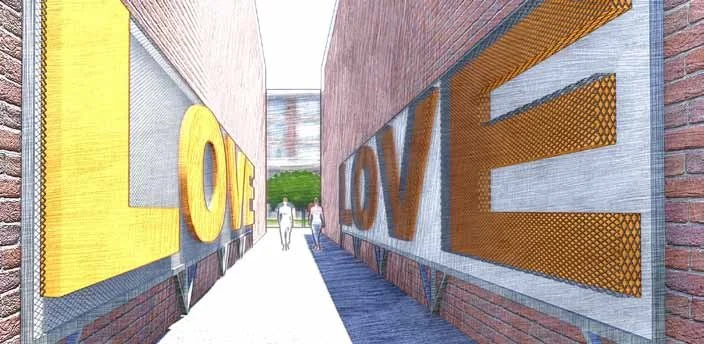
Athens, Ohio is a forward-thinking town that doesn’t shy away from new ideas. It’s a unique place, tucked in a valley in the Appalachian foothills, but it knows it could be even more special. Community leaders were keen to build upon their assets to keep attracting new residents, tourists, businesses, and Ohio University students. That’s why they came together to discuss how to make Athens a 100% original, ‘uncopyable’ community.
HOW
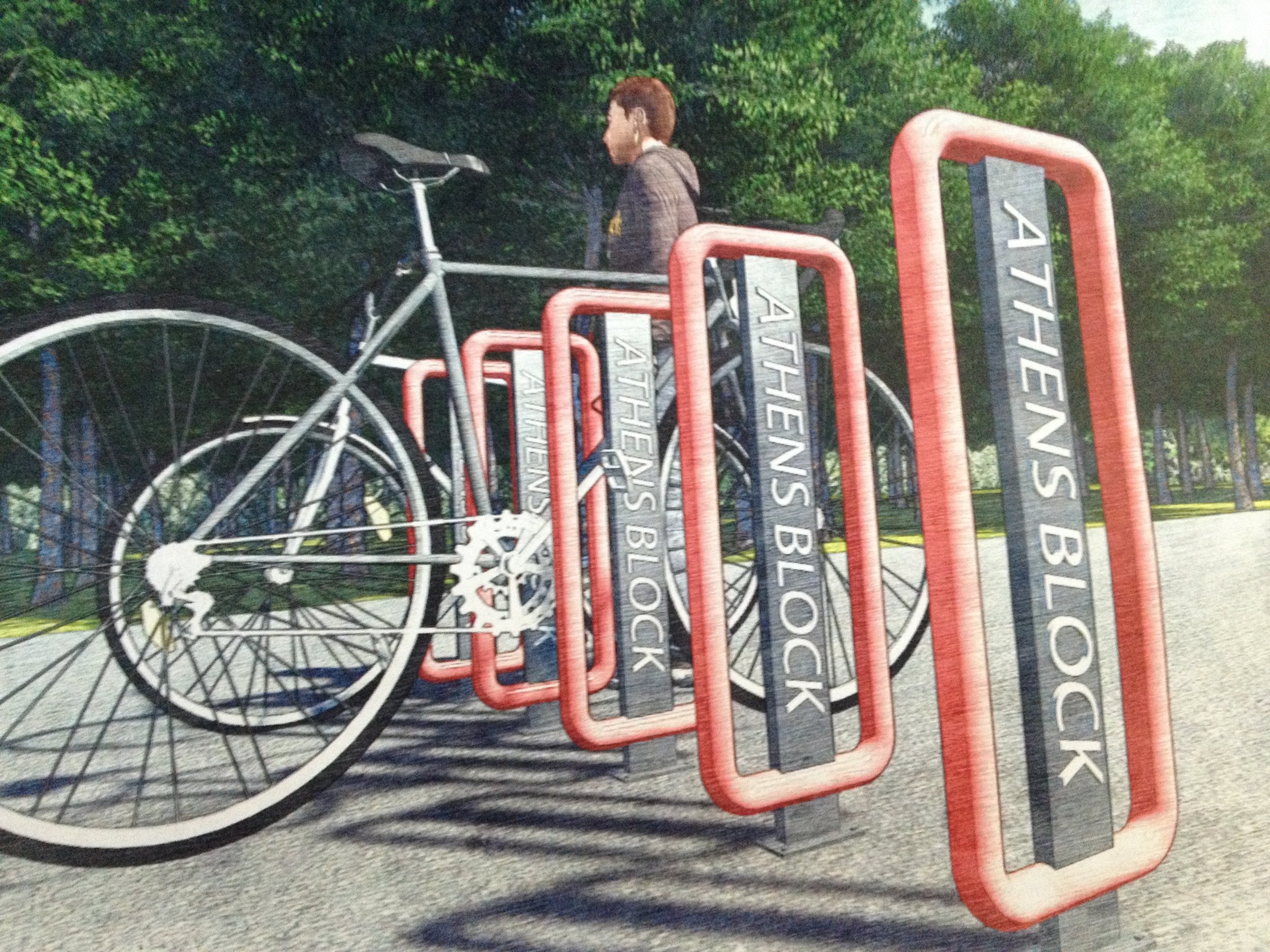
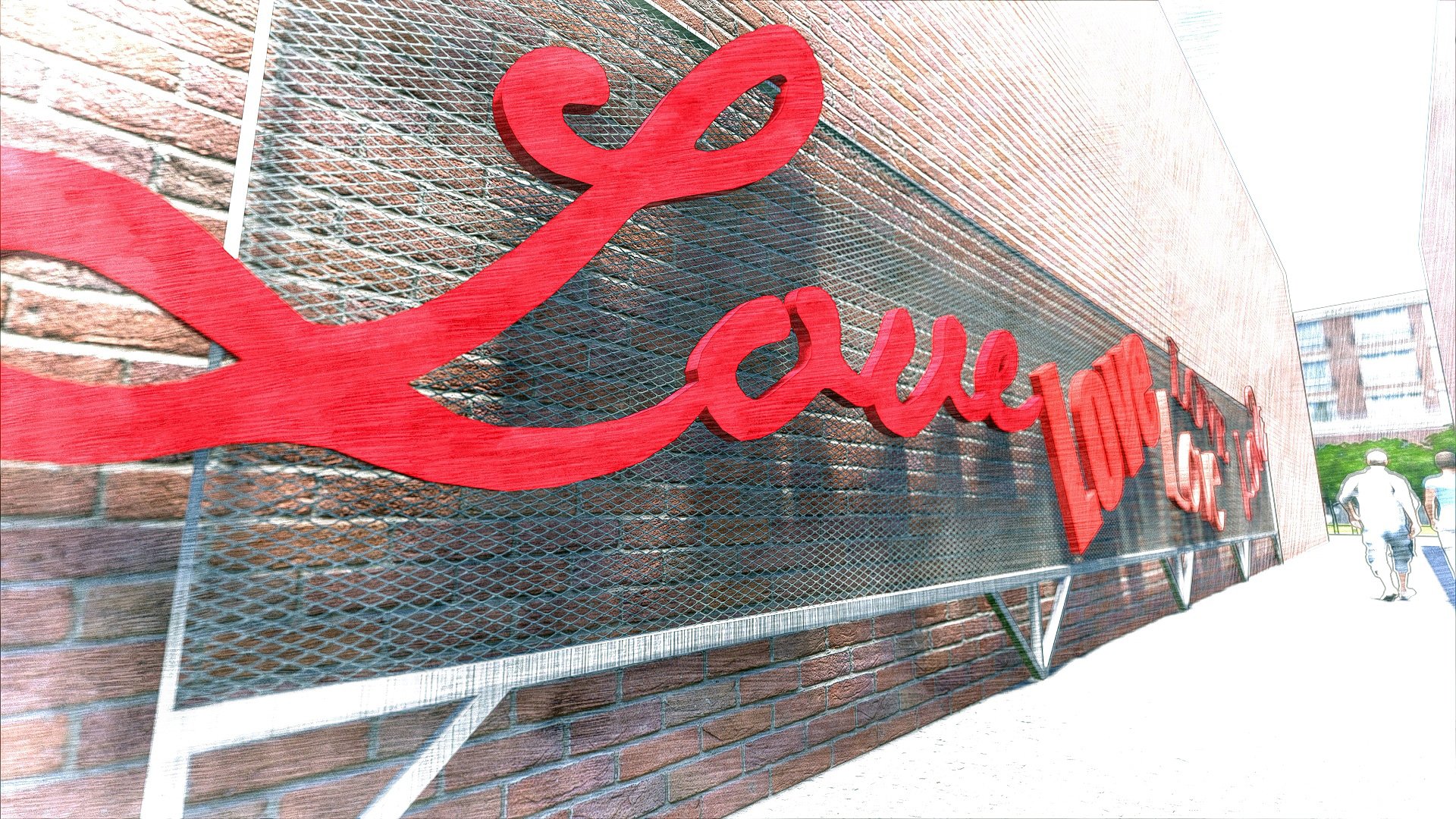
Community members were asked a simple question: “What is the Essence of Athens?” Their collective answer helped the Designing Athens Committee define specific elements that make Athens an original city. People contributed nearly 500 photos and several essays representing what makes Athens truly special to them. Based on this input, the committee agreed on a framework to guide new civic infrastructure projects, and made suggestions for commercial and residential development.
WHAT
Essence of Athens is a framework for creating Athens-specific civic infrastructure (roads, sidewalks, lights and poles, parking garage, pavers, staircases, community spaces, signs, benches — anything that can be used and seen). The effort has won multiple awards.
COLLABORATORS
MKSK
Worthington Masonic Temple Historic Tax Credit
Worthington, Ohio

WHY
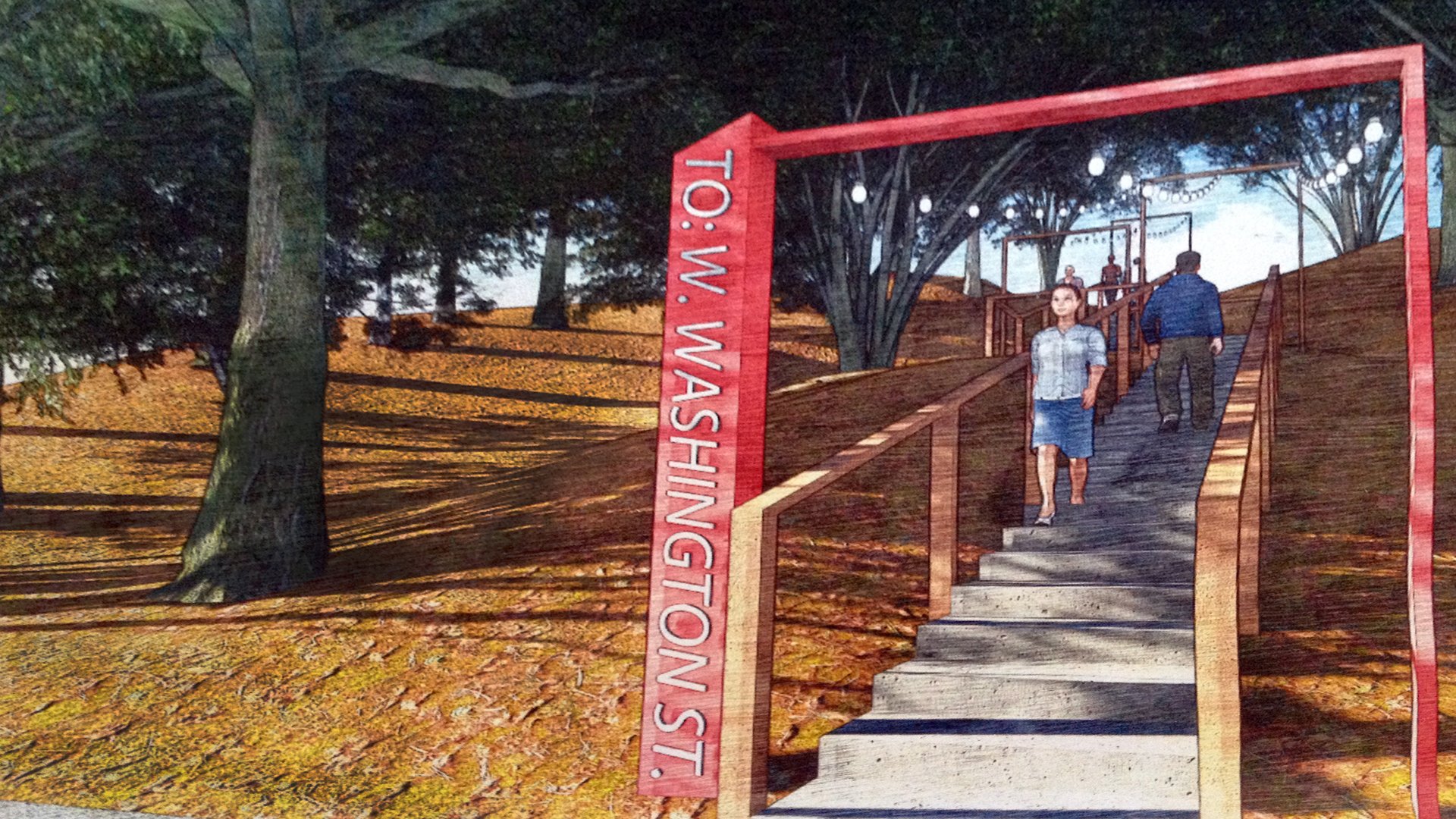
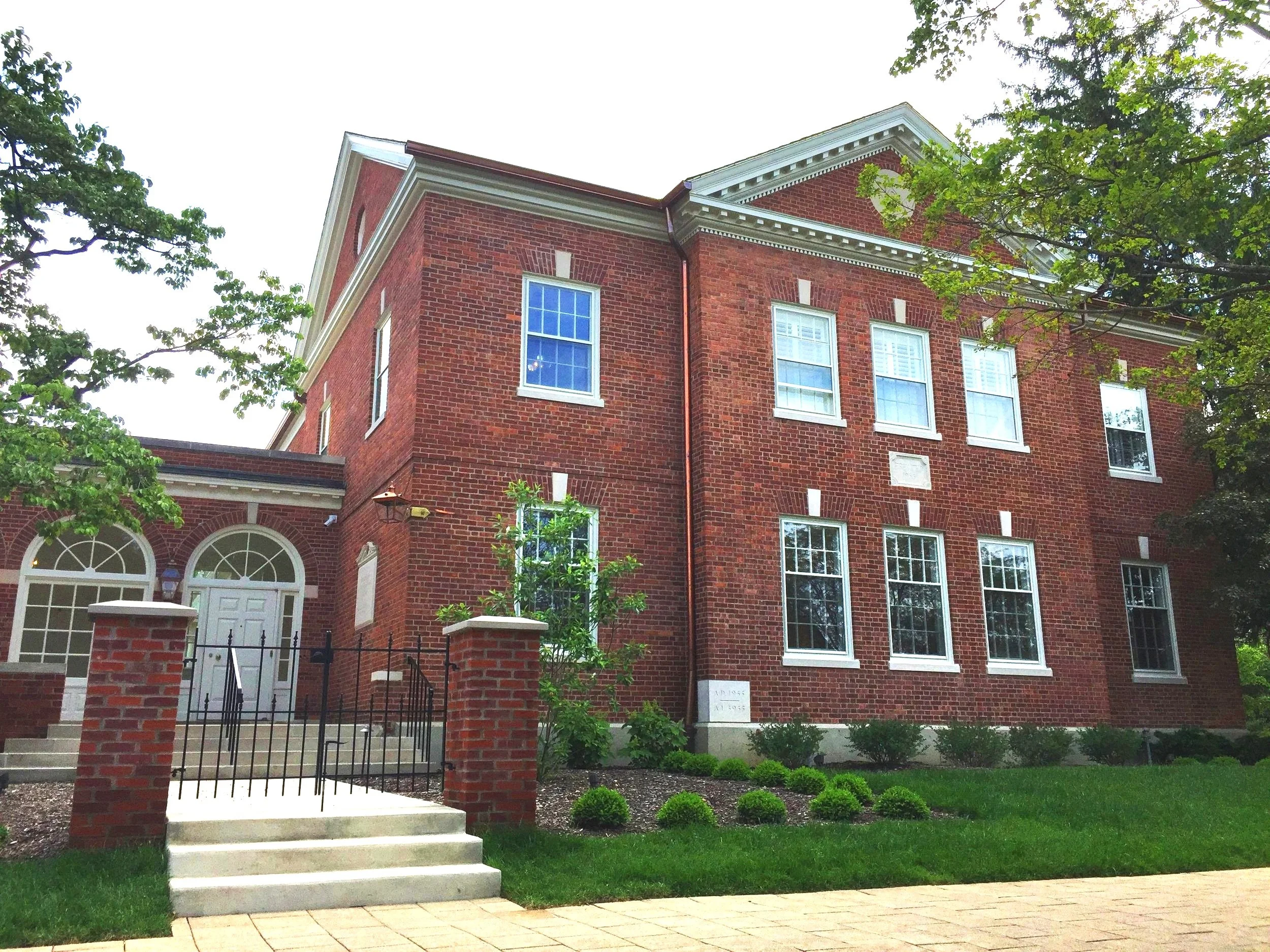
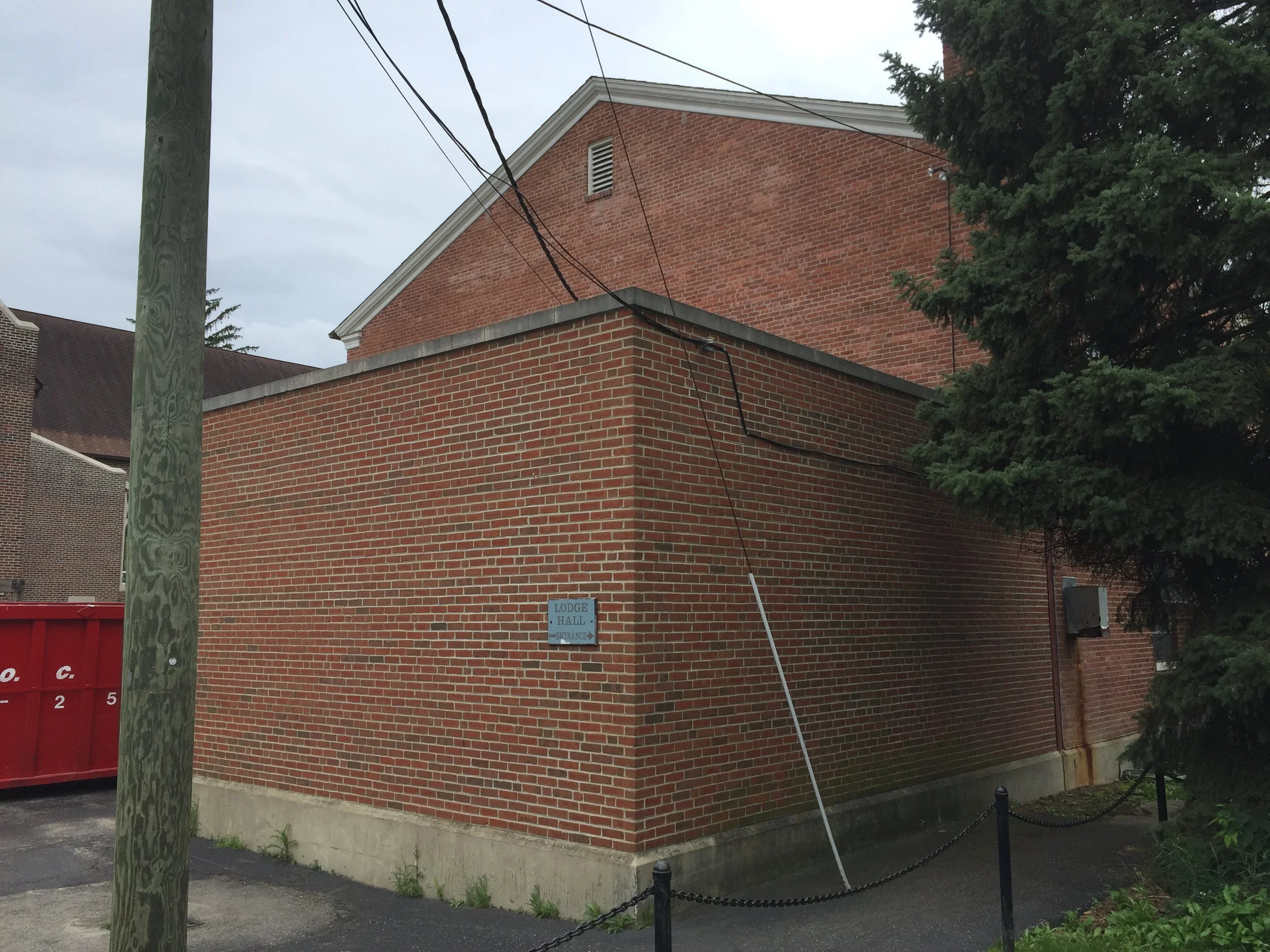
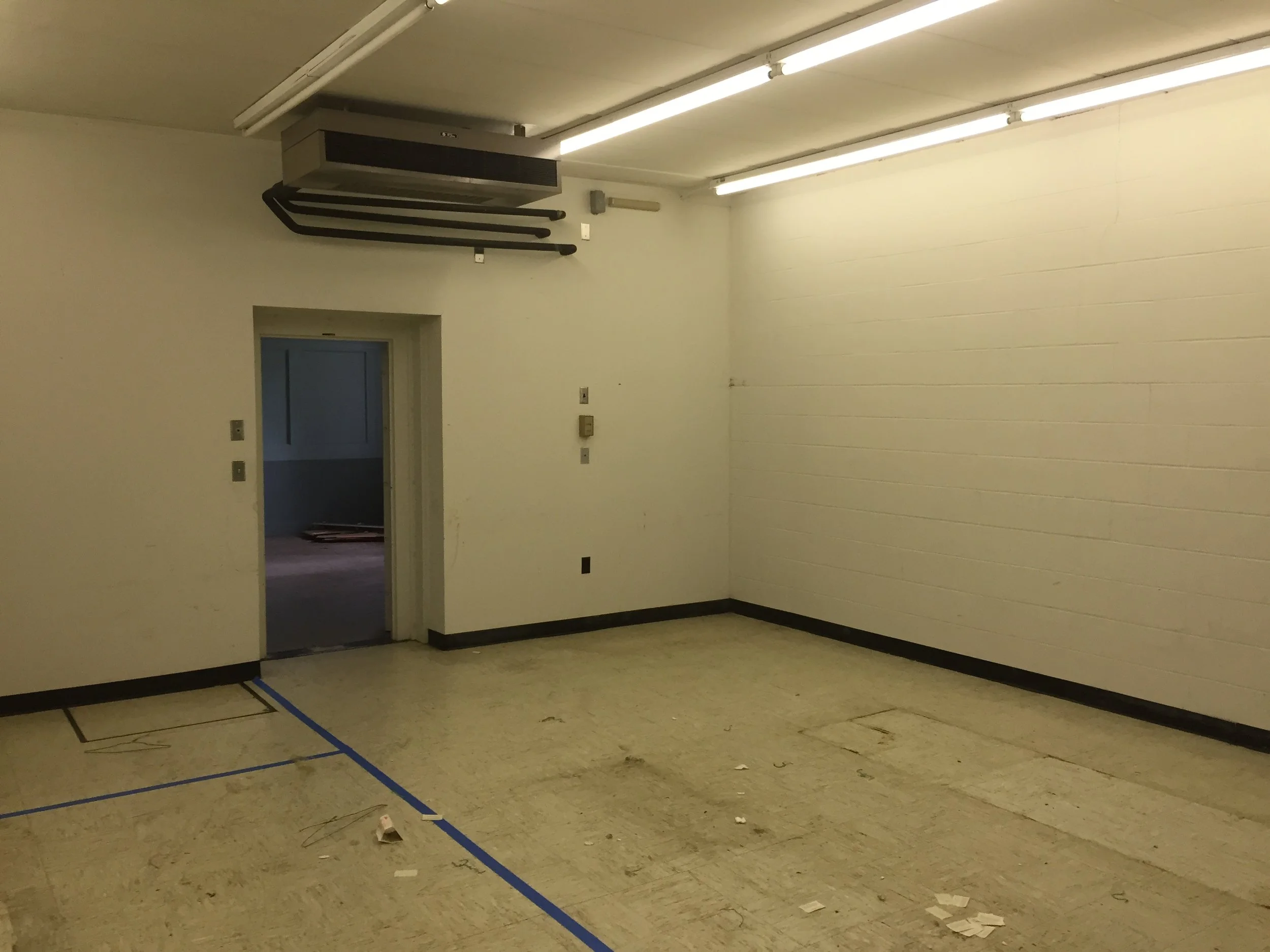
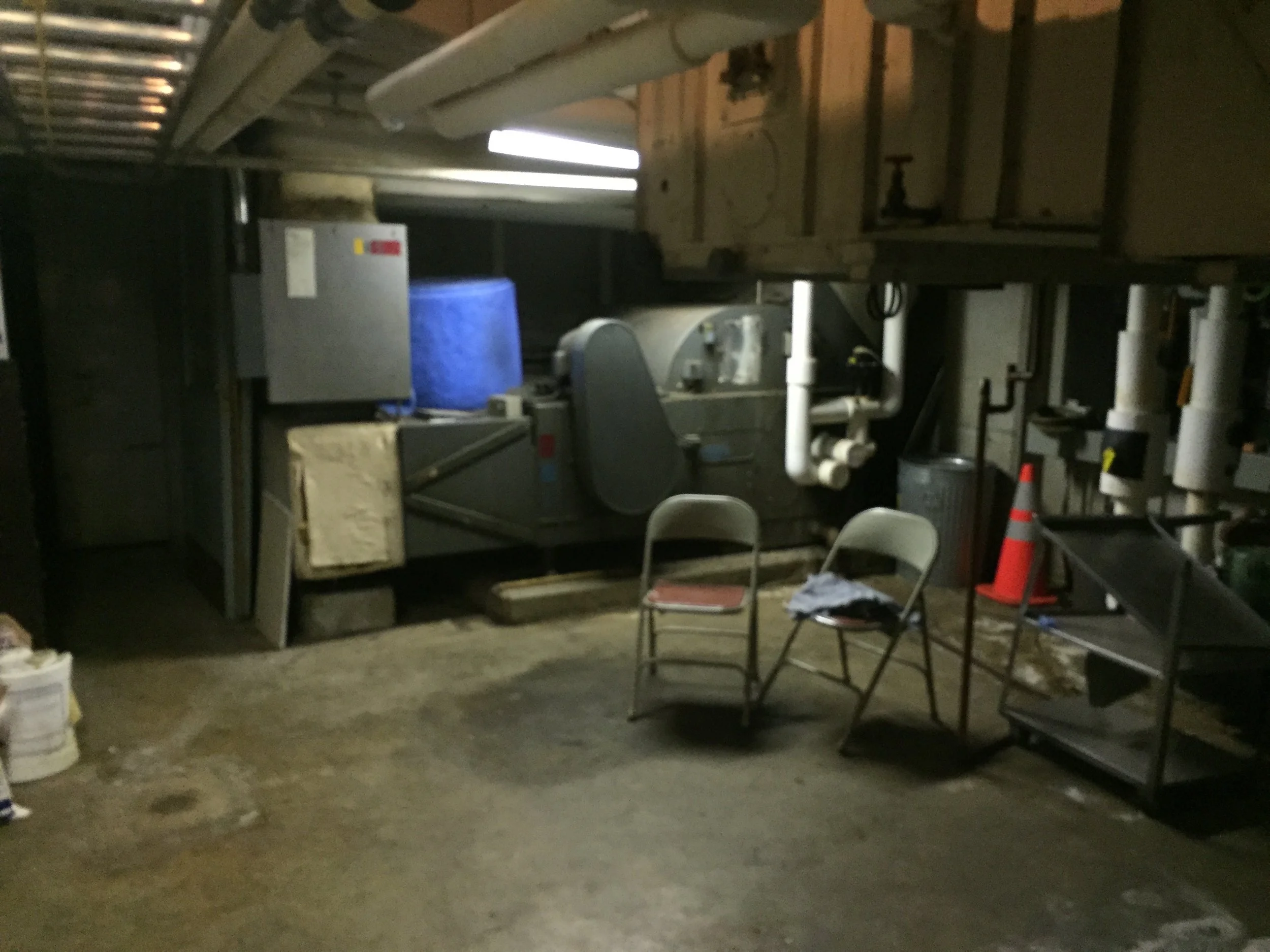
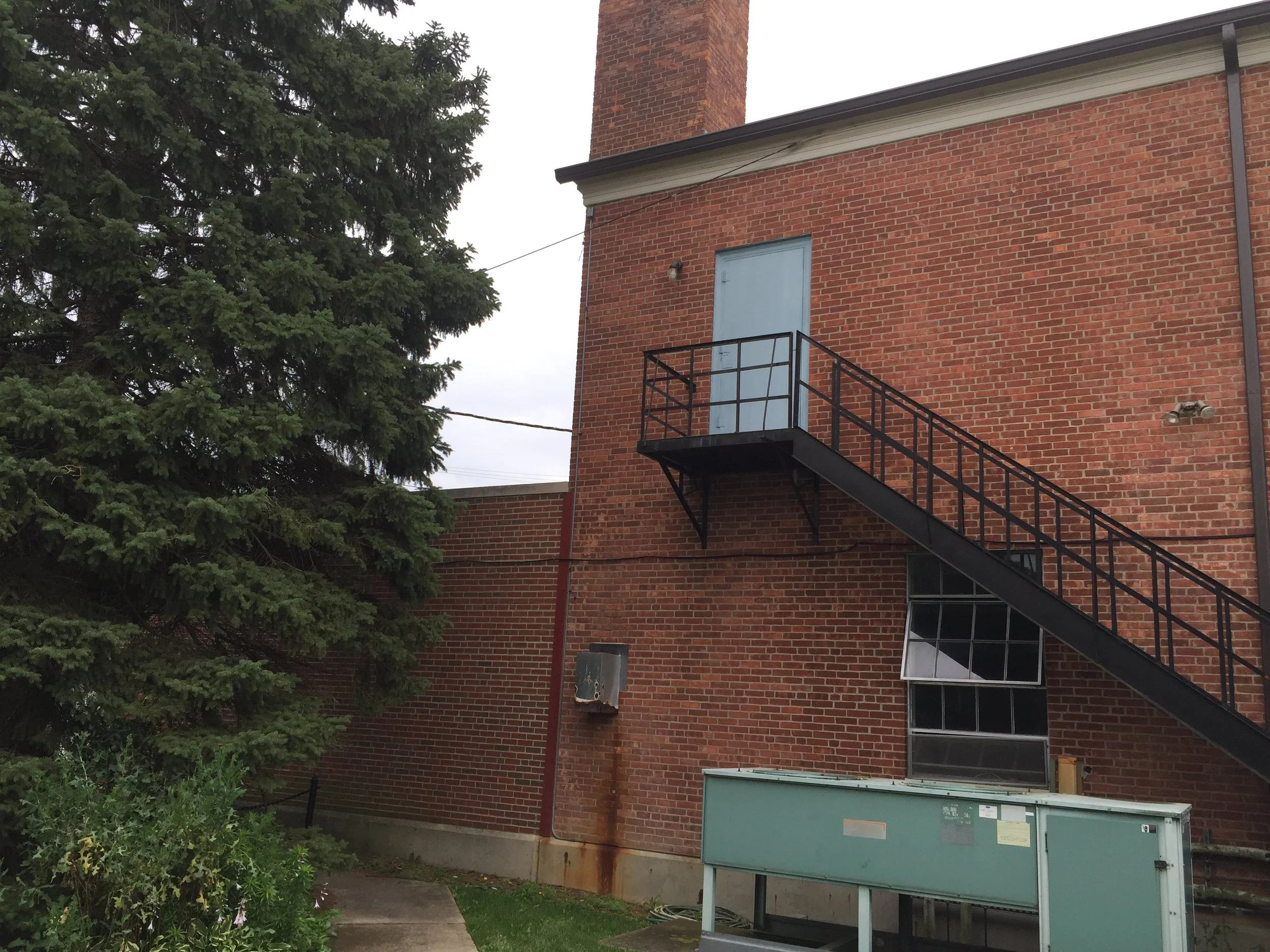
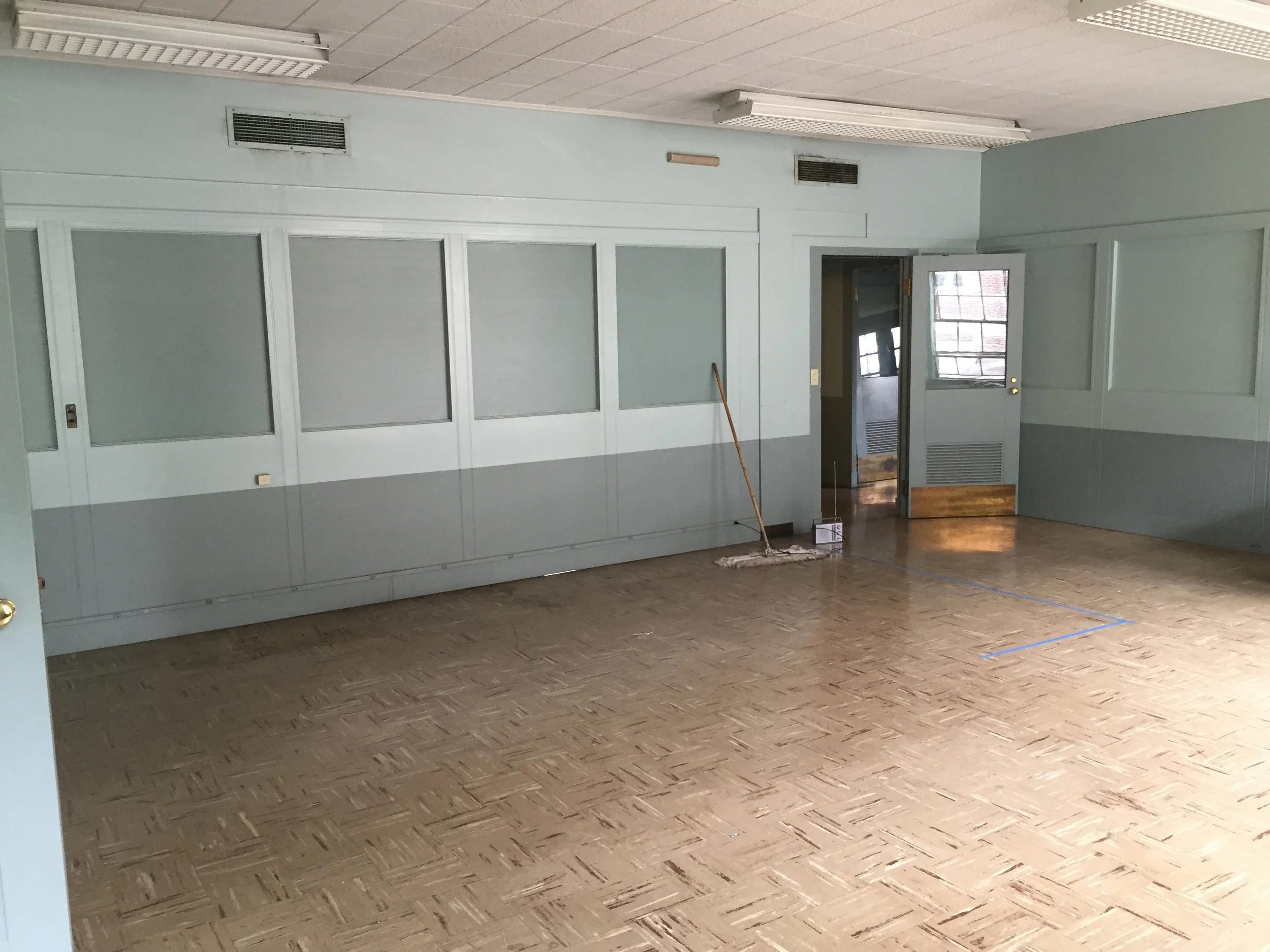
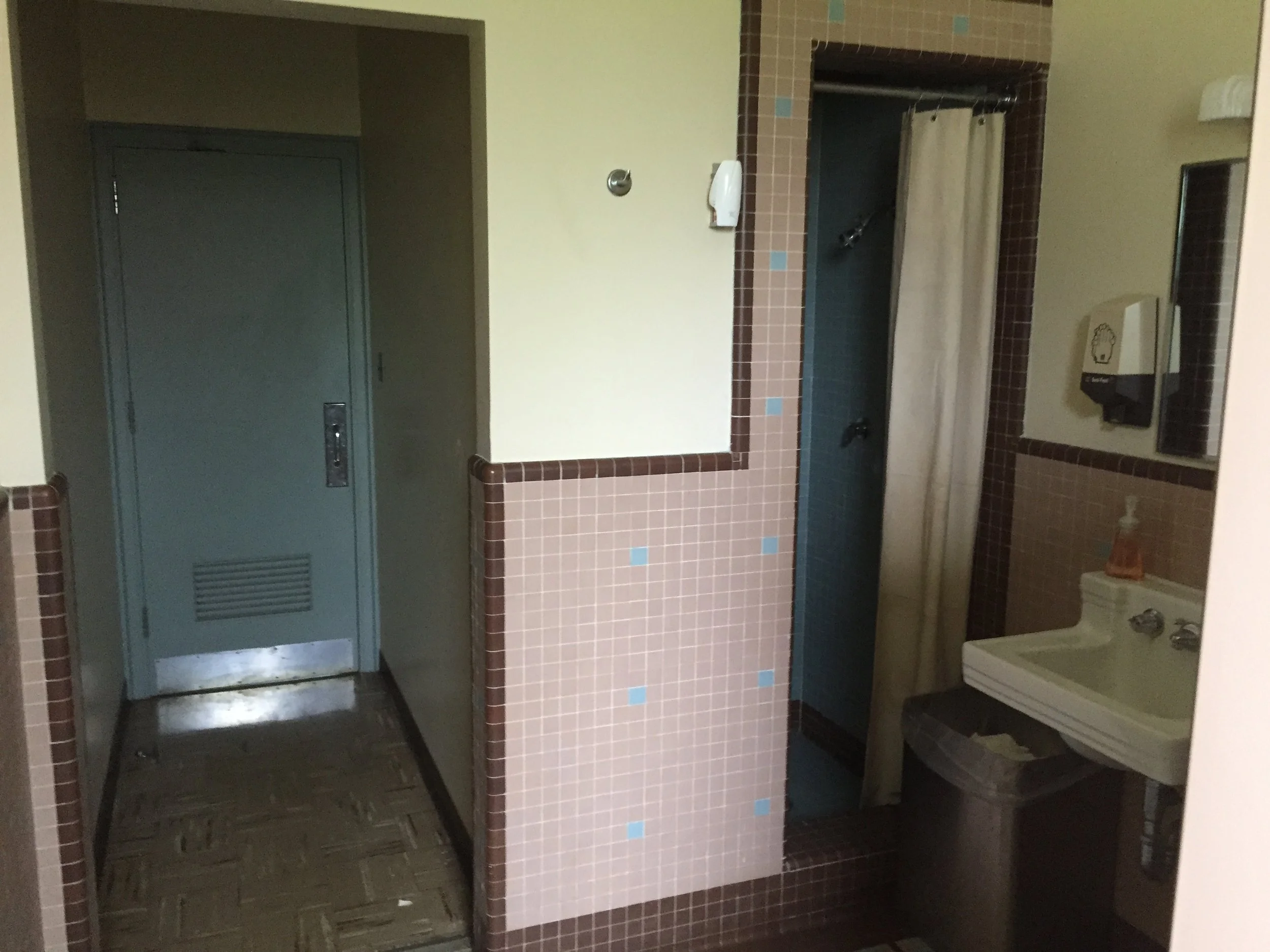
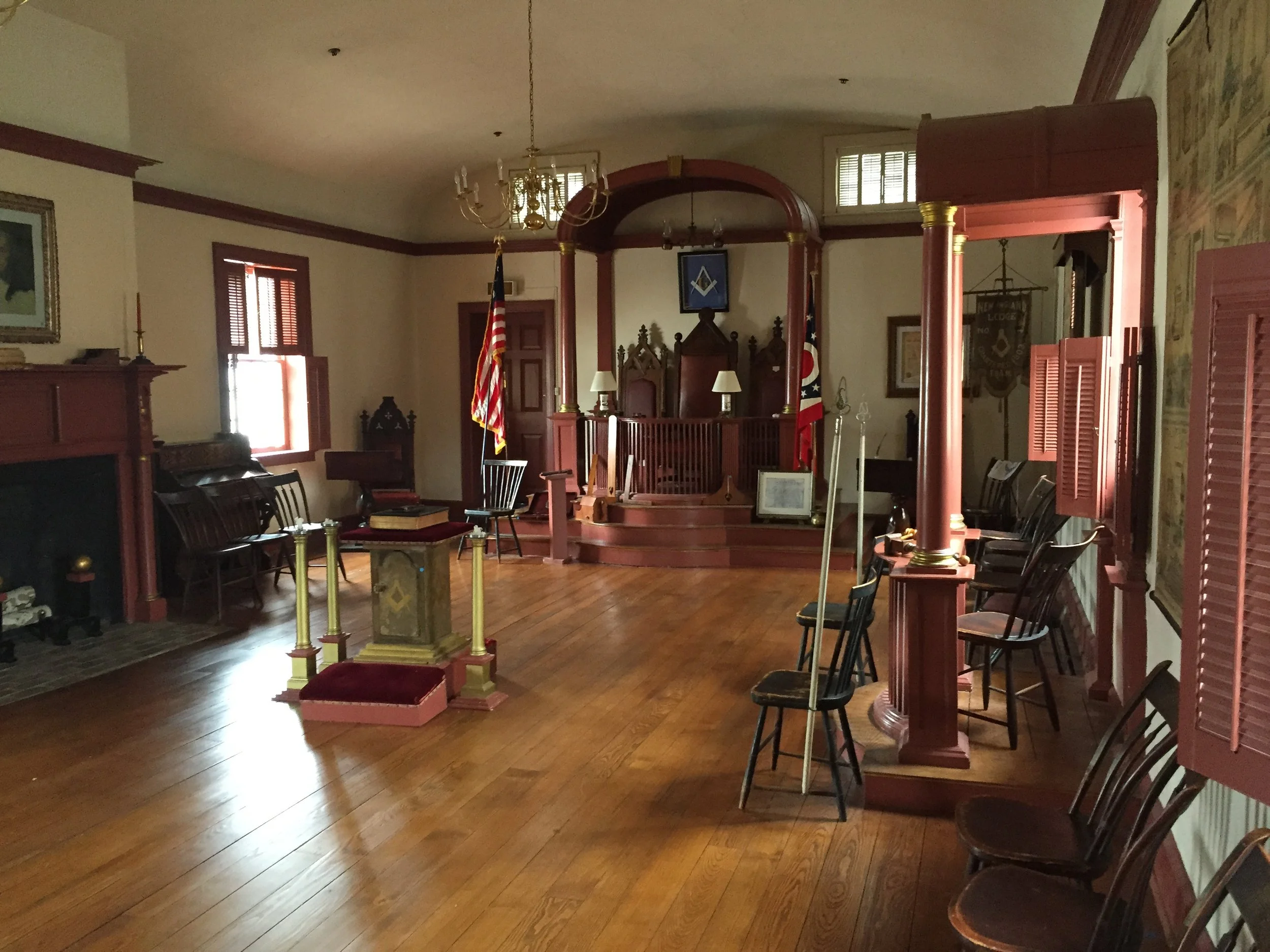
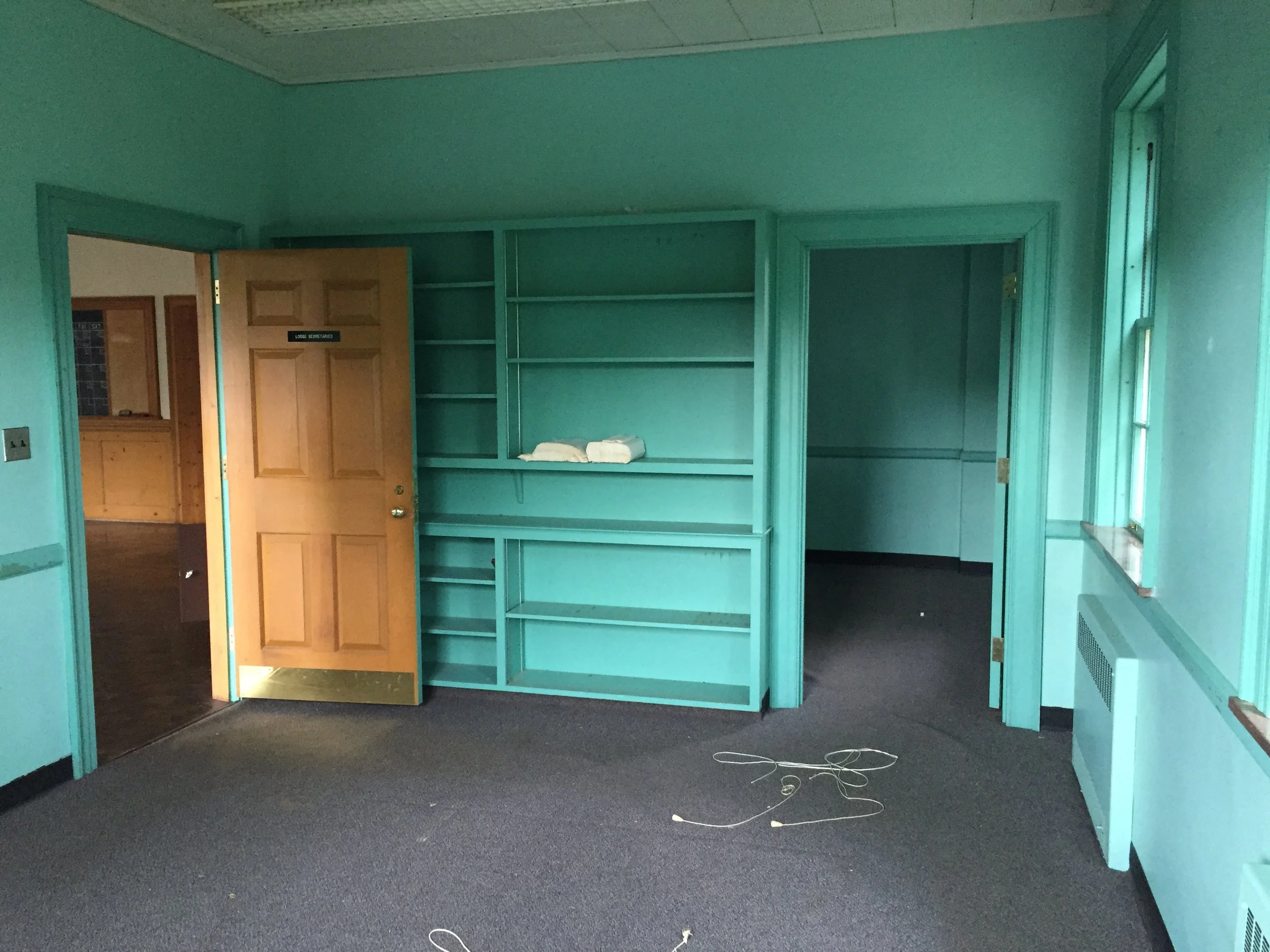
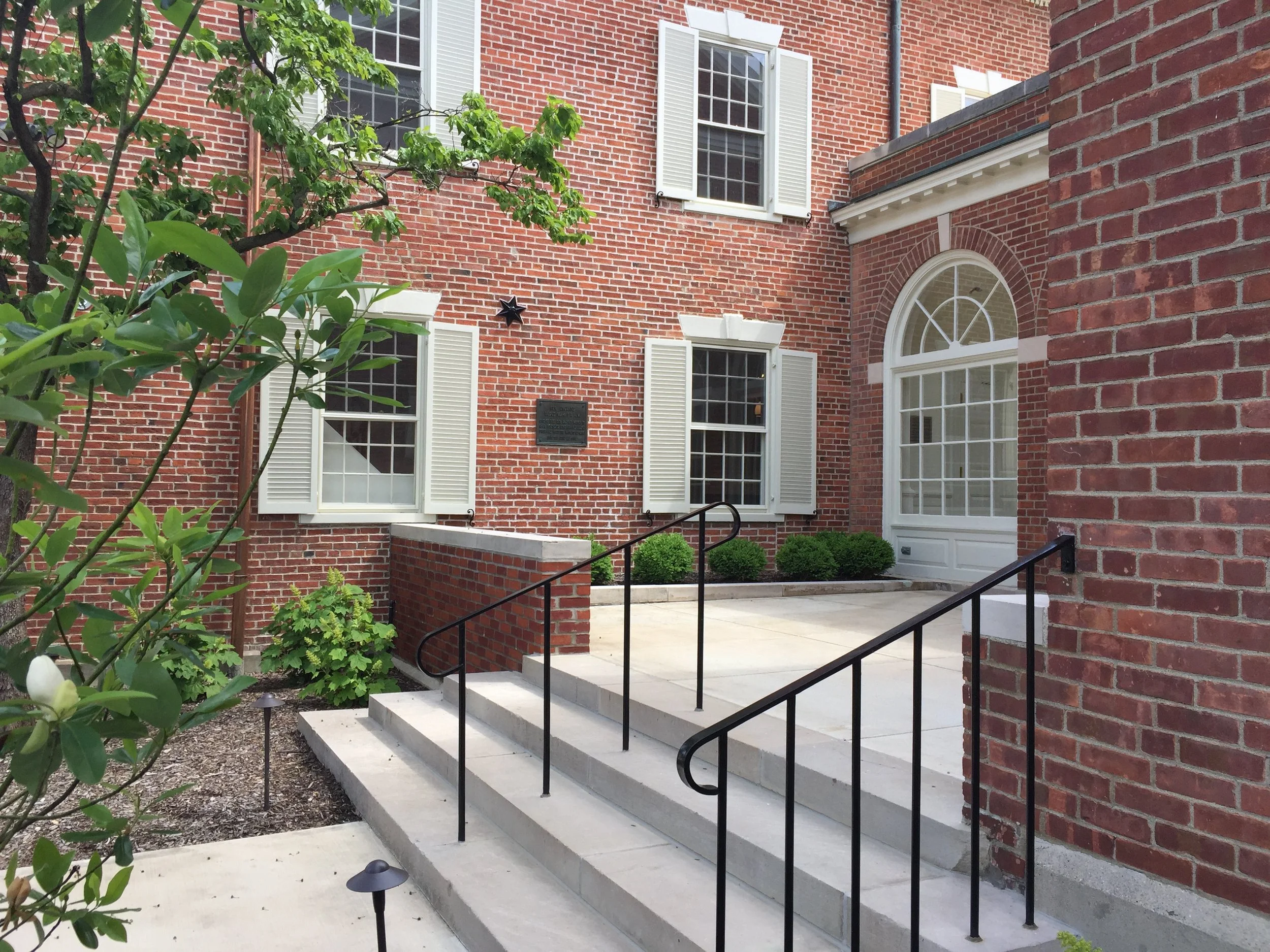
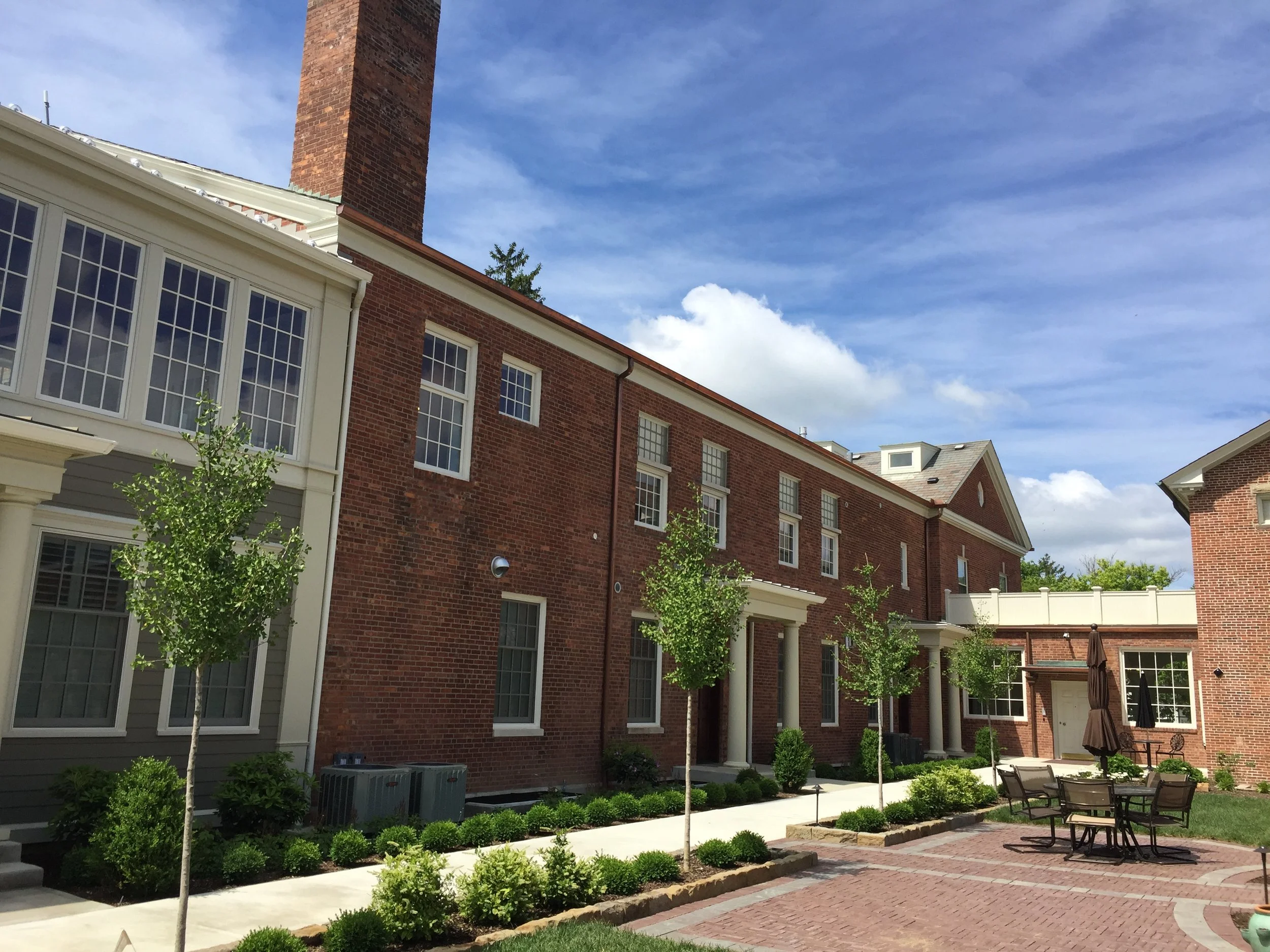
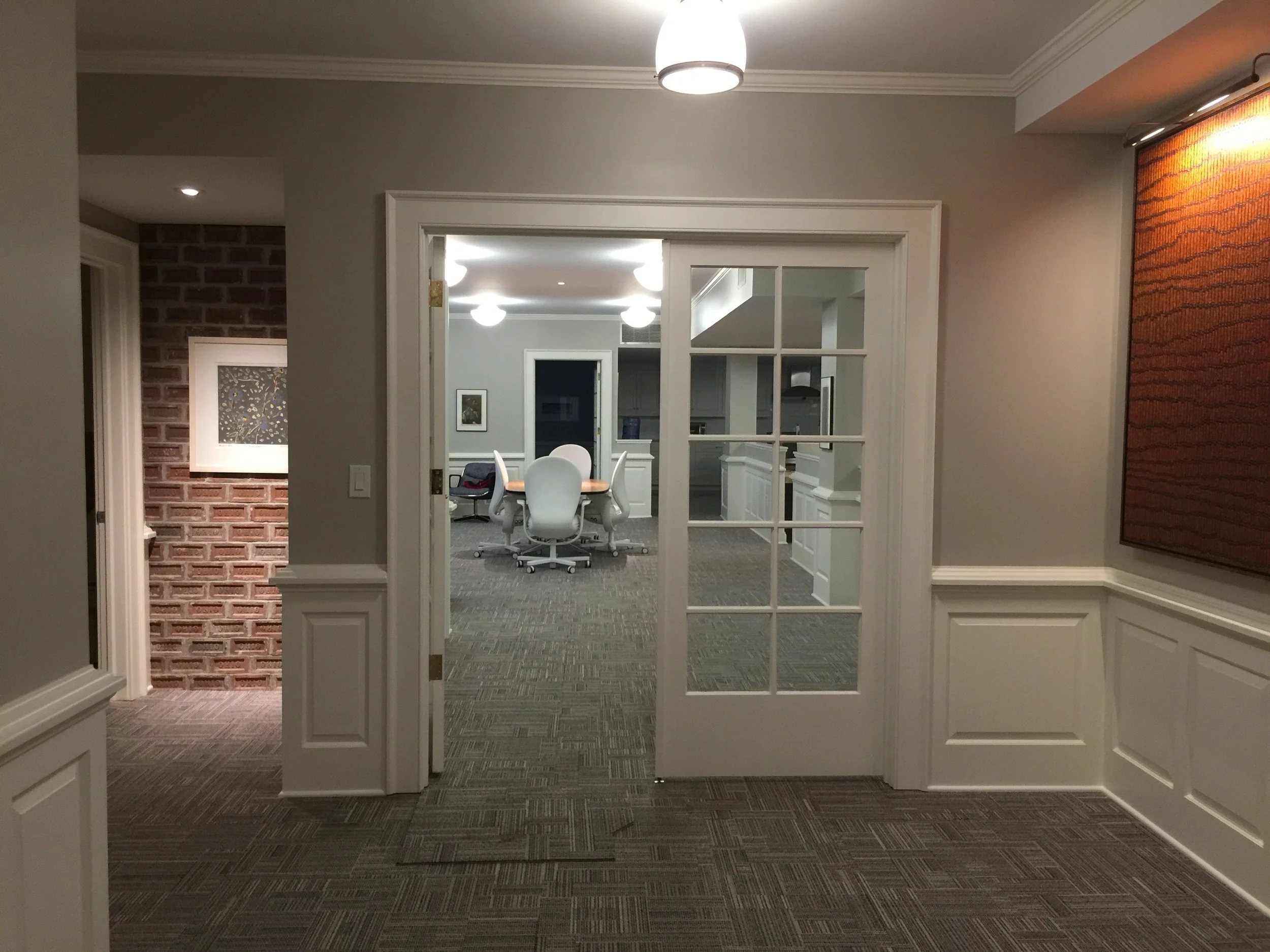
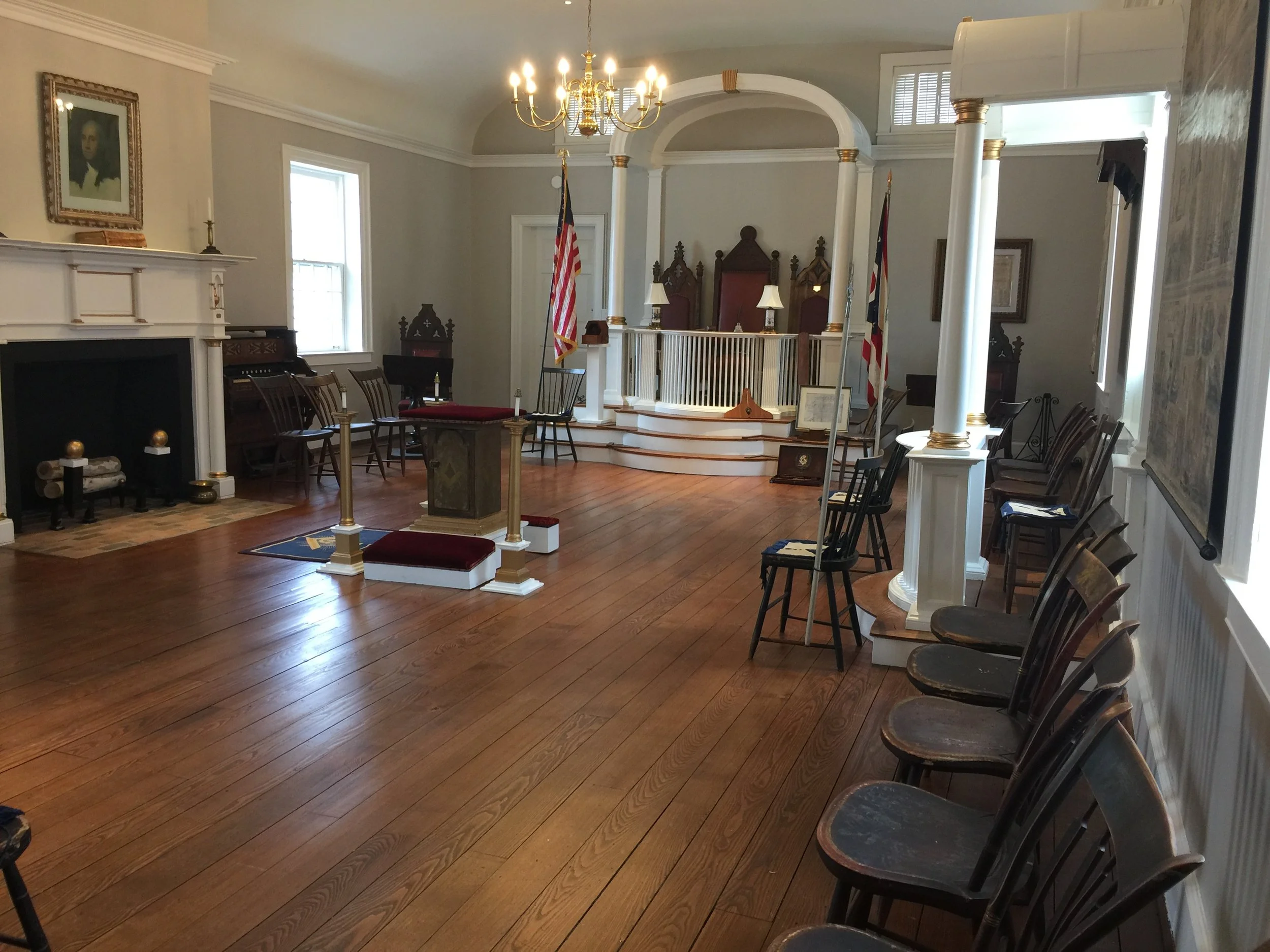
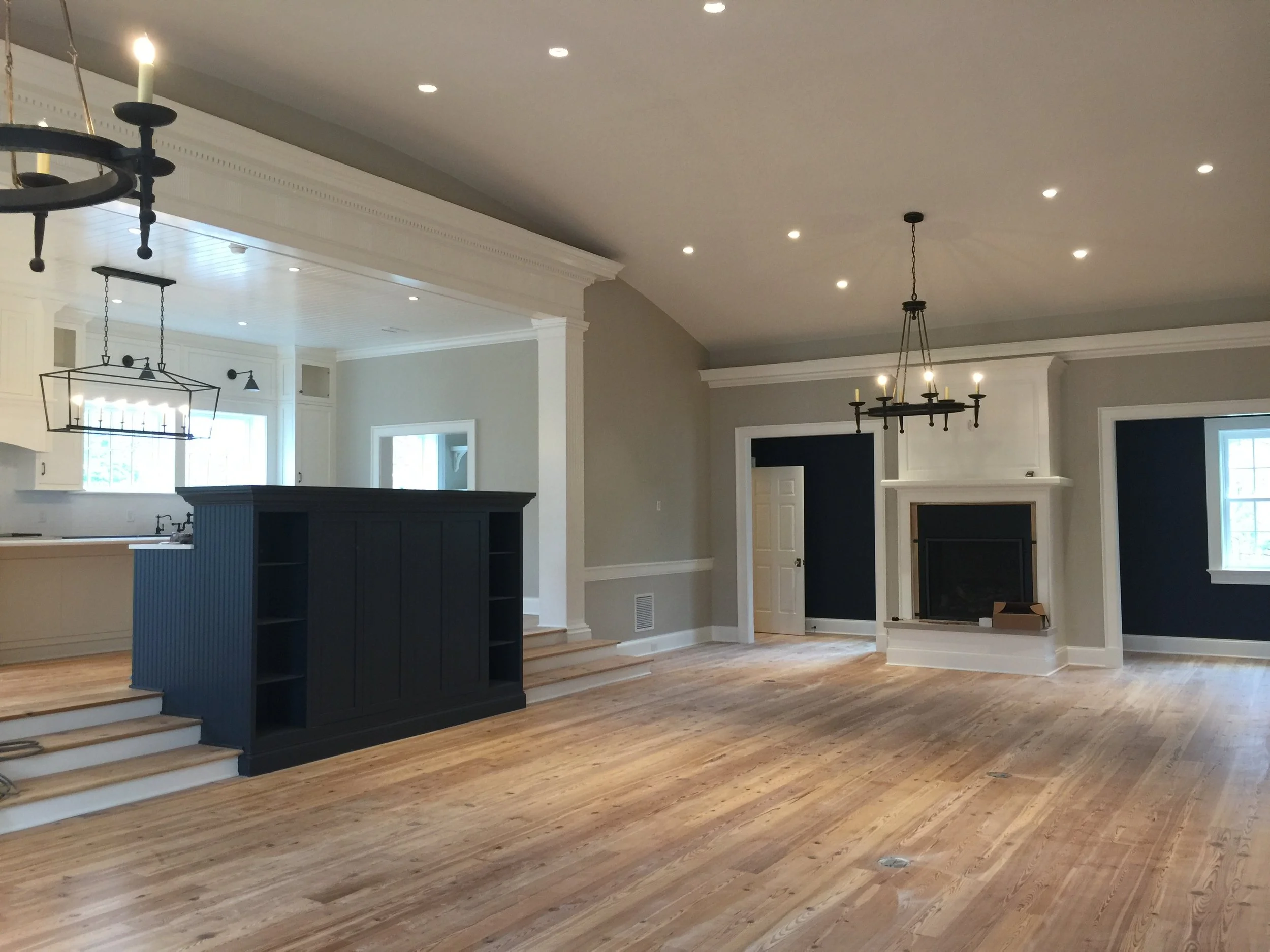
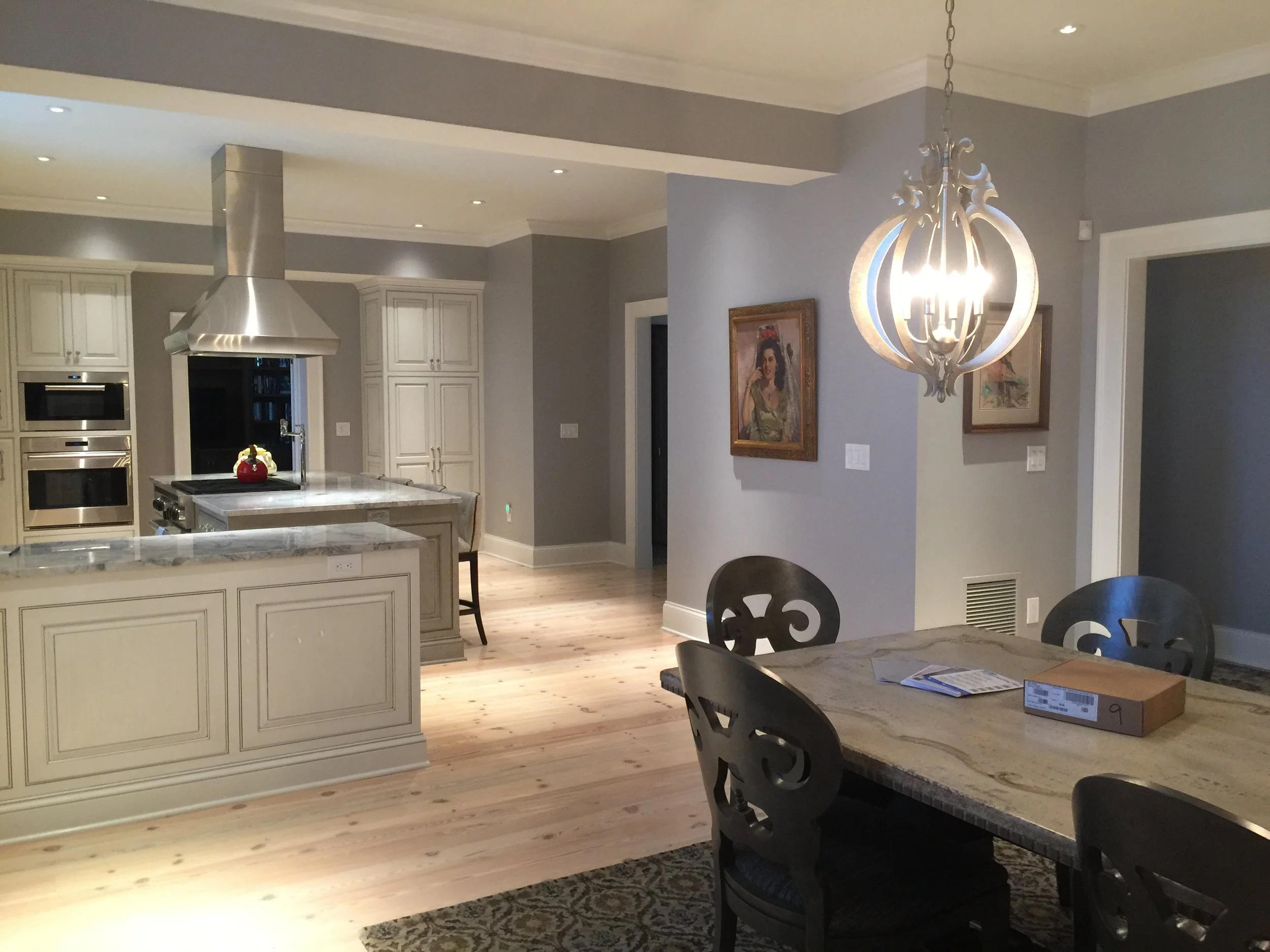
Worthington Lodge, also known as Worthington Masonic Temple, is a temple located in the Historic District of Worthington, Ohio that is listed on the National Register of Historic Places. The building dates back to 1820, and features a historic addition from 1956. It was vacant when it was sold to our client, who intended to convert the historic property into apartments and build additional residential units on an adjacent parcel.
HOW
Designing Local assisted the property owner to secure $250,000 in Ohio Historic Tax Credits and more than $800,000 in Federal Historic Tax Credits on the roughly $4 million redevelopment project.
WHAT
The building now features office space and condominiums.
BEFORE
AFTER
Hayden Building Historic Tax Credit
Columbus, Ohio
WHY
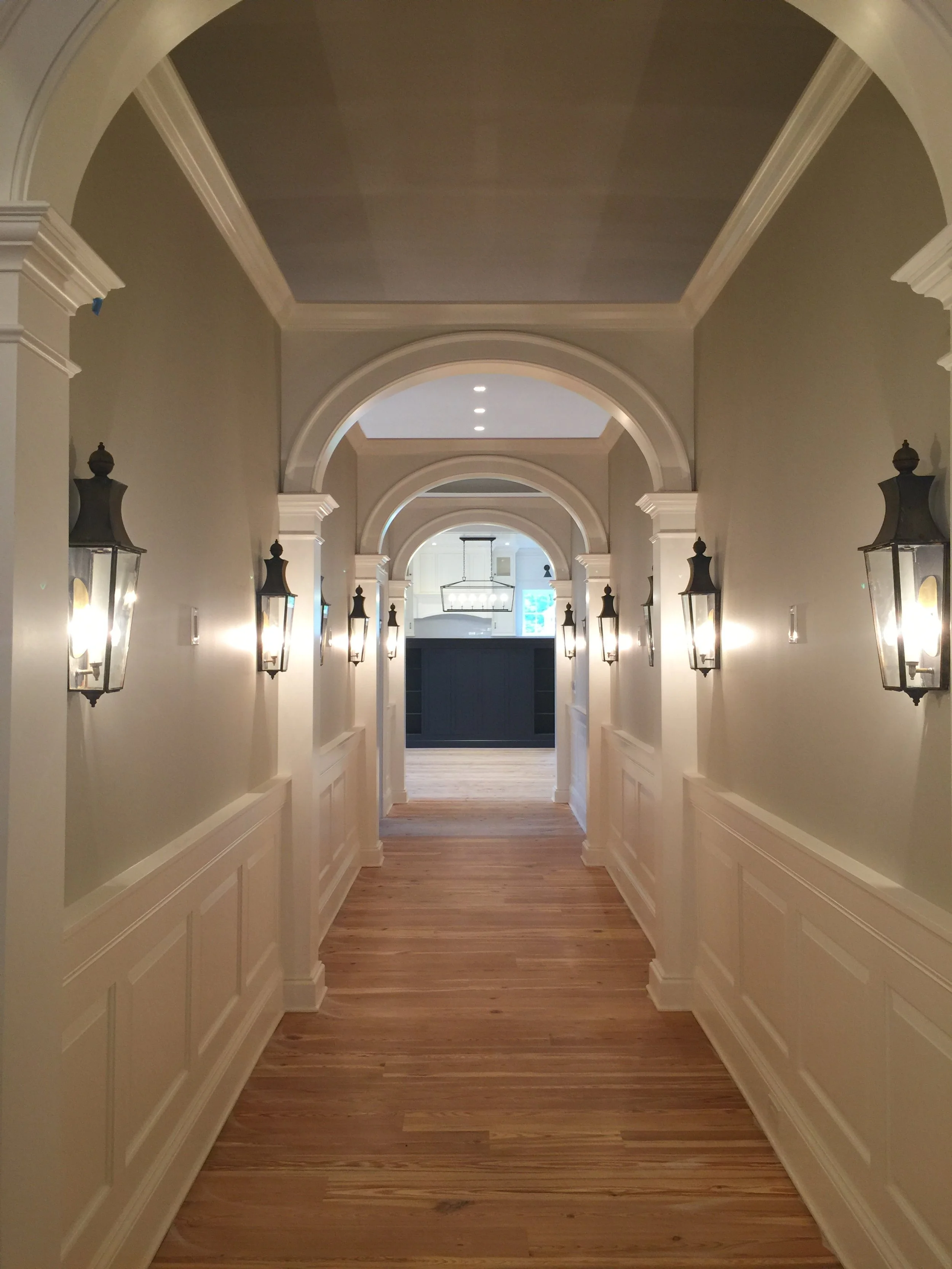
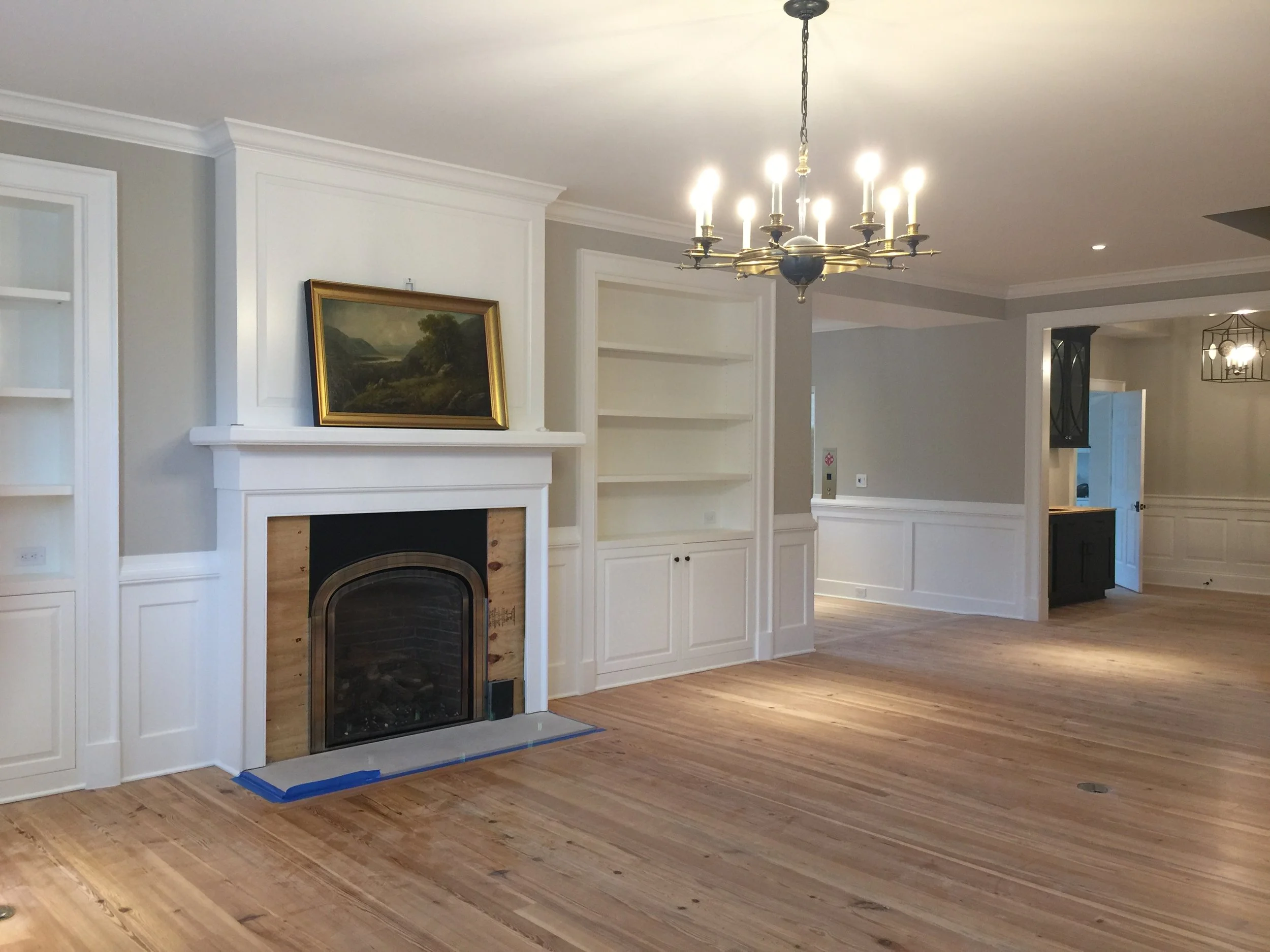
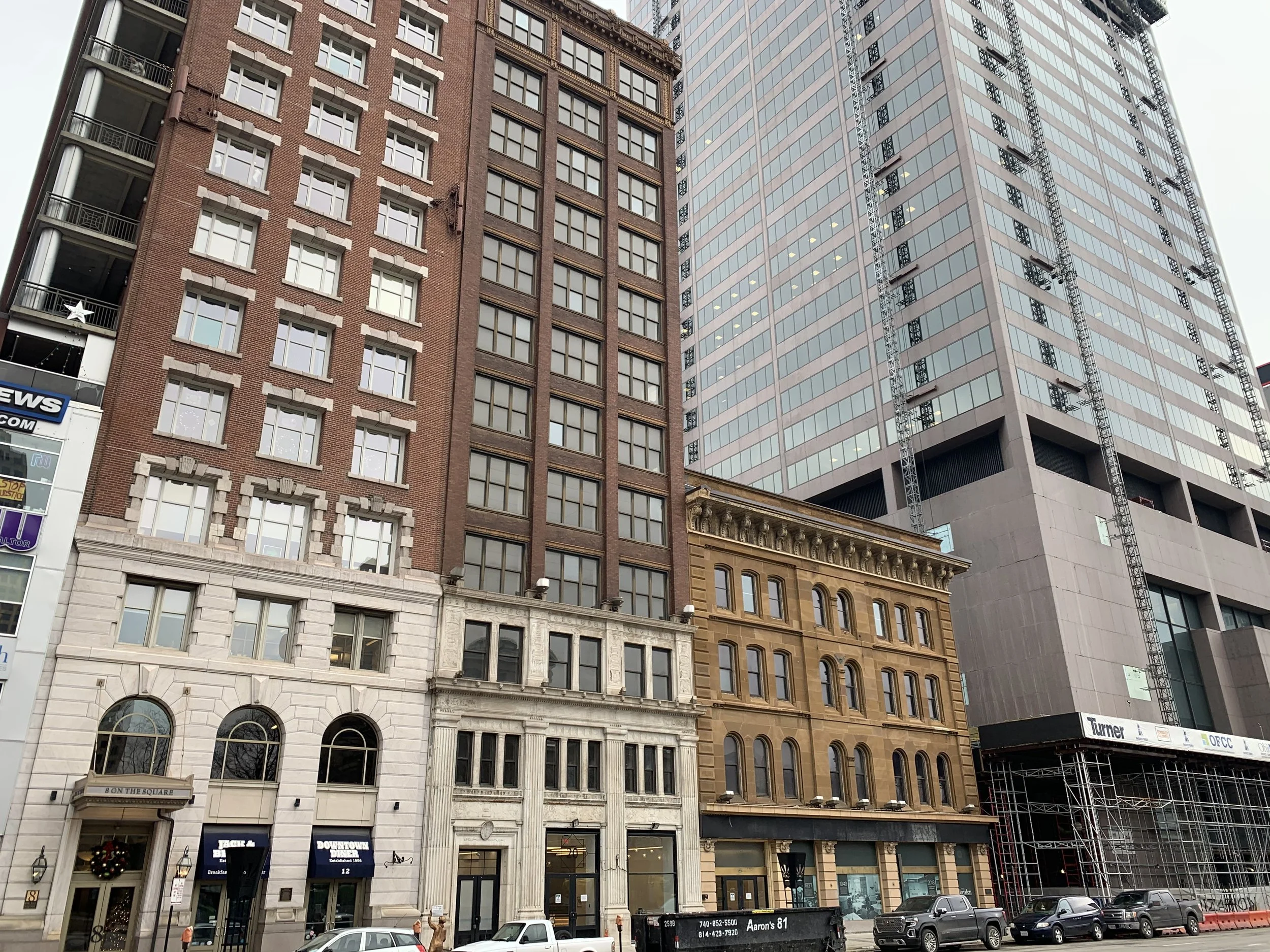
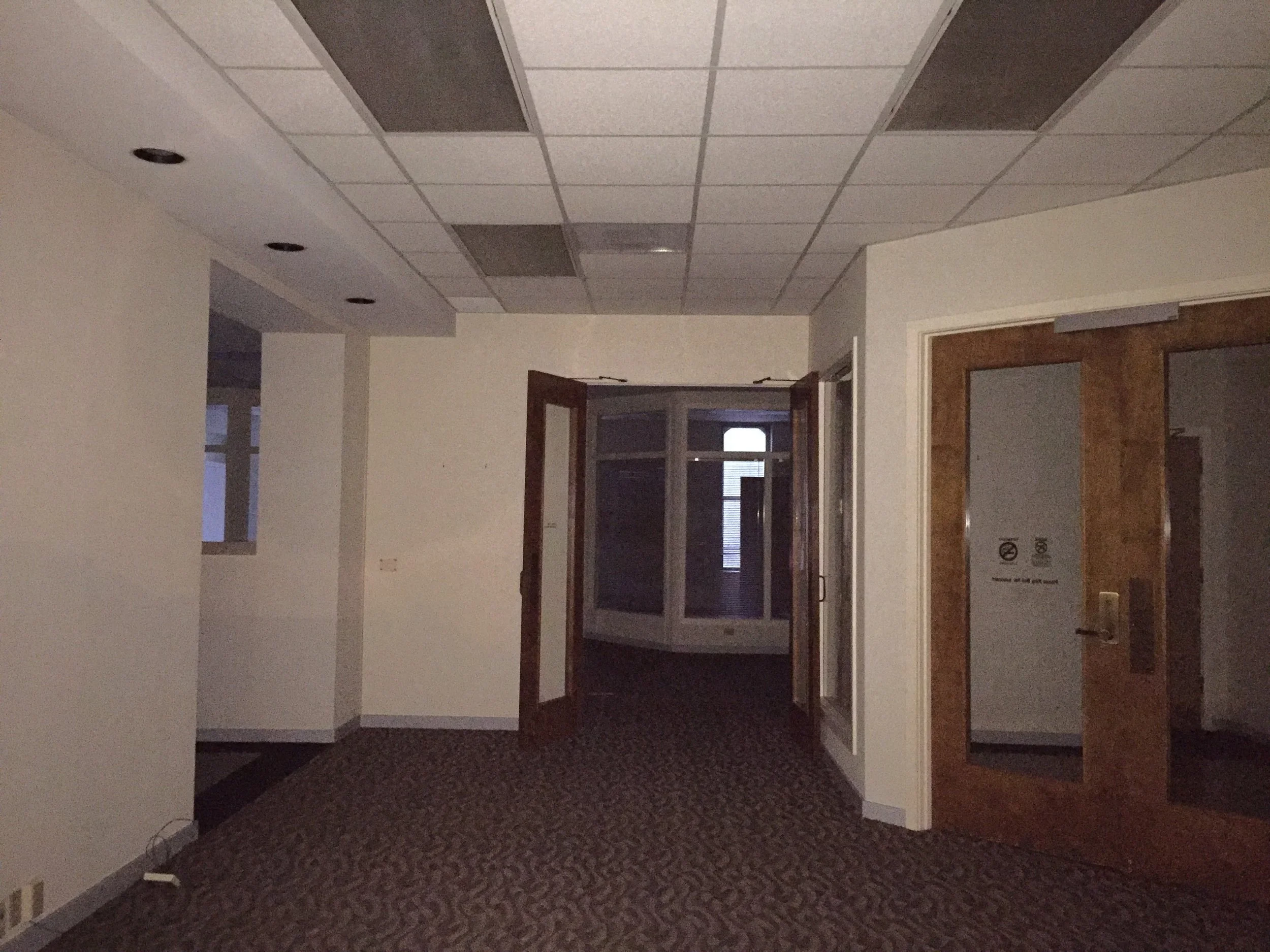
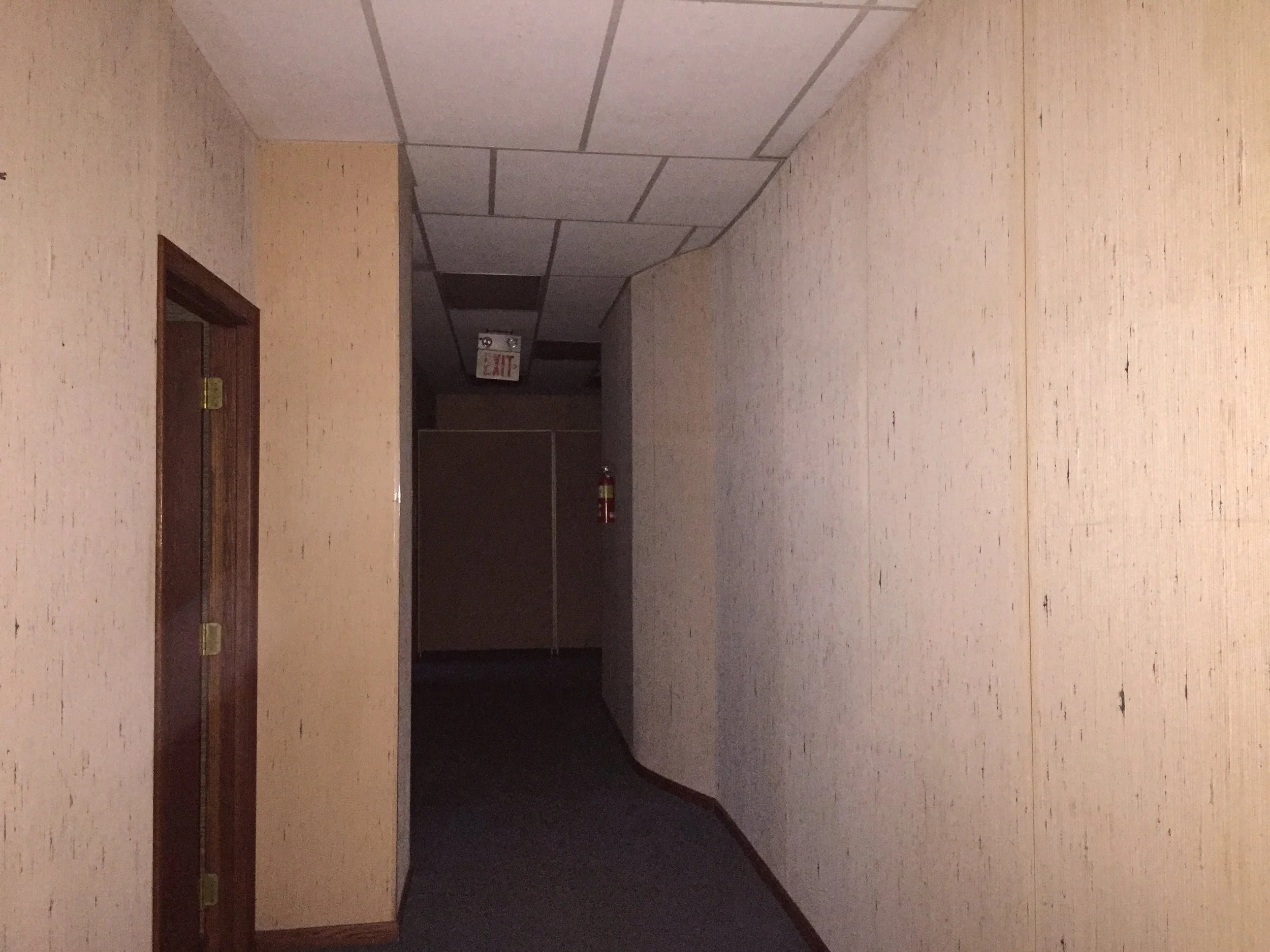
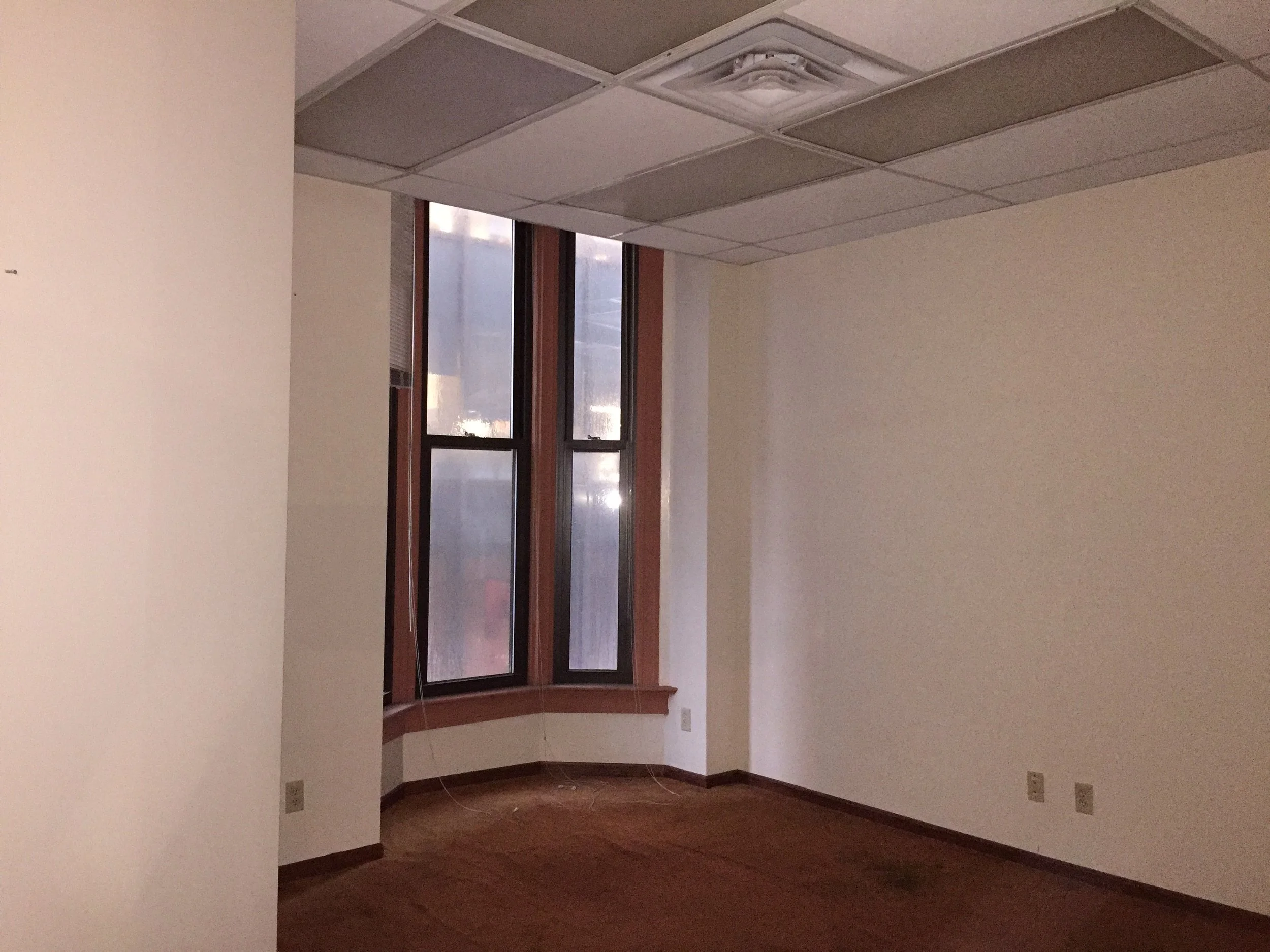
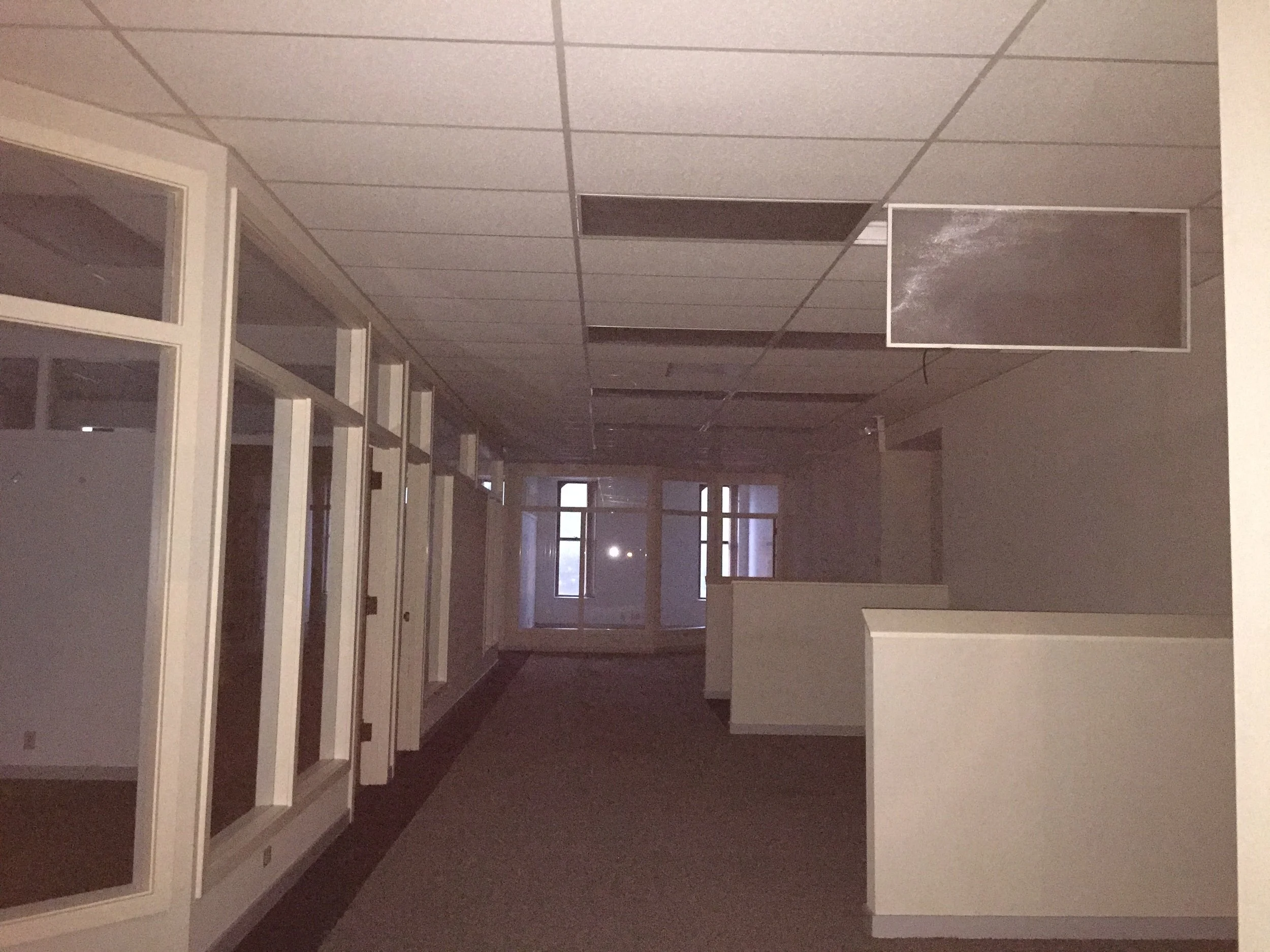
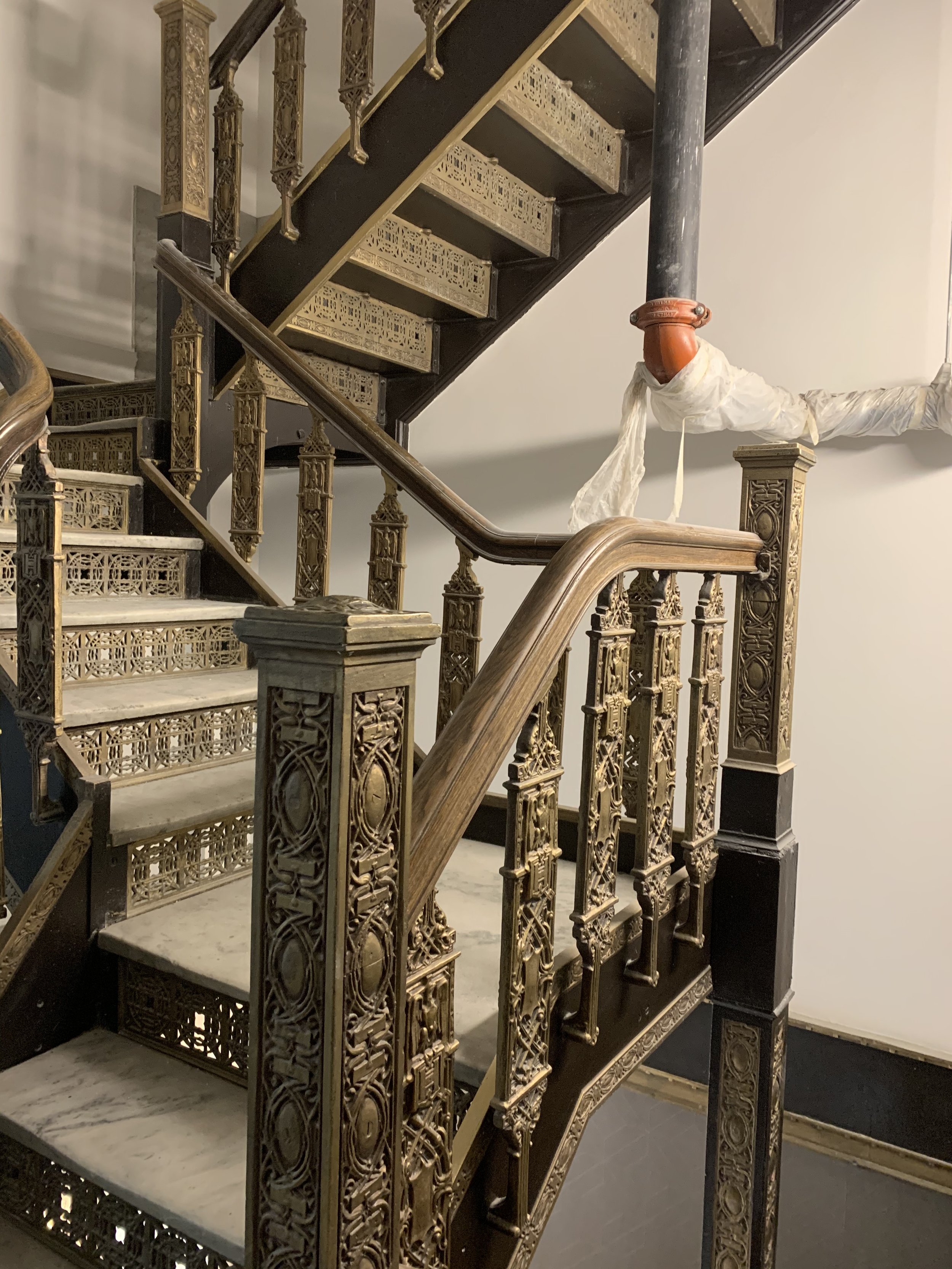
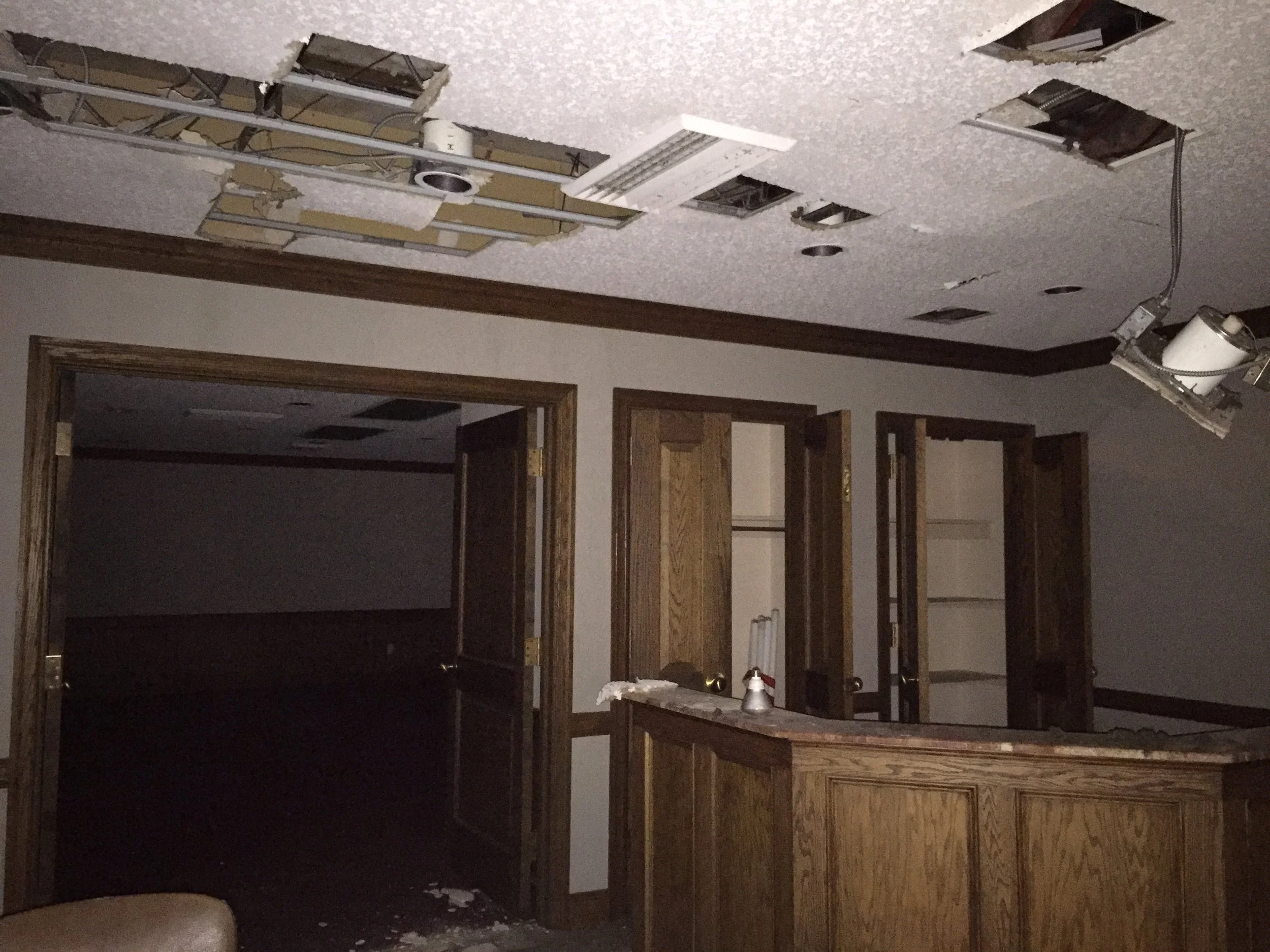
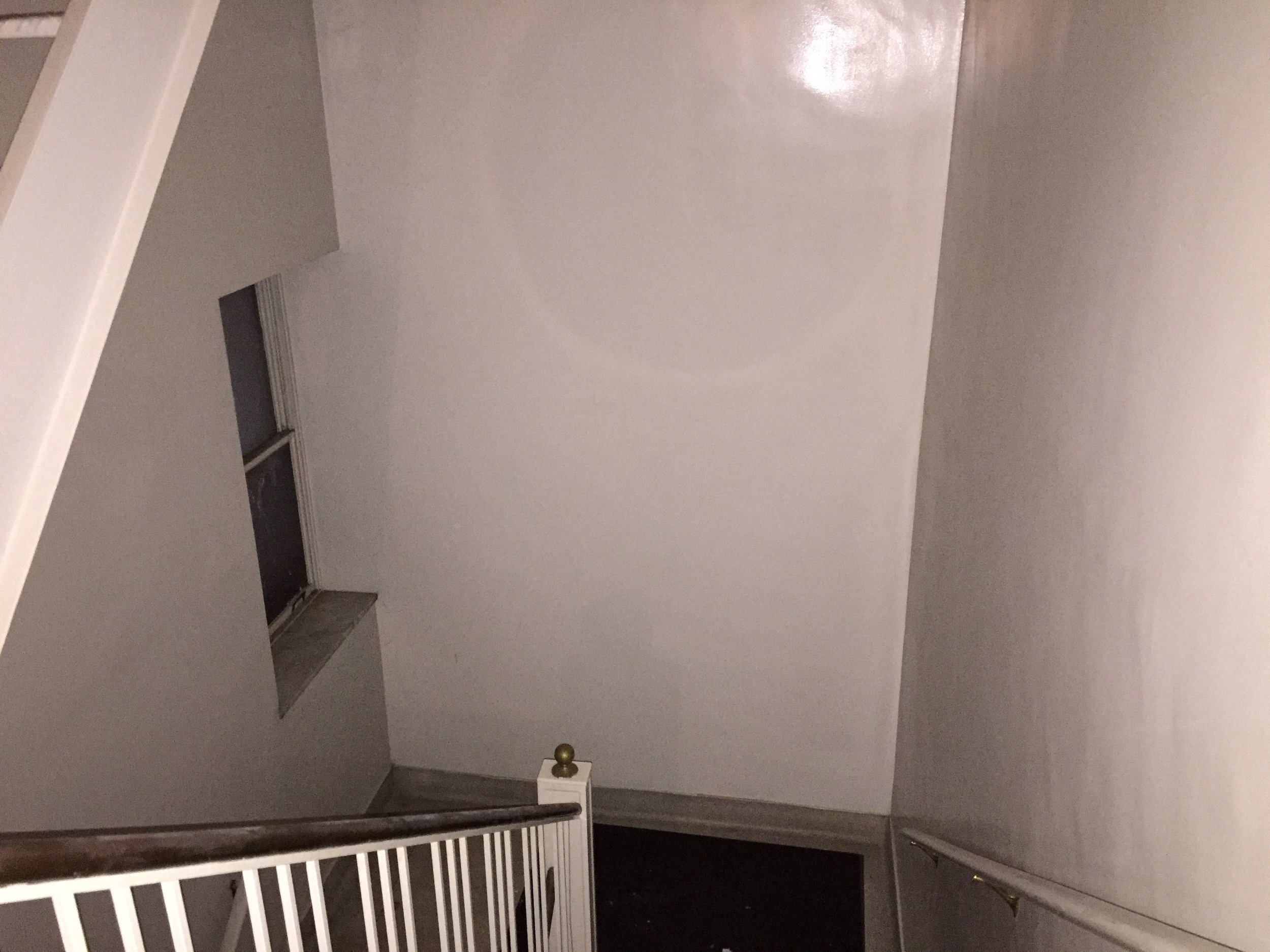
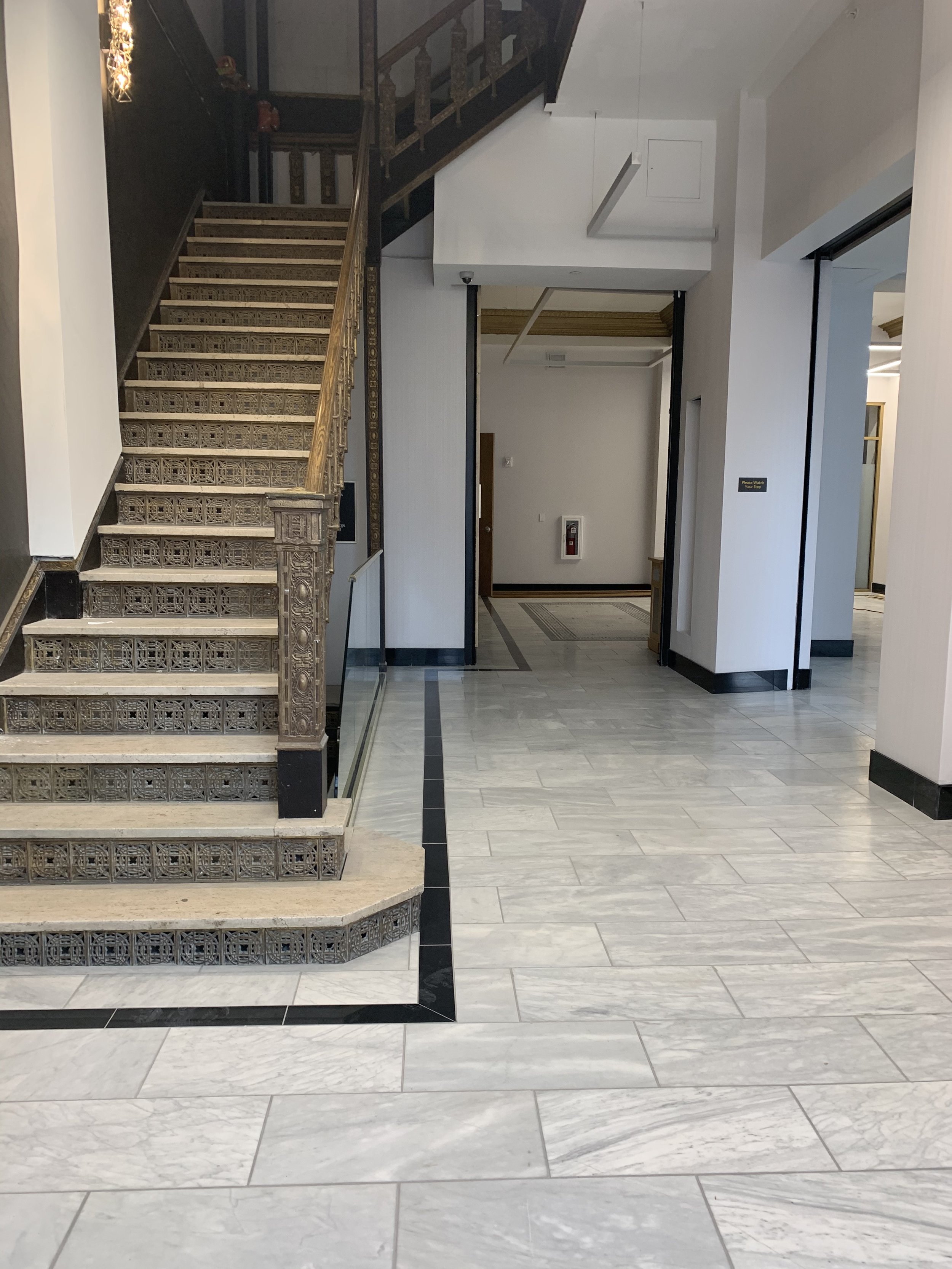
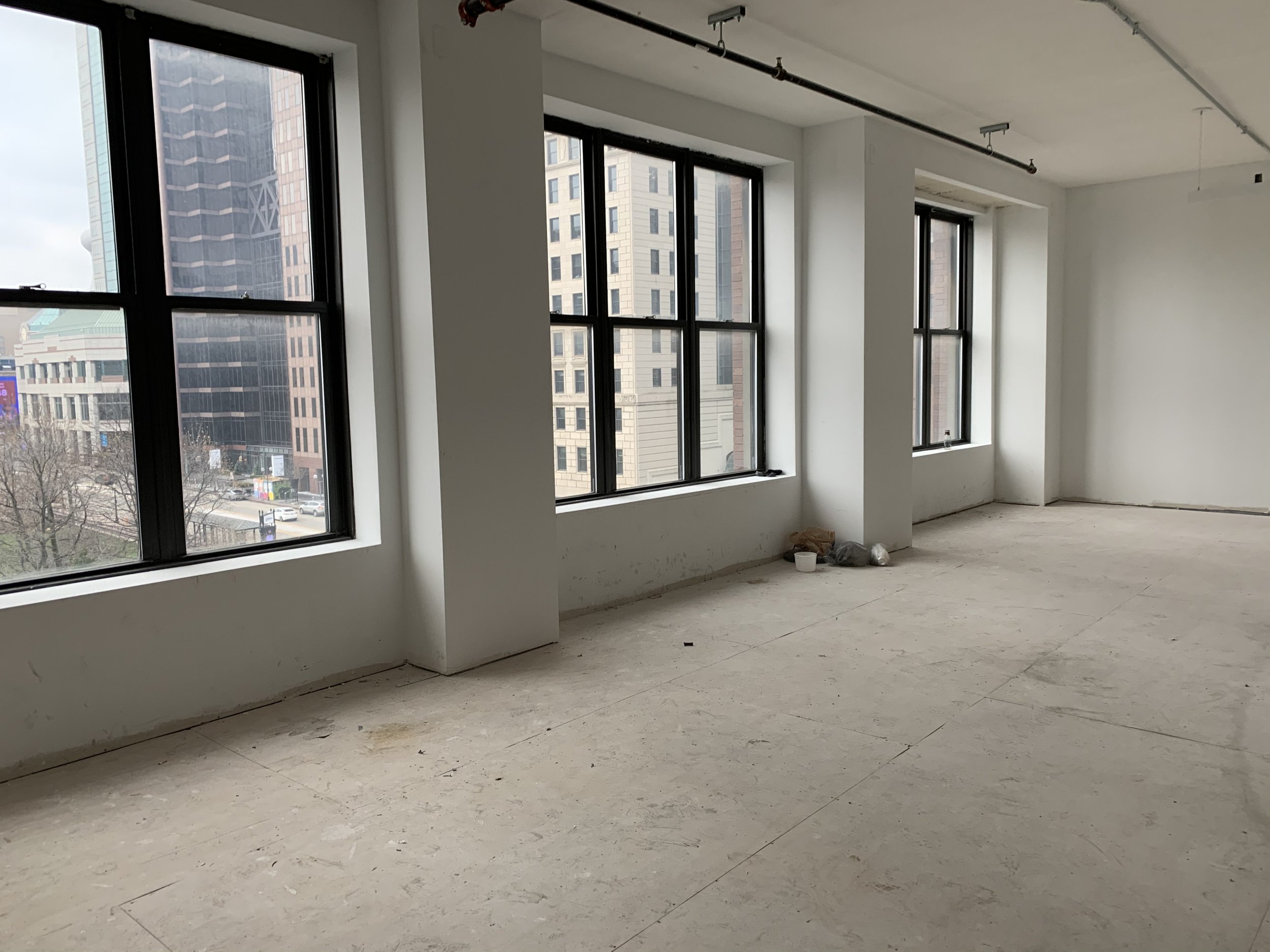
The Hayden is a two-building complex that sits in the shadow of the Rhodes State Office Tower. The four-story building at 20 E. Broad St. was completed in 1869 and is the oldest on Capitol Square. For a time, it was the headquarters of the National Football League.
Its 13-story neighbor at 16 E. Broad St. was the city's tallest building from its completion in 1901 until the 47-story LeVeque Tower was completed 25 years later. The 11-story Wyandotte Building, regarded as the city's first skyscraper, was built in 1897.
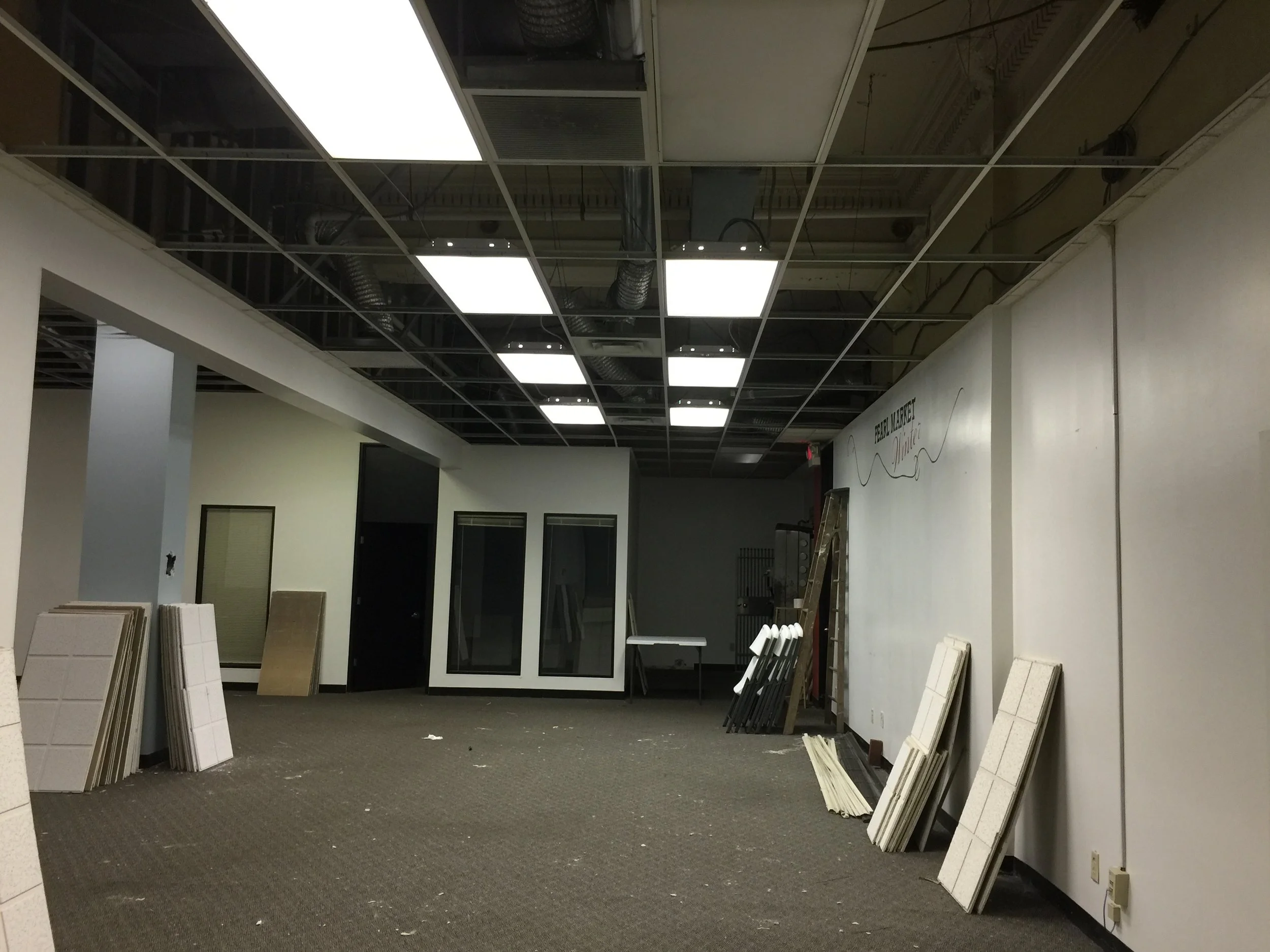
When the building was acquired by its current owner, Tomko Company, it was vacant and in a state of disrepair. The owner planned to convert the property into office space as well for retail tenants on the 1st Floor.
HOW
Designing Local helped the property owner secure the Ohio Historic Tax Credit and the Federal Historic Tax Credit.
WHAT
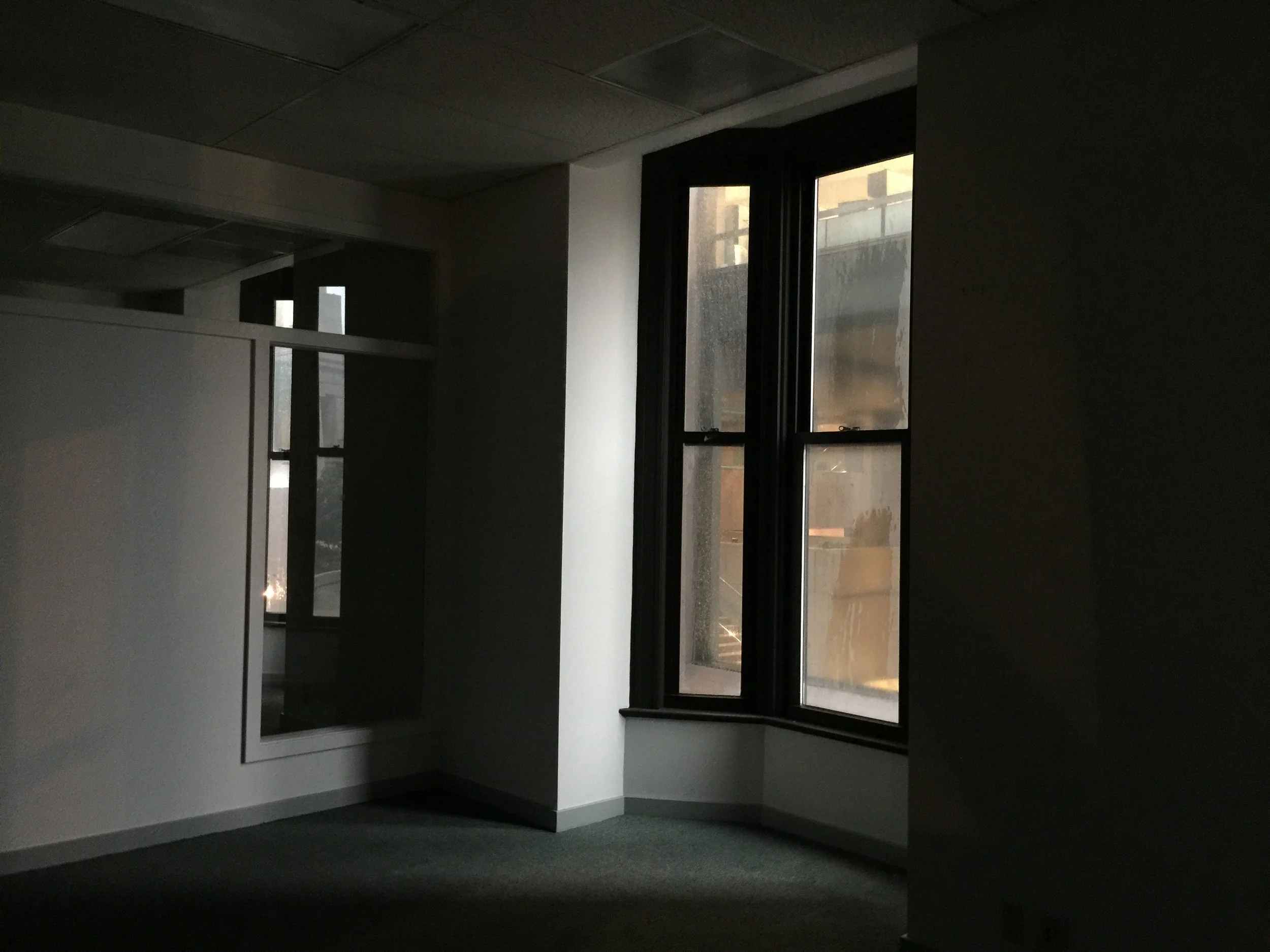
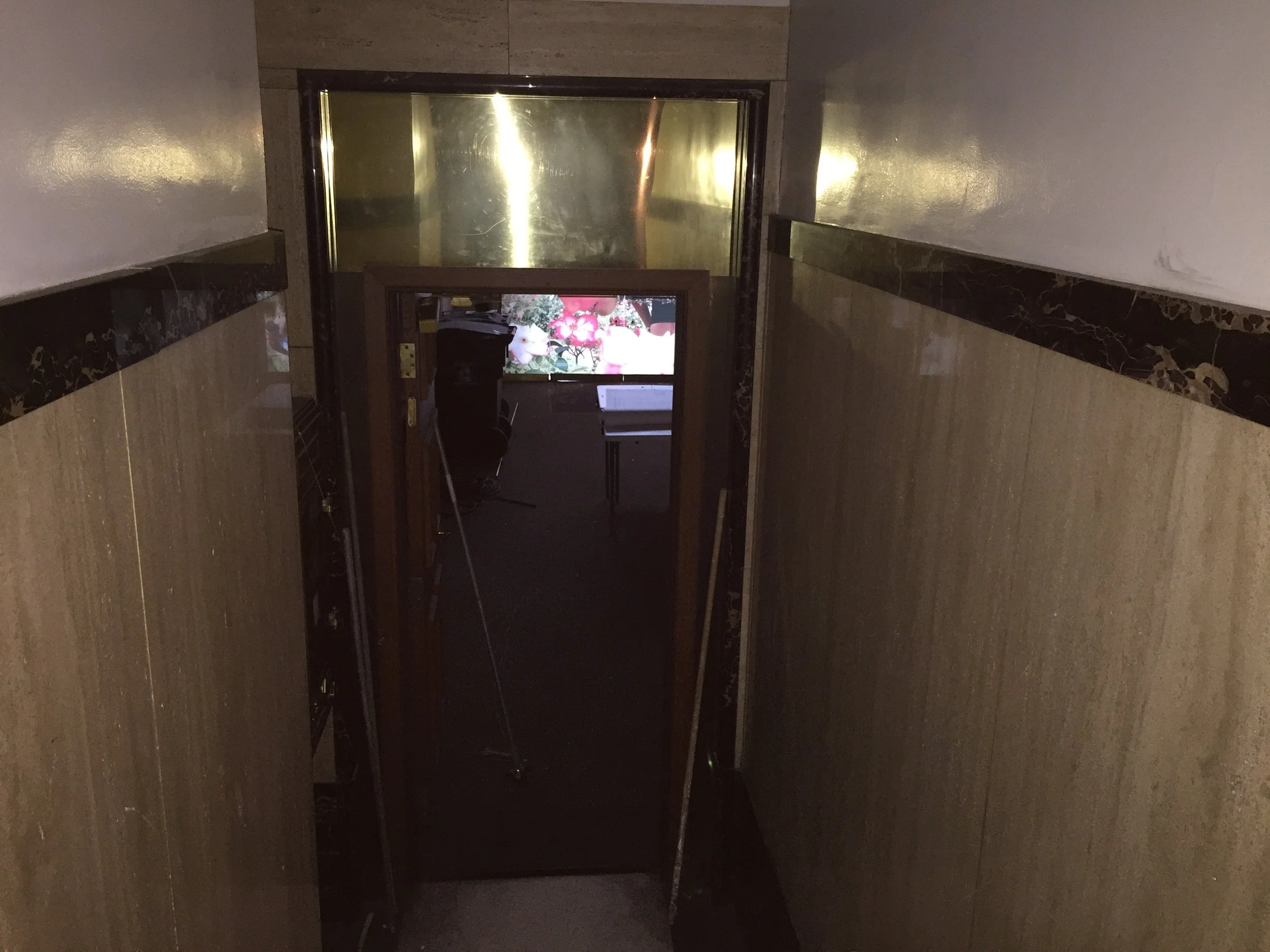
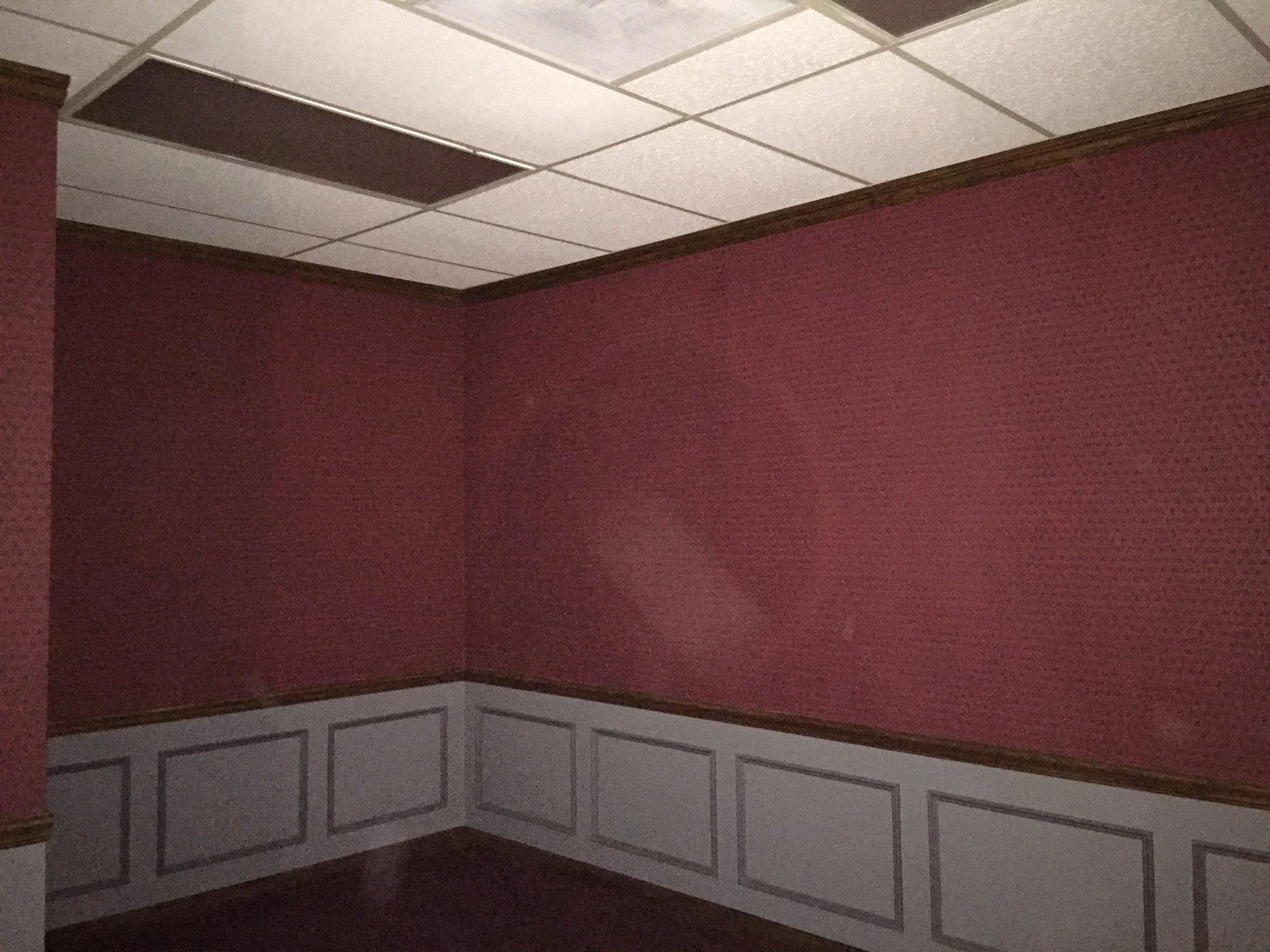
The building is how home to a number of retail and office tenants including Designing Local.
BEFORE
AFTER

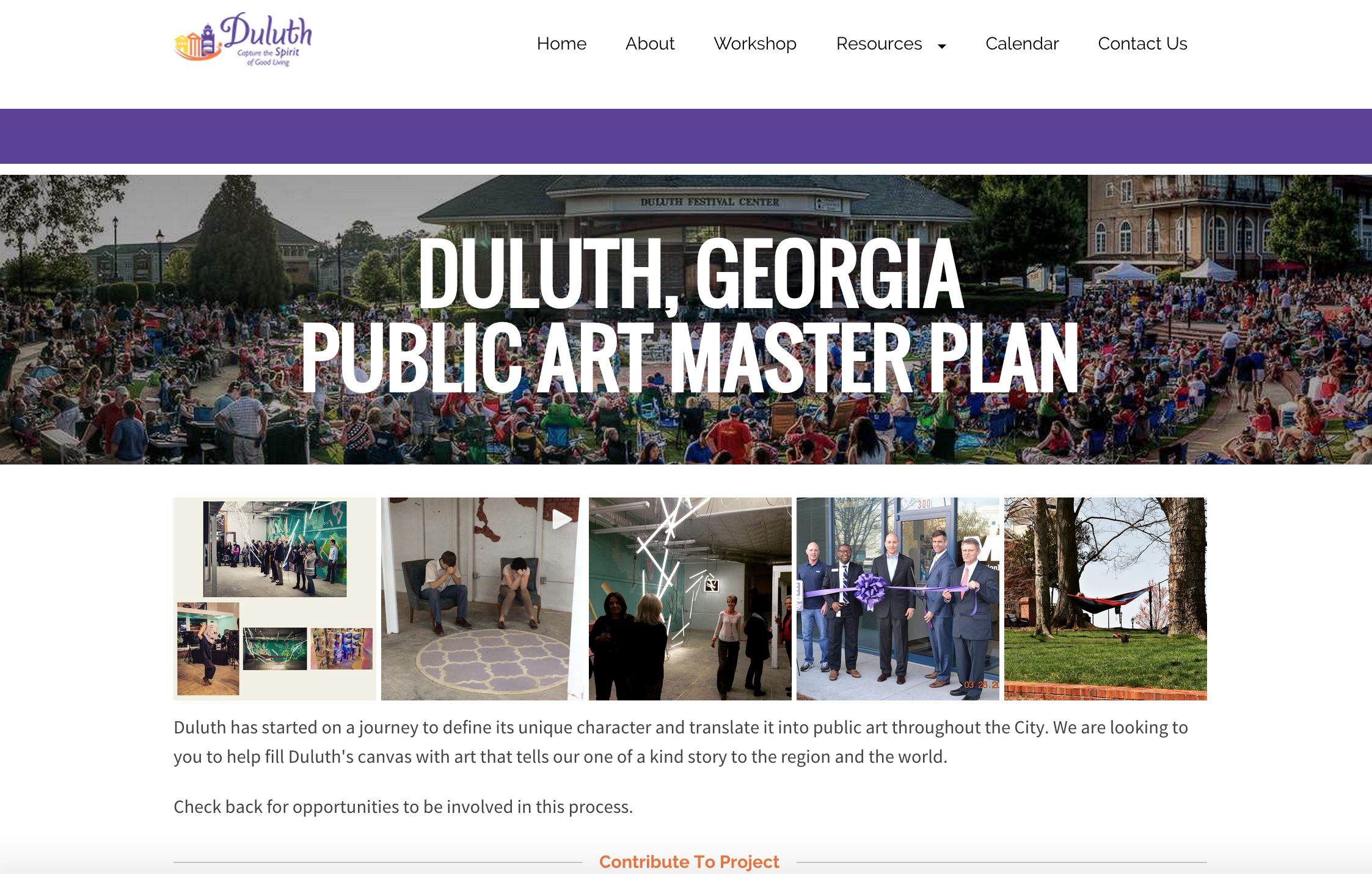
Duluth Public Art Master Plan
City of Duluth, Georgia
WHY
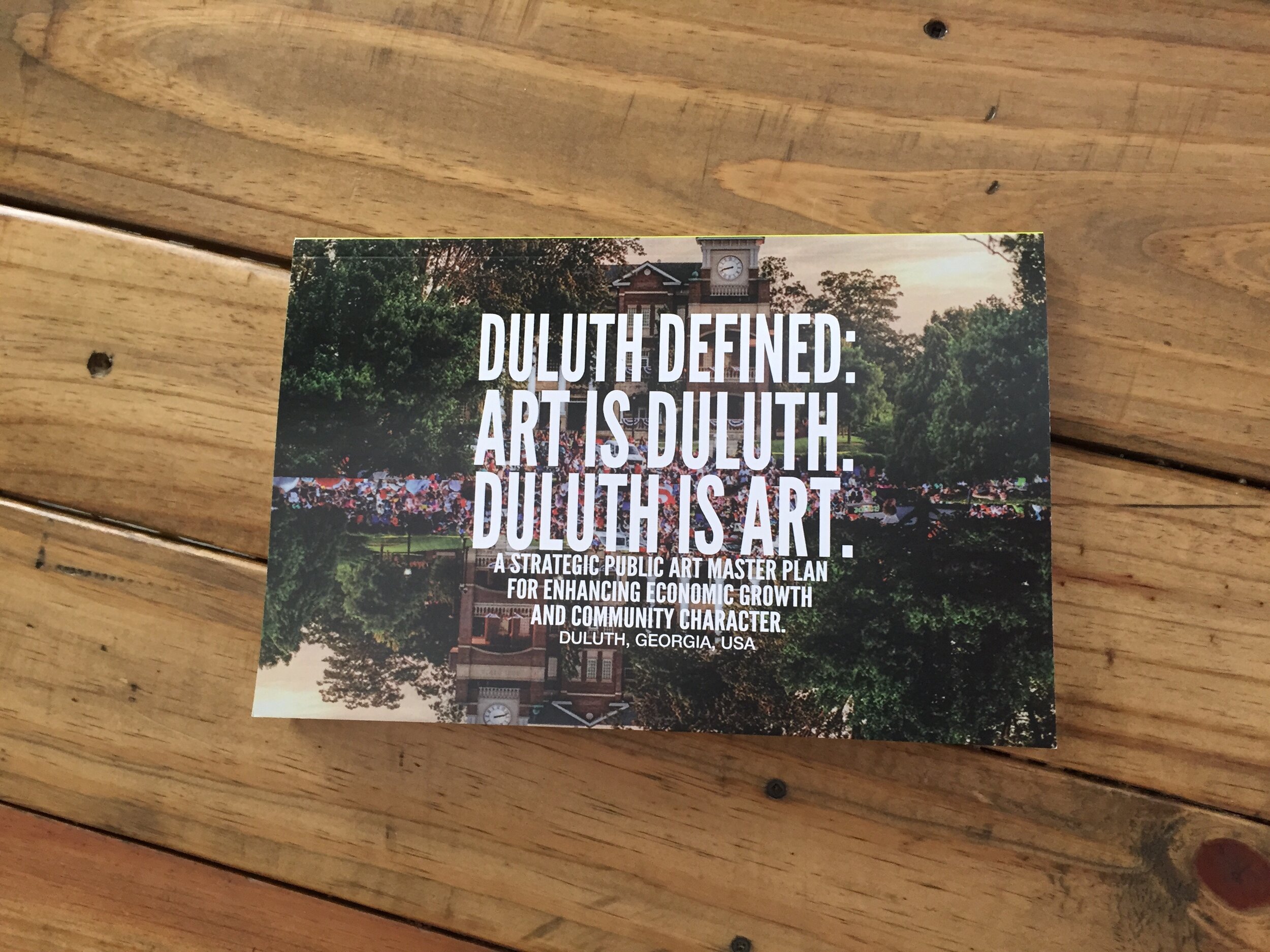
Duluth, Georgia undertook a journey to announce itself as an arts destination by becoming the first city in the Atlanta region to complete a Public Art Master Planning Process. With an understanding of the competition among Atlanta suburbs for residents and businesses, Duluth forged a new course in defining its character and translating that character into public art.
HOW
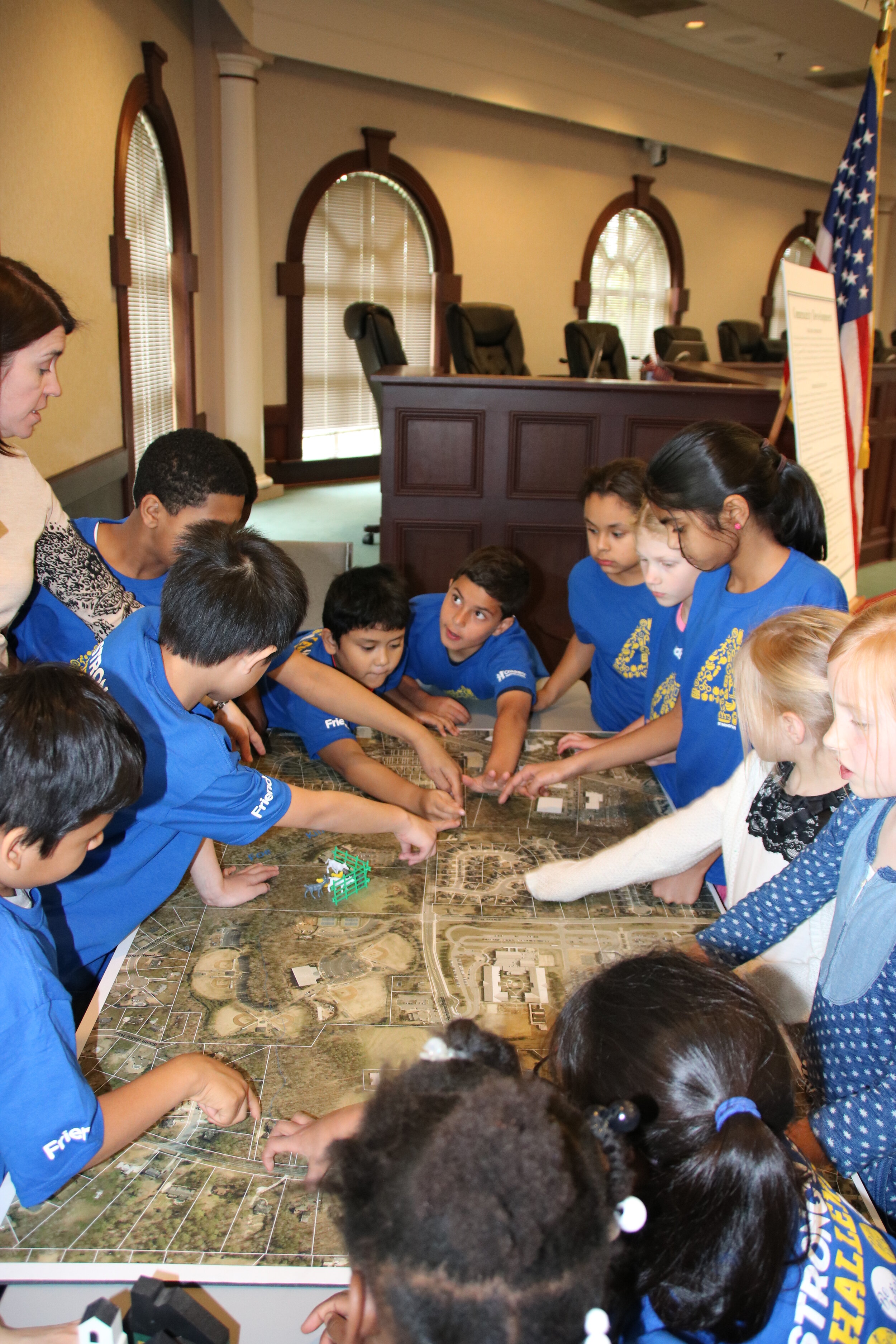
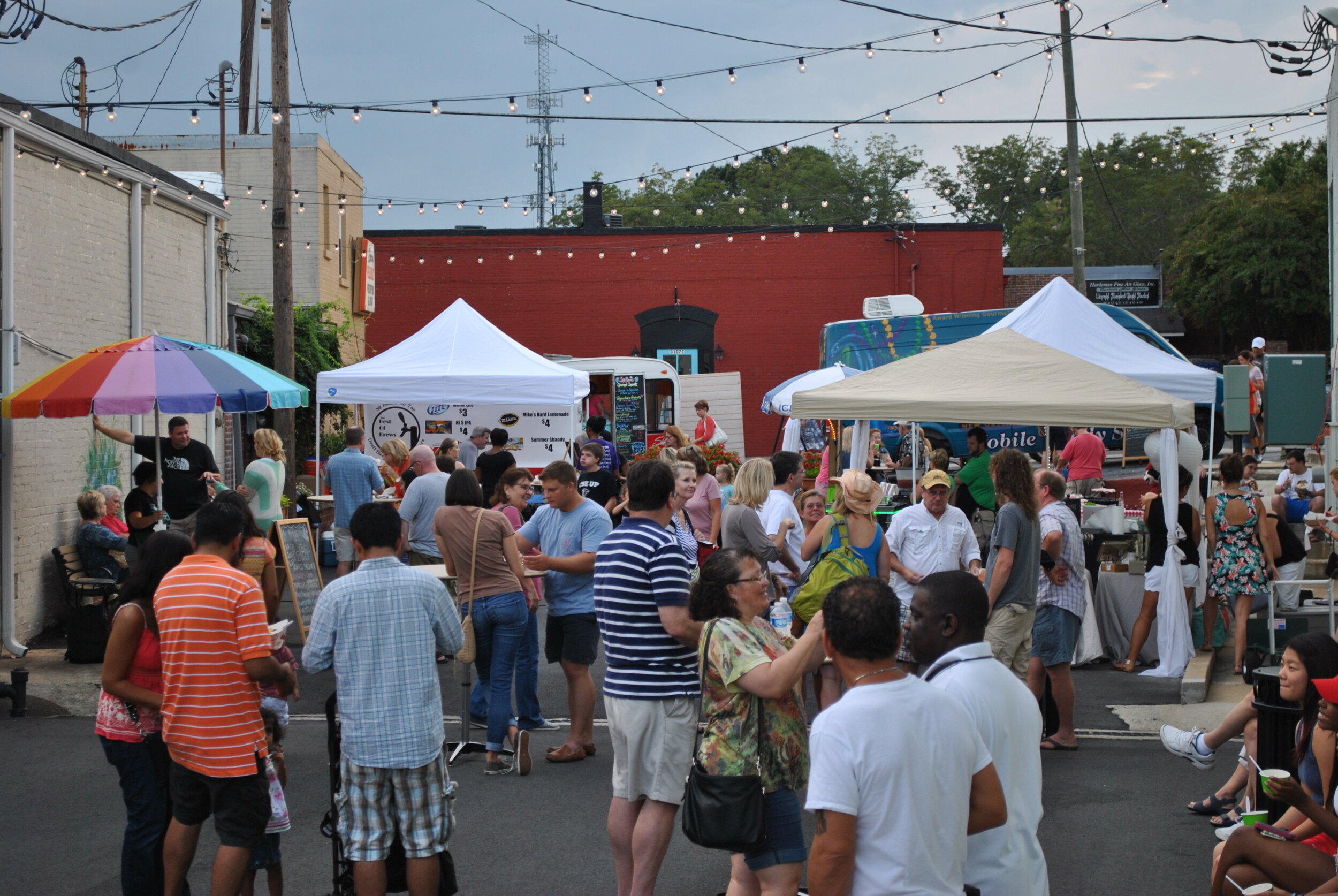
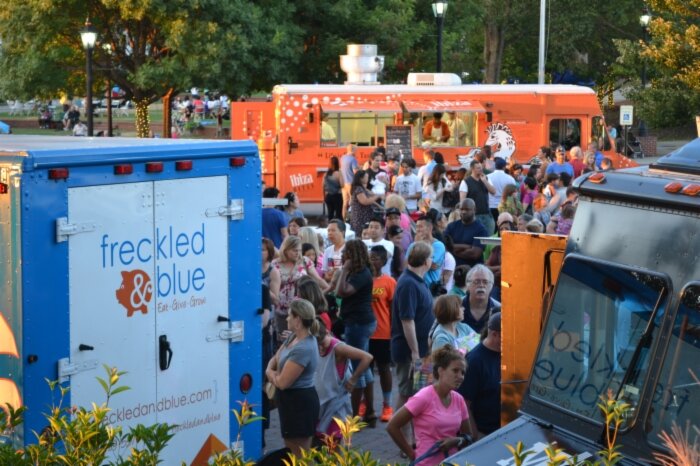
With an eye toward inclusive public outreach, the City of Duluth sought extensive public engagement. Designing Local facilitated a series of stakeholder meetings, two rounds of public workshops, and a custom-built online engagement tool that allowed residents to participate in the workshops remotely. Residents were also asked to submit photos using specific hashtags, as a way to encourage participation in the process and support data collection.
WHAT
The Duluth Public Art Master Plan, formally adopted in April 2015, provides an action plan for the city’s public art initiatives, many of which have now been implemented.