Greater Lafayette Regional Arts & Culture Strategy

Benton, Carroll, Fountain, Montgomery, Tippecanoe, Warren, and White counties

WHY

The Greater Lafayette READI Region is home to a vibrant, accessible, and inclusive arts and culture ecosystem. In all corners of the region, the arts economically enrich communities while strengthening relationships and enhancing personal well-being. The goals of this plan aim to increase the visibility of arts and culture resources and opportunities; connect communities through arts and culture; develop arts and culture programs that are accessible and inclusive to all; and foster and leverage local arts and culture amenities. 

The Greater Lafayette READI Region is made up of seven counties in West Central Indiana: Benton, Carroll, Fountain, Montgomery, Tippecanoe, Warren, and White. The Wabash River cuts through the middle of the region, creating many opportunities for dynamic waterfront developments. The region varies dramatically in population, containing both one of the largest counties by population in Indiana (Tippecanoe) and two of the smallest (Benton and Warren). Much of the region is rural with an agricultural landscape, with the exception of the cities of Lafayette and West Lafayette, though other small towns and communities provide more localized centers for arts and culture for residents.

HOW

Throughout the planning process, engagement was conducted to help identify and assess existing resources and gaps and provide a foundation for transformative projects. Methods of engagement were used to glean information from stakeholders and the general public included community workshops, stakeholder conversations and digital surveys.


WHAT

This Arts and Culture plan tenders a flexible framework, thus creating opportunities for decision-makers to pursue diverse funding sources and pivot implementation priorities to take advantage of changes and growth in the local cultural ecosystem. It also allows the community to continue to dream big, yet places emphasis on actionable, momentum-building steps for growing local arts and culture assets and tackle them as additional funding and capacity becomes available. Each objective outlined is accompanied by strategies to support the objective, timing, personnel requirements, impact, and relative impact, when appropriate. These strategies are expanded upon for each of the regional, county and facility levels. 

Read More

South Bend - Elkhart Regional Partnership Arts Plan

Elkhart, Marshall, and St. Joseph counties

WHY

Our planning team developed a suite of recommendations that will take the South Bend - Elkhart region’s current arts and culture landscape forward, from great to exceptional. Any region, county, or city can provide well-designed public spaces, or purposeful facilities, but a region that is seeking uncompromising, world-class experiences must also consider how these spaces will elevate its ways of thinking, working, and engaging in order to enrich the larger community’s cultural fabric. The region has all of the right ingredients to sustain its current arts and culture landscape, but this plan will enable the region to thrive. 

With so many resources and so much functioning smoothly in the region, funders might overlook the South Bend - Elkhart region and instead distribute support to regions whose arts and culture landscape is not as well-stewarded. But with the region at the precipice of greatness, after decades of rebuilding and reconnecting with its heart and soul, this place is steps away from fully realizing its journey to become a thriving destination to live, work, play and grow.

HOW

The South Bend - Elkhart region is made up of Elkhart, Marshall, and St. Joseph counties, all of which have similar land areas, though their populations vary significantly. While much of the rural landscape is agricultural, many downtown areas provide hubs of arts and culture for residents in and around those areas. This plan was shaped by many communities and reveals a collective vision for regional growth through arts and culture experiences and economic activity. In order to fully execute the vision and goals of this plan, many organizations will need to work together across the region in various capacities. This plan provides a comprehensive guide to how regional, county, and local agencies and organizations will support the full potential of the South Bend - Elkhart regional arts and culture plan.

WHAT

The South Bend - Elkhart Regional Arts and Culture Plan goes beyond the surface to showcase the region’s capacity to be a national leader in the arts and culture landscape. This plan provides ample information about the region’s prime geographic location, its world-class arts and culture organizations, and its remarkable physical assets and facilities; beyond that, many individual organizations can provide ample data about its respective economic impact, outreach, visitor ship, engagement, and beyond. 

While this plan primarily reflects a unique set of technical recommendations and strategies for the region to act upon, it does so with a tailored understanding of the region’s tenacious character, commitment to excellence every day, and attitude that nothing is impossible when the community comes together.

Read More

Wabash River Region Arts & Culture Plan

Clay, Parks, Sullivan, Vermillion, and Vigo Counties, Indiana

WHY

The Wabash River region is made up of five counties in western Indiana on its Illinois border: Clay, Parks, Sullivan, Vermillion, and Vigo. The Wabash River cuts through the region from north to the south, providing dynamic and thriving waterfronts across both rural and urban areas, with many opportunities for investment and expansion. While much of the rural landscape is agricultural and forested, many downtown areas provide hubs of arts and culture for residents in and around those areas. The region is home to an exciting and deeply collaborative arts community. Together, they will cultivate compelling destinations for public art and diverse cultural experiences, making the region a vibrant and engaging hub for arts and culture. The main goals of this plan are beautification and placemaking, community pride, health and wellness, and local investment. Targeted goals of the Regional Arts & Culture Plan include beautification and placemaking, boosting community pride, encouraging health and wellness, and investing in the community by preserving historic assets and supporting local organizations, facilities and programs. 

HOW

Engagement for this process was conducted to help identify and assess existing resources and gaps and provide a foundation for transformative projects. Engagement was promoted through RDA social media and through stakeholder networks. Engagement took the form of community surveys, stakeholder conversations, and public engagement such as a focus group held at Arts Illiana with members of the 41|40 Arts & Cultural District Advisory Group, as well as two public meetings. The primary concerns gleaned from public engagement included lack of funding for arts organizations, limited performance space and opportunities to experience local cultures in community settings. 

WHAT

The Wabash River Regional Arts & Culture Plan provides a flexible, proactive framework that creates opportunities for decision-makers to pursue diverse funding sources and pivot implementation priorities to take advantage of changes and growth in the local cultural ecosystem. It also allows the community to continue to dream big, yet places emphasis on actionable, momentum-building steps for growing local arts and culture assets and tackle them as additional funding and capacity becomes available. The plan details the three priority regional objectives as well as actionable steps to reach them. These objectives include strengthening the Wabash River Region arts and culture community, promote regional arts development and tourism with a focus on the 41|40 Arts & Cultural District, and increasing the visibility of arts and culture in community spaces and downtowns.

Read More

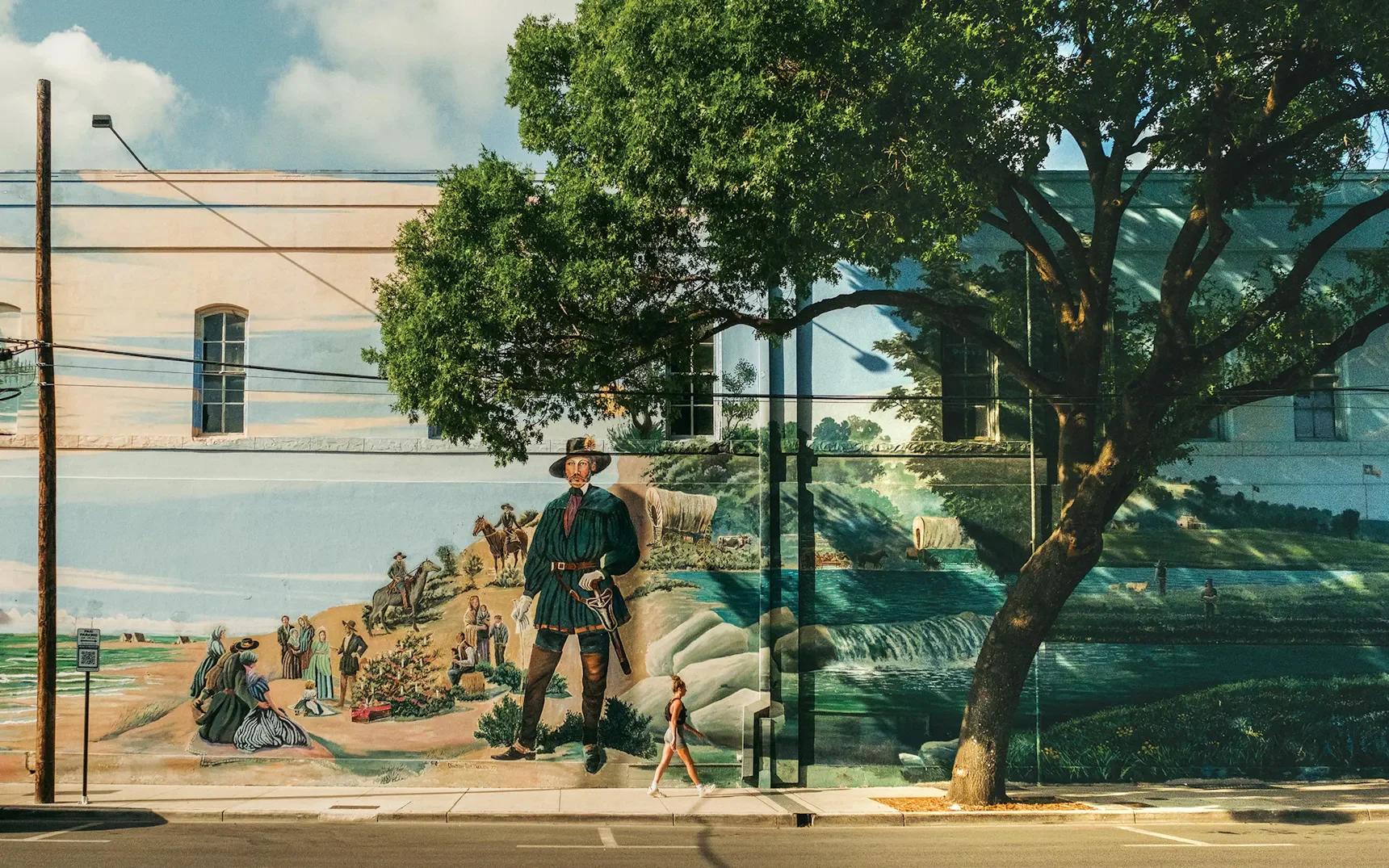
New Braunfels Arts & Culture Strategic Master Plan

New Braunfels, Texas

WHY

New Braunfels is one of the fastest-growing cities in the United States, and its cultural foundation — more than 250 years of Indigenous, German, Hispanic, and Texan heritage — is both its greatest asset and its greatest opportunity. Yet despite a rich history and genuine creative energy, the arts community has operated in fragments: organizations working in silos, artists without adequate space and resources to reach the broader community, and a cultural tourism economy that hasn’t reached far beyond river recreation and German-based heritage experiences. This plan exists because New Braunfels deserves a cultural future as distinctive as its past.

HOW

Through more than 1,200 community connection points, including public workshops, stakeholder conversations, pop-up events, and a digital survey, the planning team engaged with residents, artists, historians, educators, and city leaders to define what arts and culture mean to New Braunfels and what it would take to unlock the creative potential. That process surfaced six shared pillars for the plan: expanding creative spaces, strengthening visibility, connecting culture and tourism, encouraging collaboration, investing in belonging, and telling a cohesive story.

WHAT

This project serves as a comprehensive ten-year roadmap to bringing forth the cultural undercurrent of the community and unleashing the economic and social benefits of sustained cultural investment. This framework leverages strategic financial tools available to the City, establishes a governance framework for dedicated arts leadership, and provides policy and process guidance to support and empower cultural creators, non-profits, and creative entrepreneurs across the community.

Organized around four priority areas — Programming and Community Experiences, Places and Spaces, Visibility and Tourism, and Organizational Capacity — the plan charts short-, medium-, and long-term strategies to grow the cultural ecosystem, support the artists and organizations already doing the work, and position New Braunfels as a cultural anchor for the Texas Hill Country and a leader in arts investment.

Read More

NCIRPC Strategic Arts Plan

Cass, Clinton, Fulton, Howard, Miami, and Tipton Counties, Indiana

WHY

The North Central Indiana Regional Planning Council (NCIRPC), together with its partners, has developed a comprehensive, collaborative, and strategic plan to support and expand arts and cultural initiatives across the six-county region. With a strong focus on building community and fostering a thriving creative economy, the plan seeks to improve accessibility to the arts, retain and attract artists and creatives, and strengthen cultural amenities. With more than 226,000 people living across 2,100 square miles and significant development along regional corridors including Route 31, US 24, and 165, there are many opportunities for increased investment in arts and culture to enhance quality of life for residents and expand recreational tourism. The NCIRPC region is a vibrant destination for arts and culture that encourages community building and inclusivity, with a diverse artistic landscape that attracts creatives and cultural consumers to visit and invest in local communities. The goals of this plan include increasing accessibility and visibility of the arts, fostering and leveraging existing resources and amenities, invigorating local economies, and creating a stronger sense of pride in local experiences. Its objectives include developing state-of-the-art arts and culture facilities that engage residents and create new tourism opportunities, expanding engaging public art throughout the region, and encouraging programming in North Central Indiana communities that improves quality of life through increased access to arts experiences.

HOW

Engagement with local professionals and stakeholders was vital to the success of this process, with participation facilitated through a digital community survey and virtual conversations with the planning team. Business owners, arts organizations, elected officials, and community members contributed through a series of focus groups and one-on-one discussions, helping to identify priorities that shaped a shared vision, established project goals, and guided the prioritization of future efforts. Regional priorities played a significant role, and the flexibility of the long-term cultural planning framework allows decision-makers to pursue diverse funding sources while adapting implementation strategies to reflect changes and growth within the local cultural ecosystem. This nimble approach encourages the community to continue thinking ambitiously while emphasizing practical, momentum-building steps to strengthen local arts and cultural assets as funding and capacity evolve.

WHAT

Key priorities outlined in the plan include increasing the visibility of arts in downtown areas, improving accessibility to the arts, providing meaningful local experiences, fostering a sense of community pride, capitalizing on tourism opportunities, and attracting artists and creatives. NCI identified a variety of arts and culture projects through county- and regional-level public input meetings, one-on-one interviews, and an online survey. These projects were reviewed and selected for inclusion in the plan based on their level of readiness, regional impact, and alignment with overall objectives. Together, they support and expand arts and culture initiatives across the six-county North Central Region. Planned efforts encompass implementing public art—such as Arts and Heritage public pedestrian and bike paths, enhancing downtown placemaking, expanding arts education programs, and developing community spaces for artists and arts programming.

Read More

Downtown Warsaw Cultural Arts District Plan

Warsaw, Indiana

WHY

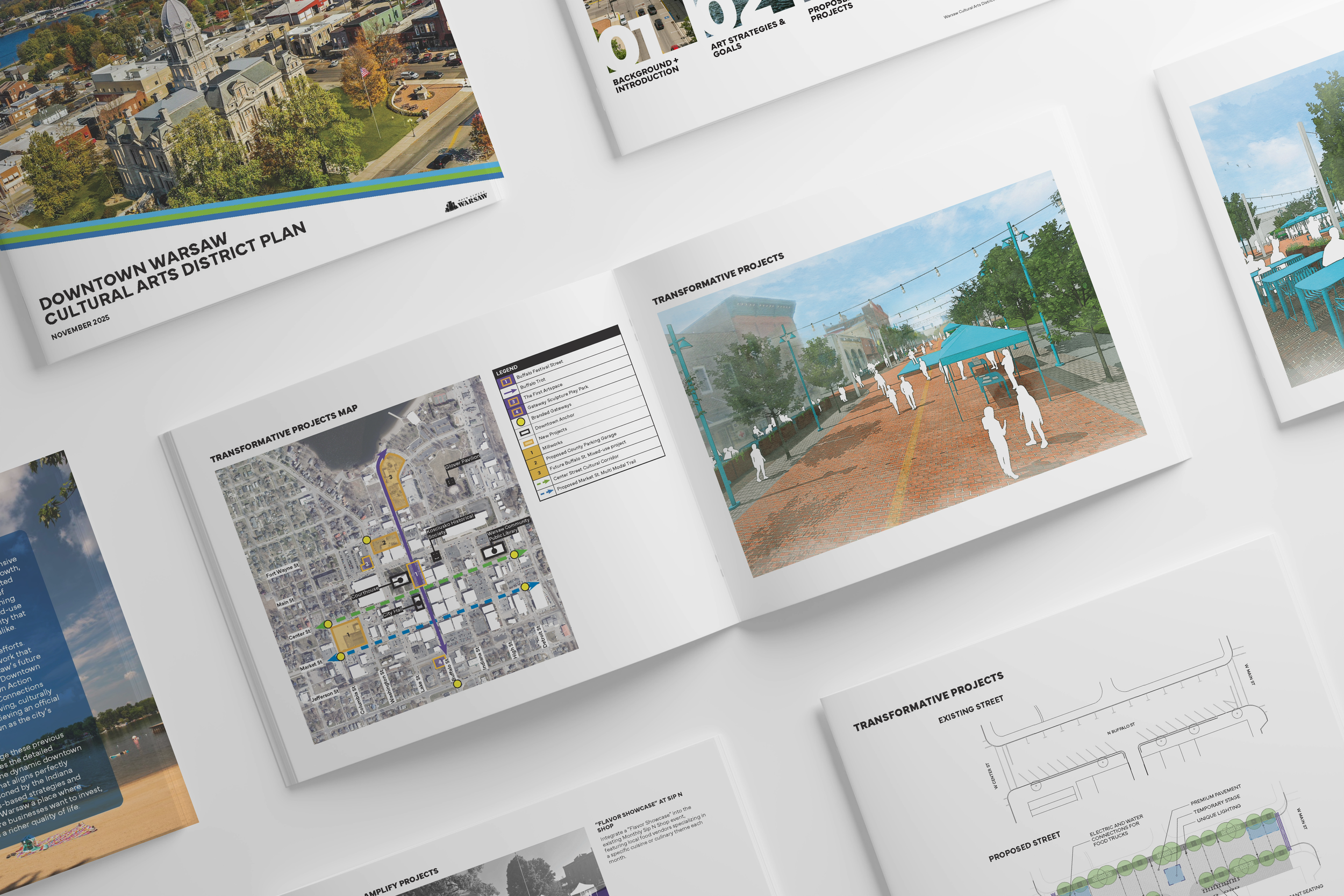
The Downtown Warsaw Cultural Arts District Plan serves as a comprehensive guide for leveraging the city’s cultural assets for sustained economic growth, with the ultimate goal of creating an Indiana Arts Commission-designated Indiana Cultural District. This plan is the necessary next step in a series of strategic efforts. It is built upon a solid foundation of recent, extensive strategic work that has consistently identified arts and culture as essential to Warsaw’s future economic vitality. Key previous planning efforts, including the Downtown Warsaw 2030 Strategic Plan, the Hyatt Palma 2023 Downtown Action Agenda, and the Brookings Institute/ LISC Critical Corridor Connections Plan, all established a clear mandate for a “vibrant and growing, culturally focused downtown”. These plans specifically called for achieving an official state cultural district, designation and solidifying downtown as the city’s “corporate, civic, and cultural center.”

HOW

The strategic heart of this plan is built from the ground up, developed through a multi-phased process of research, and rooted in extensive community engagement, to ensure authenticity. This was supported by detailed driveshed analysis to define the district’s economic potential and regional audience. This input was synthesized into a powerful vision for a culturally focused downtown that serves as an economic engine for the entire community, and will transform it into a vibrant, well-recognized, and labeled mixed-use cultural center. It features unique, authentic art and a cultural identity that makes the district memorable to visitors, residents and investors alike. 

To bring this vision to life, this plan posits a strategic framework based on three core principles- Activate, Beautify, and Connect-thus providing methodology for every project proposed in this plan.   

WHAT

Through strategy placemaking, downtown Warsaw’s Cultural Arts District will become a premier destination where a culturally rich and diverse scene serves as an economic engine-attracting investment, retaining top talent, and enriching the quality of life for the entire community.

Implementation of this plan is the critical step to leverage previous efforts and use the arts for economic growth. It provides detailed strategies for enhancing public spaces and creating the dynamic downtown experience envisioned by the community- a vision that aligns perfectly with the state’s focus on talent attraction as championed by the Indiana READI program. This document provides the needs-based strategies and placemaking recommendations required to make Warsaw a place where creative professionals want to live and work, where businesses want to invest, and where the entire community can experience a richer quality of life.

Read More

Buckeye Hills Regional Council Downtown Workshops

Buckeye Hills Region, Ohio

WHY

Following on the announcement of a historic $500 million investment in Appalachian Ohio by Governor DeWine's administration, Buckeye Hills Regional Council partnered with Designing Local to host a series of eight workshops aimed at helping communities reimagine their downtowns.

Buckeye Hills Regional Council and Designing Local are excited to help communities translate their vision into a unique, interesting, and powerful built environment through these workshop sessions.

HOW

The series was free and open to all Southeast Ohio community leaders, elected officials, nonprofits, and anyone working to make their community a better place to live, work and play. Each workshop covered the topics of Outdoor Recreation, Historic Preservation, Public Art, Streetscapes, Pedestrian Infrastructure, and more. Designing Local helped guide communities through the best practices of developing both small- and large-scale revitalization projects.

WHAT

Following the completion of the workshops Designing Local created a workbook intended to assist folks within the Buckeye Hills region to develop projects.

Read More
Historic Preservation Matt Leasure Historic Preservation Matt Leasure

Ohio & Erie Canal Southern Descent NRHP Nomination

Various Sites Throughout Central And Southern Ohio

WHY

The Ohio & Erie Canal was originally constructed in the 1820’s and 1830’s and conveyed goods from Portsmouth to Cleveland.  The canal system played a critical role in the early development of Ohio and established the growth of Akron, Columbus, Chillicothe, Newark, and numerous other cities along the route.  The canal system was the key transportation system up until the proliferation of railroads in the 1860’s.

Although parts of the canal are on the national register, much of the southern portion is not. This nomination covers many of the lock structures and other remaining infrastructure that remain on the southern descent between Columbus and Portsmouth.

HOW

The nomination team aggregated a list of potential infrastructure to be placed on the register and contacted private property owners or municipalities to seek support. The final list includes existing lock structures, watered canals, bridge abutments, and other elements that are located in 4 counties throughout Central and Southern Ohio.

Identifying the location for each of the elements included field visits and the use of high resolution aerial photography. A boundary was created for each element which will serve as the official historic site on the National Register of Historic Places.

WHAT

Given its geographic reach and broad collection of relatively small sites, this nomination was technically challenging. However, it serves as a model for other non-contiguous district nominations that preserve transportation, infrastructure, or other geographically complex historic sites.

Read More

Ohio & Erie Canal Southern Descent Heritage Trail

Various Sites Throughout Central And Southern Ohio

WHY

The Canal Partners is a coalition of communities in Southern Ohio along the alignment of the Southern Descent of the Ohio & Erie Canal. These communities have existing and lost features of the canal, as well as numerous related historical elements.

The goal of the Canal Partners is to create a heritage trail that will attract tourists throughout the corridor and to communicate the history of the canal system to a broad audience.

HOW

This grant-funded project included several team members including the project leaders, a graphic design consultant, the partner communities, and Designing Local.

The first phase process included engagement of the Canal Partners through workshops and a survey. This phase also included mapping of the resources and other sites along the trail. Once this was completed, a highly visual plan booklet of the sites was created which included descriptions of the various elements as well as a prototype trailhead design. Part of the project study will included bike and pedestrian trail connections to the canal right-of-way.

WHAT

The end product is being used by the partner communities in their planning and capital improvement projects for the next several years. The mapping will be used by tourists to experience the canal features. The project was completed in summer 2021.

Read More

Lockbourne Veterans Park

Lockbourne, Ohio

WHY

Lockbourne is located south of Columbus and has a charming collection of historic homes and buildings. The Village is taking steps to capitalize on various resources including several canal locks and a major stream corridor.

The Village planned to utilize an open lot adjacent to its Town Hall as a site for a new Town Green that will include a new Veterans Memorial, a performance pavilion, plantings, and various amenities. The Town Green will become the focal point of future community events.

HOW

Designing Local worked with Village leadership to develop a working concept which was used to solicit feedback from various community stakeholders. Adjustments to the original concept were made and multiple variations of various design elements were created.

In addition, the plan included an integrated plan for phasing. The Veterans’ Memorial were constructed first and the remaining elements were constructed when funds become available. The plan allows for the Town Green to function with only some elements complete or as a fully realized plan.

WHAT

The park had its grand opening on November 10, 2021, and included a substantial Veterans Day celebration. The park will be utilized for both Memorial Day and Veterans Day celebrations going forward.

Read More