Temple Arts & Culture Master Plan
Temple, Texas
WHY
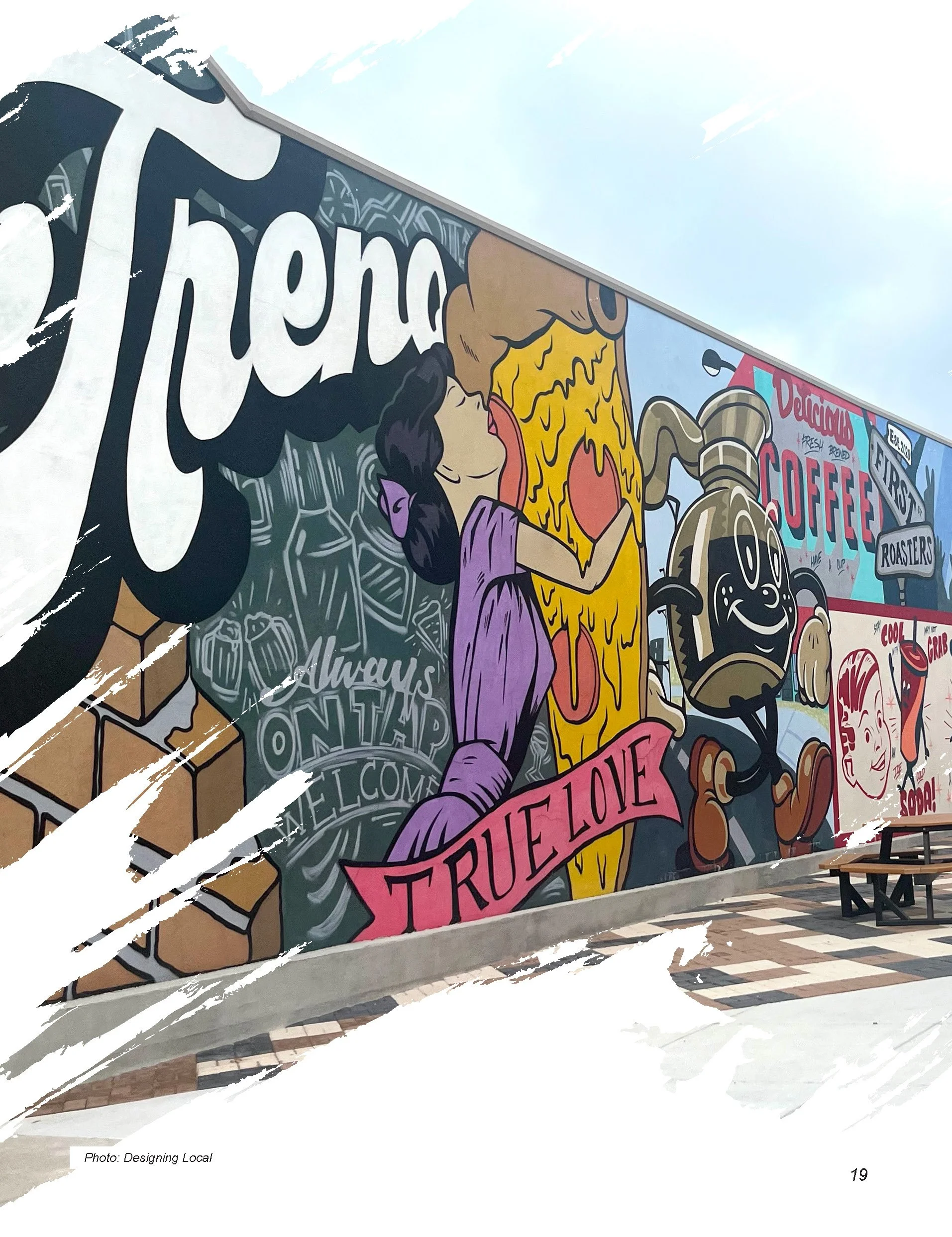
Temple, Texas is a city of plans. The City Manager, firm in her belief that what gets planned is what gets done, ensures that all aspects of community life are addressed in plans with clearly articulated goals and actions, which are then tracked publicly online. The city’s first arts and culture plan was initiated through a goal in the city’s 2024 Strategic Plan update to create vibrant places and spaces throughout Temple. City leaders were especially interested in facilitating additional public art, better communicating their identity, assessing current arts and culture facilities and the need for new spaces, and coordinating among existing arts and culture organizations to achieve a more unified approach to program delivery.
HOW
The planning process for “Creative Crossroads” was in many ways very traditional, with plan recommendations informed by a Steering Committee of community stakeholders, one-on-one interviews and focus groups, community tours, an online survey, background research, and event tabling conversations, including one targeting the city’s large Spanish-speaking population. However, the plan additionally included a high-level assessment of the city’s primary arts and culture facilities, conducted by our subconsultant, that outlined the strengths and weaknesses of each, alongside suggestions for improving them to better meet local needs. Designing Local also consulted with the Texas Commission on the Arts to propose a Cultural Districts program suited to the ongoing redevelopment of Temple’s downtown and identified case studies as inspiration for most plan recommendations to illustrate what will be possible via implementation.
WHAT
Temple’s first Arts & Culture Master Plan cast a bold vision for what the city will achieve through new investments in its creative community and built environment over the next ten years. The plan recommended the creation of a public art program, an arts council, and a downtown Cultural District program that will capitalize on the reinvestment already occurring in the city’s urban core. It identified a number of potential public art sites and strategies, programmatic gaps to be filled, funding sources, and places nationwide to turn for inspiration, and highlighted new possibilities for spaces in which community members can create and enjoy the arts. In ten years, with this plan fully implemented, Temple will be a measurably more artful and vibrant community, with a firmly articulated identity that invites people, investment, and fun.