
Astrup Building (Pivot Center) Historic Tax Credit
Cleveland, Ohio
WHY
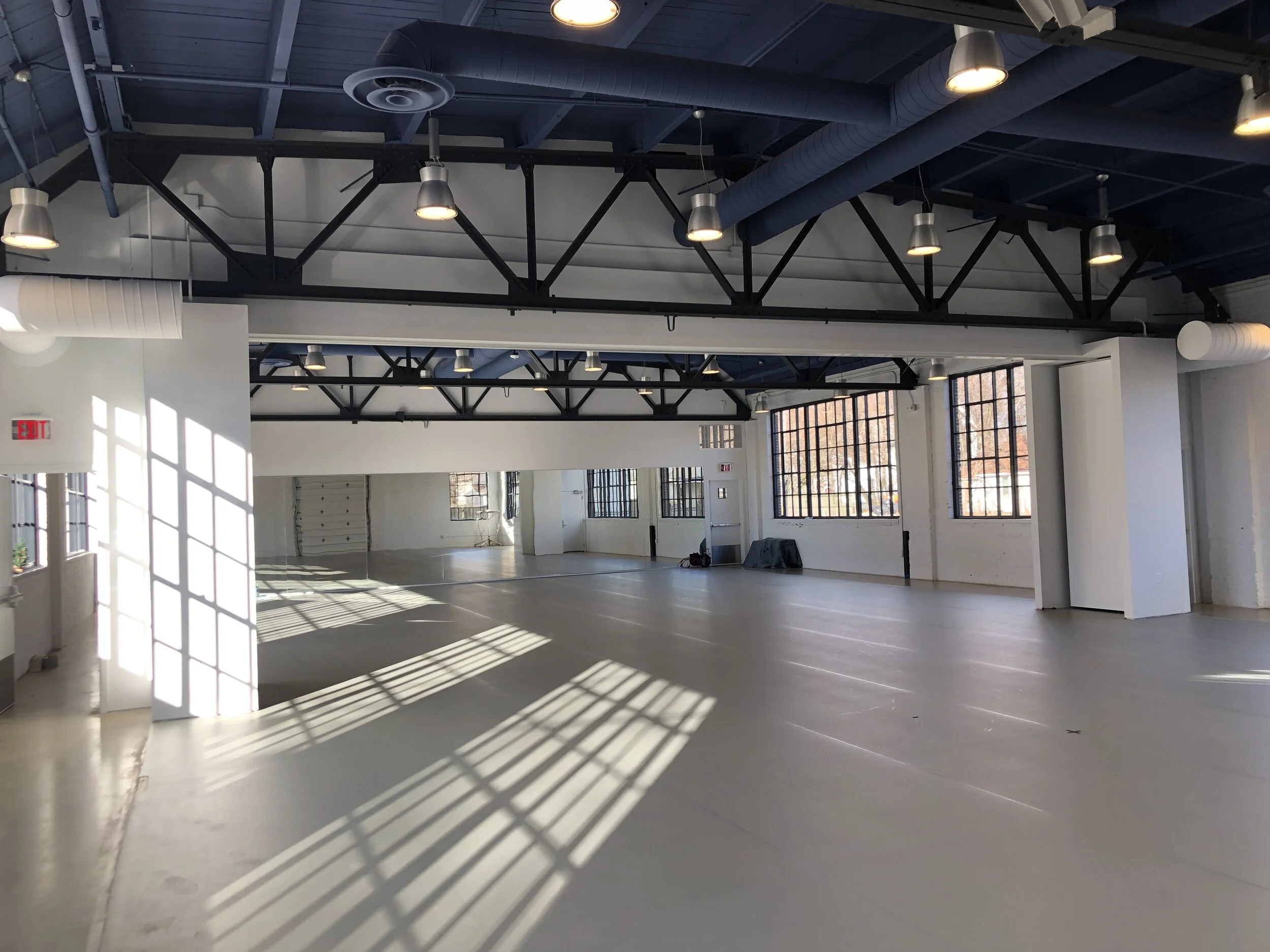
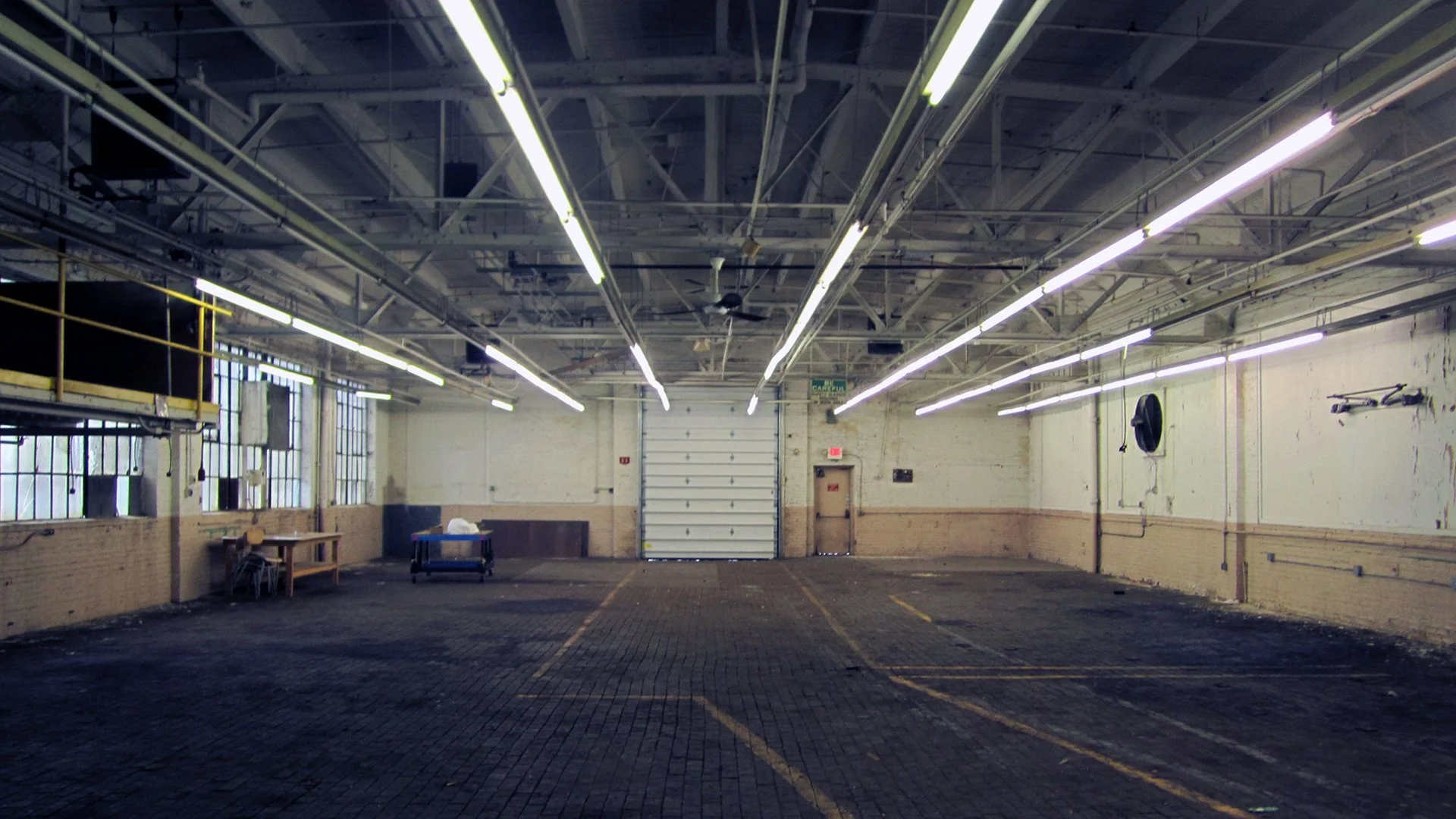
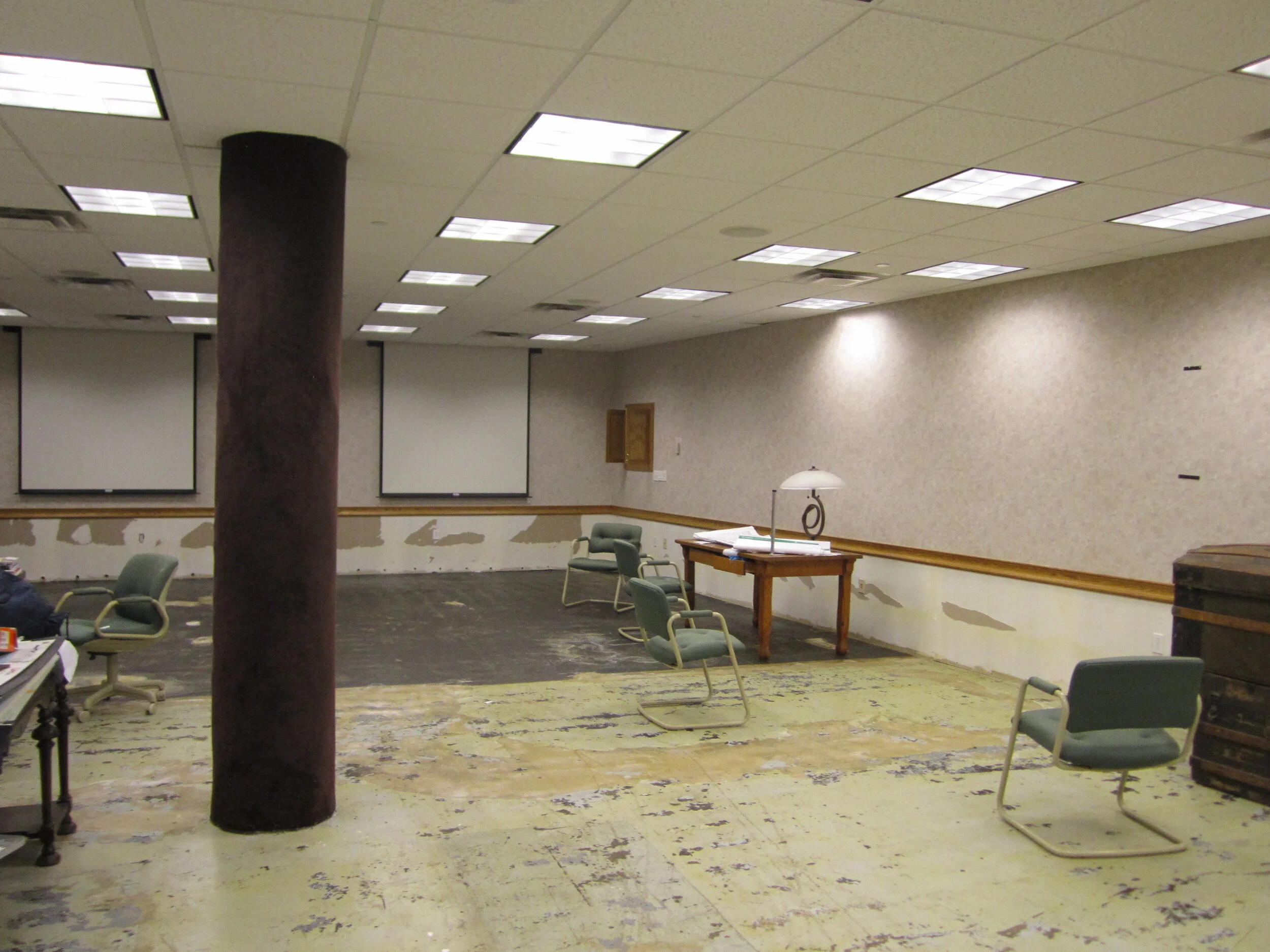
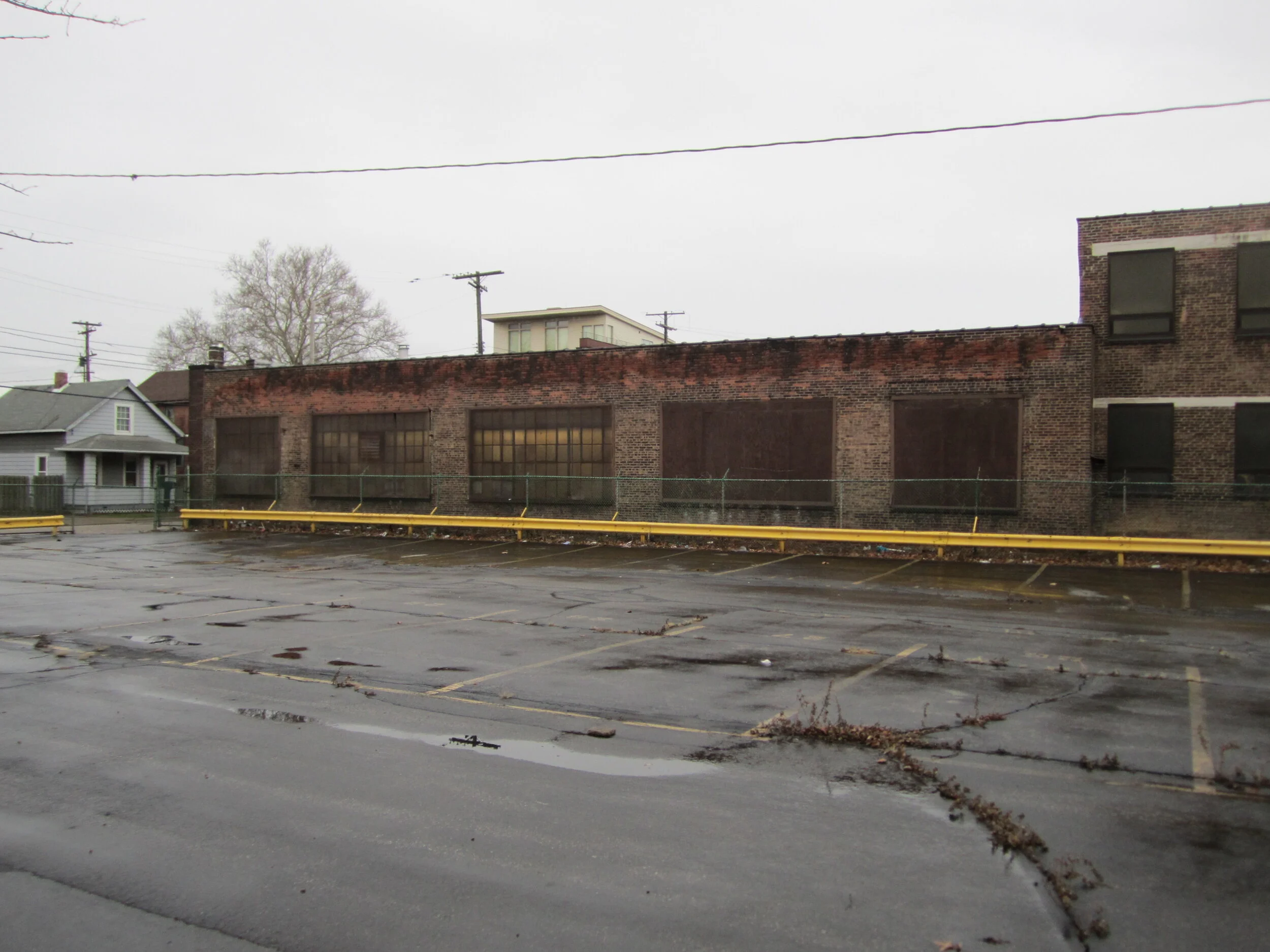
Sitting on West 25th Street near the Cleveland neighborhoods of Ohio City and Tremont, the Astrup Building was the longtime home of the Astrup Company, a canvas and awning manufacturer that supplied the awnings for Cleveland City Hall. Following the company’s departure, the building was derelict and mainly used for storage. When it was acquired by the current owner, it was vacant and in a state of disrepair. The owner planned to convert the property into space for the arts and social services to empower the surrounding neighborhood.
HOW
Designing Local, in partnership with Benjamin D. Rickey Co., successfully nominated the building as a Cleveland Designated Landmark and to the National Register of Historic Places. Designing Local also helped the property owner secure an Ohio Historic Tax Credit and a Federal Historic Tax Credit.
WHAT
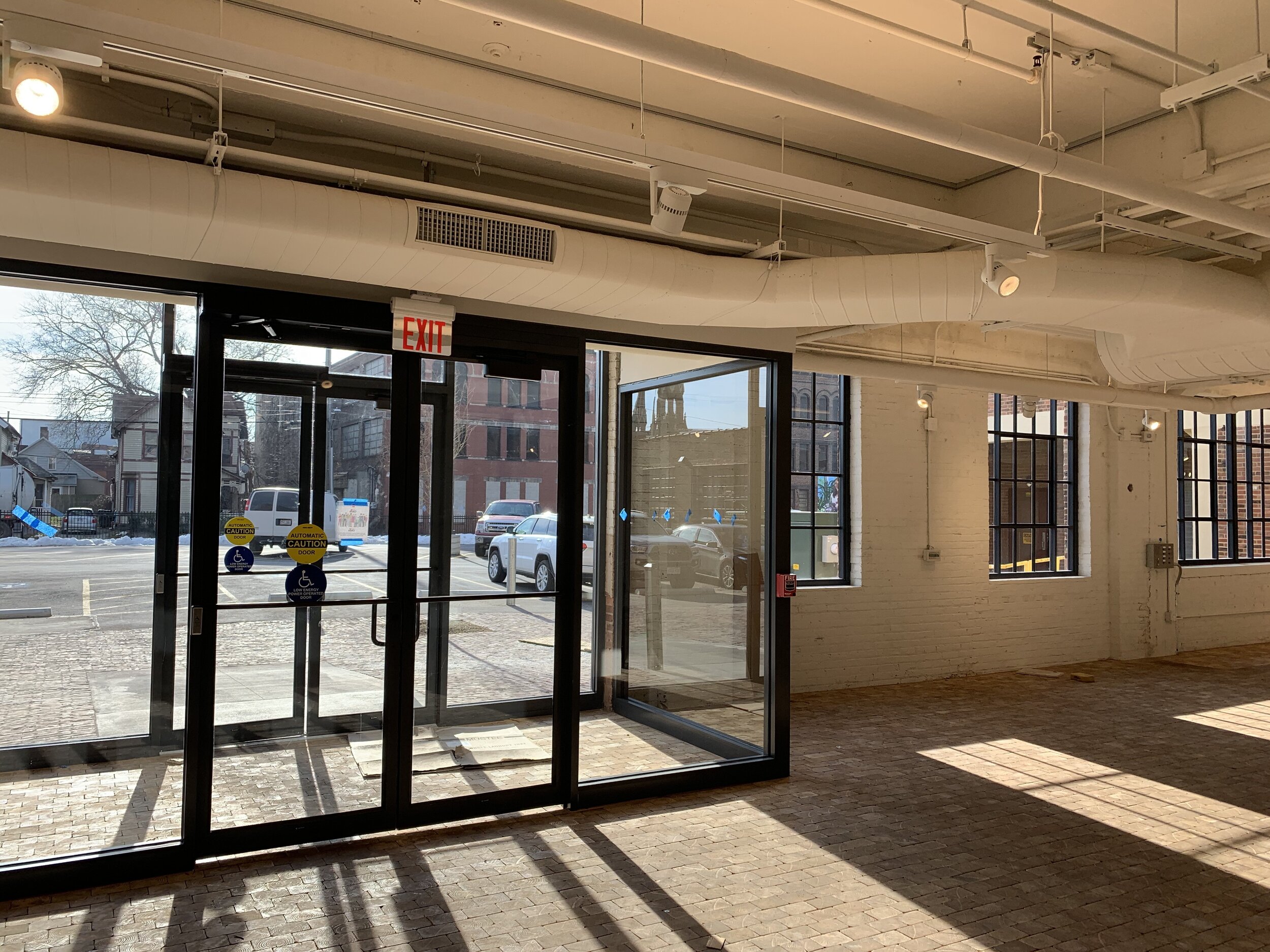
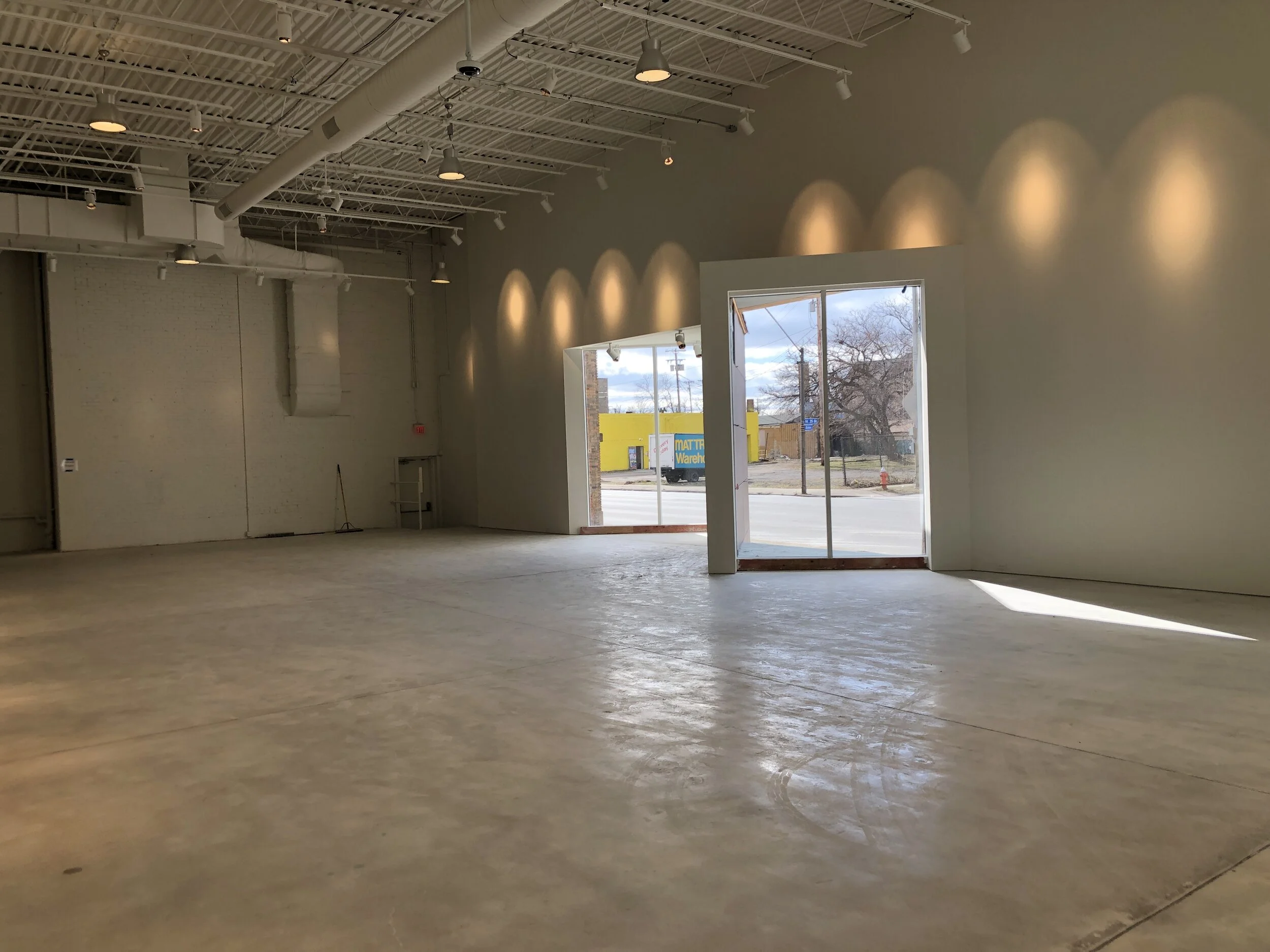
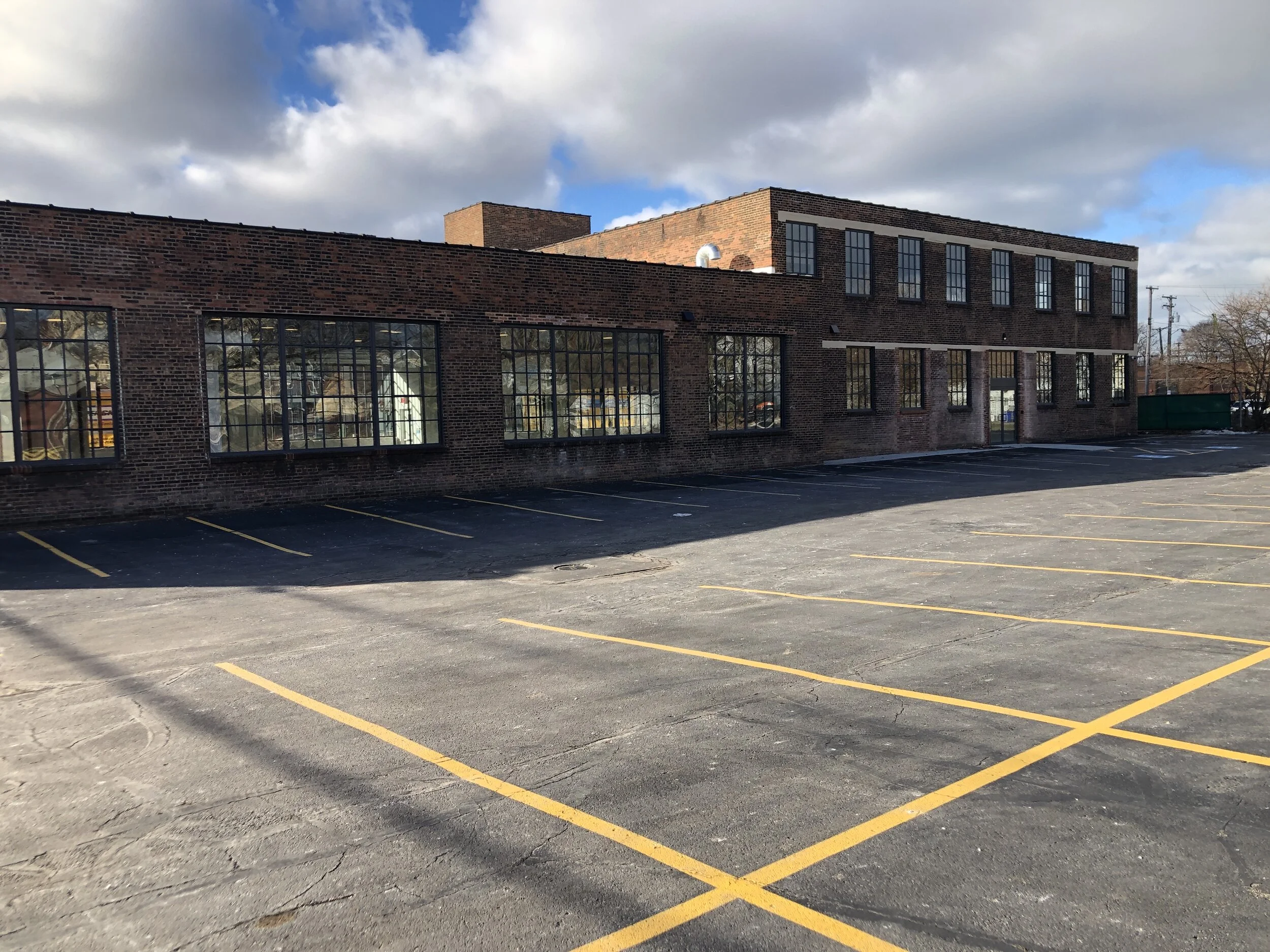
The building, now dubbed the Pivot Center is home to tenants such as the Inlet Dance Theatre, the LatinUS Theater, and Cleveland Rape Crisis Center.
BEFORE

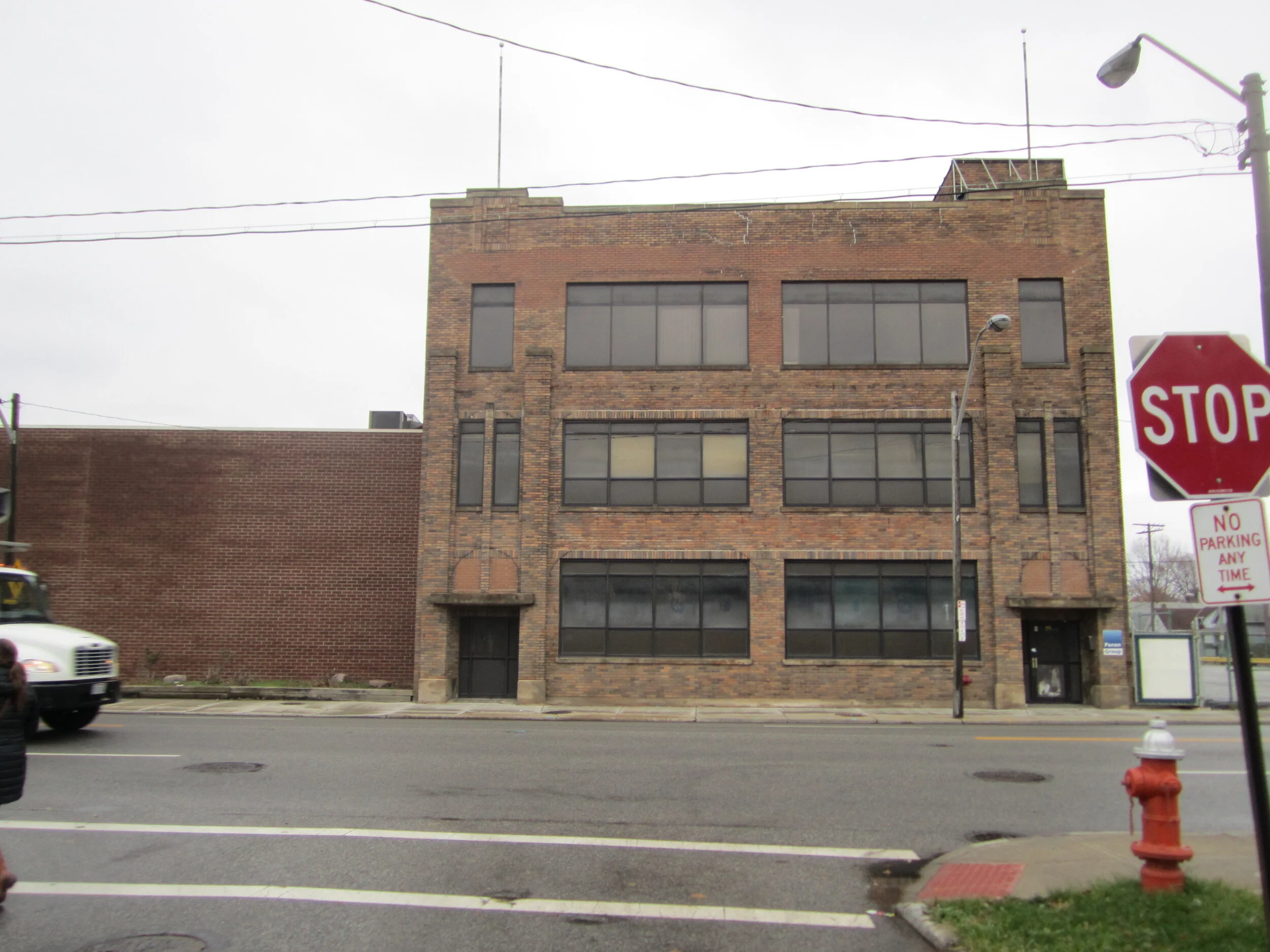
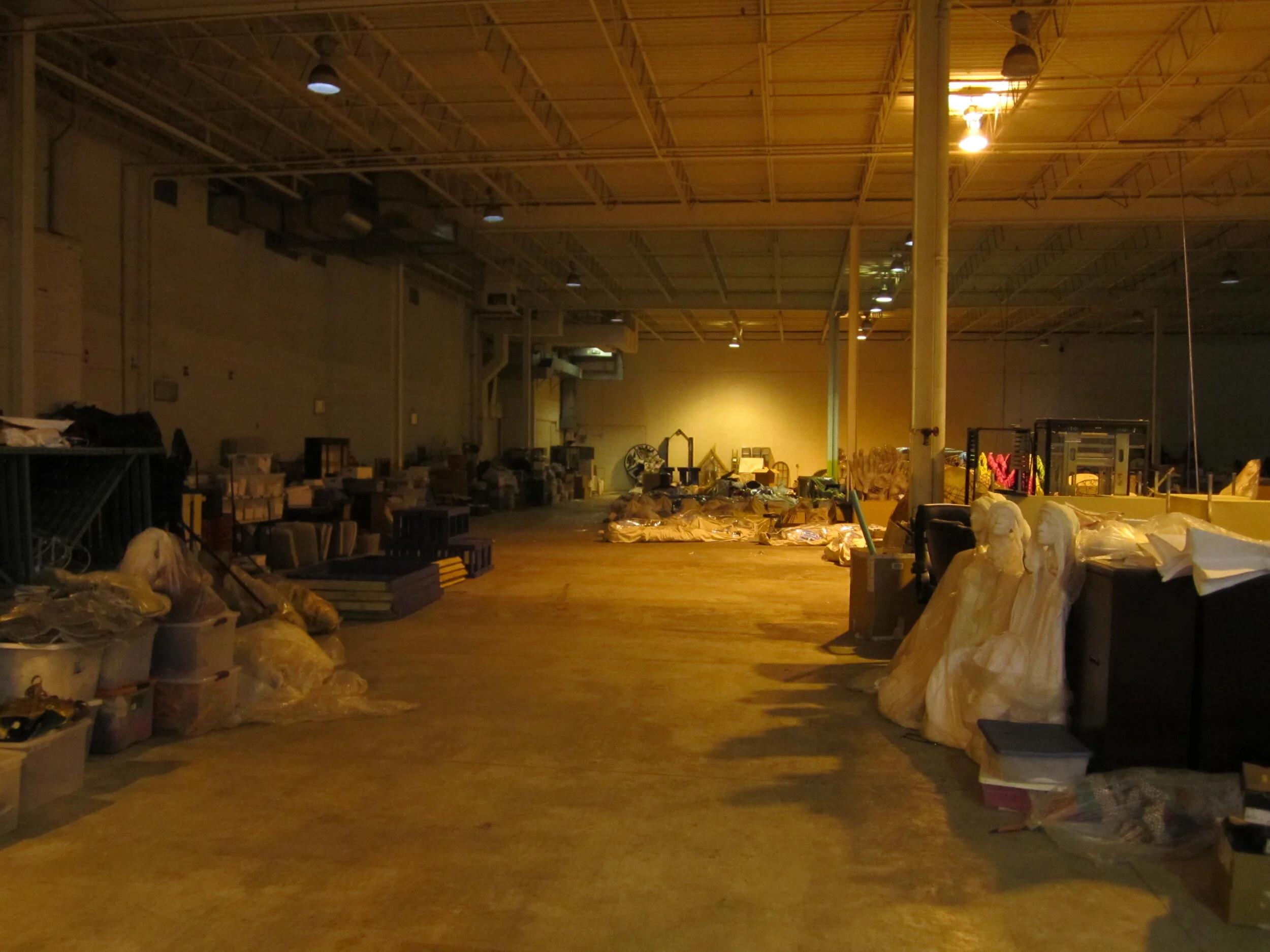
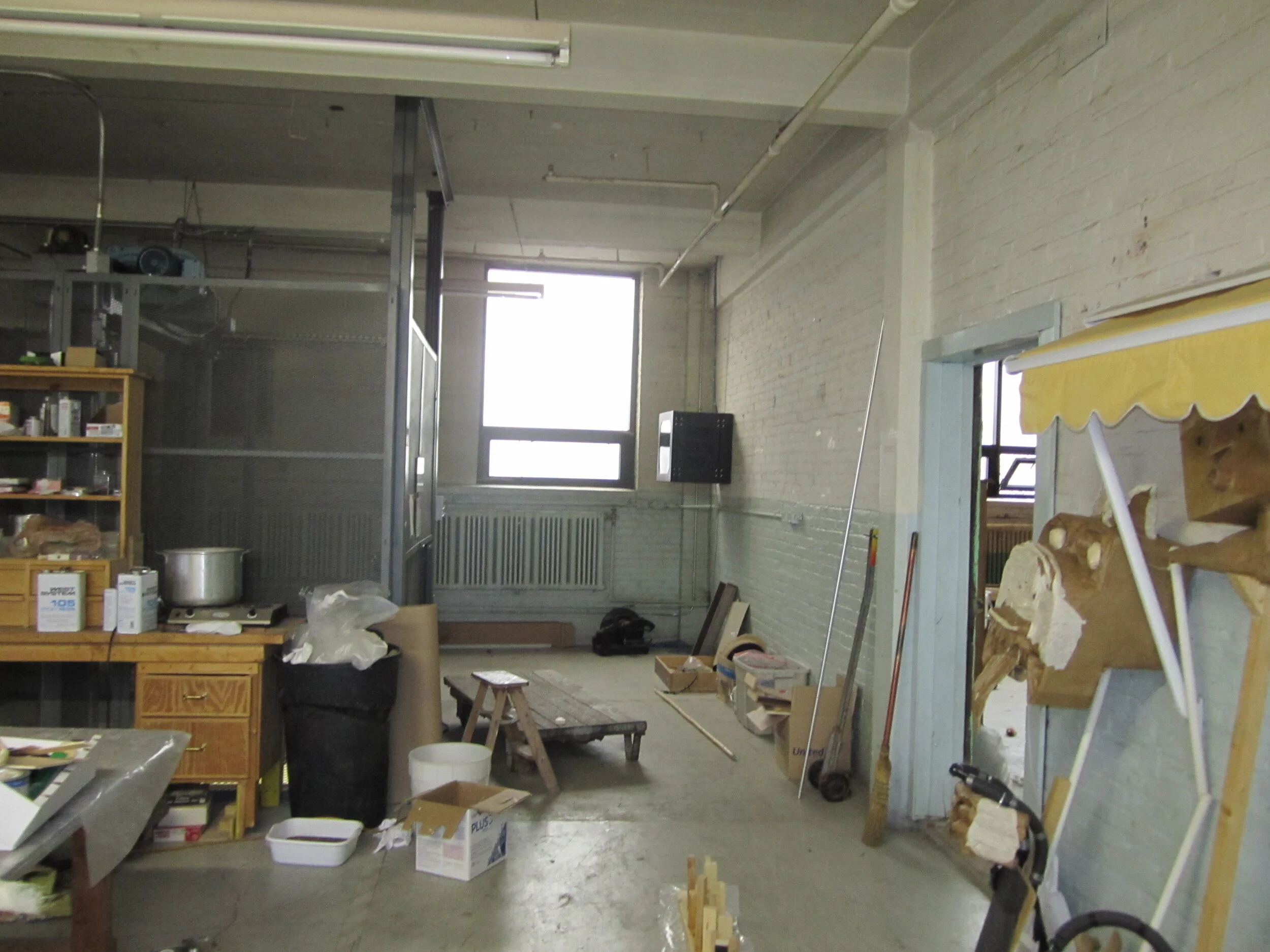
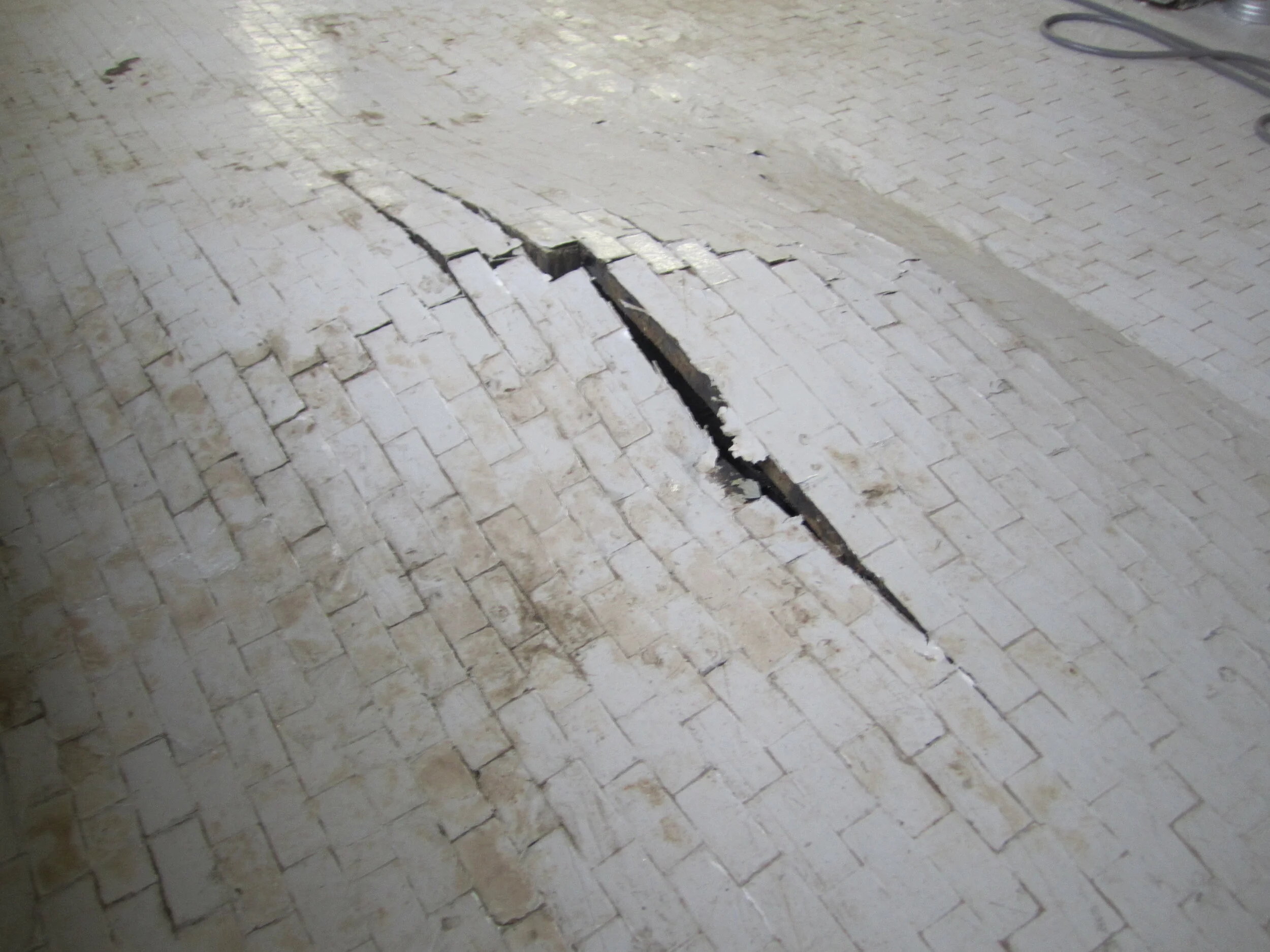
AFTER



Columbus Candy Company Historic Tax Credit
Columbus, Ohio
WHY
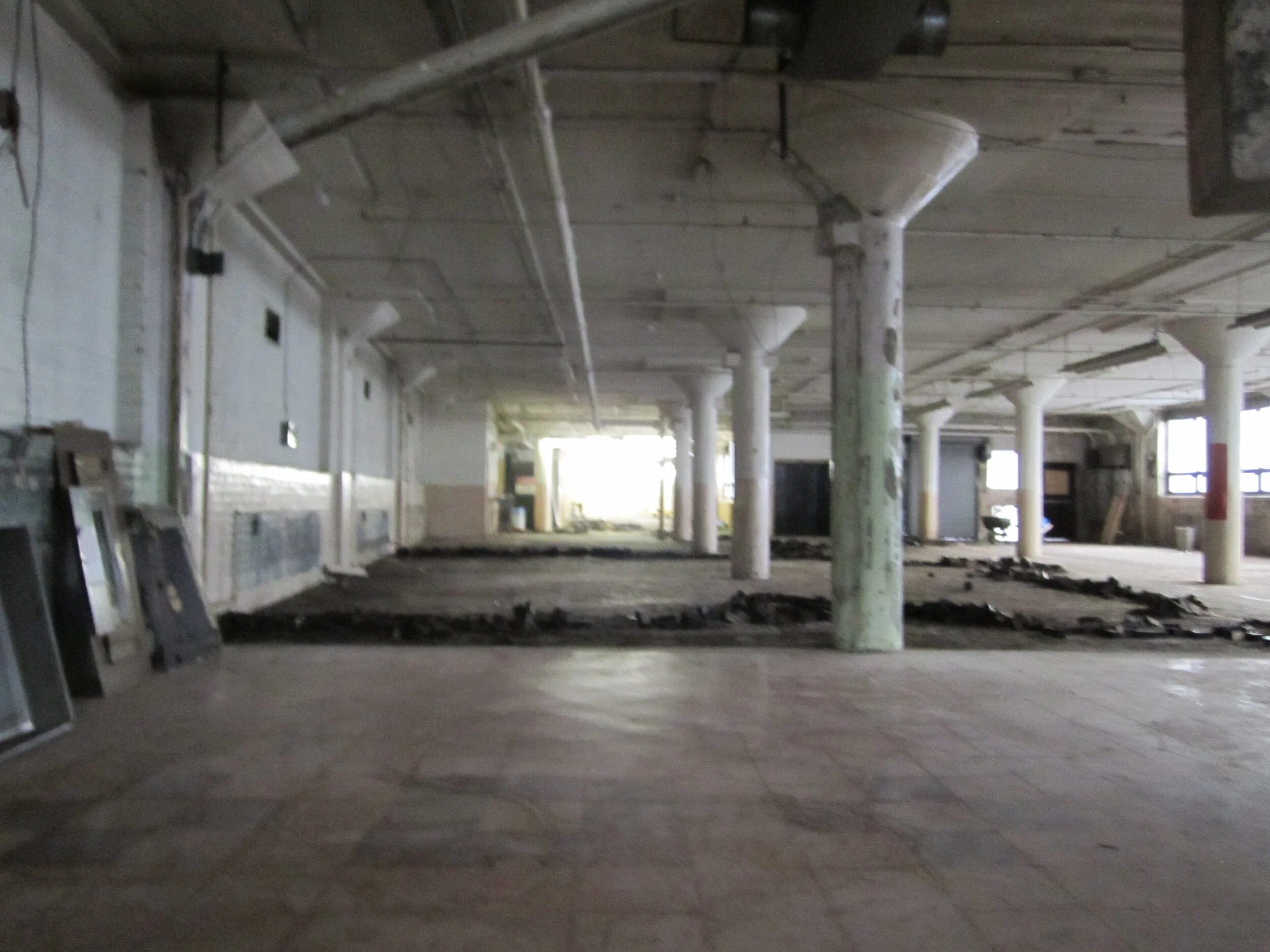
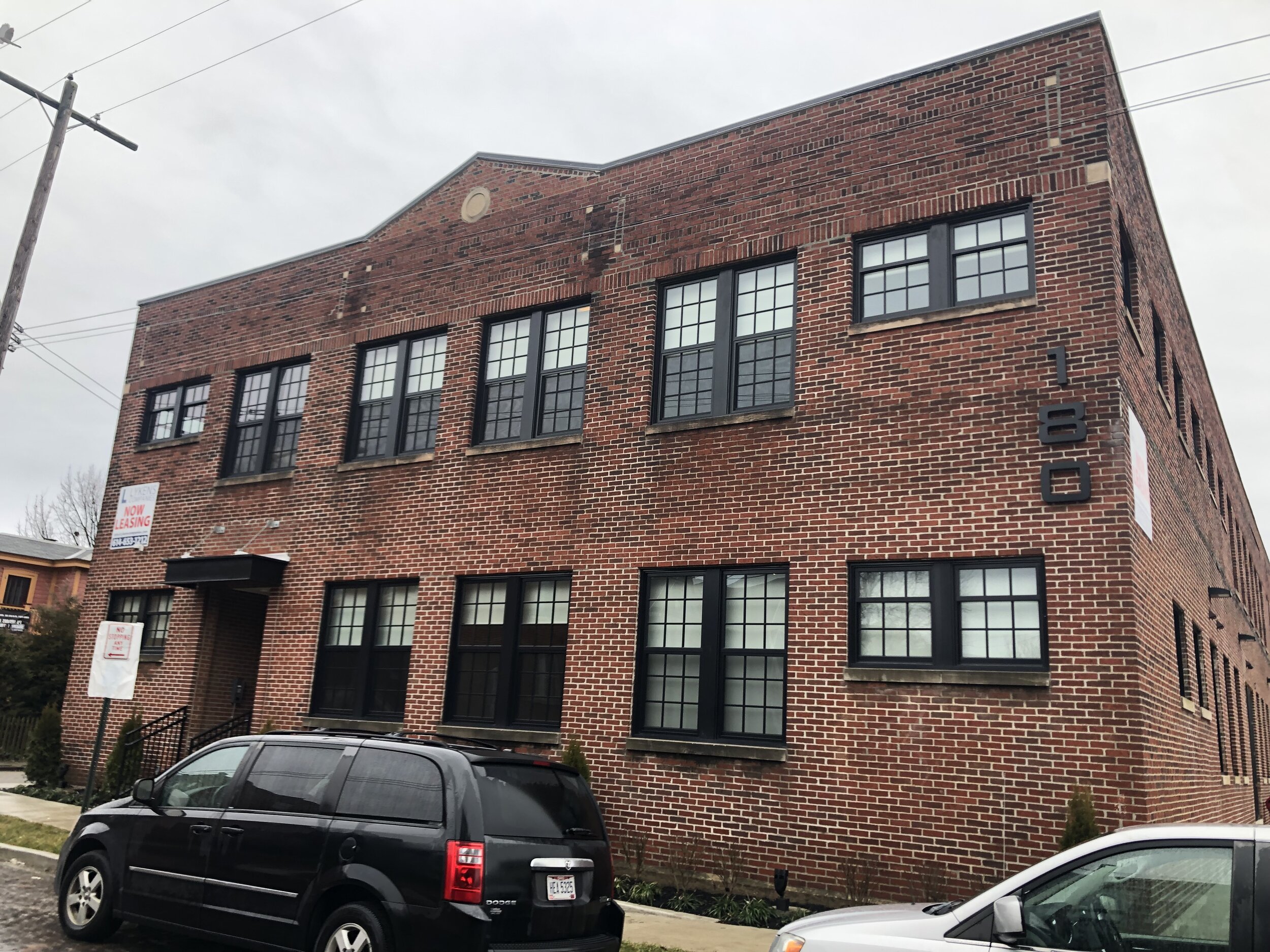
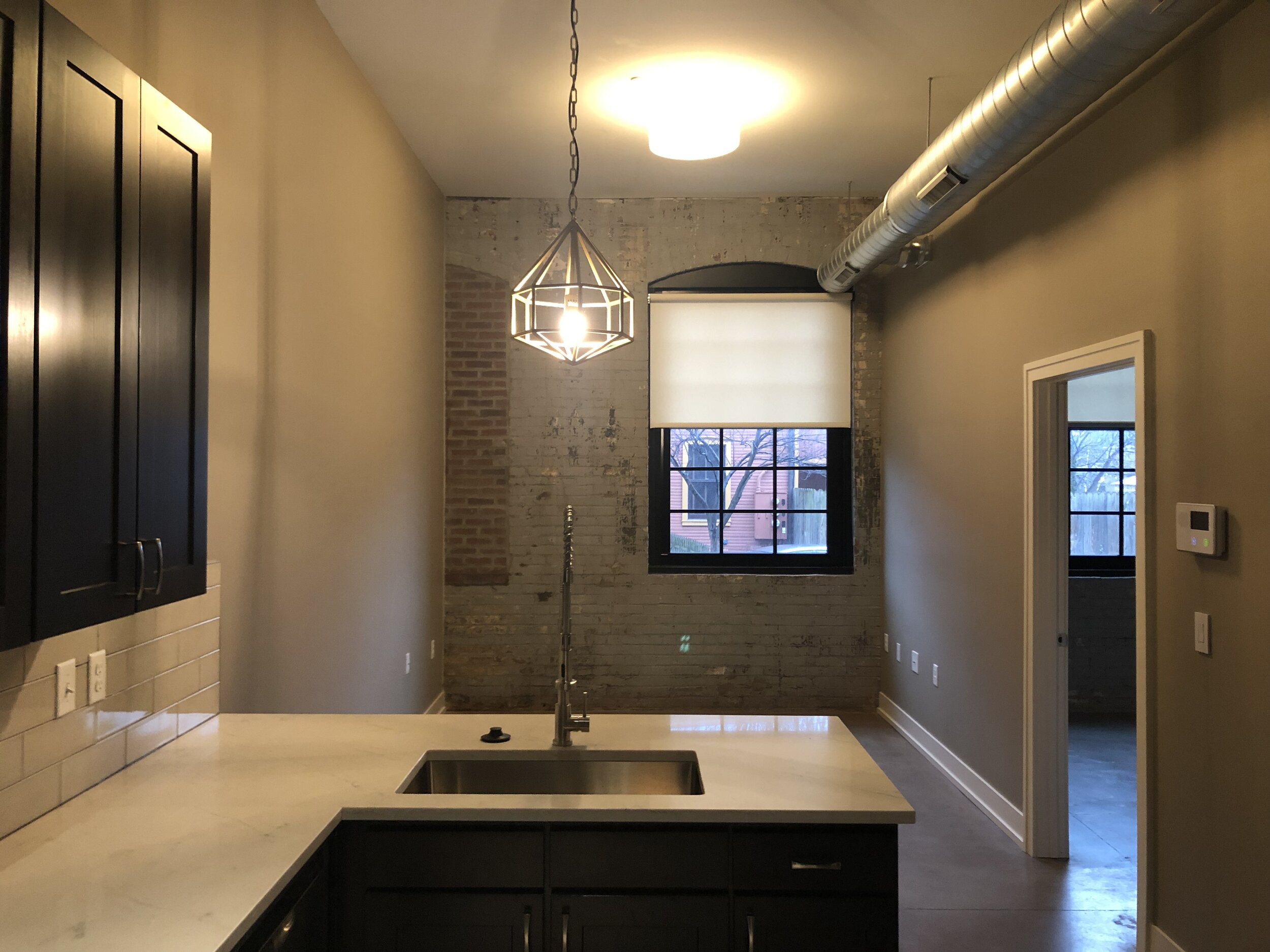
180 Detroit Ave. was originally a manufacturing facility known as the Columbus Candy Company and later became associated with the EJ Thomas Company. At the time the building was acquired by its current owner, it was vacant and in a state of disrepair. The owner planned to convert the property into apartments to provide housing opportunities in the growing Italian Village neighborhood.
HOW
Designing Local helped the property owner secure Ohio Historic Tax Credits for the redevelopment project, as part of the Budd Dairy Historic Tax Credit project.
WHAT
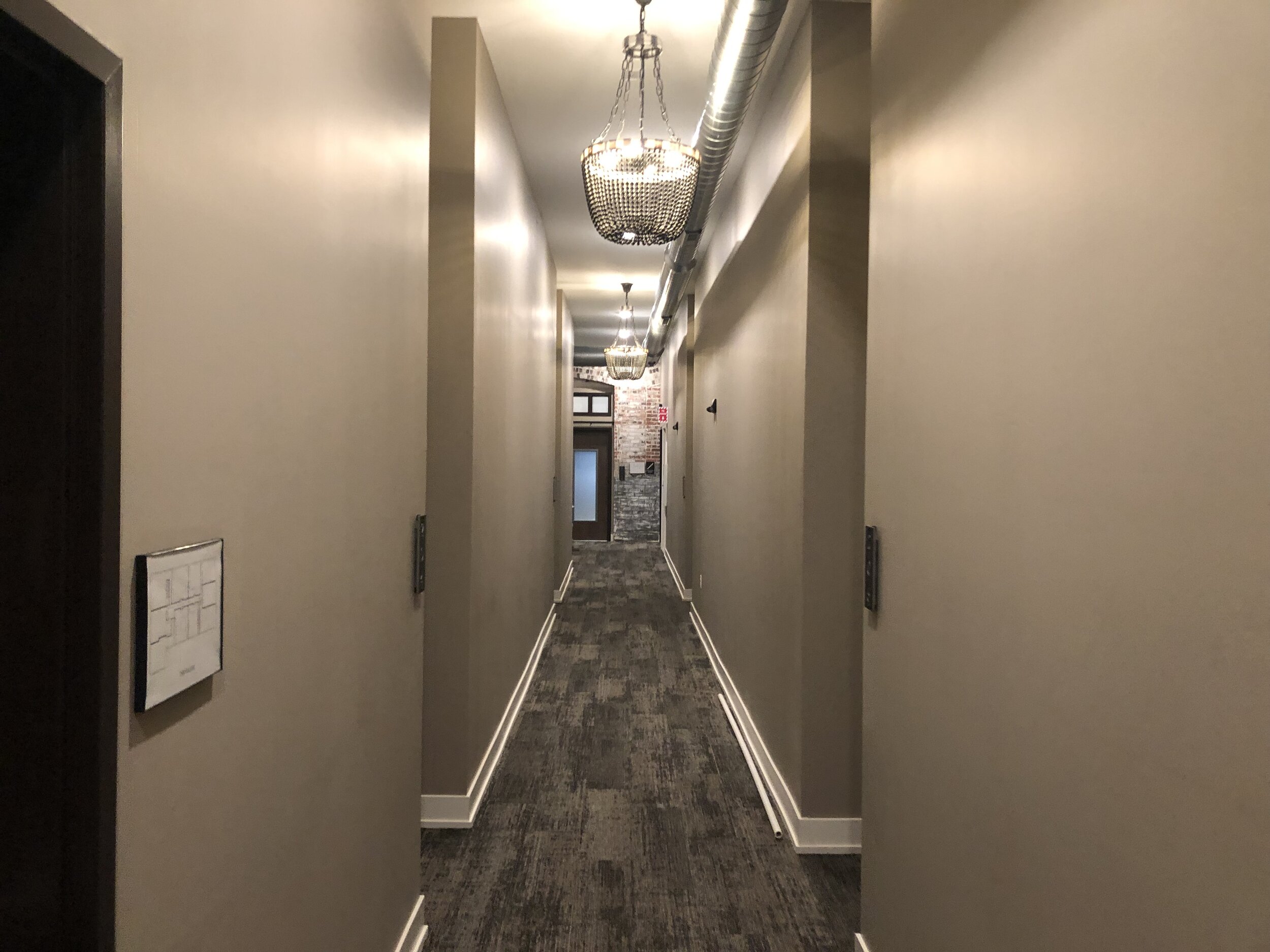
The building now features 20 unique urban lofts.
BEFORE


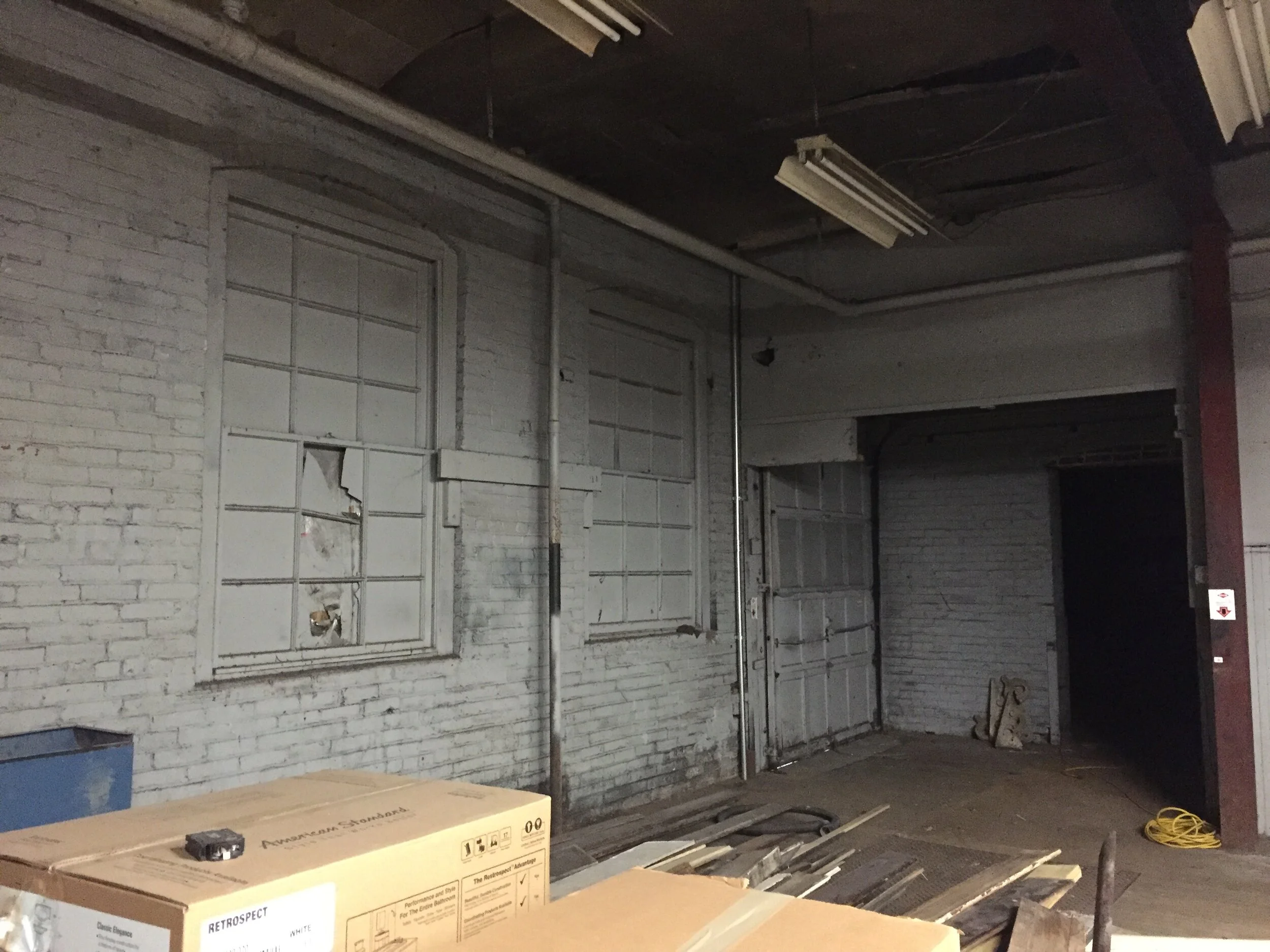
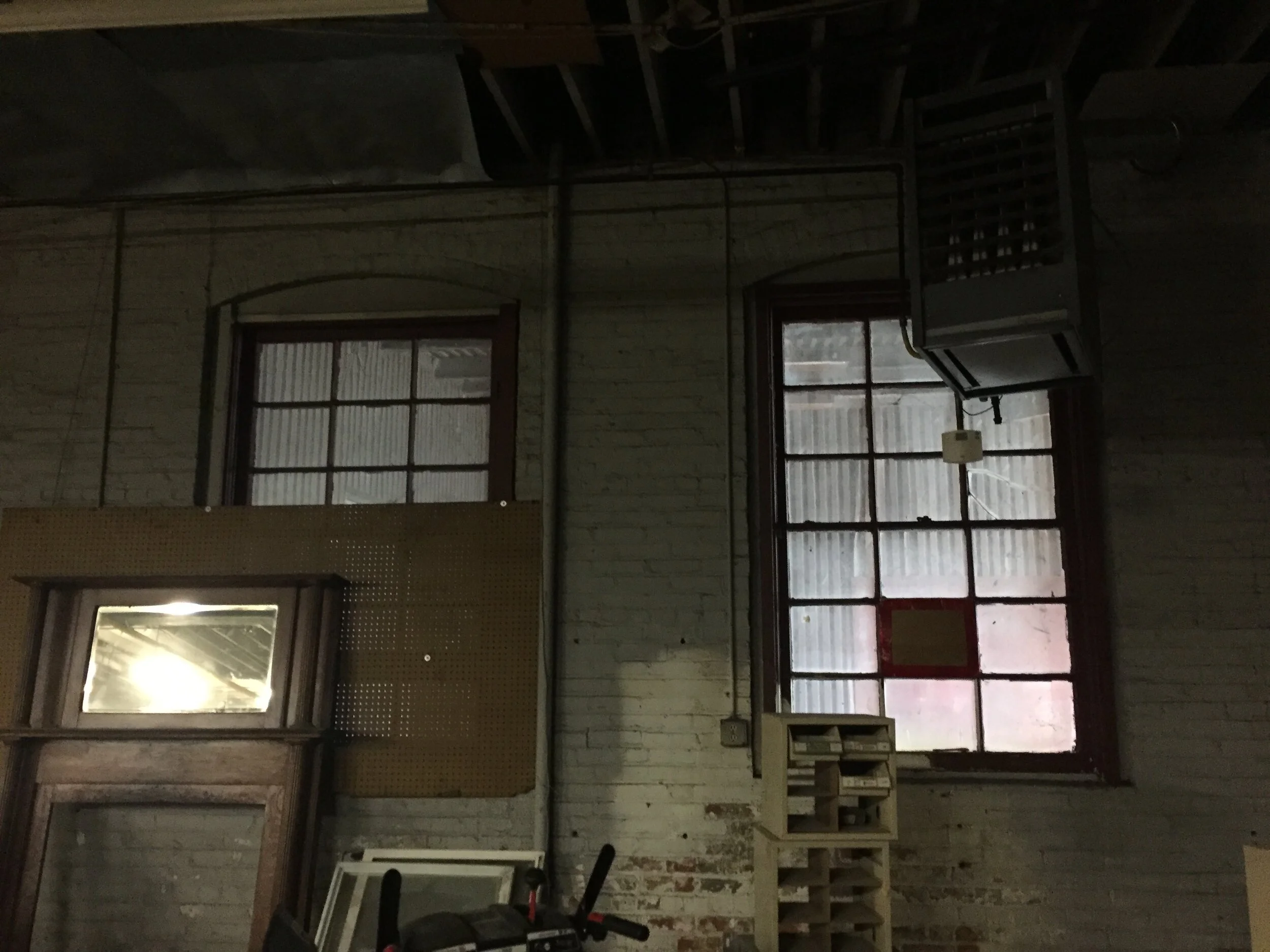


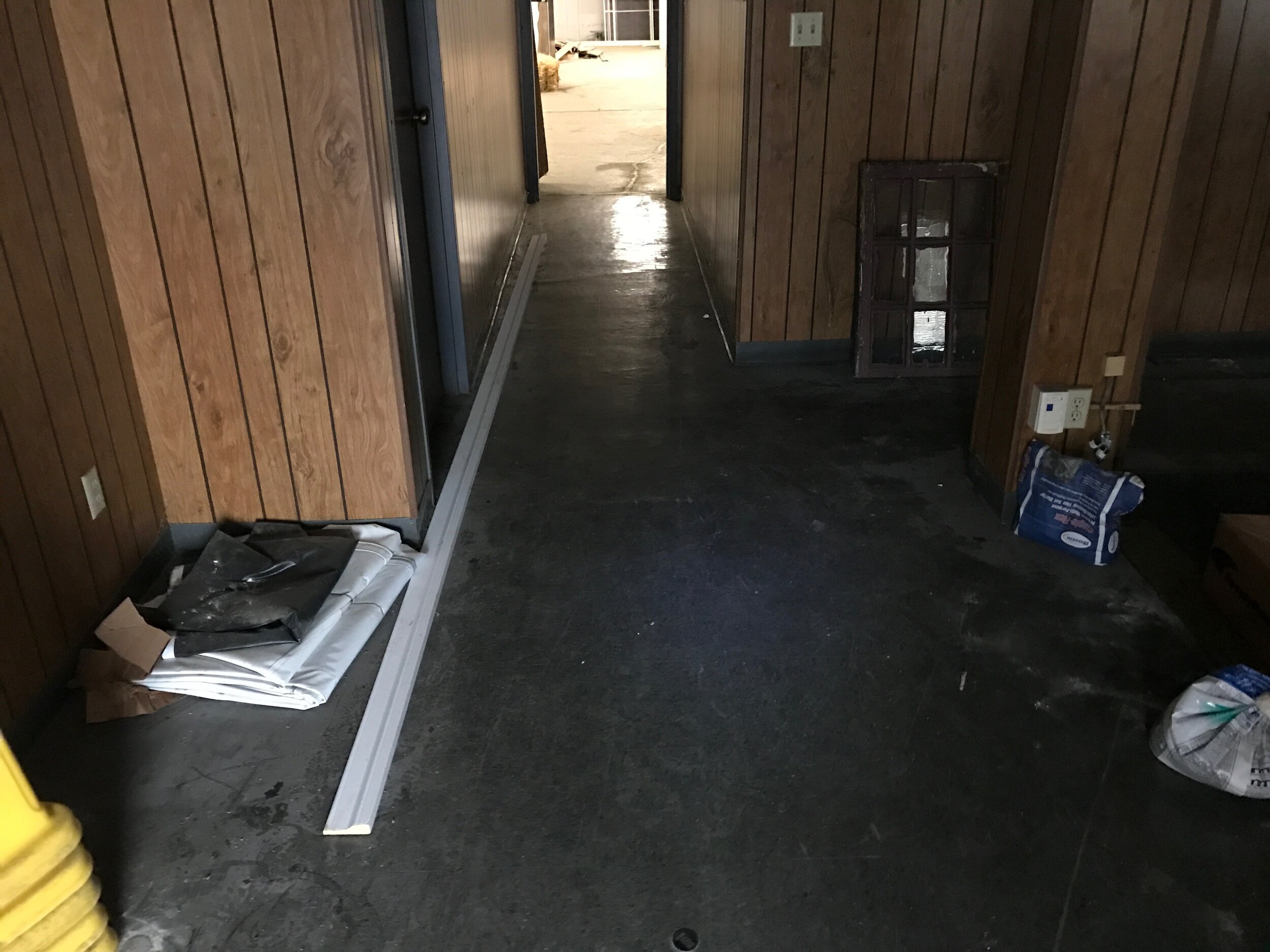
AFTER




Mansfield Historic Preservation Plan
Mansfield, Ohio
WHY
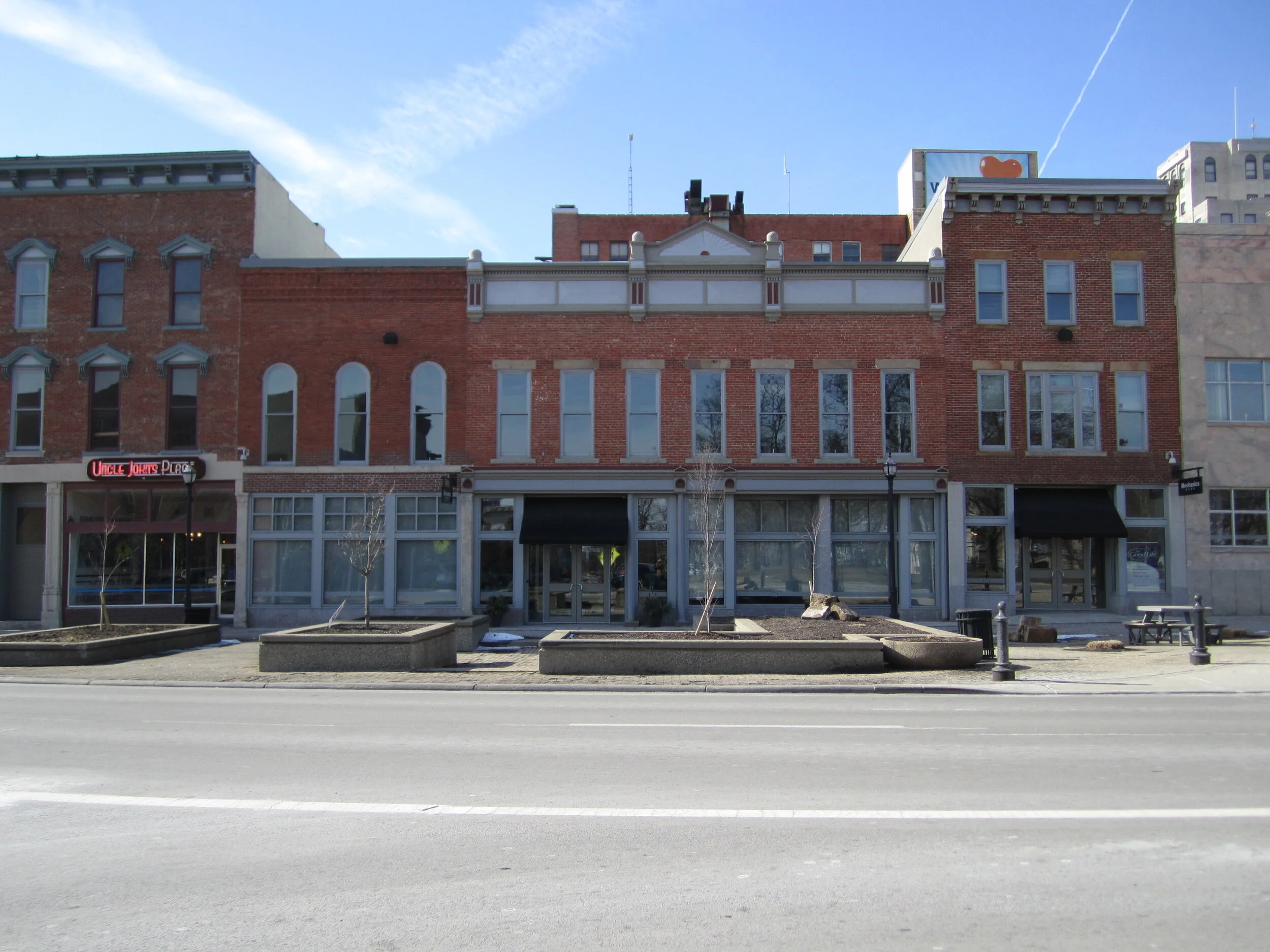
Mansfield has a long history of historic preservation activities. There have been some notable successes, including the preservation of the Ohio State Reformatory, the designation of both local and National Register historic districts and landmarks, and the work of Downtown Mansfield, Inc., and the Historic Preservation Commission of Mansfield. There have been significant challenges as well, including the loss of historic manufacturing facilities and residential structures. Given this, and that the original historic preservation plan was nearly 30 years old, it was an ideal time to evaluate past successes, identify current and future challenges, and develop a plan to move the city forward.
HOW
The Mansfield Historic Preservation Plan update began in January 2015, and was finalized in September 2015. With strategic public involvement, including a pop-up meeting in an abandoned Eagles building and a social media campaign called ‘This Place Matters’, the plan generated significant excitement in the community.
WHAT
The updated plan highlights incentives currently in use, as well as those that have proven successful in other communities, including land banks, revolving loan funds, and grants. The plan broadens the focus of what might be eligible for the National Register, local listings, and long-term preservation.