
Emeryville Public Art Master Plan
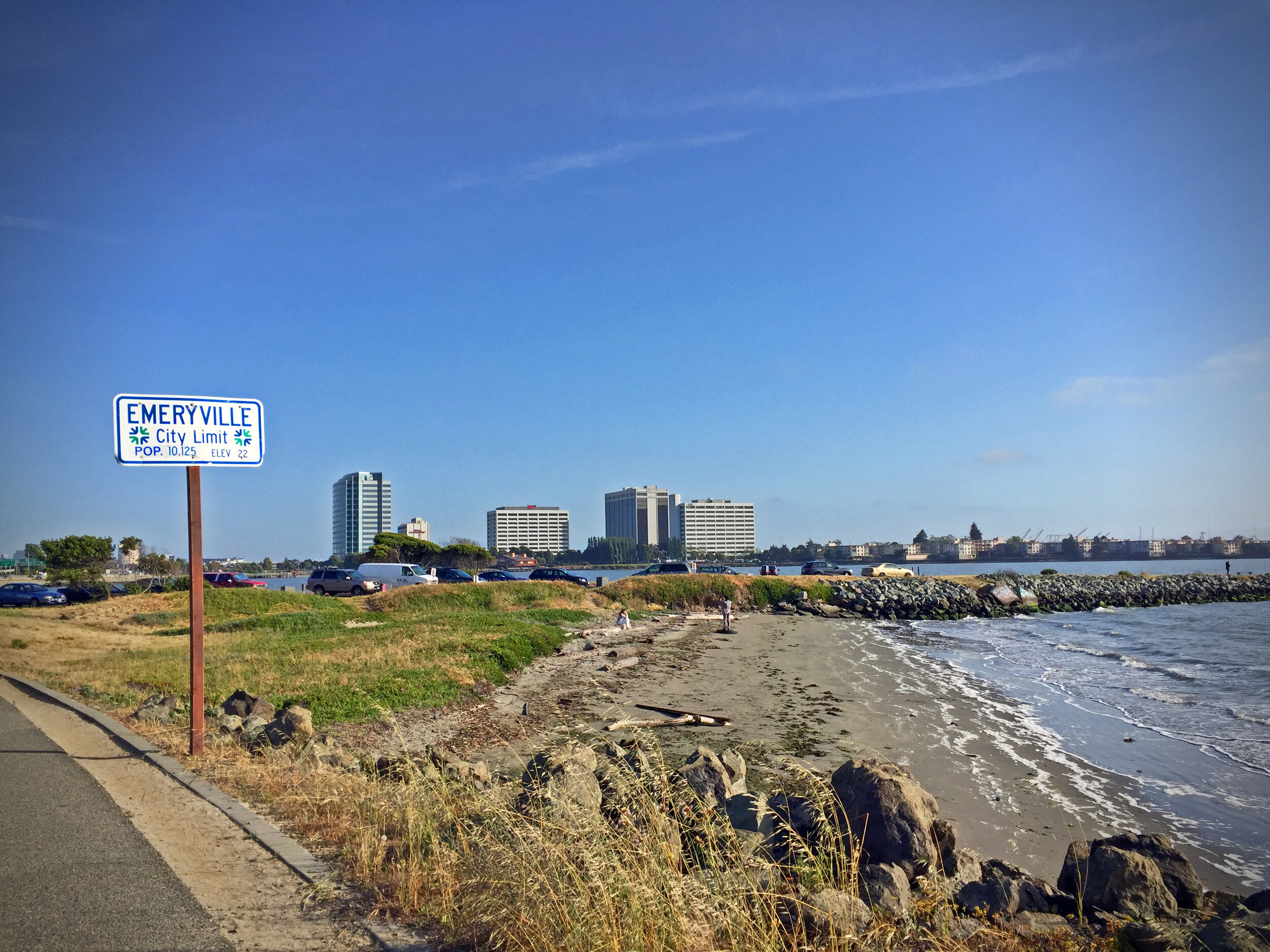
Emeryville, California
WHY
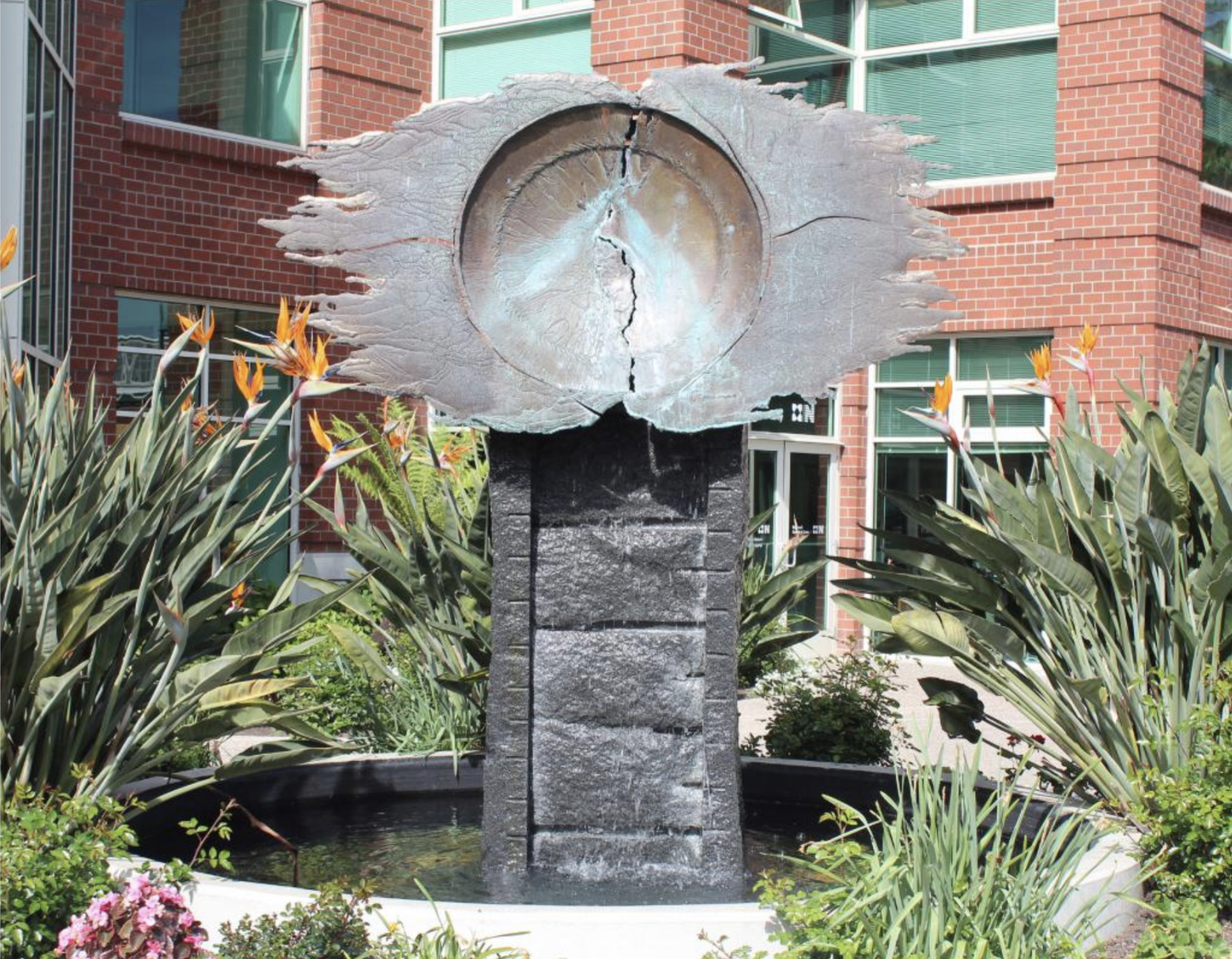
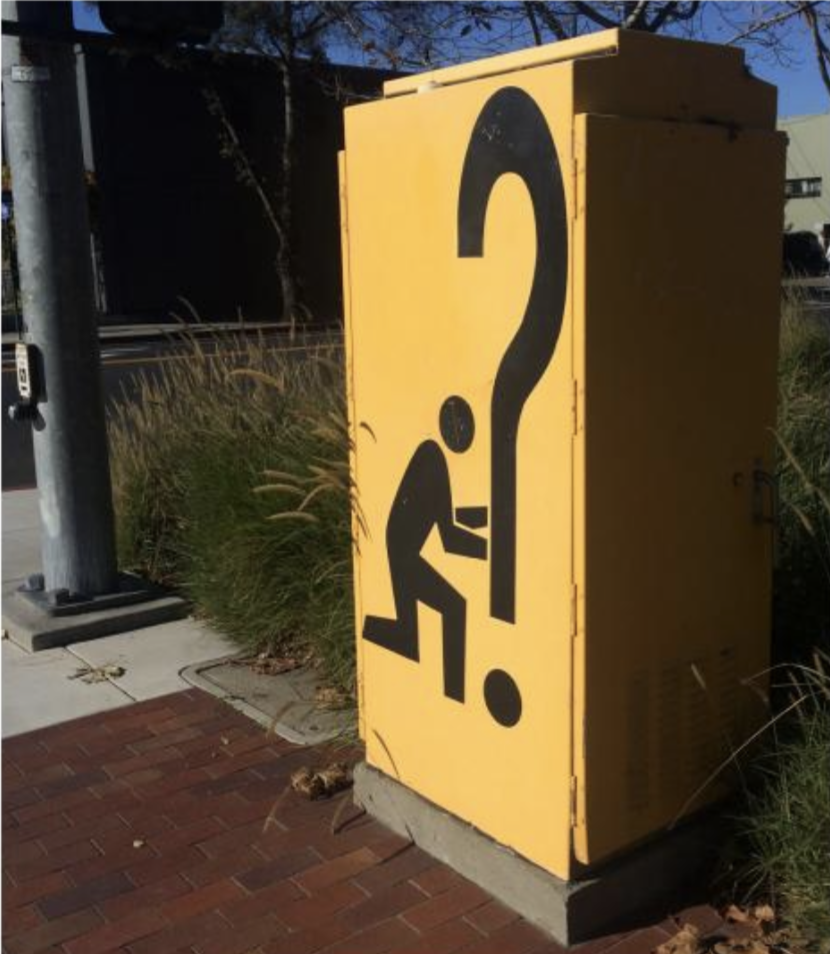
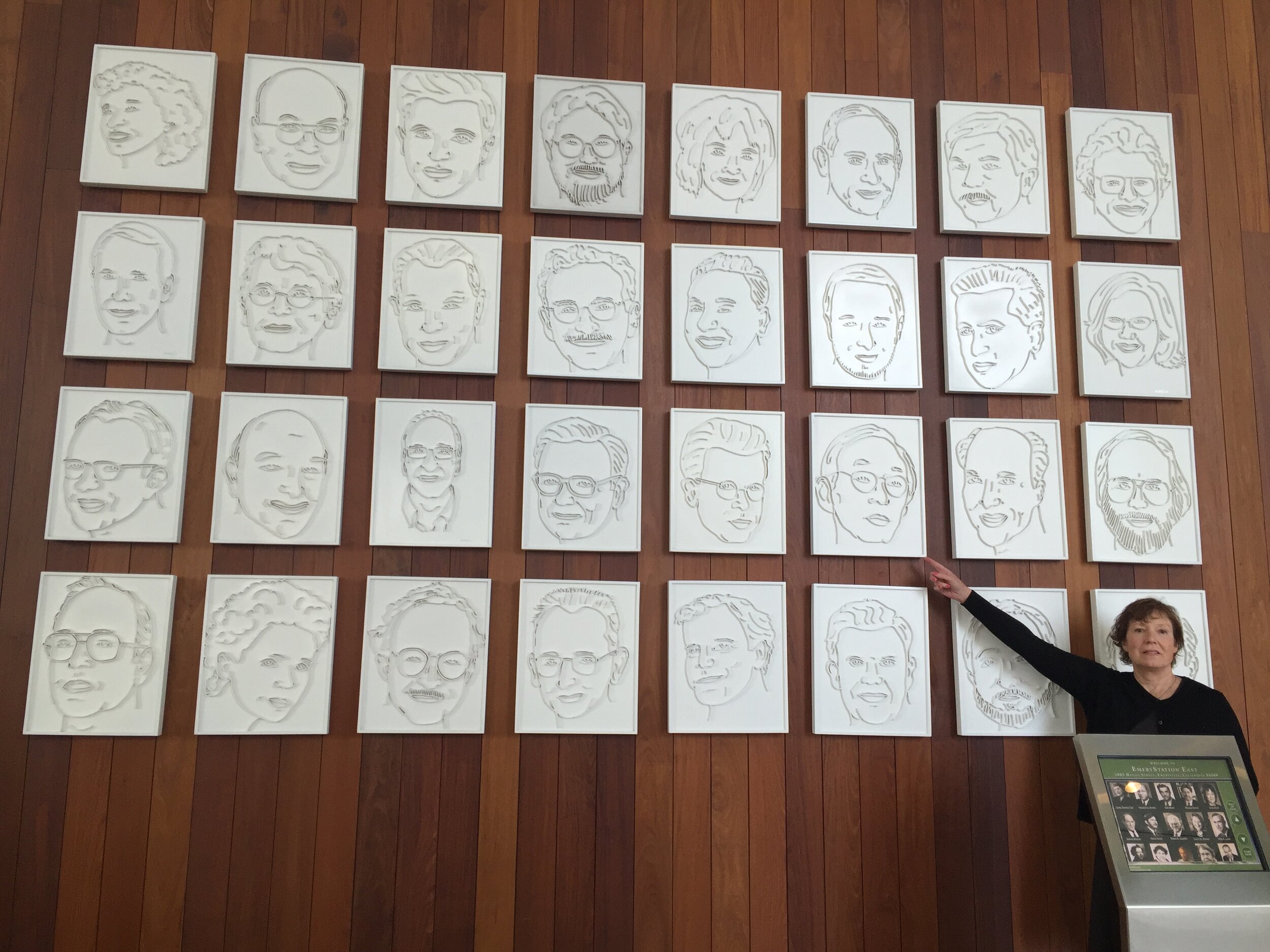
Emeryville’s vision to be a city that values art comes from a long legacy of public art champions and a 25-year commitment to investing in the arts at a citywide level. Today the city’s Art in Public Places Program (AiPP) has nearly 70 publicly-owned art works and 230 art installations available to the public in private locations. Both collections are growing as the city continues to commission work and private development extends AiPP’s reach. The Public Art Master Plan of 2016 was intended to define AiPP’s current focus and ensure it resonated with all community stakeholders.
HOW
The planning process included meeting with numerous key stakeholders — council members, local business owners, artists, city staff, architects, and educators — who were asked a series of questions about the importance of public art in Emeryville. Emeryville residents were also invited to participate in a series of workshops where they were asked to consider geographic priorities, what new types of art they would like to see, and how they would like to see the Art in Public Places Program grow. All were asked to consider what values and attributes make Emeryville stand out in a region known for artistic excellence and innovation.
WHAT
The Emeryville Public Art Master Plan was adopted in November 2016. It featured six major goals and strategies, nine conceptual projects, and six conceptual programs.



46 Park Ave West Historic Tax Credit
Mansfield, Ohio
WHY
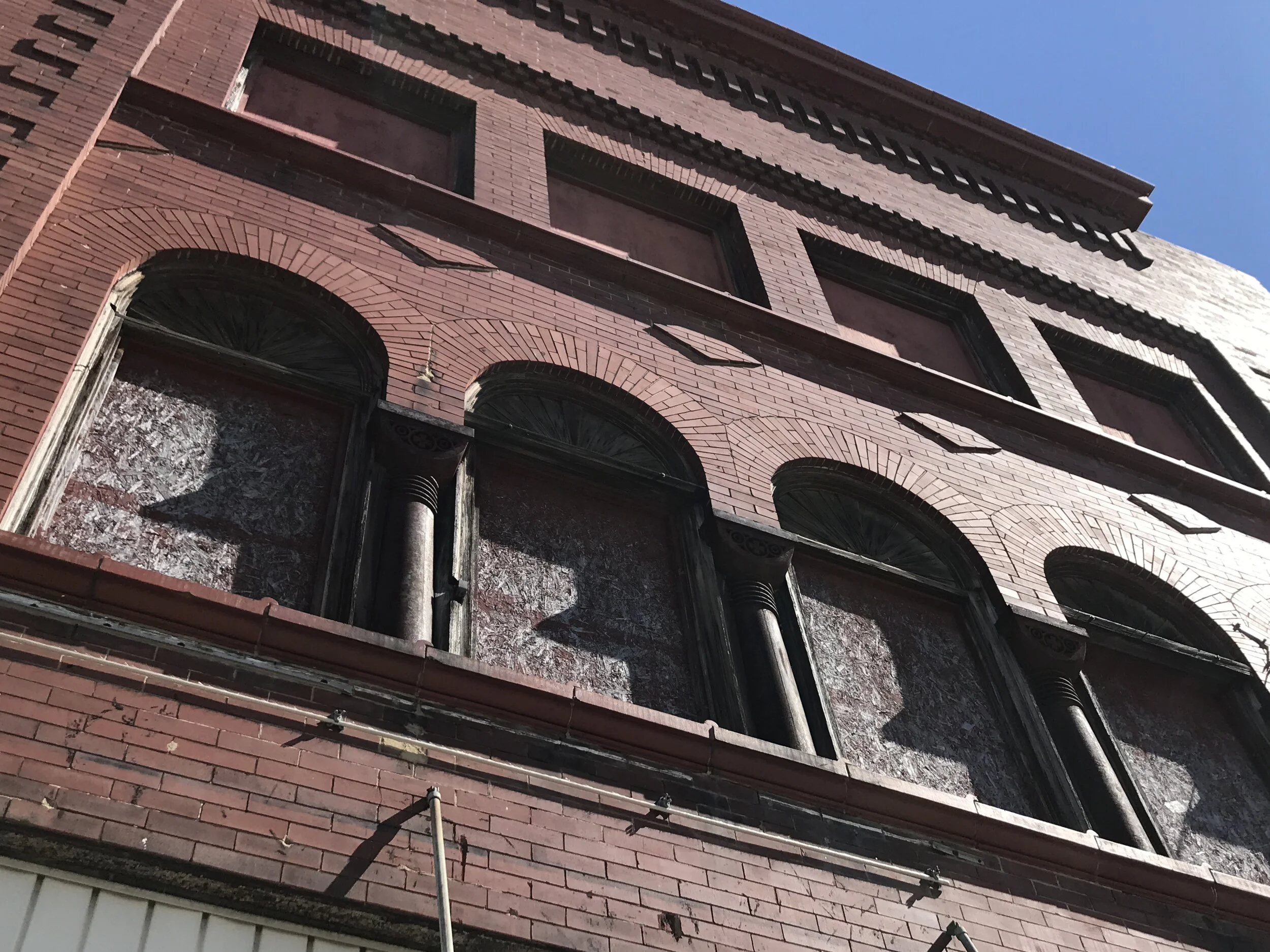
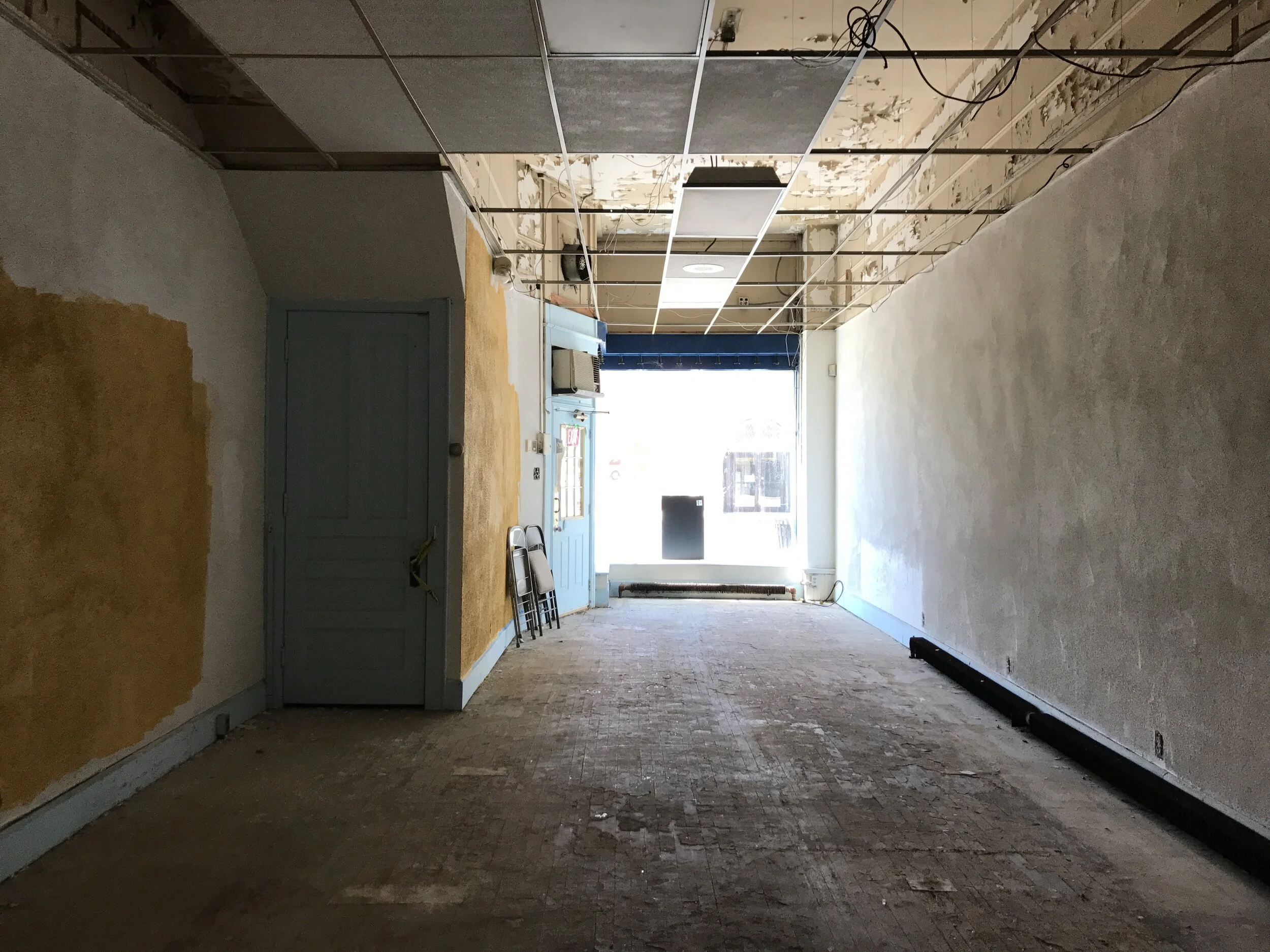
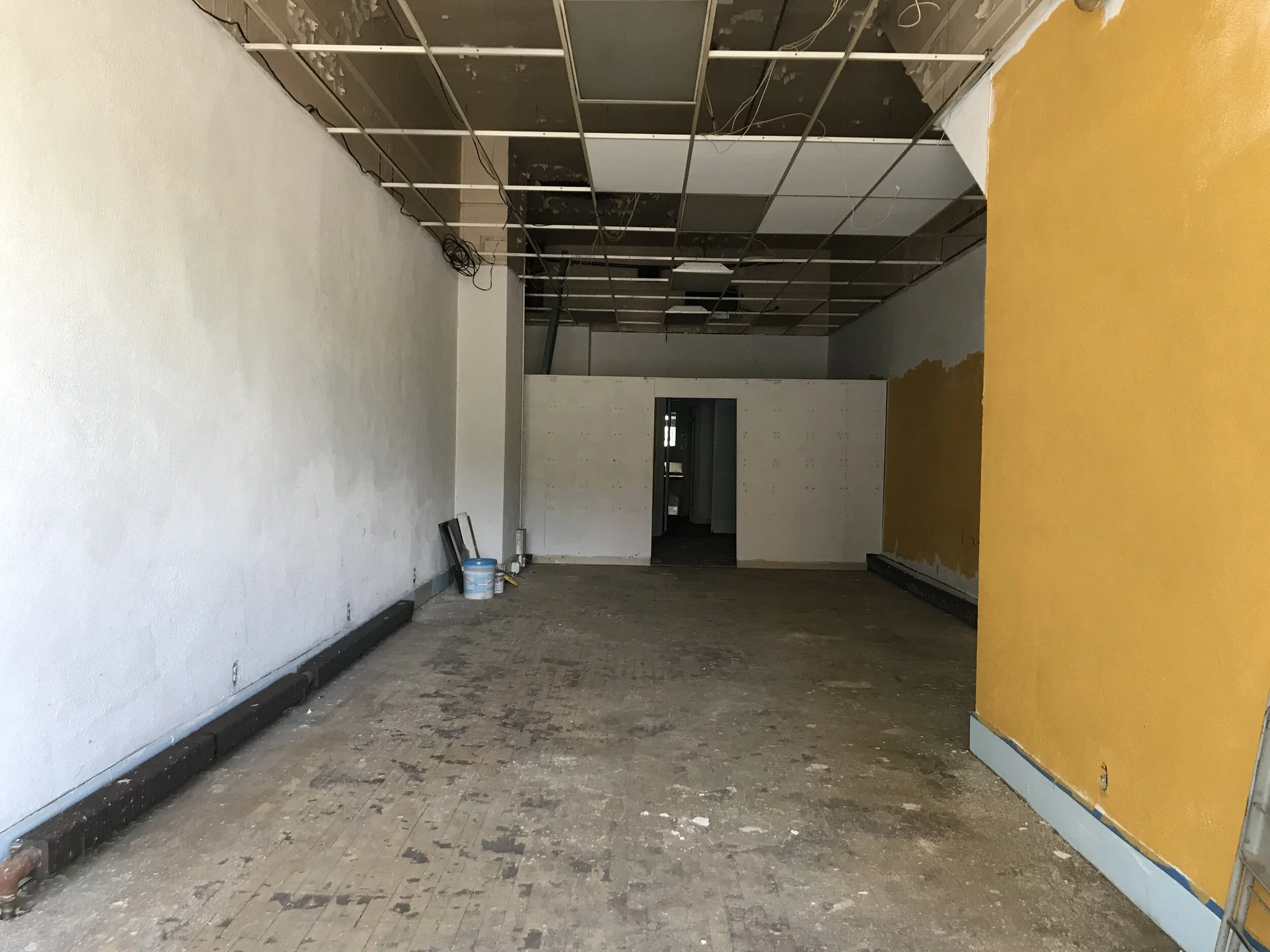
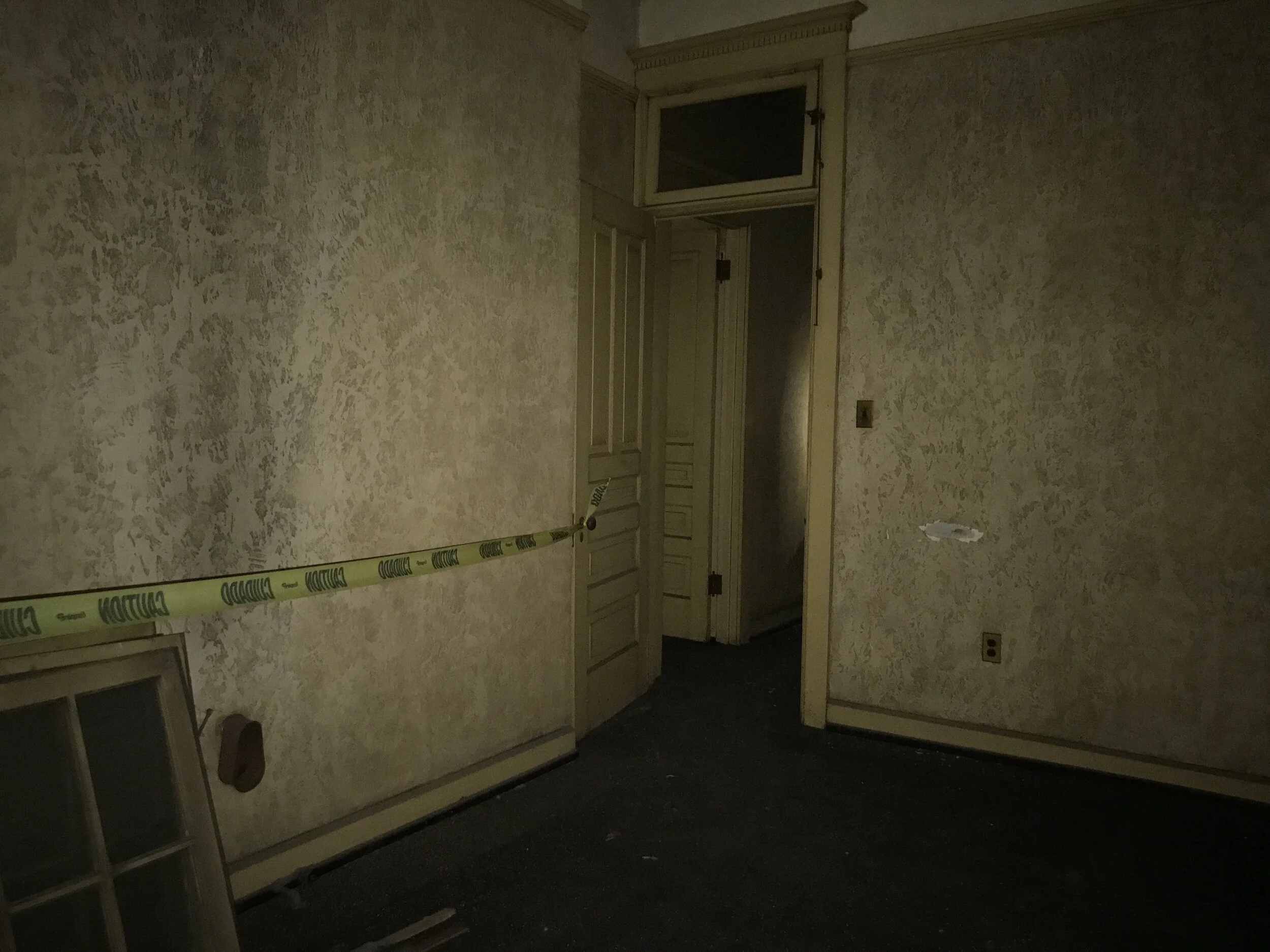
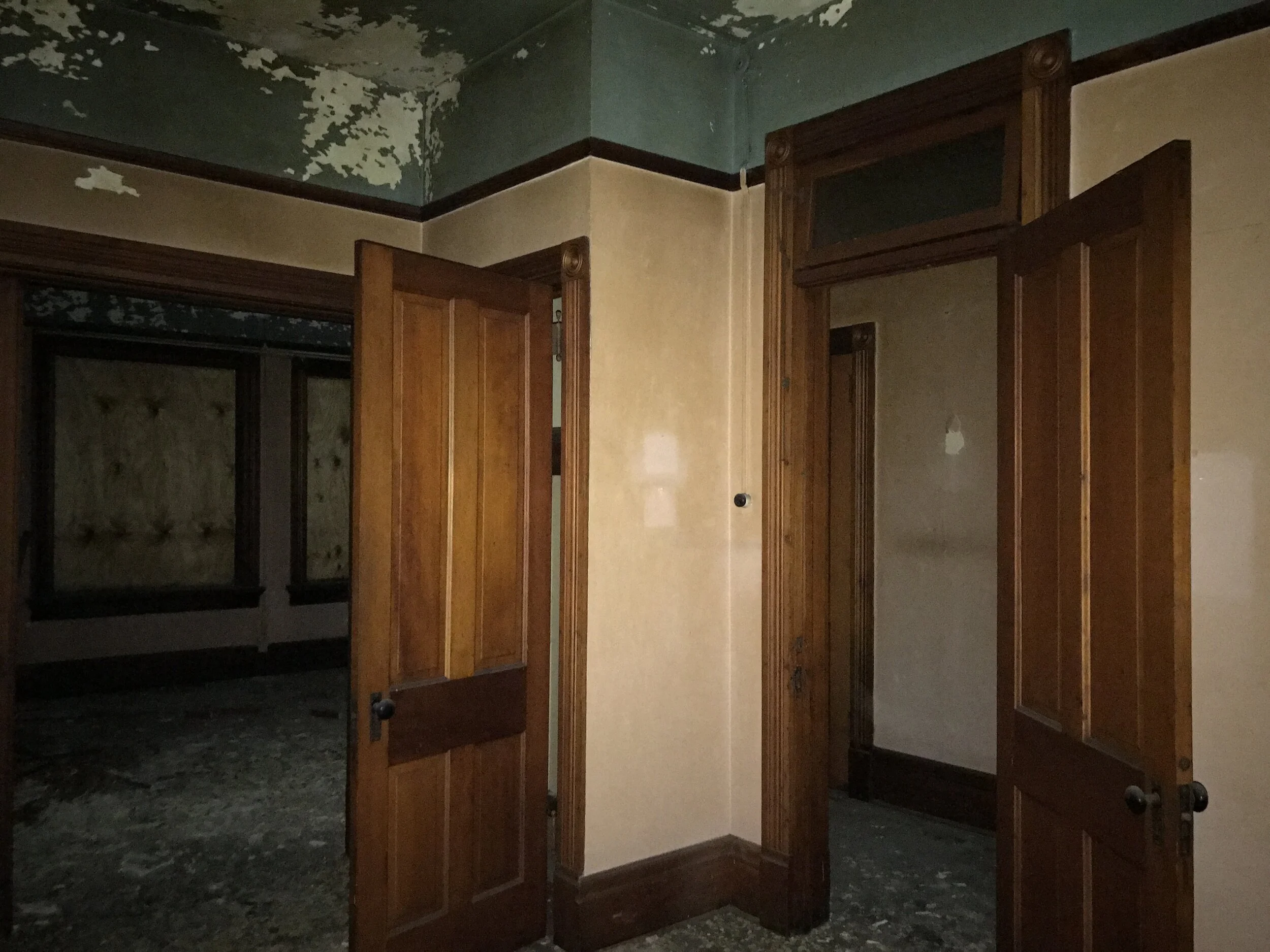
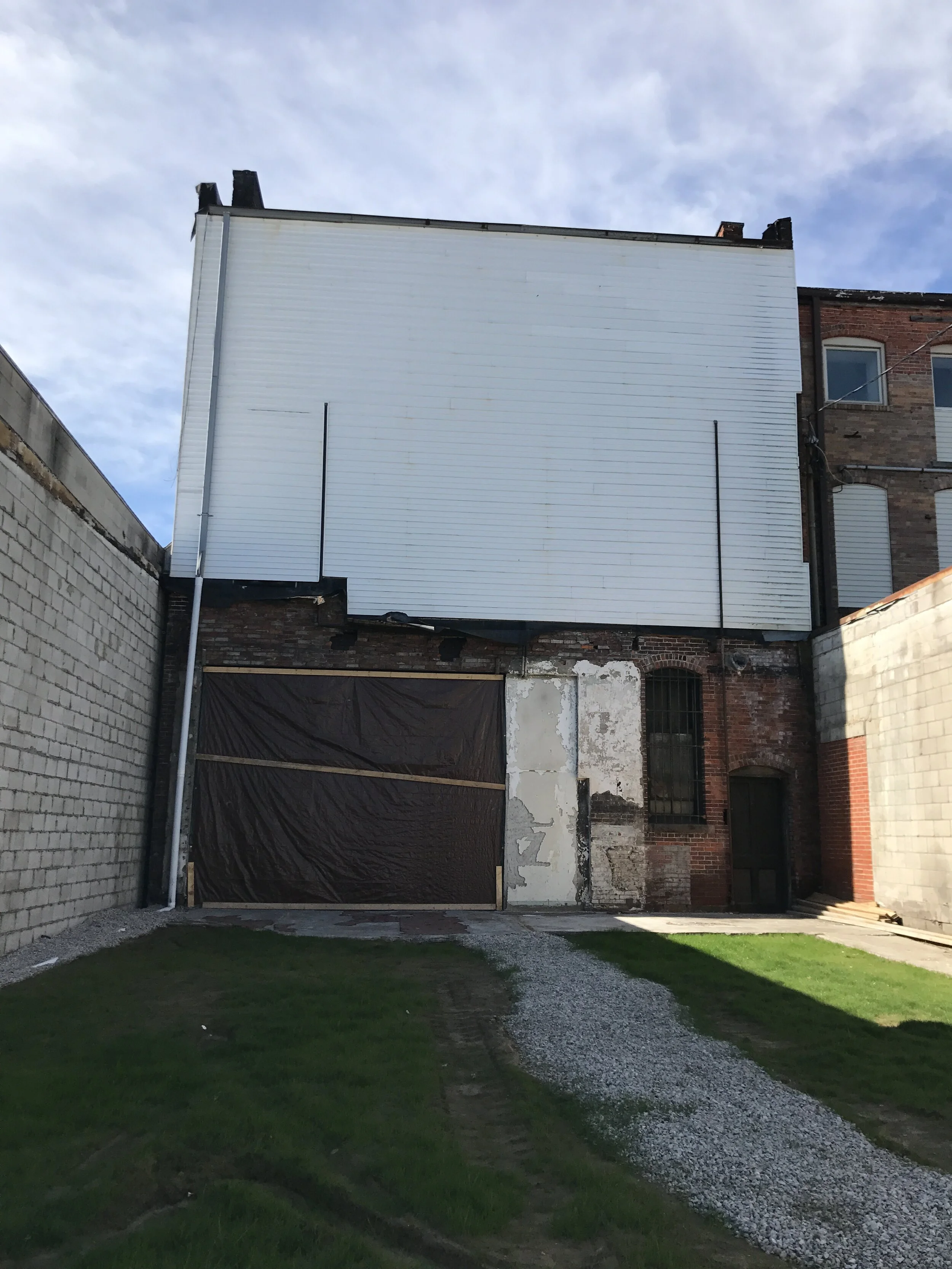
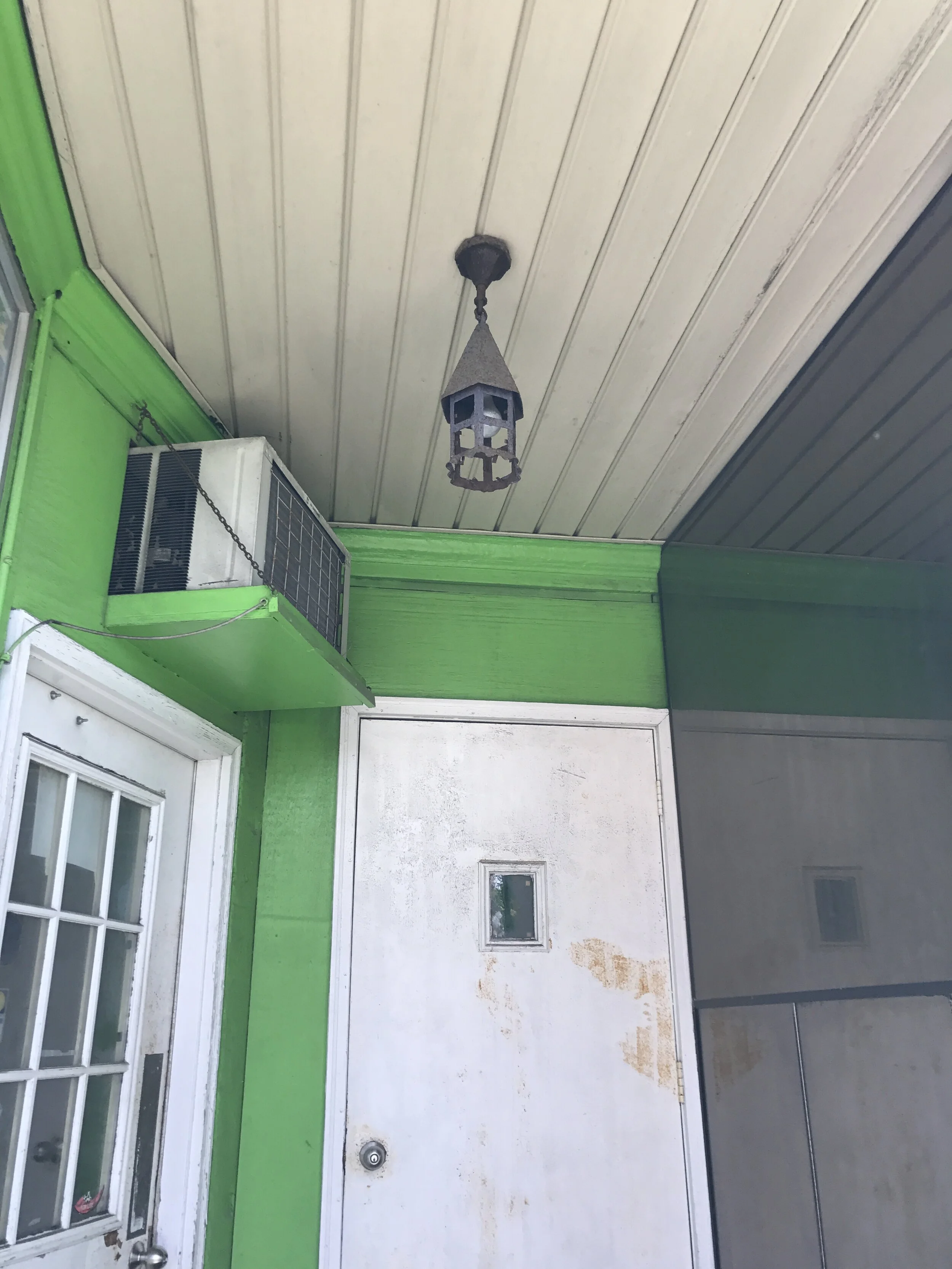
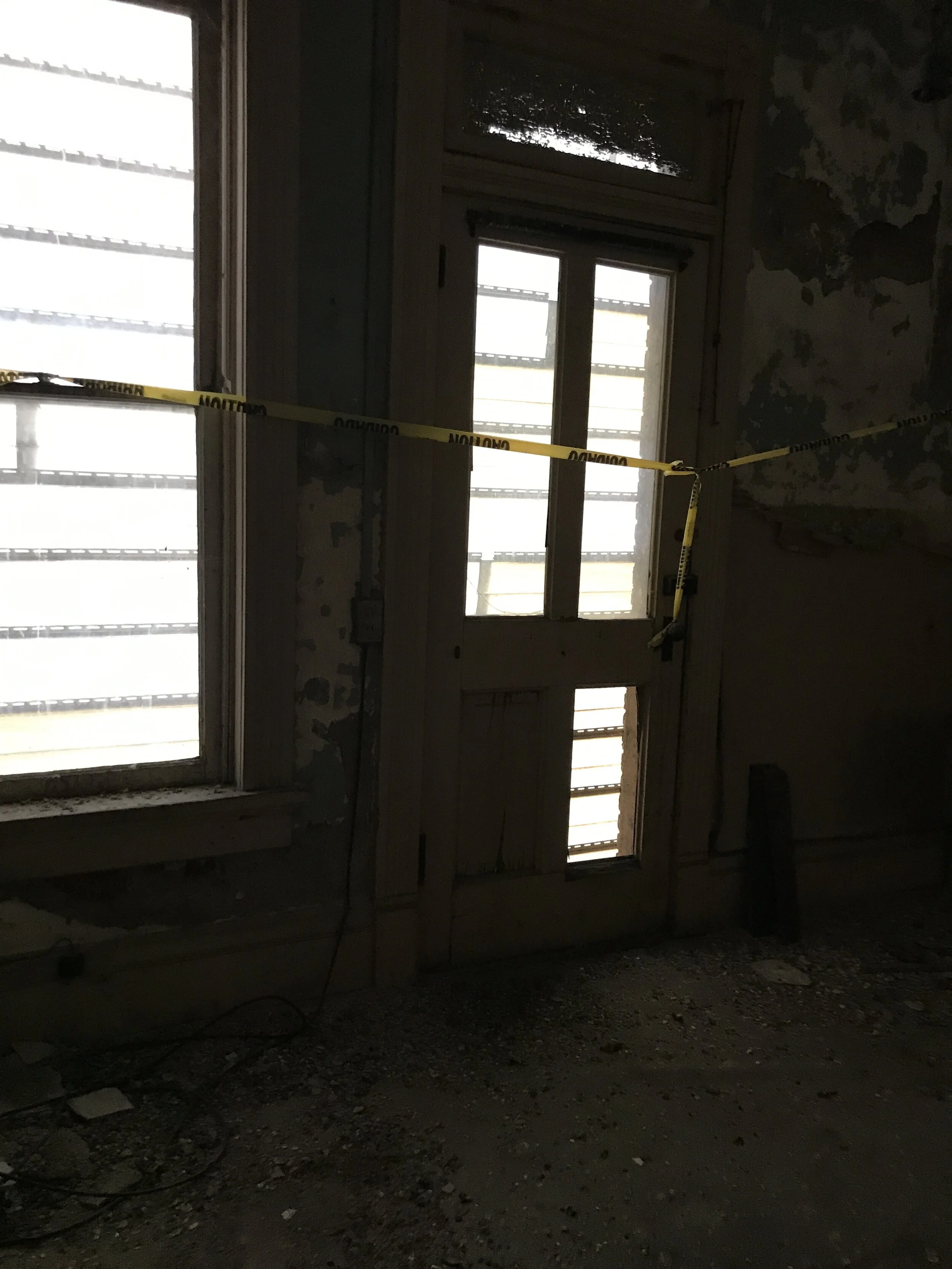
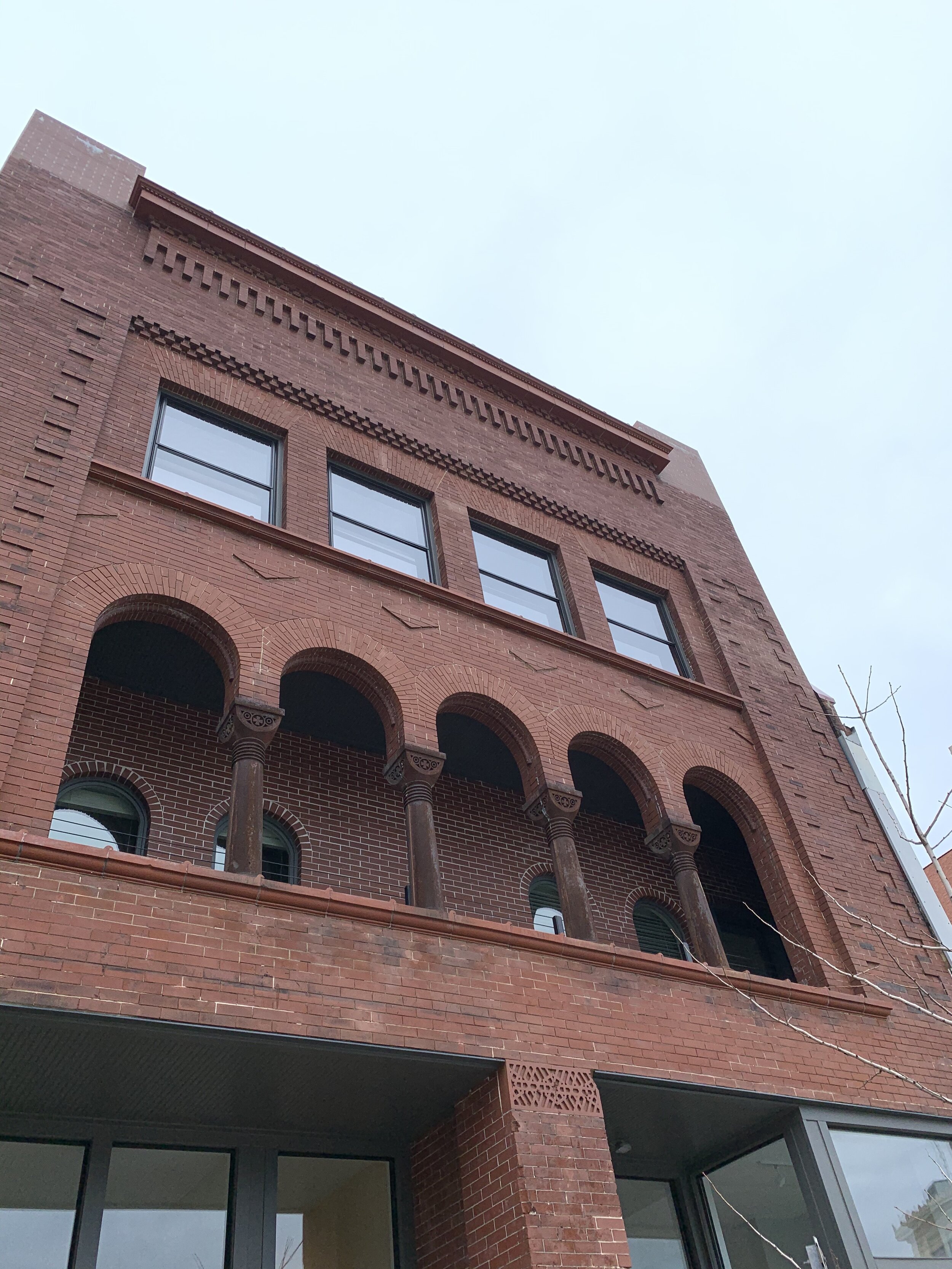
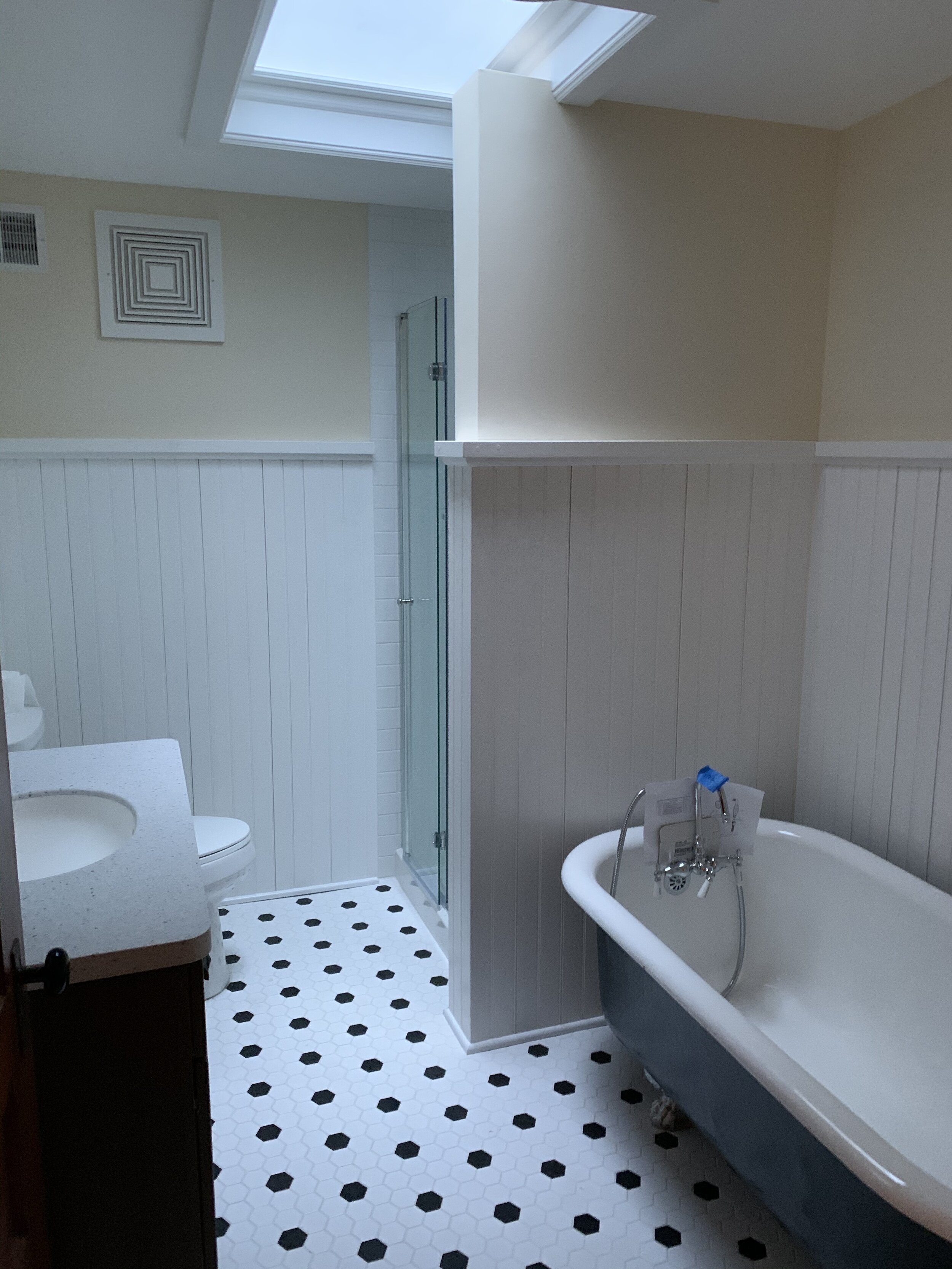
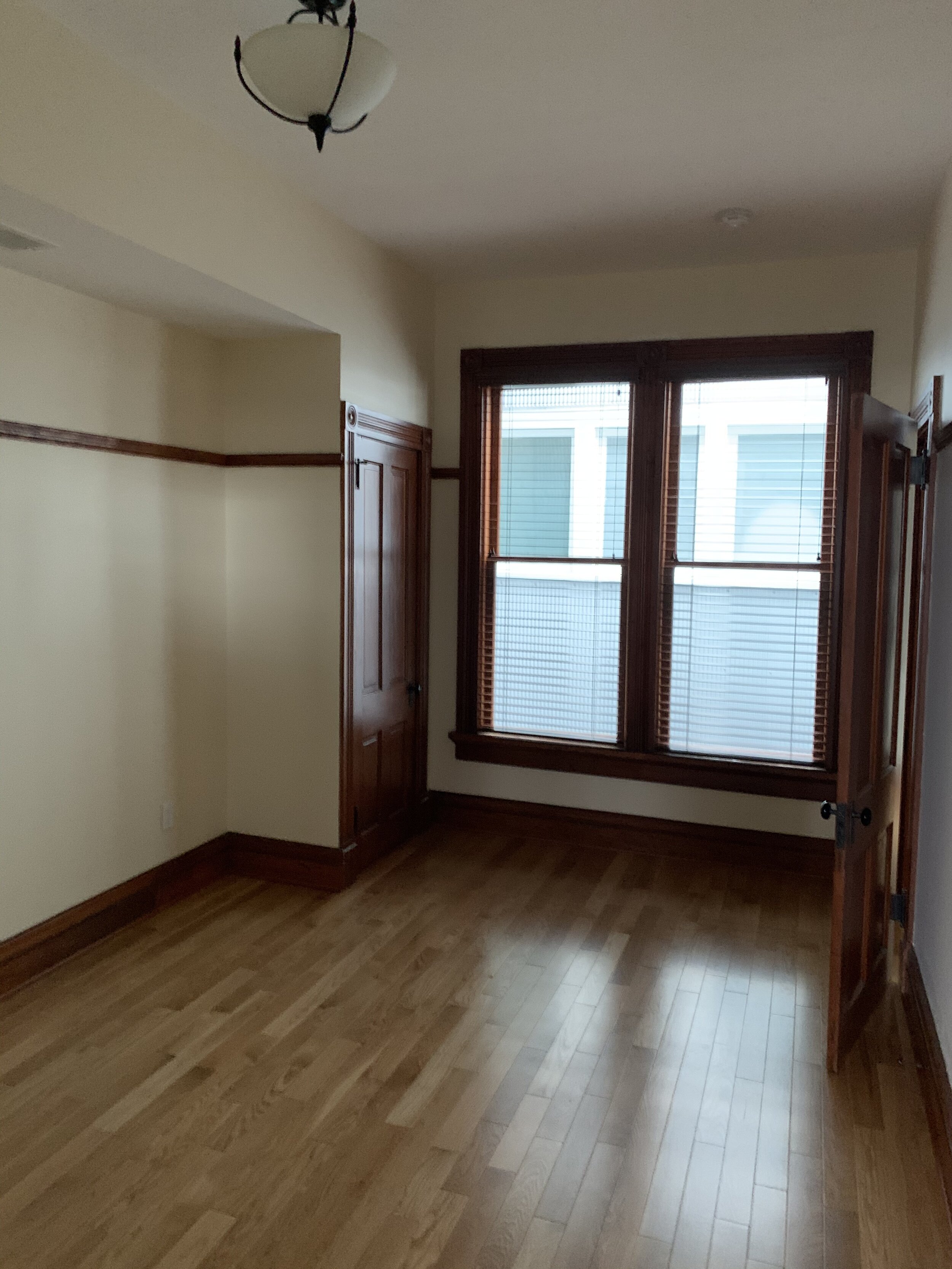
Sitting on Park Ave West in the Downtown Mansfield National Register District, this building originally housed a doctor’s office alongside residential and retail space. When the building was acquired by its current owner, it was vacant and in a state of disrepair. The owner planned to convert the property into space for neighborhood businesses and residential units.
HOW
Designing Local, in partnership with Benjamin D. Rickey Co., successfully nominated the building as part of the Downtown Mansfield National Register of Historic Places District. We also helped the property owner secure the Ohio Historic Tax Credit and the Federal Historic Tax Credit.
WHAT
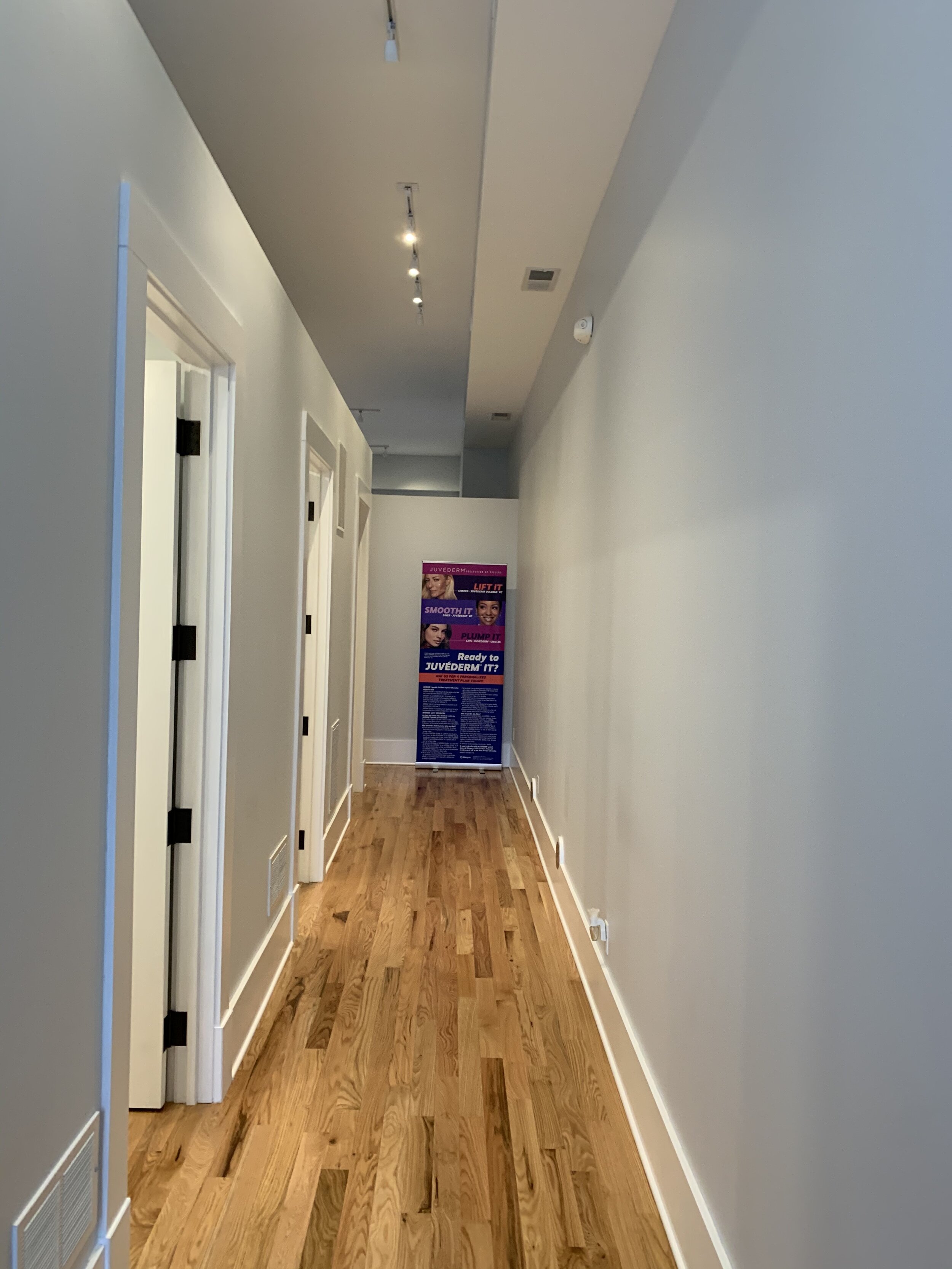
The building is how home to a number of residential tenants and a medical spa.
BEFORE
AFTER



Columbus Dispatch Building Historic Tax Credit
Columbus, Ohio
WHY
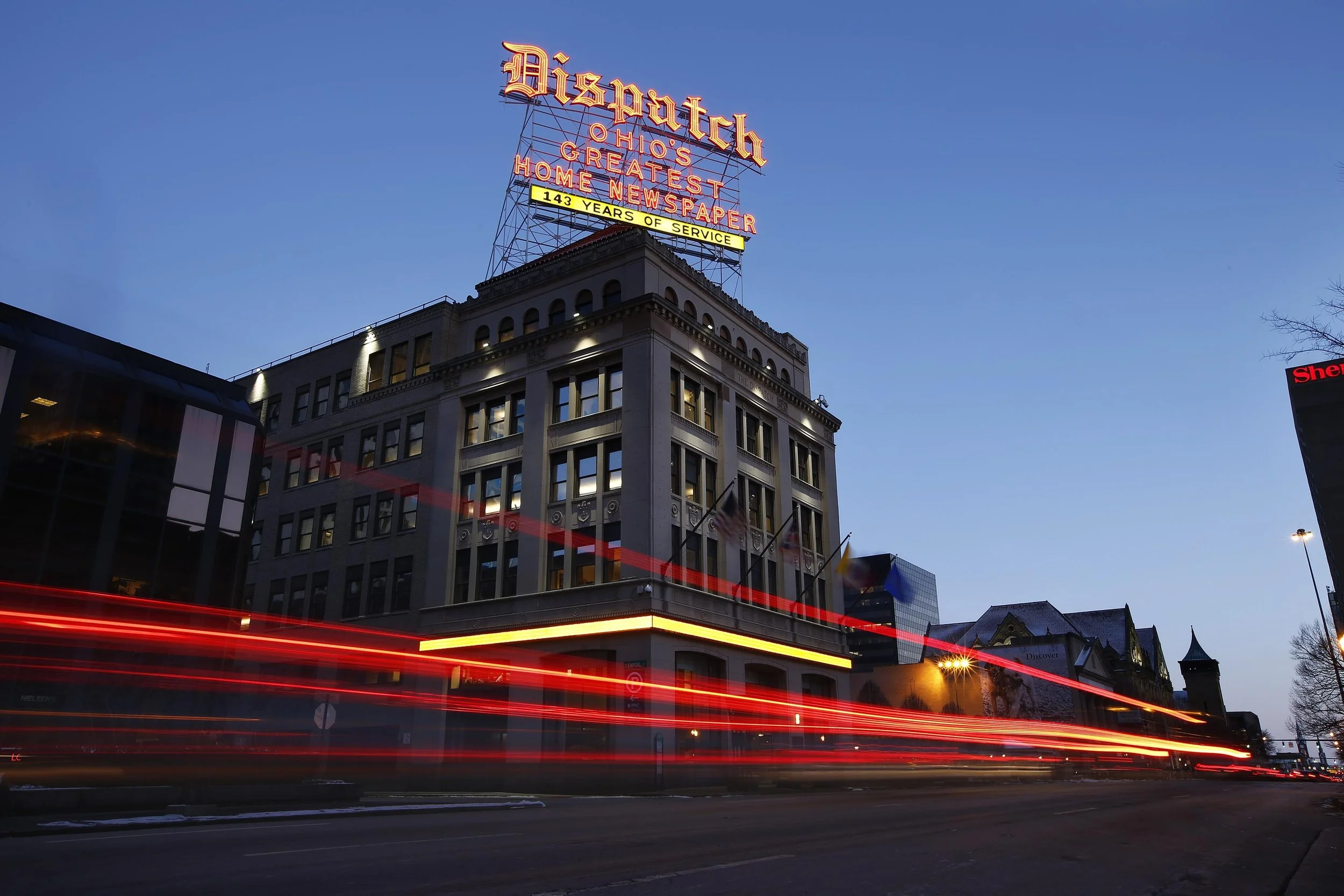
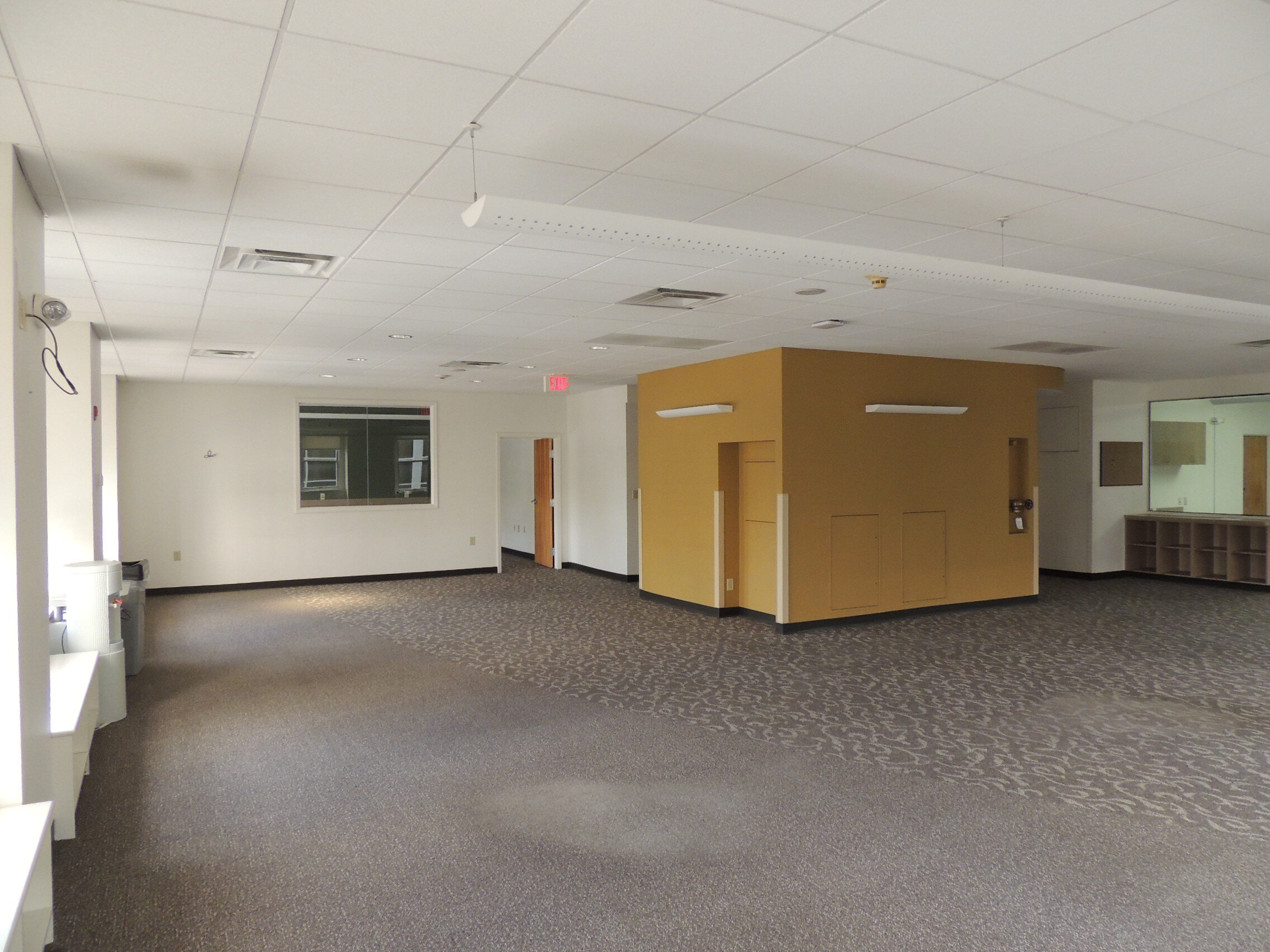
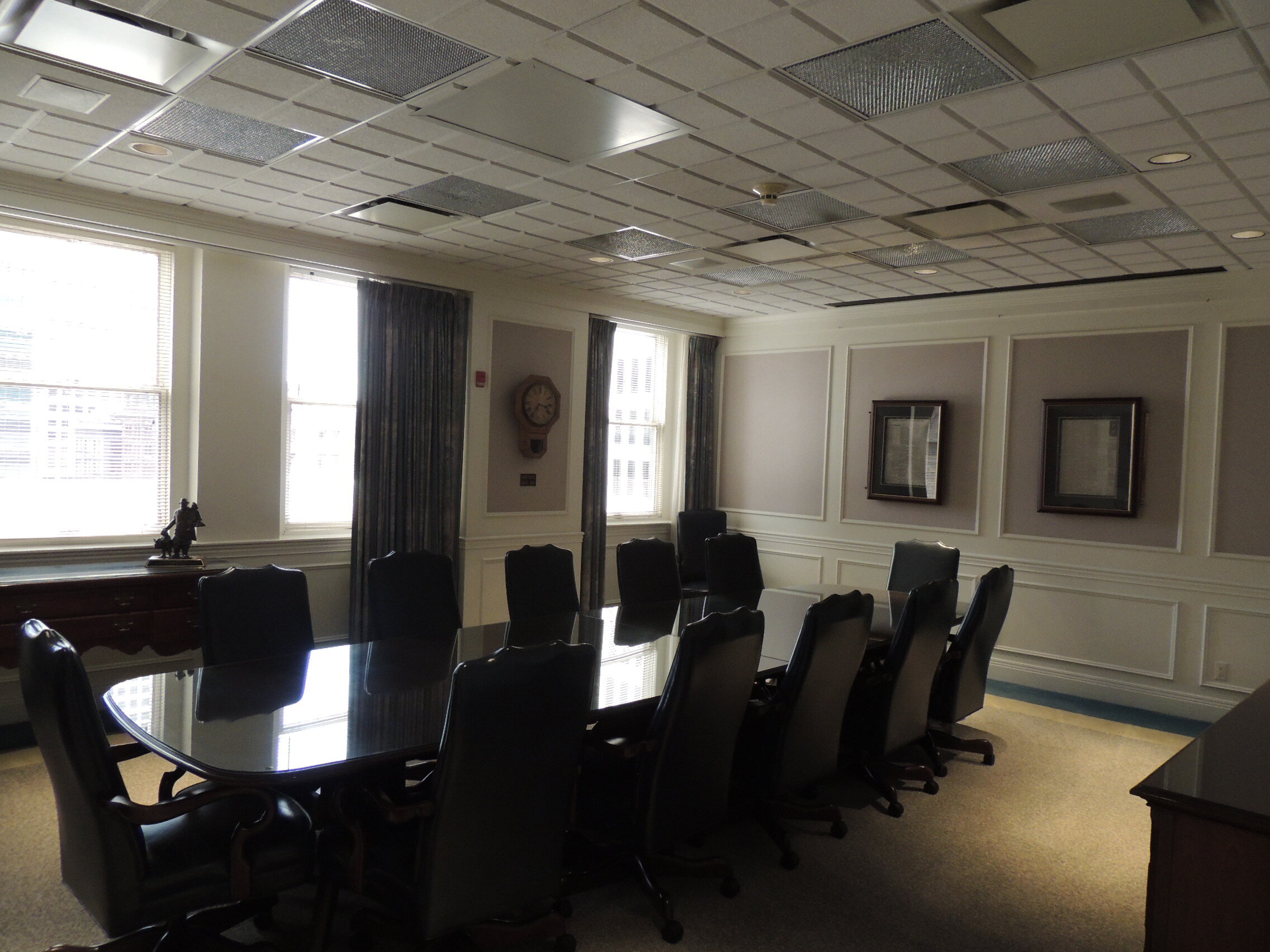
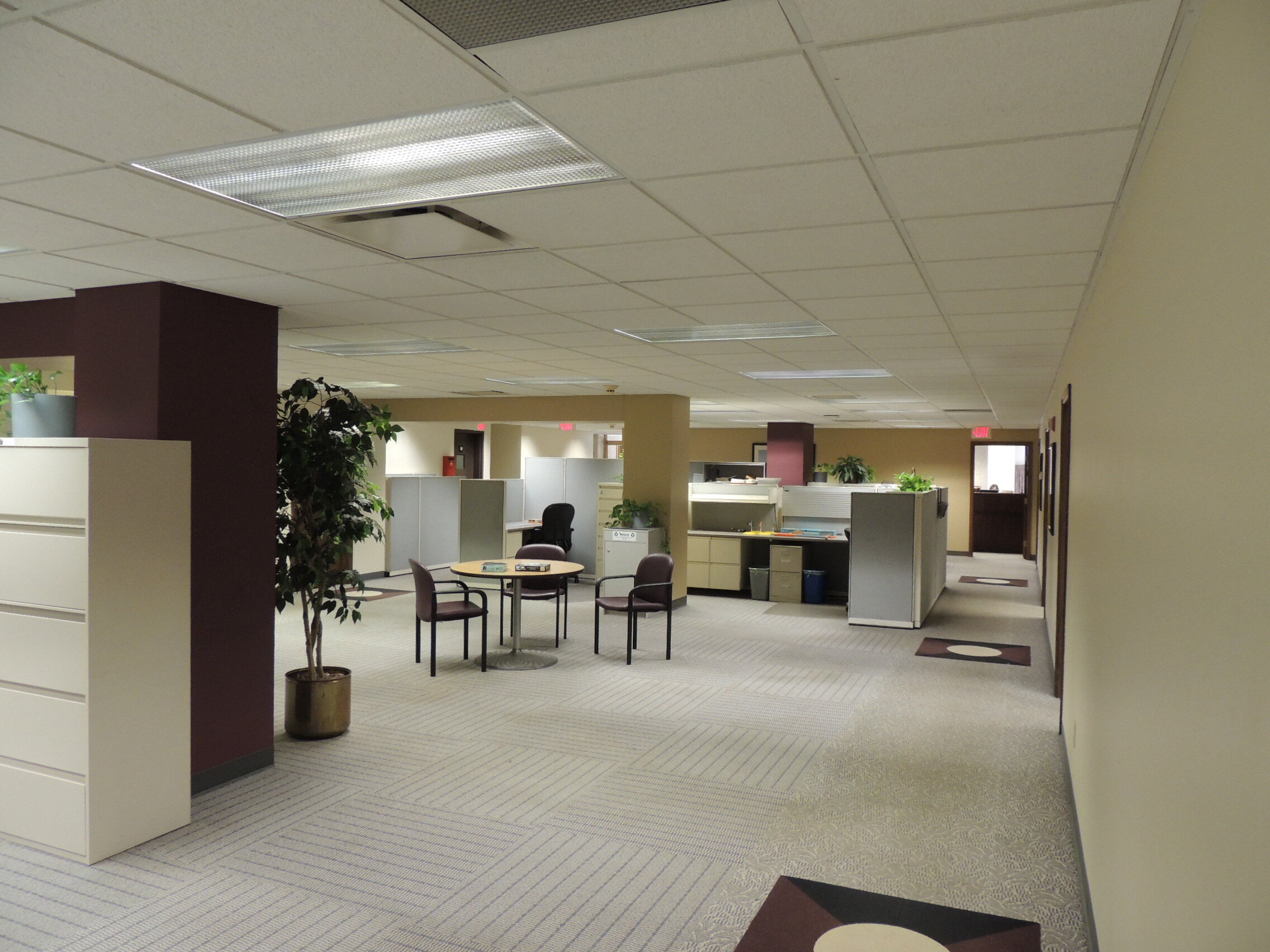
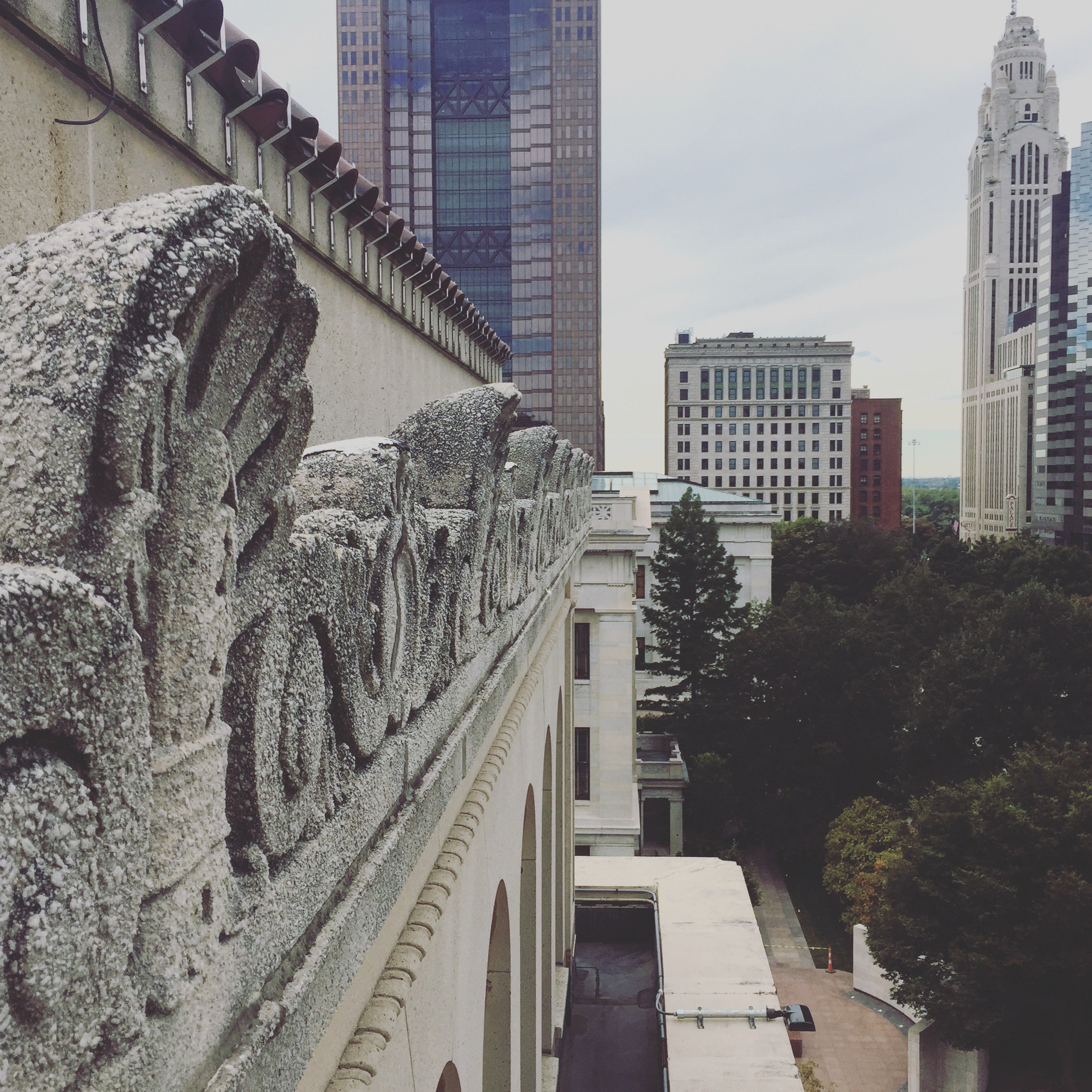
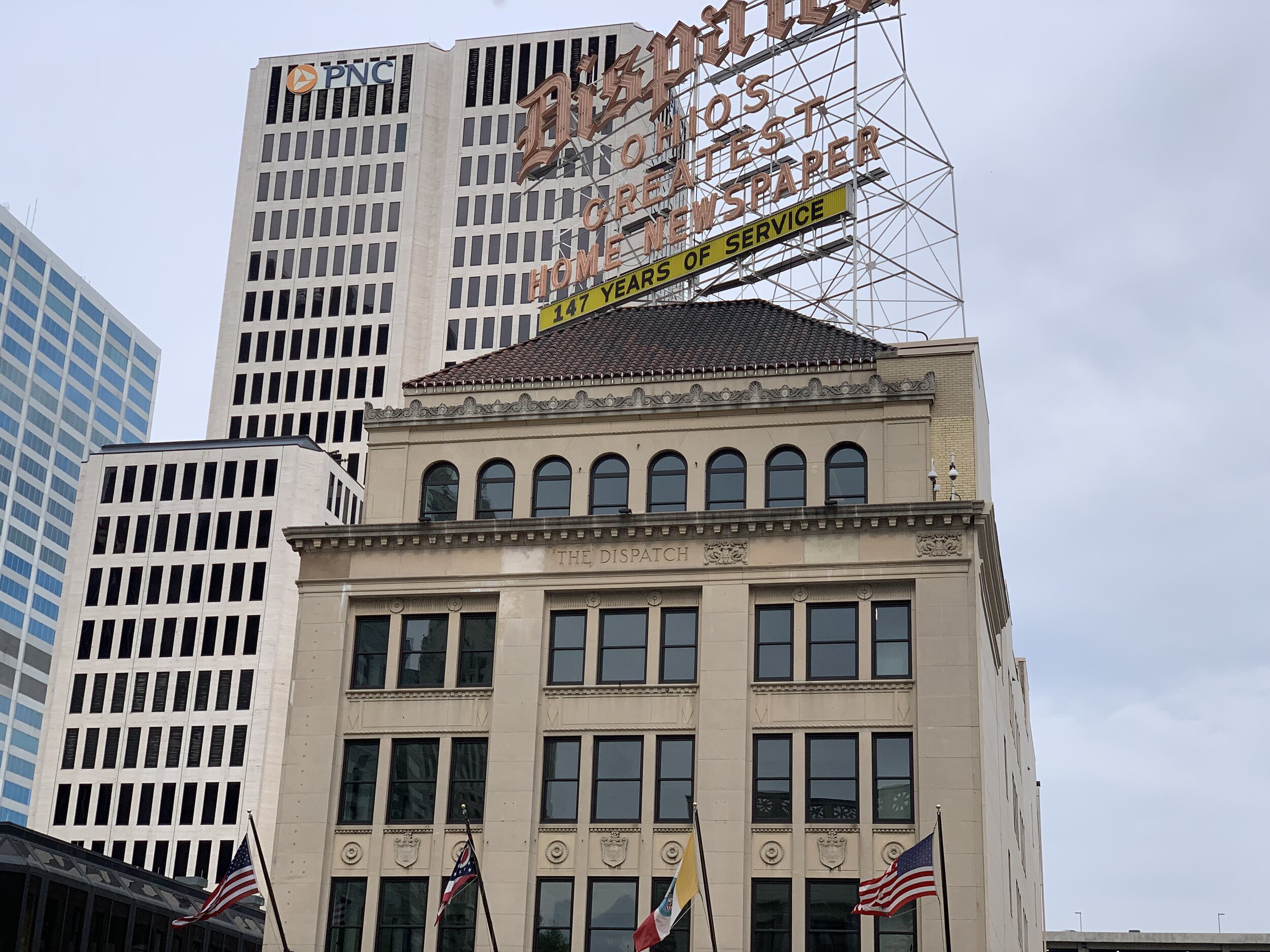
The Columbus Dispatch Building served as the headquarters of Columbus’ premiere daily newspaper until it was sold to GateHouse Media in 2015. The building is not only architecturally significant but also prominently positioned on Capital Square, across the street from the Ohio Statehouse. After the newspaper was sold and its headquarters moved to another building, the Columbus Dispatch Building was in need of rehabilitation for future commercial tenants.
HOW
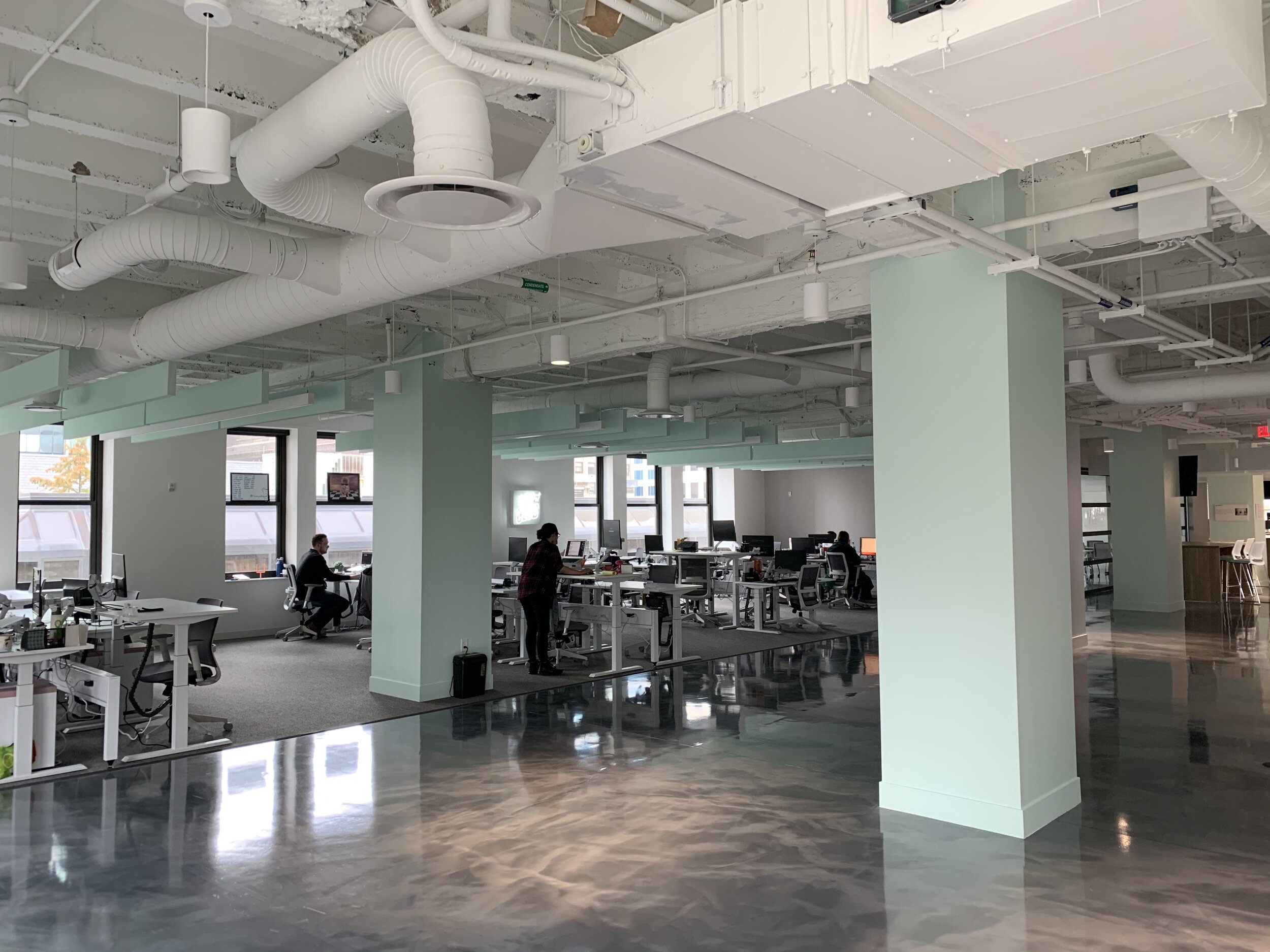
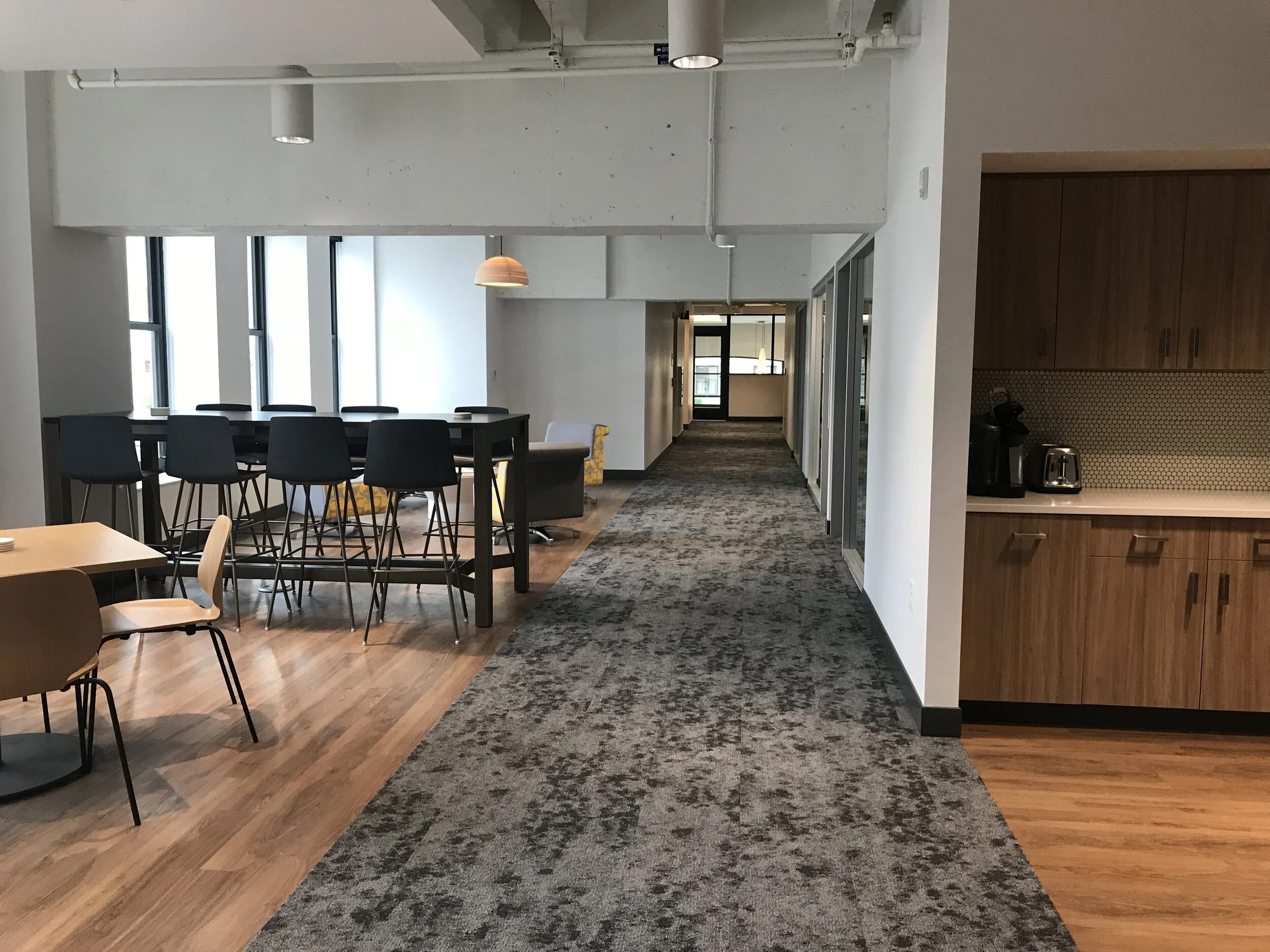
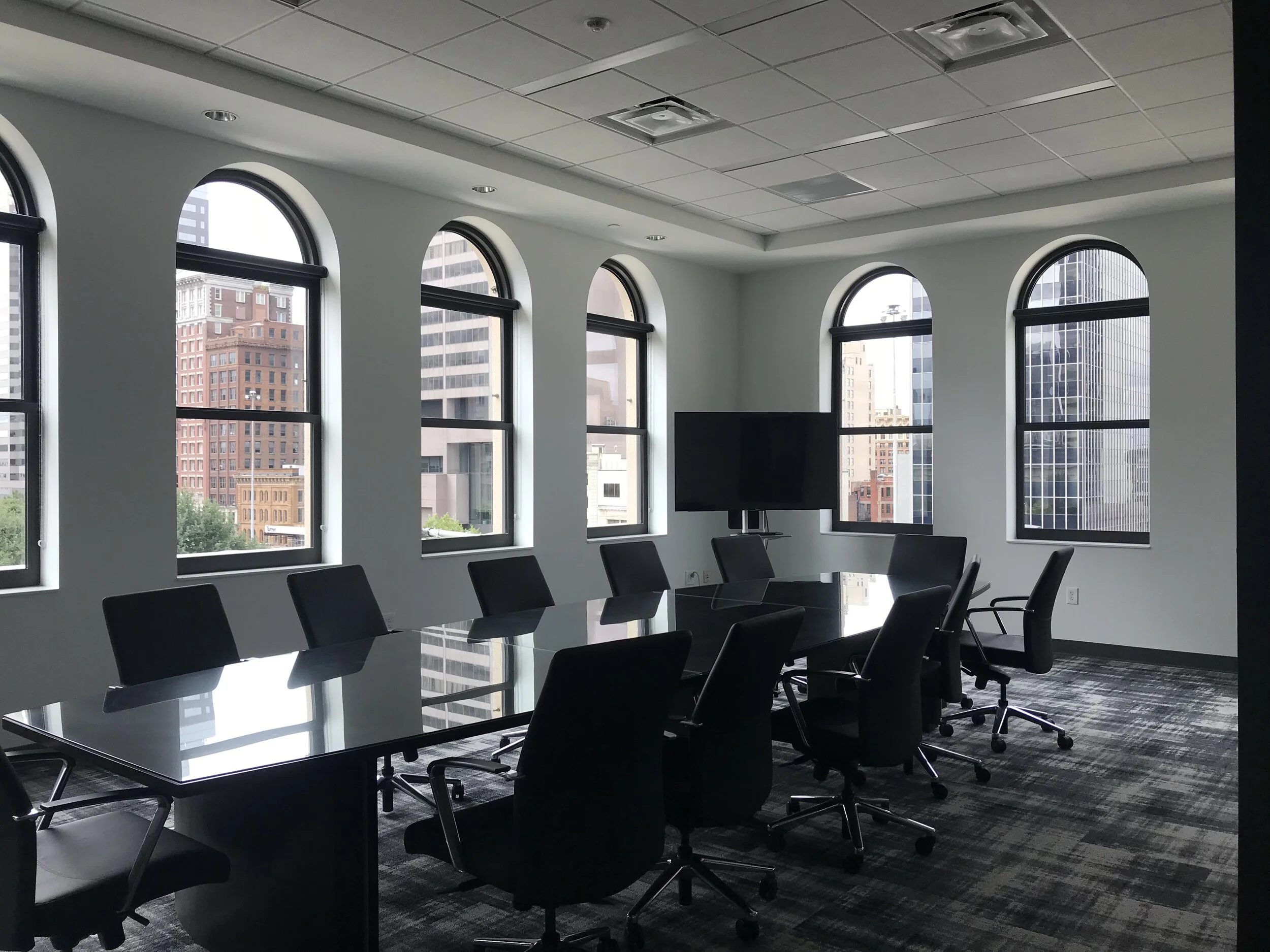
Designing Local assisted the property owner with listing the property on the Columbus Register of Historic Places and helped to secure $2.2 million in Ohio Historic Tax Credits for the roughly $29 million redevelopment project.
WHAT
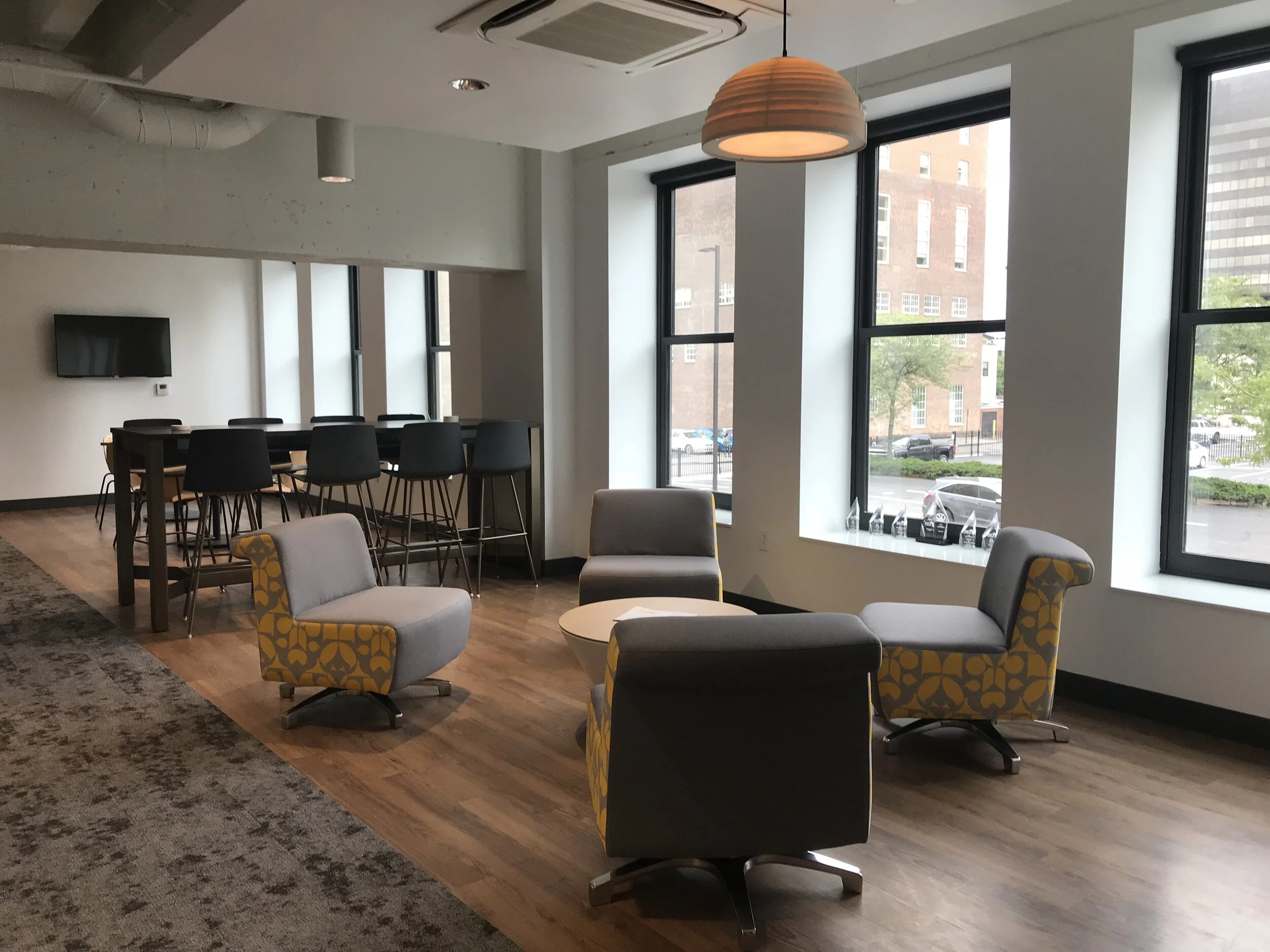
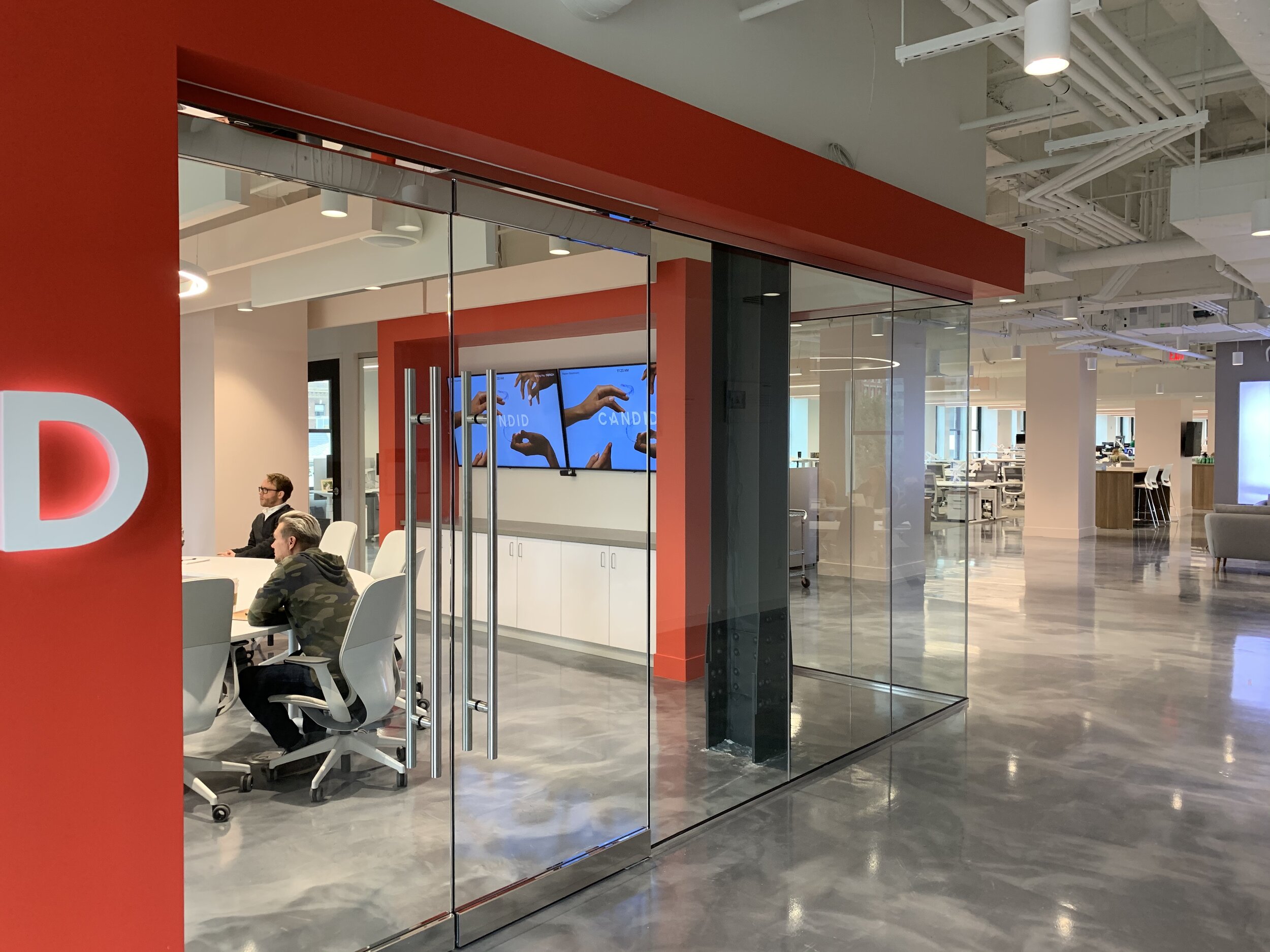
Among the building’s new tenants are Candid Care, Co. and the Ohio Chamber of Commerce.
BEFORE



AFTER
New Albany Design Guidelines Technical Training
New Albany, Ohio
WHY
The best community design guidelines are often the most accessible and usable. Municipalities work hard to shape their built environments by writing and implementing thoughtful design standards. Unfortunately, printed guideline documents tend to end up on shelves, collecting dust. The City of New Albany realized this, and invested in video design guideline training to create more interesting and engaging content and save money on training over time.
HOW
The New Albany Design Guideline videos were carefully curated and edited to assist design professionals, developers, and citizens in understanding New Albany’s architectural and design requirements. The videos are use-on-demand and have lessened reliance on in-person training sessions. Members of architectural review boards and commissions have the ability to train themselves anytime, anywhere with easily shareable lessons. The greater citizenry can also learn about their community’s character, special story, and how they can contribute.
WHAT
Designing Local delivered the Design Guideline Video Training Series web portal to The City of New Albany, Ohio.



Essence of Athens
Athens, Ohio

WHY
Athens, Ohio is a forward-thinking town that doesn’t shy away from new ideas. It’s a unique place, tucked in a valley in the Appalachian foothills, but it knows it could be even more special. Community leaders were keen to build upon their assets to keep attracting new residents, tourists, businesses, and Ohio University students. That’s why they came together to discuss how to make Athens a 100% original, ‘uncopyable’ community.
HOW
Community members were asked a simple question: “What is the Essence of Athens?” Their collective answer helped the Designing Athens Committee define specific elements that make Athens an original city. People contributed nearly 500 photos and several essays representing what makes Athens truly special to them. Based on this input, the committee agreed on a framework to guide new civic infrastructure projects, and made suggestions for commercial and residential development.
WHAT
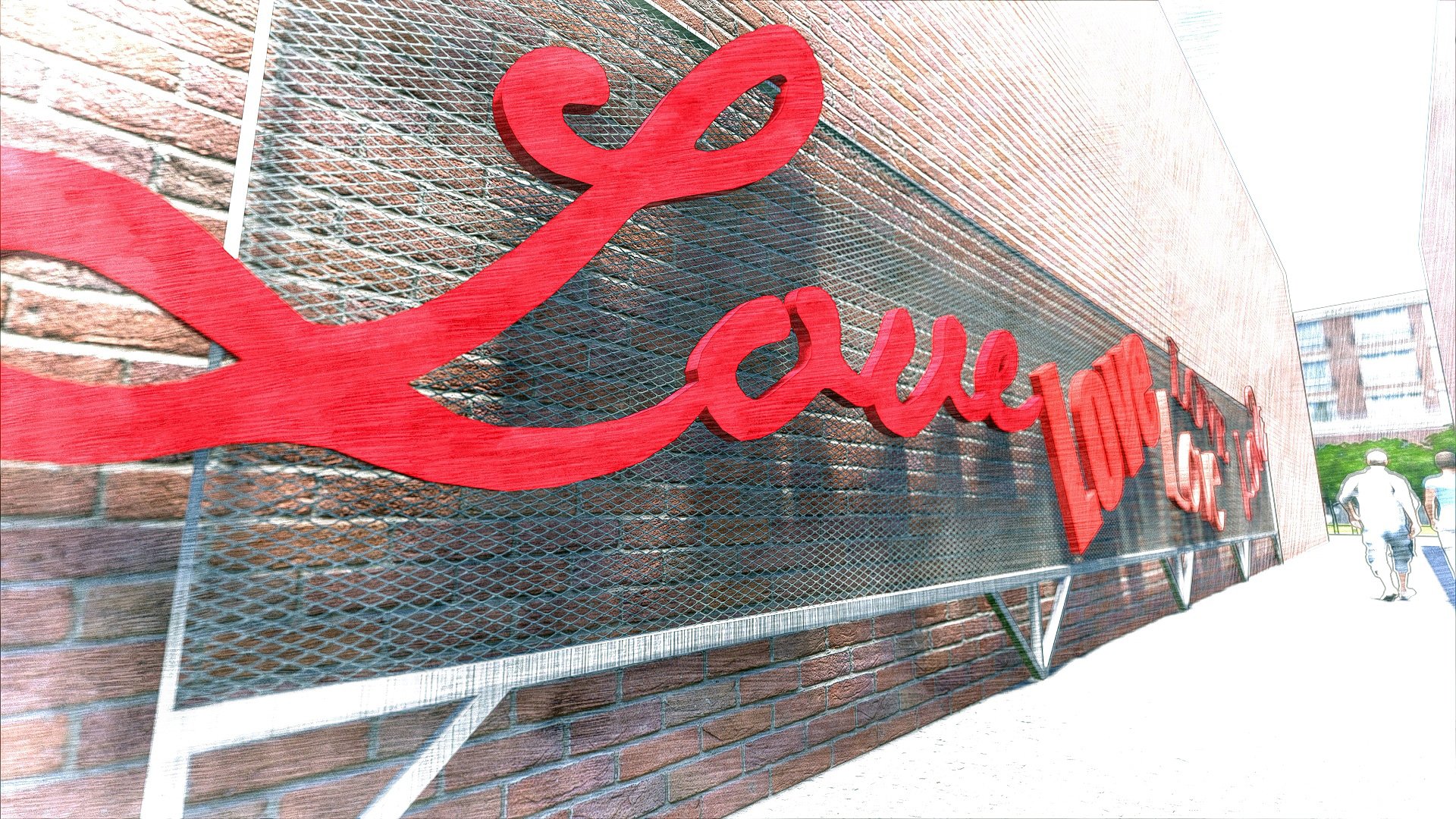
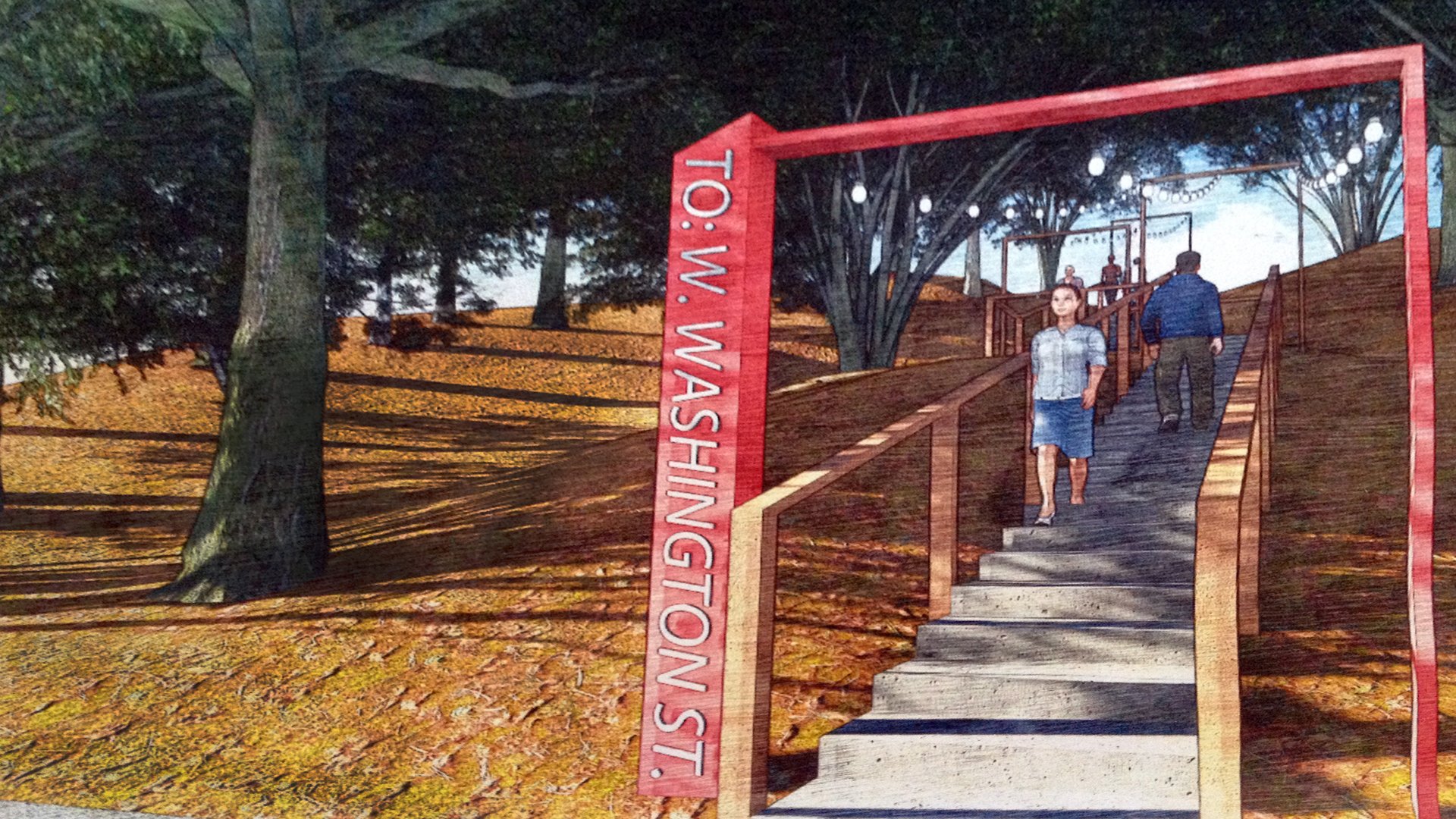
Essence of Athens is a framework for creating Athens-specific civic infrastructure (roads, sidewalks, lights and poles, parking garage, pavers, staircases, community spaces, signs, benches — anything that can be used and seen). The effort has won multiple awards.
COLLABORATORS
MKSK

Worthington Masonic Temple Historic Tax Credit
Worthington, Ohio

WHY
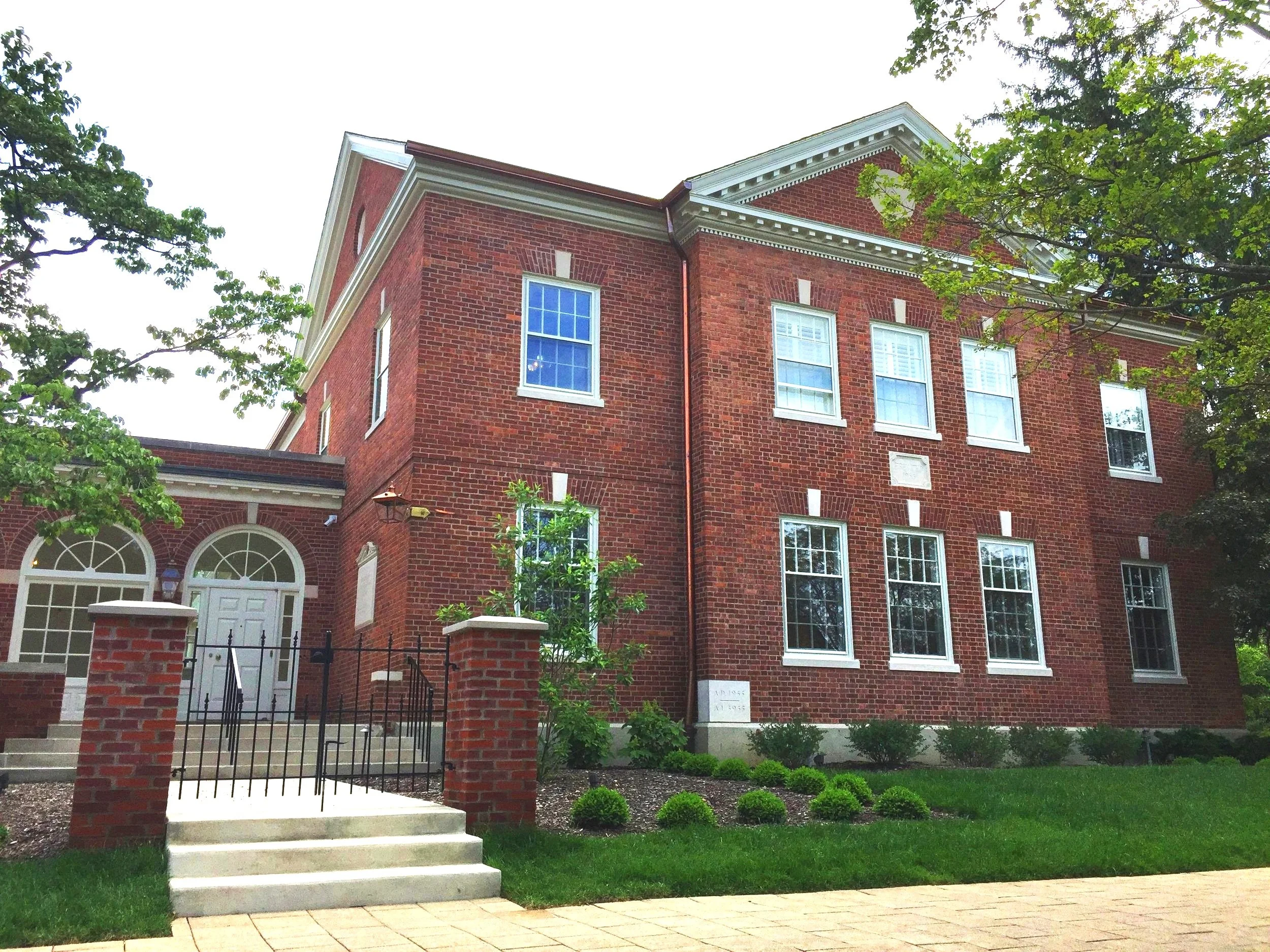
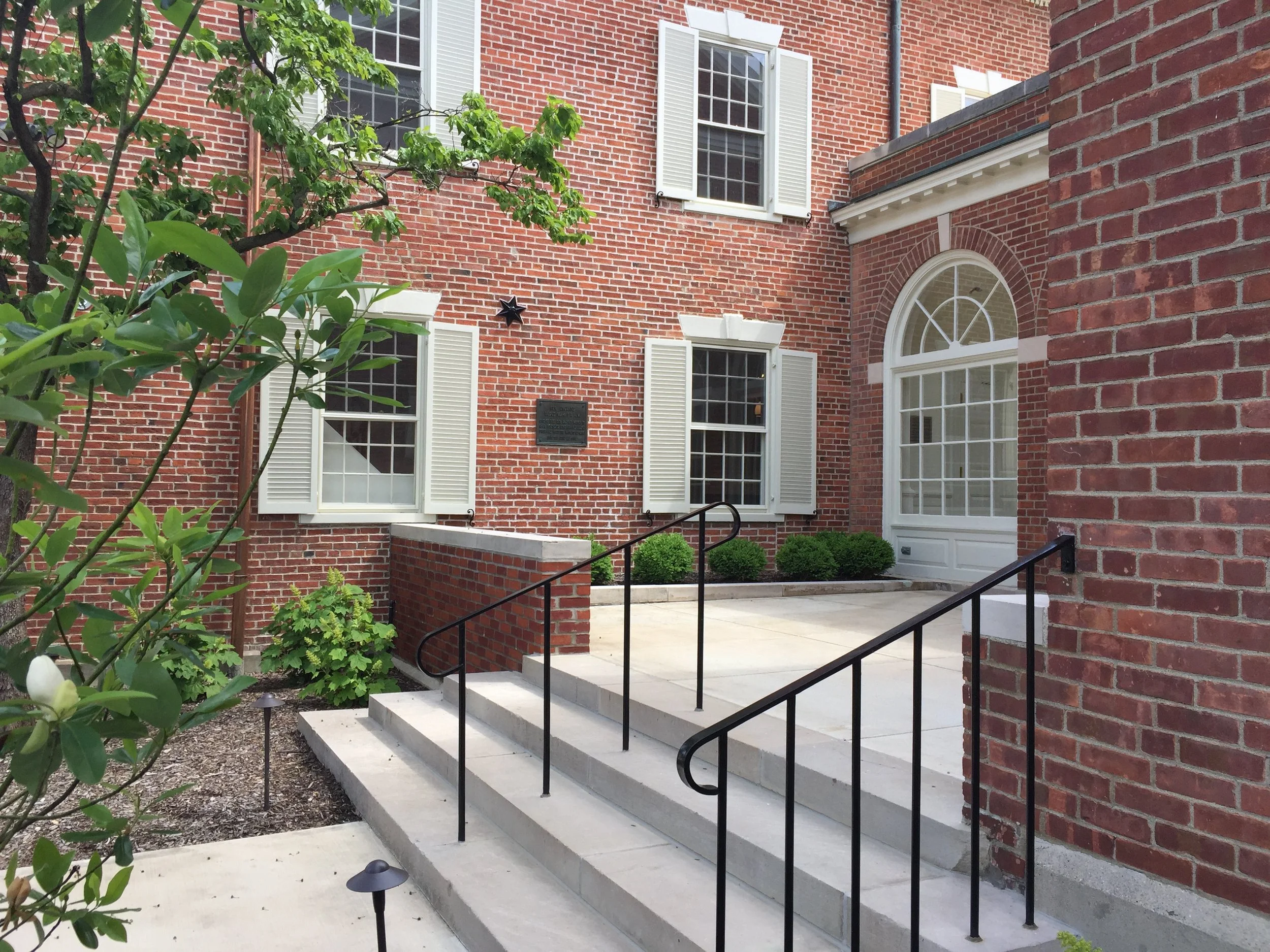
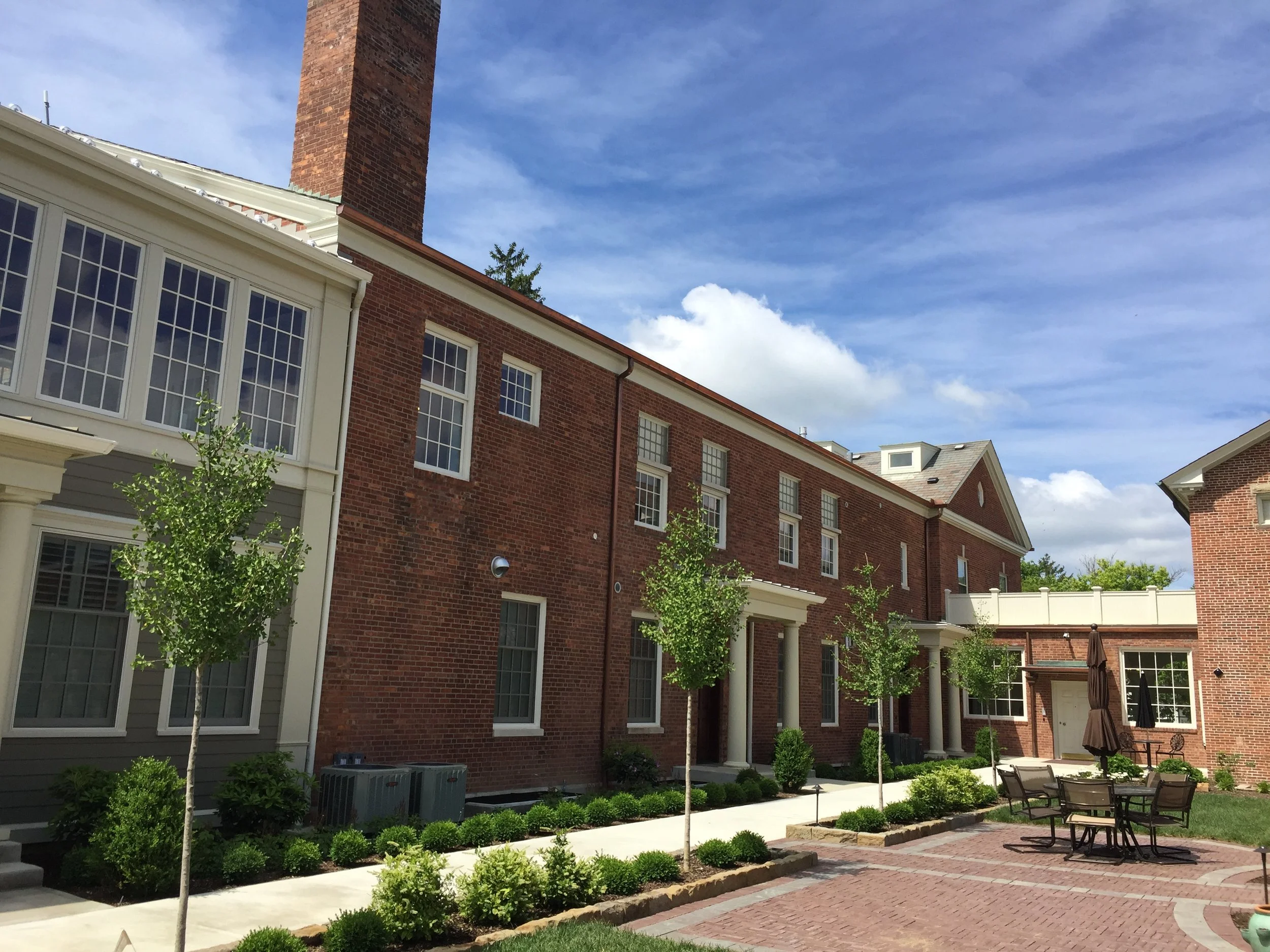
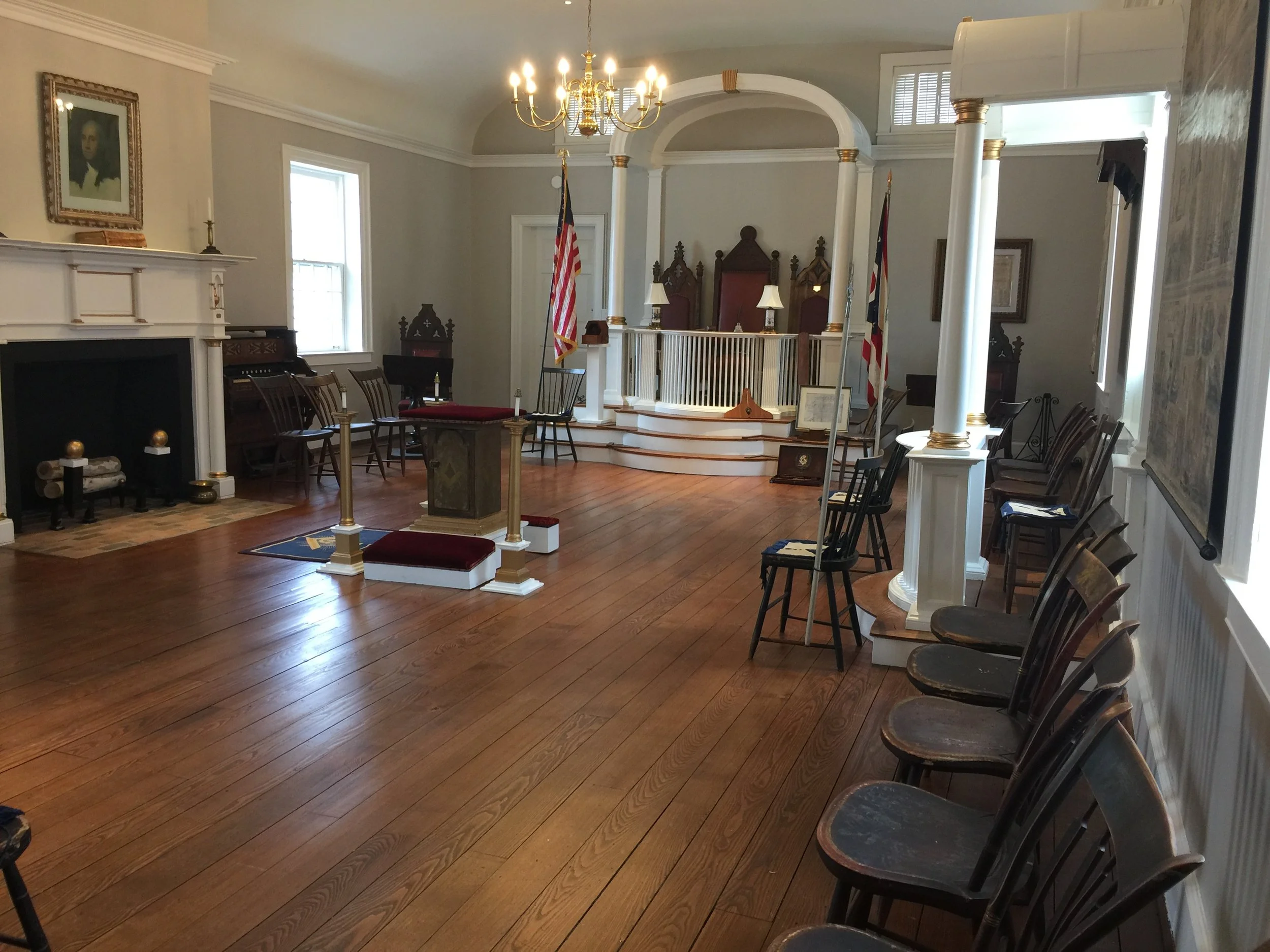
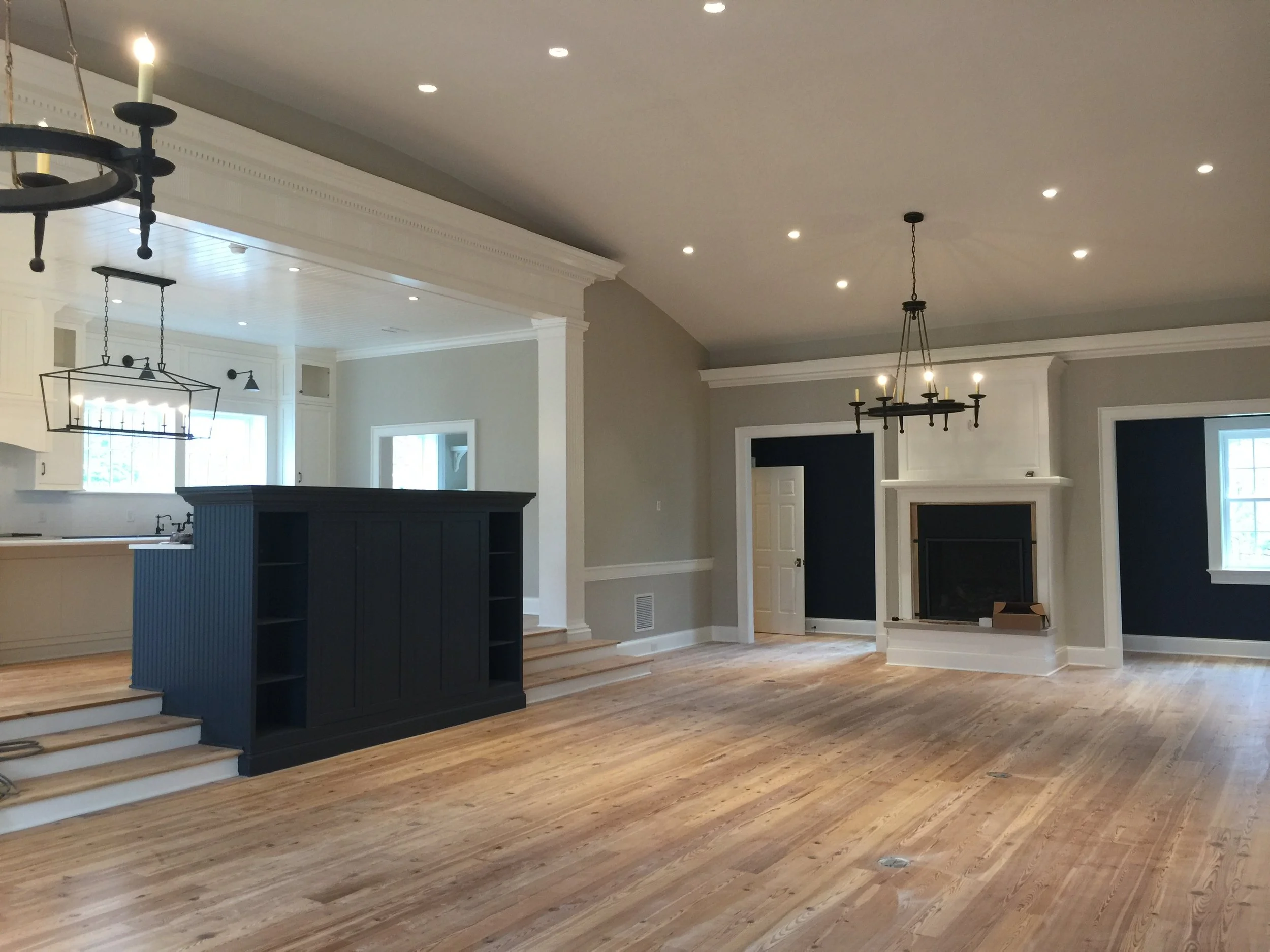
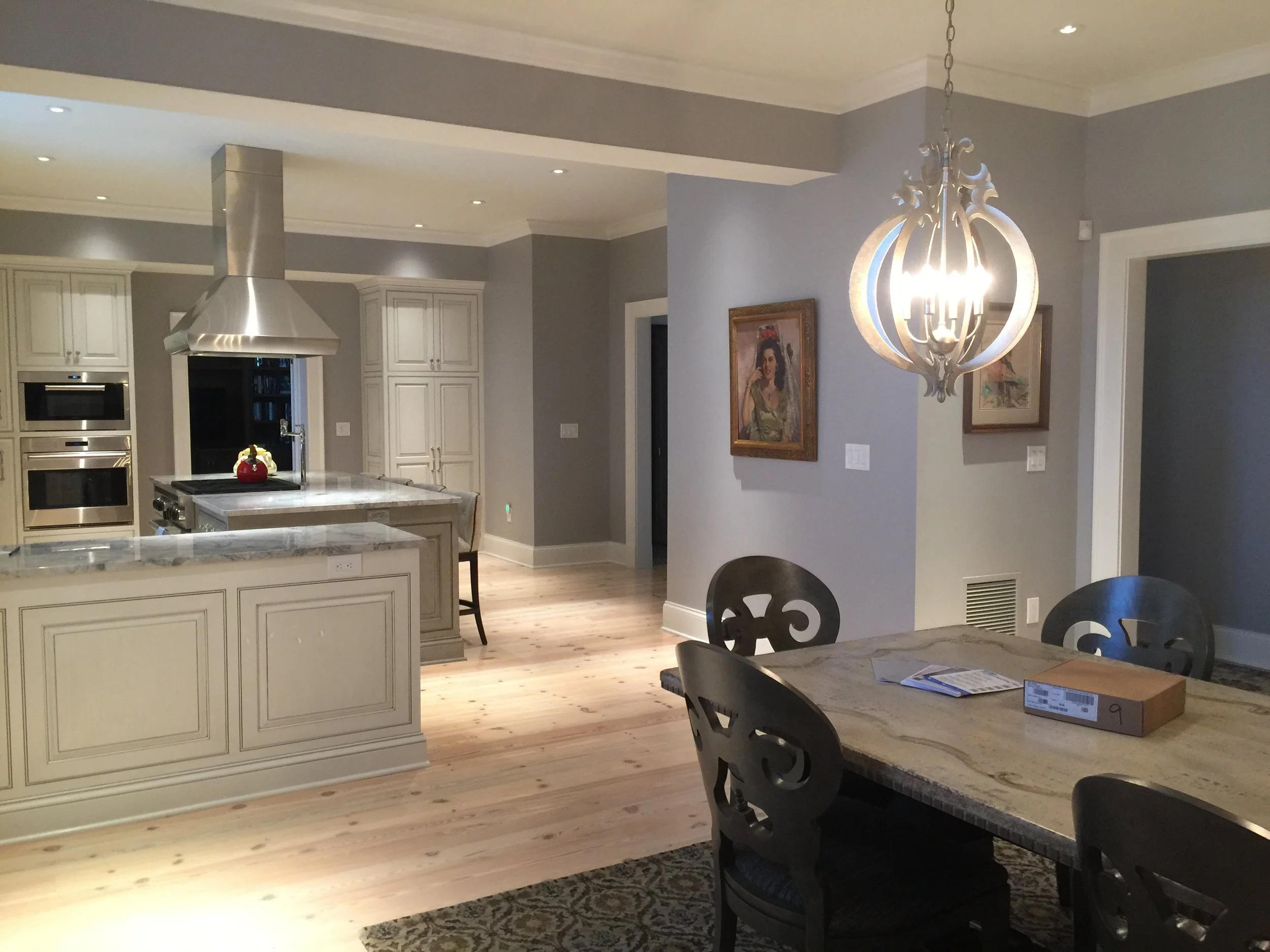
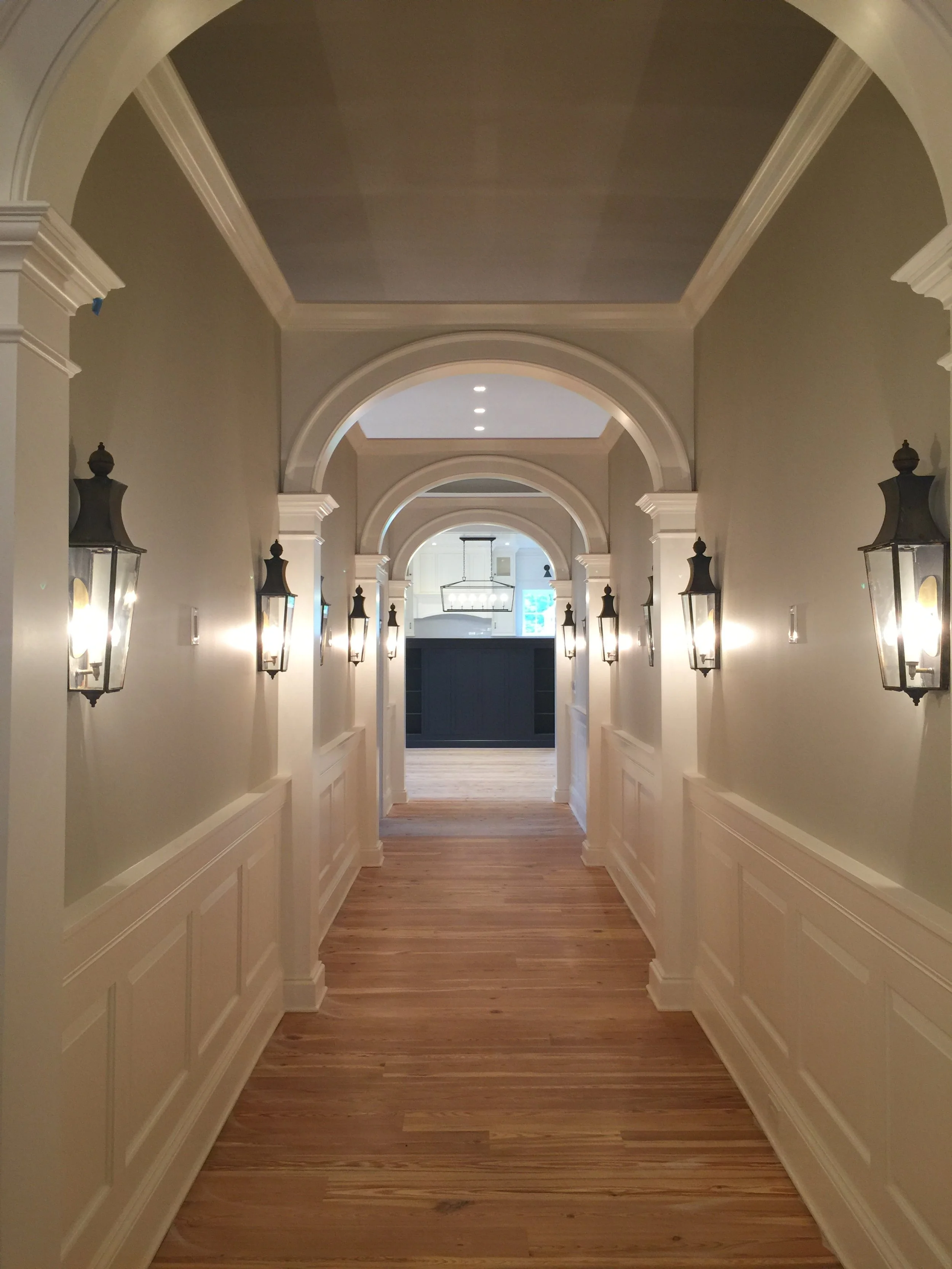
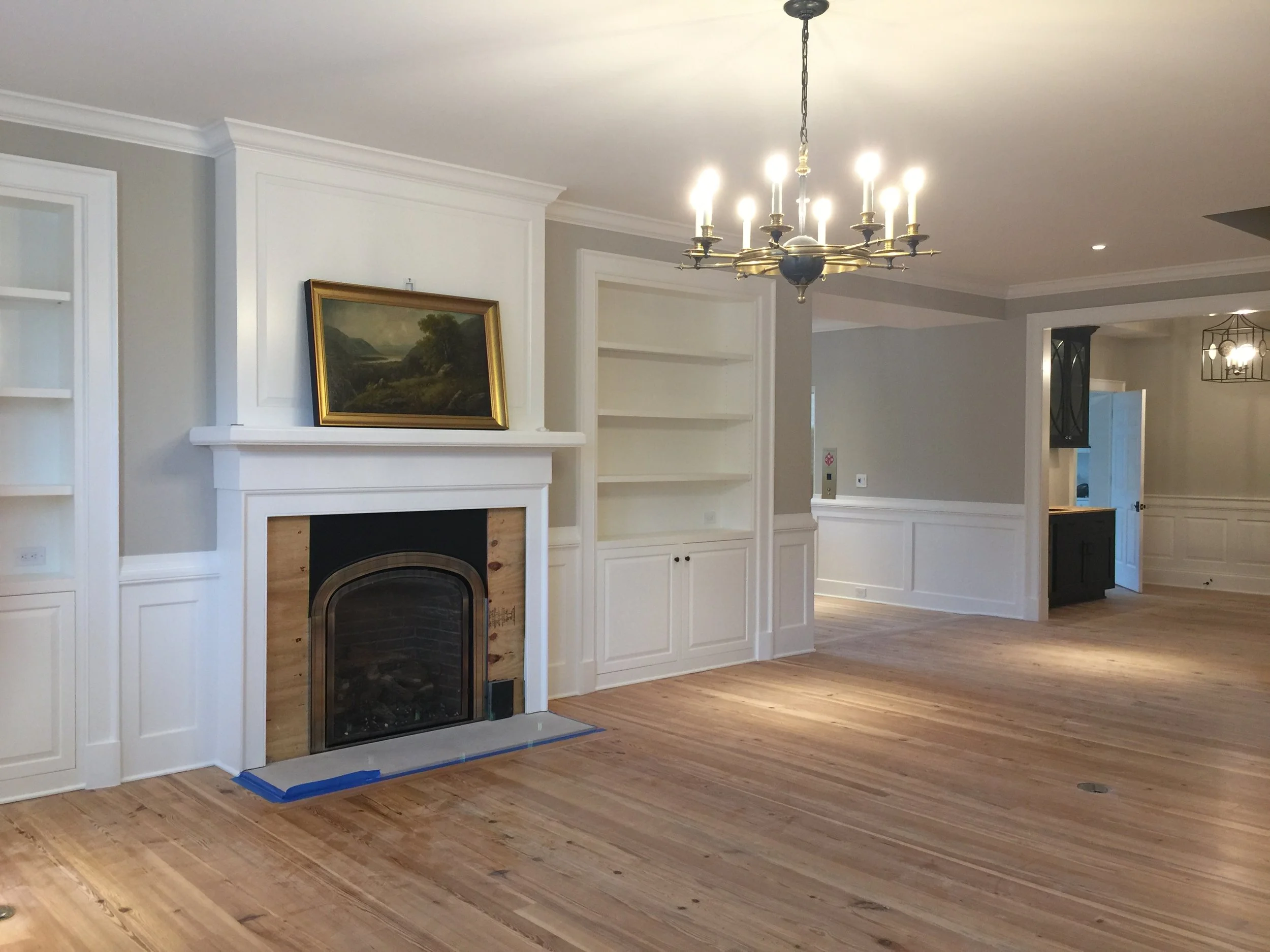
Worthington Lodge, also known as Worthington Masonic Temple, is a temple located in the Historic District of Worthington, Ohio that is listed on the National Register of Historic Places. The building dates back to 1820, and features a historic addition from 1956. It was vacant when it was sold to our client, who intended to convert the historic property into apartments and build additional residential units on an adjacent parcel.
HOW
Designing Local assisted the property owner to secure $250,000 in Ohio Historic Tax Credits and more than $800,000 in Federal Historic Tax Credits on the roughly $4 million redevelopment project.
WHAT
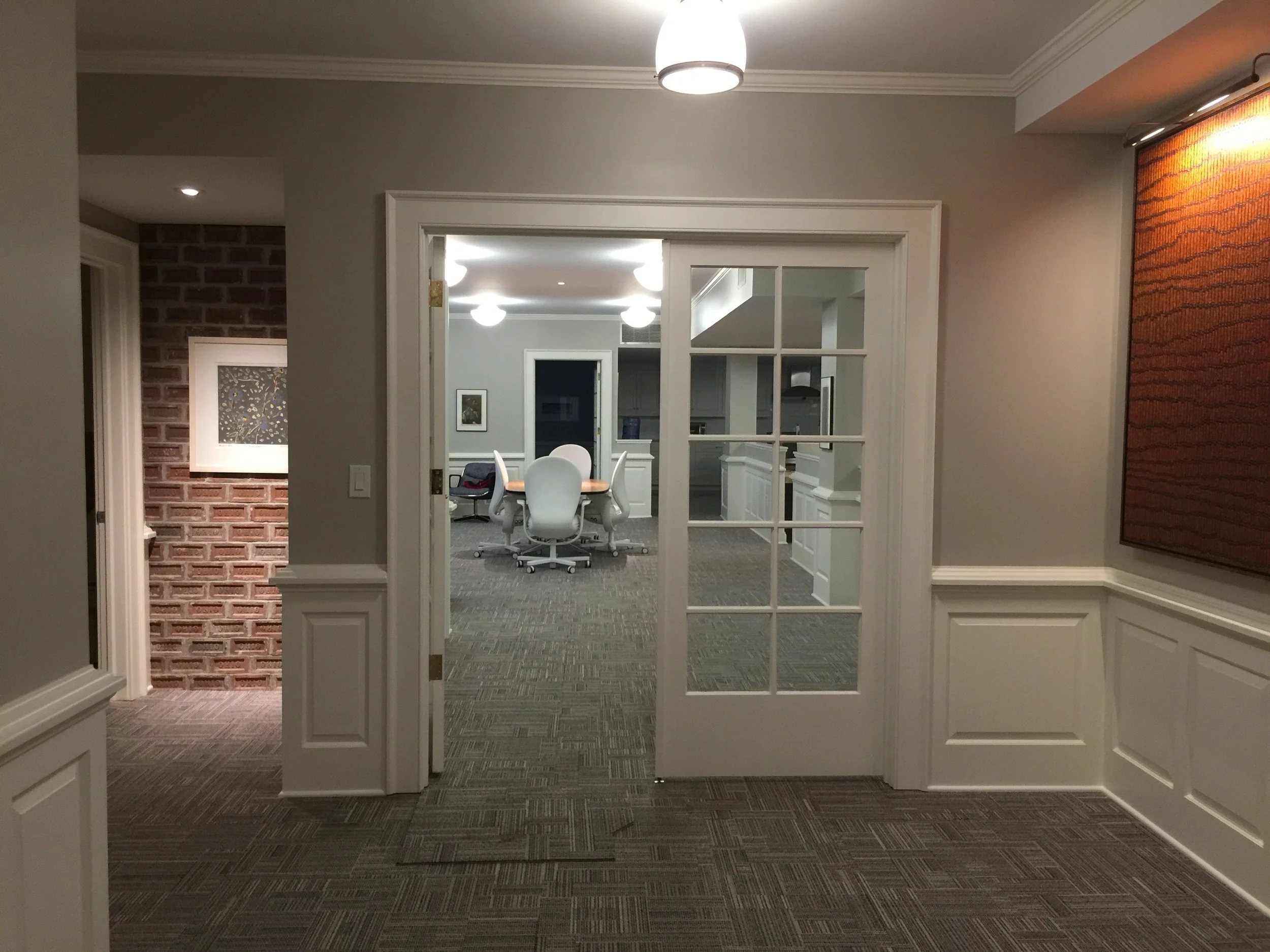
The building now features office space and condominiums.
BEFORE
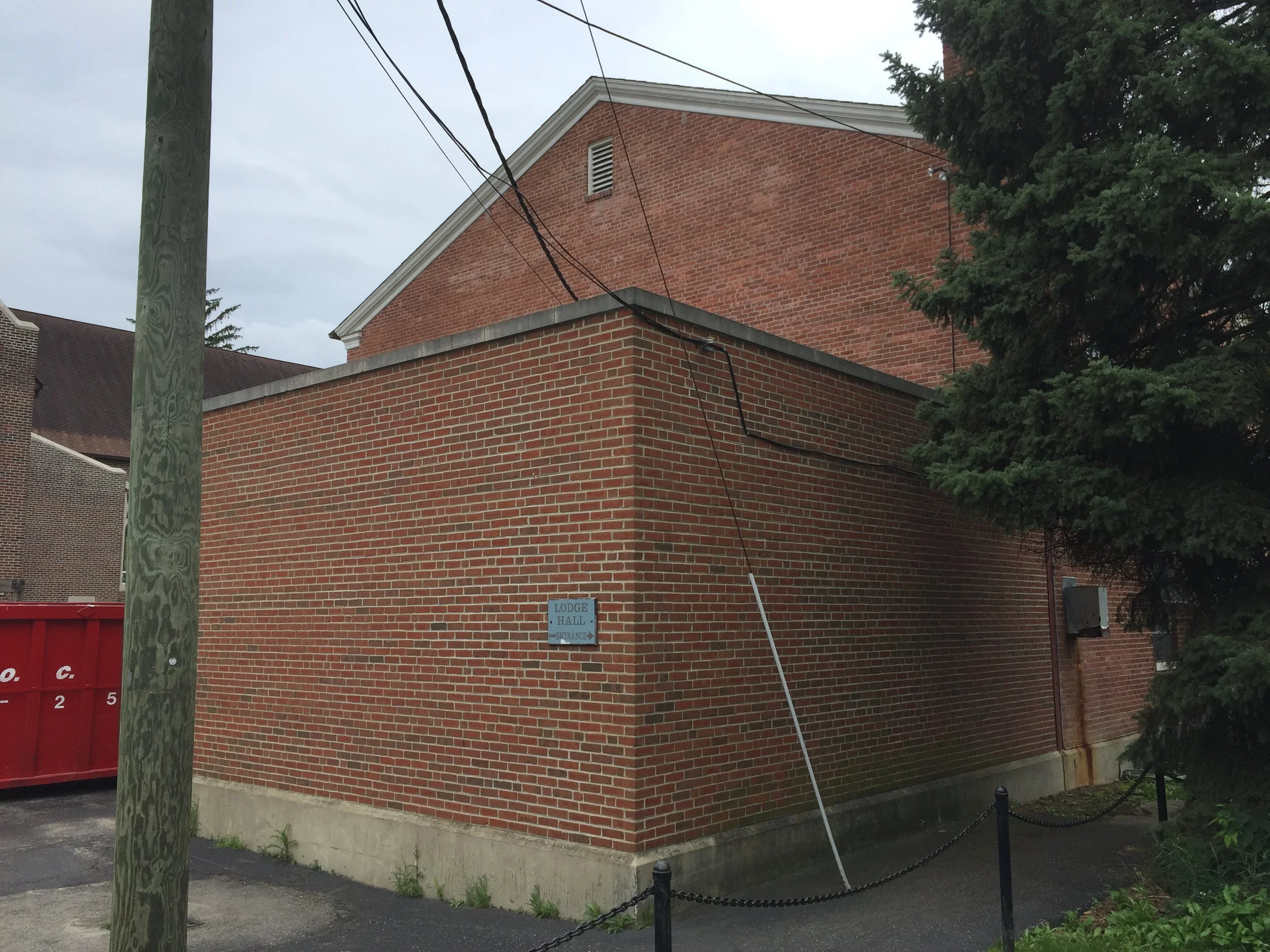
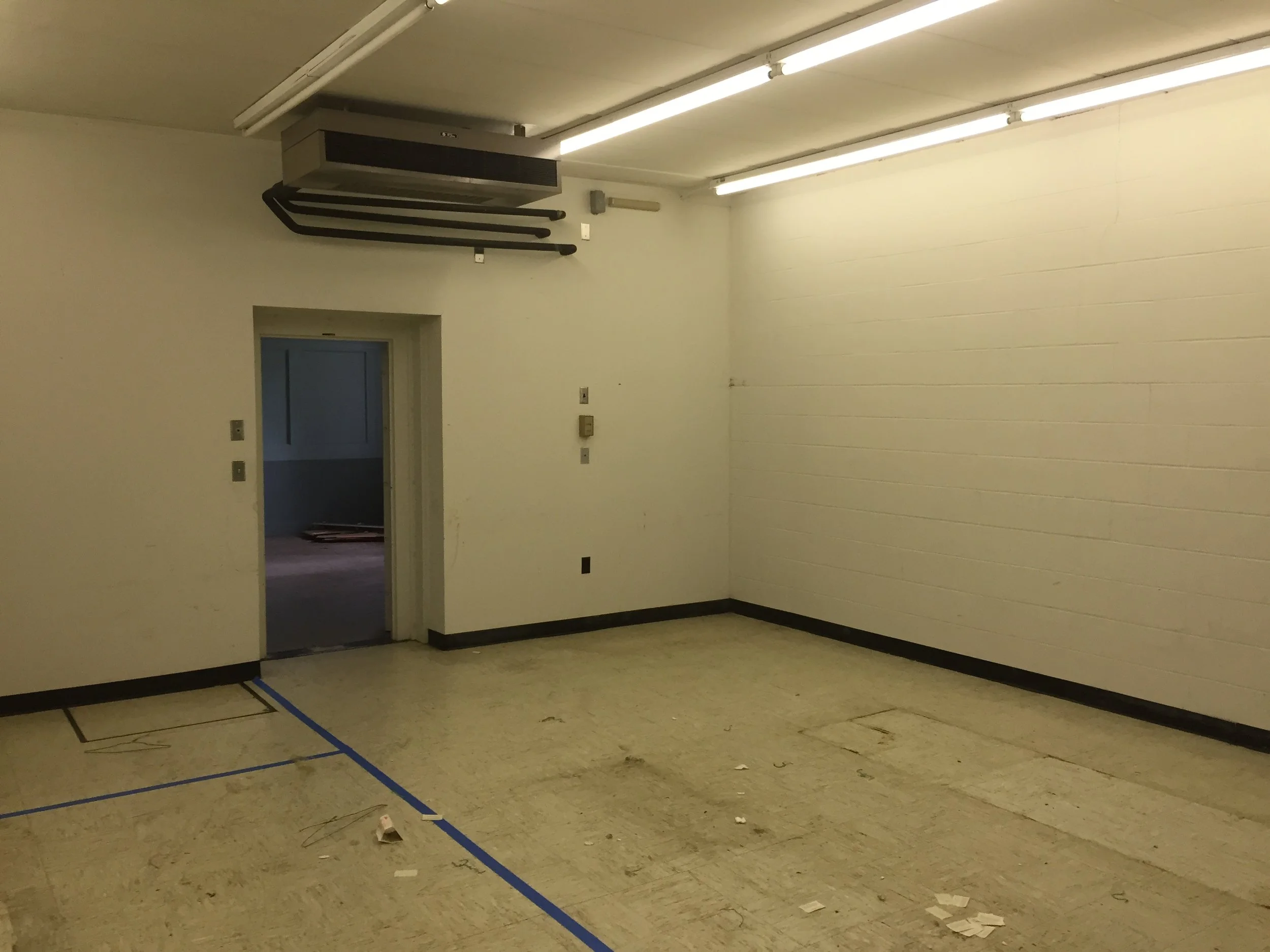
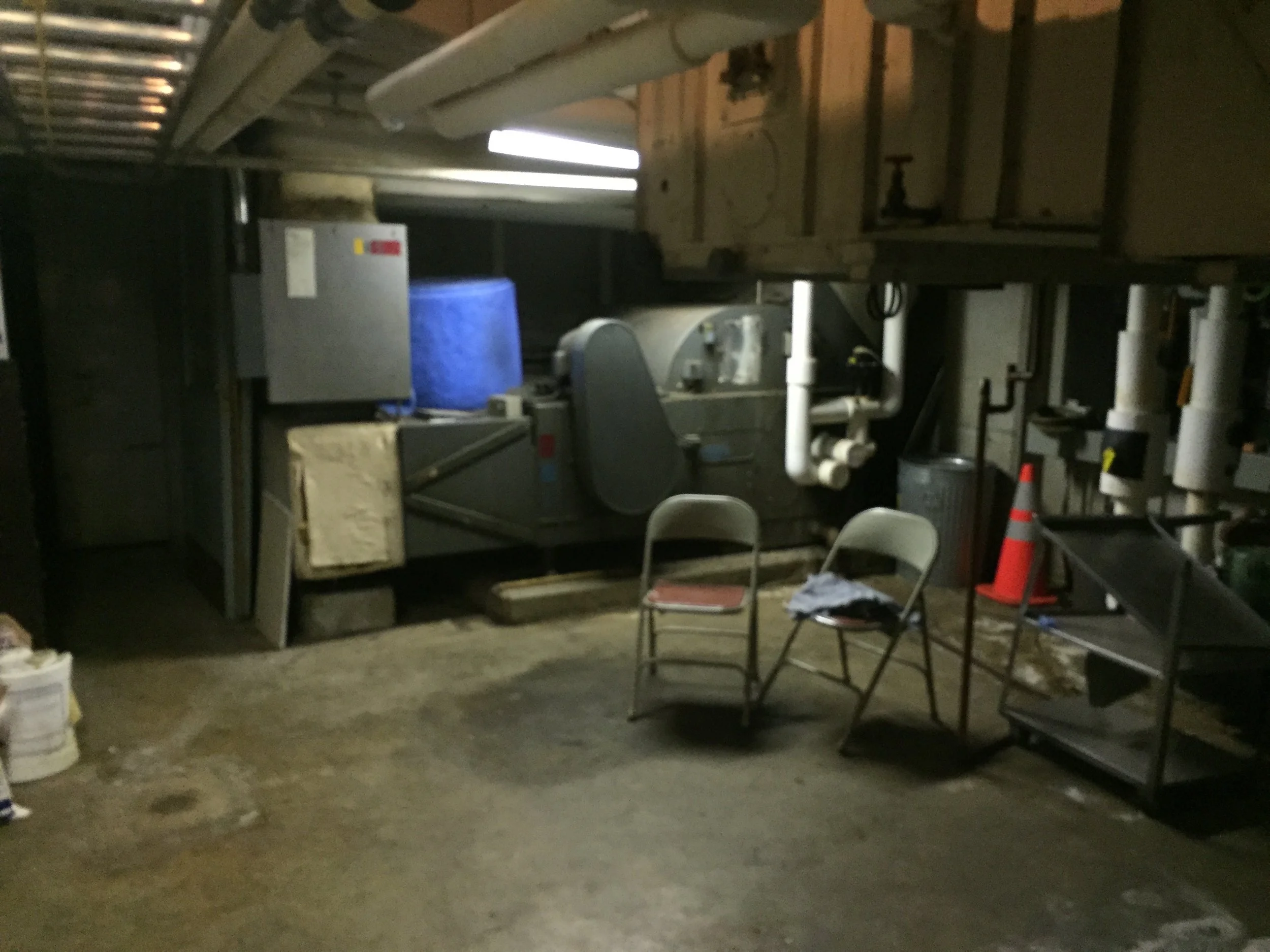
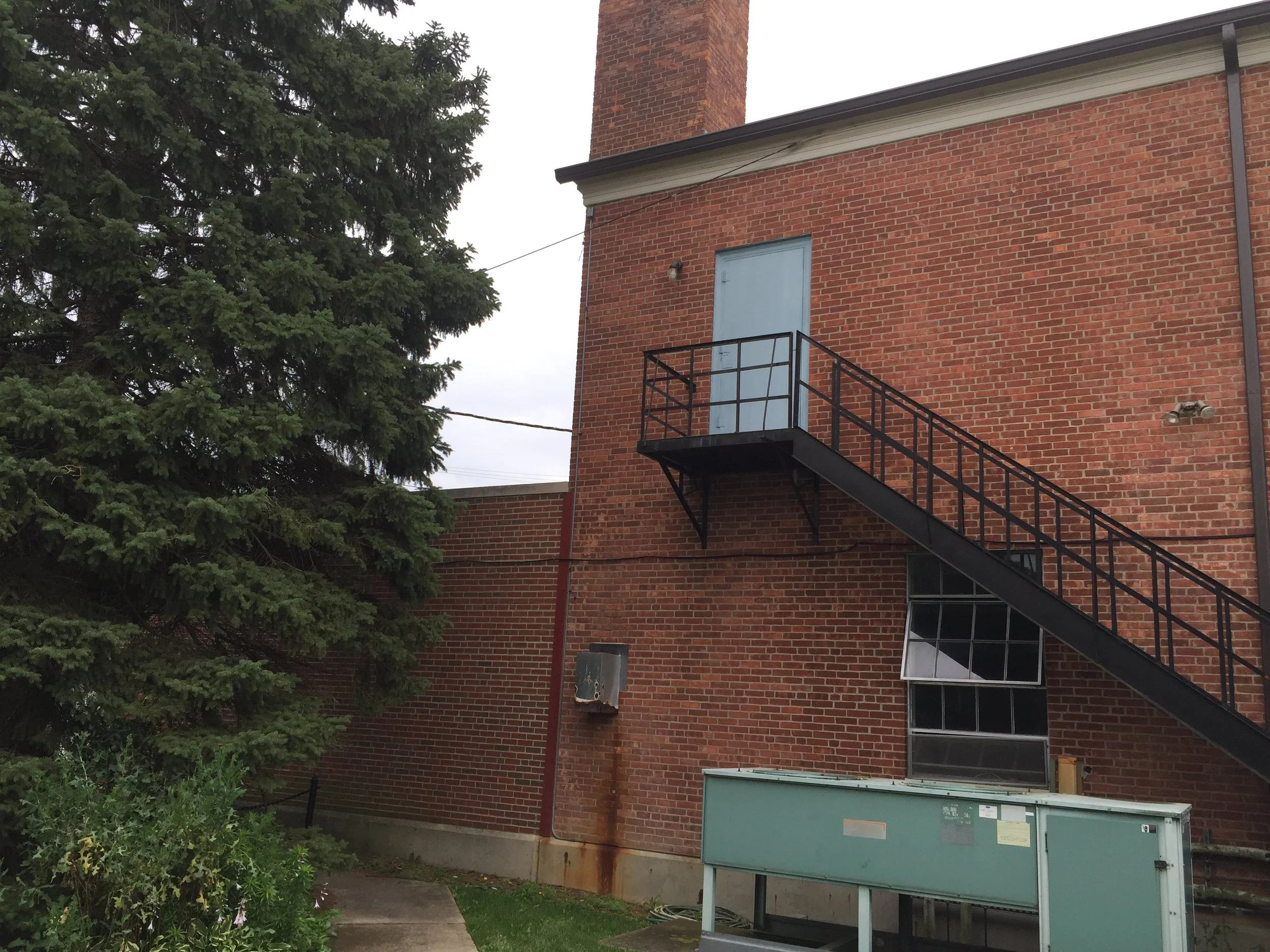
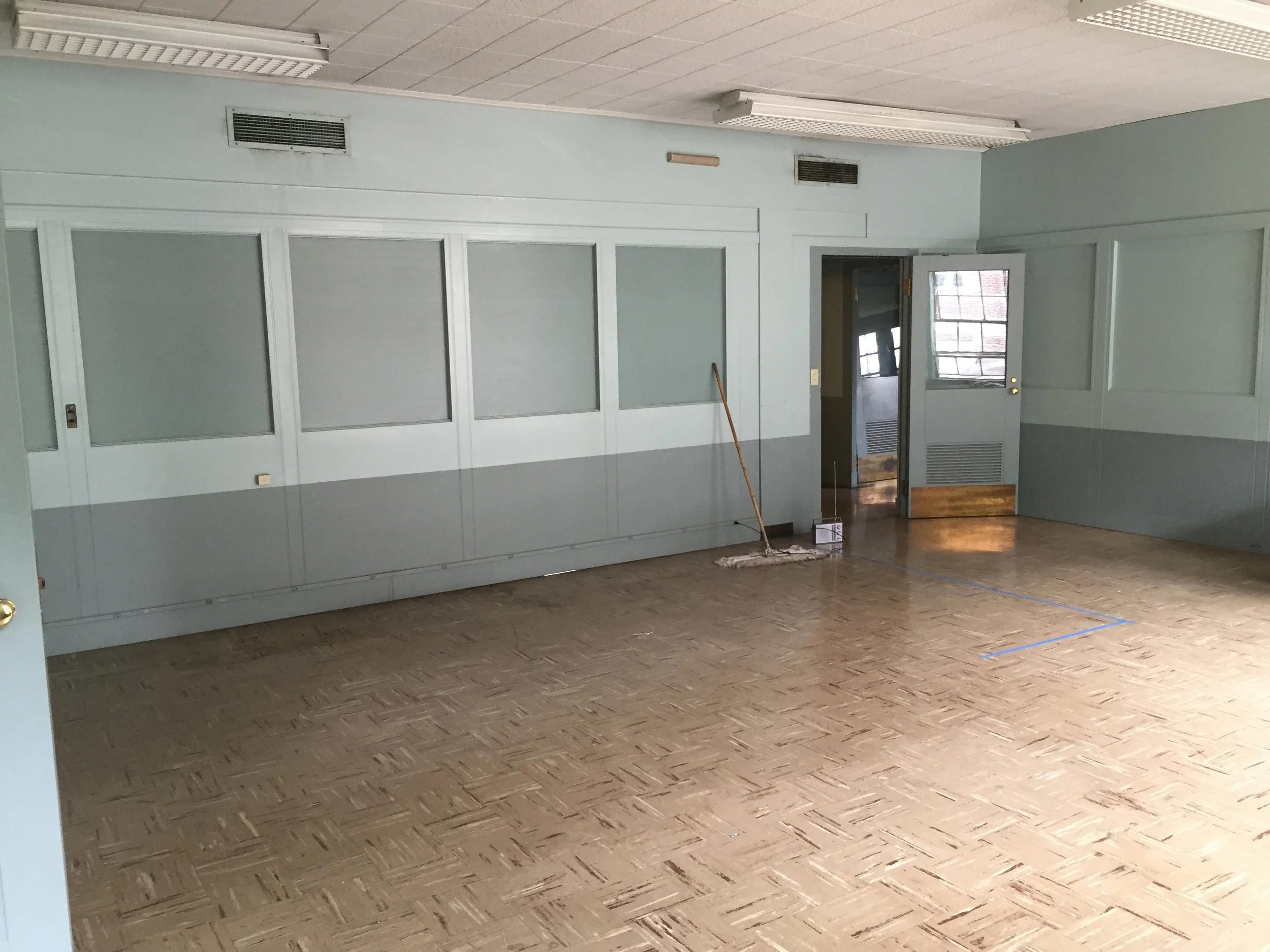
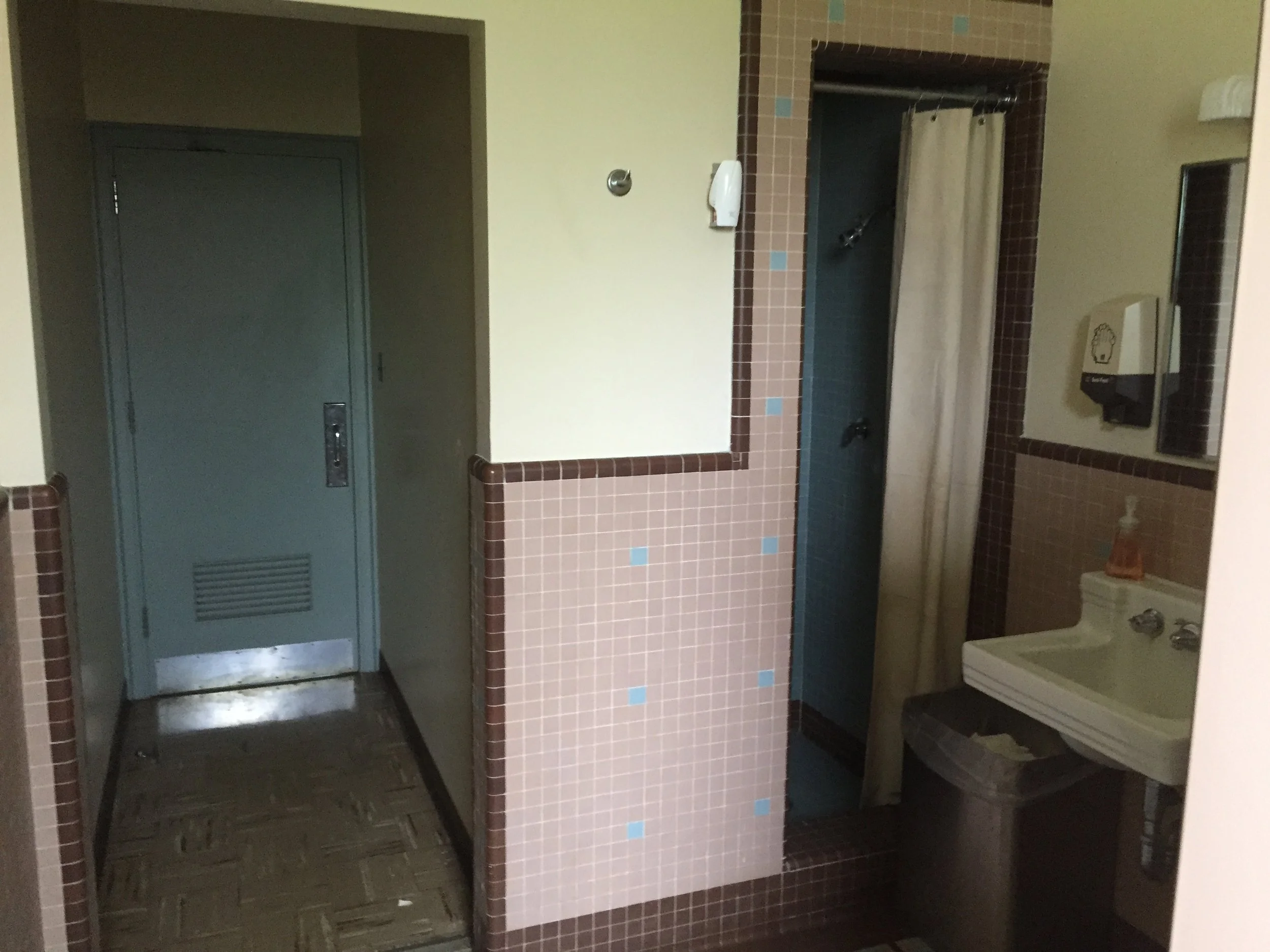
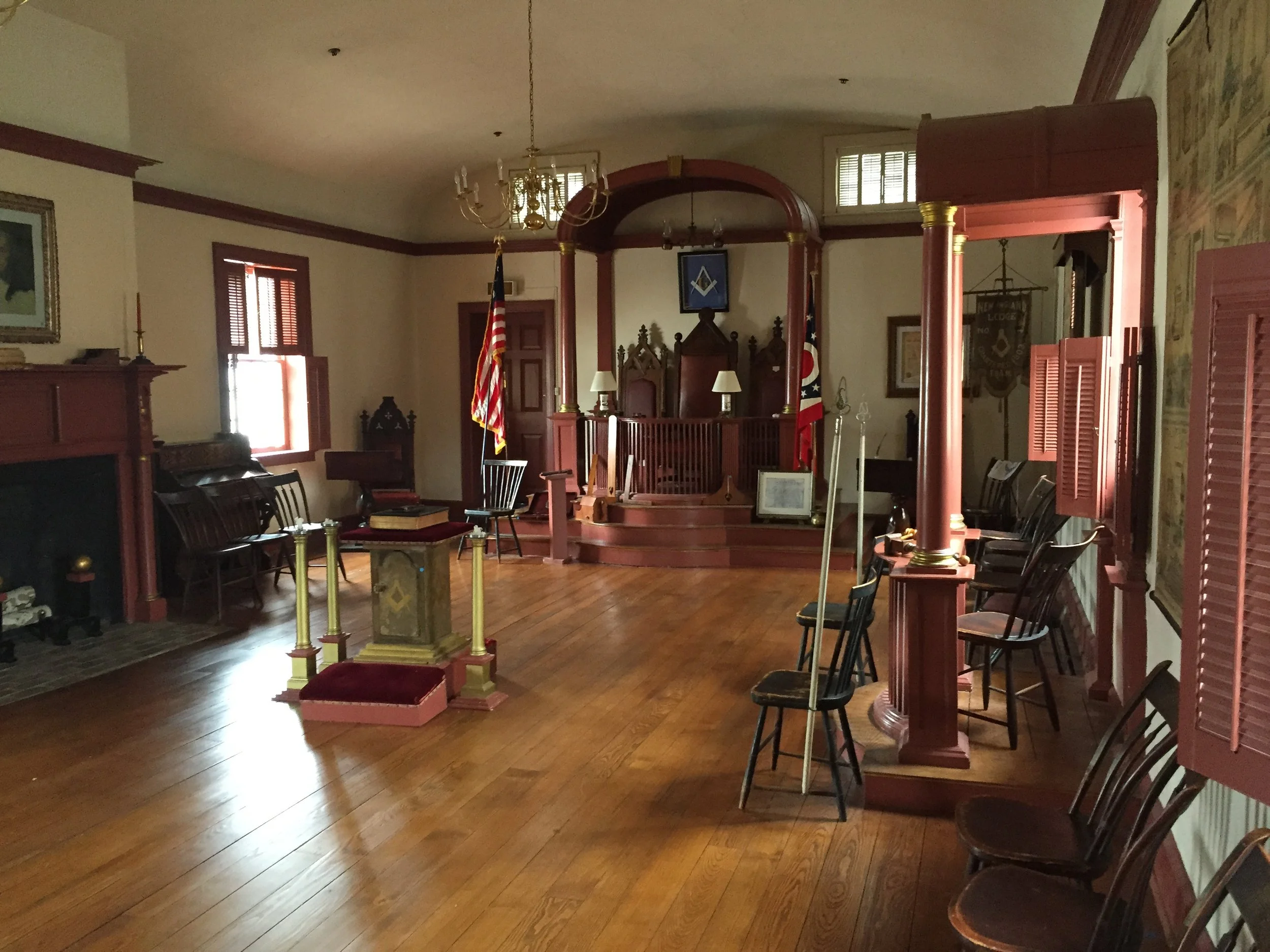
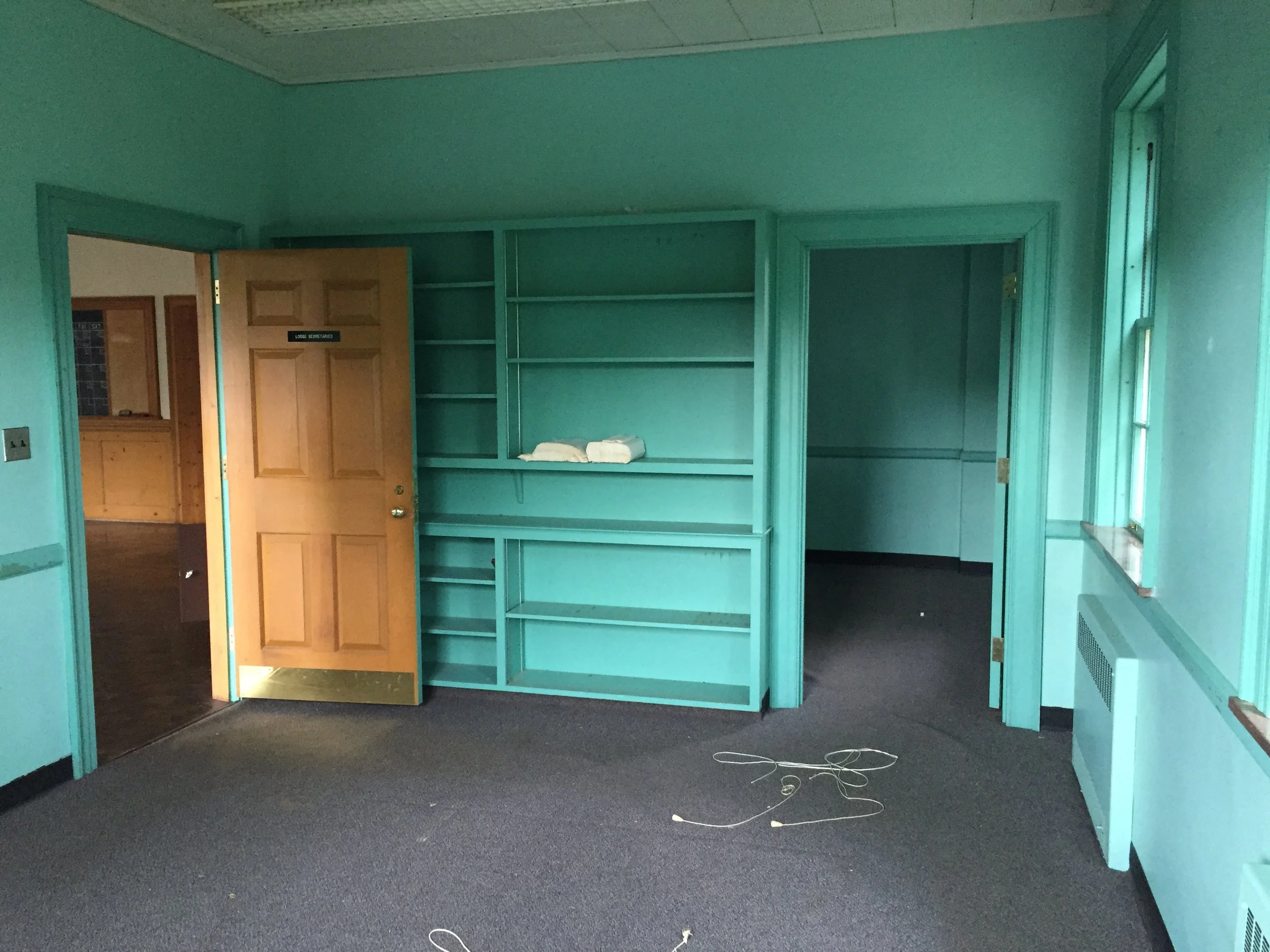
AFTER
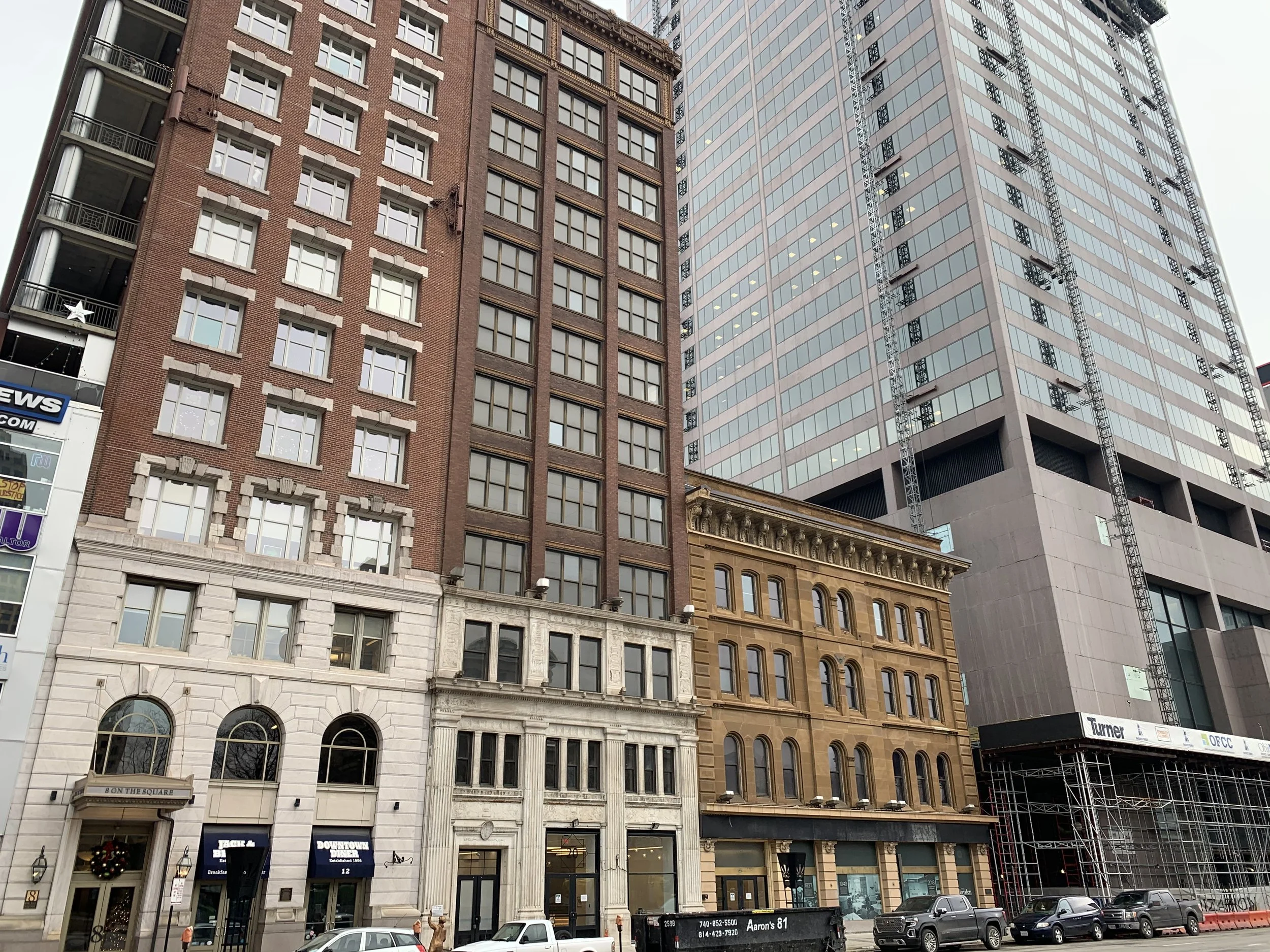
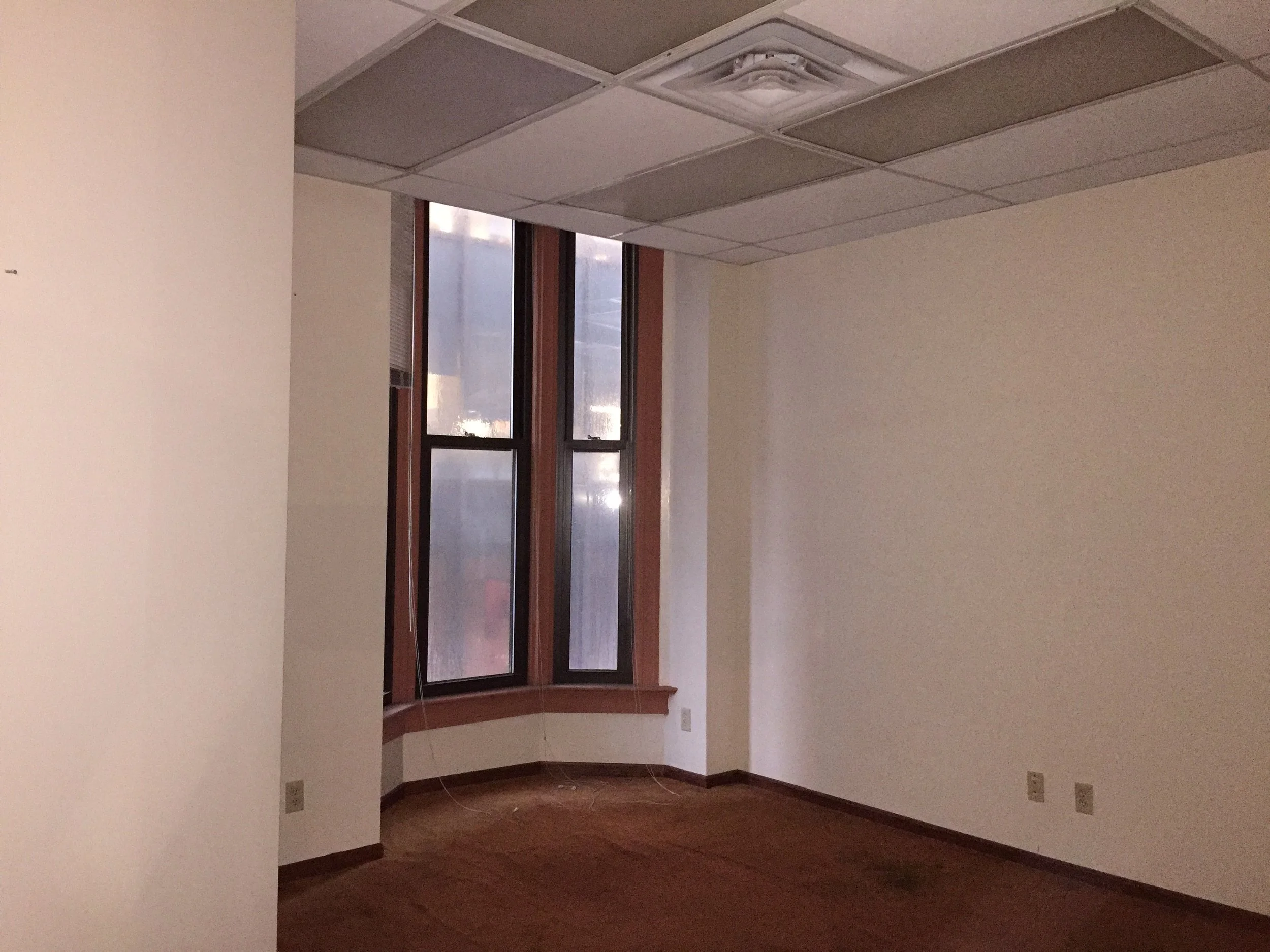
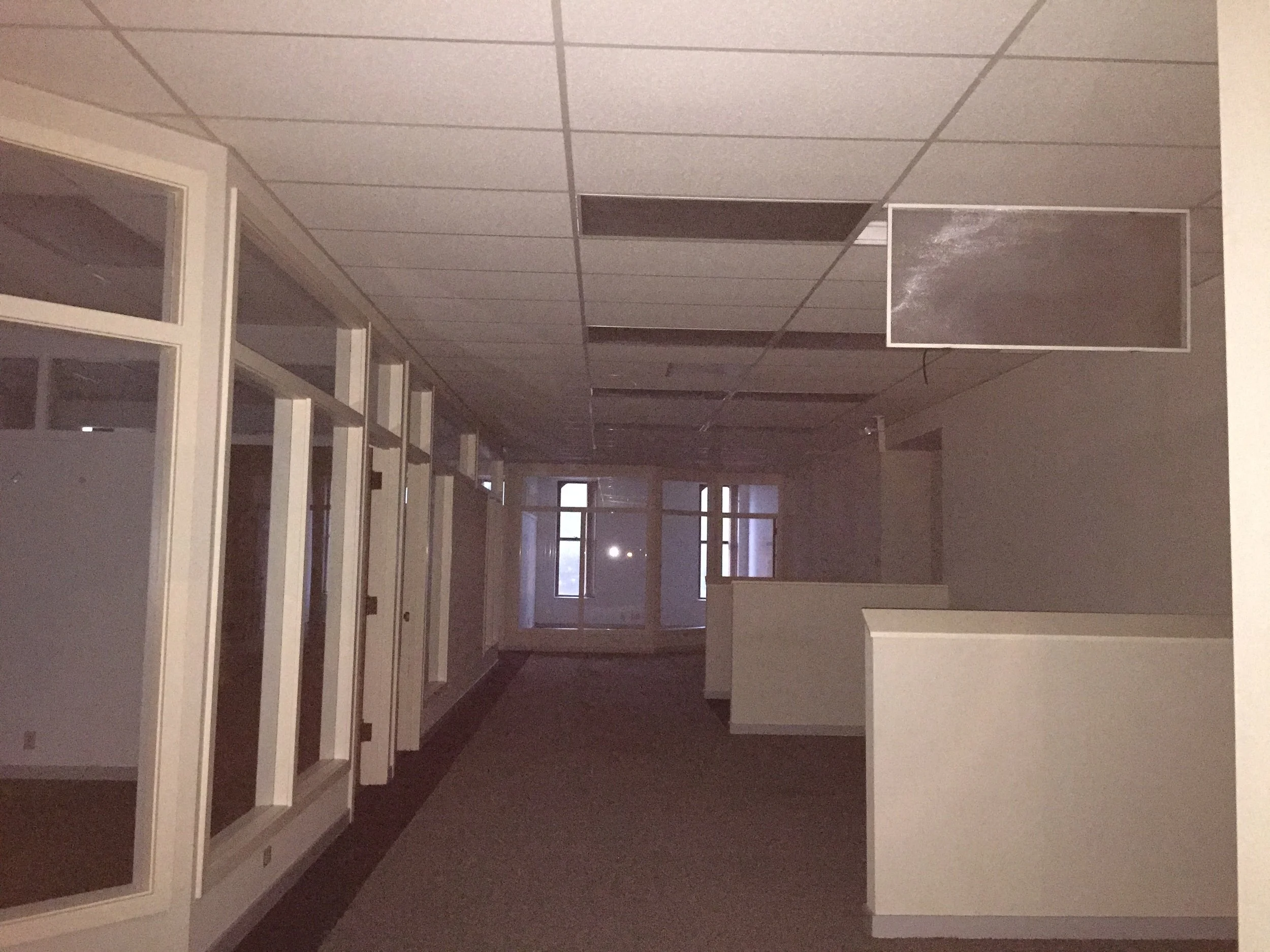
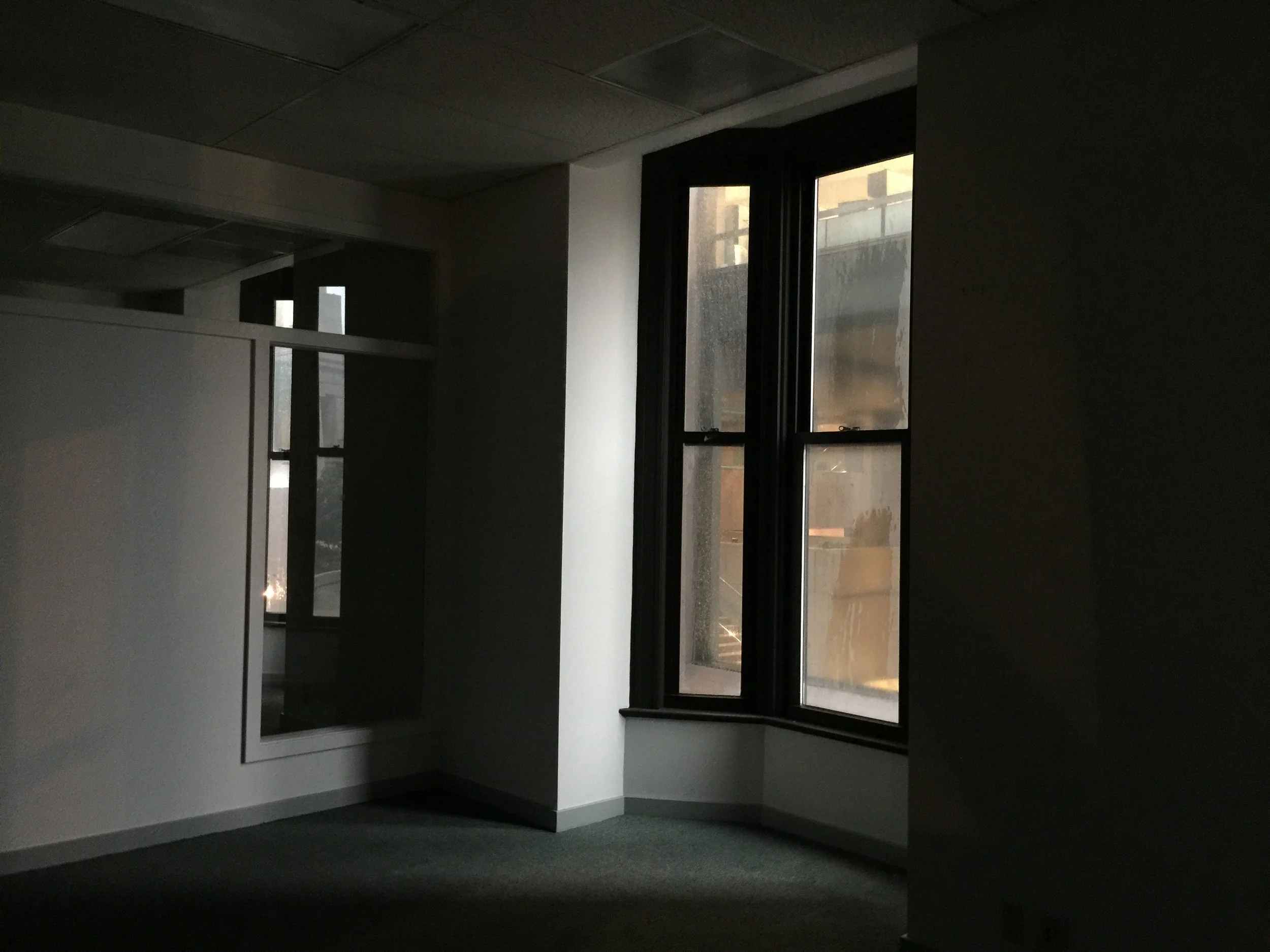
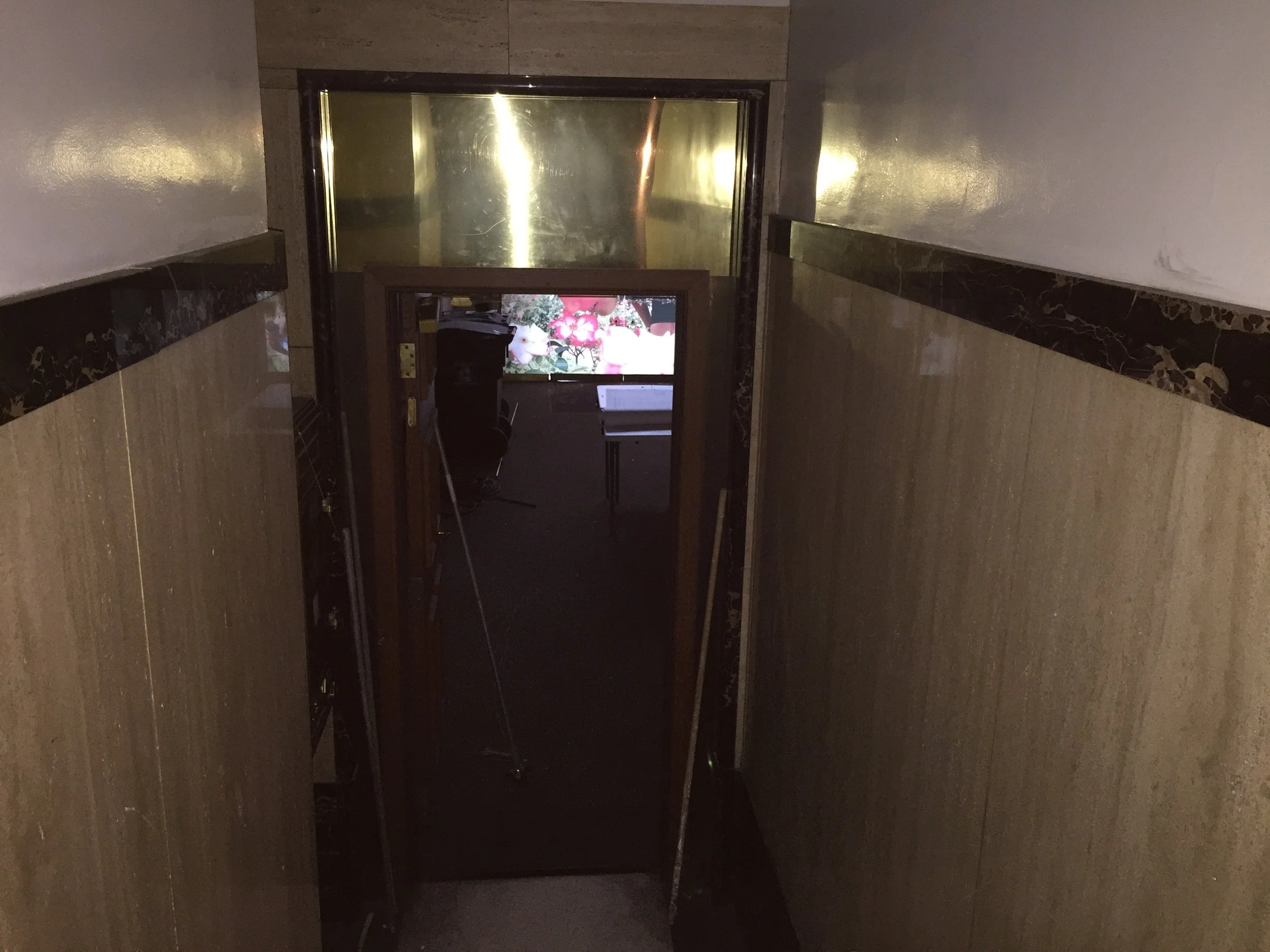
Hayden Building Historic Tax Credit
Columbus, Ohio
WHY
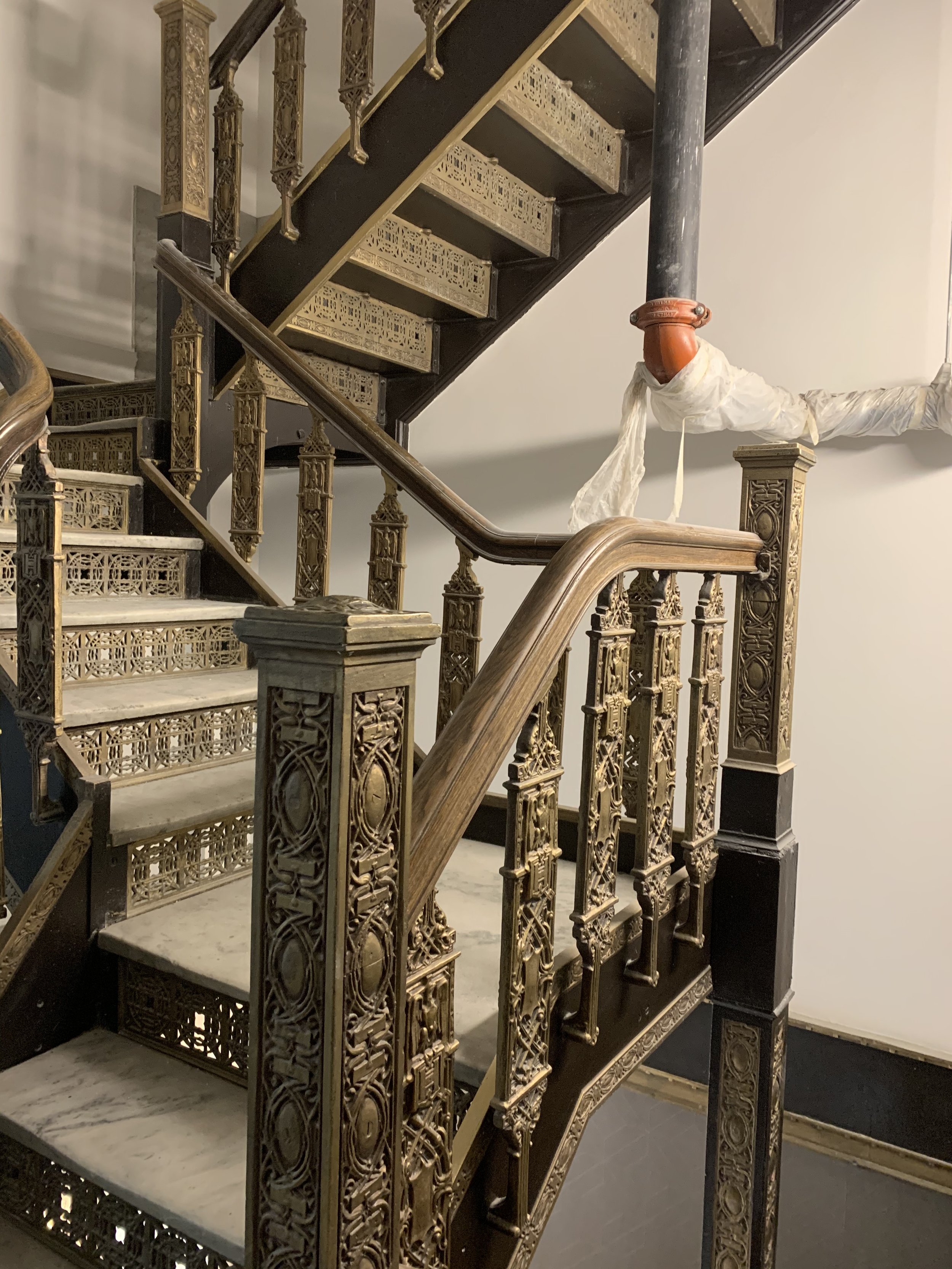
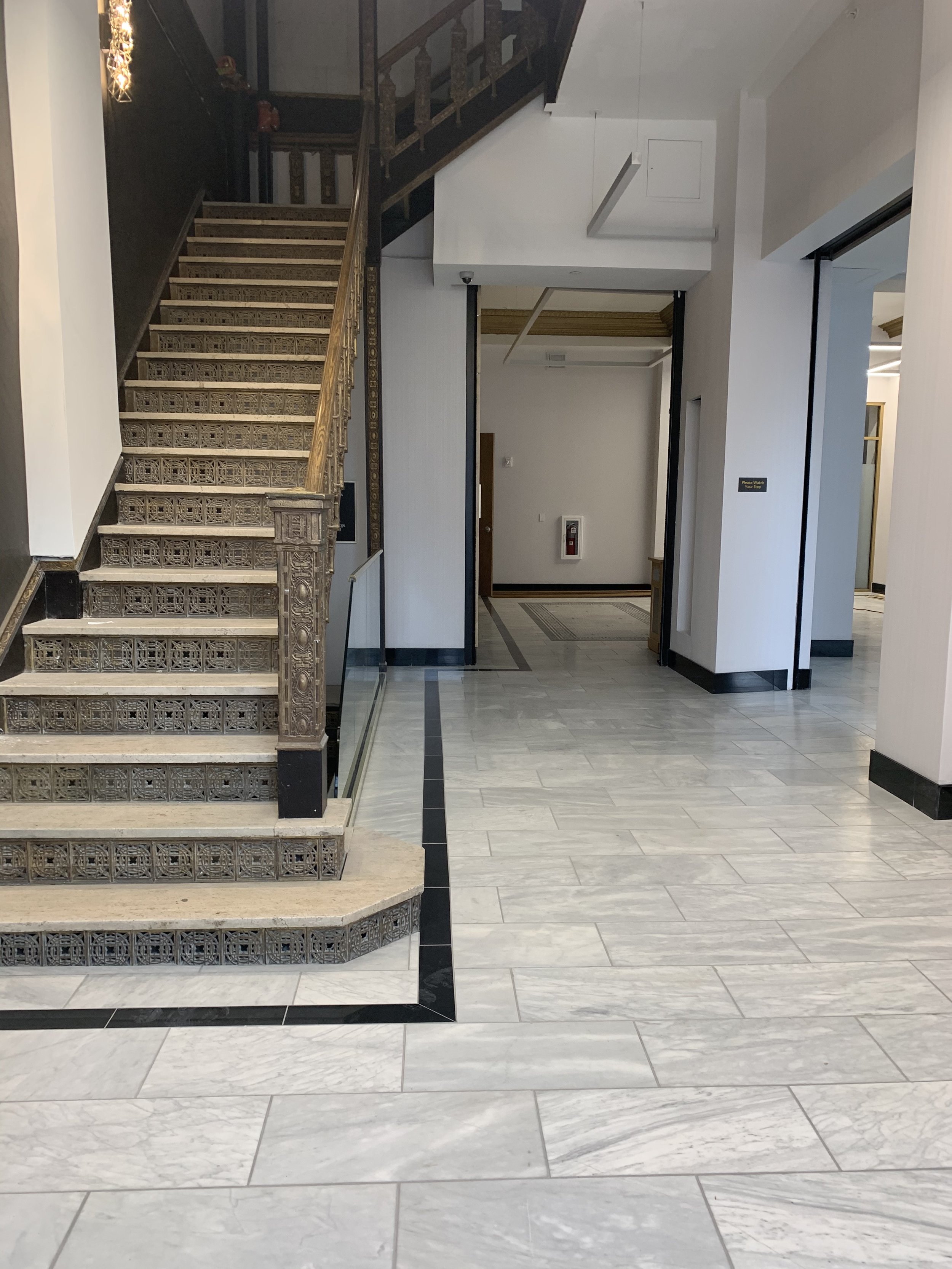
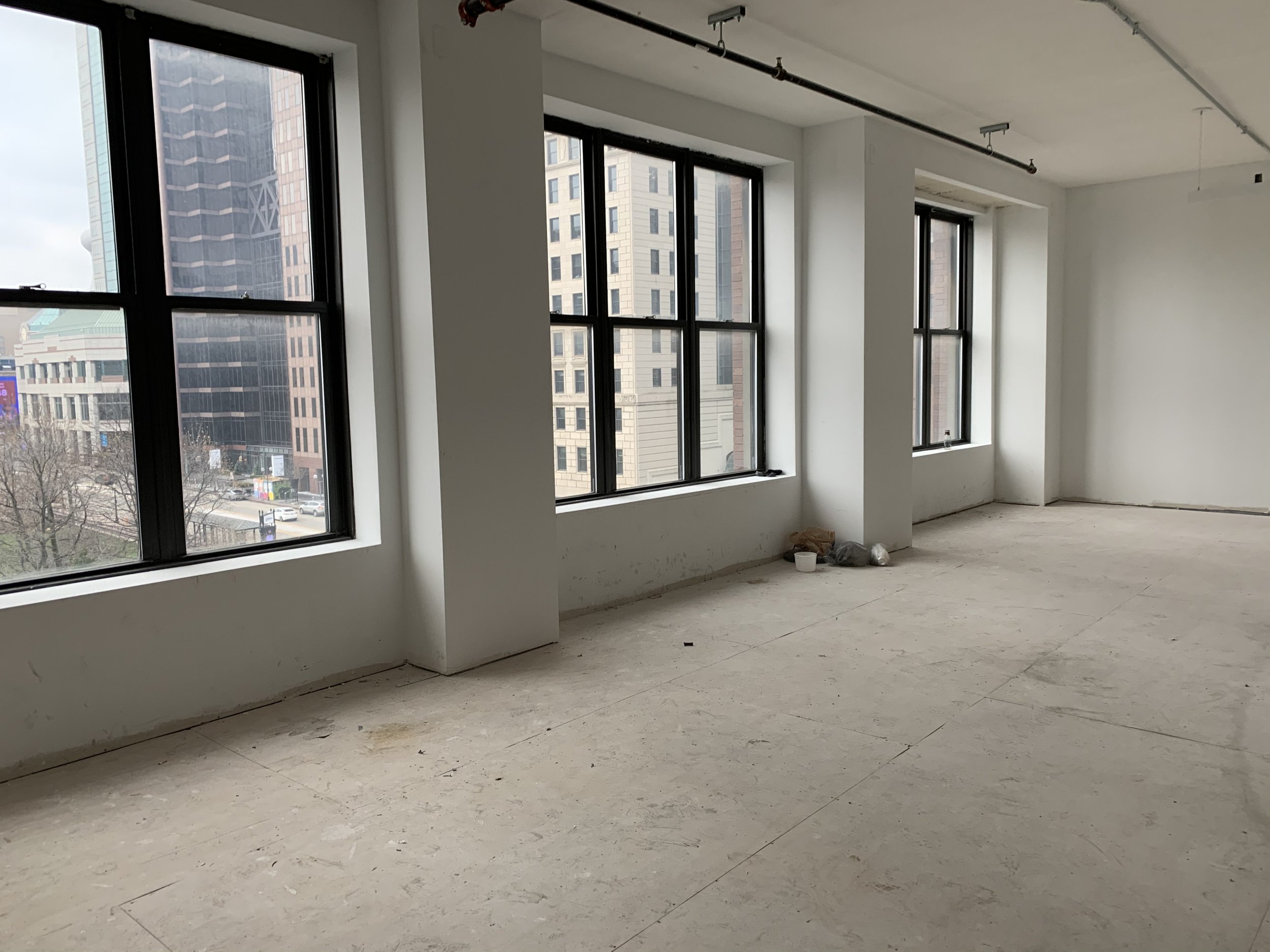
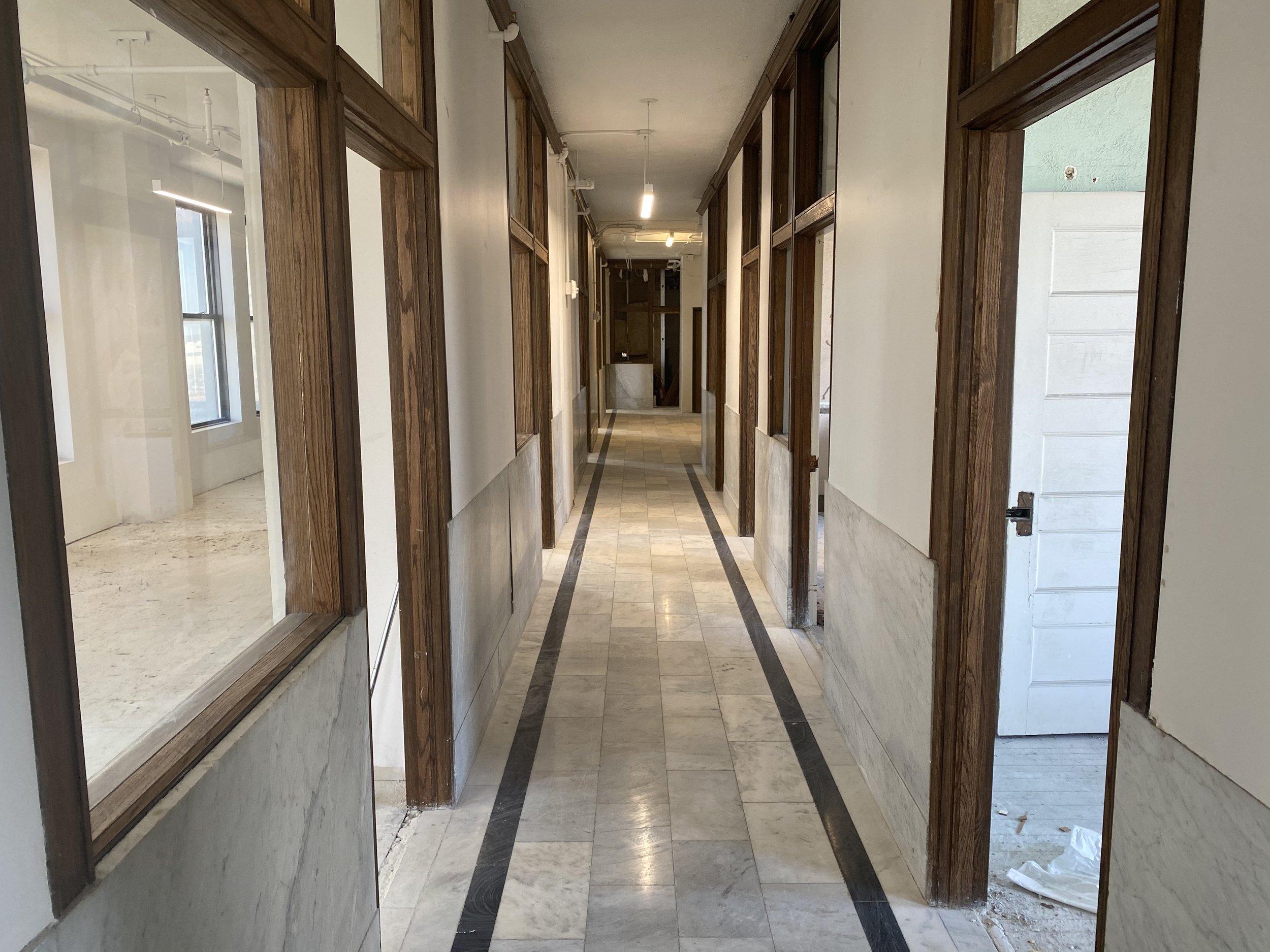
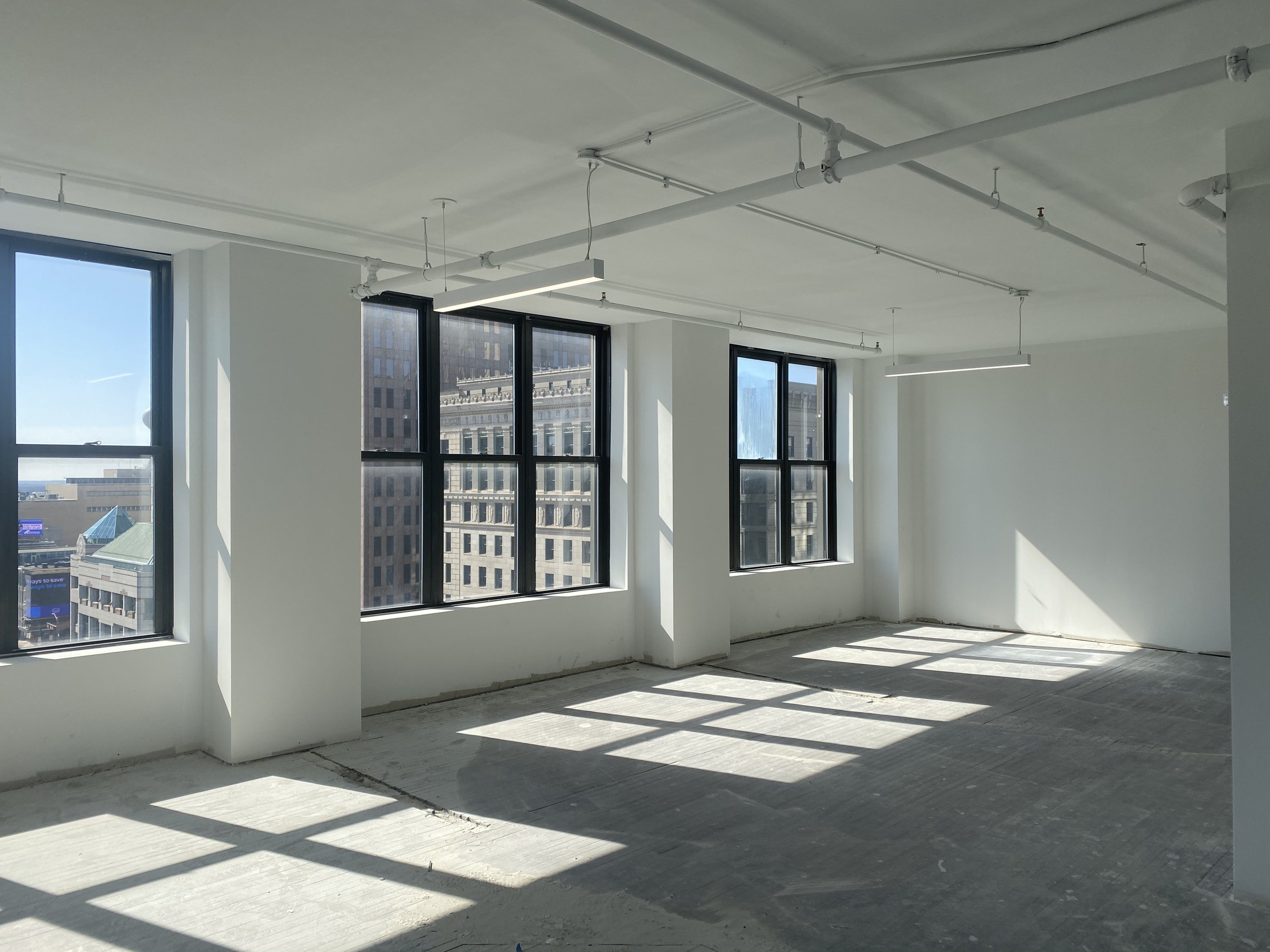
The Hayden is a two-building complex that sits in the shadow of the Rhodes State Office Tower. The four-story building at 20 E. Broad St. was completed in 1869 and is the oldest on Capitol Square. For a time, it was the headquarters of the National Football League.
Its 13-story neighbor at 16 E. Broad St. was the city's tallest building from its completion in 1901 until the 47-story LeVeque Tower was completed 25 years later. The 11-story Wyandotte Building, regarded as the city's first skyscraper, was built in 1897.
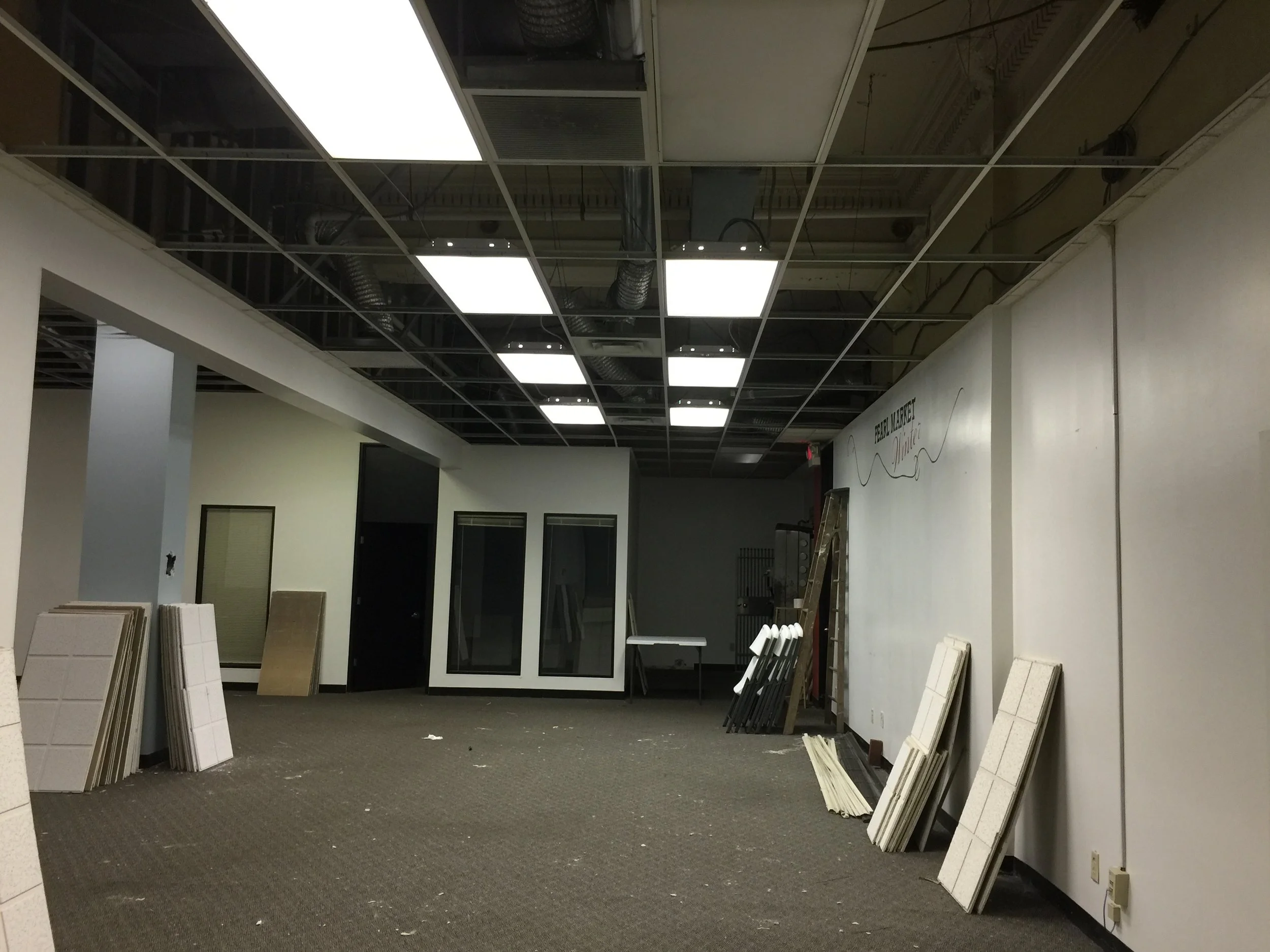
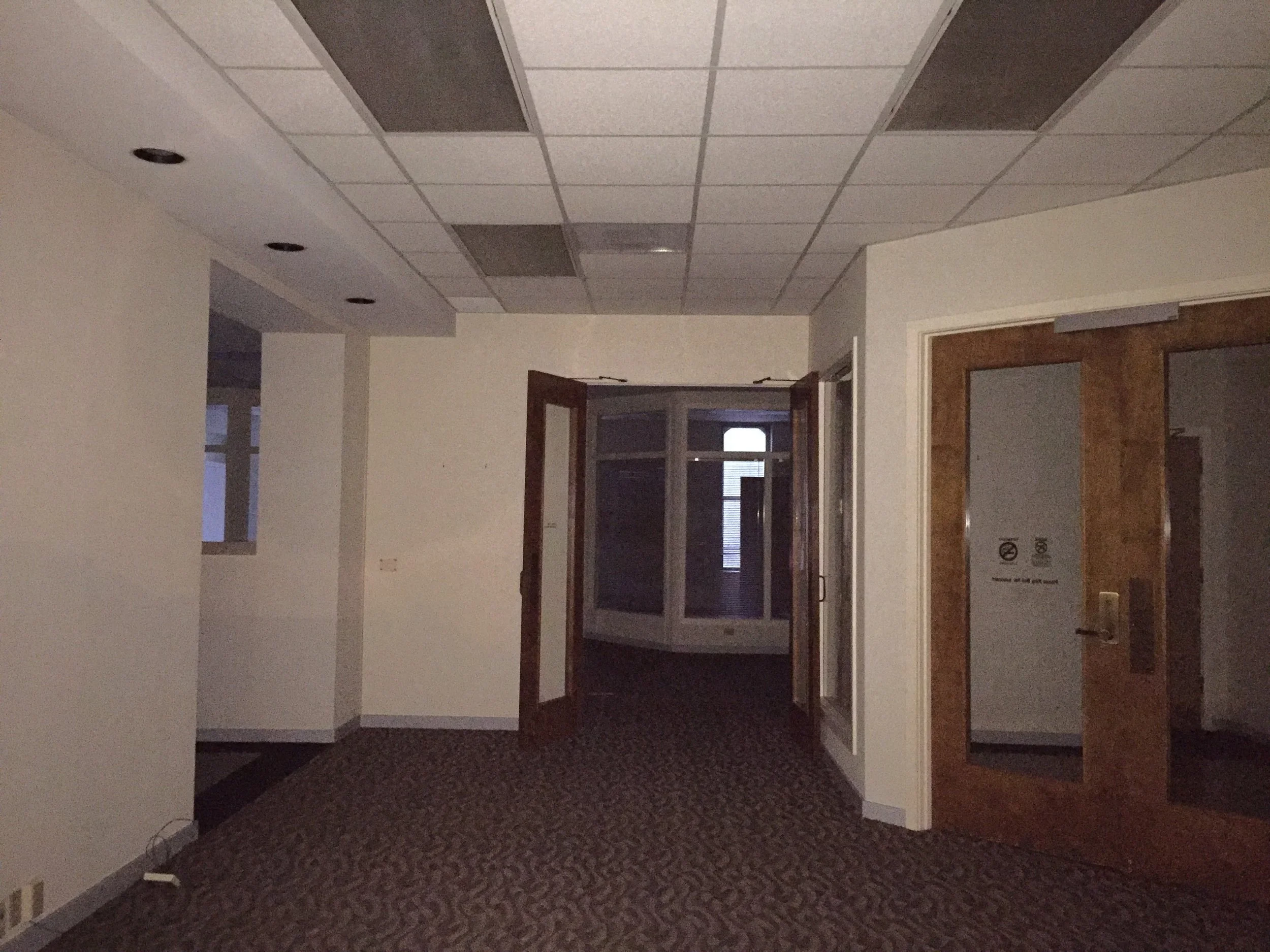
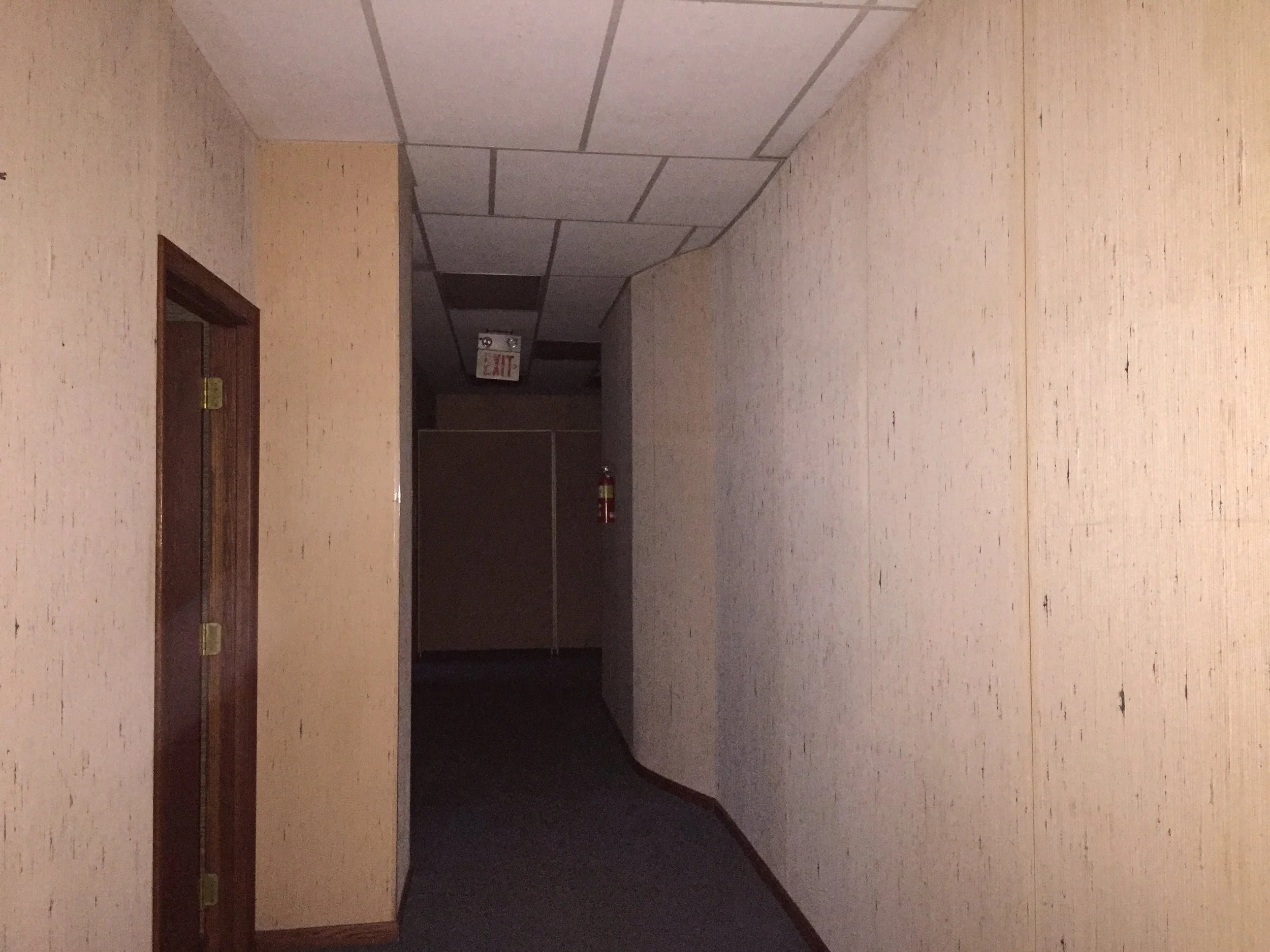
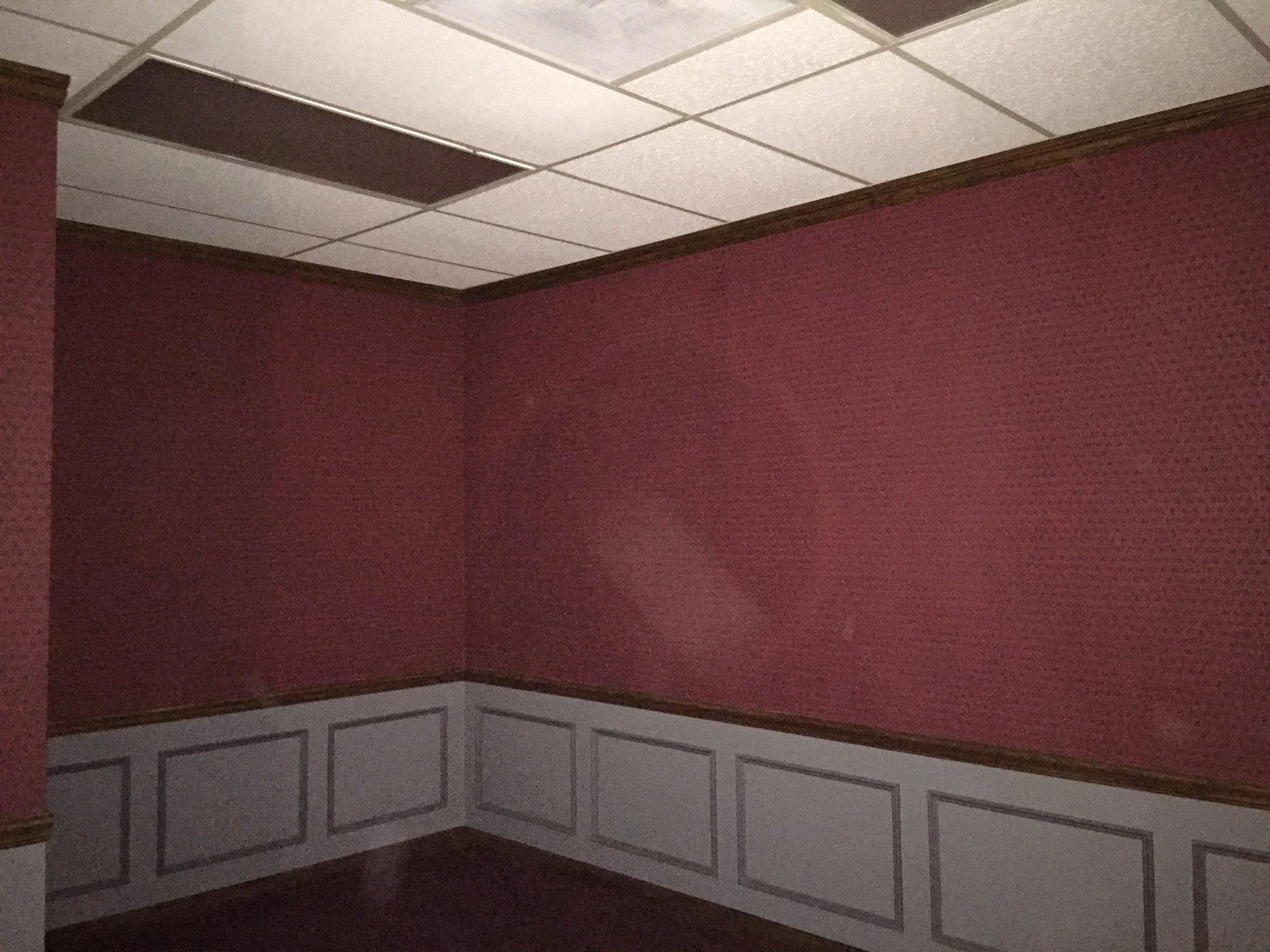
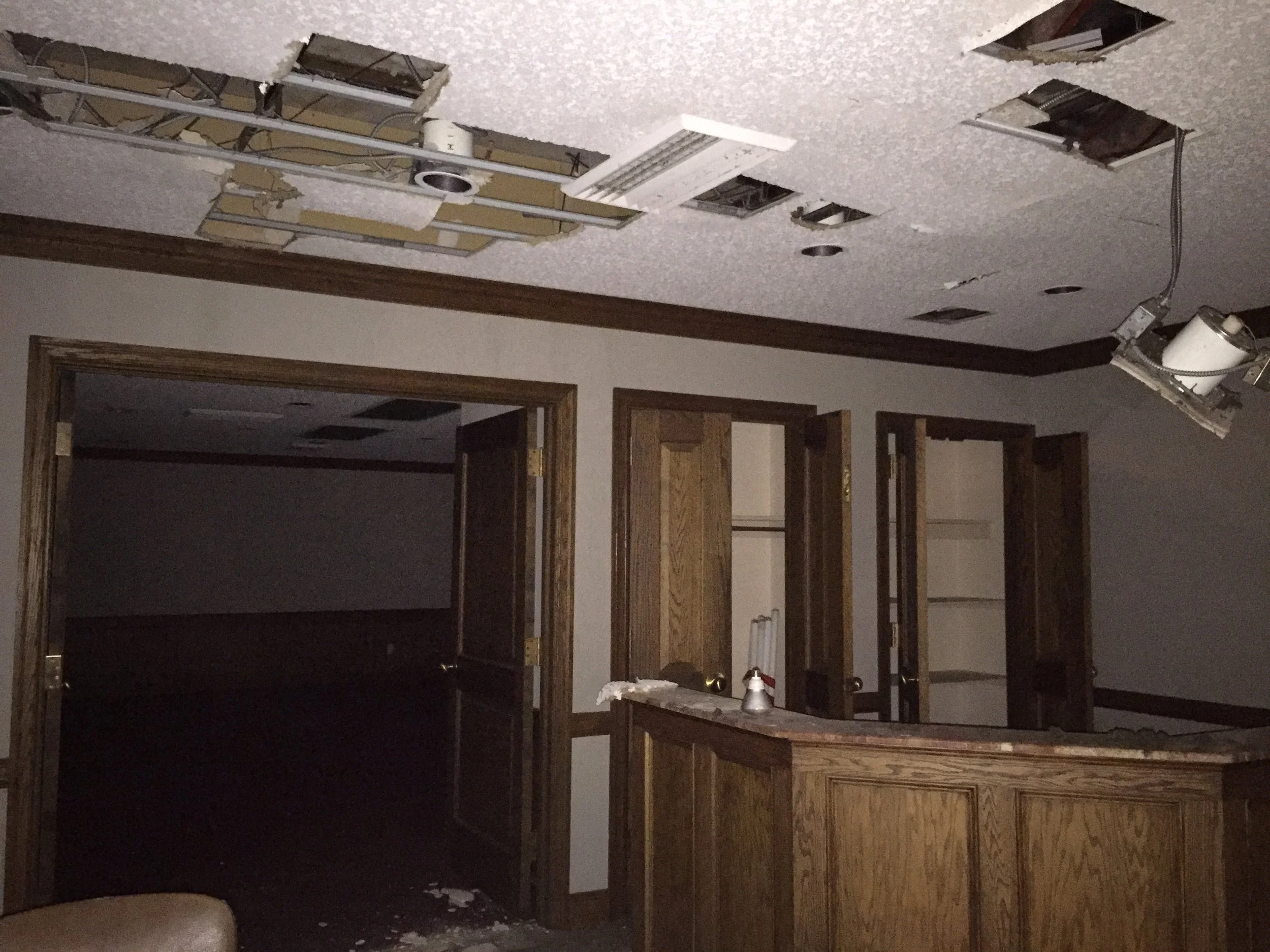
When the building was acquired by its current owner, Tomko Company, it was vacant and in a state of disrepair. The owner planned to convert the property into office space as well for retail tenants on the 1st Floor.
HOW
Designing Local helped the property owner secure the Ohio Historic Tax Credit and the Federal Historic Tax Credit.
WHAT
The building is how home to a number of retail and office tenants including Designing Local.
BEFORE
AFTER

Duluth Public Art Master Plan
City of Duluth, Georgia
WHY
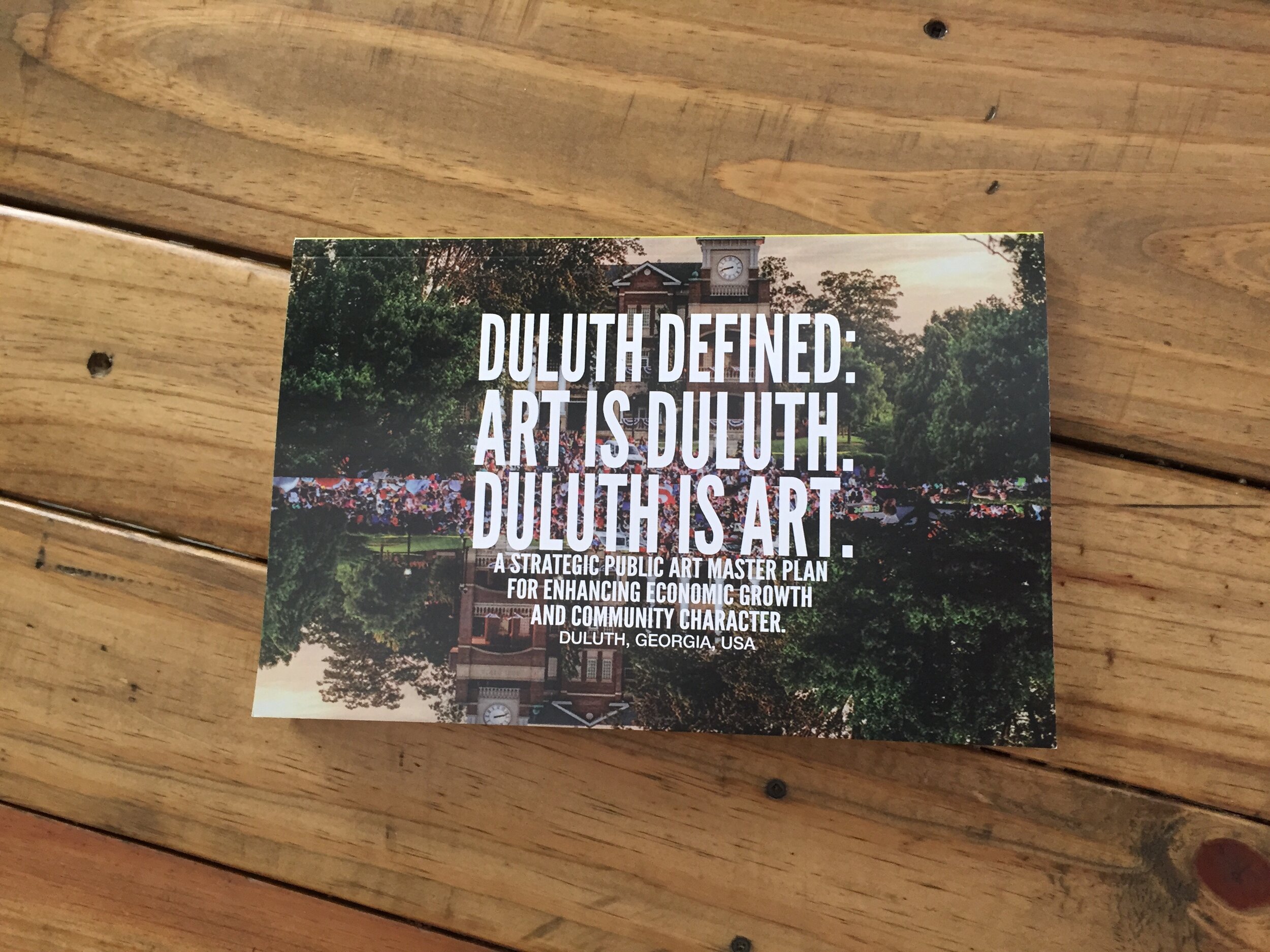
Duluth, Georgia undertook a journey to announce itself as an arts destination by becoming the first city in the Atlanta region to complete a Public Art Master Planning Process. With an understanding of the competition among Atlanta suburbs for residents and businesses, Duluth forged a new course in defining its character and translating that character into public art.
HOW
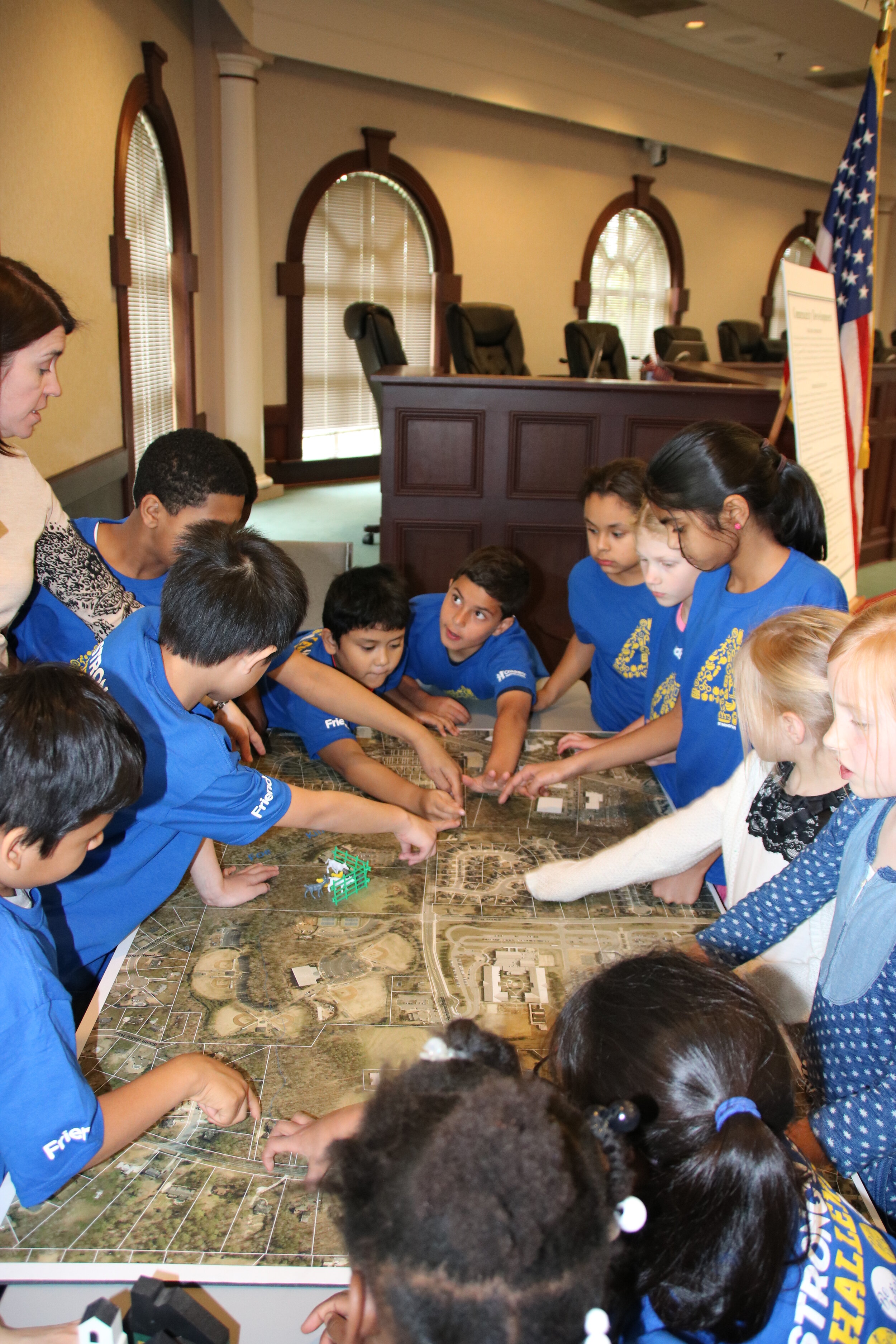
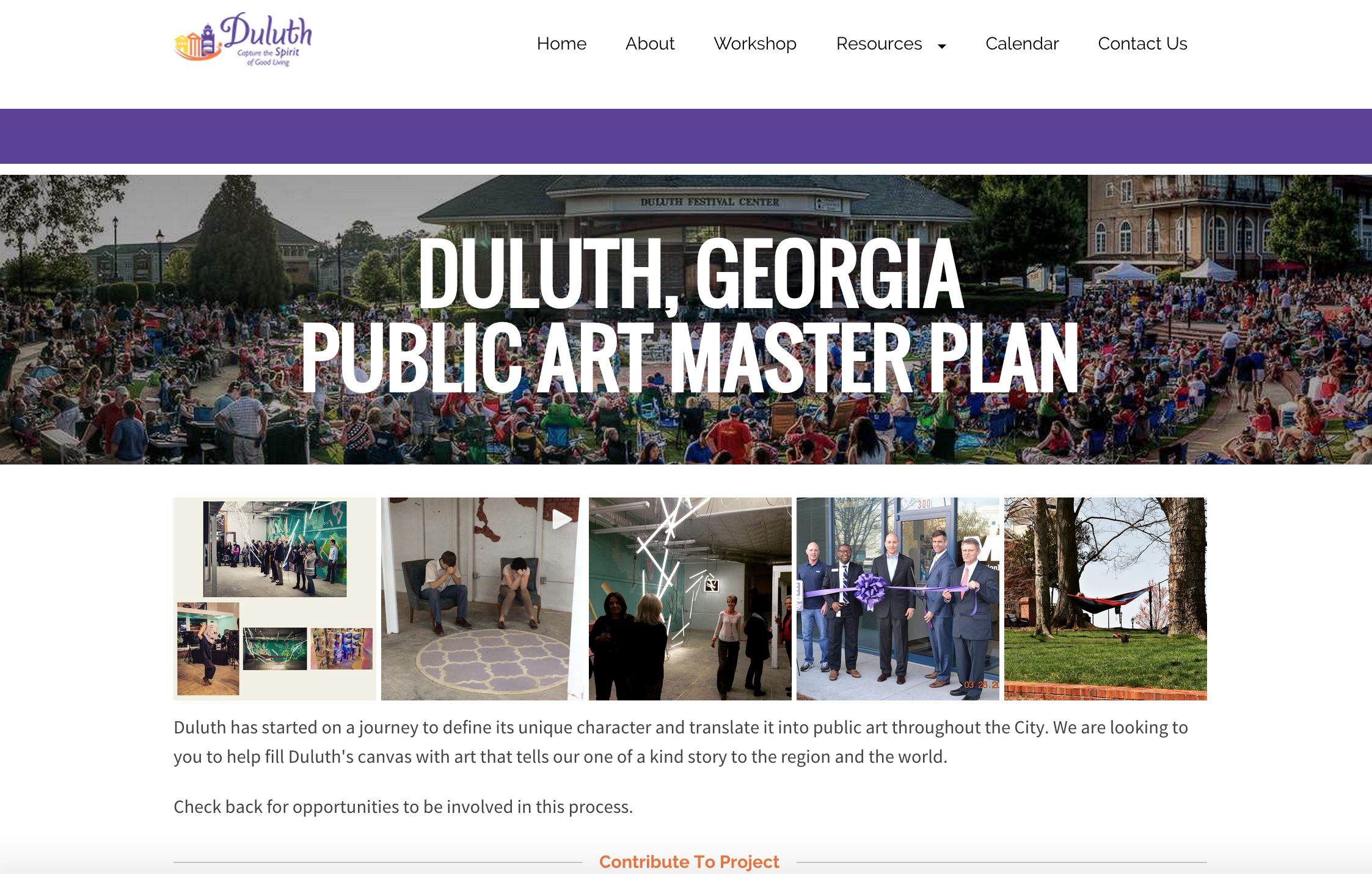
With an eye toward inclusive public outreach, the City of Duluth sought extensive public engagement. Designing Local facilitated a series of stakeholder meetings, two rounds of public workshops, and a custom-built online engagement tool that allowed residents to participate in the workshops remotely. Residents were also asked to submit photos using specific hashtags, as a way to encourage participation in the process and support data collection.
WHAT
The Duluth Public Art Master Plan, formally adopted in April 2015, provides an action plan for the city’s public art initiatives, many of which have now been implemented.





Astrup Building (Pivot Center) Historic Tax Credit
Cleveland, Ohio
WHY
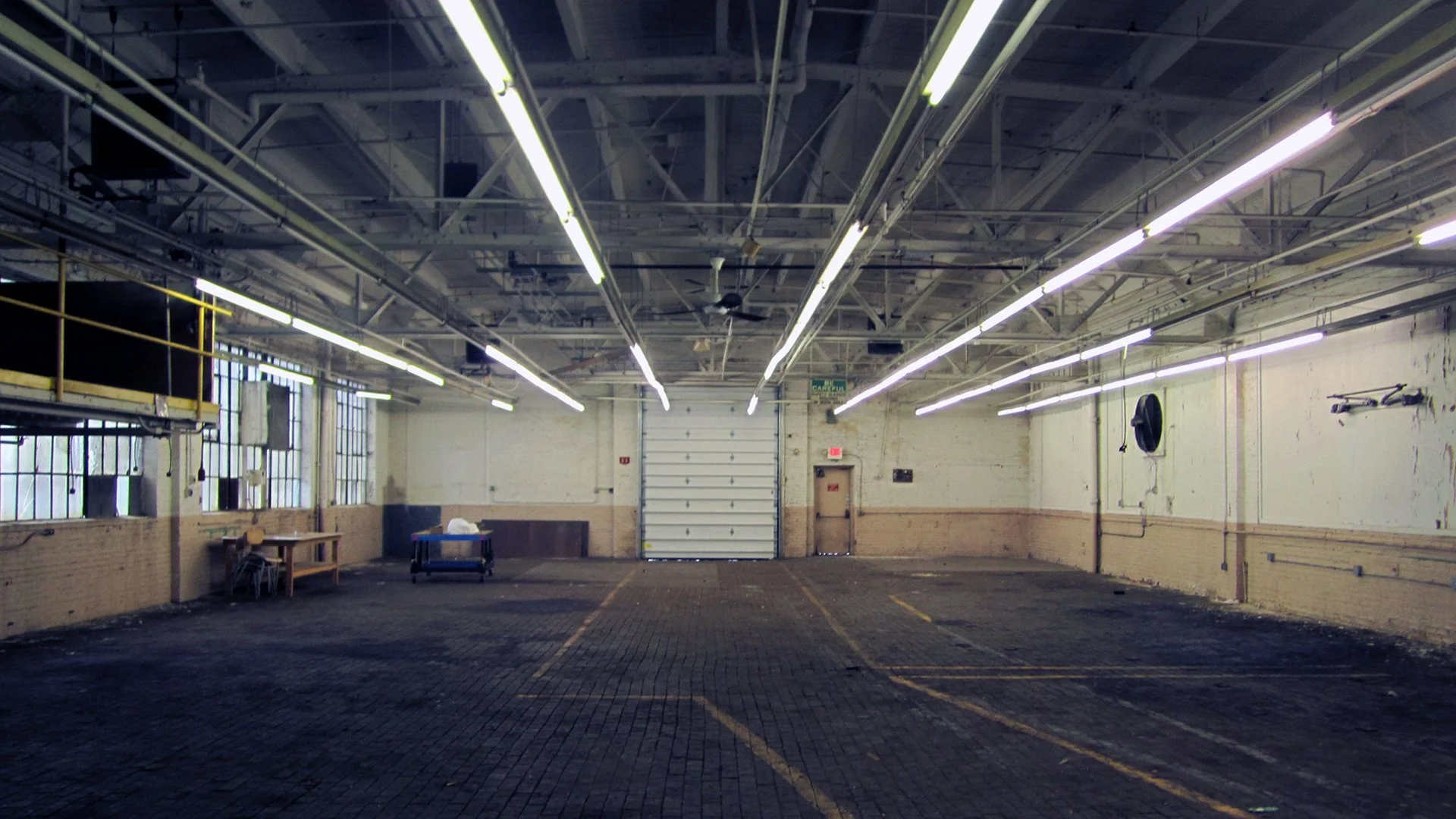
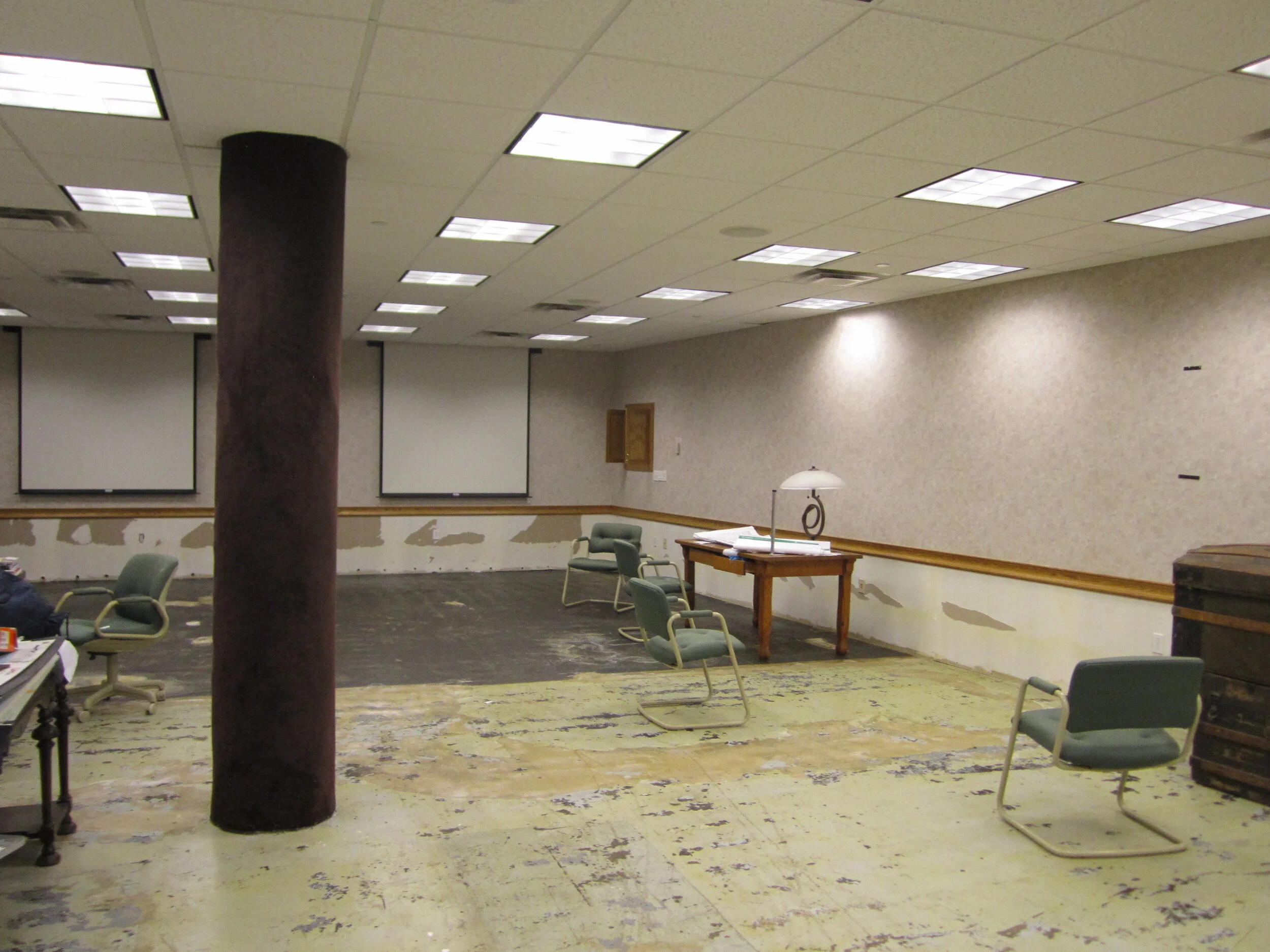
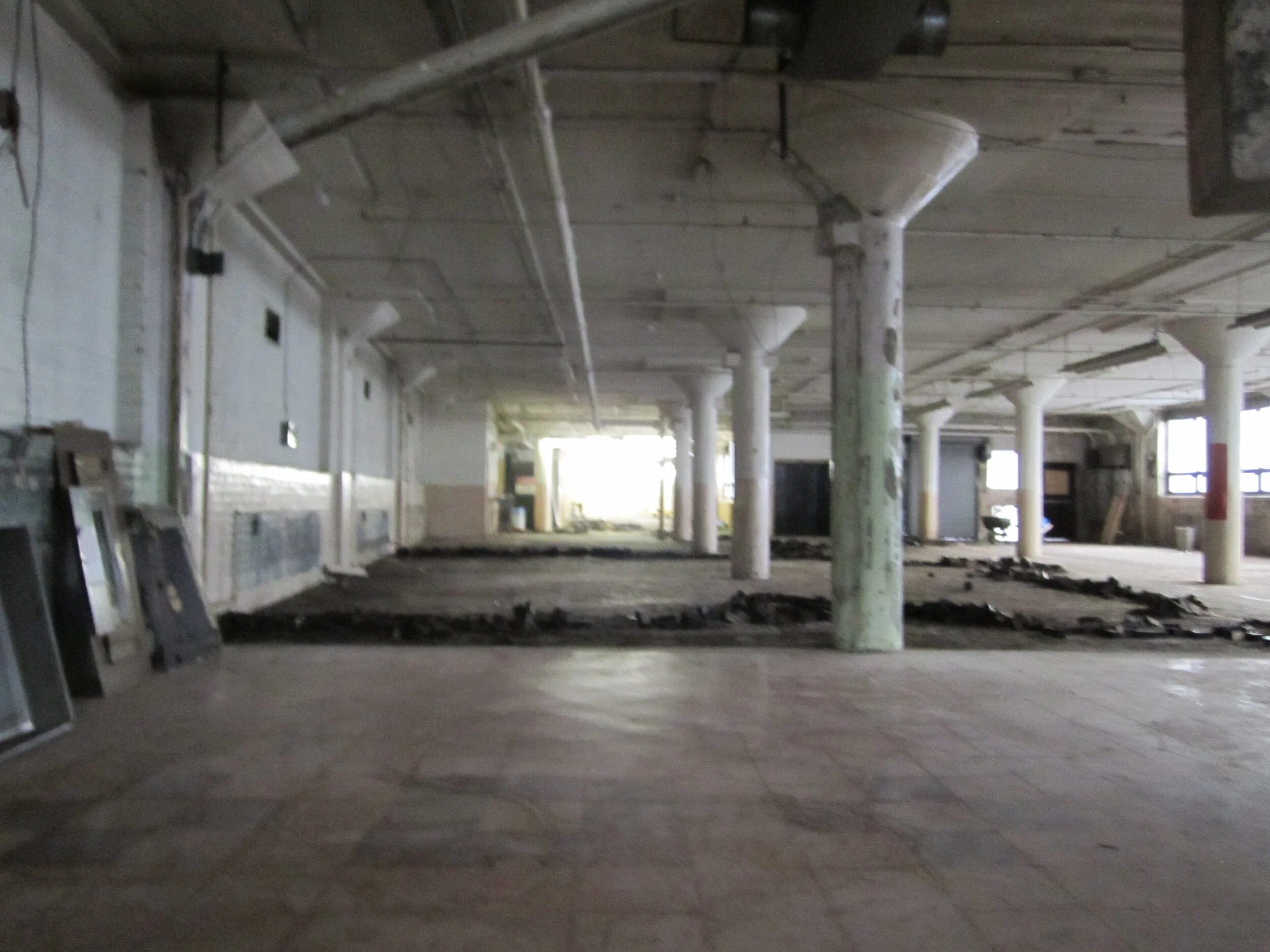
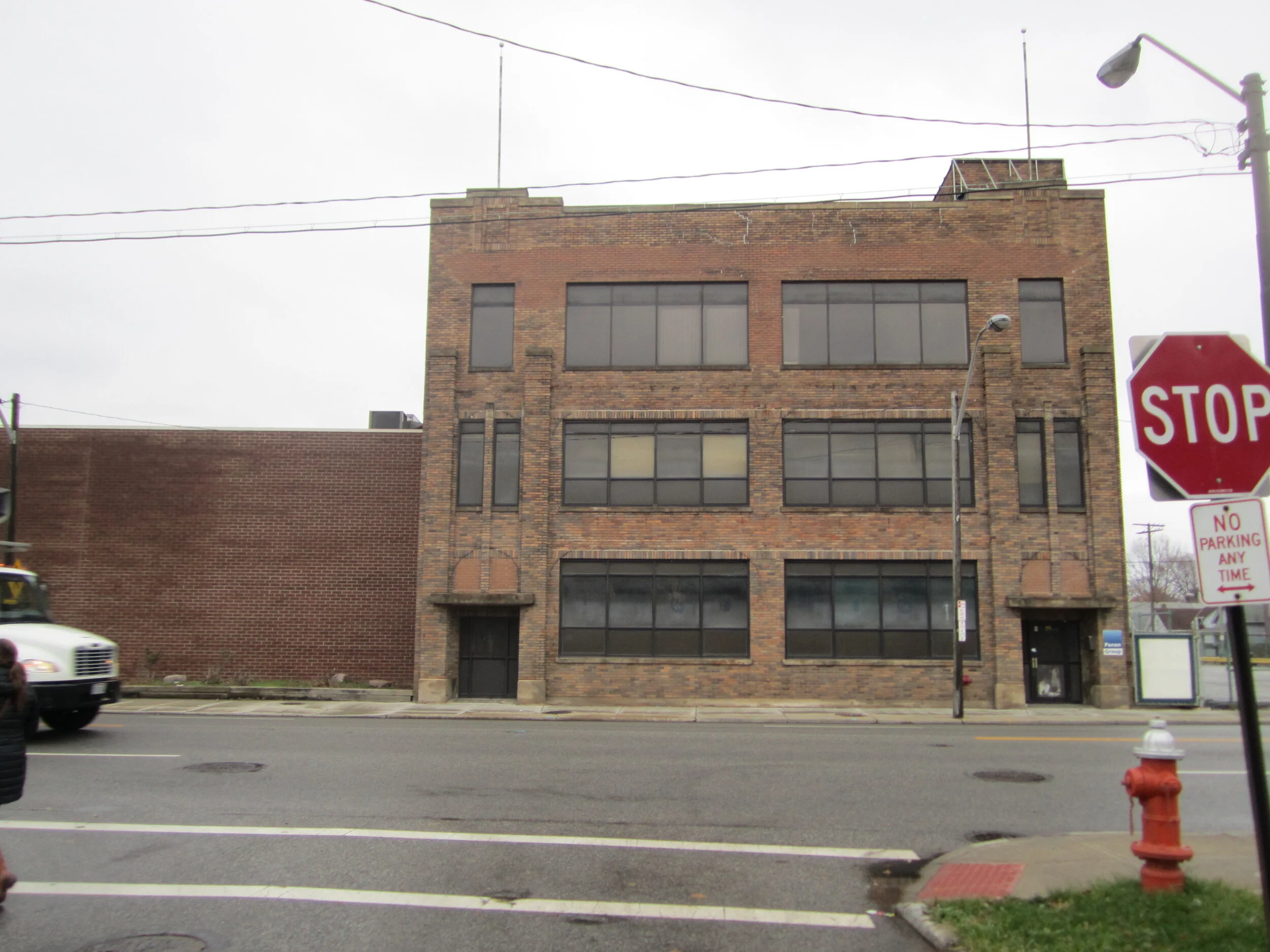
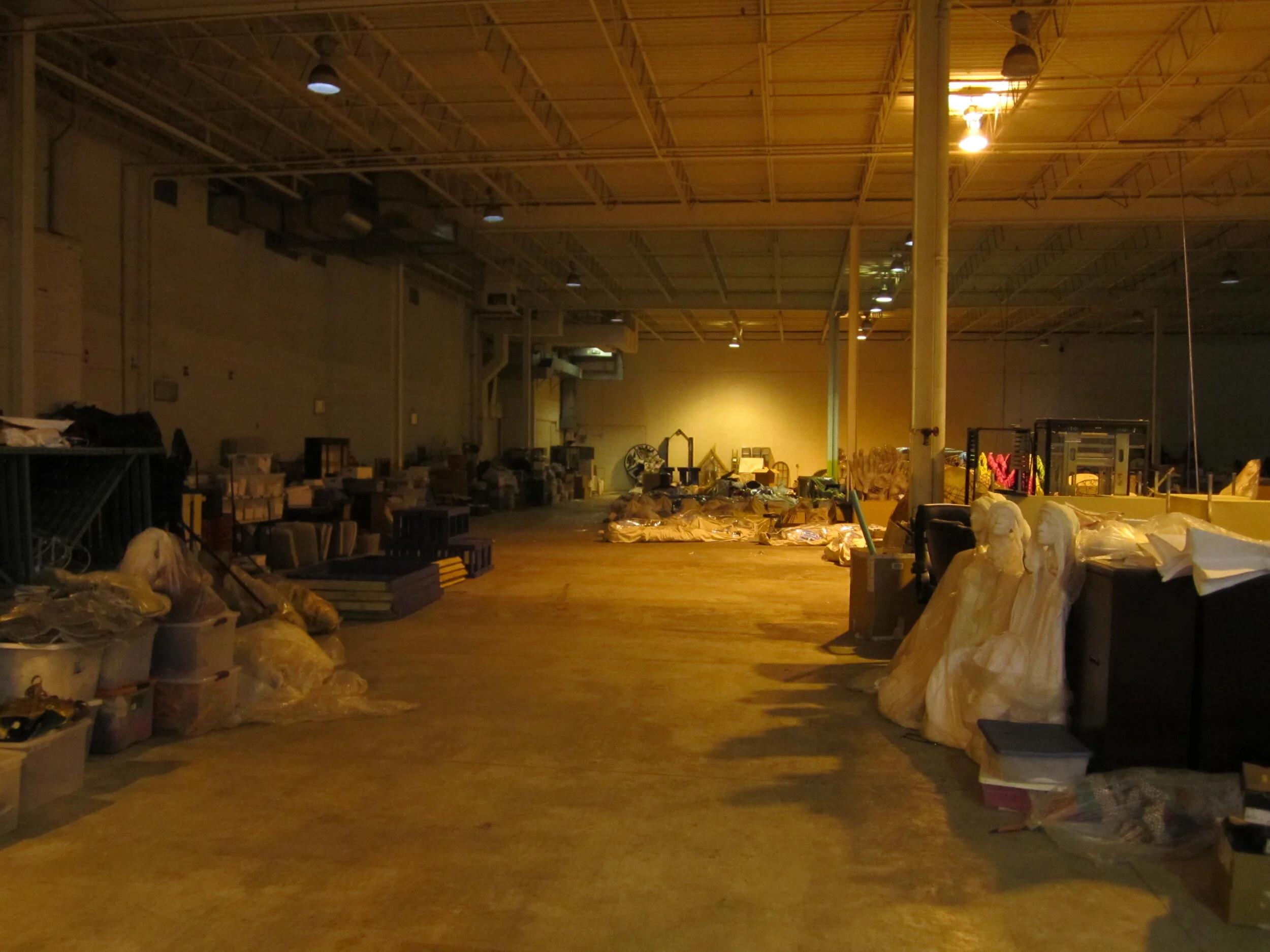
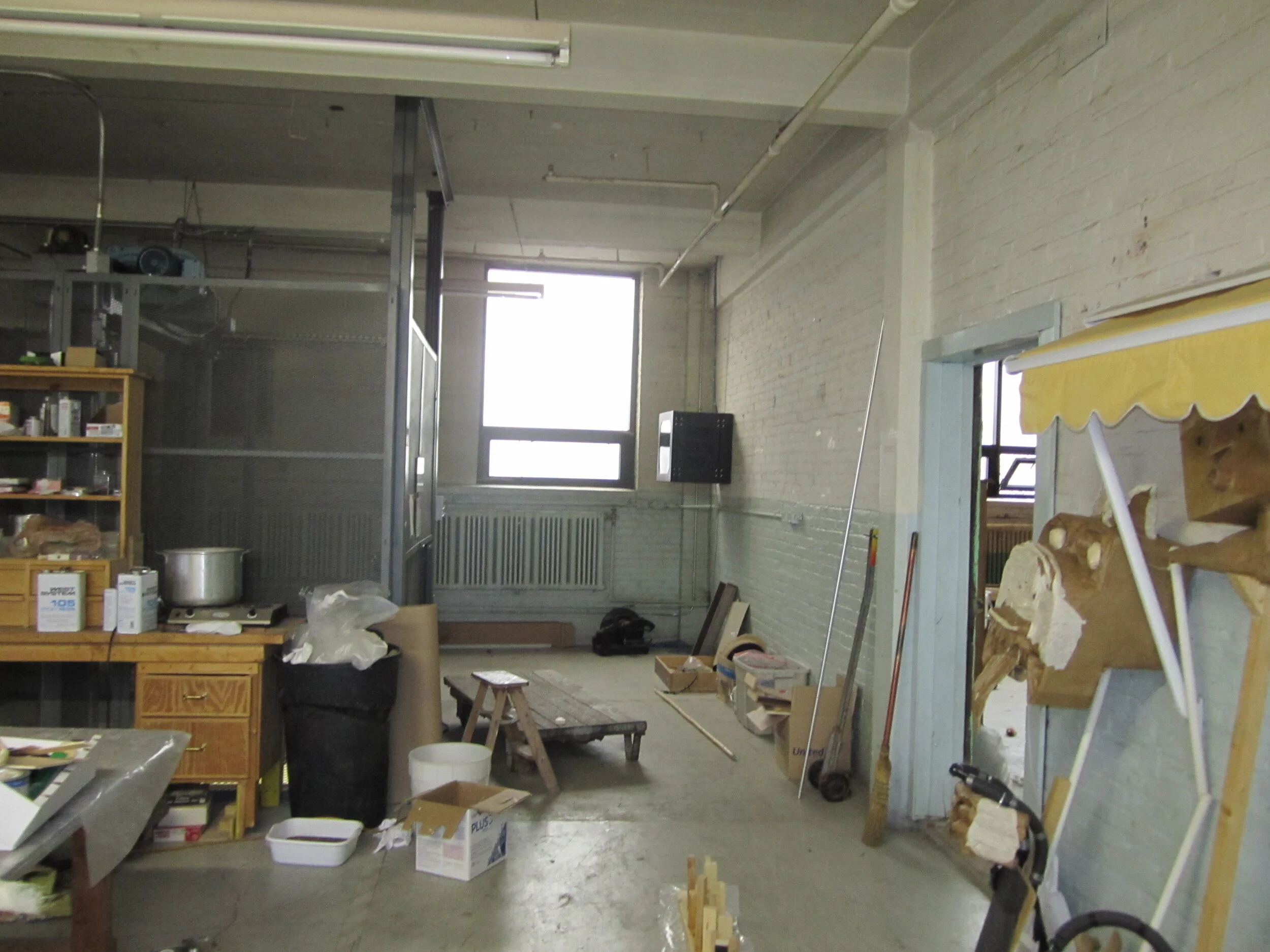
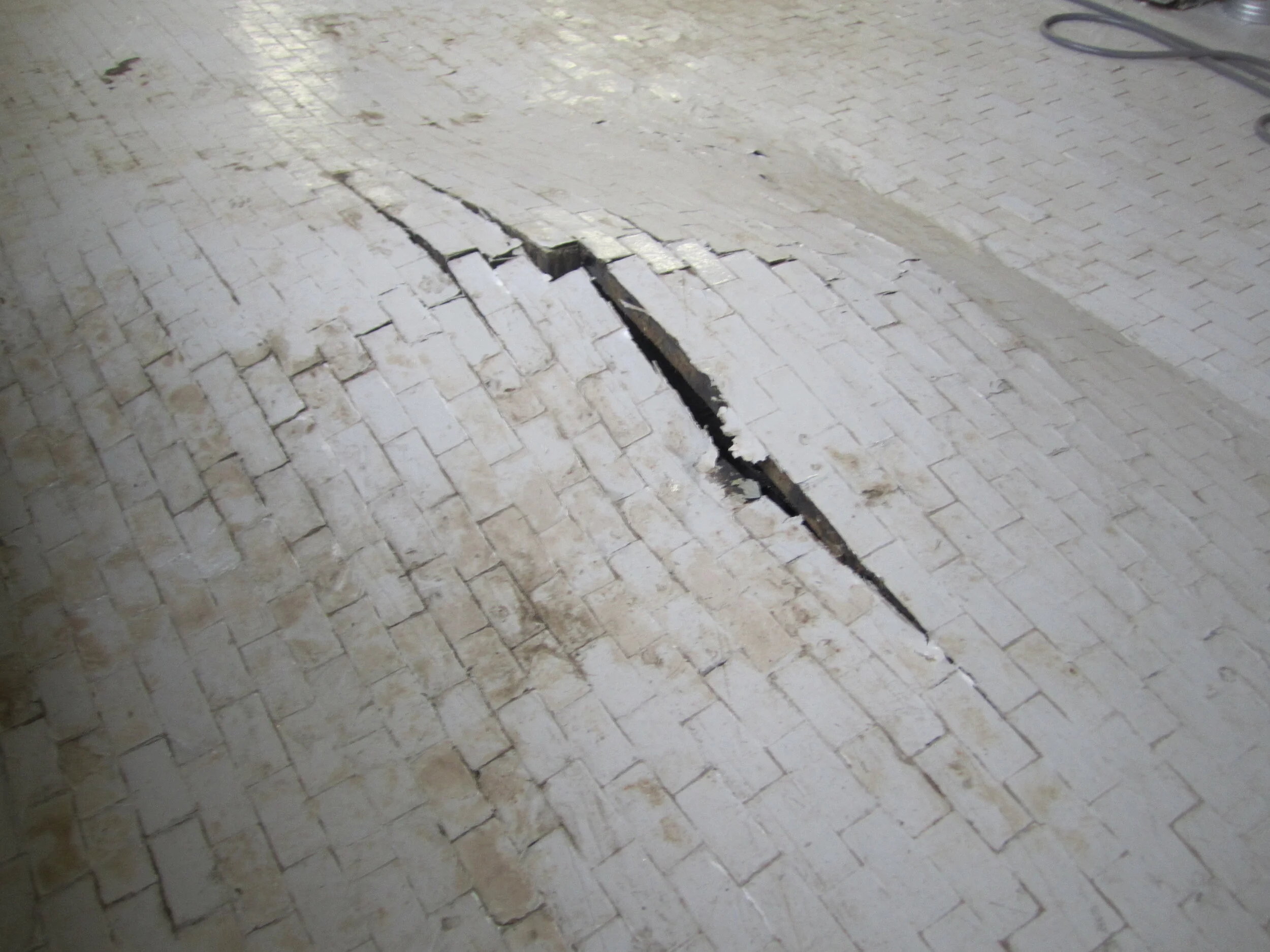
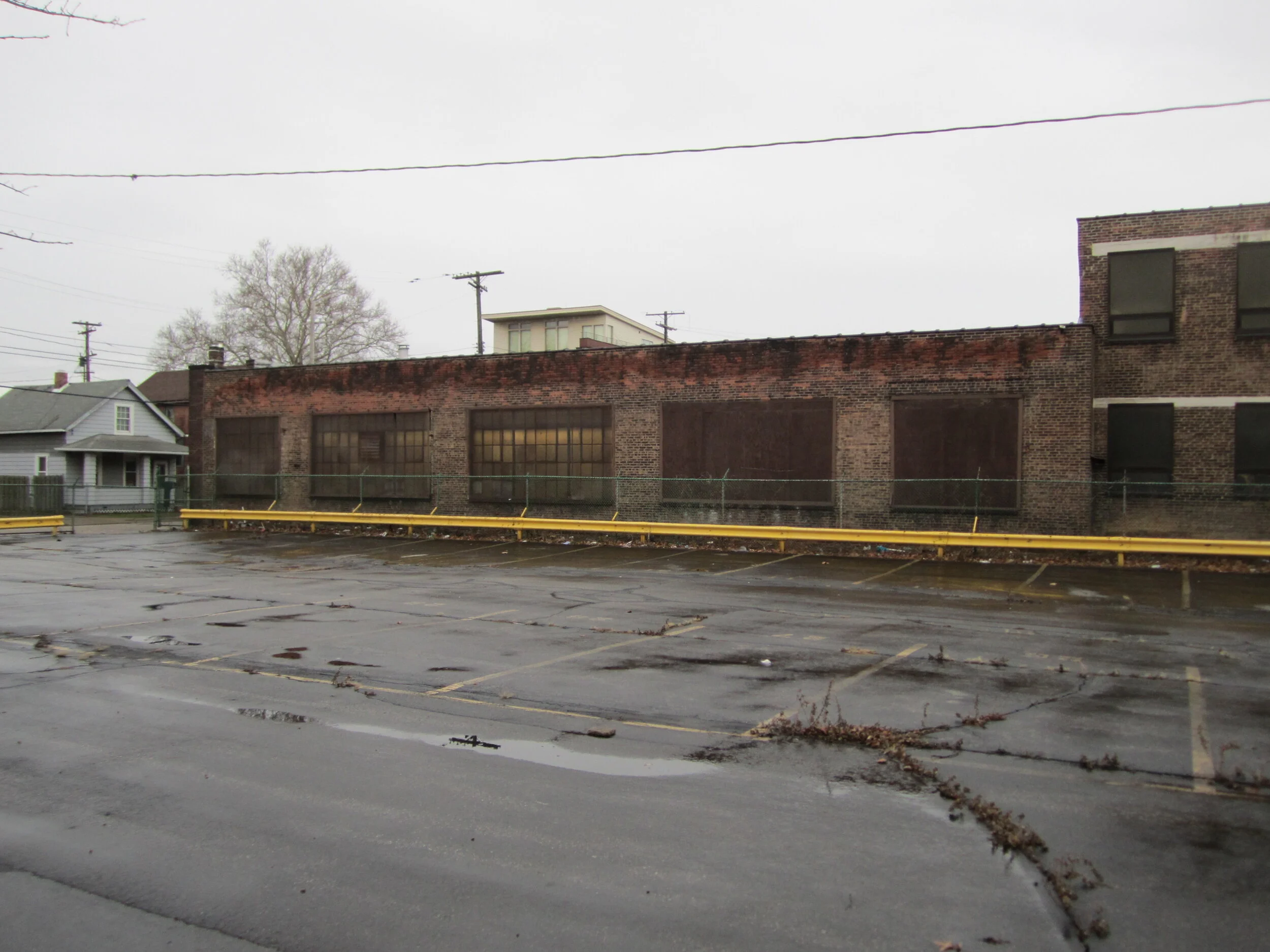
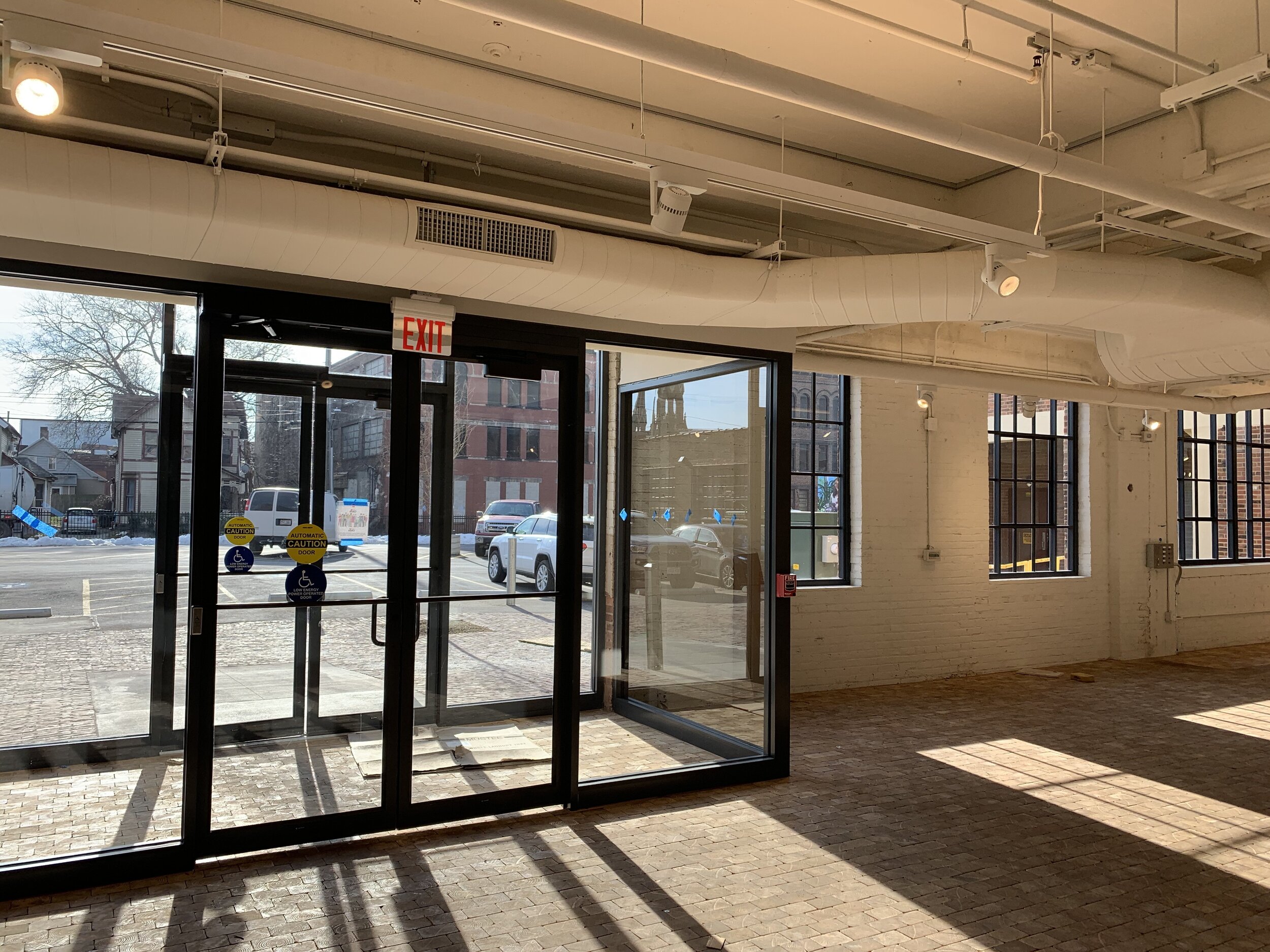
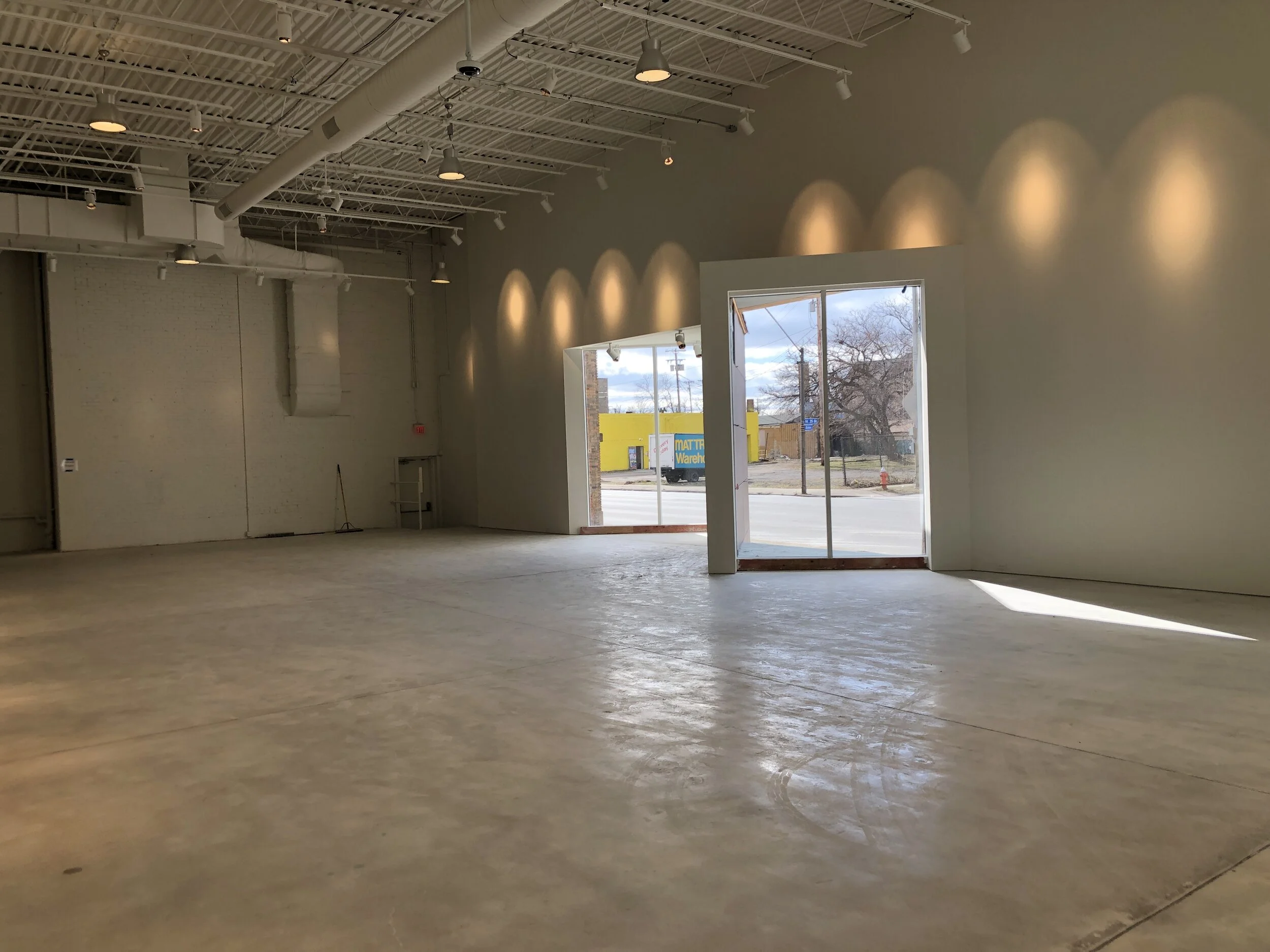
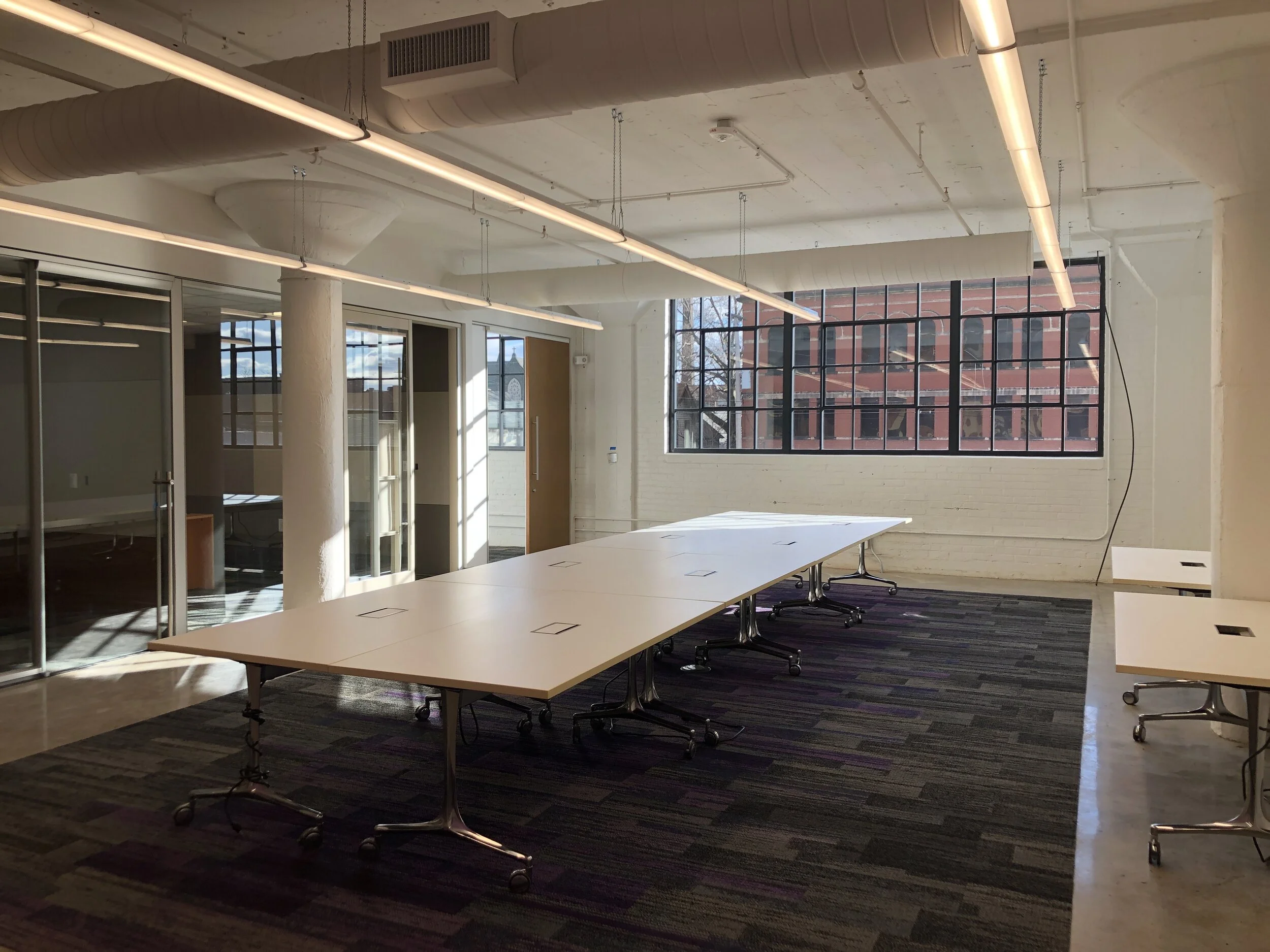
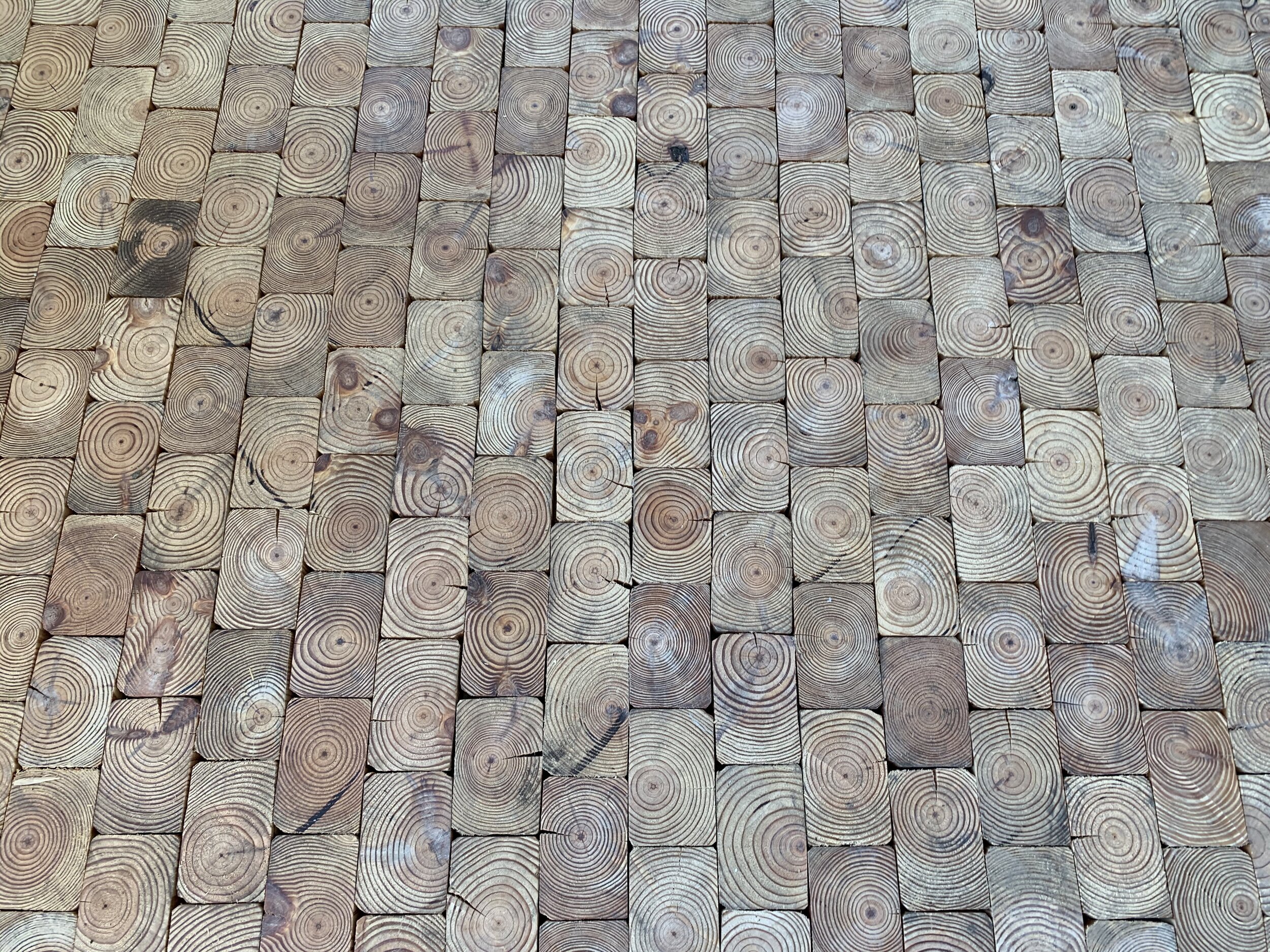
Sitting on West 25th Street near the Cleveland neighborhoods of Ohio City and Tremont, the Astrup Building was the longtime home of the Astrup Company, a canvas and awning manufacturer that supplied the awnings for Cleveland City Hall. Following the company’s departure, the building was derelict and mainly used for storage. When it was acquired by the current owner, it was vacant and in a state of disrepair. The owner planned to convert the property into space for the arts and social services to empower the surrounding neighborhood.
HOW
Designing Local, in partnership with Benjamin D. Rickey Co., successfully nominated the building as a Cleveland Designated Landmark and to the National Register of Historic Places. Designing Local also helped the property owner secure an Ohio Historic Tax Credit and a Federal Historic Tax Credit.
WHAT
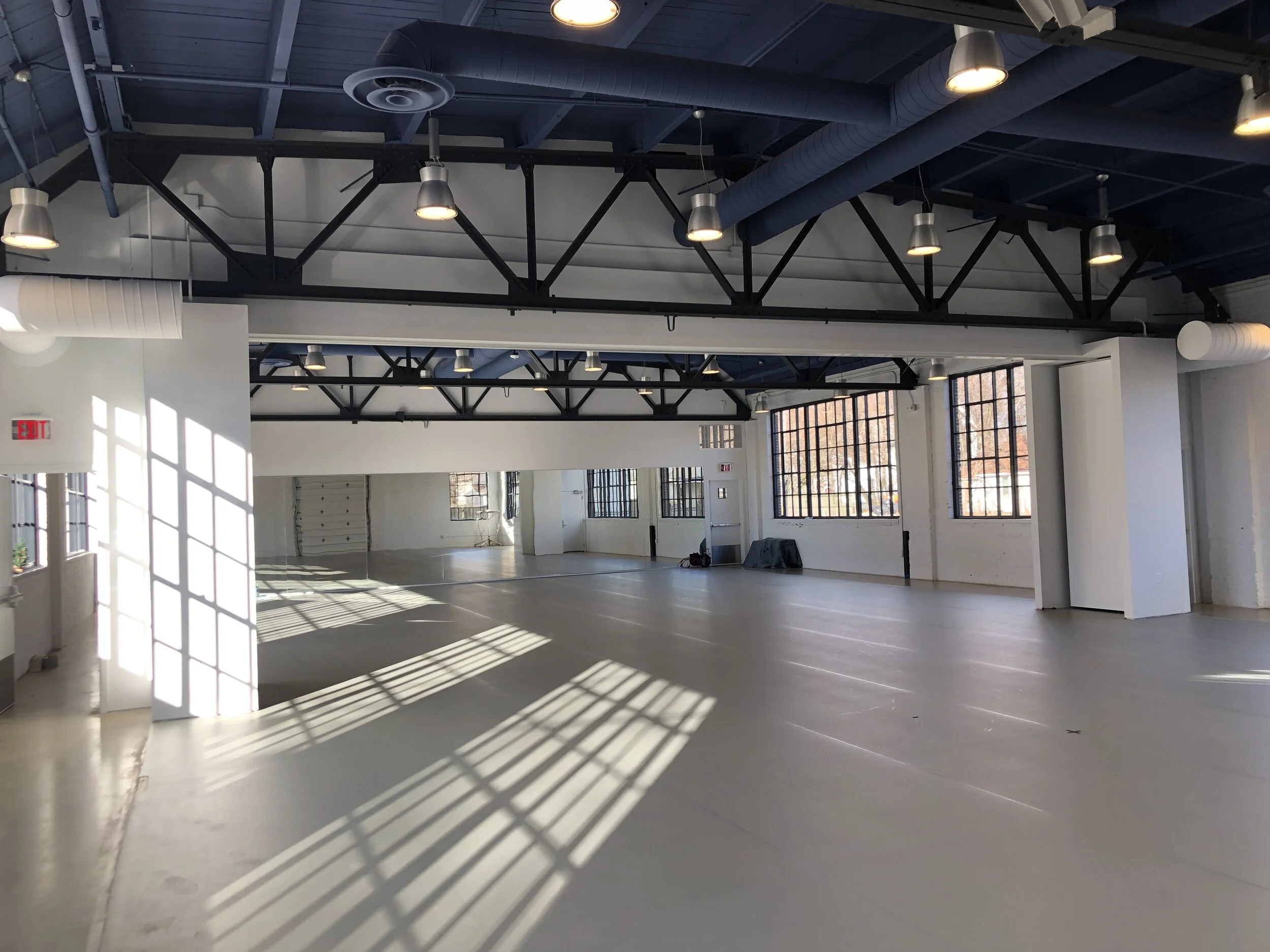
The building, now dubbed the Pivot Center is home to tenants such as the Inlet Dance Theatre, the LatinUS Theater, and Cleveland Rape Crisis Center.
BEFORE

AFTER

Columbus Candy Company Historic Tax Credit
Columbus, Ohio
WHY
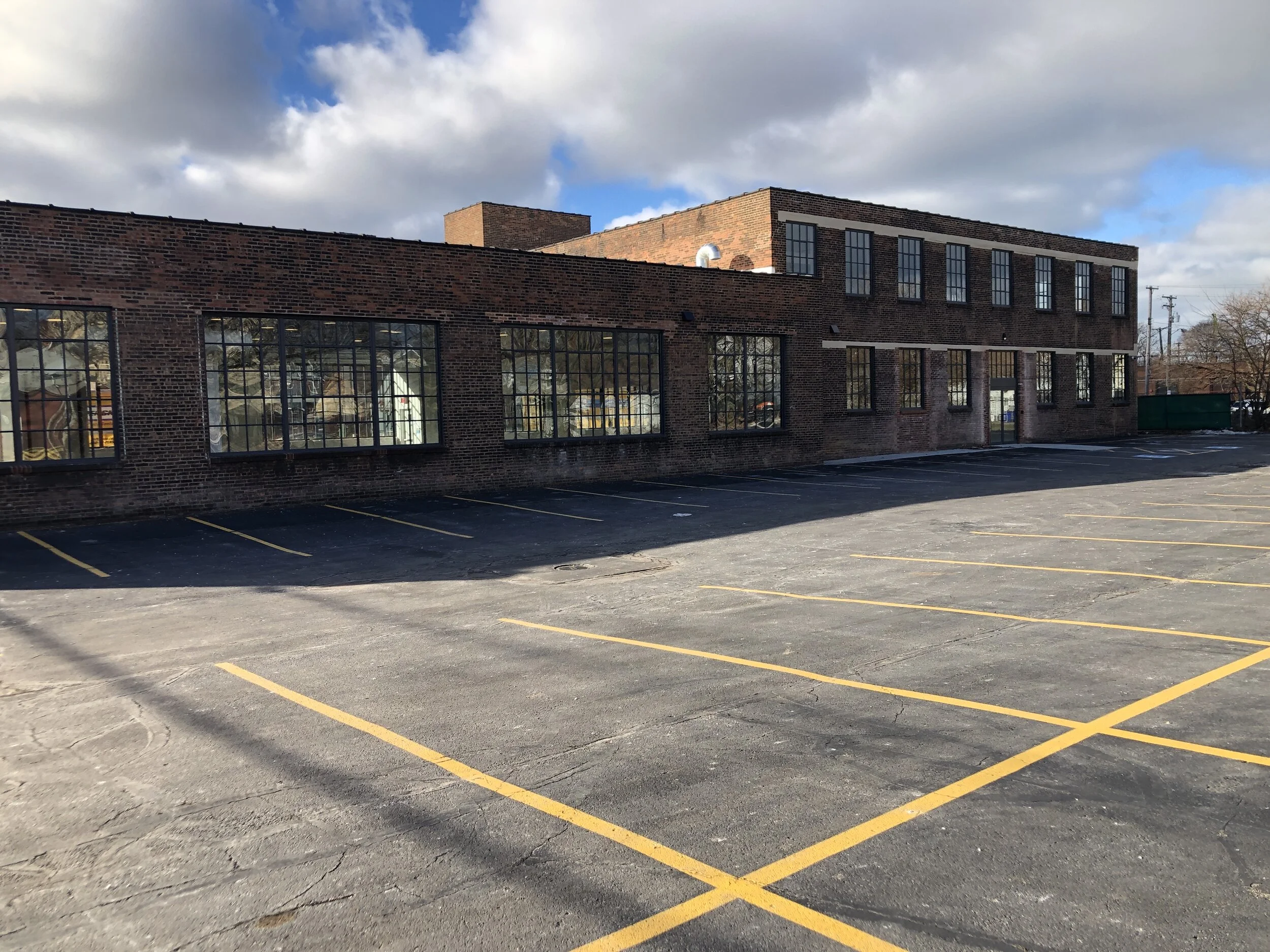
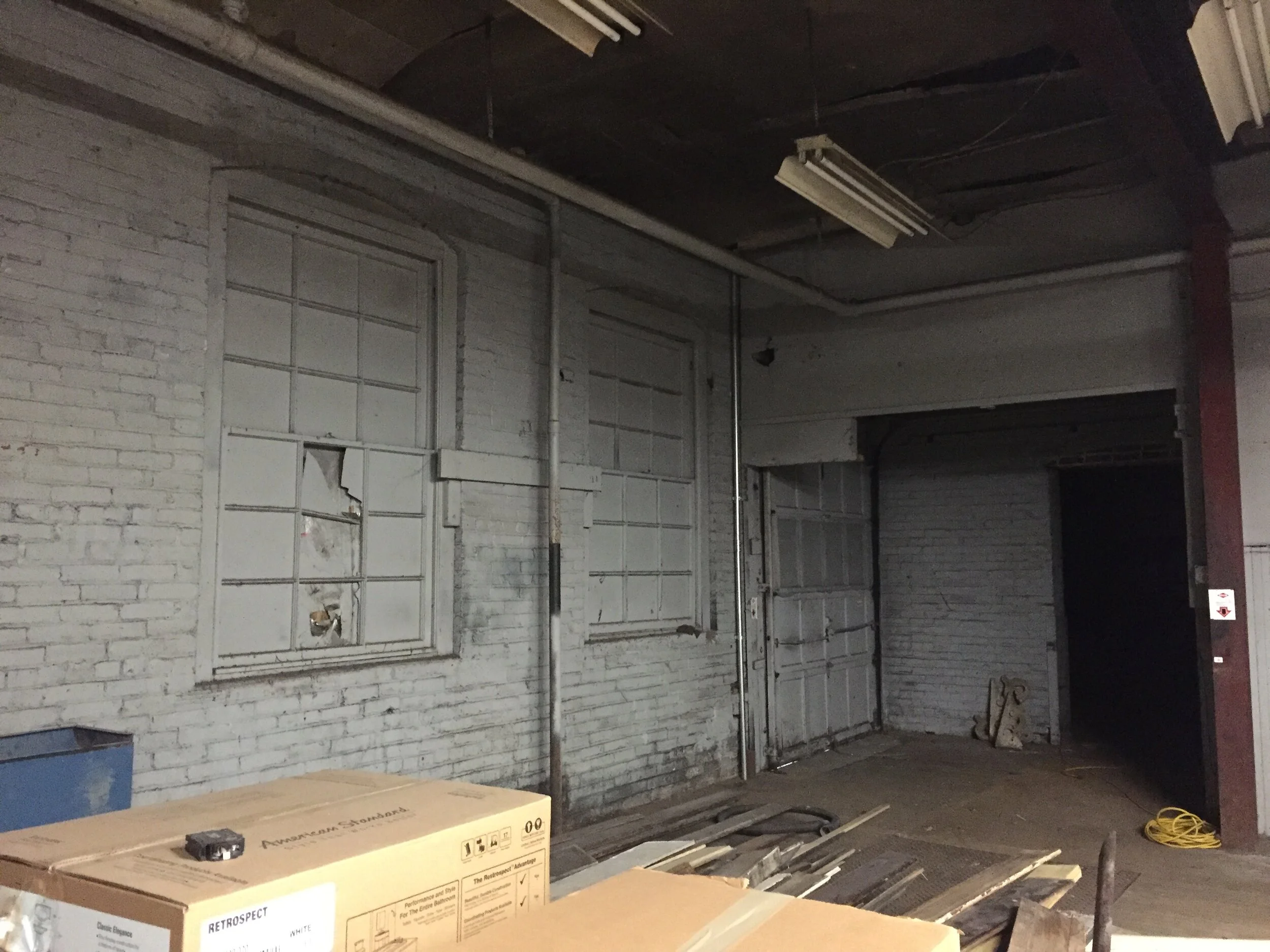
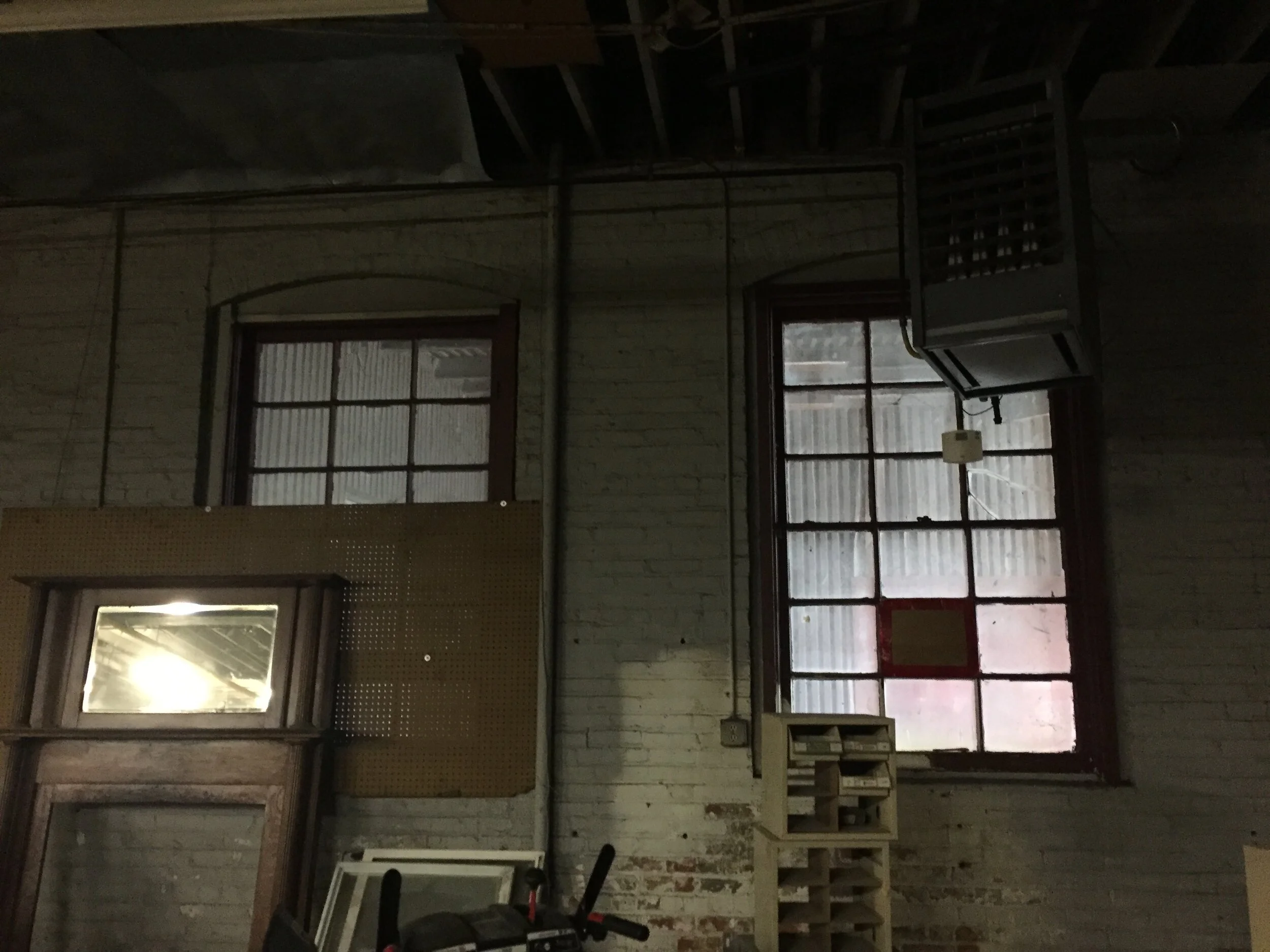
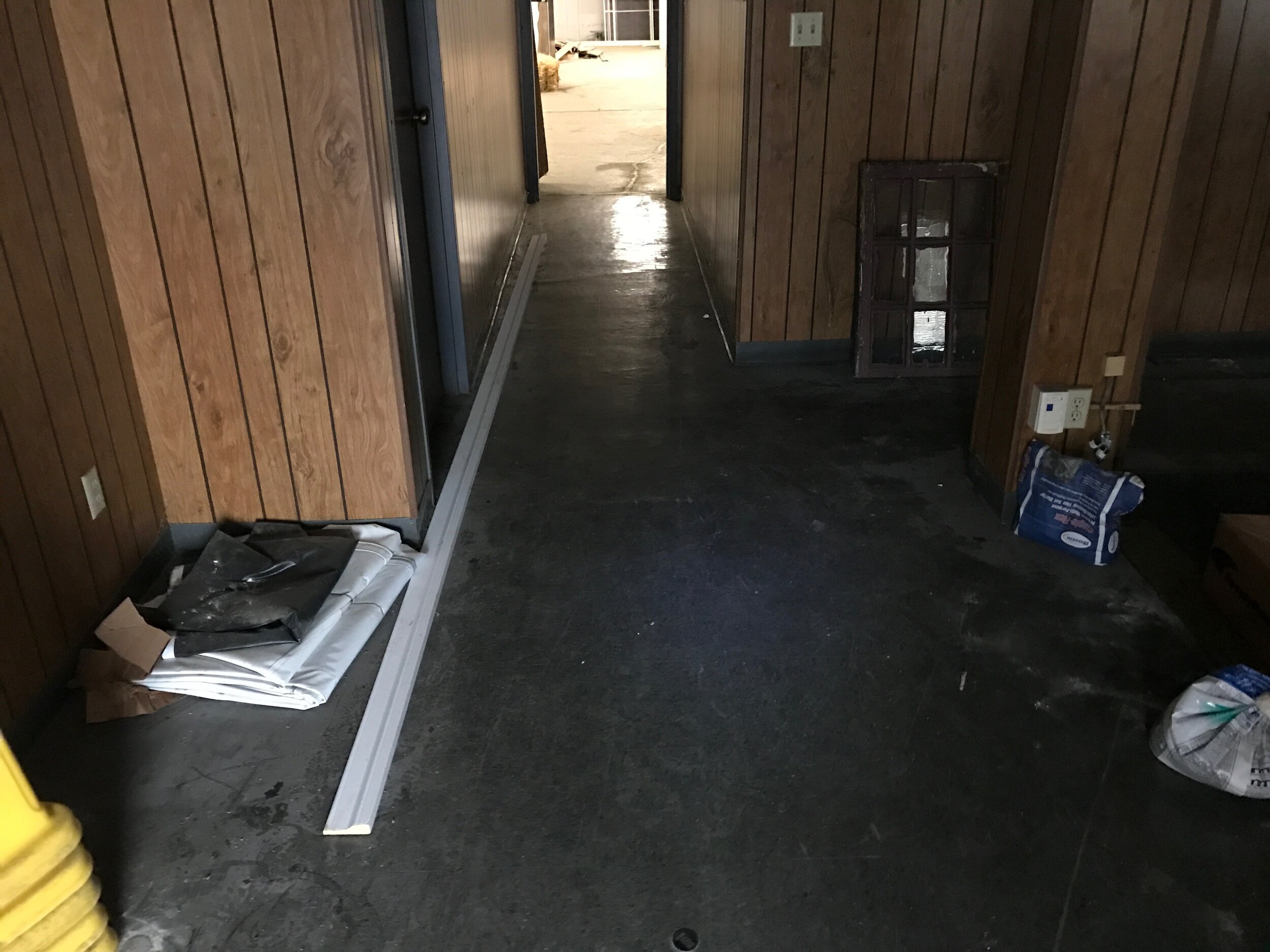
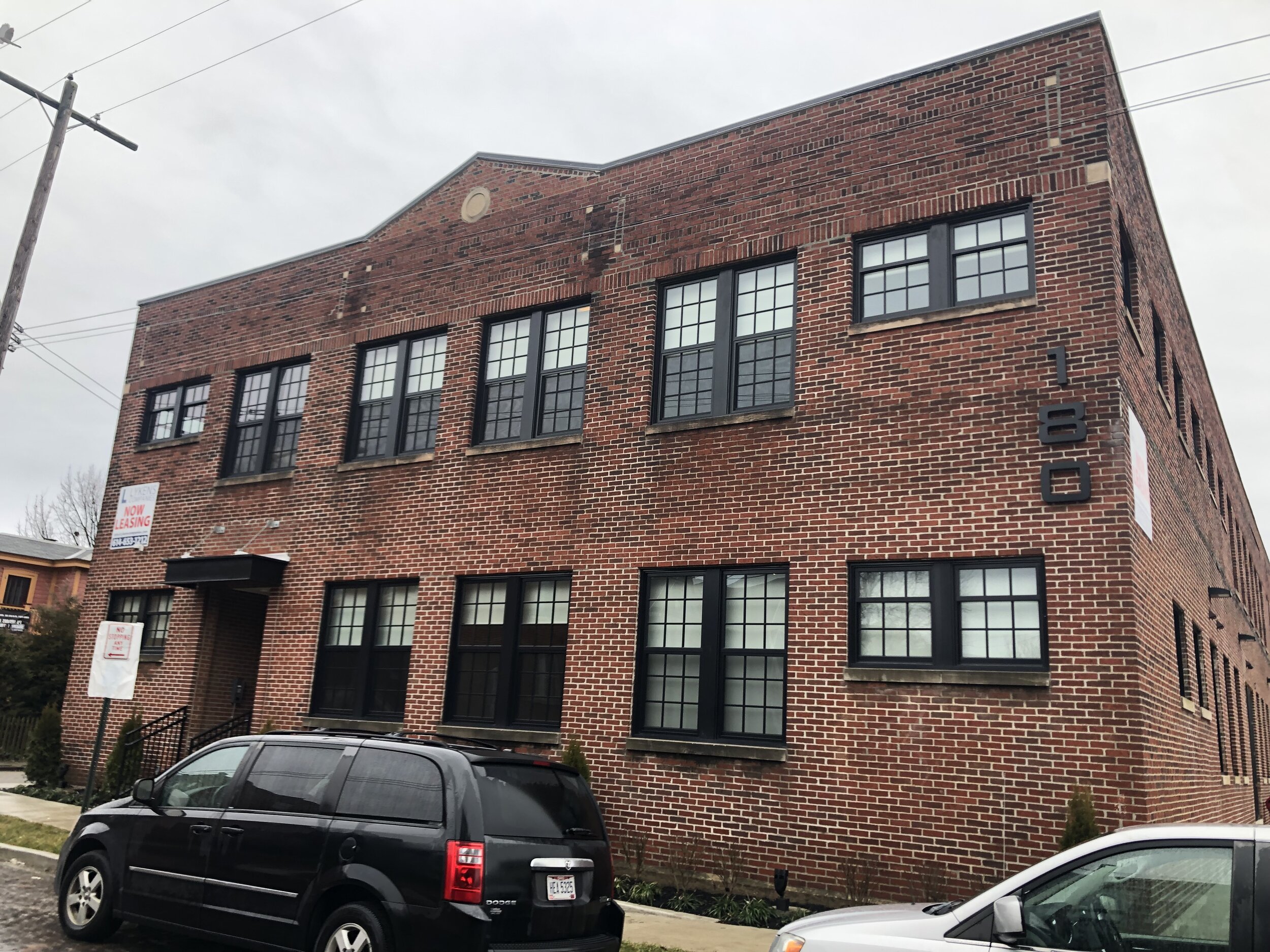
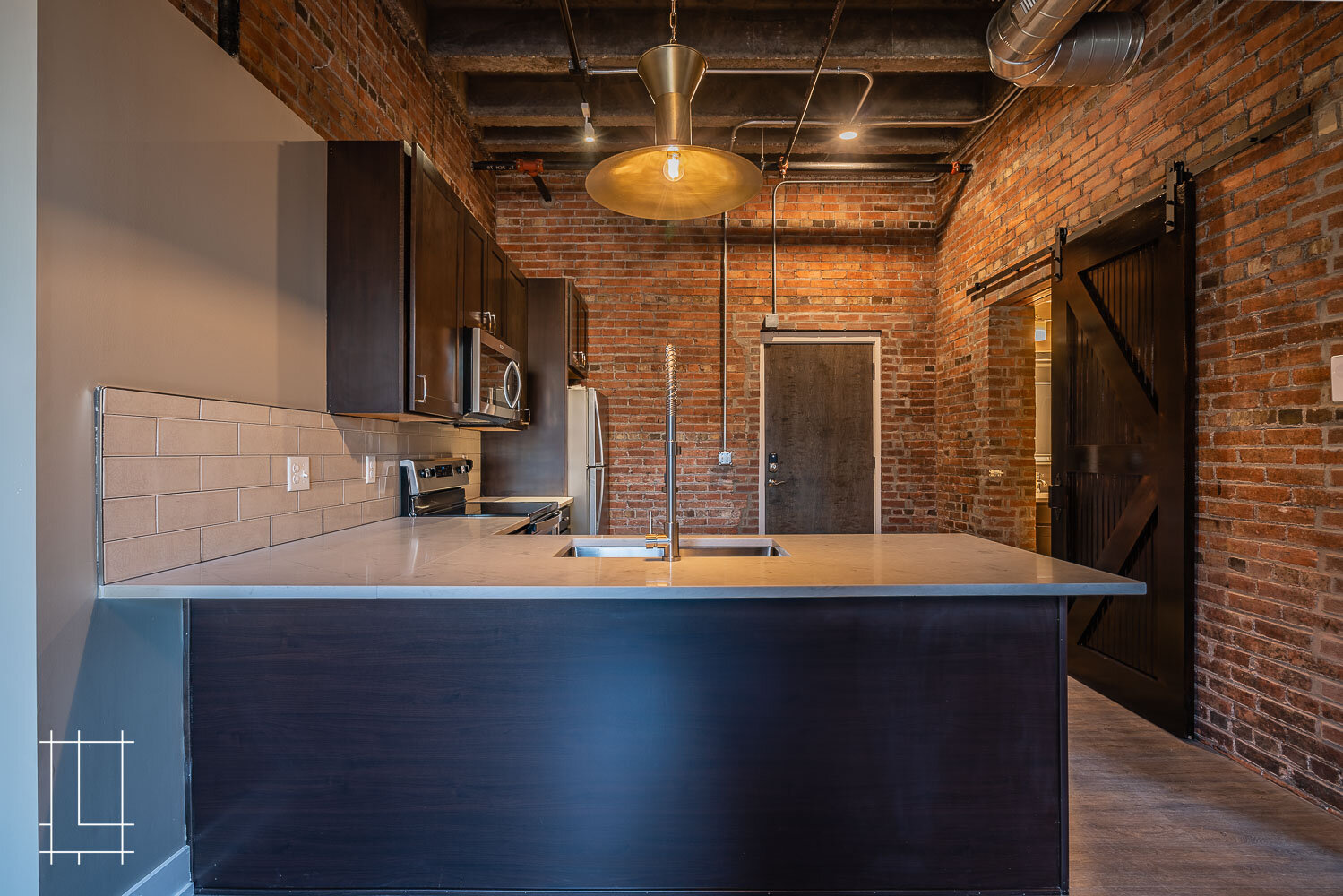
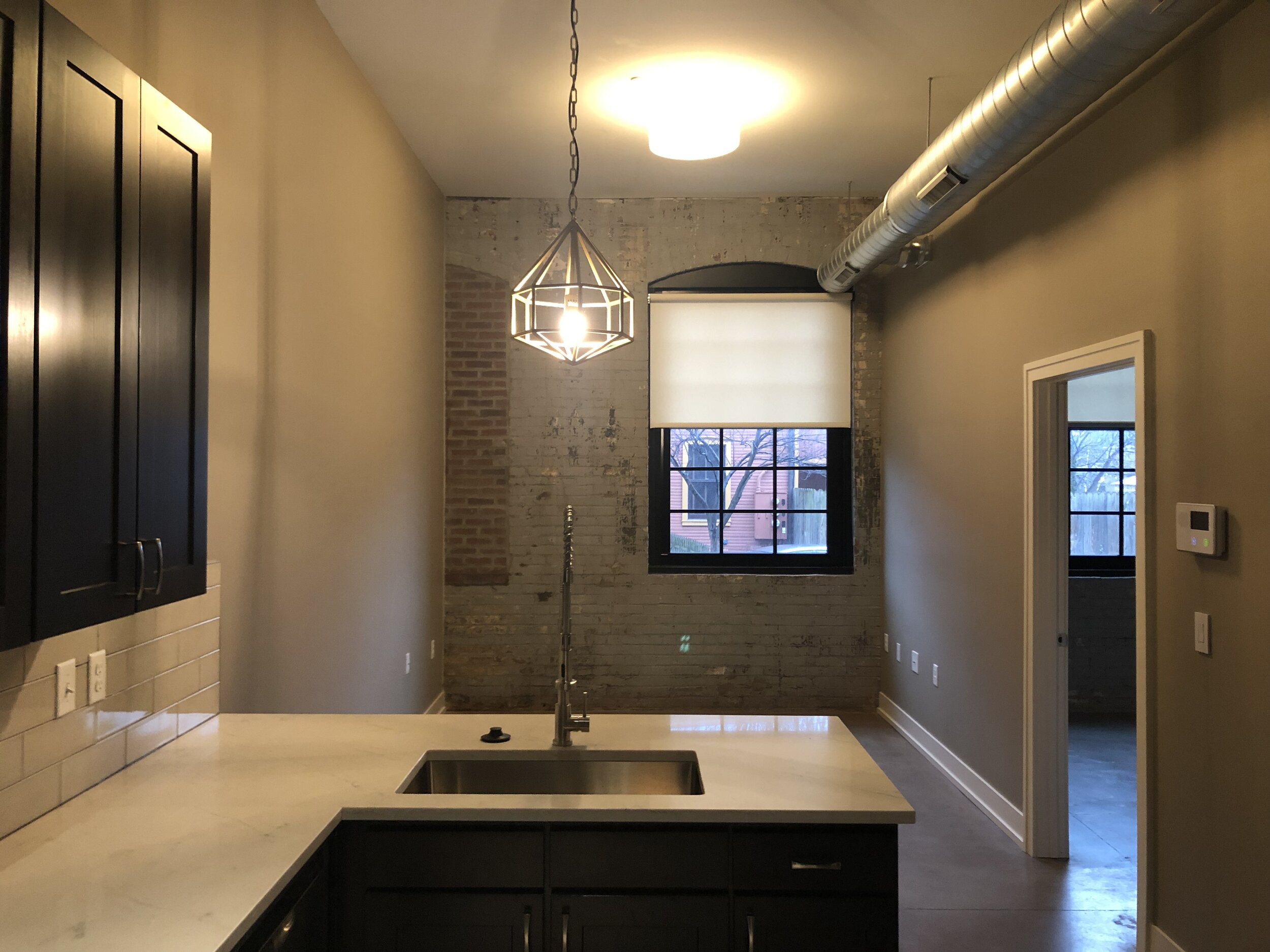
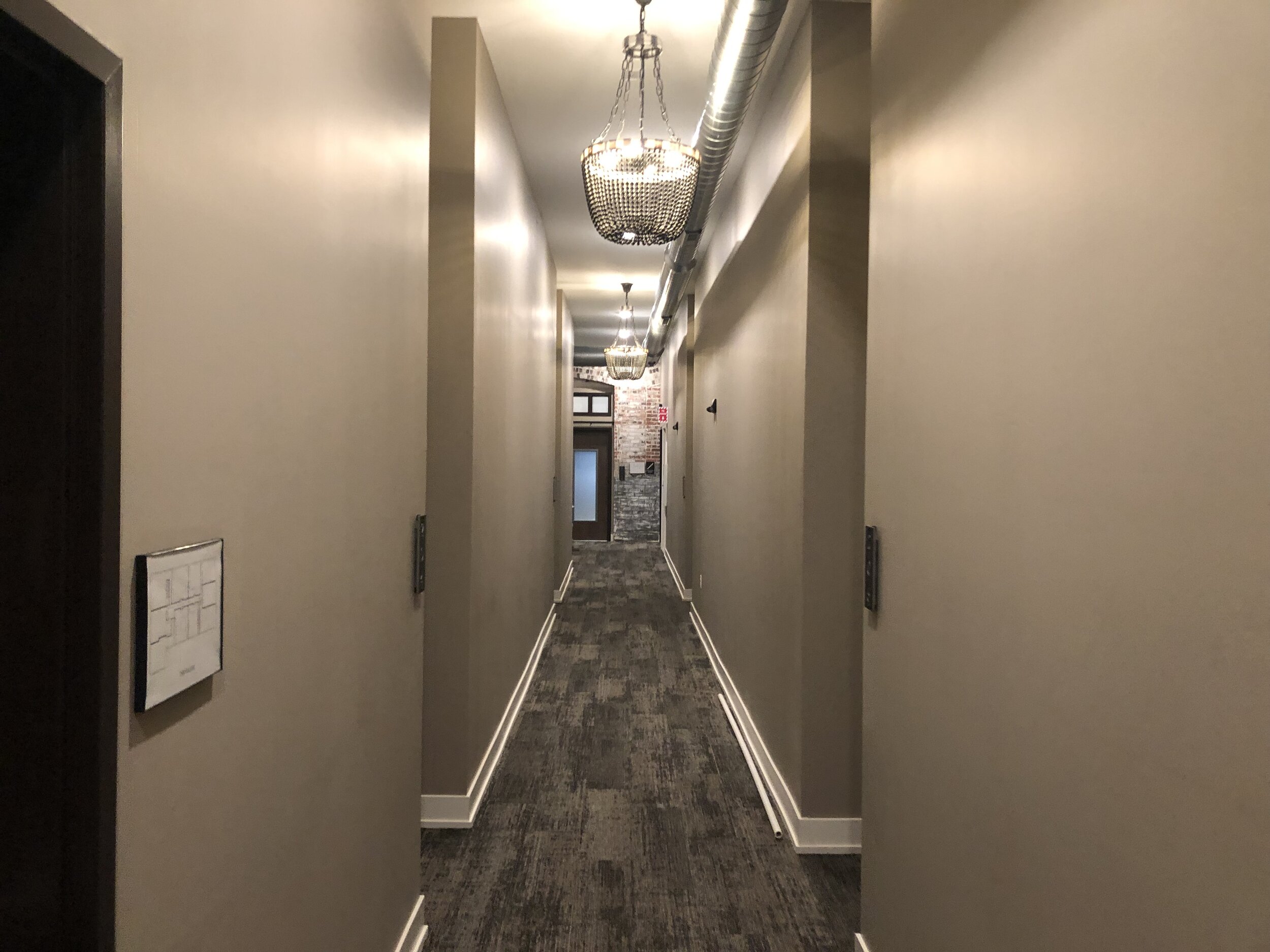
180 Detroit Ave. was originally a manufacturing facility known as the Columbus Candy Company and later became associated with the EJ Thomas Company. At the time the building was acquired by its current owner, it was vacant and in a state of disrepair. The owner planned to convert the property into apartments to provide housing opportunities in the growing Italian Village neighborhood.
HOW
Designing Local helped the property owner secure Ohio Historic Tax Credits for the redevelopment project, as part of the Budd Dairy Historic Tax Credit project.
WHAT
The building now features 20 unique urban lofts.
BEFORE




AFTER



Mansfield Historic Preservation Plan
Mansfield, Ohio
WHY
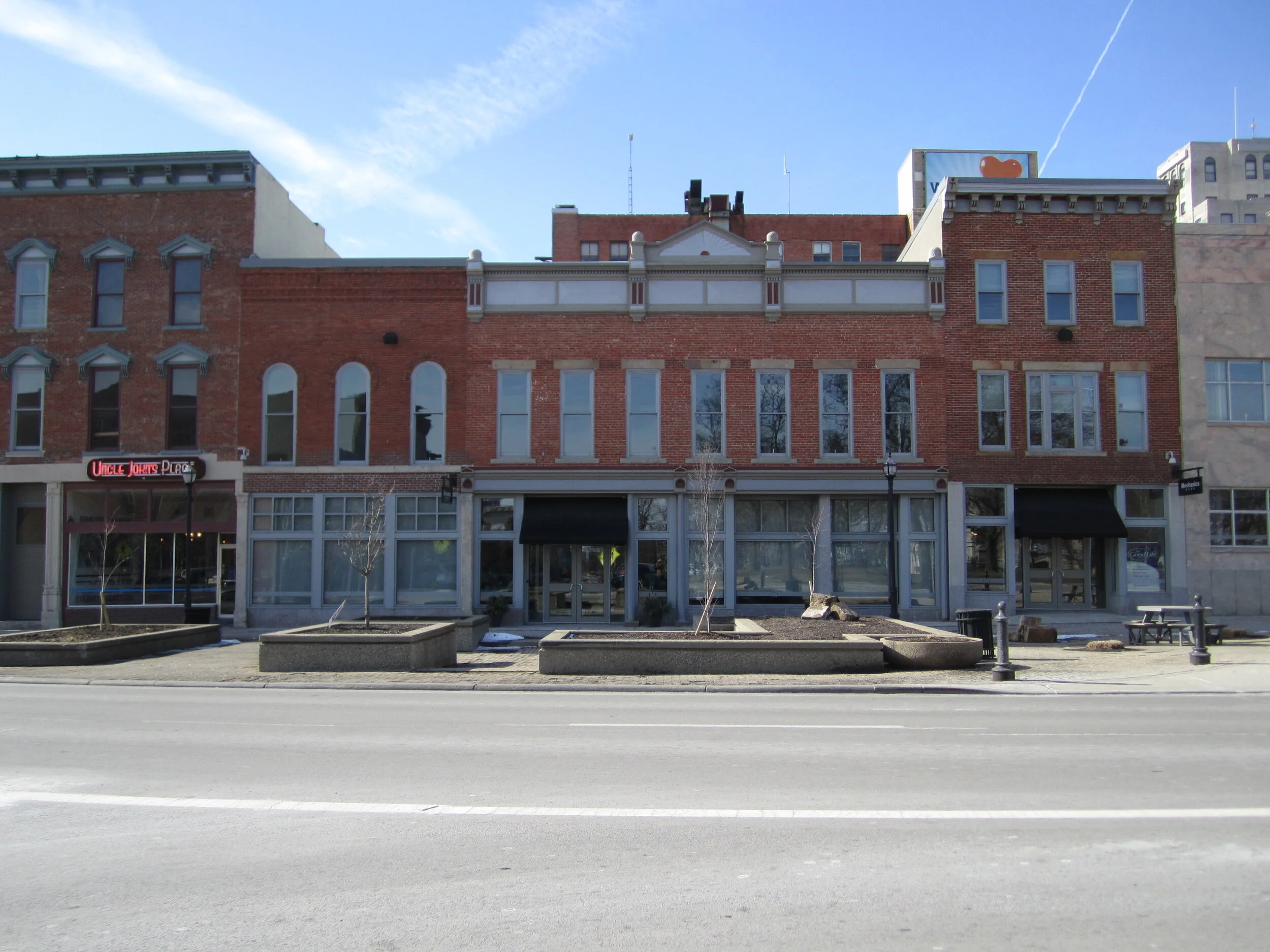
Mansfield has a long history of historic preservation activities. There have been some notable successes, including the preservation of the Ohio State Reformatory, the designation of both local and National Register historic districts and landmarks, and the work of Downtown Mansfield, Inc., and the Historic Preservation Commission of Mansfield. There have been significant challenges as well, including the loss of historic manufacturing facilities and residential structures. Given this, and that the original historic preservation plan was nearly 30 years old, it was an ideal time to evaluate past successes, identify current and future challenges, and develop a plan to move the city forward.
HOW
The Mansfield Historic Preservation Plan update began in January 2015, and was finalized in September 2015. With strategic public involvement, including a pop-up meeting in an abandoned Eagles building and a social media campaign called ‘This Place Matters’, the plan generated significant excitement in the community.
WHAT
The updated plan highlights incentives currently in use, as well as those that have proven successful in other communities, including land banks, revolving loan funds, and grants. The plan broadens the focus of what might be eligible for the National Register, local listings, and long-term preservation.